
LOCTITE
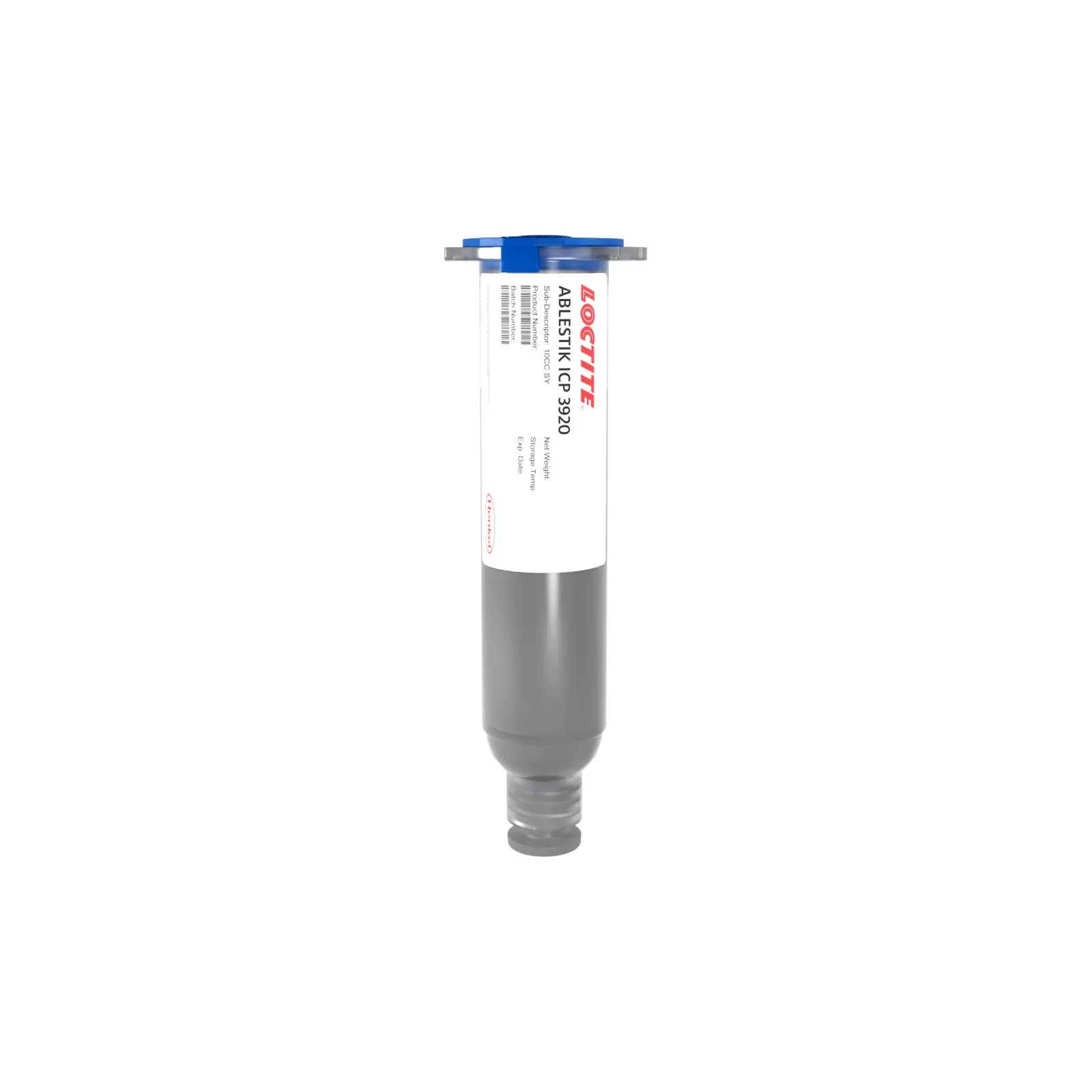
LOCTITE ABLESTIK ICP 3920
Product code: ABLESTIK ICP 3920
Silver-filled conductive epoxy for fine dispensing and printing in SMT assembly, as a lead-free alternative to solder. Cures in 5 minutes at 150 °C.
Electronics solutions
Assembly paste adhesives bond electronic components or dies while providing a defined electrical, thermal or mechanical function. Selection depends on the joint design, substrate, dispensing method and cure process.
Assembly paste adhesives are formulated materials used to attach electronic components, semiconductor dies or functional elements to a substrate. Depending on the formulation, they may provide electrical conductivity, electrical insulation or thermal conductivity while bonding surfaces. These functions are not interchangeable and must be defined before product selection.
Paste adhesives are used where precise material placement and a controlled bondline are required. The application depends on component geometry, substrate material, electrical architecture and production equipment.
The correct paste can help address weak component attachment, inconsistent bondline thickness, unsuitable electrical contact or inadequate heat transfer. It can also support repeatable manufacturing when its rheology and cure behavior match the process. It cannot compensate for poor surface preparation or uncontrolled assembly conditions.
Paste adhesives differ in electrical function, thermal performance, cure mechanism and rheology. Select by the required function and validate the chosen grade with the actual substrate and production process rather than relying on a chemistry name alone.
Define the primary function before comparing grades. Verify the applicable test method and conditions in the current TDS, especially for electrical and thermal properties.
Application may involve dispensing, printing or controlled placement. Confirm surface preparation, material conditioning, working time and cure profile from the current TDS. The application process should provide consistent volume and avoid contaminating electrical contacts or nearby components.
The joint should allow the paste to reach the intended area without spreading onto contacts or adjacent components. Small gaps, uneven surfaces, trapped air and variations in dispense volume can affect the final bond. Plan inspection and rework access early, especially around sensitive components.
Defects may originate from material selection, surface condition, dispensing setup or incomplete curing. Identify the failure mode first and adjust process variables in a controlled manner.
The best recommendation begins with the function required from the paste and the limitations of the assembly process. ADVANCE can help review material families when the application details and evaluation criteria are clear.
LOCTITE
Product code: ABLESTIK ICP 3920
Silver-filled conductive epoxy for fine dispensing and printing in SMT assembly, as a lead-free alternative to solder. Cures in 5 minutes at 150 °C.
LOCTITE
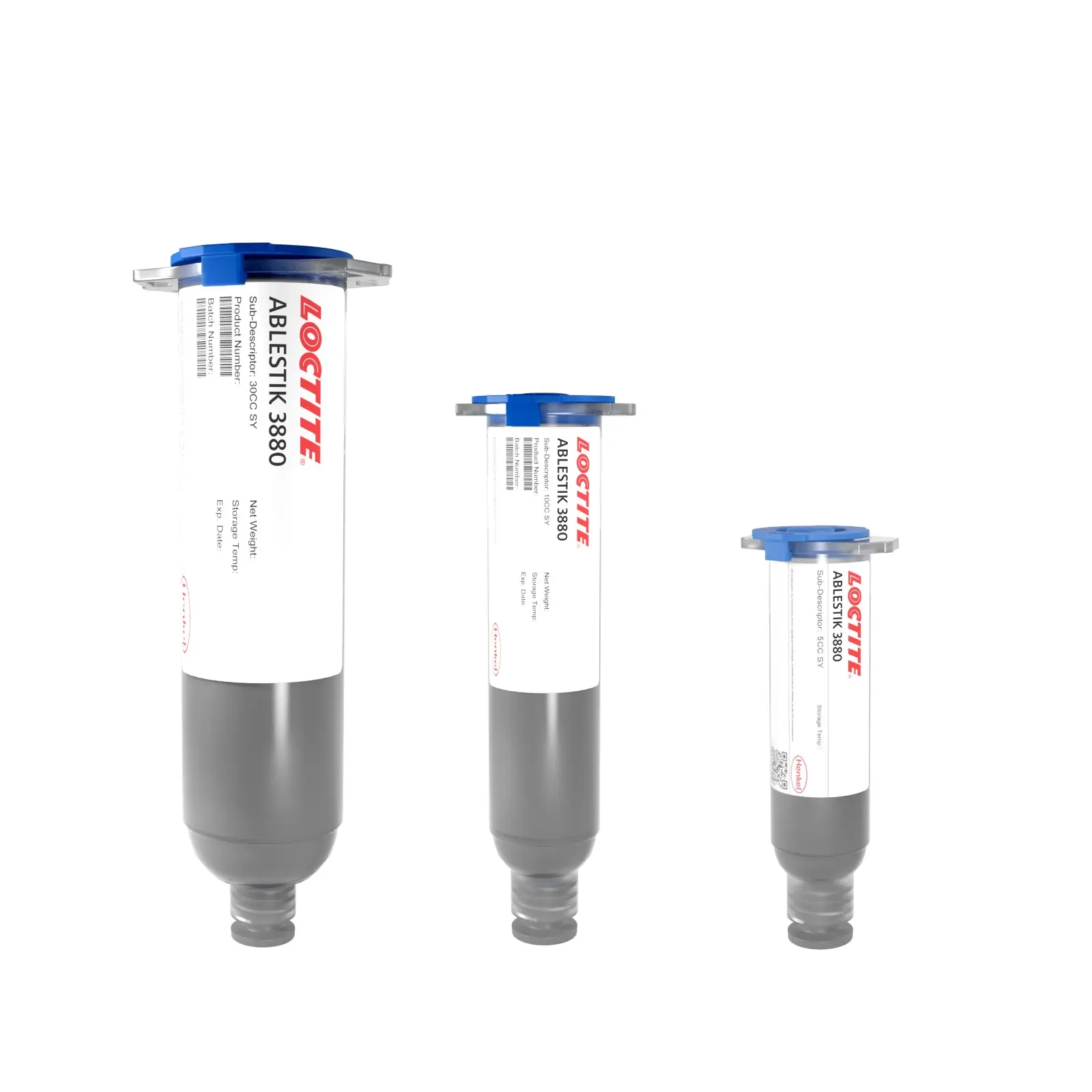
Product code: ABLESTIK 3880
Silver-filled conductive epoxy paste for bonding SMDs, semiconductor elements, EMI parts and lead wires. Dispense or stencil print, then heat cure.
LOCTITE
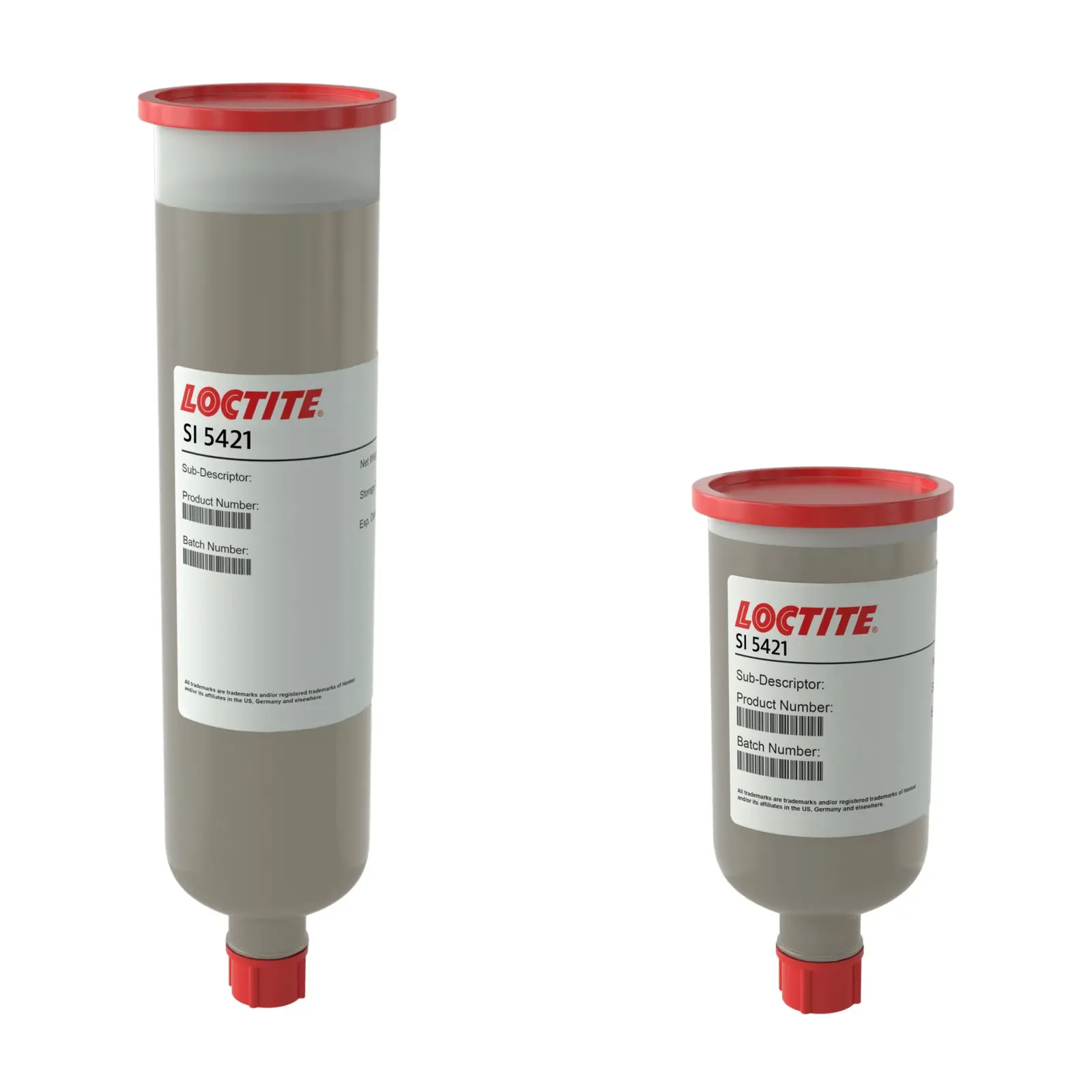
Product code: SI 5421
One-part, moisture-curing conductive silicone for automotive sensor bonding and formed-in-place gaskets on EMI/RF shielded enclosures.
LOCTITE
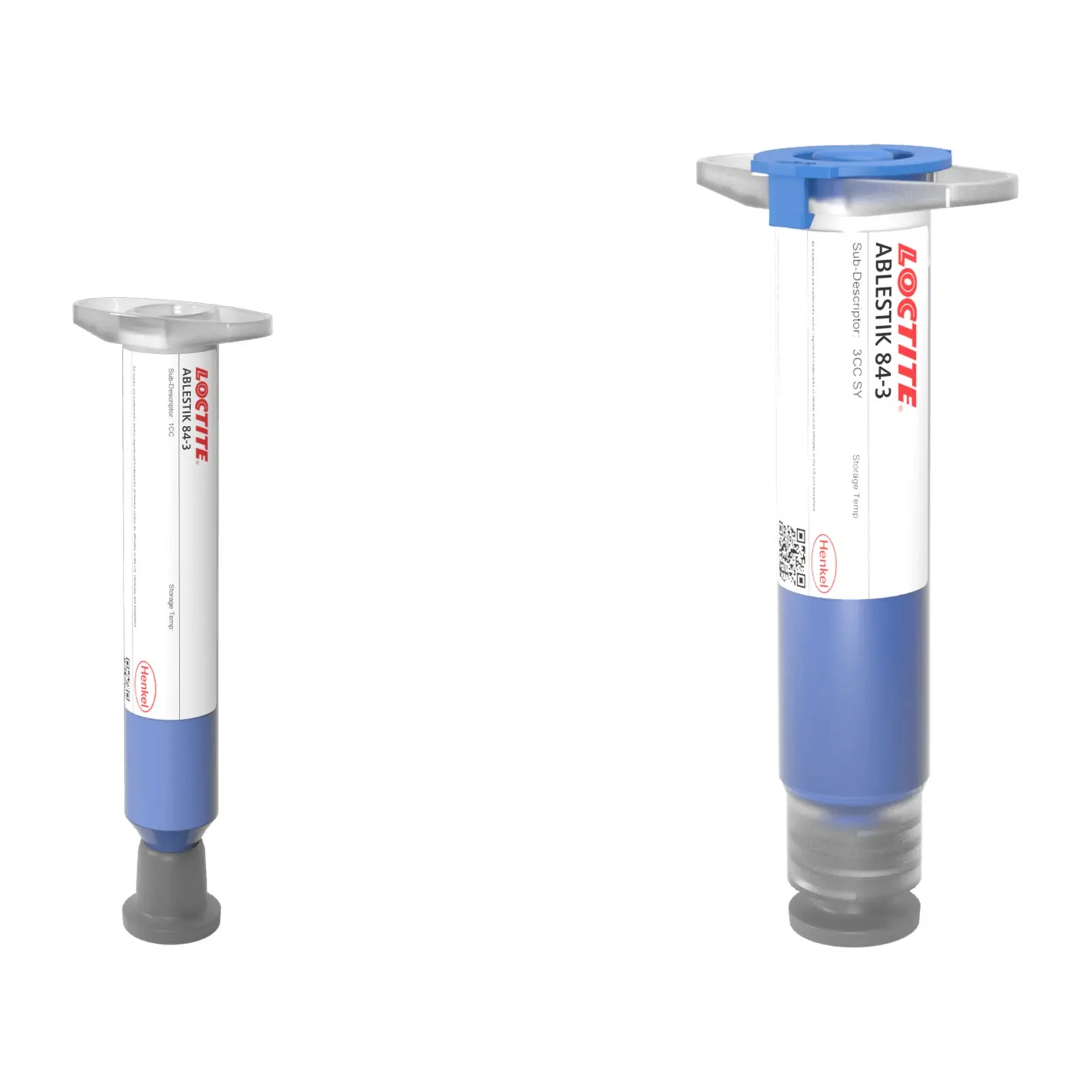
Product code: ABLESTIK 84 3
Non-conductive blue epoxy for medium die attach, ready to use without mixing, applied by dispenser, screen printing or by hand.
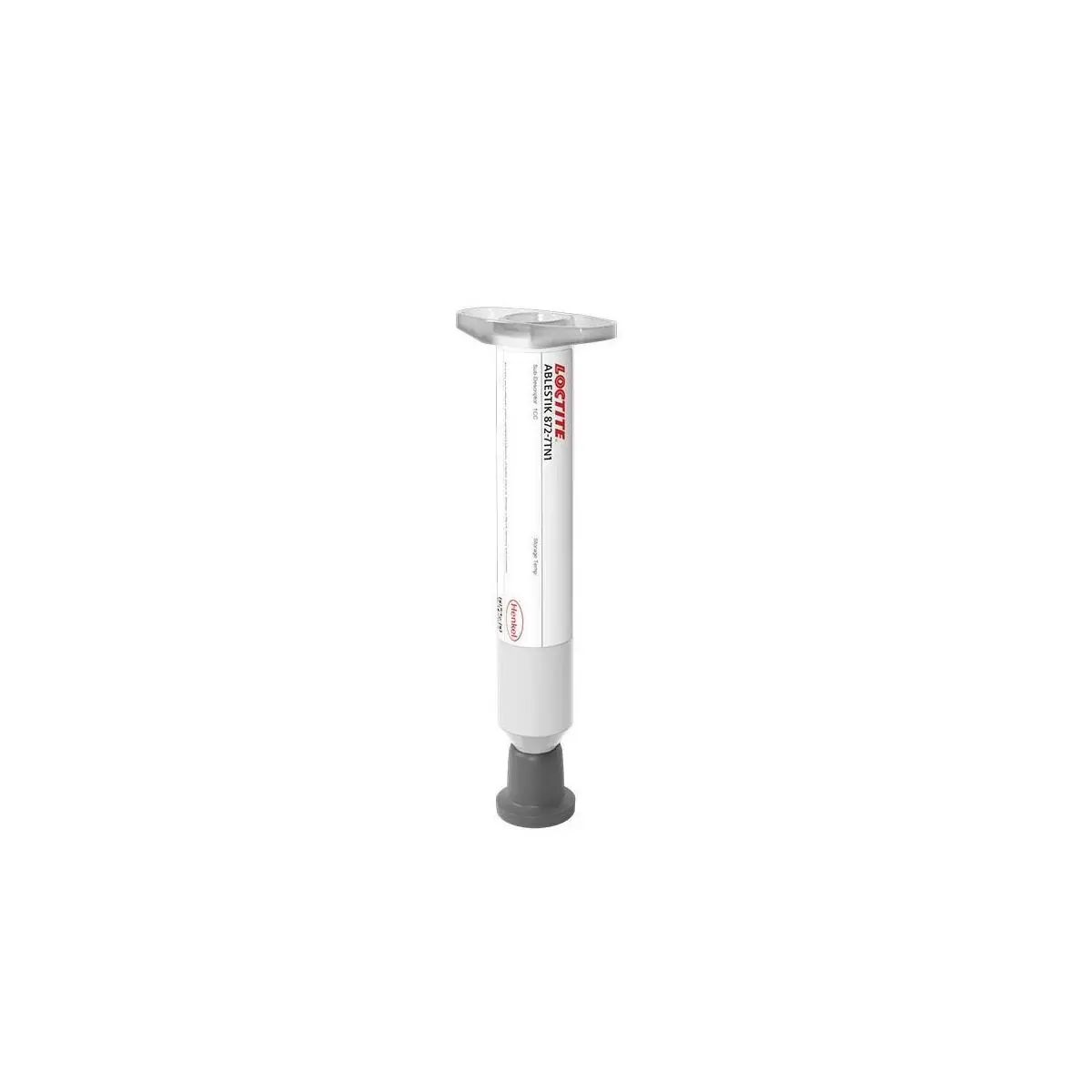
LOCTITE
Product code: ABLESTIK 872 7TN1
Flexible, non-conductive white epoxy paste for electronic parts that need stress relief. It cures at low heat, 3 hours at 100 °C.
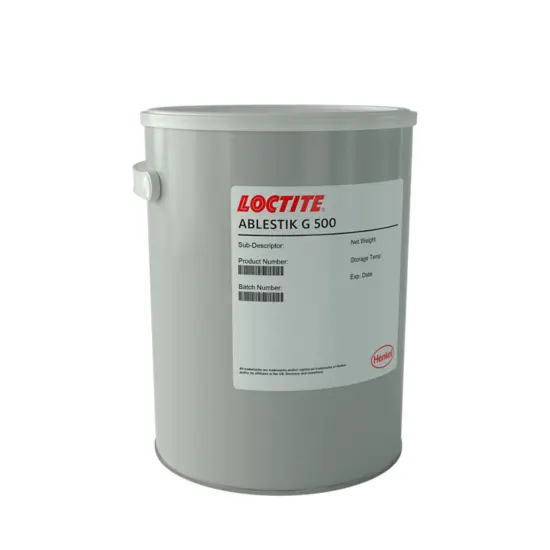
LOCTITE
Product code: ABLESTIK G 500
General-purpose, non-conductive epoxy adhesive and sealant for insulating copper and attaching leads to coils. Heat cures to a high-gloss finish.
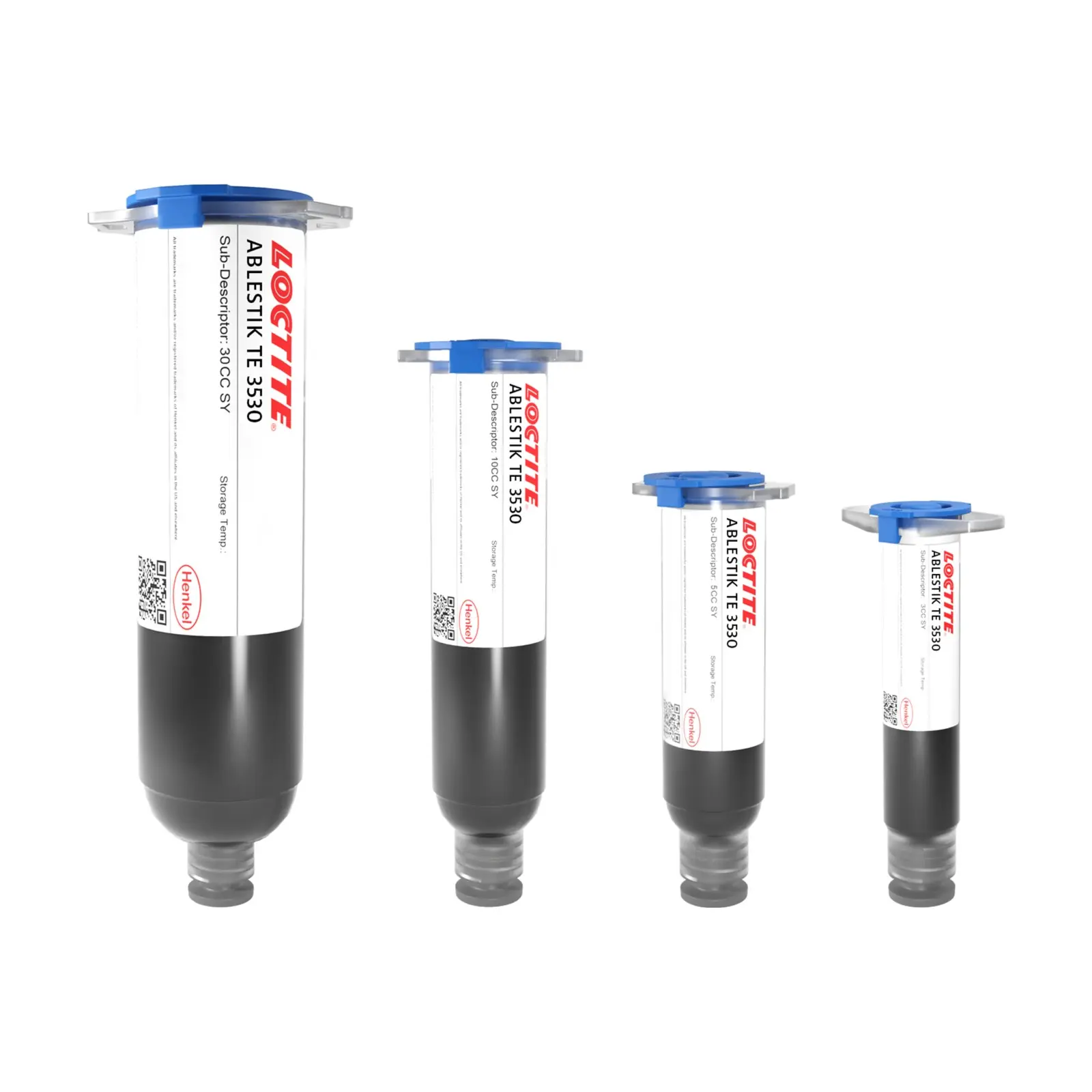
LOCTITE
Product code: ABLESTIK TE 3530
One-part thermally conductive epoxy for bonding heat dissipation components, sensors and die. It cures at low temperature, 30 minutes at 100 °C.
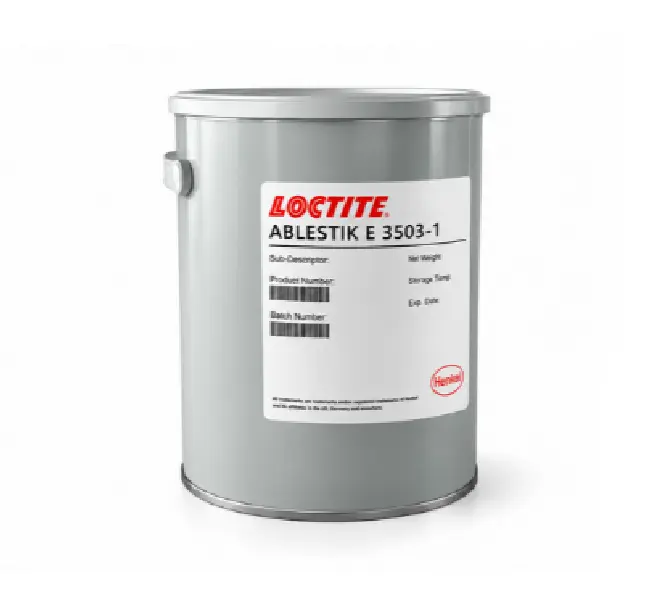
LOCTITE
Product code: ABLESTIK E-3503 1
Thermally conductive, electrically non-conductive epoxy for SMT dispensing on LED displays and heat-sensitive devices, with a low-temperature cure.
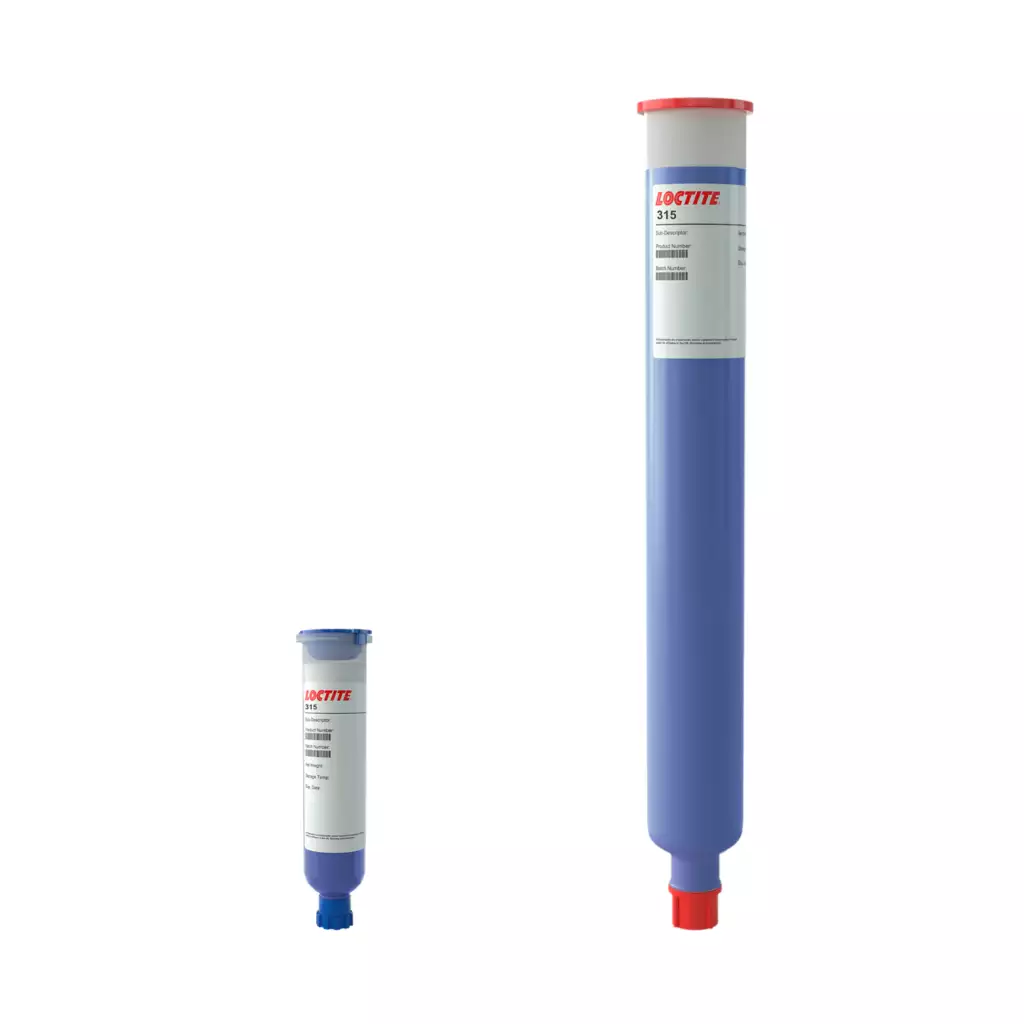
LOCTITE
Product code: 315
LOCTITE 315 is a self-shimming, thermally conductive acrylic paste for bonding electrical components to heat sinks with a consistent insulating gap.
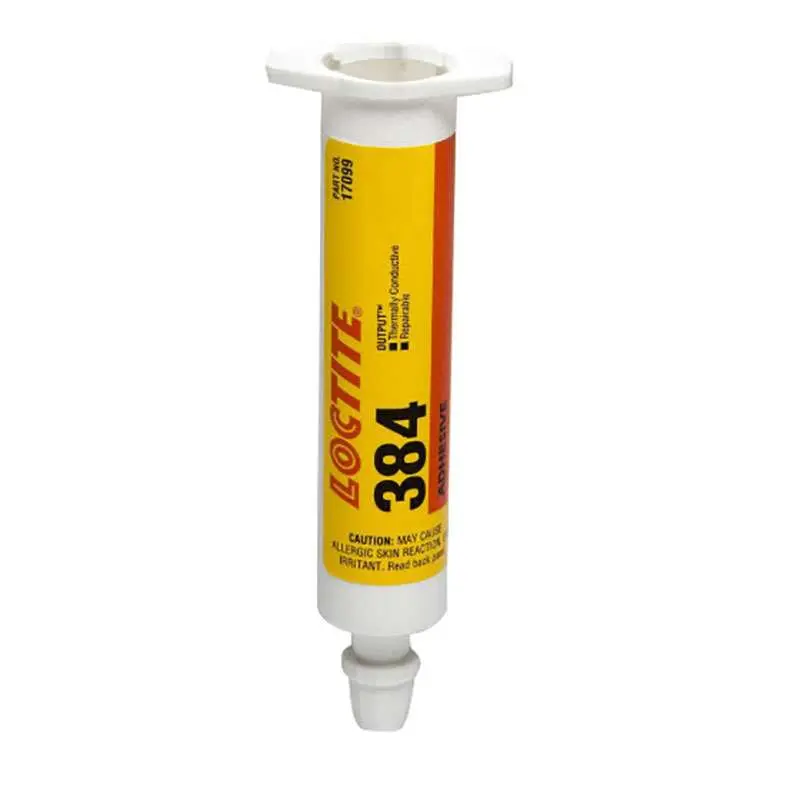
LOCTITE
Product code: 384
LOCTITE 384 is a white to off-white, thermally conductive acrylic paste for bonding heat-generating components to heat sinks, with medium strength so parts can be removed hot for repair.
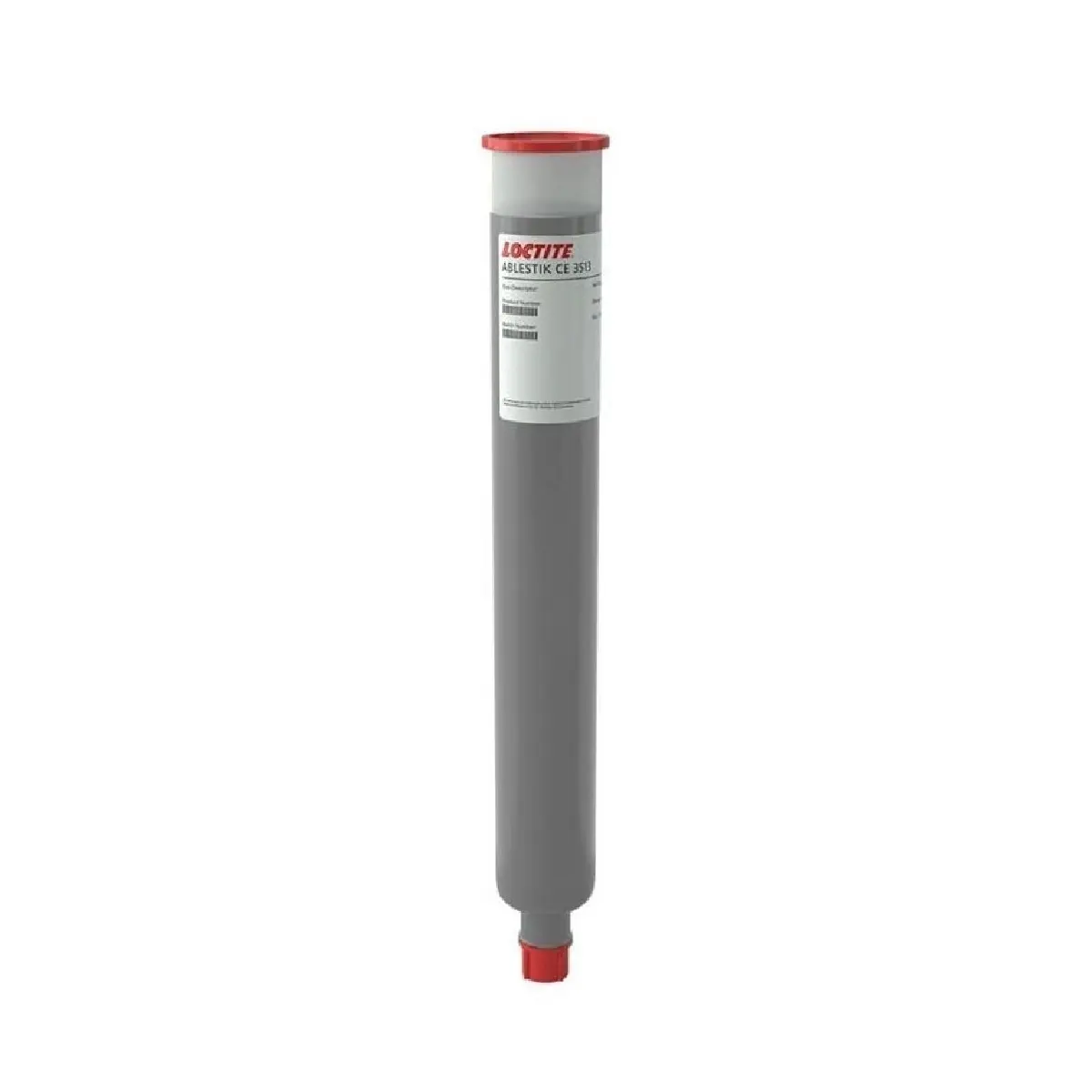
LOCTITE
Product code: ABLESTIK CE 3513
Low-viscosity silver-filled conductive epoxy for automated assembly and in-line curing. Dispenses well, does not bleed and cures fast at high temperature.
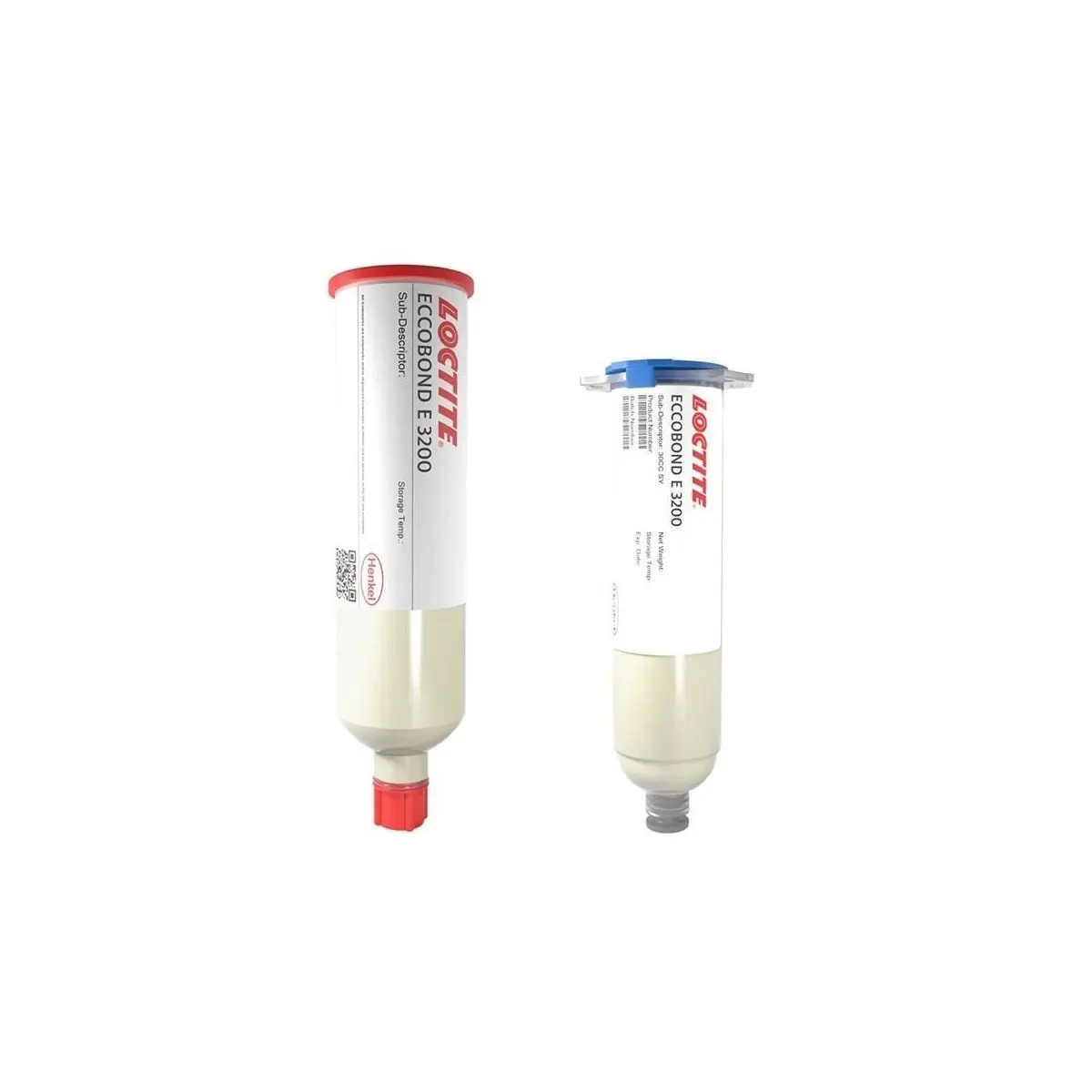
LOCTITE
Product code: ECCOBOND E-3200
Non-conductive, flexible epoxy paste for bonding dissimilar engineering substrates. It cures fast at low temperature, 5 minutes at 120 °C.
Bond semiconductor dies to antenna structures for reliable RFID inlay assembly.
Retain surface-mount components during mixed-technology and double-sided PCB assembly.
Improve heat transfer between electronic components, thermal spreaders and heatsinks.
Share the substrate, component type, required electrical or thermal performance and current application method. ADVANCE can help identify suitable material options and the technical checks needed for evaluation.
Not sure which product fits? Ask our assistant
Type the job, the material or a spec. It searches our published products and TDS values — no external AI.