
LOCTITE
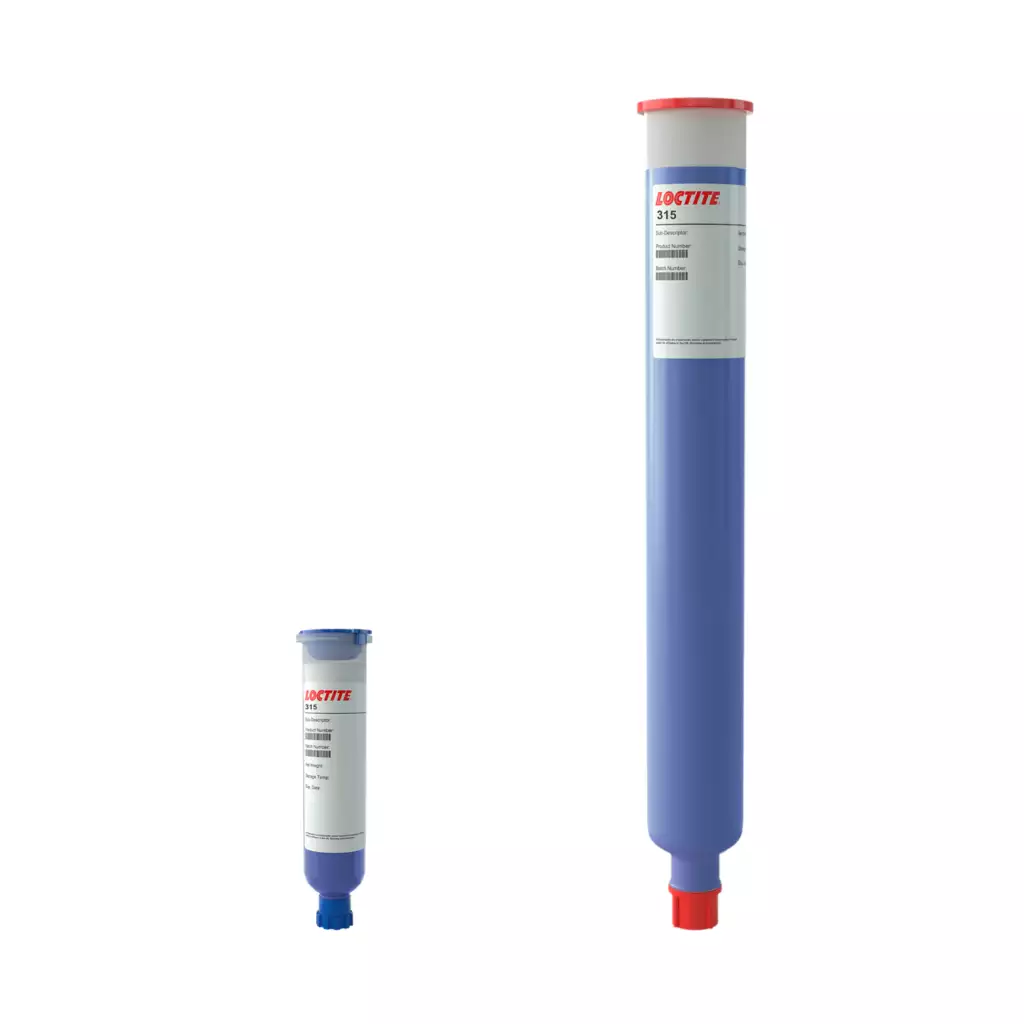
LOCTITE 315
Product code: 315
LOCTITE 315 is a self-shimming, thermally conductive acrylic paste for bonding electrical components to heat sinks with a consistent insulating gap.
Electronics solutions
Thermal management materials reduce resistance at interfaces between heat-generating components and cooling surfaces. This page covers thermal adhesive pastes, thermal greases and phase change materials for electronic assemblies.
Thermal management materials improve heat transfer from electronic components to a heat sink, heat spreader or other cooling surface. Microscopic surface irregularities create air gaps that increase thermal resistance. Thermal interface materials fill these gaps and improve contact between opposing surfaces.
Thermal interface materials include greases, phase change materials and adhesive pastes. Thermal adhesive pastes add a bonding function, while greases and many phase change materials primarily provide a thermal contact interface. Selection depends on whether the assembly needs permanent bonding, compression, removability or a defined bondline.
Thermal materials are used where component temperature influences performance, reliability or service life. They may be placed between semiconductor packages and cooling hardware or between power devices and thermal spreaders.
Poor thermal contact between a component and its cooling surface can create hot spots and increase operating temperature. A suitable interface material helps reduce resistance caused by surface gaps. Performance still depends on the complete thermal and mechanical design, including contact pressure, bondline thickness and cooling capacity.
Thermal solutions differ according to whether the design needs bonding, gap filling, compression or phase-change behavior. The range includes adhesive pastes, thermal greases, phase change materials and related accessories. Select according to the interface design and verify the exact product's technical data.
Evaluate the complete heat-transfer path, not thermal conductivity alone. Define the mechanical interface and operating conditions, then compare grade-specific data using current technical documentation and relevant test methods.
Prepare the interface surfaces according to the product instructions. Apply the material by dispensing, printing, placing a preformed material or another approved method. Assemble the component and cooling surface under the required contact conditions. Adhesive pastes may require curing, while greases and many phase change materials follow different handling and activation requirements.
The thermal interface is part of the complete cooling system. Surface flatness, component height, clamping pressure, bondline thickness and thermal expansion influence performance. A material with high thermal conductivity may still perform poorly if the interface geometry or assembly pressure is unsuitable.
Thermal interface problems may result from unsuitable material properties, poor surface contact, incorrect bondline thickness or insufficient mechanical pressure. Diagnosis should include both material inspection and temperature measurements under controlled operating conditions.
Begin with the heat source, cooling interface and operating temperature. ADVANCE can help review thermal adhesive pastes, greases and phase change materials when the mechanical design and thermal requirements are known.
LOCTITE
Product code: 315
LOCTITE 315 is a self-shimming, thermally conductive acrylic paste for bonding electrical components to heat sinks with a consistent insulating gap.
LOCTITE
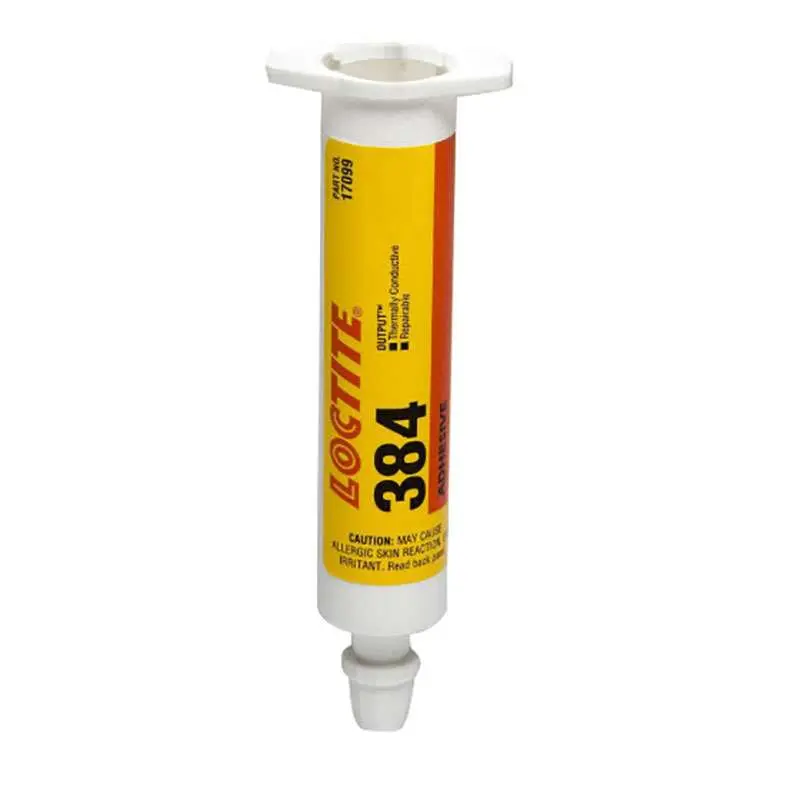
Product code: 384
LOCTITE 384 is a white to off-white, thermally conductive acrylic paste for bonding heat-generating components to heat sinks, with medium strength so parts can be removed hot for repair.
LOCTITE
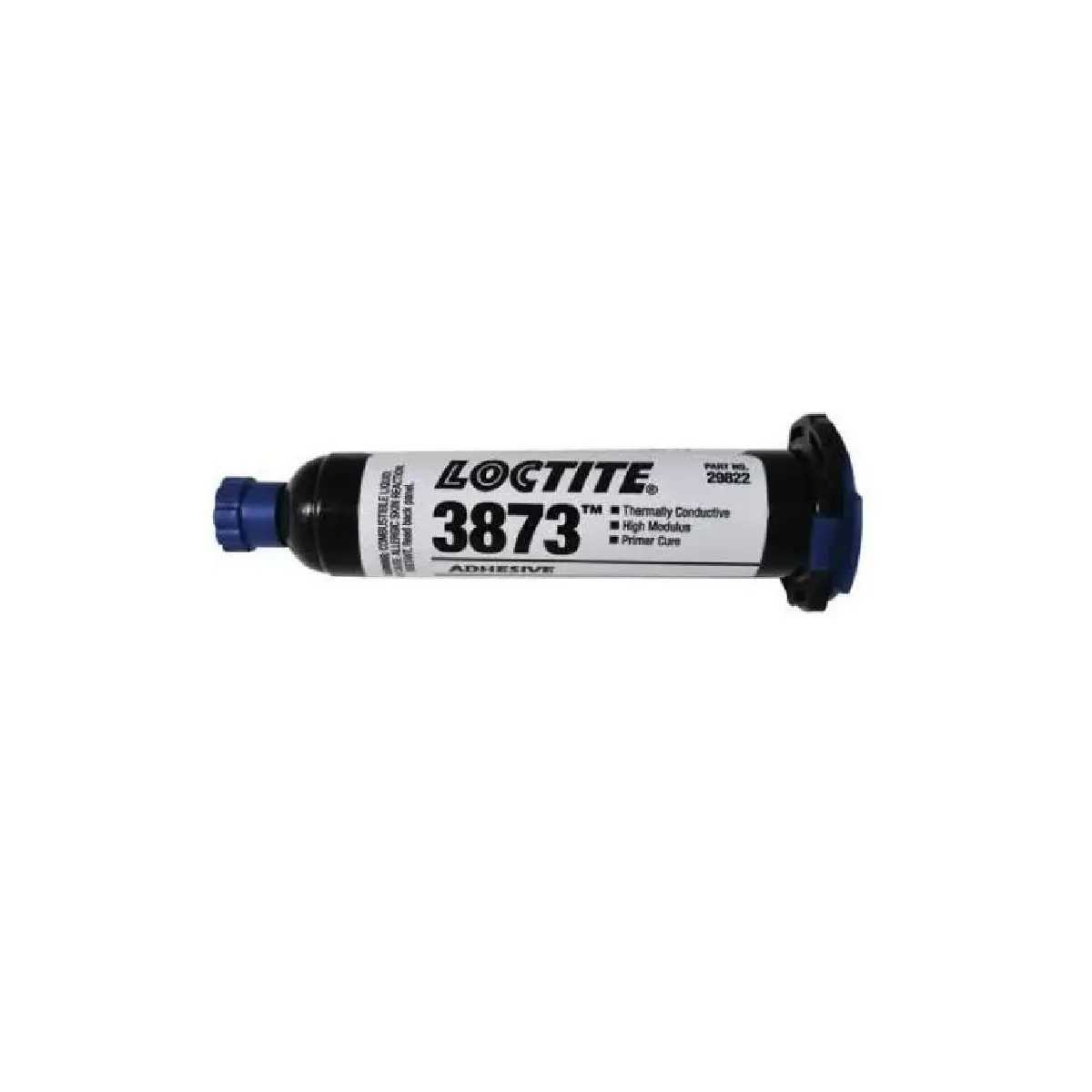
Product code: 3873
Self-shimming acrylic adhesive that bonds power devices to heat spreaders. Glass spheres set a 0.127 mm bond line, and it cures fast with Activator 7387.
BERGQUIST
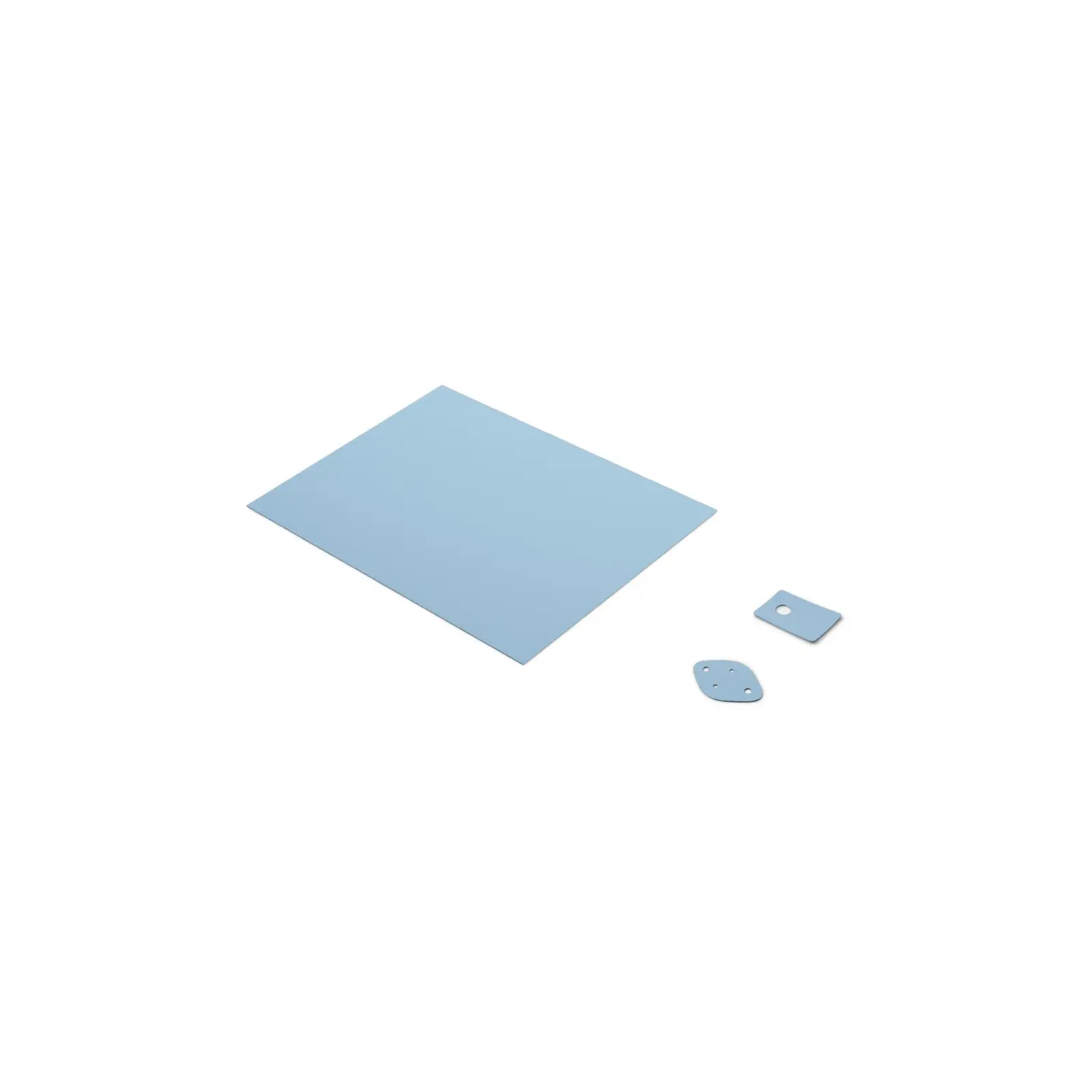
Product code: GAP PAD TGP 3000
Soft fiberglass-reinforced silicone thermal pad, 3.0 W/(m·K) and 30 Shore 00, for low-stress gaps on processors, BGA packages and storage drives.

BERGQUIST
Product code: GAP PAD TGP 5000
Soft fiberglass-reinforced silicone thermal pad, 5.0 W/(m·K) and 35 Shore 00, for low mounting pressure on VRMs, ASICs, memory and BGAs.
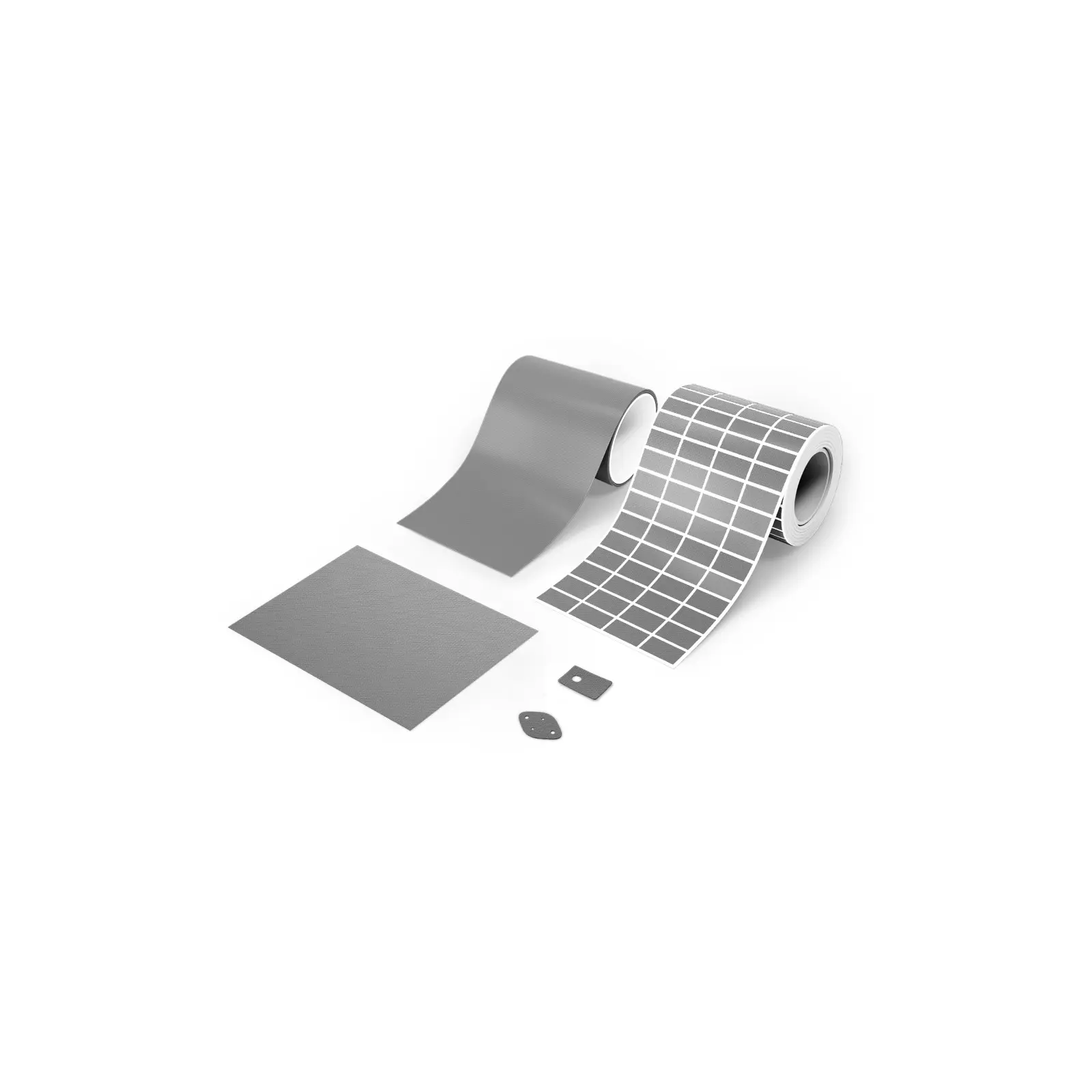
BERGQUIST
Product code: SIL PAD TSP 900
Gray silicone rubber and fiberglass insulating pad, the original Sil-Pad material, that isolates power devices from heat sinks. 0.9 W/(m·K), 0.178 or 0.229 mm thick.
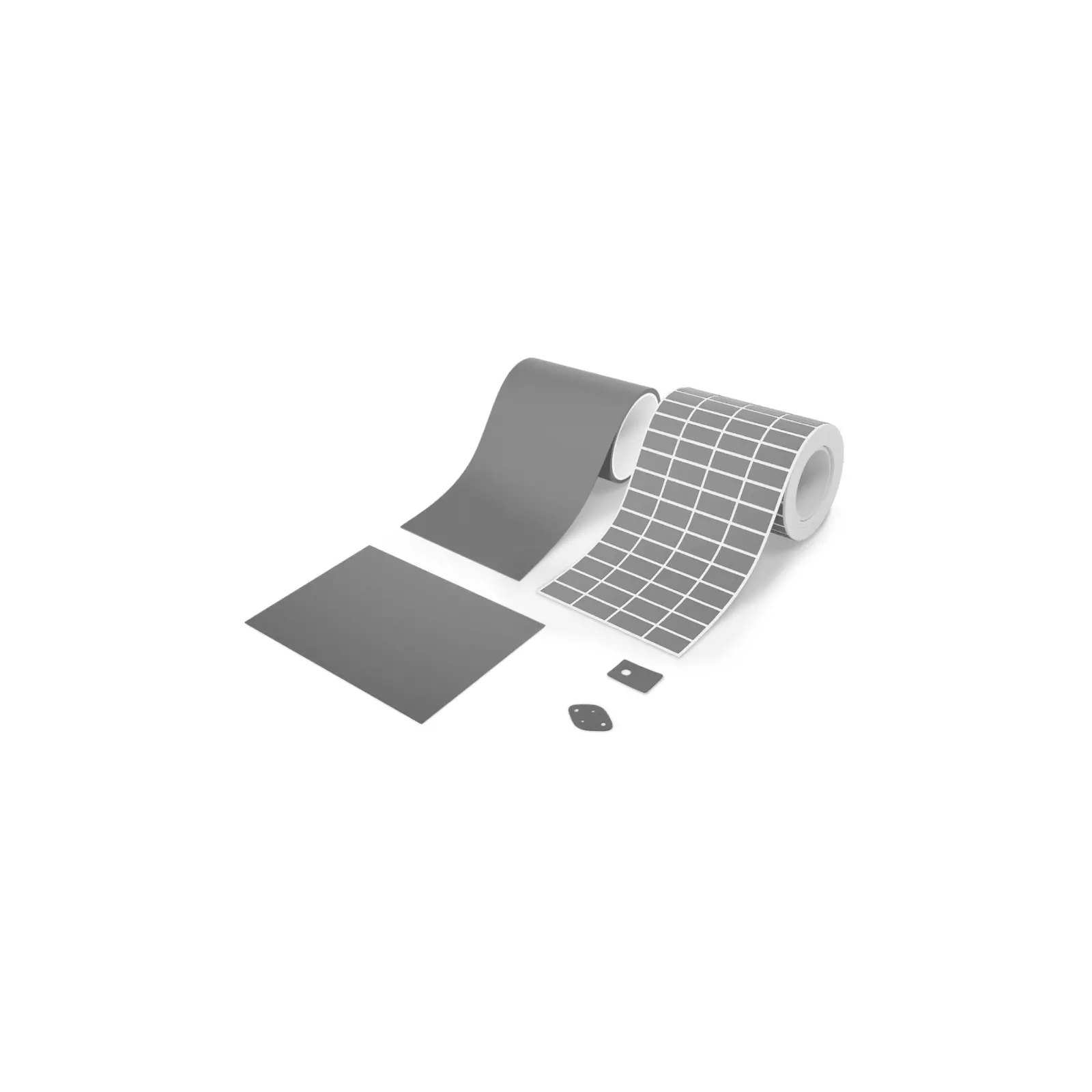
BERGQUIST
Product code: SIL PAD TSP K900
Gray Kapton MT based thermally conductive insulator, 0.9 W/(m·K), 0.15 mm thick. A durable pad that withstands high voltages and needs no thermal grease.
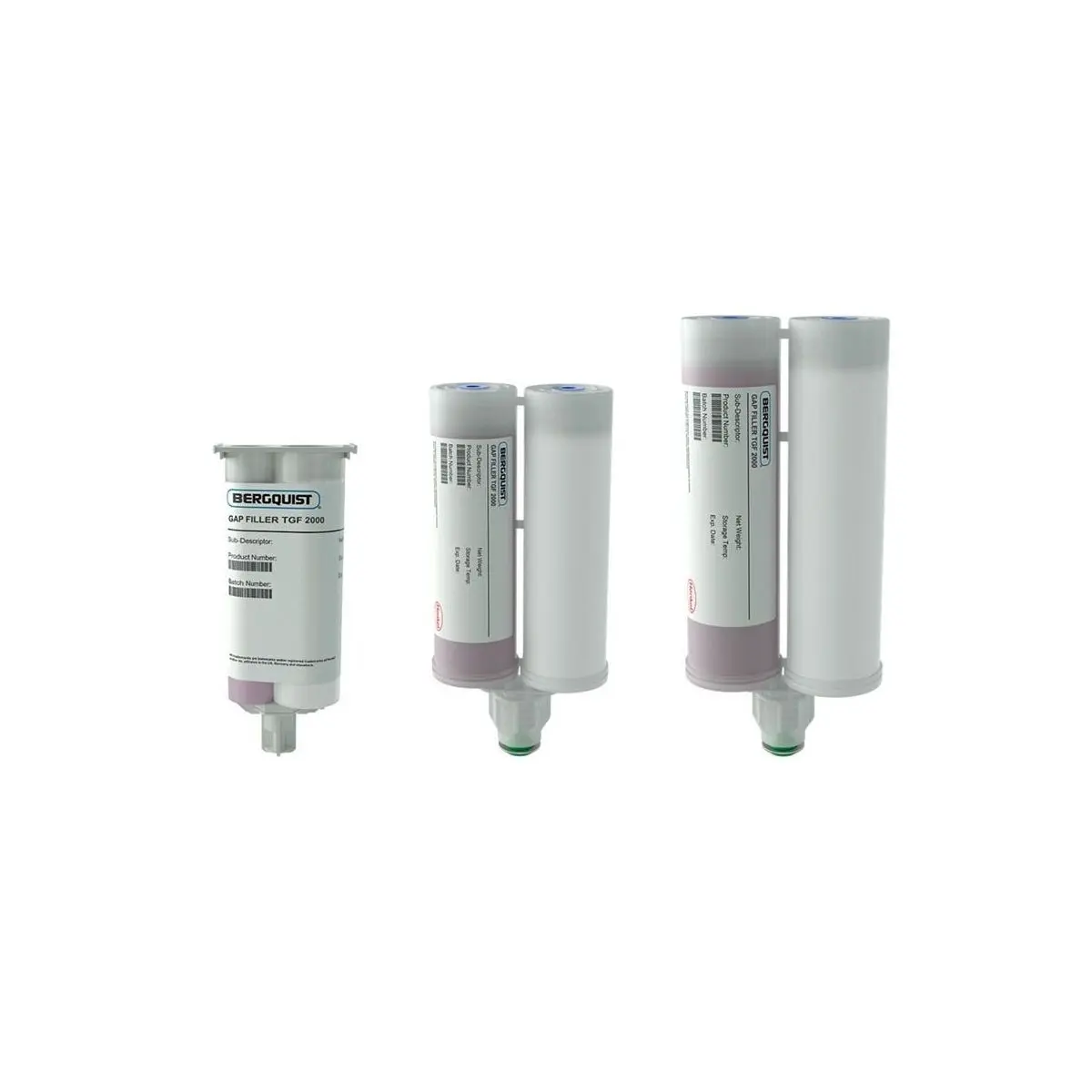
BERGQUIST
Product code: GAP FILLER TGF 2000
Two-part silicone liquid gap filler, 2.0 W/(m·K), that flows like a grease before cure and becomes a soft, dry-to-touch elastomer that does not pump out under thermal cycling.
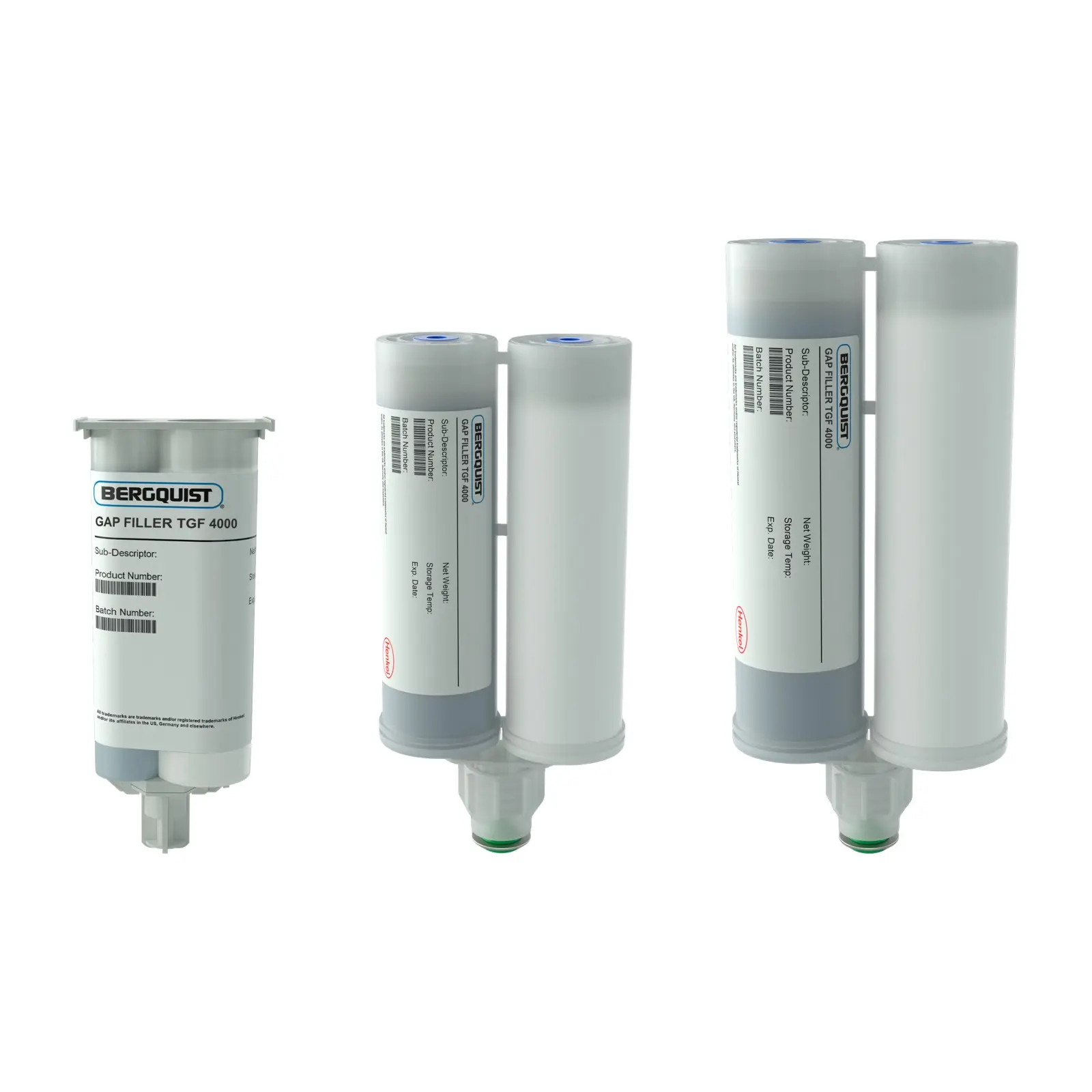
BERGQUIST
Product code: GAP FILLER TGF 4000
Two-part silicone liquid gap filler with 4.0 W/(m·K) thermal conductivity and a 240 minute working time, for semiconductors to heat sinks in automotive, telecom and computer electronics.
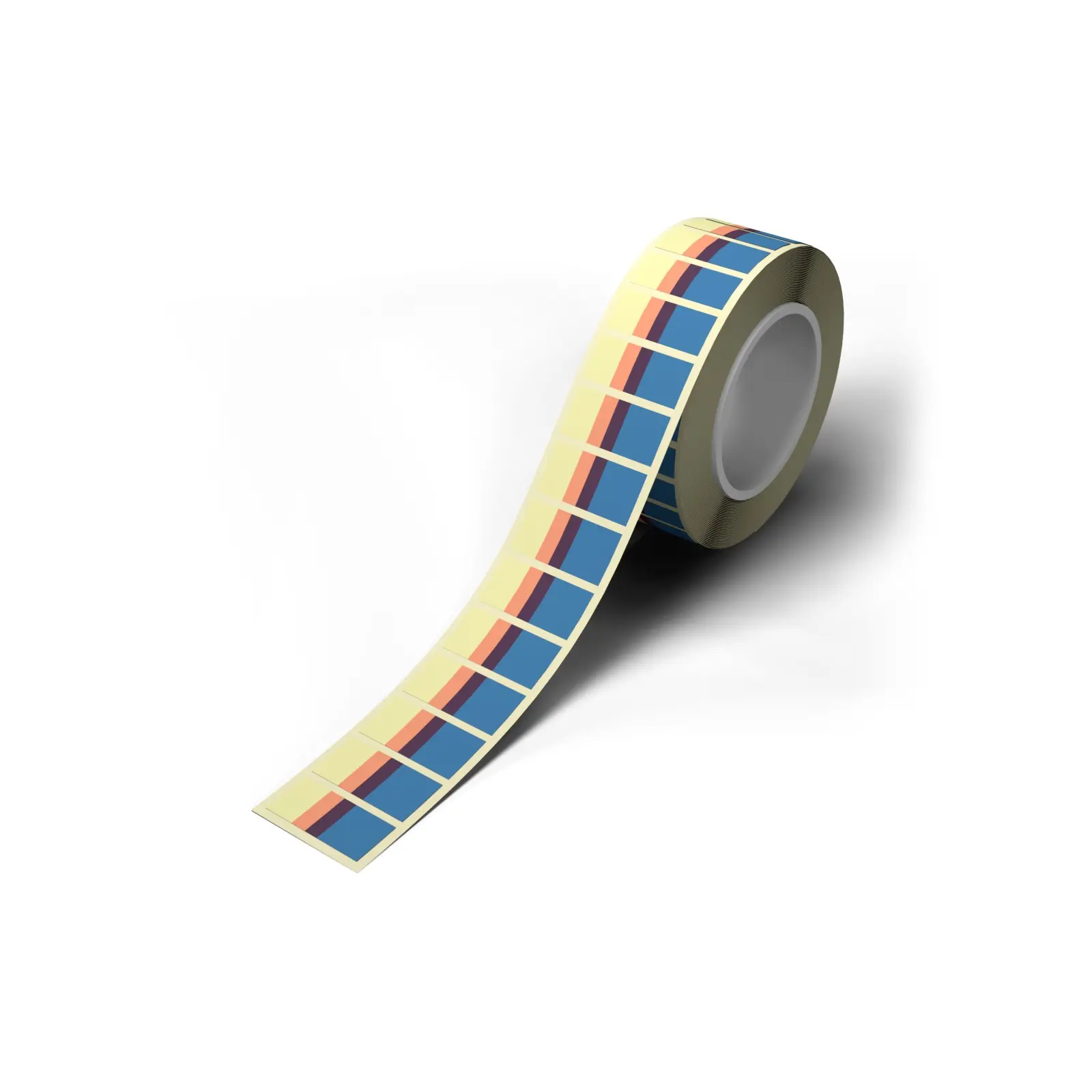
BERGQUIST
Product code: HI FLOW THF 3000UT
Tacky, unreinforced blue phase change pad for processor lids, dies and memory modules, with 3.0 W/(m·K) thermal conductivity.
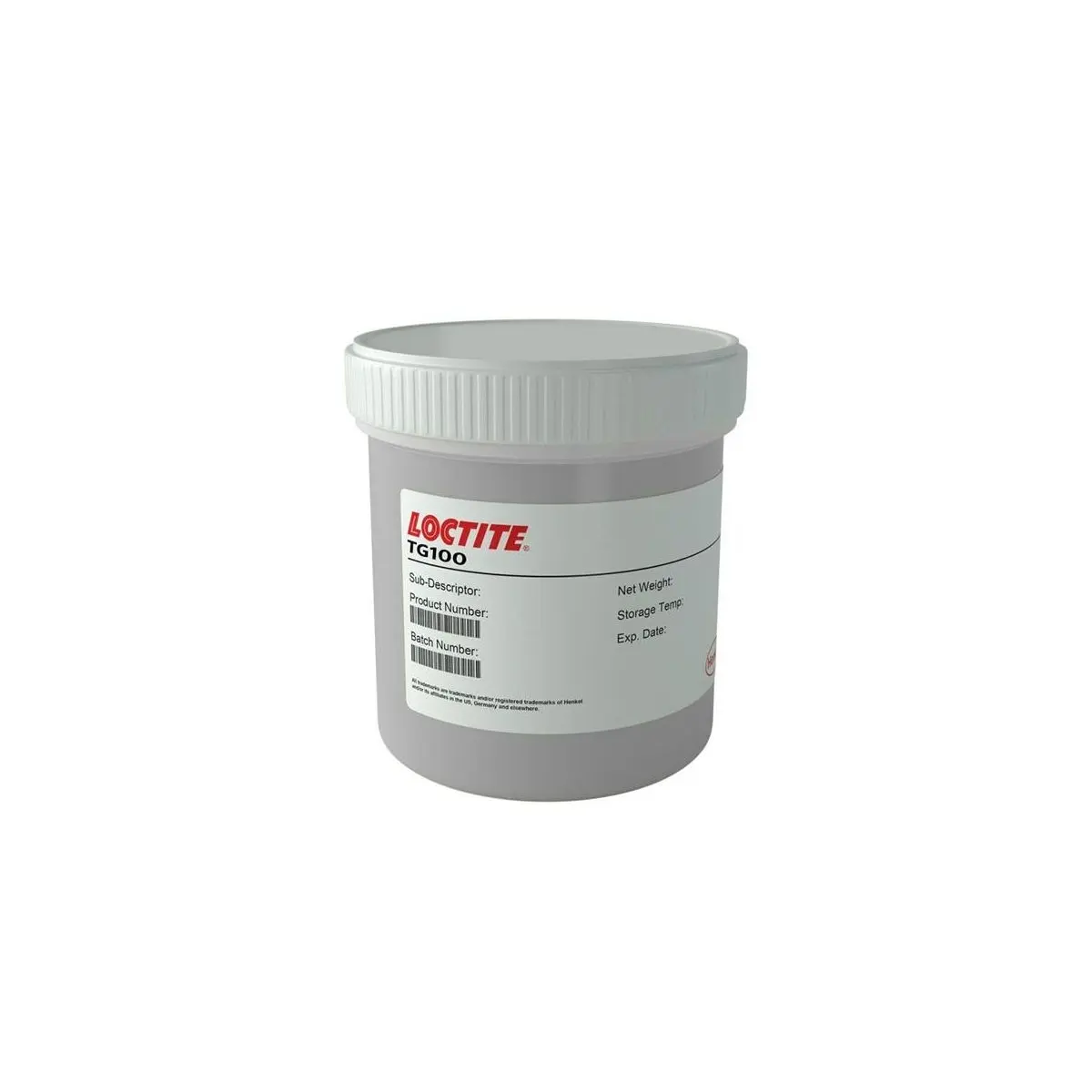
LOCTITE
Product code: TG 100
Gray silicone thermal grease for CPUs, GPUs and power components, with 3.4 W/(m·K) thermal conductivity and an operating range of -40 to 150 °C.
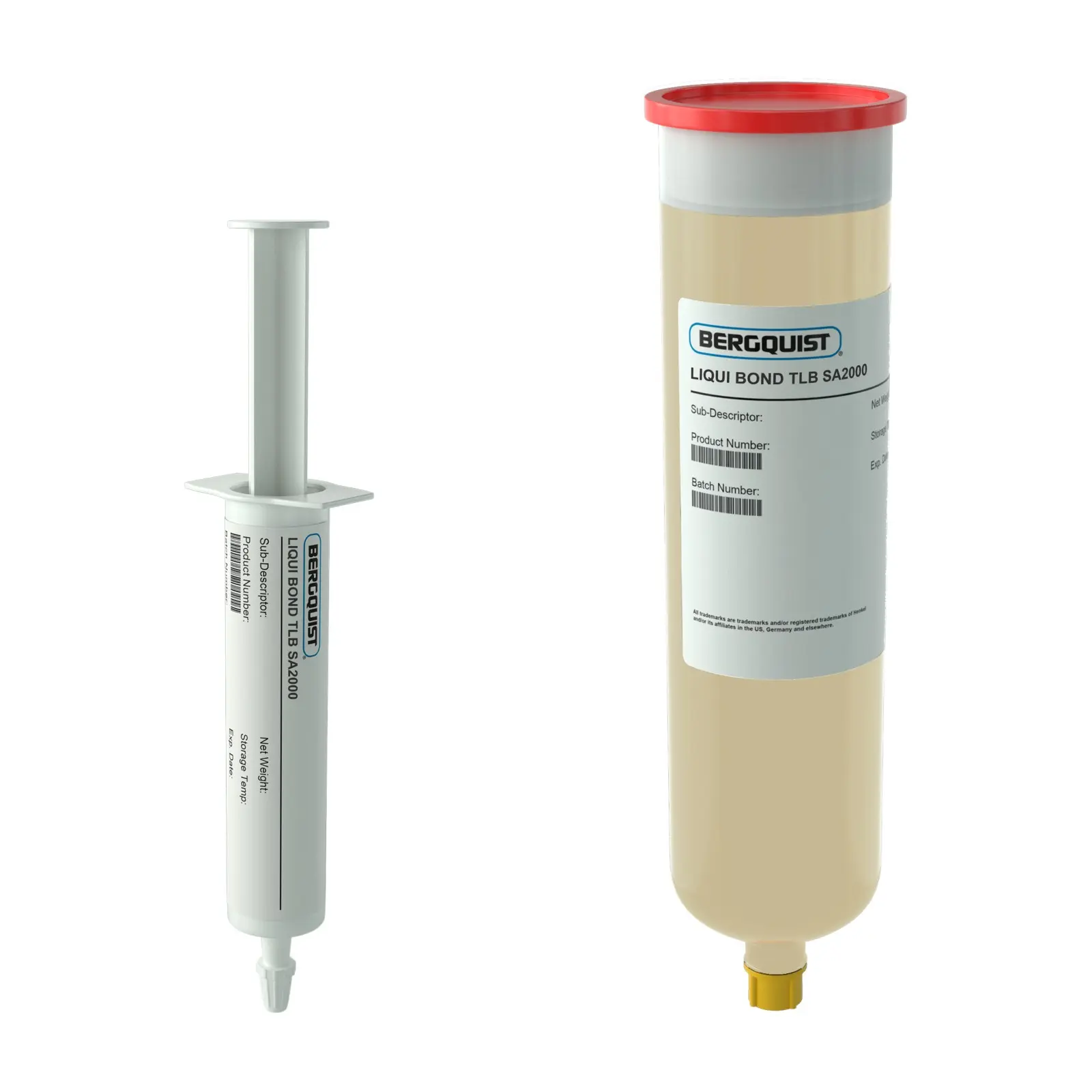
BERGQUIST
Product code: LIQUI BOND TLB SA2000
One-part, heat-cure liquid silicone adhesive, 2.0 W/(m·K), for easy dispensing. Bonds PCB assemblies to housings and parts to heat spreaders without fasteners.
Select conductive, insulating or thermally conductive pastes for electronic assemblies.
Reinforce solder interconnections by filling the gap beneath selected semiconductor packages.
Protect circuit boards and electronic assemblies from moisture, contaminants and mechanical exposure.
Share the component, cooling surface, interface gap and operating temperature. ADVANCE can help review thermal adhesive pastes, greases or phase change materials against your mechanical and thermal requirements.
Not sure which product fits? Ask our assistant
Type the job, the material or a spec. It searches our published products and TDS values — no external AI.