
LOCTITE
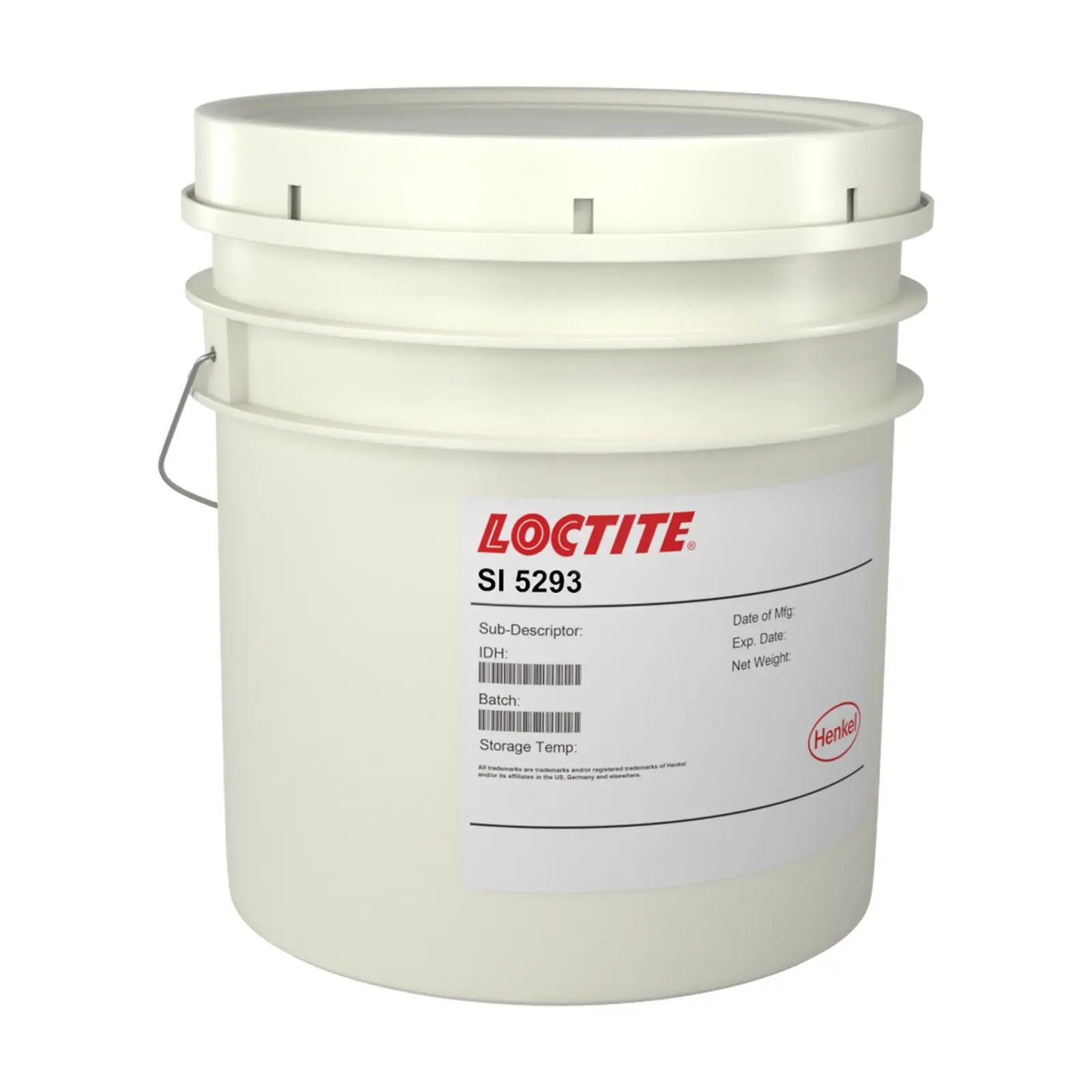
LOCTITE SI 5293
Product code: SI 5293
One-part silicone conformal coating for circuit boards. It cures with UV light in seconds and with moisture in shadowed areas.
Electronics solutions
PCB protection covers material technologies used to protect assembled circuit boards, electronic components and enclosure interfaces. This page introduces three application areas: conformal coatings, gasketing and sealants, and low-pressure molding.
Protect assembled PCBs from moisture and environmental exposure with suitable coating systems.
Seal enclosure joints and component interfaces with materials matched to the design.
Form a protective molded layer around selected electronic components at controlled pressure.
PCB protection refers to materials and processes that help shield a circuit board or electronic assembly from environmental and mechanical exposure. Depending on the design, protection may be applied as a thin coating over the board, a seal at an enclosure joint or a molded protective layer around selected components. These approaches perform different functions and should be selected according to the area that needs protection.
Protection methods are selected according to the board layout, enclosure construction and the conditions expected during operation. A circuit board may need coating, an enclosure may need a continuous seal, and a connector or sensor may require a molded protective feature.
Suitable protection materials can reduce the risk of corrosion, leakage paths, contamination, enclosure ingress and mechanical damage. The correct solution depends on the failure mode and its location; a coating is not automatically a substitute for an enclosure seal, and a sealant does not replace PCB coating where board-level protection is required.
The three application areas below cover different protection boundaries. Conformal coatings protect selected board surfaces; gaskets and sealants protect interfaces between mating parts; low-pressure molding creates a molded covering around selected components. Each method requires a different design and process evaluation.
| Method | What it protects | Typical locations | Key points to specify |
|---|---|---|---|
| Conformal Coatings | Selected surfaces of an assembled PCB | Control boards and assembled PCBs exposed to moisture or contaminants | Coverage, thickness and keep-out areas |
| Gasketing & Sealants | Joints and interfaces between mating parts | Electronic enclosures, covers and housing joints | Seal geometry, compression, movement and leak testing |
| Low Pressure Molding | A molded layer around selected components | Sensors, connectors and selected cable interfaces | Molding temperature, pressure, flow and component sensitivity |
Define the protection boundary and the exposure the assembly must withstand. Compare product properties using the current TDS and the appropriate test method for the chosen protection method.
Each method follows a different process. Coatings require board preparation, masking where needed, controlled application and curing. Gaskets and sealants require surface preparation, correct bead or gasket placement, assembly and sufficient cure. Low-pressure molding requires material conditioning, mold preparation, controlled filling, cooling and inspection. Follow the detailed instructions on the relevant child page and the current product documentation.
Select the method according to the location of the risk. A PCB coating must not obstruct connectors or test points; a seal must maintain continuity along the joint; and a molded layer must not damage sensitive components through heat, pressure or flow. The protection design should also allow inspection and maintenance where required.
Protection failures often result from an incorrect method for the failure location, poor surface preparation or incomplete process control. Diagnose whether the issue is at the board surface, enclosure joint or molded component before changing the material.
Start by identifying whether protection is needed on the PCB surface, at an enclosure joint or around a component. ADVANCE can help review the relevant technology and the information required to evaluate it.
LOCTITE
Product code: SI 5293
One-part silicone conformal coating for circuit boards. It cures with UV light in seconds and with moisture in shadowed areas.
LOCTITE
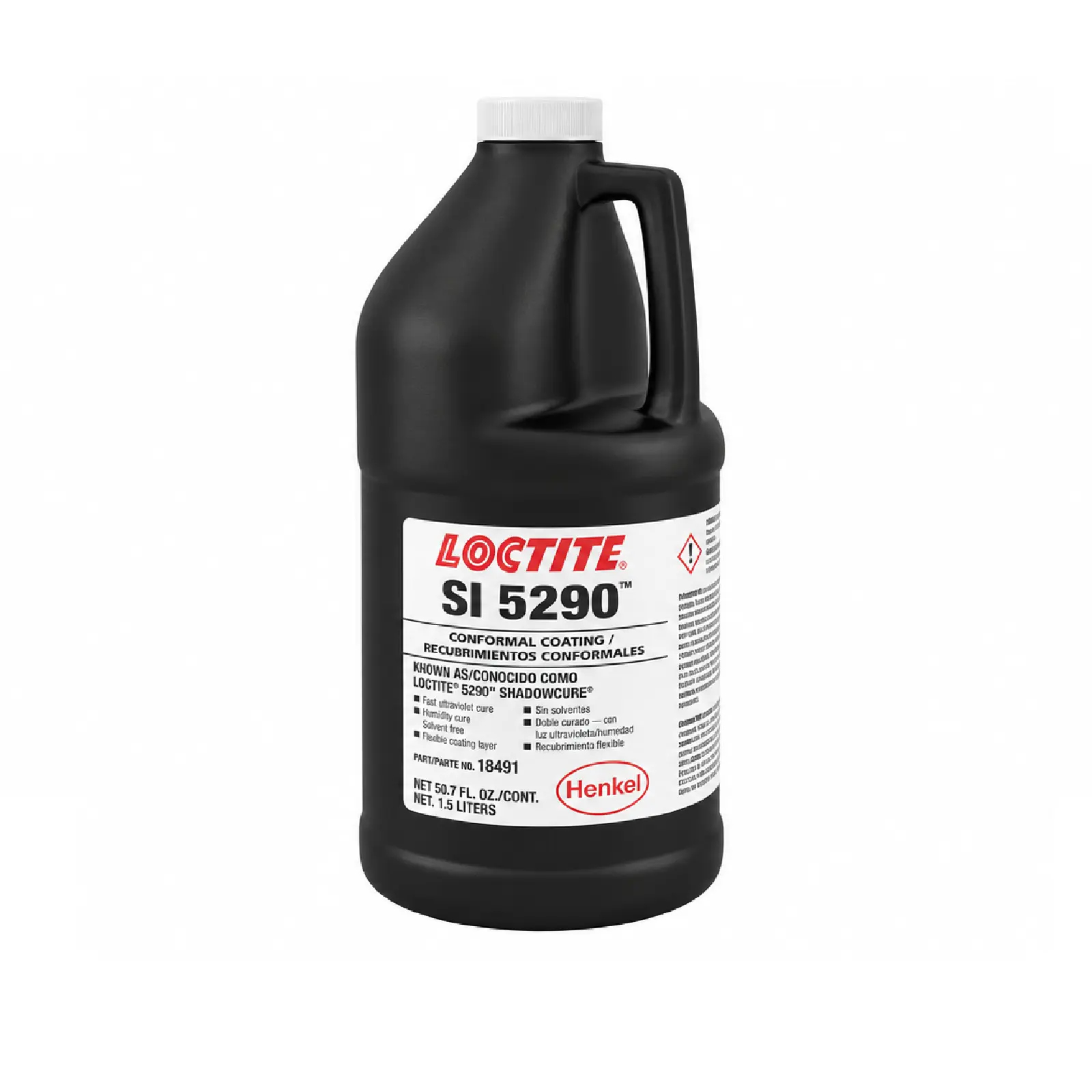
Product code: SI 5290
One-part silicone conformal coating for printed circuit boards that cures with UV light, with a moisture cure for shadowed areas. Flexible after cure.
LOCTITE
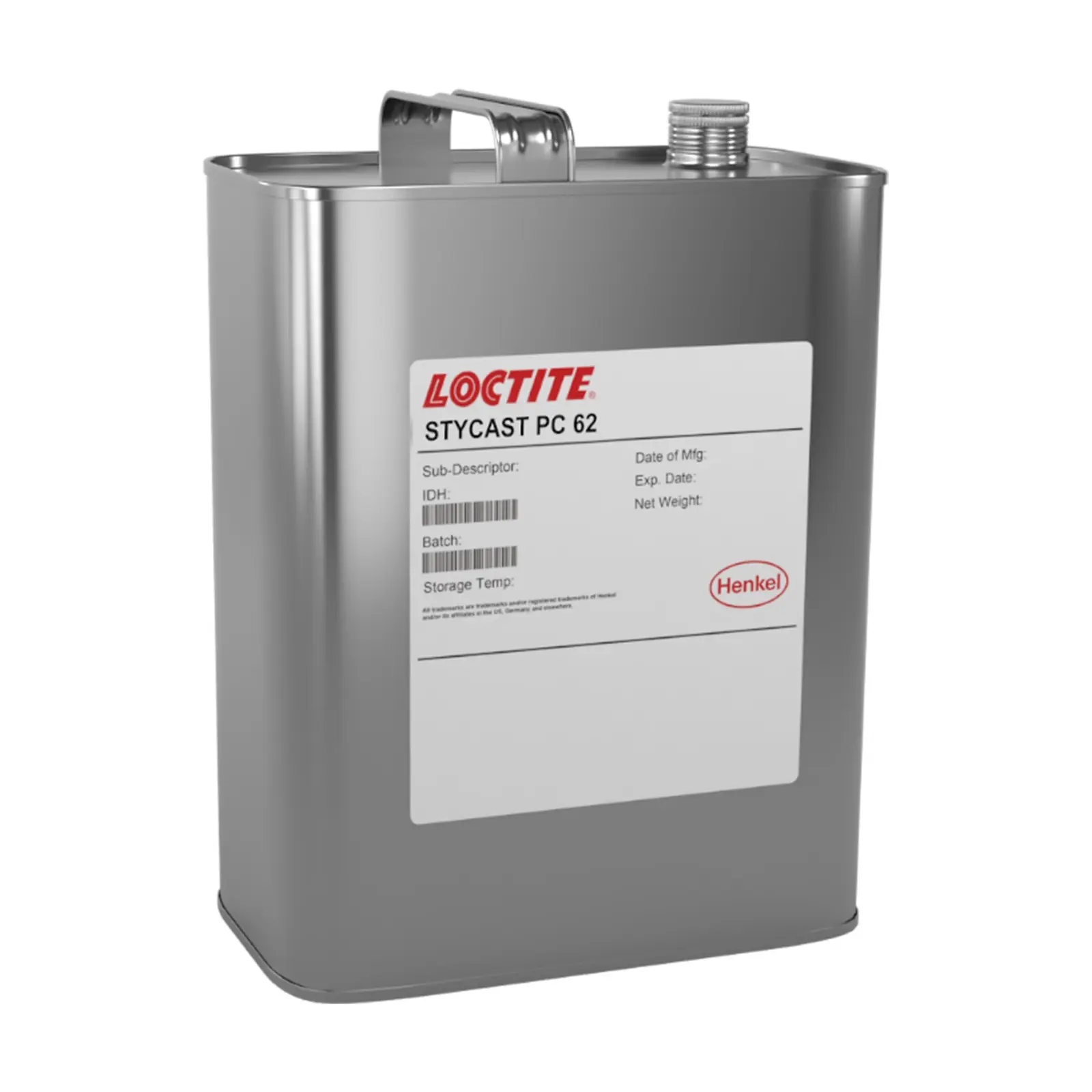
Product code: STYCAST PC 62
Rapid-drying, colourless acrylic conformal coating for circuit boards. It air dries, fluoresces under UV light and can be removed for repair.
LOCTITE
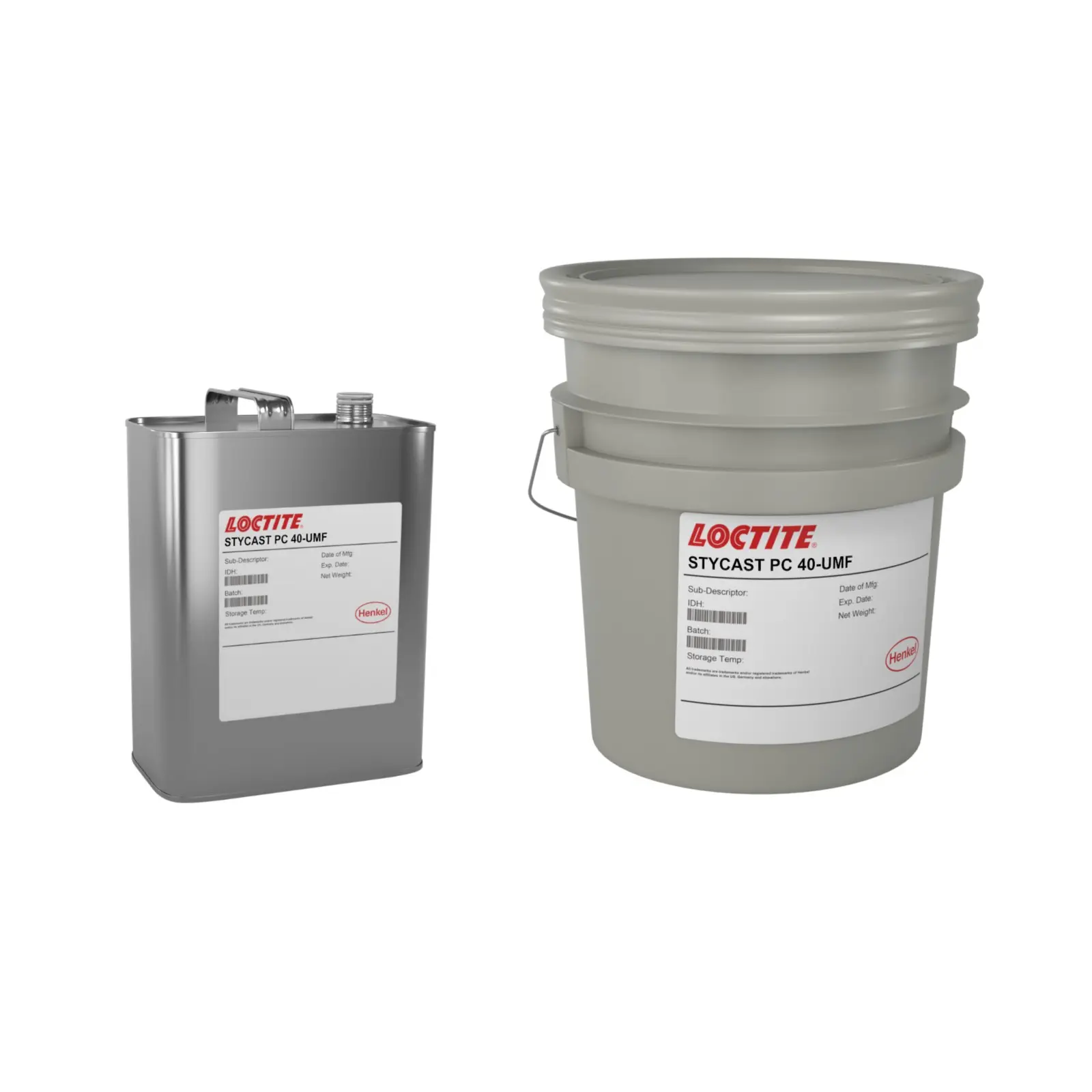
Product code: STYCAST PC 40 UMF
Clear one-part urethane acrylate conformal coating that gels under UV light and fully cures with air moisture in shadowed areas.
LOCTITE
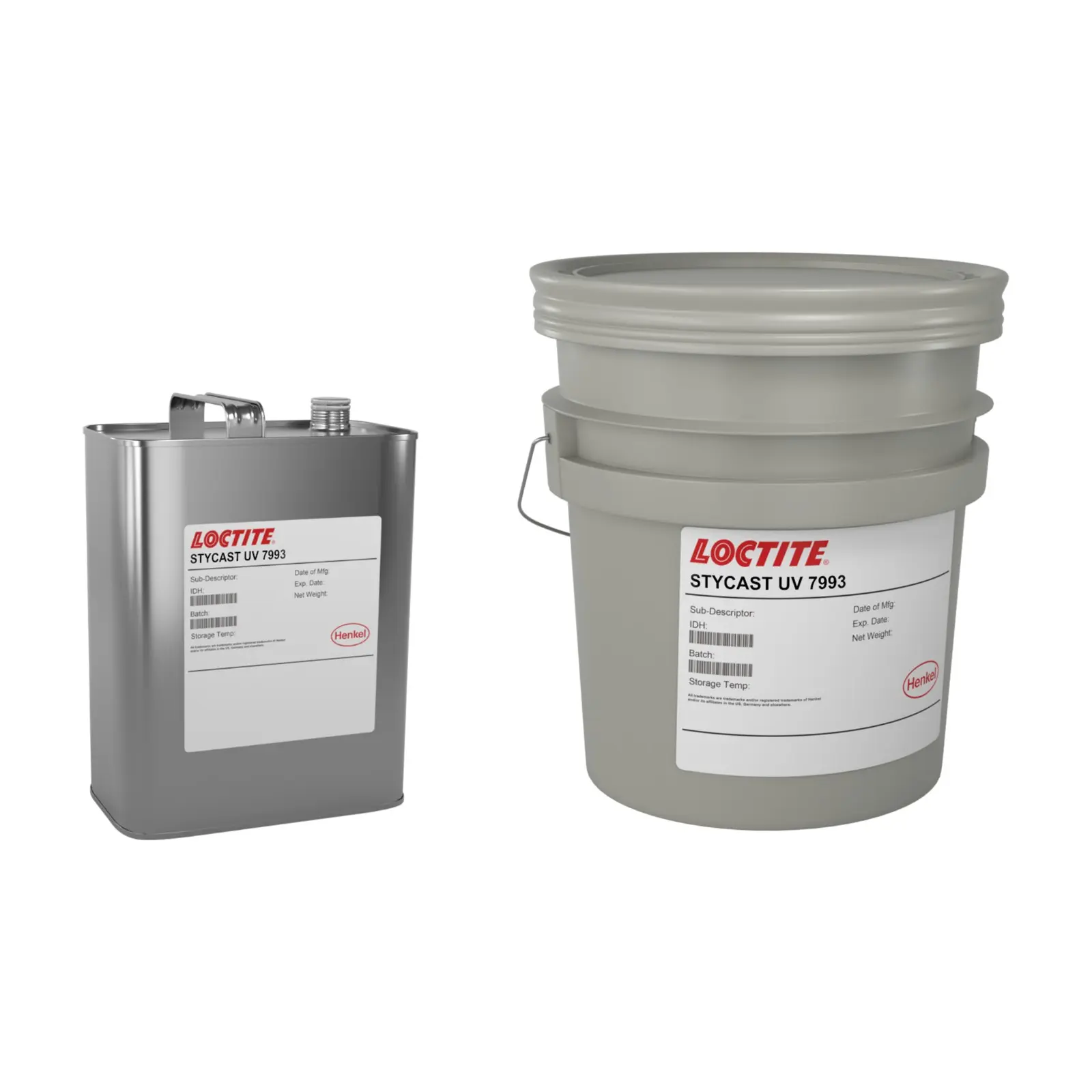
Product code: STYCAST UV 7993
Solvent-free urethane conformal coating for circuit boards. It cures with UV light and with moisture at room temperature in shadowed areas.
LOCTITE
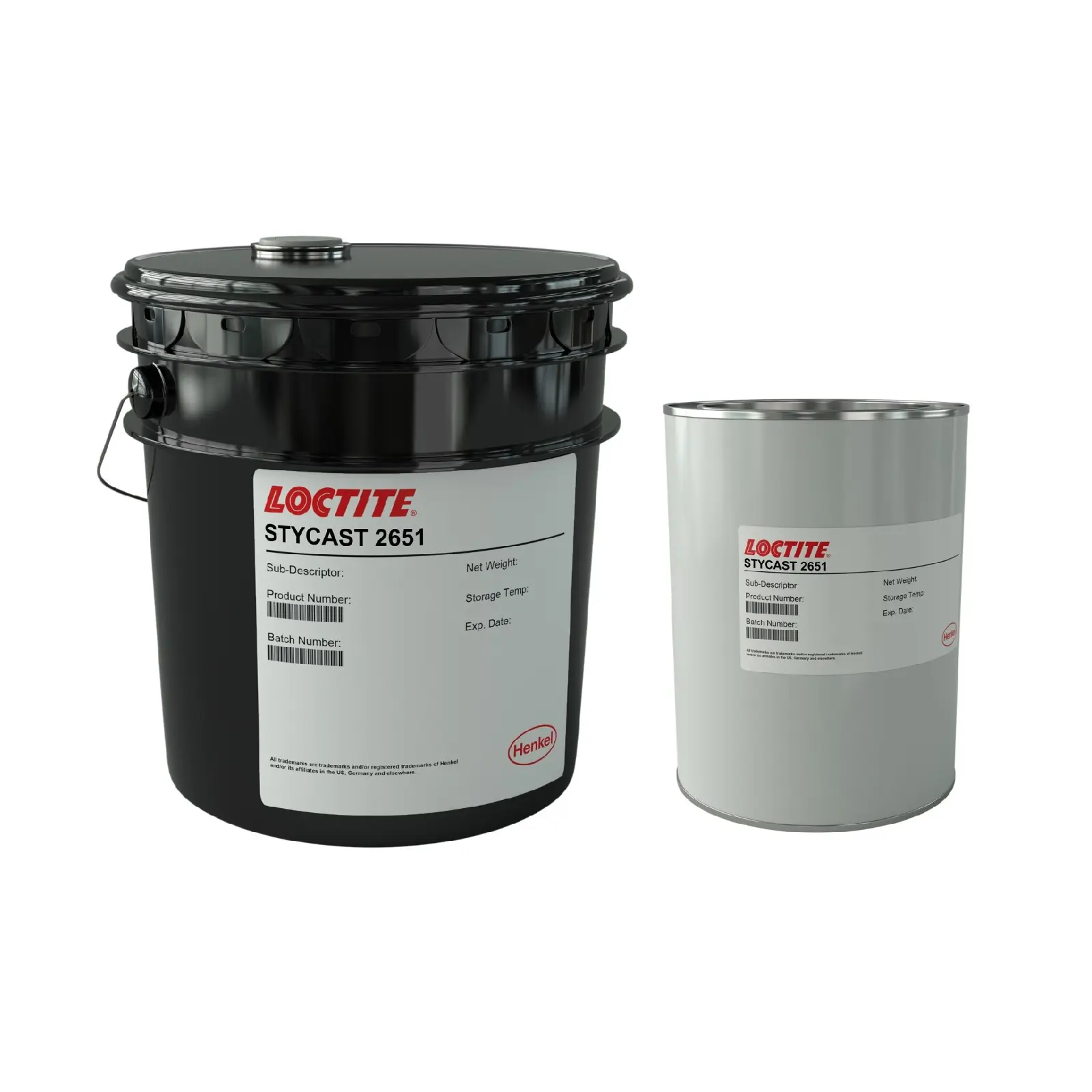
Product code: STYCAST 2651
Black, general purpose dielectric epoxy encapsulant for electrical and electronic parts. Used with Catalyst 9 at 100:7, cures at room temperature.
LOCTITE
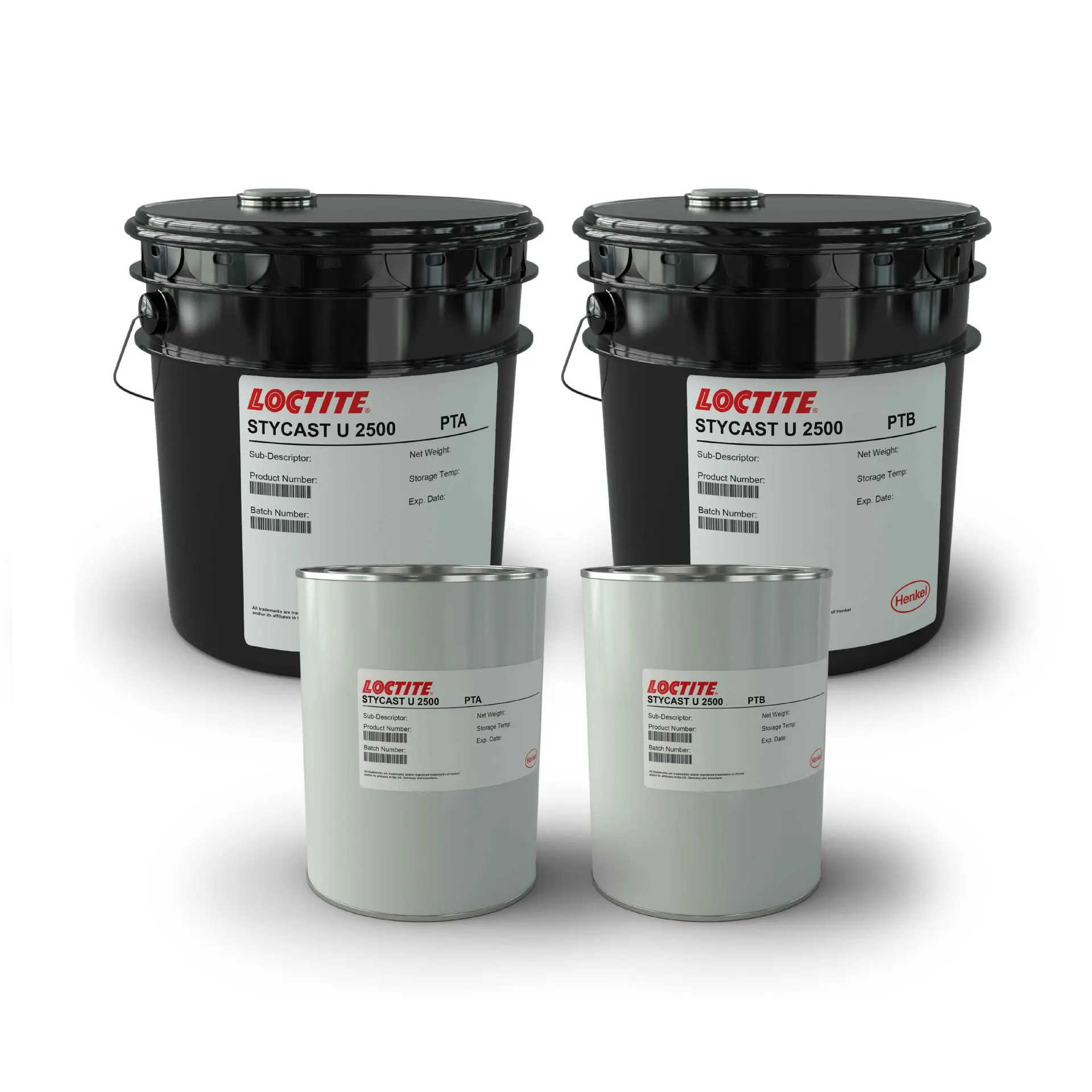
Product code: STYCAST U 2500
Two-part flexible polyurethane encapsulant for transformers and PCBs. Its low viscosity fully impregnates wound coils, and it cures at room temperature.
TECHNOMELT
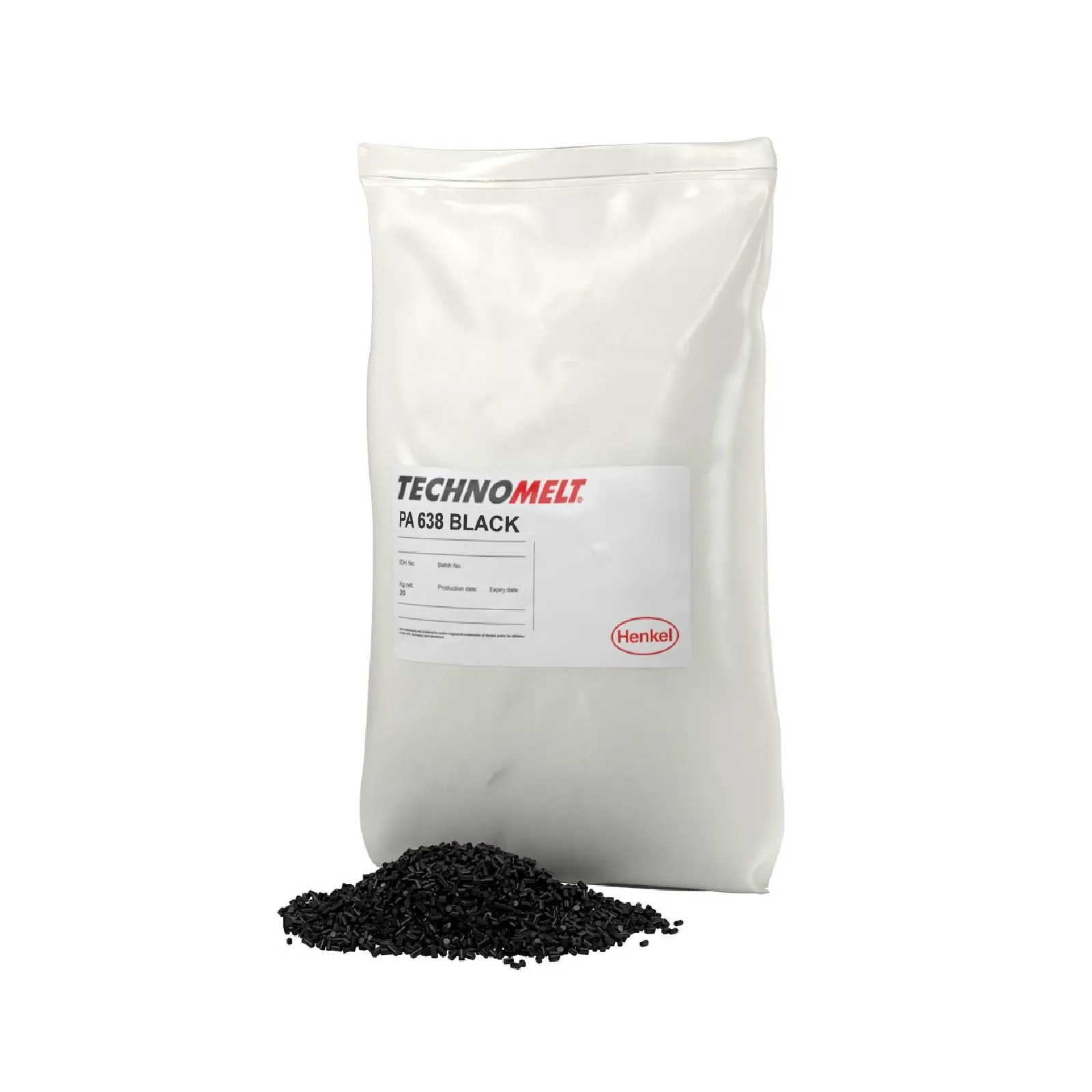
Product code: PA 638
Black polyamide hot melt for low pressure molding around electronic parts. It is applied at 200 to 240 °C and sets as it cools.
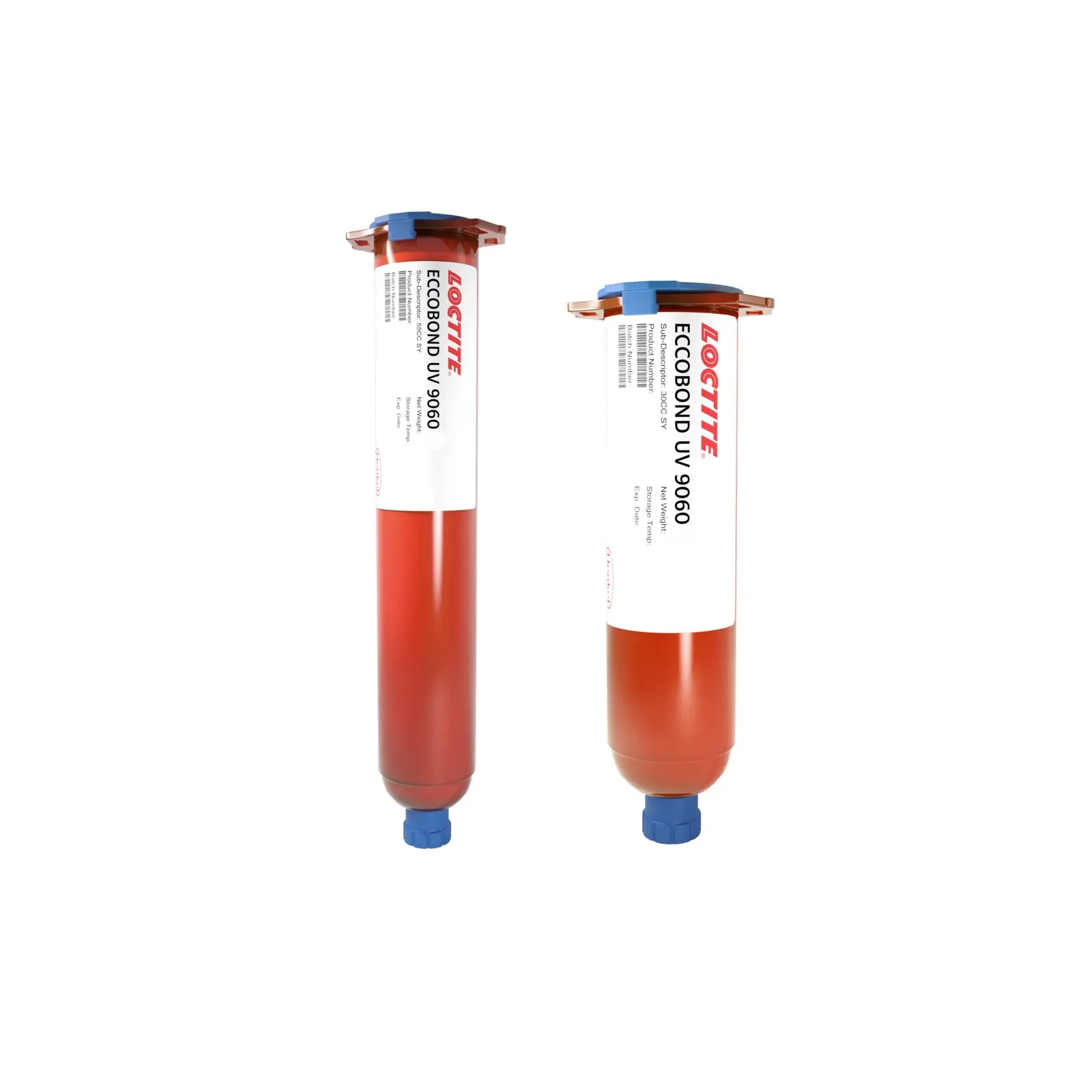
LOCTITE
Product code: ECCOBOND UV 9060
No-flow acrylate encapsulant for local protection of WLCSP and BGA packages on circuit boards. It cures under UV light and by moisture in shadowed areas.
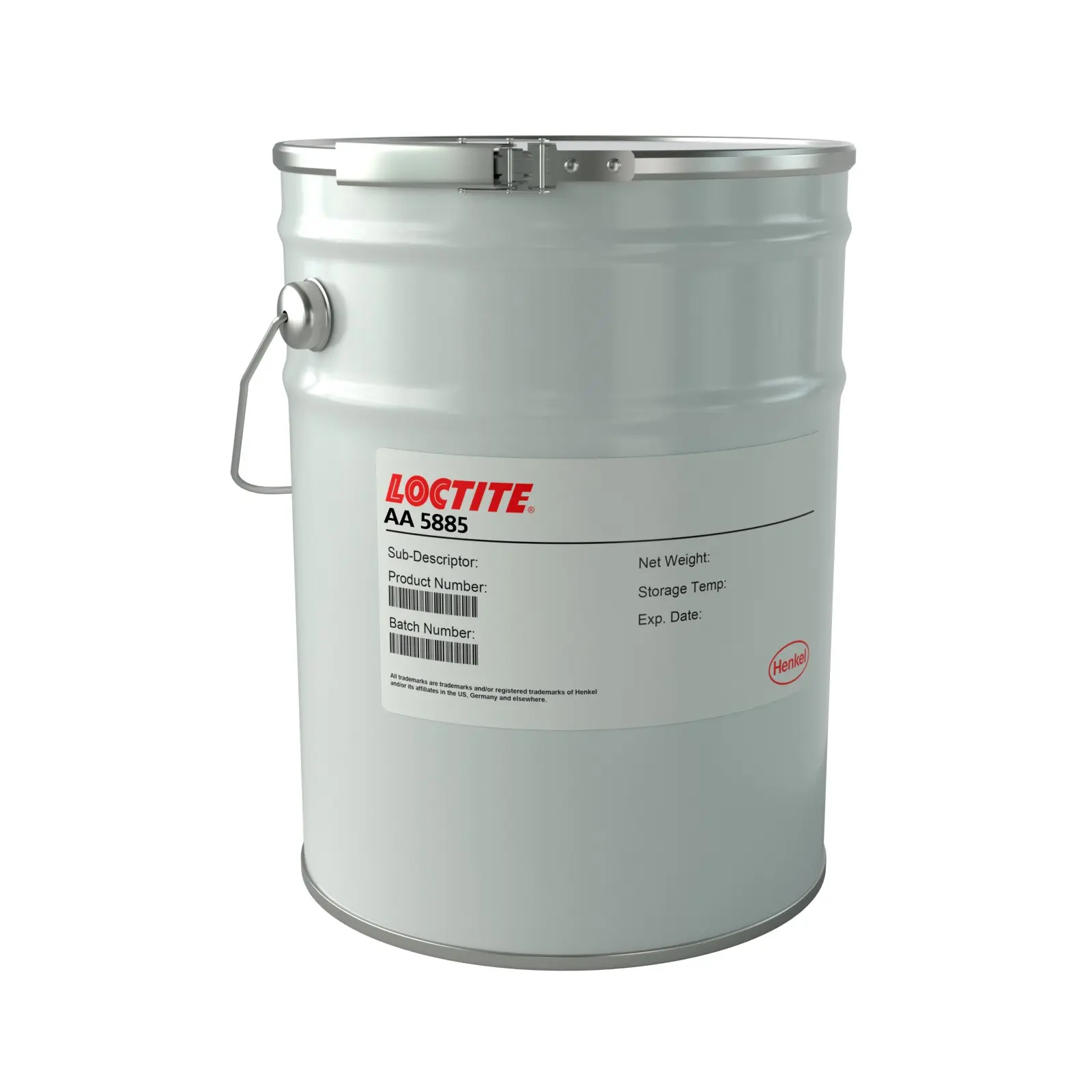
LOCTITE
Product code: AA 5885
Clear UV-curing polyacrylate that forms a compression gasket on electronic housings, battery packs and inverters. Compress it right after cure, for service up to 150 °C.
LOCTITE
Product code: SI 5296
One-part heat-cure silicone conformal coating for printed circuit boards. Applied by selective robotic dispensing, brush, dip or spray, and fluoresces under UV light.
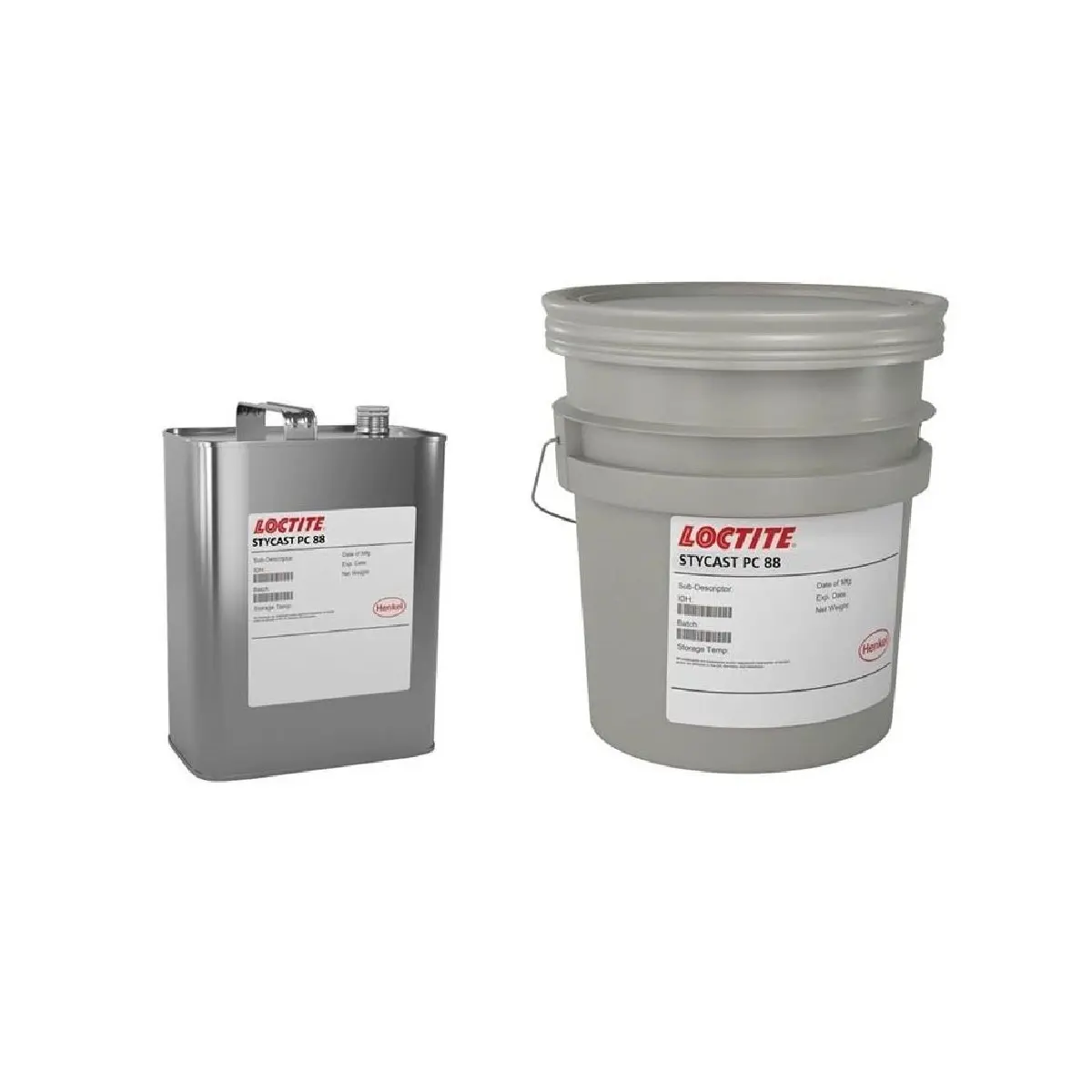
LOCTITE
Product code: STYCAST PC 88
Clear acrylic conformal coating for circuit boards in automotive and other electronics. It dries with hot air and fluoresces under UV light.
Share the protection location, substrate materials and environmental conditions. ADVANCE can help review whether a coating, sealing material or low-pressure molding solution should be evaluated.
Not sure which product fits? Ask our assistant
Type the job, the material or a spec. It searches our published products and TDS values — no external AI.