
LOCTITE
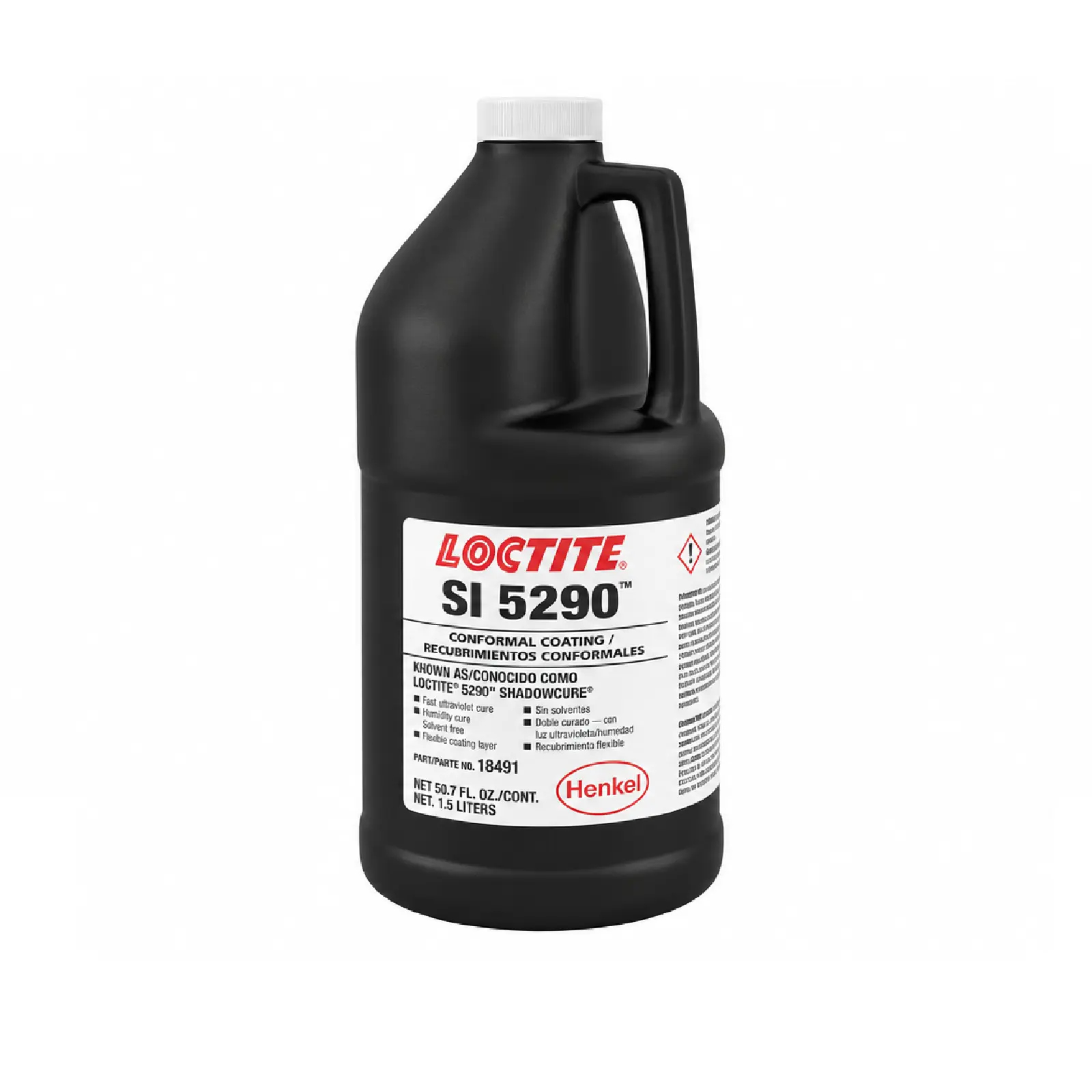
LOCTITE SI 5290
Product code: SI 5290
One-part silicone conformal coating for printed circuit boards that cures with UV light, with a moisture cure for shadowed areas. Flexible after cure.
Electronics solutions · PCB Protection
Conformal coatings form a thin protective layer over suitable areas of an assembled PCB. Selection depends on environmental exposure, coating coverage, cure process, inspection needs and compatibility with board components.
A conformal coating is a thin protective layer applied to suitable areas of an assembled printed circuit board. It helps reduce direct exposure of circuitry to moisture, contaminants and selected environmental stresses. Unlike an encapsulant that covers a component more substantially, a conformal coating generally follows the board and component surfaces while preserving the designed functions of the assembly.
Conformal coatings are considered when assembled PCBs are exposed to conditions that may affect electrical or mechanical reliability. Selection depends on board design, service environment, application equipment and maintenance strategy.
A suitable coating can help reduce environmental exposure that contributes to leakage paths, corrosion or electrical instability. Performance depends on the coating system, PCB condition and application quality. It should not be treated as a universal replacement for enclosure sealing or immersion protection.
Conformal coatings may be based on acrylic, urethane, urethane-acrylate or silicone chemistry. Their flexibility, chemical resistance, repairability and cure behavior differ. Select according to the actual exposure and process requirements, not on chemistry name alone.
Define the environment and the PCB areas requiring protection. Use the current TDS and applicable qualification requirements to verify the selected grade.
Coating may be applied by selective coating equipment, spraying, brushing or another validated method. The process must control coverage and keep-out areas. Confirm PCB cleanliness and dryness, then follow the grade-specific application and cure instructions.
PCB layout, component spacing and connector locations affect achievable coating coverage. Areas shadowed by components or fixtures may require a different application strategy. Consider inspection access, repair and downstream assembly before finalizing the coating process.
Defects may arise from inadequate surface preparation, incorrect application settings, component shadowing or incomplete curing. Identify the defect with visual inspection and a suitable test before changing the material.
Start with the environmental conditions and the PCB areas that require protection. ADVANCE can help review coating options when the board design, production process and service requirements are available.
LOCTITE
Product code: SI 5290
One-part silicone conformal coating for printed circuit boards that cures with UV light, with a moisture cure for shadowed areas. Flexible after cure.
LOCTITE
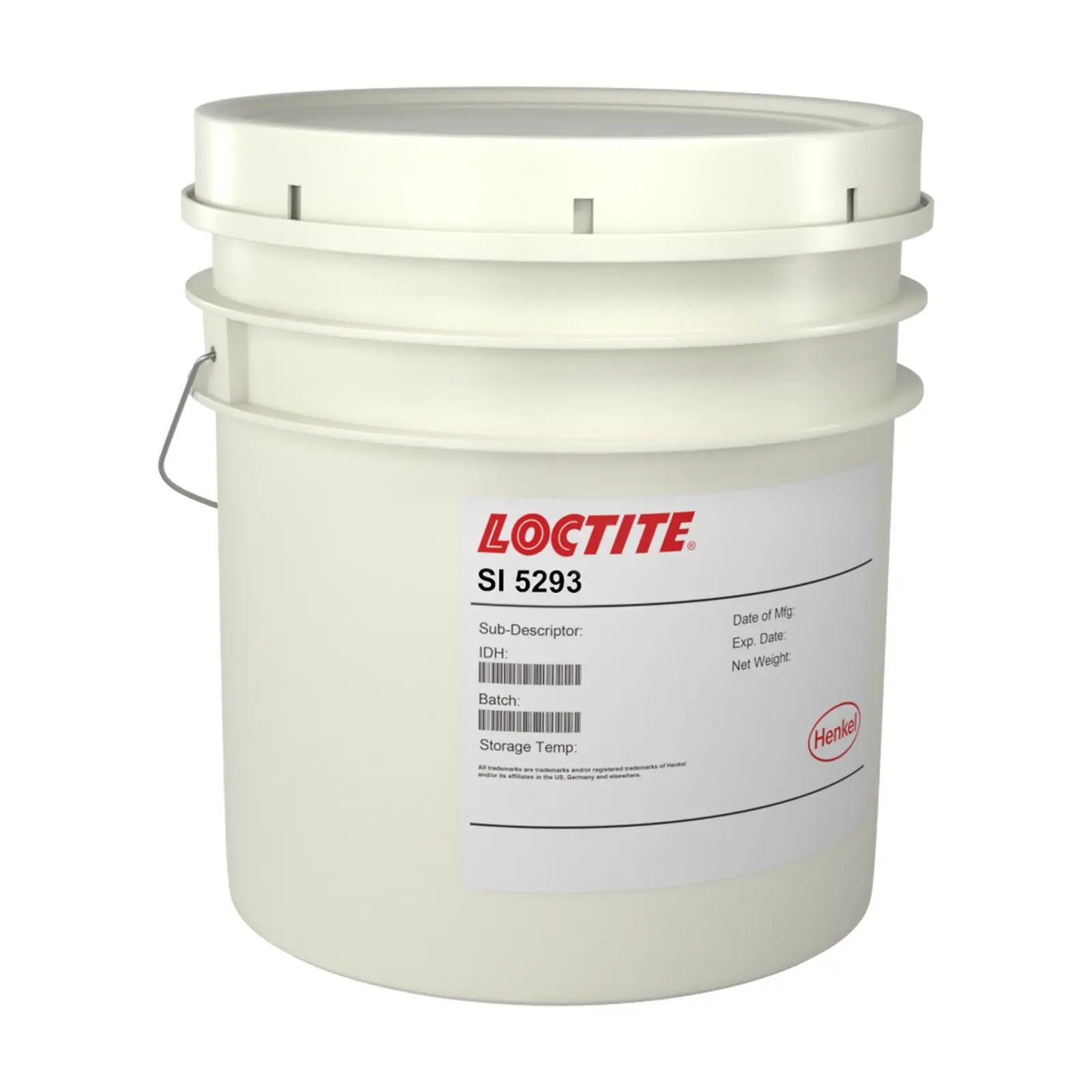
Product code: SI 5293
One-part silicone conformal coating for circuit boards. It cures with UV light in seconds and with moisture in shadowed areas.
LOCTITE
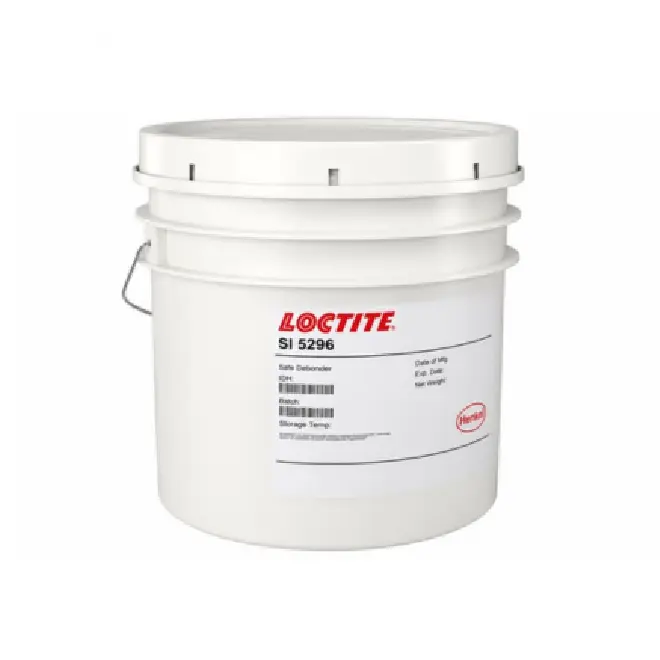
Product code: SI 5296
One-part heat-cure silicone conformal coating for printed circuit boards. Applied by selective robotic dispensing, brush, dip or spray, and fluoresces under UV light.
LOCTITE
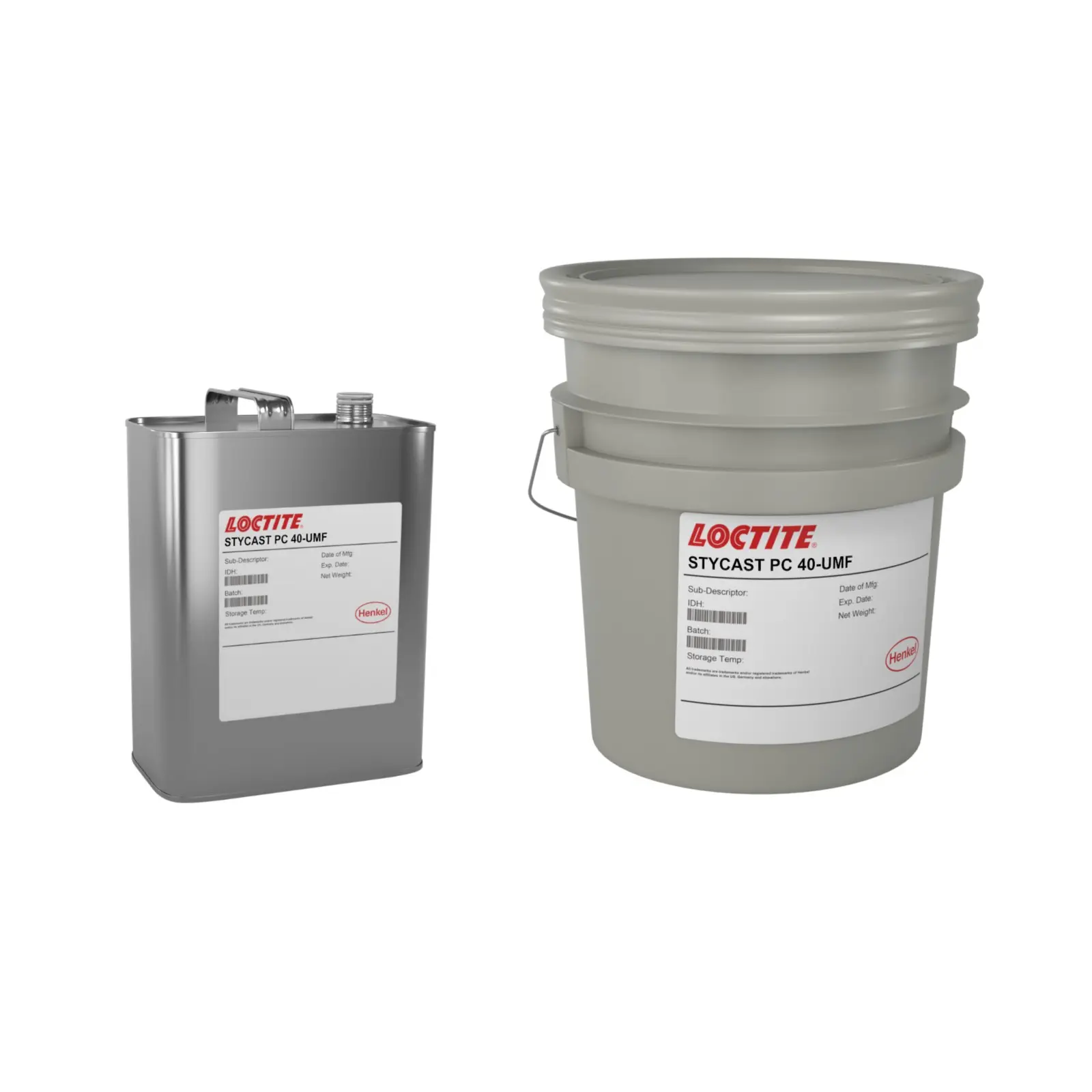
Product code: STYCAST PC 40 UMF
Clear one-part urethane acrylate conformal coating that gels under UV light and fully cures with air moisture in shadowed areas.
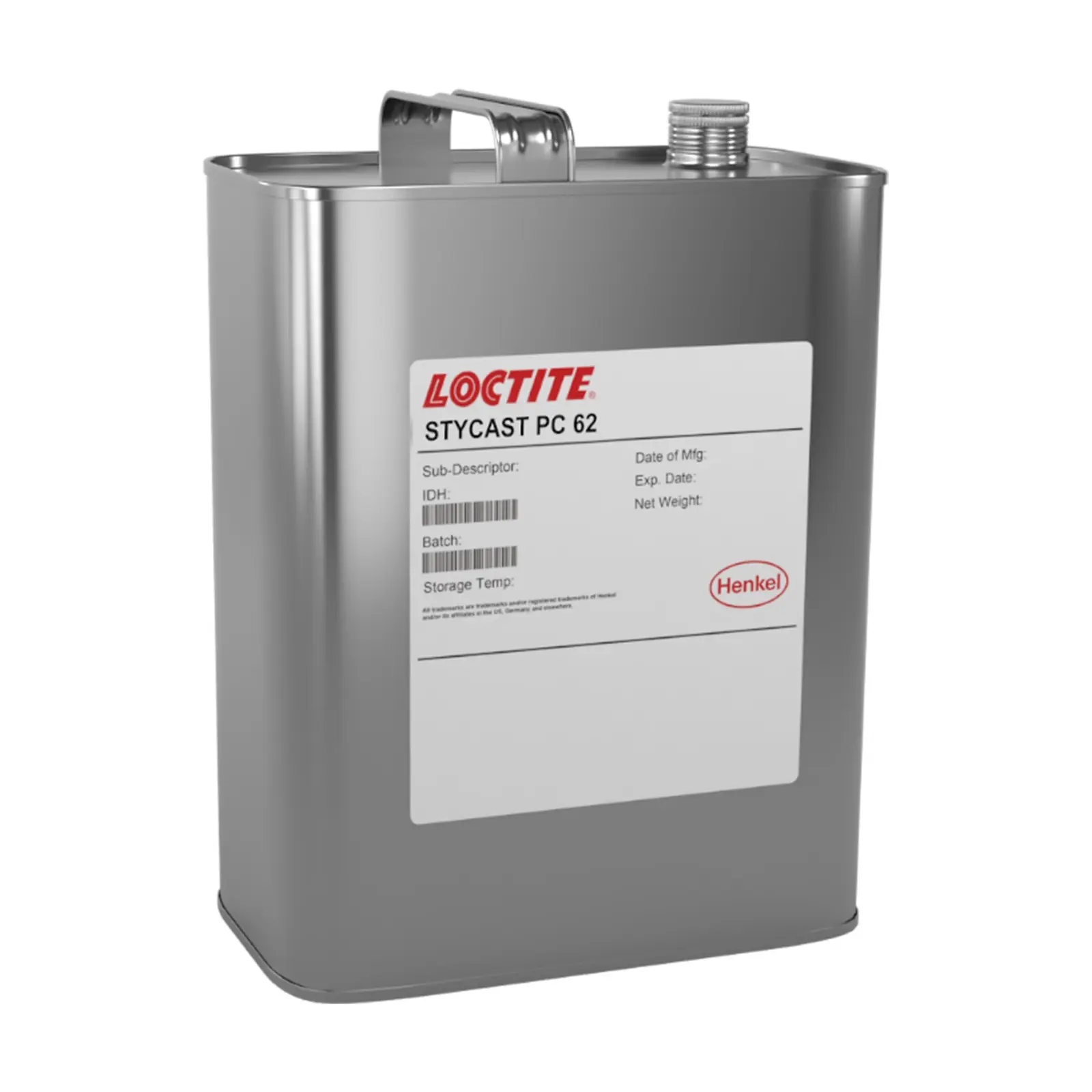
LOCTITE
Product code: STYCAST PC 62
Rapid-drying, colourless acrylic conformal coating for circuit boards. It air dries, fluoresces under UV light and can be removed for repair.
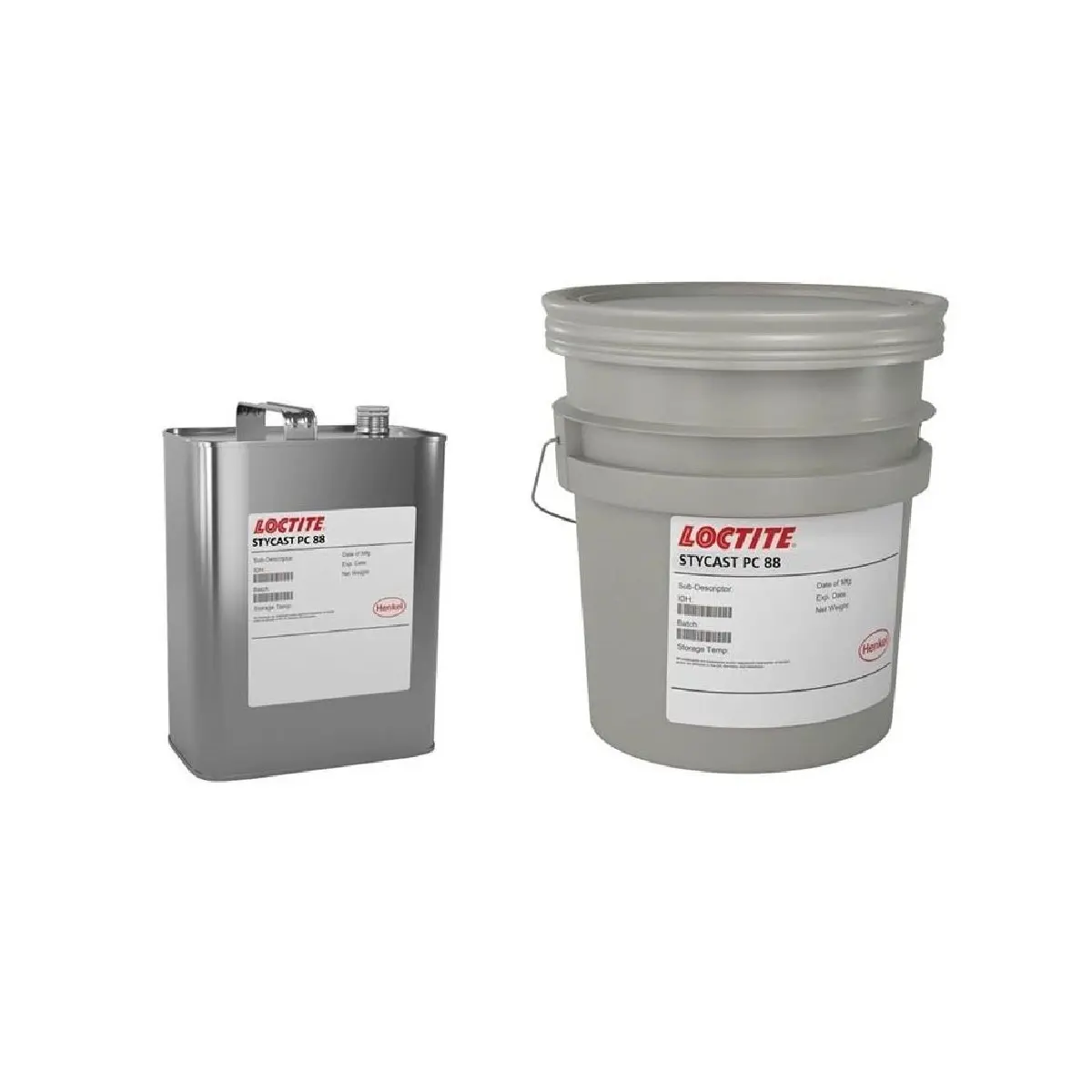
LOCTITE
Product code: STYCAST PC 88
Clear acrylic conformal coating for circuit boards in automotive and other electronics. It dries with hot air and fluoresces under UV light.
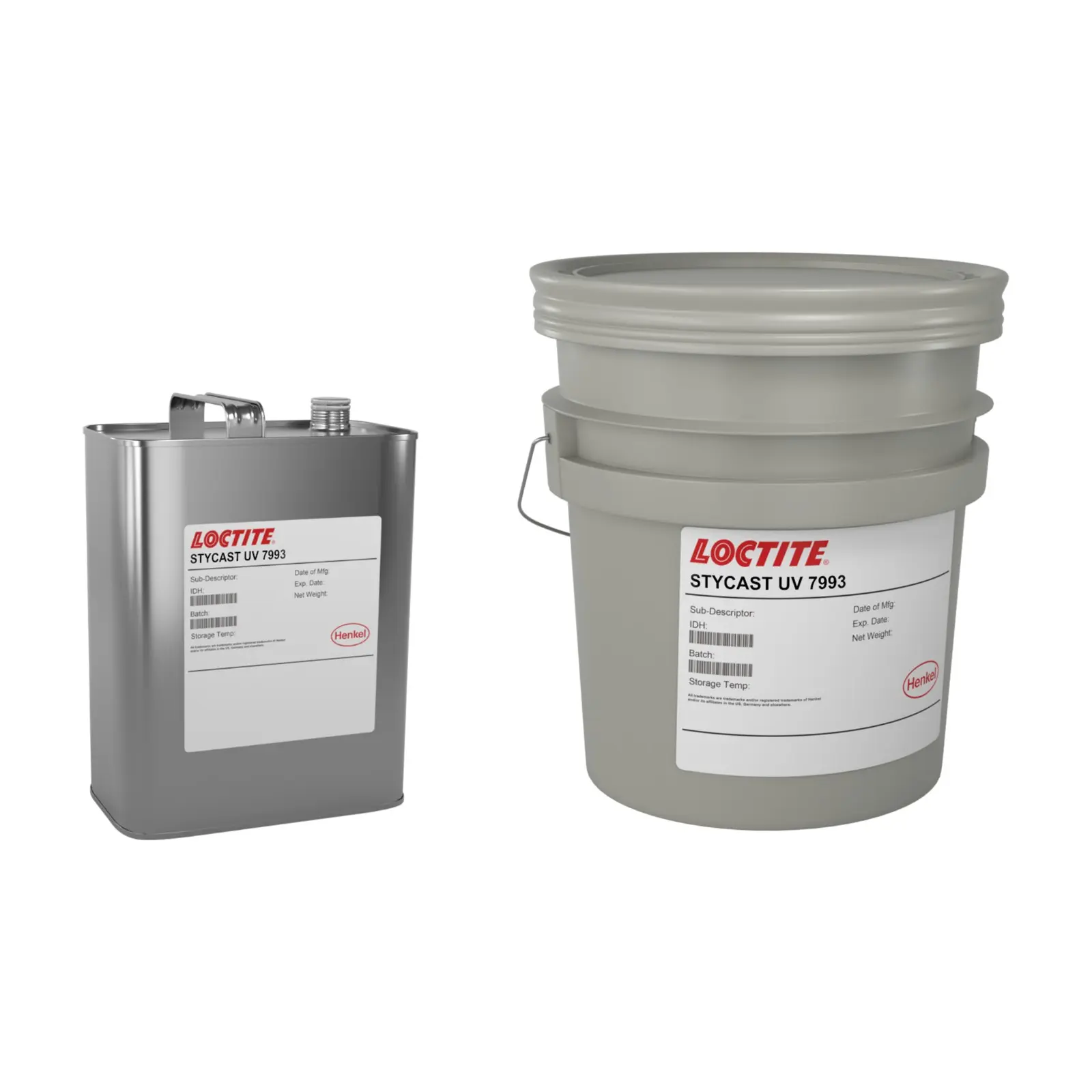
LOCTITE
Product code: STYCAST UV 7993
Solvent-free urethane conformal coating for circuit boards. It cures with UV light and with moisture at room temperature in shadowed areas.
Protect circuit boards and electronic assemblies from moisture, contaminants and mechanical exposure.
Seal enclosure joints and component interfaces with materials matched to the design.
Form a protective molded layer around selected electronic components at controlled pressure.
Share the PCB design, operating environment, coating method and areas that must remain accessible. ADVANCE can help review coating options and the evaluation points for your application.
Not sure which product fits? Ask our assistant
Type the job, the material or a spec. It searches our published products and TDS values — no external AI.