
ADVANCE

Electronics solutions · PCB Protection

Low Pressure Molding Materials for Electronic Component Protection

Low Pressure Molding uses a suitable thermoplastic material to form a protective layer or housing around selected components. Suitability depends on the material grade, mold design, component sensitivity and processing conditions.

Low Pressure Molding Materials for Electronic Component Protection

What It Is and Its Role

Low Pressure Molding is a process in which a suitable thermoplastic material is heated and introduced into a mold around selected components at controlled pressure. The material cools and solidifies to form a protective molded structure. Compared with conventional high-pressure molding, it is intended for applications where lower molding pressure may reduce stress on delicate electronic assemblies.

  • Forms a molded protective layer around selected components.
  • Can combine component encapsulation with selected sealing functions.
  • Requires compatible material, mold design and process conditions.

Where It Is Used

Low Pressure Molding is considered for electronic assemblies that need a molded protective feature while limiting unnecessary stress on sensitive components. Application suitability depends on the assembly design and the material's processing characteristics.

  • Automotive sensors and electronic modules.
  • Connectors, cable transitions and strain-relief features where design permits.
  • Selected circuit-board and component-protection applications.
  • Electronic switches and selected control components.

Problems It Solves

A suitable low-pressure molding system can protect selected components from environmental exposure and mechanical damage while providing a repeatable molded form. Depending on the design, it may combine protective covering and sealing features. Final performance must be validated against the component limitations and intended service conditions.

  • Component damage during molding → evaluate pressure, temperature and fixture support.
  • Incomplete coverage → review mold design, material flow and venting.
  • Weak adhesion → assess substrate compatibility and interface design.
  • Unstable cycle time → review material conditioning, heating and cooling control.

Materials and Product Types

Low-pressure molding uses thermoplastic materials selected for their processing behavior and performance after solidification. Henkel’s TECHNOMELT range is used for low-pressure molding, but the suitability and availability of an individual grade must be checked for the actual project. Select by substrate compatibility, required flexibility or hardness, temperature exposure and molding conditions.

Polyamide-Based Molding Materials

  • Selected grades may be considered where adhesion, hardness or temperature-related performance is required. Evaluate the exact grade against the component materials and molding window.

Polyolefin-Based Molding Materials

  • Selected grades may suit applications with different flexibility or substrate requirements. Verify adhesion to metals, plastics and interface materials before process approval.

Grade-Specific Performance

  • Color, hardness, adhesion, processing behavior and temperature performance vary by grade. Confirm the current TDS and material availability before selection.

Key Properties to Specify

Coordinate selection of the molding material, equipment and component design. Use the exact grade's technical data and processing recommendations to define the operating window and finished-part acceptance criteria.

  • Processing temperature and recommended molding conditions.
  • Molding pressure and compatibility with sensitive components.
  • Adhesion to substrates, connectors and encapsulated components.
  • Hardness, flexibility and mechanical protection requirements.
  • Shrinkage, dimensional stability and finished geometry.
  • Operating temperature, moisture and other environmental exposure.

Application and Solidification Process

The material is heated and introduced into a prepared mold around the component under specified processing conditions. It then cools and solidifies before demolding and inspection. Unlike a chemically curing adhesive, thermoplastic solidification is primarily controlled by heating and cooling; follow the exact grade instructions.

  • Position the component and fixture according to the mold design.
  • Condition and heat the material according to grade instructions.
  • Control mold temperature, pressure, flow and cycle timing.
  • Allow sufficient cooling before demolding and handling.
  • Inspect coverage, dimensions, adhesion and component function.

Design and Process Considerations

The process still introduces heat, pressure and material flow into the assembly. Component spacing, wire routing, connector features, mold venting and cooling behavior influence the final result. Design the mold around the actual assembly, especially where fragile or temperature-sensitive components are present.

  • Identify fragile and temperature-sensitive components before mold design.
  • Provide support and clearance around connectors and interfaces.
  • Design flow paths and vents to reduce incomplete filling and trapped air.
  • Validate adhesion after the complete thermal process.
  • Check dimensions and warpage after cooling.

Common Defects and How to Avoid Them

Defects may arise from material flow, mold design, processing temperature, pressure or component positioning. Compare the defect with the process record and the recommended operating window for the selected grade.

  • Incomplete filling → review temperature, flow path, mold design and venting.
  • Component displacement → review pressure, fixture support and flow direction.
  • Poor adhesion → assess substrate preparation, compatibility and thermal history.
  • Warpage → review cooling consistency, mold geometry and process settings.
  • Surface defects or voids → inspect material handling, mold cleanliness and air evacuation.

How to Select and What to Tell ADVANCE

Begin with component sensitivity, required protection and available molding equipment. ADVANCE can help review suitable material families, but the selected grade must be qualified with the actual assembly and process conditions.

  • Component drawing, assembly dimensions and encapsulation area.
  • Substrate, connector, wire and nearby component materials.
  • Available molding machine, mold design and process constraints.
  • Temperature and pressure limits of the assembly.
  • Required adhesion, hardness, flexibility and environmental performance.
  • Current material, process parameters, defect history and test results.

Products to consider

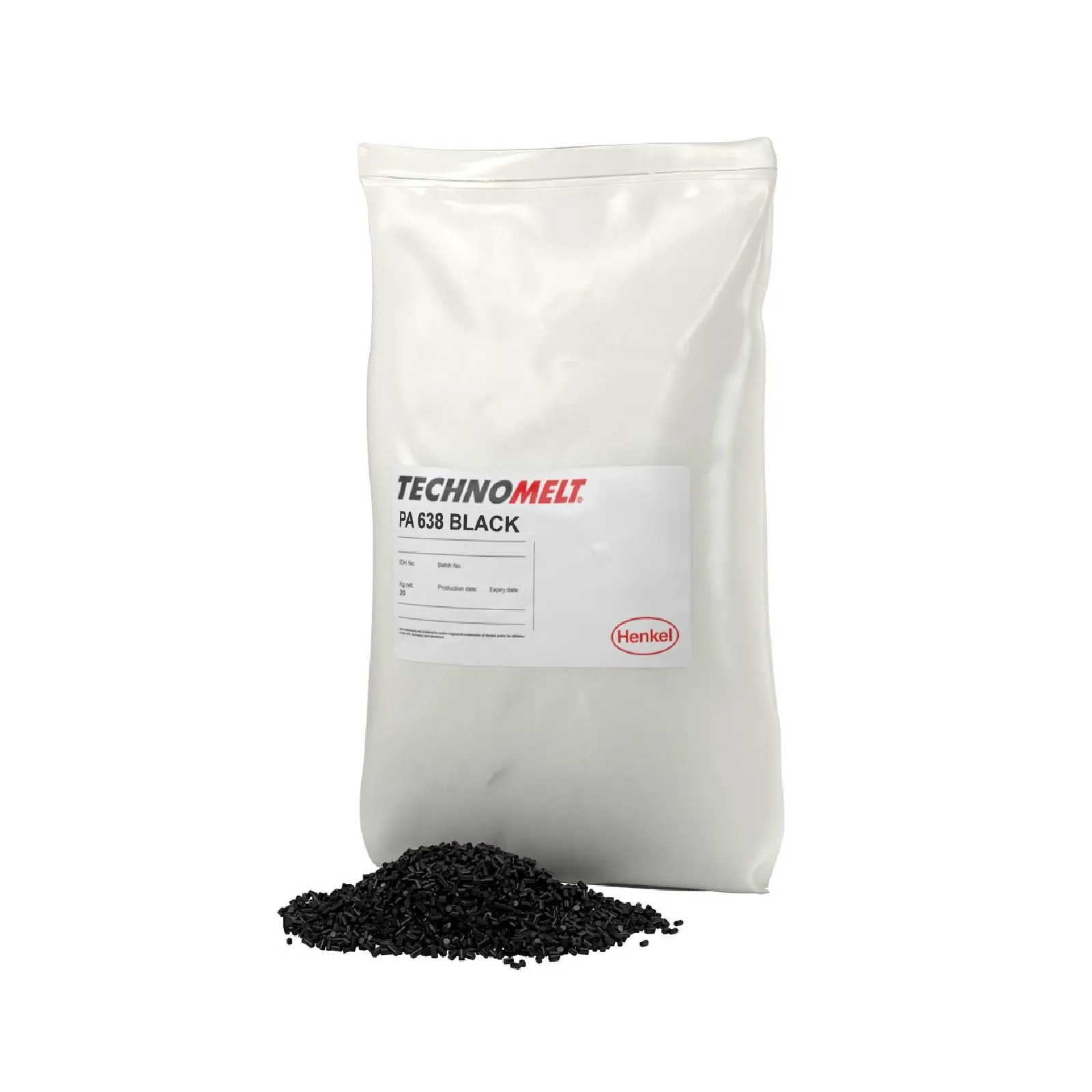
  • TECHNOMELT PA 638

    TECHNOMELT

    TECHNOMELT PA 638

    Product code: PA 638

    Black polyamide hot melt for low pressure molding around electronic parts. It is applied at 200 to 240 °C and sets as it cools.
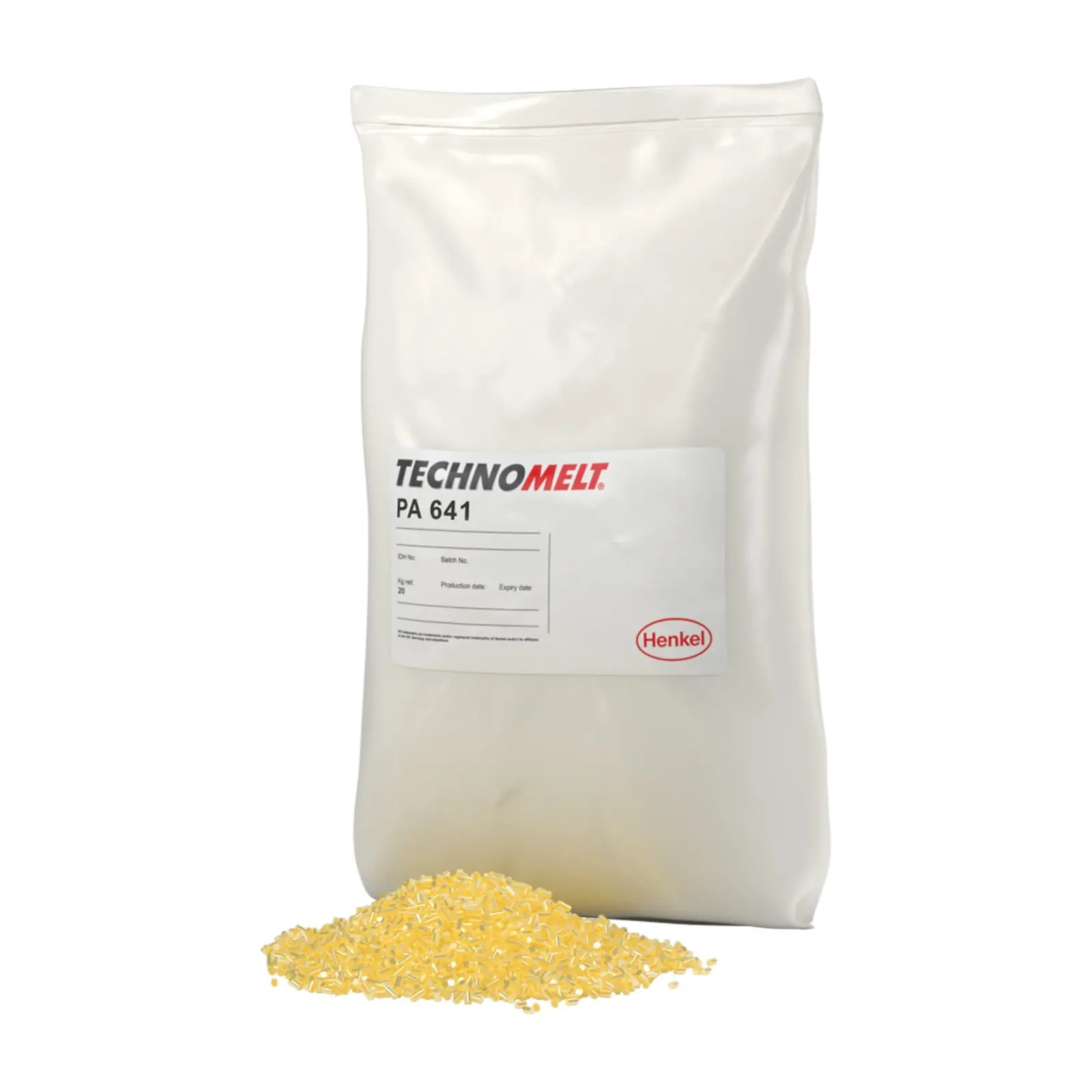
  • TECHNOMELT PA 641

    TECHNOMELT

    TECHNOMELT PA 641

    Product code: PA 641

    Amber polyamide for low pressure molding around fragile electronic parts. Hard grade, Shore A 92, works from -40 to 130 °C and sets as it cools.
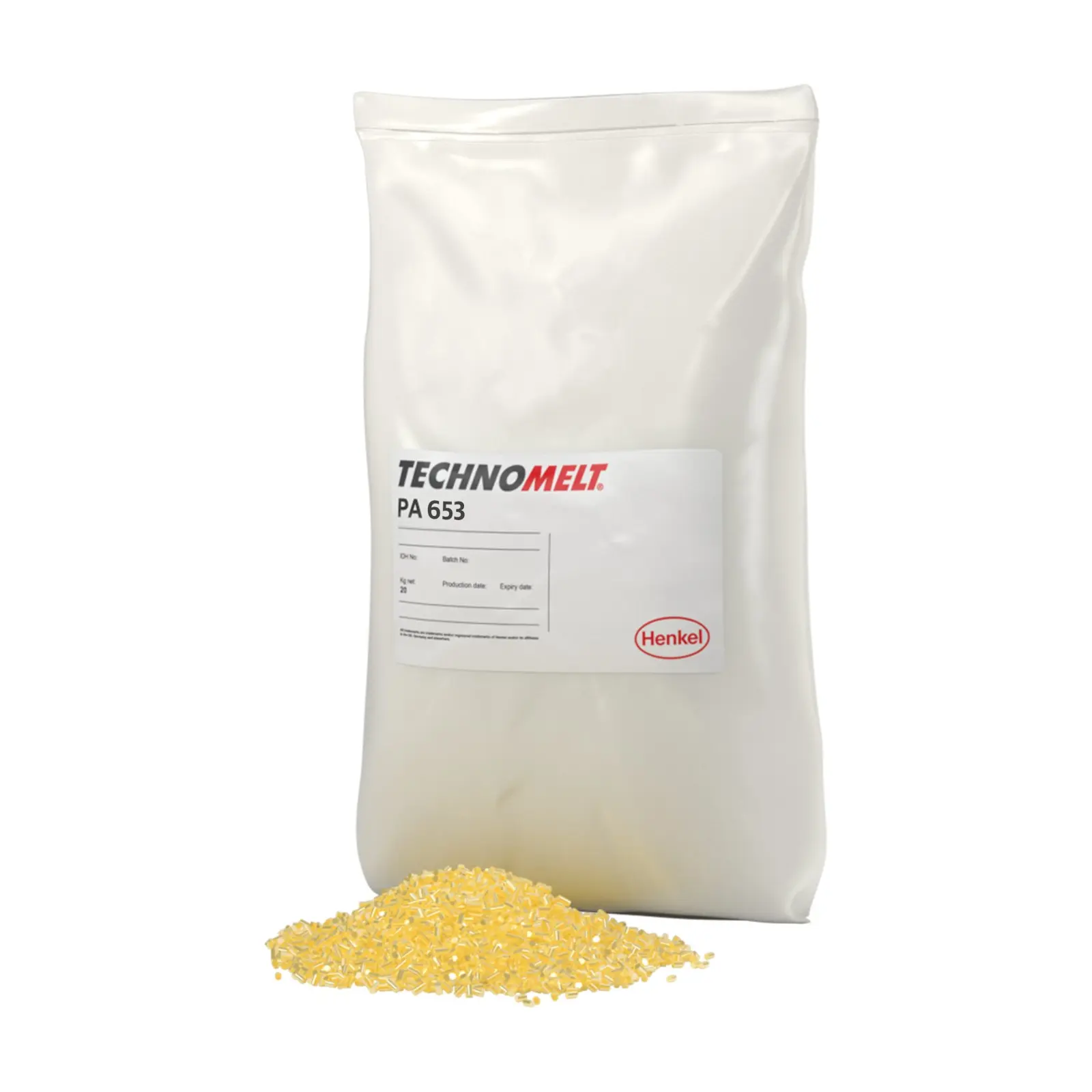
  • TECHNOMELT PA 653

    TECHNOMELT

    TECHNOMELT PA 653

    Product code: PA 653

    Amber polyamide for low pressure molding around fragile parts, formerly Macromelt OM 653. Stays flexible to -50 °C and works from -40 to 100 °C.

Frequently asked questions

Is low-pressure molding the same as potting?
No. Low-pressure molding forms a protective shape using a molding process and a thermoplastic material. Potting generally fills a cavity with a liquid material that solidifies, often through a chemical cure. The suitable approach depends on the design and production requirements.
Does low-pressure molding eliminate all component-damage risk?
No. The process still involves heat, pressure and material flow. Validate the grade, mold design and process window using the actual assembly.
How does the molding material become solid?
Thermoplastic materials generally solidify as they cool under defined conditions. Temperature, cooling and handling instructions vary by grade and should be confirmed from the current technical documentation.

More in PCB Protection

  • Green circuit board inside an open aluminium enclosure beside its lid with a rubber seal

    PCB Protection

    Protect circuit boards and electronic assemblies from moisture, contaminants and mechanical exposure.

  • Grey sealant bead dispensed along the edge of an electronic housing

    Gasketing & Sealants

    Seal enclosure joints and component interfaces with materials matched to the design.

  • Black encapsulant flowing over a die and its wire bonds on a circuit board

    Chip-on-Board (COB) Encapsulants

    Protect exposed semiconductor dies and wire bonds with suitable encapsulants.

Need Help Evaluating Low Pressure Molding?

Share the component design, substrate materials, available molding equipment and temperature or pressure limits. ADVANCE can help review suitable material families and the technical checks needed before a production trial.

Not sure which product fits? Ask our assistant

Type the job, the material or a spec. It searches our published products and TDS values — no external AI.