
LOCTITE
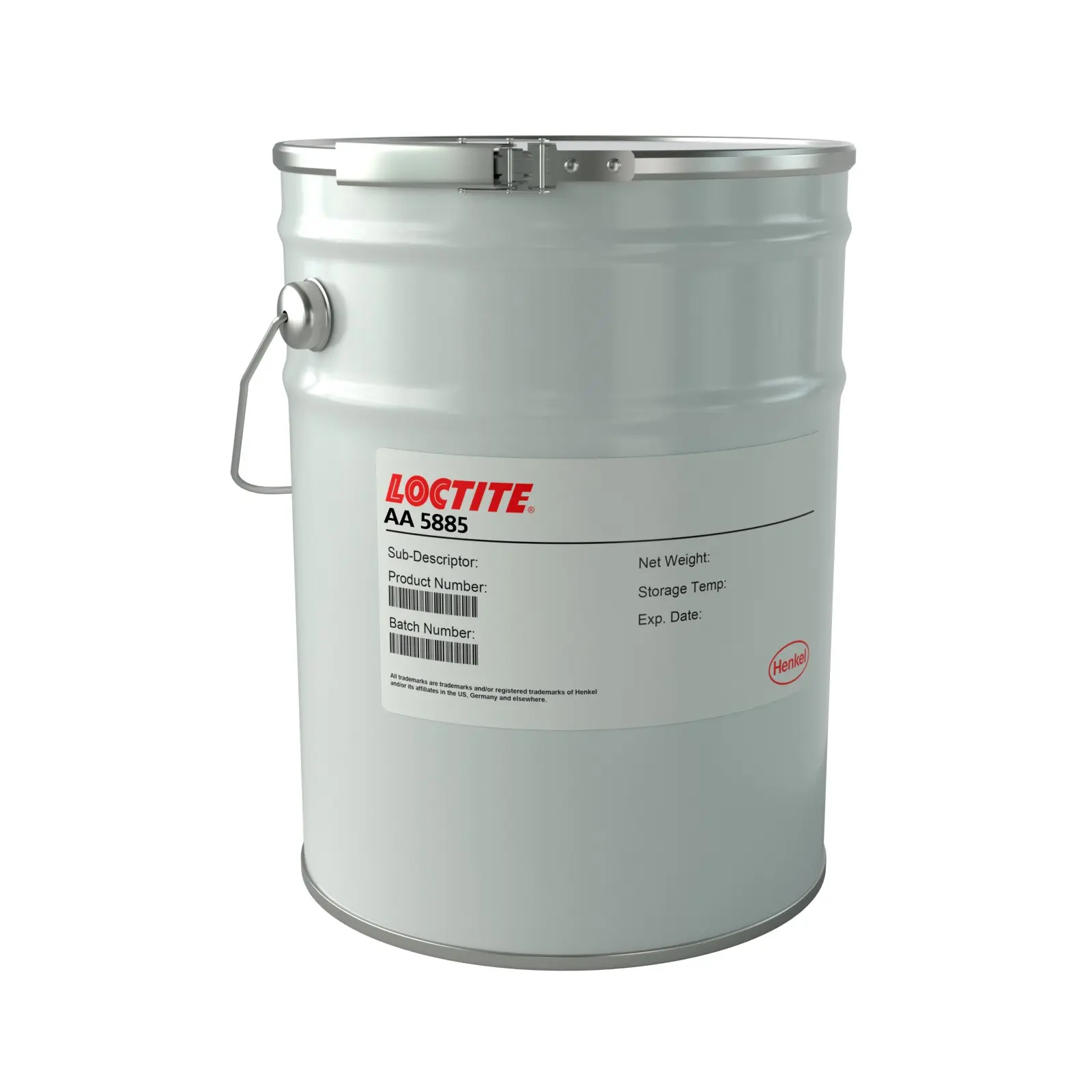
LOCTITE AA 5885
Product code: AA 5885
Clear UV-curing polyacrylate that forms a compression gasket on electronic housings, battery packs and inverters. Compress it right after cure, for service up to 150 °C.
Electronics solutions · PCB Protection
Gaskets and sealants create a sealing interface at enclosure joints and selected component areas. Material selection depends on joint geometry, substrate compatibility, movement, cure conditions and the required sealing performance.
Gasketing and sealants form a barrier at a joint, enclosure interface or selected component area. A gasket provides a defined sealing interface between mating surfaces, while a sealant can fill gaps or create a continuous bead. Some products form a gasket in place; the correct approach depends on the design.
These materials are used where electronic assemblies need a seal at a housing joint or around a component interface. The design may prioritize moisture resistance, vibration accommodation, assembly speed or future service access.
A suitable sealing material helps reduce unwanted ingress through gaps and joints. It may also accommodate movement when the selected product and joint design permit it. Seal performance depends on the whole interface, including surface preparation, compression, geometry and cure.
Silicone-based materials are commonly considered for electronic sealing, but the correct grade depends on joint design and substrate compatibility. Distinguish between a gasket-forming material and a general sealant by the function and process required in the application.
The sealing material must match joint geometry and the conditions expected during service. Define the sealing function and verify product performance using the current TDS and a suitable test method.
The process should create a continuous bead or a suitable gasket at the intended interface. Surface condition, bead placement, material volume and cure time influence the result. Follow product-specific instructions and test the complete assembled joint.
Seal performance depends on the interface design as much as on the material. Joint gaps, surface irregularity, fastener placement and expected movement affect sealing continuity. Consider cure effects on nearby electronics and provide access for inspection.
Typical sealing defects include gaps, poor adhesion, discontinuous beads and incomplete cure. Corrective actions should target the actual cause and be verified on the complete assembly.
Explain what the seal must prevent and how the enclosure is assembled and used. ADVANCE can help review material options against joint geometry, substrate compatibility and sealing requirements.
LOCTITE
Product code: AA 5885
Clear UV-curing polyacrylate that forms a compression gasket on electronic housings, battery packs and inverters. Compress it right after cure, for service up to 150 °C.
LOCTITE
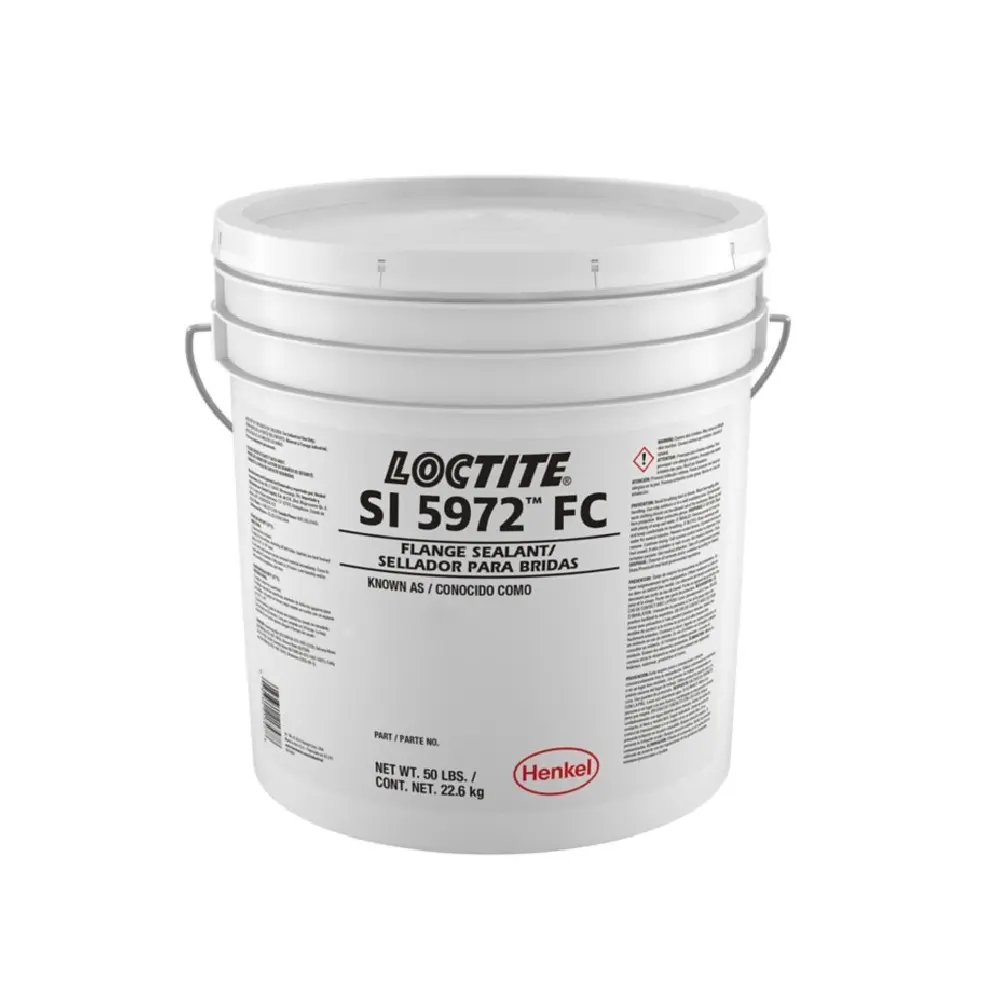
Product code: SI 5972 FC
White fast-curing silicone gasket for automotive electronics, such as lids around connectors and cases. Tin-free, and passes inline pressure tests up to 5 psi.
LOCTITE
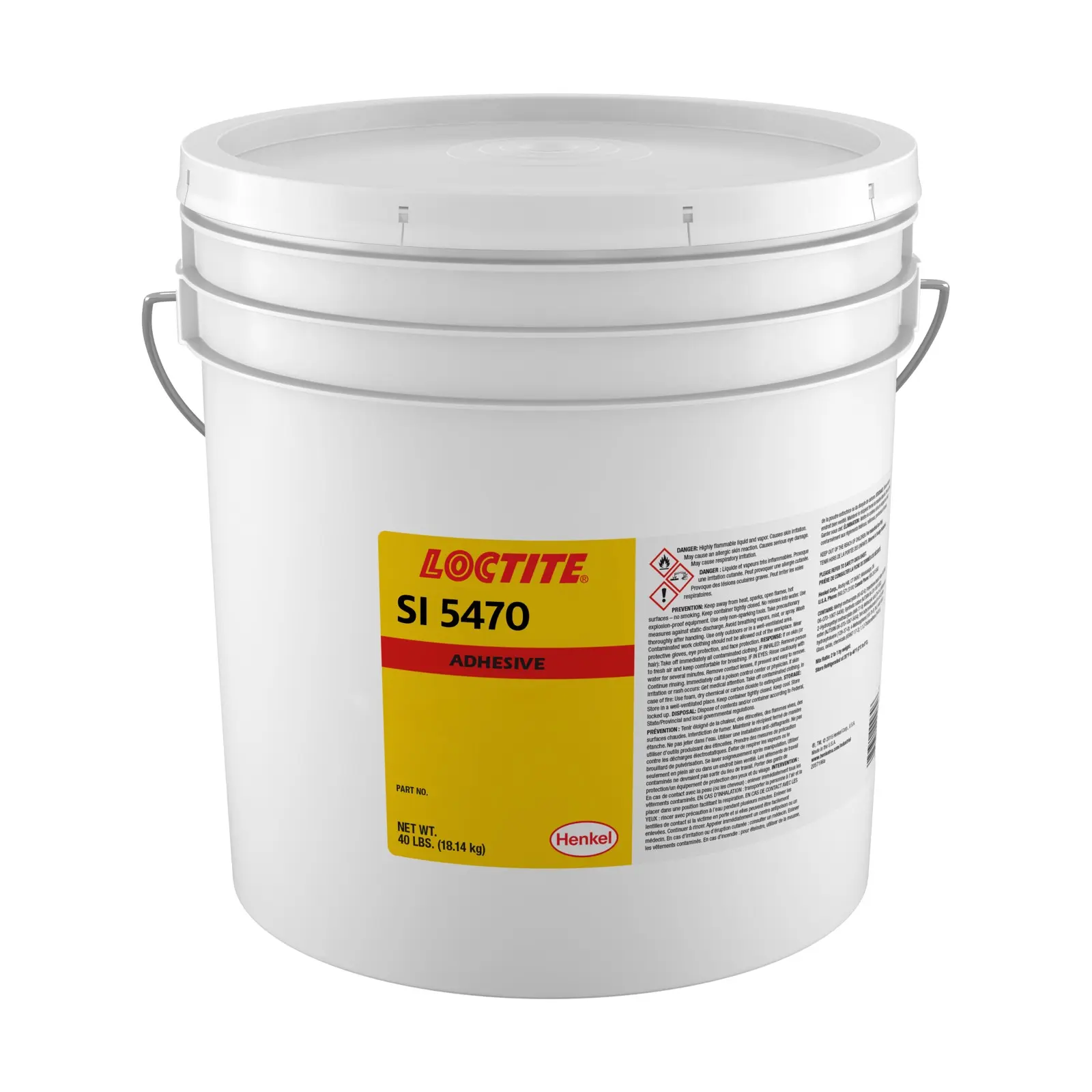
Product code: SI 5470
Dual-cure silicone mixed with nitrogen to form a soft closed-cell foam gasket on plastics and metals. Cures with UV, and with moisture in shadowed areas.
LOCTITE
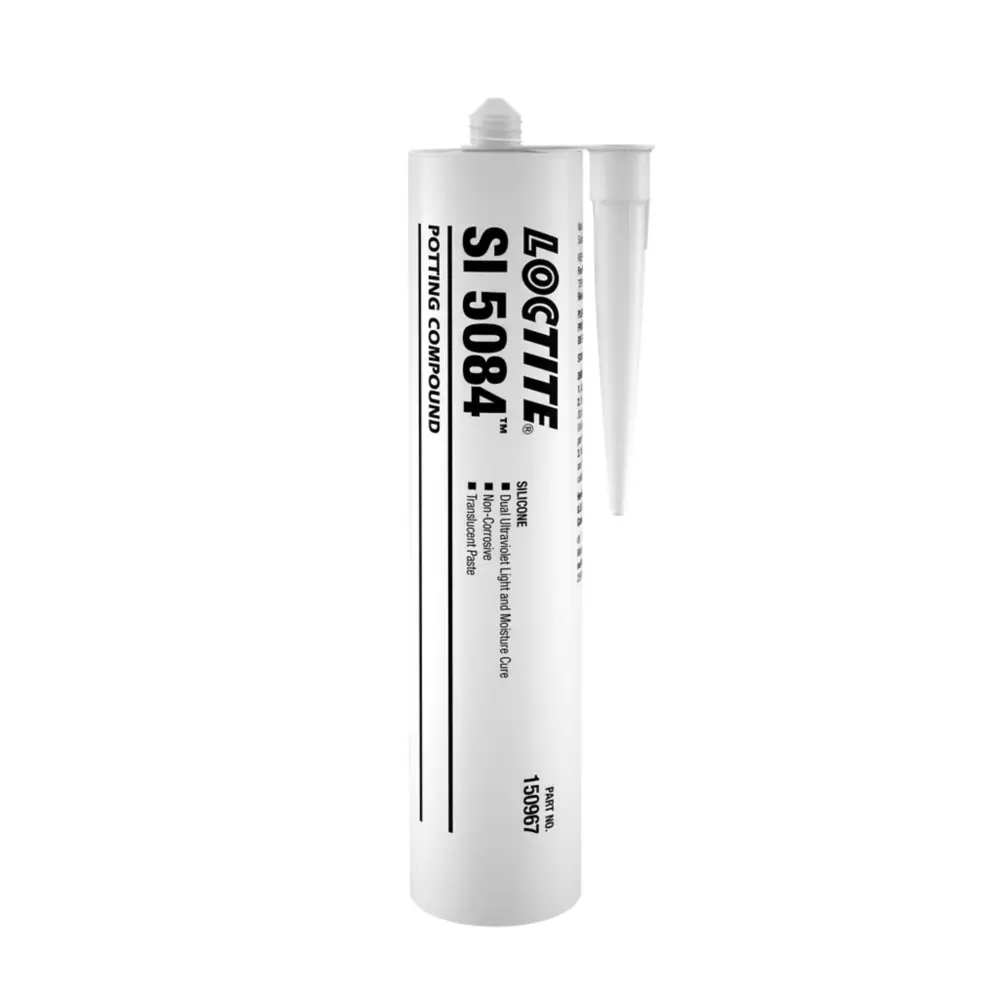
Product code: SI 5084
Translucent UV-curing silicone paste for gasketing and sealing at production speed. Moisture cures shadowed areas, and it resists weathering, moisture and ozone.
LOCTITE
Product code: SI 5083
1-part UV-cure acetoxy silicone paste with moisture cure in shadowed areas, for potting, coating and sealing components.
LOCTITE
Product code: SI 5145
One-part alkoxy silicone for bonding, sealing and coating electronic devices; non-corrosive, non-slumping and for continuous service from -50 °C to 200 °C.
LOCTITE
Product code: SI 5011CL
Clear one-part non-corrosive oxime silicone for sealing and bonding electrical and electronic components. Resists water, steam, chemicals and UV ozone.
LOCTITE
Product code: SI 5421
One-part, moisture-curing conductive silicone for automotive sensor bonding and formed-in-place gaskets on EMI/RF shielded enclosures.
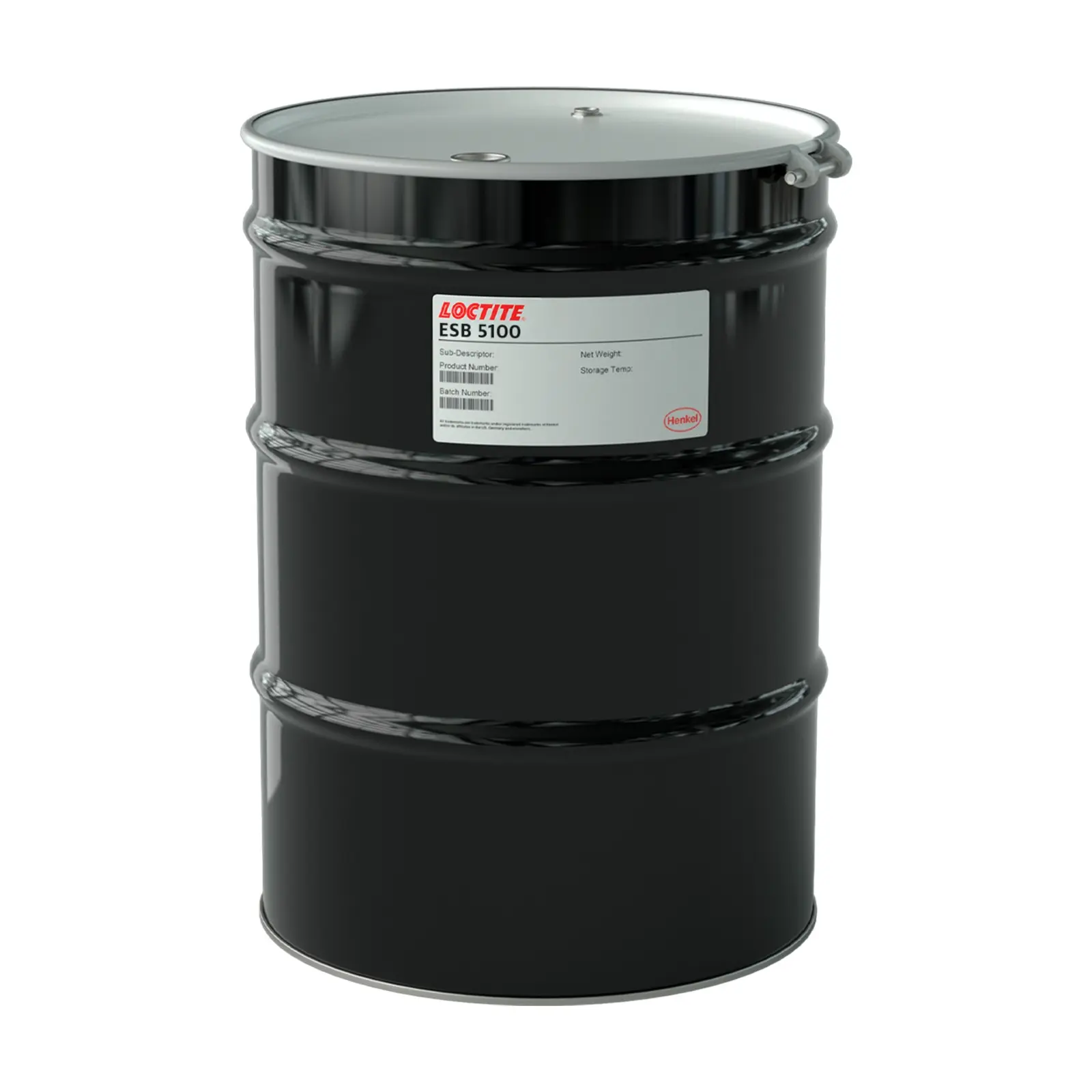
LOCTITE
Product code: ESB 5100
Black, hot-applied butyl sealant for aluminum cases on battery and power conversion systems. Seals water and gas, self-heals, and lets the joint be reopened.
Protect circuit boards and electronic assemblies from moisture, contaminants and mechanical exposure.
Protect assembled PCBs from moisture and environmental exposure with suitable coating systems.
Form a protective molded layer around selected electronic components at controlled pressure.
Share the housing materials, joint dimensions, required sealing function and service environment. ADVANCE can help review compatible material options and the checks needed to validate the seal.
Not sure which product fits? Ask our assistant
Type the job, the material or a spec. It searches our published products and TDS values — no external AI.