
LOCTITE
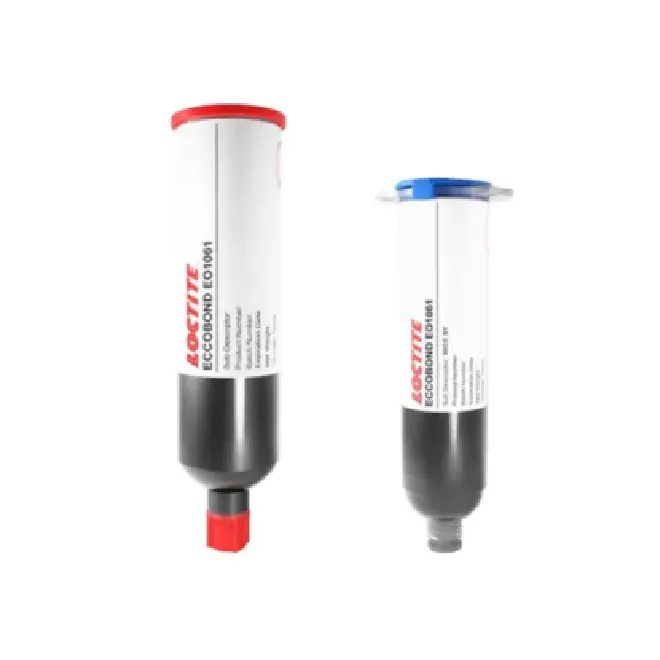
LOCTITE ECCOBOND EO1061
Product code: ECCOBOND EO1061
One-part black epoxy encapsulant for chip-on-board and low-profile devices. Medium flow and stable viscosity for time-pressure dispensing.
Electronics solutions
COB encapsulants cover exposed dies, wire bonds and selected connection areas to provide environmental and mechanical protection. Material choice depends on package geometry, flow behavior, cure conditions and component sensitivity.
Chip-on-board encapsulants are materials applied over exposed semiconductor dies, wire bonds and associated connection areas. They provide a protective cover and mechanical support while reducing direct exposure to moisture, contaminants and handling damage. Unlike underfill, which fills a gap beneath selected packages, COB encapsulant covers the exposed top-side features.
COB encapsulation is used where dies and fine wire bonds remain exposed after assembly and require additional protection. The appropriate coverage and material depend on the device construction and expected operating environment.
A suitable encapsulant can reduce direct exposure of dies and wire bonds to moisture, contaminants and mechanical damage. The cured material must remain compatible with the assembly during thermal cycling and service. Excessive stress, poor coverage or incomplete cure can undermine the protection.
COB encapsulants may use epoxy, polyurethane, acrylate or silicone chemistry. Products may be designed for thermal cure or UV cure, depending on the formulation and application. Each system has different flow, mechanical, thermal and chemical characteristics; compare the exact grade and the assembly conditions.
Select the encapsulant according to the features to be covered and the sensitivity of the assembly. Use the current TDS to verify cure conditions, mechanical properties and environmental performance for the exact grade.
Encapsulant is dispensed into a defined area using a controlled application process. The material should cover the target features without excessive flow, trapped air or contamination of nearby components. Follow the specified storage, conditioning and cure procedure for the selected grade.
Wire-bond loops, component height and nearby connectors influence the allowable material flow and final encapsulant profile. Consider thermal expansion, cure stress and inspection access during design. The encapsulant should protect the target area without obstructing contacts or creating excessive stress.
Encapsulation defects often involve poor flow, incomplete coverage, trapped air or stress after curing. Compare the defect location with the dispense sequence, geometry and cure conditions before making changes.
A suitable COB encapsulant must protect the target features while remaining compatible with the die, wires, substrate and process. Share the assembly layout and protection requirements so the material can be reviewed against the actual application.
LOCTITE
Product code: ECCOBOND EO1061
One-part black epoxy encapsulant for chip-on-board and low-profile devices. Medium flow and stable viscosity for time-pressure dispensing.
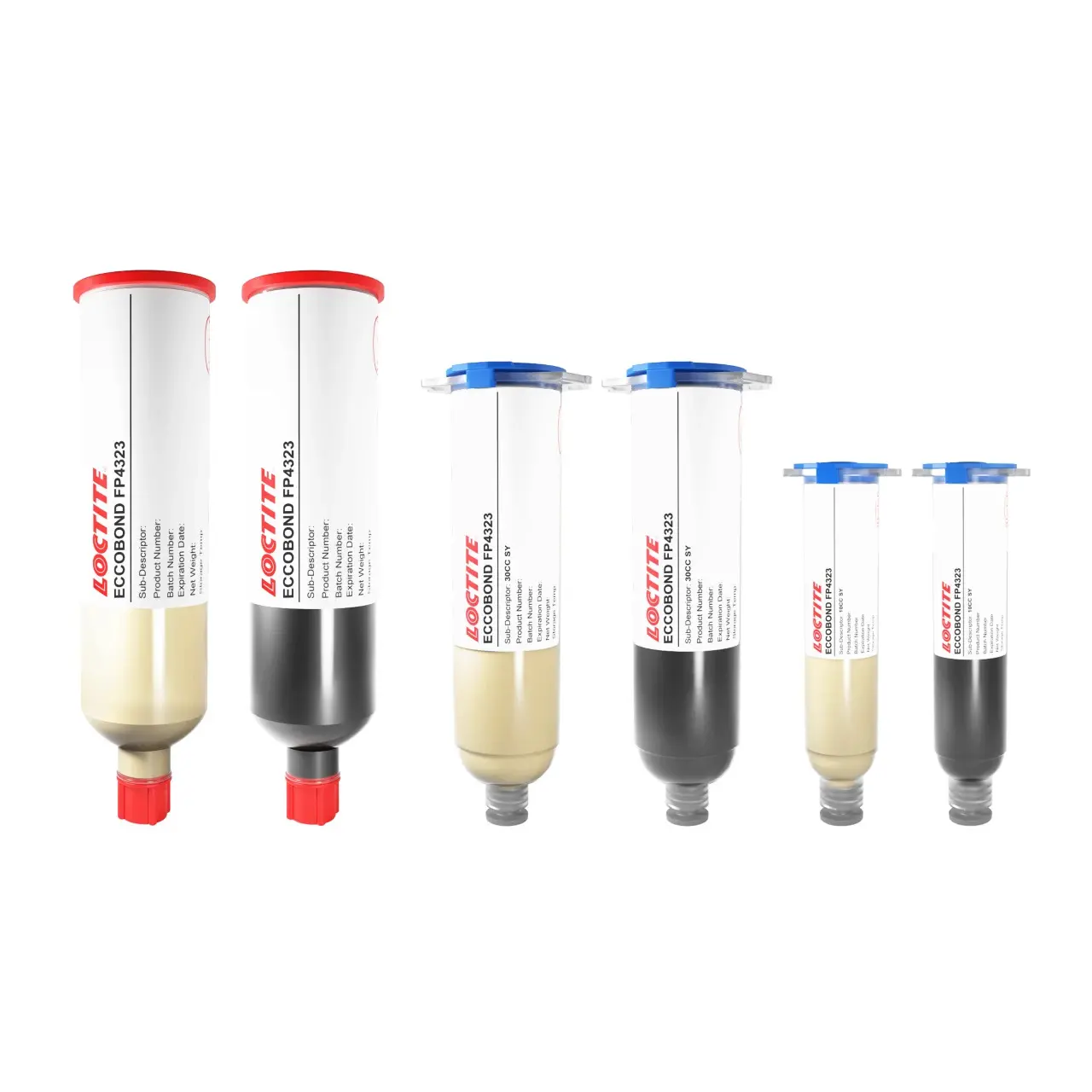
LOCTITE
Product code: ECCOBOND FP4323
Two-part epoxy glob top for chip-on-board and plastic PGA. Mixed 100:100 by weight, it covers the chip without flowing beyond it.
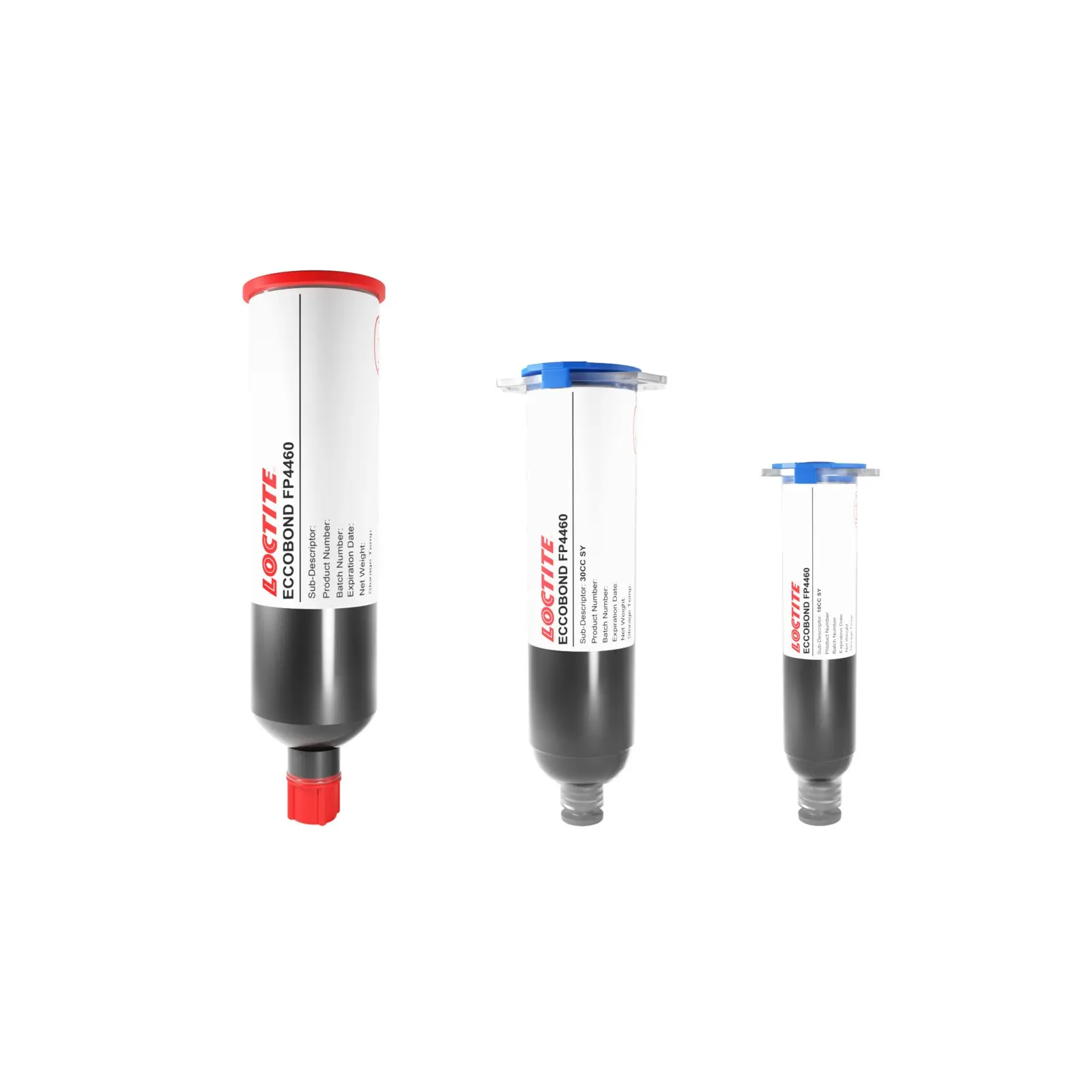
LOCTITE
Product code: ECCOBOND FP4460
Black high-flow epoxy glob top that protects bare semiconductor devices on chip-on-board, BGA and multi-chip modules. Heat cure, 3 hours at 150 °C.
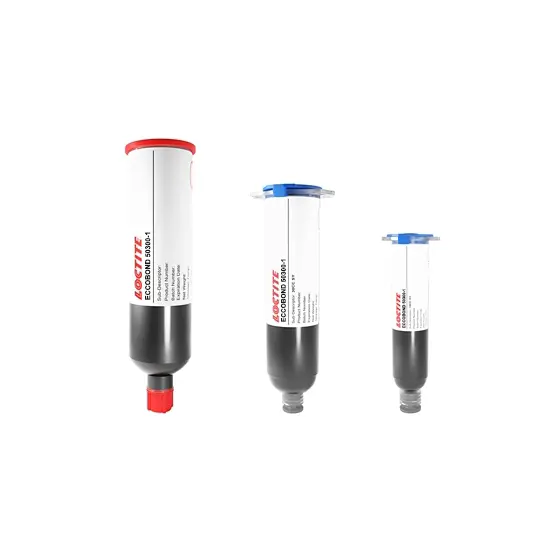
LOCTITE
Product code: ECCOBOND 50300 1
One-part black epoxy glob top for wire-bonded bare die on epoxy laminate. It has 70% filler and controlled spread for ICs with high wire loops.
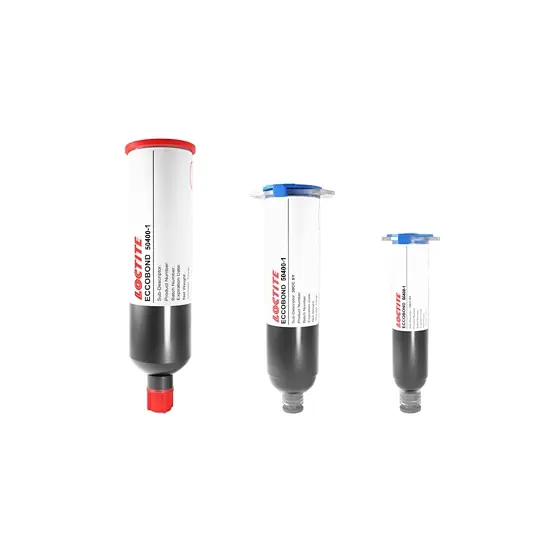
LOCTITE
Product code: ECCOBOND 50400 1
One-part black epoxy glob top for wire-bonded bare die on epoxy laminate, with 70% filler and low CTE, for ICs with high wire profiles.
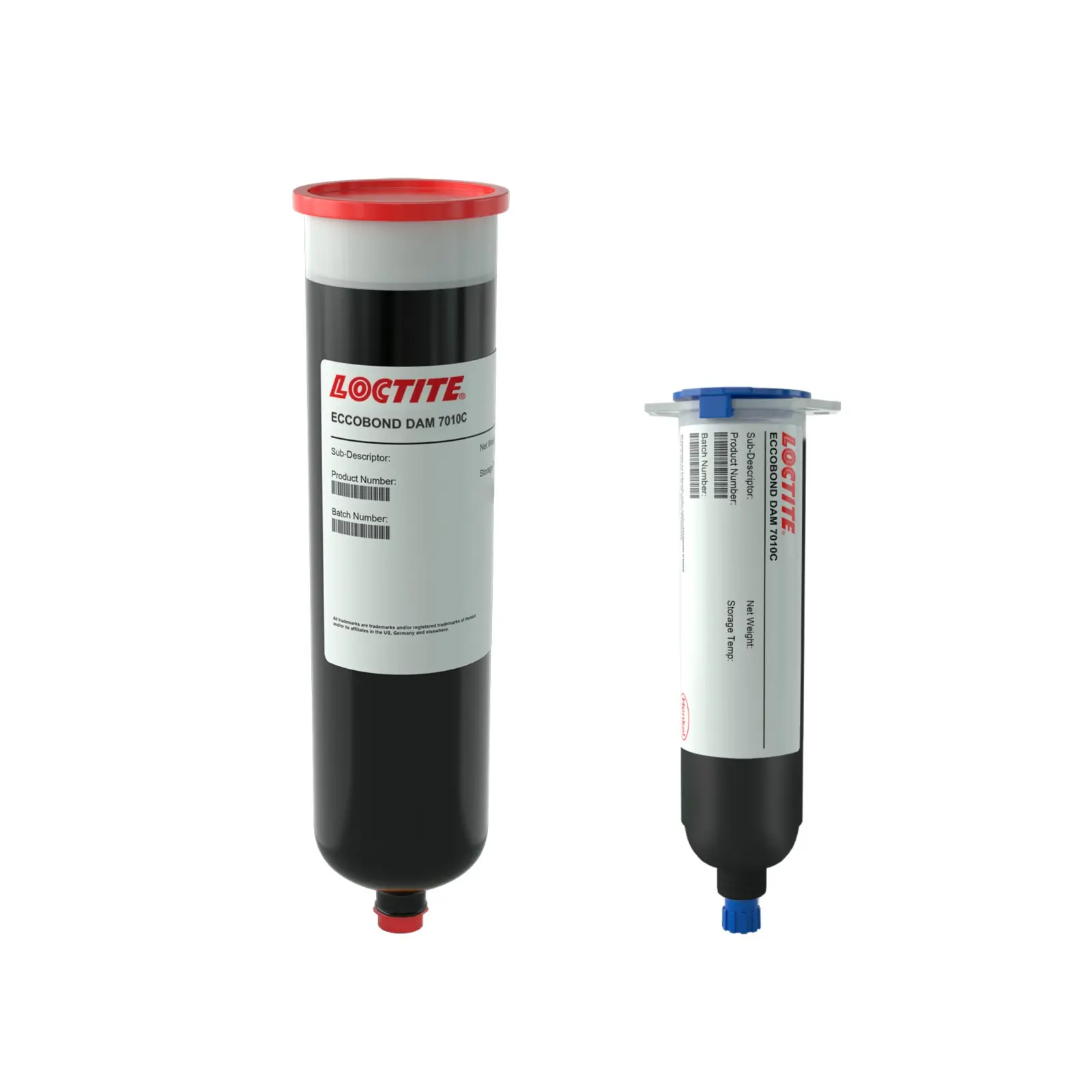
LOCTITE
Product code: ECCOBOND DAM 7010C
One-part black non-sag epoxy dam encapsulant that sets the outline and height of a glob top, used with LOCTITE ECCOBOND FIL 7010C as the fill.
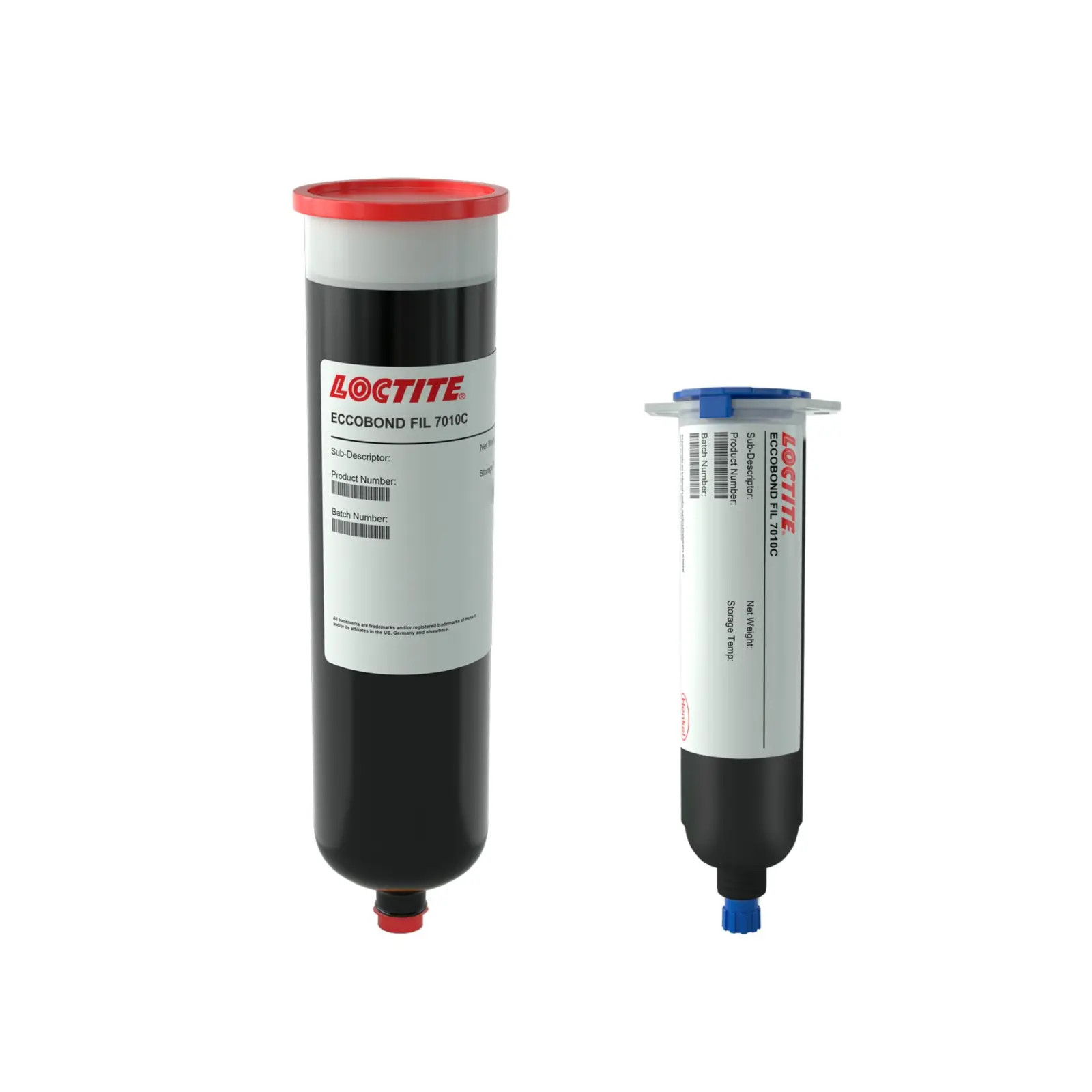
LOCTITE
Product code: ECCOBOND FIL 7010C
One-part low-viscosity epoxy for potting stress-sensitive electronic components, and the fill inside a DAM 7010C dam for glob tops.
LOCTITE
Product code: ECCOBOND FP4451TD
Black epoxy dam that forms a flow-control barrier around bare-chip encapsulation on BGA packages and IC memory cards.
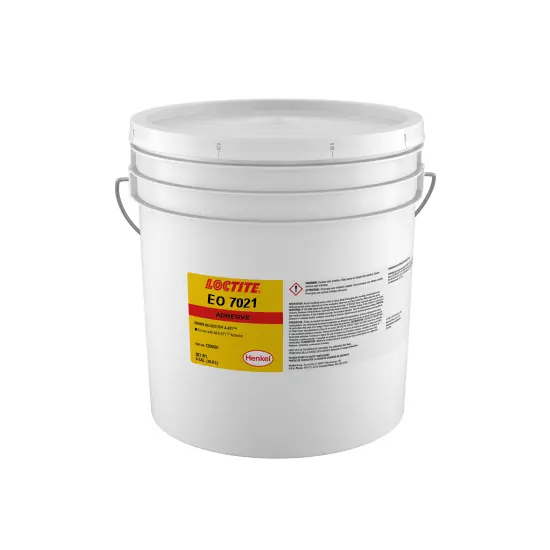
LOCTITE
Product code: EO7021
One-part black epoxy encapsulant and coating for smart card chip modules. Low viscosity and heat cure at moderate temperatures, also used for reel-to-reel die attach.
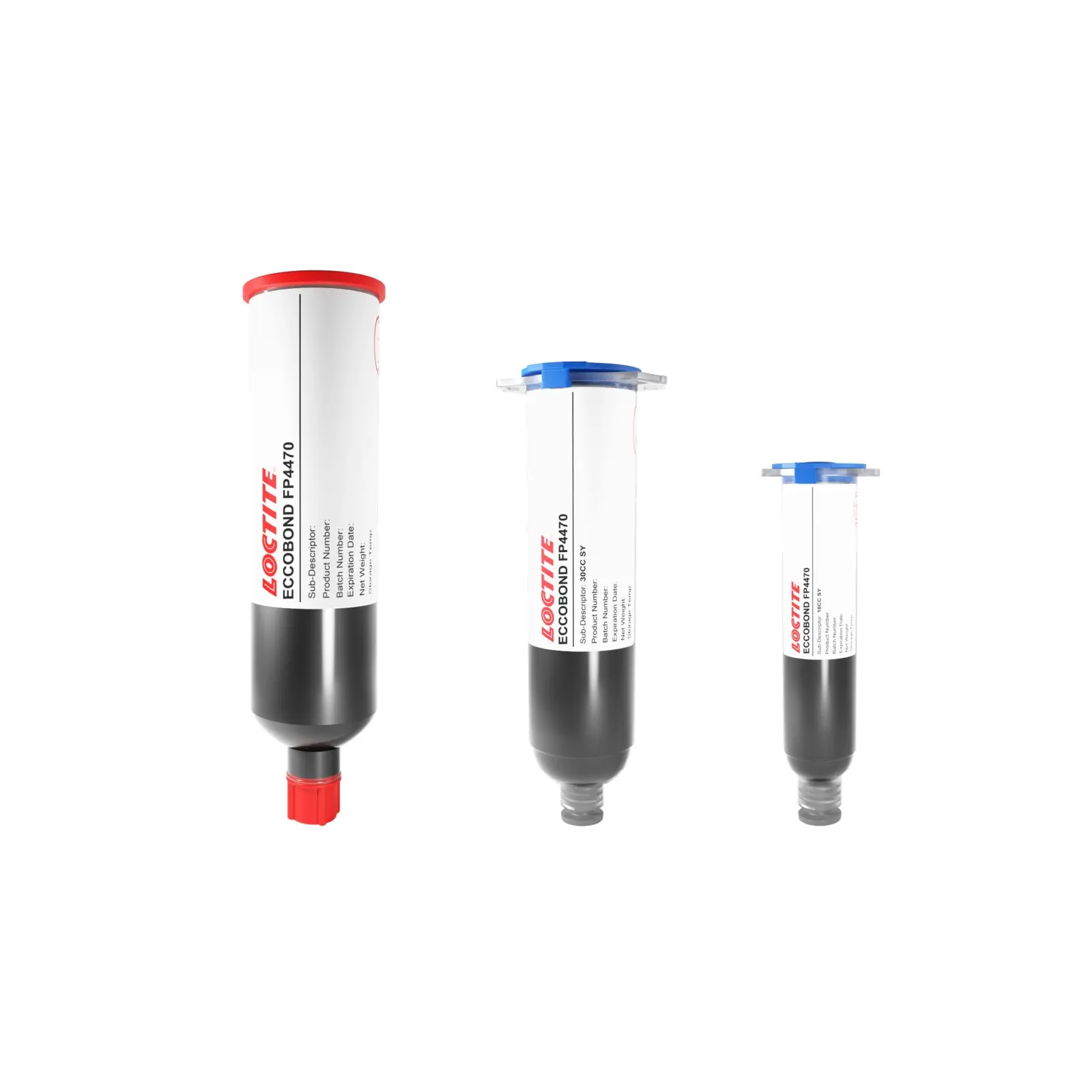
LOCTITE
Product code: ECCOBOND FP4470
Black high-flow epoxy encapsulant that fills fine-pitch wire bonds and deep cavities without trapping voids. Takes 260 °C lead-free reflow.
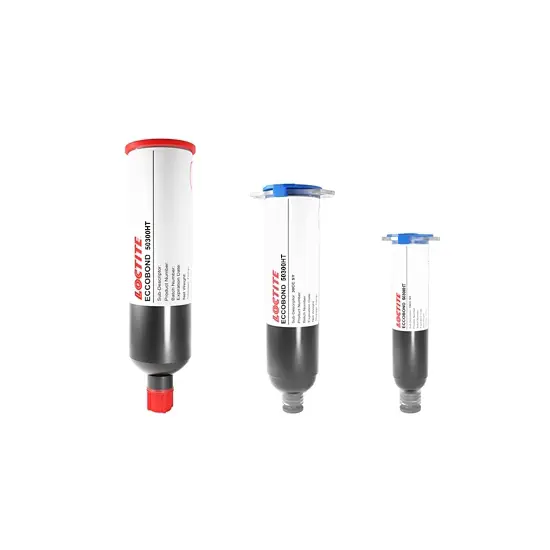
LOCTITE
Product code: ECCOBOND 50300HT
One-part black epoxy glob top for wire-bonded bare die on epoxy laminate, for ICs with high wire profiles where the glob top must not spread during cure.
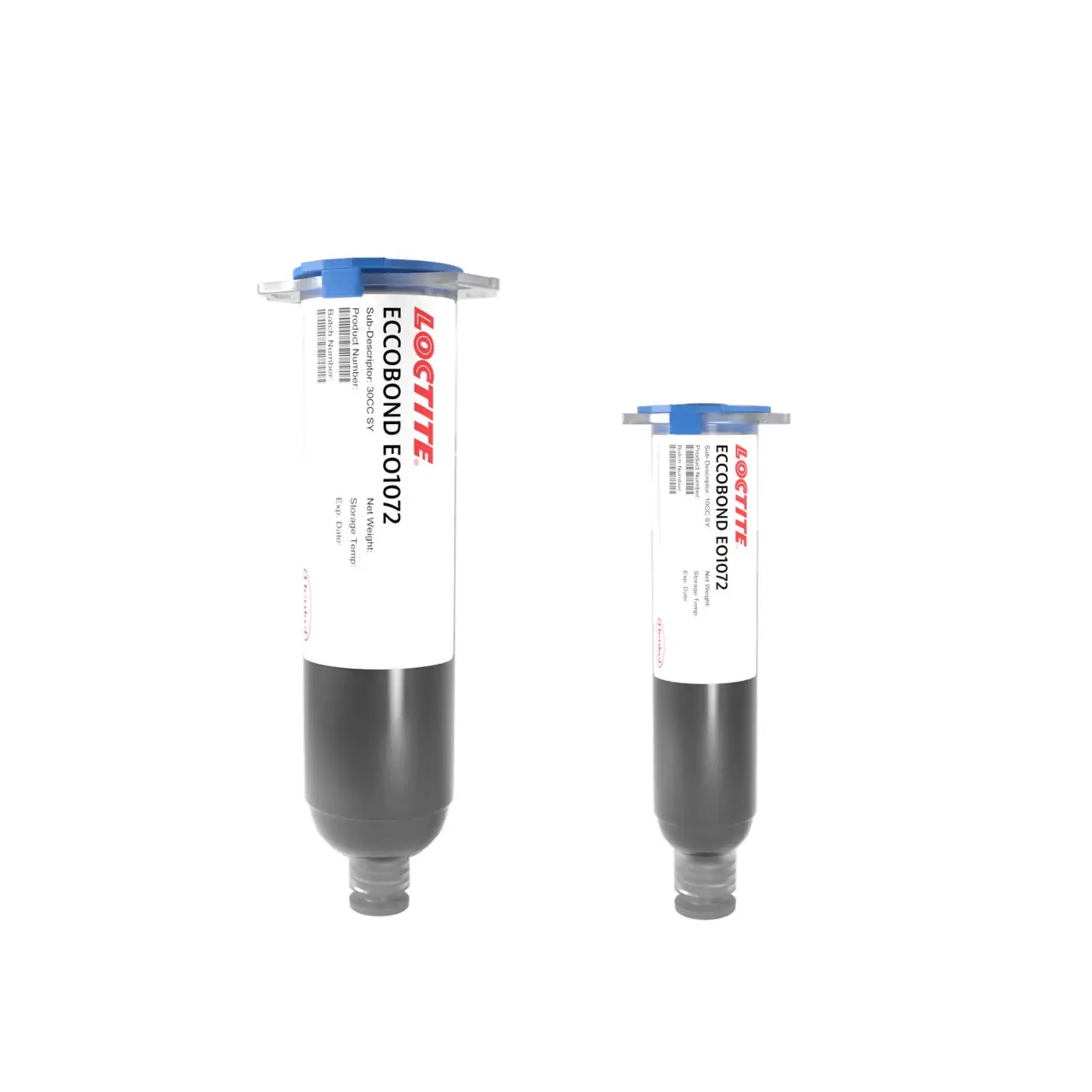
LOCTITE
Product code: EO 1072
One-part black epoxy encapsulant that works as both dam and fill. The substrate temperature decides whether it holds as a dam or flows as a fill.
Reinforce solder interconnections by filling the gap beneath selected semiconductor packages.
Protect assembled PCBs from moisture and environmental exposure with suitable coating systems.
Select conductive, insulating or thermally conductive pastes for electronic assemblies.
Share the die and wire-bond layout, substrate materials, encapsulation method and cure limitations. ADVANCE can help review material options and the technical checks required to protect the assembly.
Not sure which product fits? Ask our assistant
Type the job, the material or a spec. It searches our published products and TDS values — no external AI.