
LOCTITE
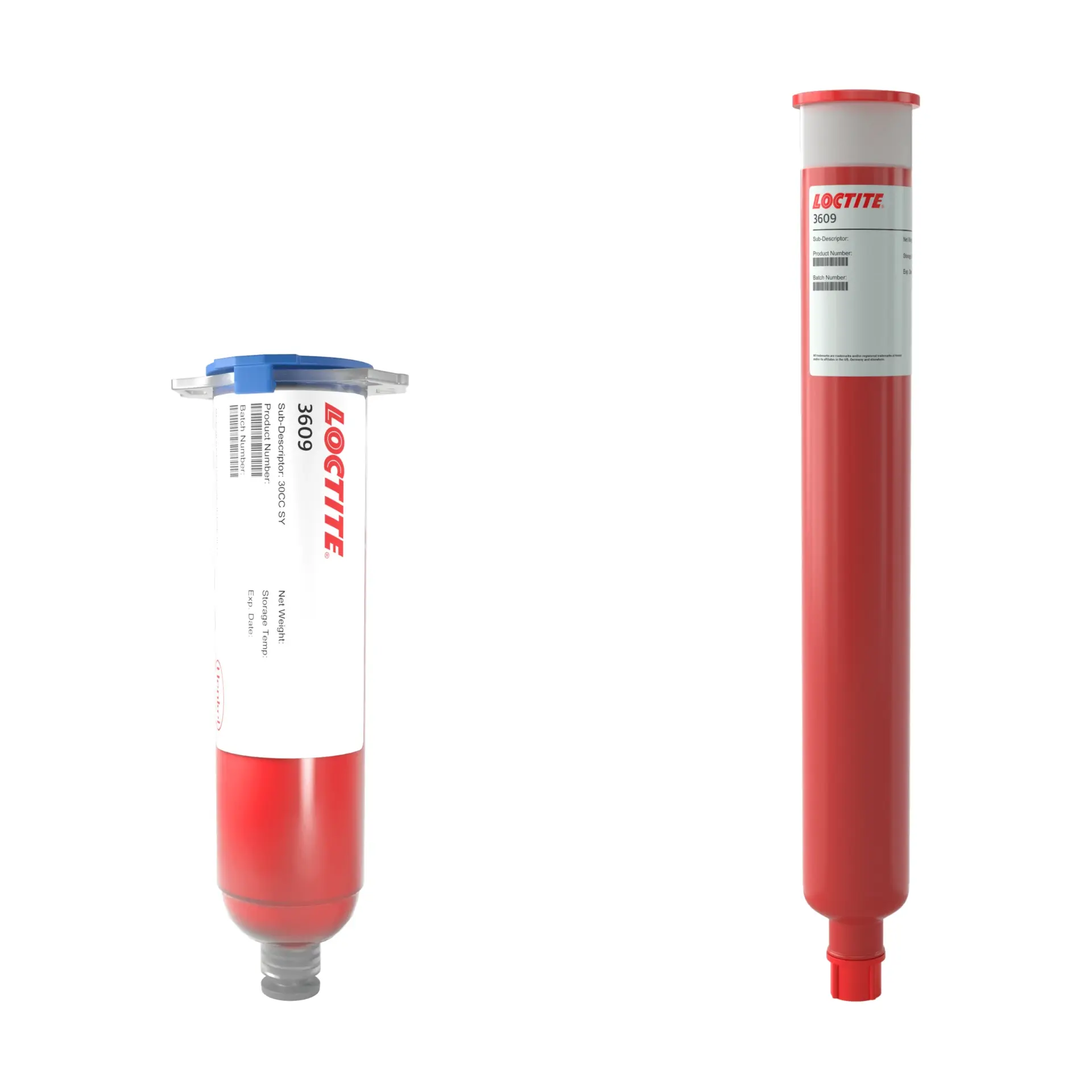
LOCTITE 3609
Product code: 3609
LOCTITE 3609 is a red, 1-part epoxy surface mount adhesive that holds SMD components on printed circuit boards before wave soldering, at medium to high dispense speeds.
Electronics solutions
Surface Mount Adhesives retain electronic components during selected SMT assembly processes, particularly mixed-technology and double-sided applications. Selection depends on the application method, component geometry, cure conditions and downstream soldering process.
Surface Mount Adhesives are applied to a PCB to retain surface-mount components during selected assembly operations. The adhesive helps prevent components from shifting or falling while the board is handled or processed, particularly in mixed-technology and double-sided assembly. Unlike solder paste, SMA does not create the electrical solder joint.
SMA is used where components need additional retention during board handling, transfer or soldering. It is relevant to assembly sequences in which mounted components must remain in position through a subsequent operation.
Small or heavy components may shift or detach during handling and soldering if the assembly process does not provide sufficient retention. A suitable SMA helps stabilize component position and support repeatable production. Performance must be evaluated together with placement accuracy, component geometry, board orientation and soldering conditions.
Surface mount adhesives are selected partly by the way they are deposited. The range includes dispense adhesives and products intended for screen printing or pin transfer. Each method requires suitable rheology, transfer behavior and curing characteristics.
SMA selection should reflect the application method, required retention and downstream soldering conditions. Compare the specific grade's TDS and establish acceptable process limits before qualification.
Adhesive is applied to defined PCB locations using dispensing, screen printing or pin transfer. Components are placed into the deposits and the assembly follows the grade-specific cure procedure. The retained components then proceed through the applicable soldering process, which must be validated with the complete board and production sequence.
Adhesive deposits must retain components without contaminating solder pads, contacts or nearby parts. Deposit geometry should account for component dimensions, center of gravity and board orientation. Consider the full process sequence, especially double-sided mounting and wave soldering.
Defects may result from incorrect adhesive selection, inconsistent deposits, placement errors or unsuitable cure conditions. Review both material behavior and the complete assembly sequence.
The correct SMA depends on the assembly sequence and adhesive deposition method. ADVANCE can help review options when the PCB design, component types and downstream soldering conditions are understood.
LOCTITE
Product code: 3609
LOCTITE 3609 is a red, 1-part epoxy surface mount adhesive that holds SMD components on printed circuit boards before wave soldering, at medium to high dispense speeds.
LOCTITE
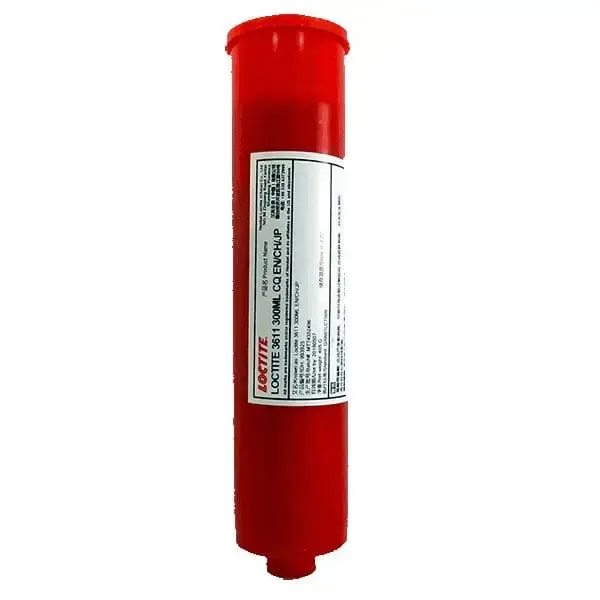
Product code: 3611
Red one-part epoxy gel for pin transfer or stencil print of SMD adhesive on high-speed lines. Very fast cure and very low moisture absorption.
LOCTITE
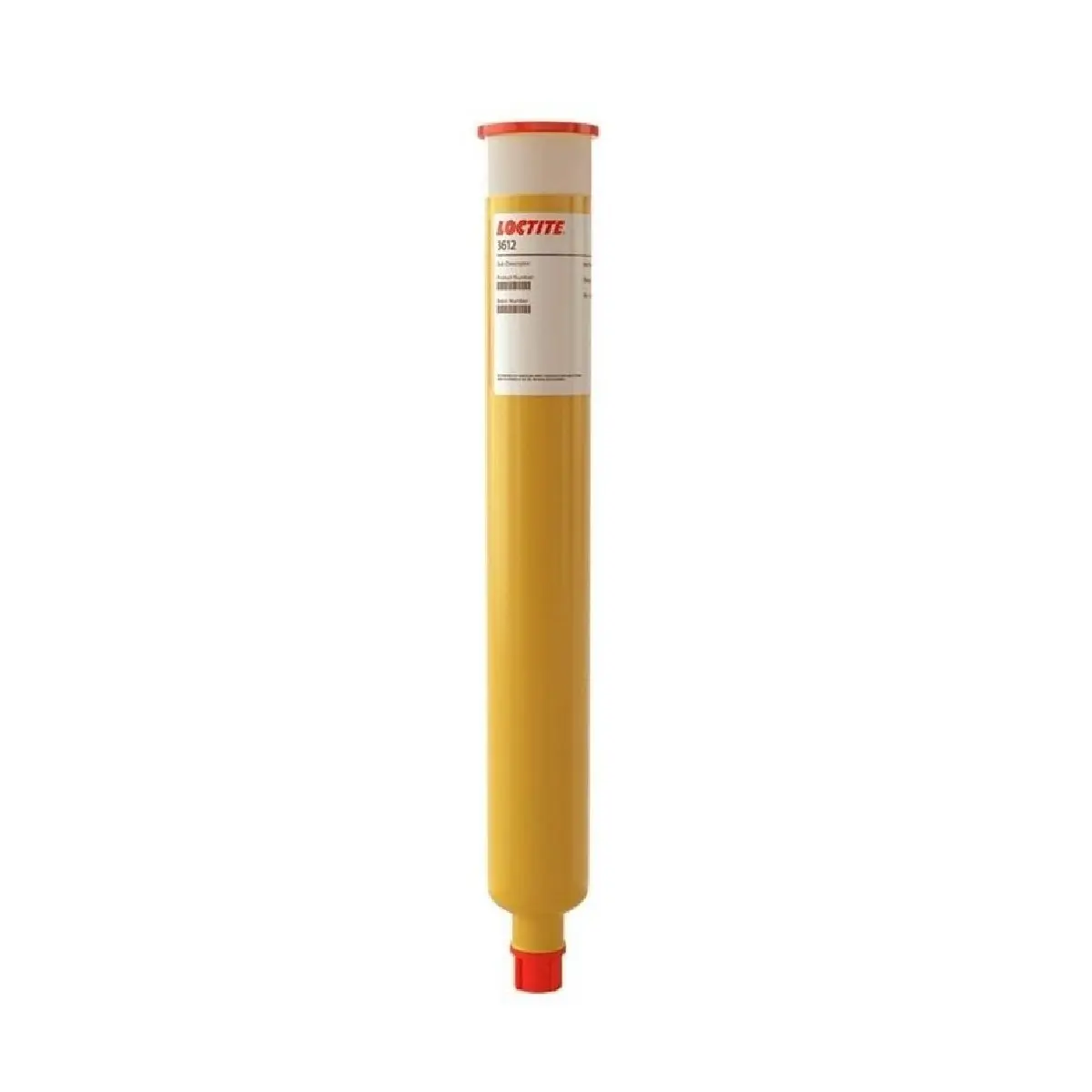
Product code: 3612
Yellow one-part epoxy for stencil printing SMD adhesive before wave soldering. High dot profile, very high Wet Strength, and fluorescent under UV light.
LOCTITE
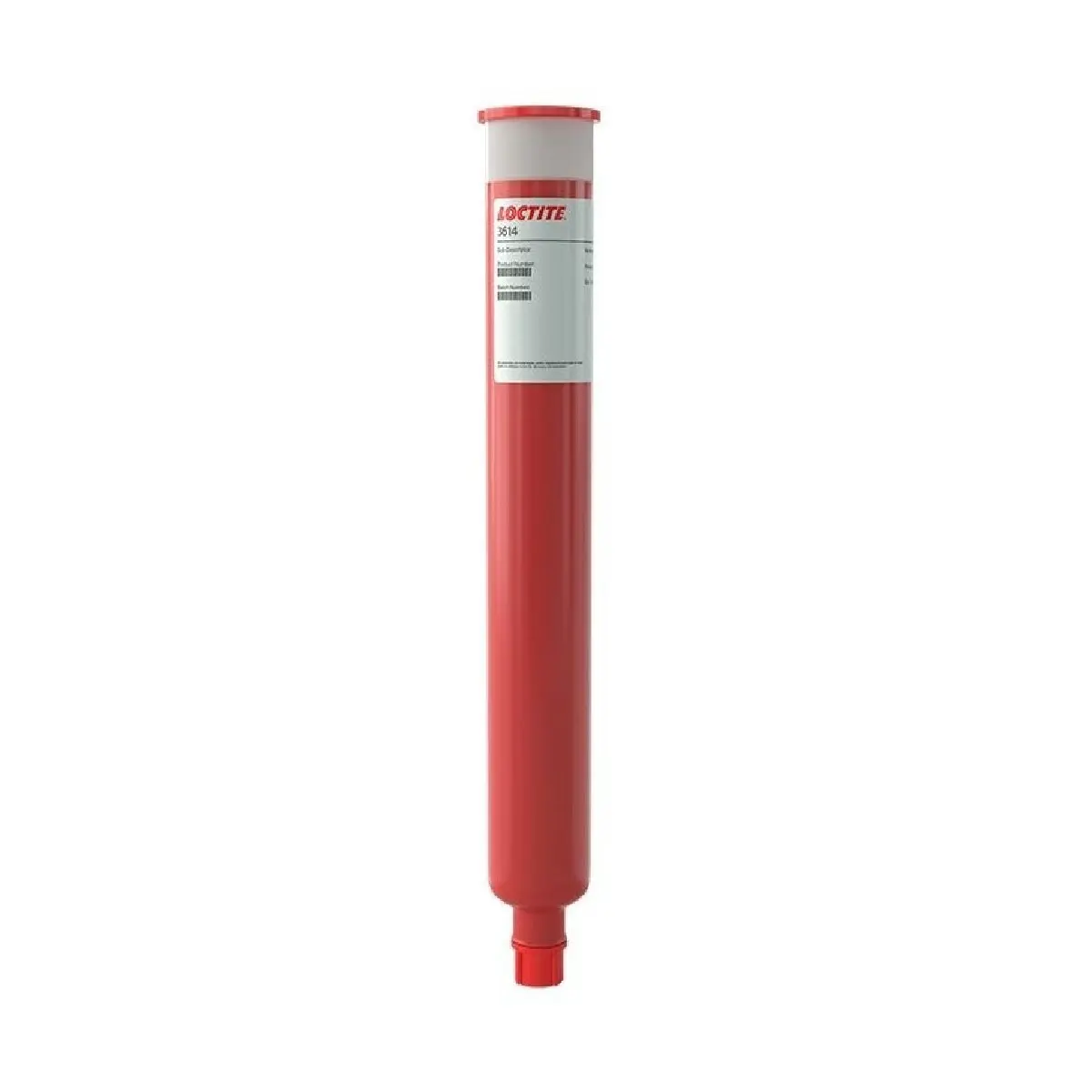
Product code: 3614
Red one-part epoxy gel for stencil printing SMD adhesive before wave soldering. High dot profile and lap shear on steel of at least 25 N/mm².
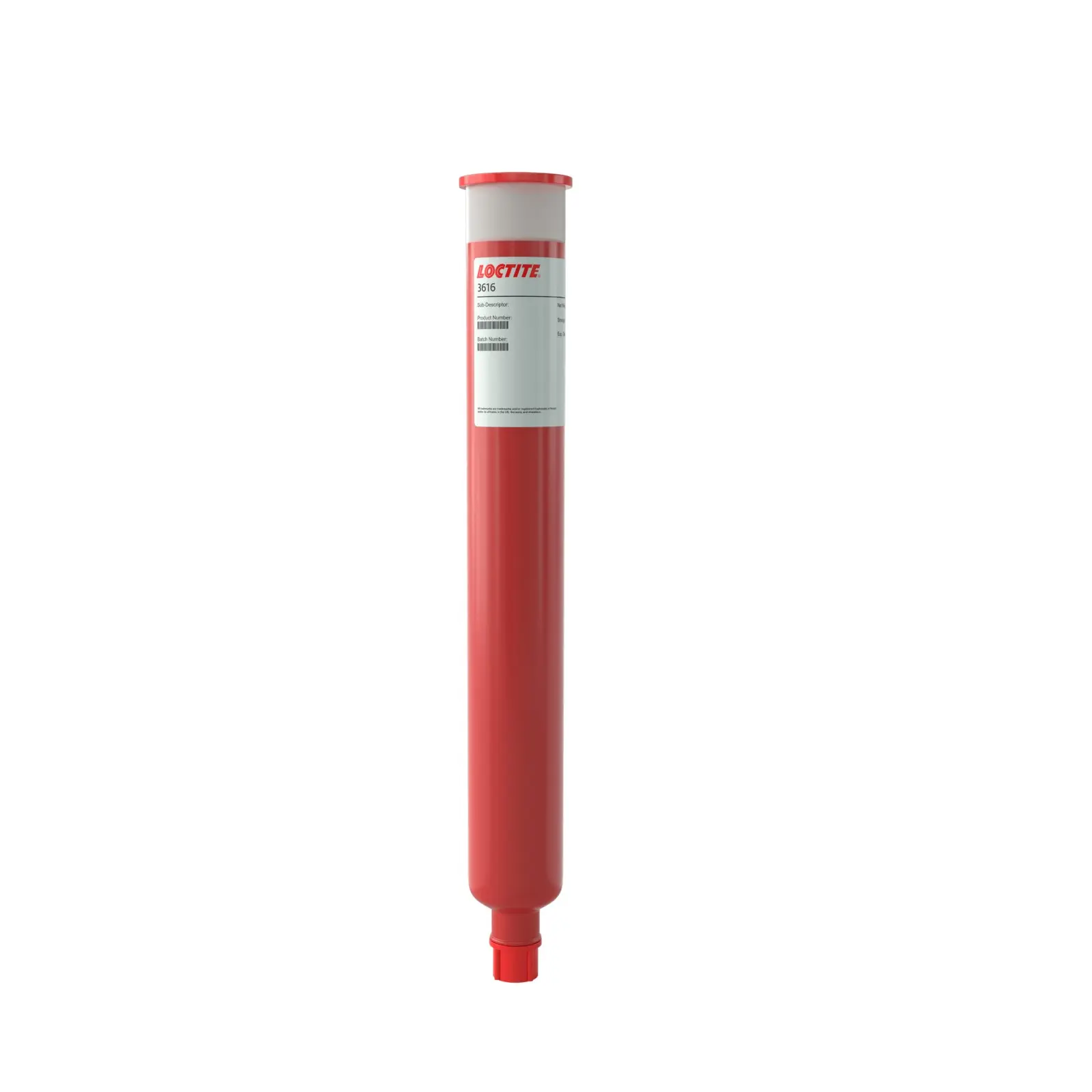
LOCTITE
Product code: 3616
Red one-part epoxy paste for stencil printing SMD adhesive on PCBs before wave soldering. Prints several dot heights from one stencil thickness.
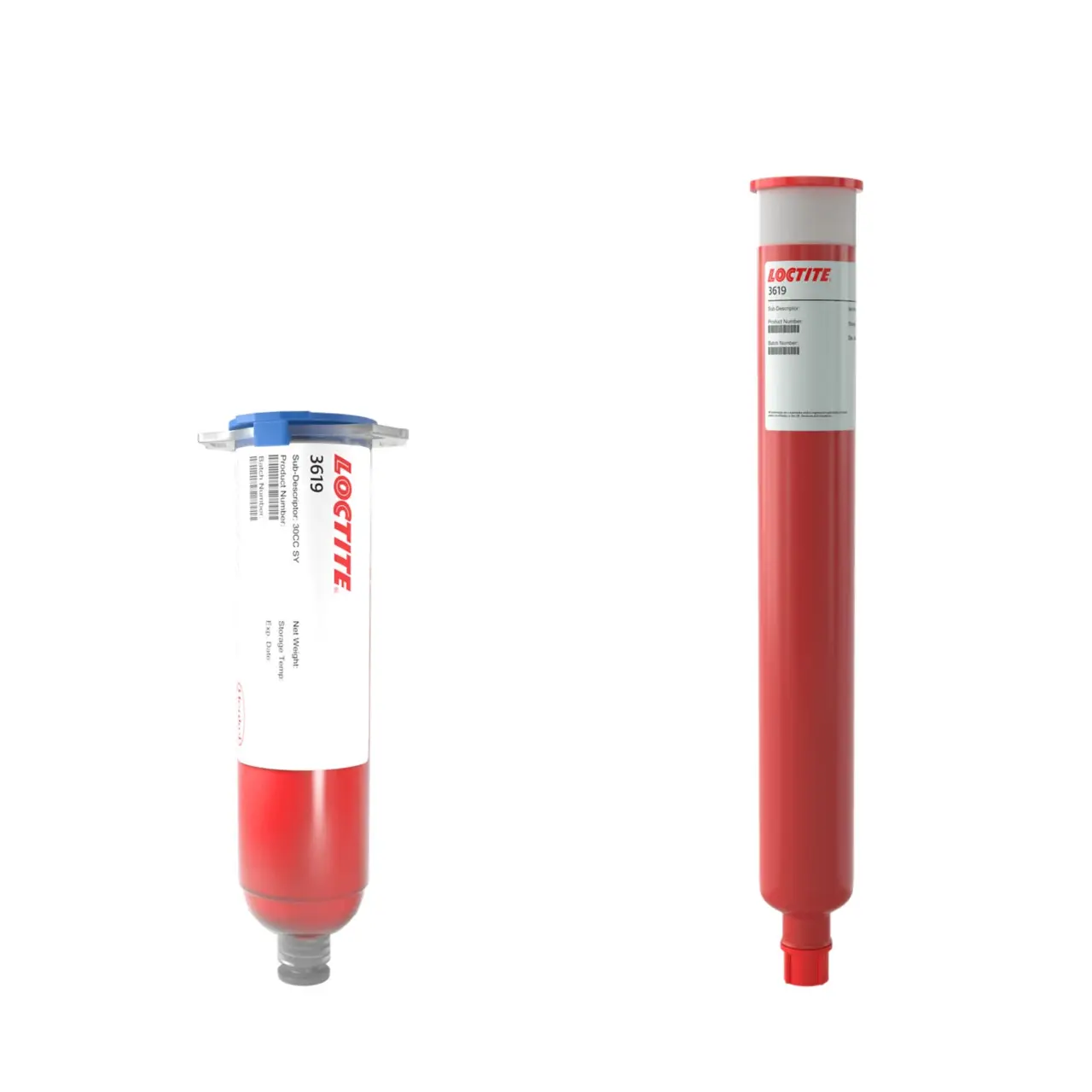
LOCTITE
Product code: 3619
Red one-part epoxy paste for bonding SMD parts to PCBs before wave soldering. Cures at 100 °C for boards with heat-sensitive parts.
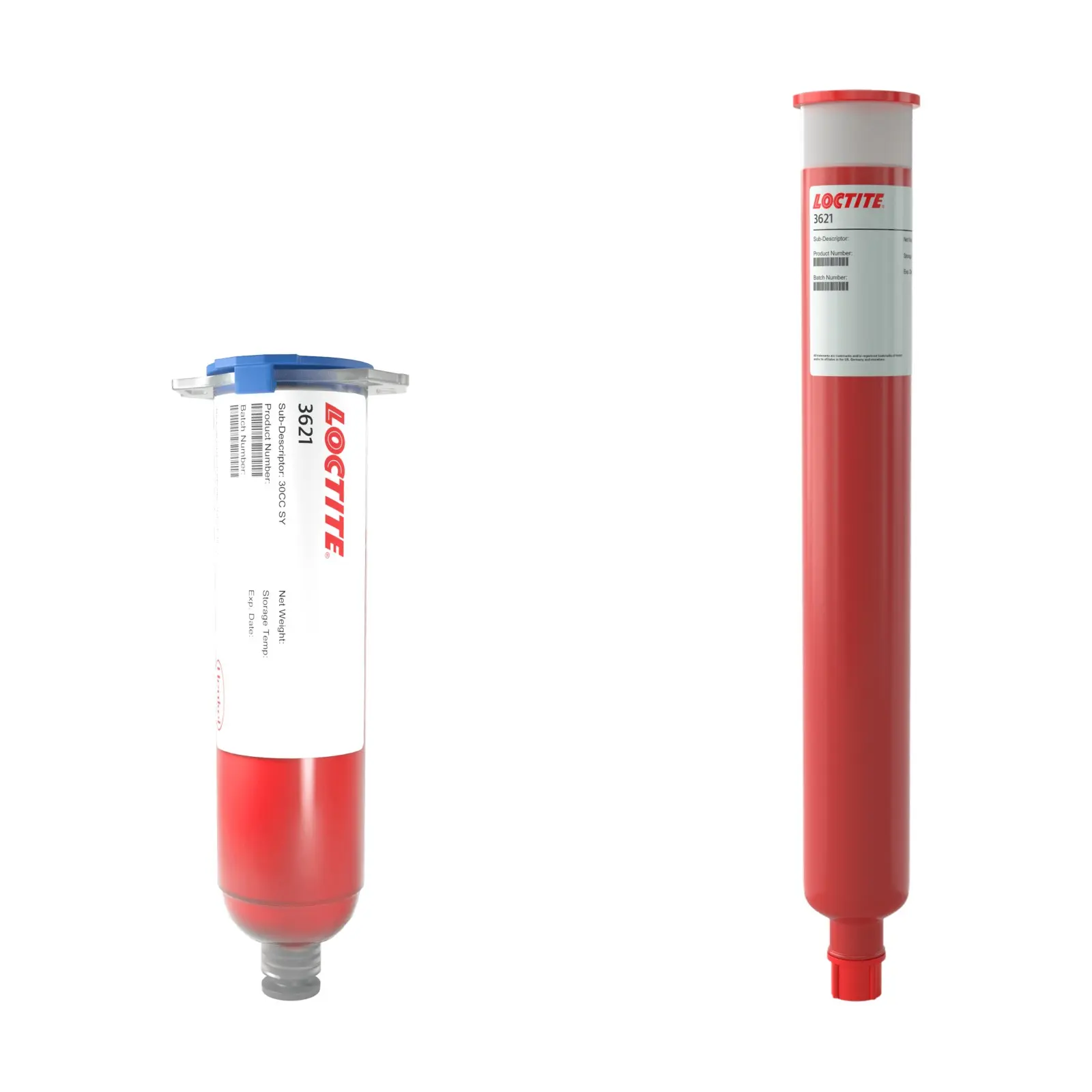
LOCTITE
Product code: 3621
Red one-part epoxy gel for very fast syringe dispensing of SMD adhesive before wave soldering, at up to 50,000 dots per hour. Used in lead-free processes.
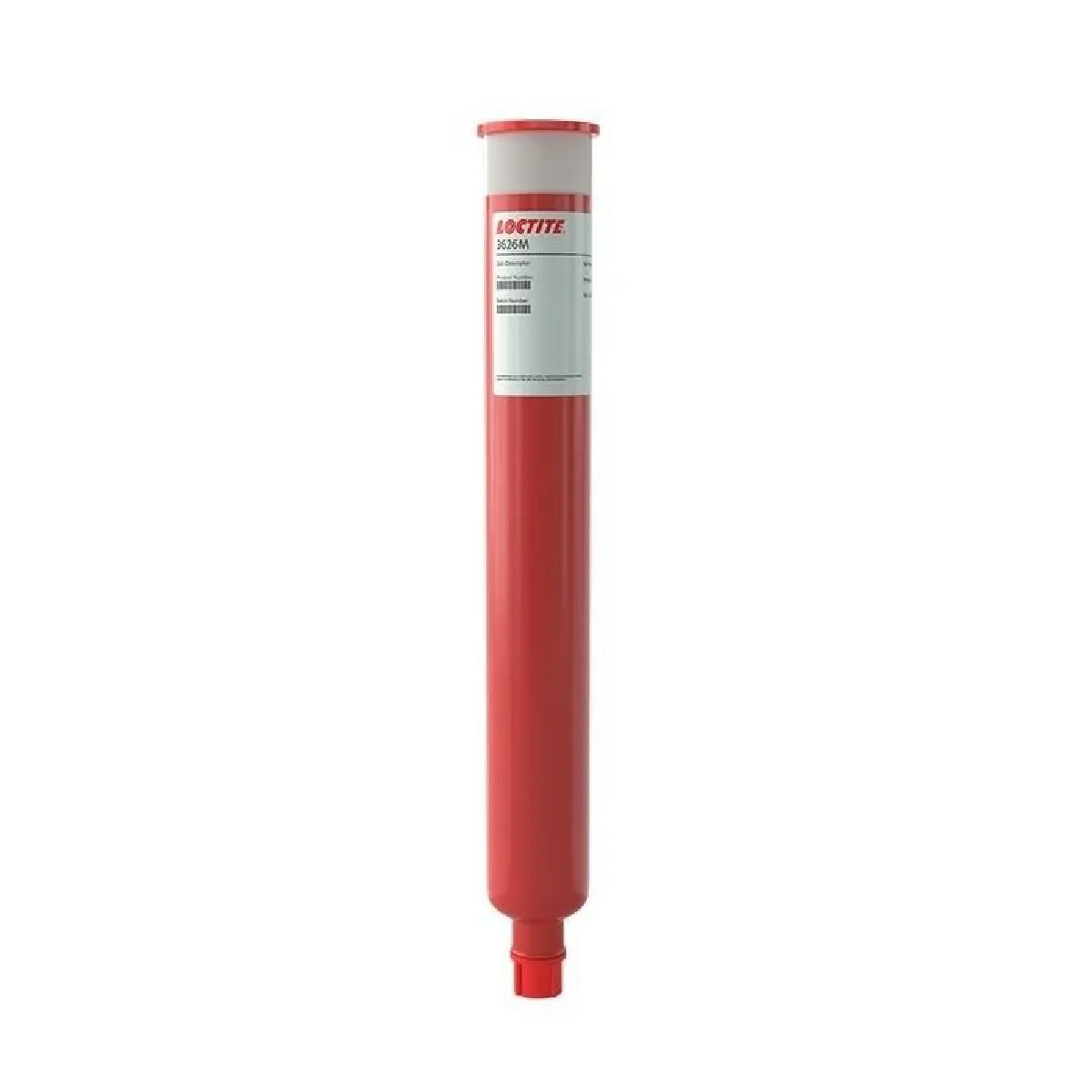
LOCTITE
Product code: 3626M
Red one-part halogen-free epoxy for SMD bonding before wave soldering, by syringe or stencil. Controls dot shape and holds strength at temperatures up to 260 °C.
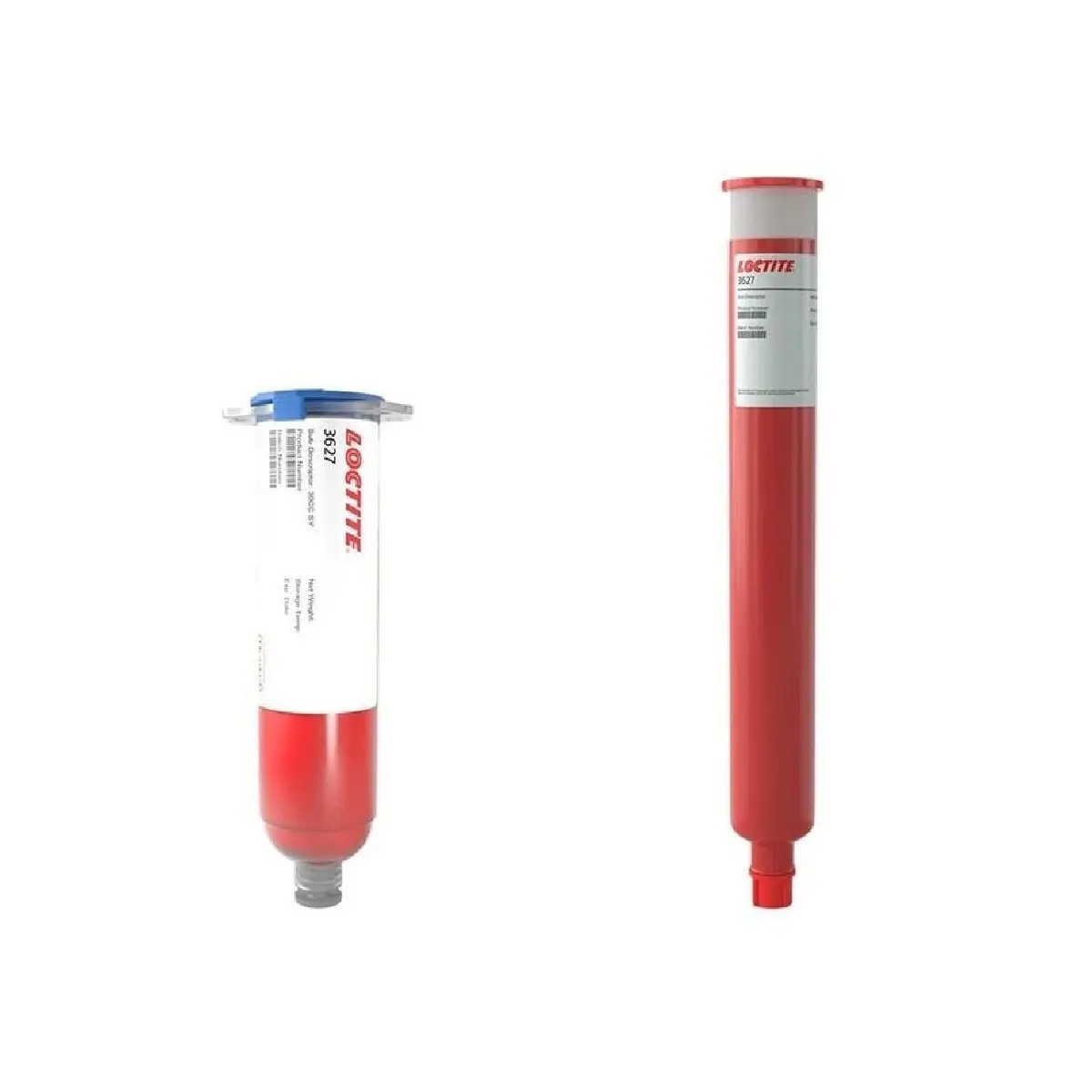
LOCTITE
Product code: 3627
Red one-part epoxy for high-speed syringe dispensing of SMD adhesive before wave soldering. Also suits stencil print, and has been used in lead-free processes.
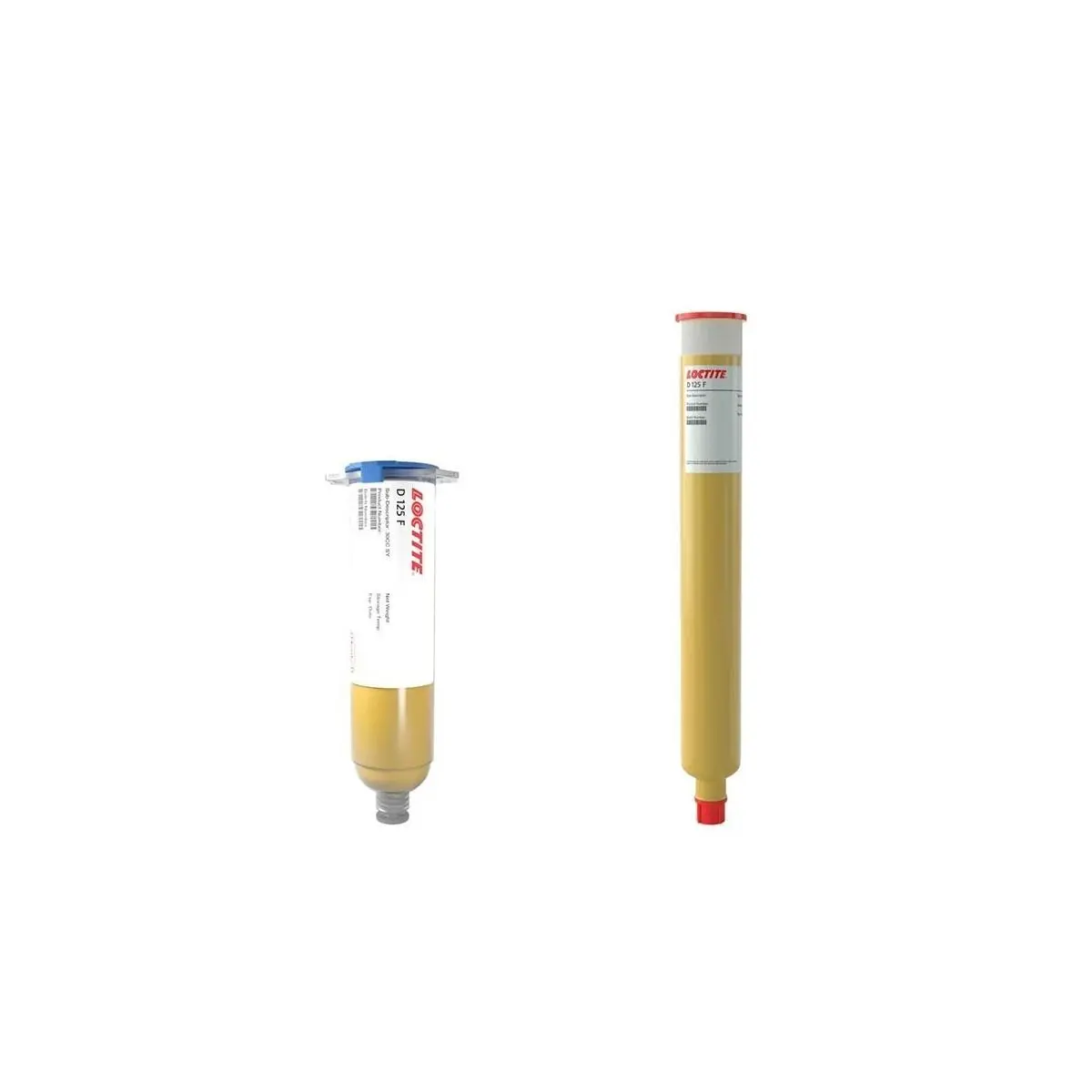
LOCTITE
Product code: D-125 F
Yellow one-part epoxy surface mount adhesive for high-speed dispensing on chip capacitors, resistors, SOTs, SOICs and PLCCs. Non-sag, with no stringing.
Select conductive, insulating or thermally conductive pastes for electronic assemblies.
Bond semiconductor dies to antenna structures for reliable RFID inlay assembly.
Reinforce solder interconnections by filling the gap beneath selected semiconductor packages.
Share the PCB layout, component types, application method and soldering process. ADVANCE can help review suitable adhesive options and the properties needed for reliable component retention.
Not sure which product fits? Ask our assistant
Type the job, the material or a spec. It searches our published products and TDS values — no external AI.