
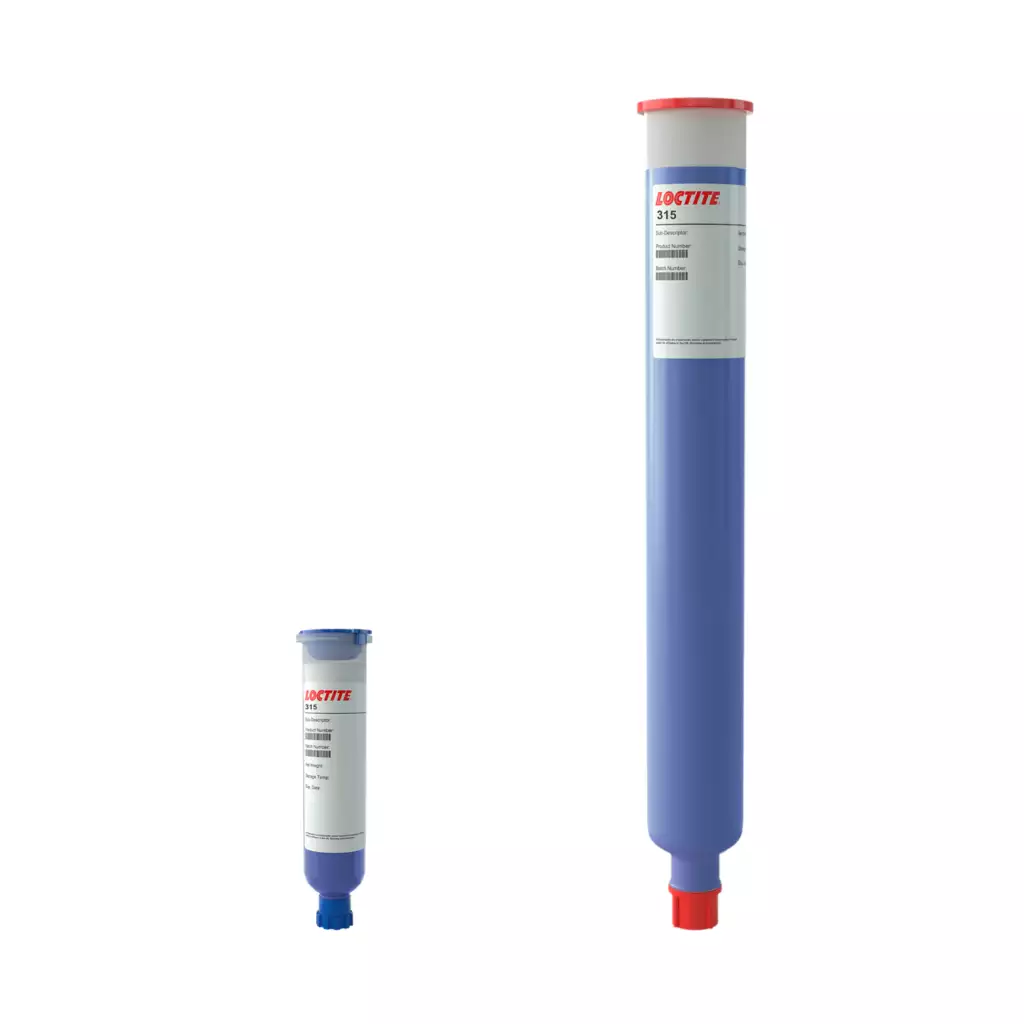
LOCTITE
LOCTITE 315
Product code: 315
LOCTITE 315 is a self-shimming, thermally conductive acrylic paste for bonding electrical components to heat sinks with a consistent insulating gap.
PCB materials
A thermally conductive adhesive replaces screws, clips and thermal grease with a single bond line that fixes the component and conducts heat at the same time. This page explains where it fits on a PCB, what to specify, and how to run it reliably in production.
A thermally conductive adhesive is a structural or semi-structural adhesive filled with ceramic or metallic particles so that it conducts heat far better than an unfilled polymer. It is applied between a heat source, such as a power transistor, LED or voltage regulator, and a heat spreader, heatsink or metal housing. Once cured it forms a permanent bond line that holds the part mechanically and provides the thermal path at the same time.
Compared with grease or a pad plus a fastener, it removes clamping hardware and keeps the bond line in place for the life of the product. The trade-off is that the joint is not designed to be opened again, so rework strategy has to be decided before the material is chosen.
The material appears wherever a component dissipates more heat than the copper of the board can spread on its own: between a power device and its heatsink, between a populated board and a metal enclosure wall, and under LED modules on a metal backplate.
Semiconductor lifetime falls sharply as junction temperature rises, so every degree removed at the interface is reliability gained. A thin, void-free adhesive layer gives a low thermal resistance that stays stable, whereas grease can pump out or dry over thermal cycles and loose pads can lose contact pressure.
The adhesive also damps vibration, spreads mechanical load across the whole footprint and removes the risk of fasteners loosening in the field. For production, one dispensing step replaces grease, pad placement and screwing, which shortens takt time and removes operations that can go wrong.
The polymer base sets the mechanical behavior, the filler sets the thermal conductivity, and the two must be balanced against viscosity and cost. Most products are electrically insulating, using aluminum oxide, boron nitride or aluminum nitride fillers; a smaller group uses metallic fillers and conducts electricity, so it must be kept away from exposed traces.
Thermal conductivity is the headline figure, but the thermal resistance of the real joint depends just as much on bond-line thickness and wetting. A material with moderate conductivity applied thin and void-free often outperforms a highly filled product applied thick, so specify the thermal target as a resistance at the design bond line.
Filled adhesives are abrasive and viscous, so equipment choice matters. Time-pressure, auger and piston dispensers all work, jetting is possible with suitable grades, and stencil printing suits large flat areas. The deposit pattern should let air escape as the part is pressed down, for example a central dot or a cross rather than a closed ring.
Two-part materials need a static mixer and a pot-life limit; heat-cure one-part products run in-line through a reflow-style oven or in batch ovens, while room-temperature products need fixtures until handling strength is reached. Inspection is typically deposit weight, fillet appearance, and periodic bond-line thickness or shear-strength samples.
Surface condition decides both adhesion and thermal contact. Anodized aluminum, chromated steel, nickel plating and bare copper behave differently, and machining oils or fingerprints leave weak spots, so cleaning, plasma or primer must be fixed in the process documentation rather than left to the operator.
Control bond-line thickness with spacer beads, a mechanical stop or dispensed volume, because an uncontrolled gap changes thermal resistance from unit to unit. Large or ceramic components see stress when a rigid adhesive cures hot and then cools, so a flexible chemistry or lower cure temperature may be safer. Check compatibility with flux residues, solder mask and nearby plastics, and mask connectors and test points.
Most field failures trace back to a few process causes that are easy to detect once they are named.
A good recommendation starts with the application, not with a conductivity number. The more of the following you can share, the faster we can narrow the shortlist, send the TDS and SDS, and arrange a sample for a trial on your own parts.
LOCTITE
Product code: 315
LOCTITE 315 is a self-shimming, thermally conductive acrylic paste for bonding electrical components to heat sinks with a consistent insulating gap.
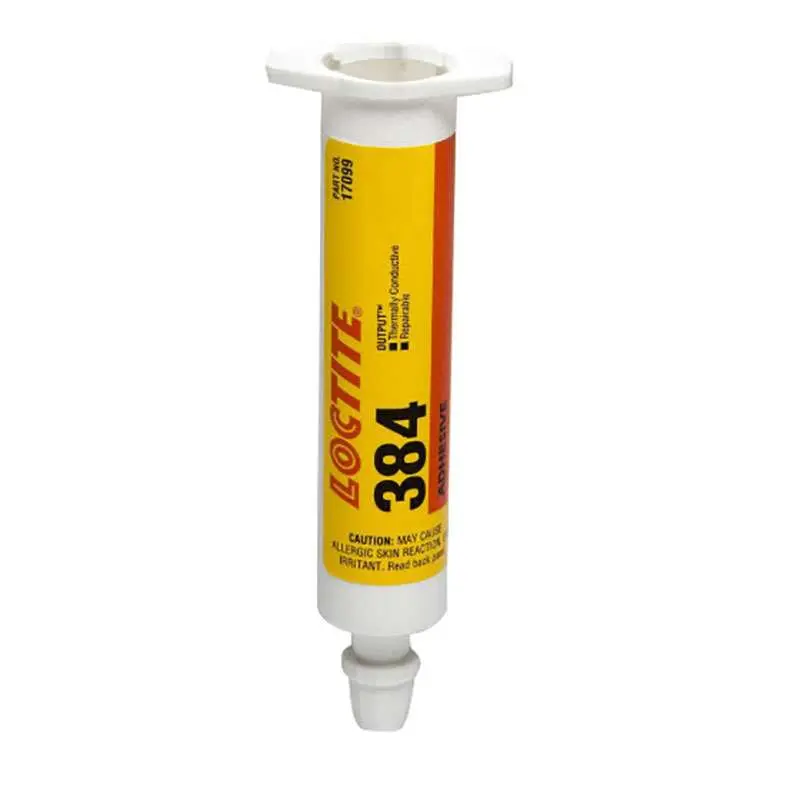
LOCTITE
Product code: 384
LOCTITE 384 is a white to off-white, thermally conductive acrylic paste for bonding heat-generating components to heat sinks, with medium strength so parts can be removed hot for repair.
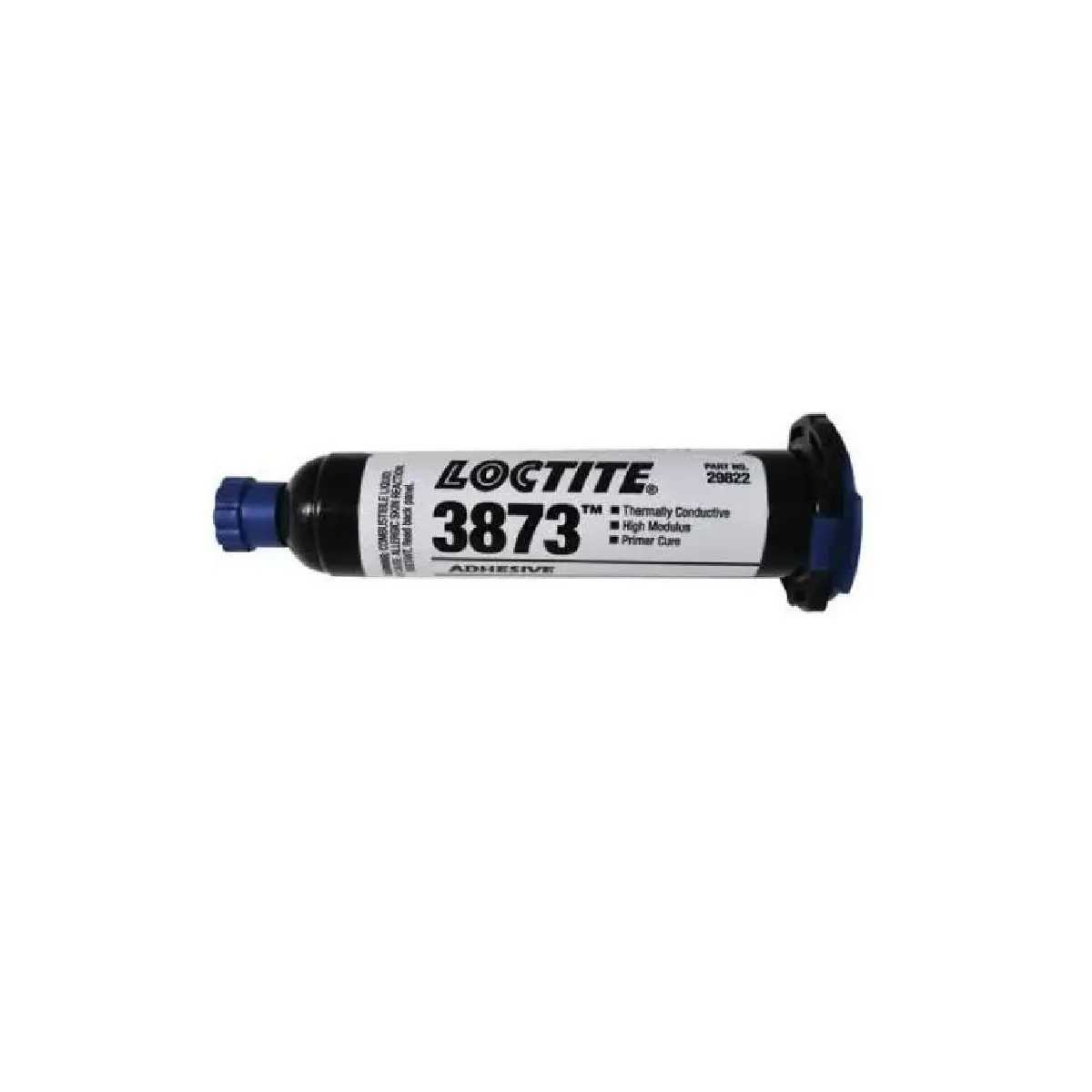
LOCTITE
Product code: 3873
Self-shimming acrylic adhesive that bonds power devices to heat spreaders. Glass spheres set a 0.127 mm bond line, and it cures fast with Activator 7387.
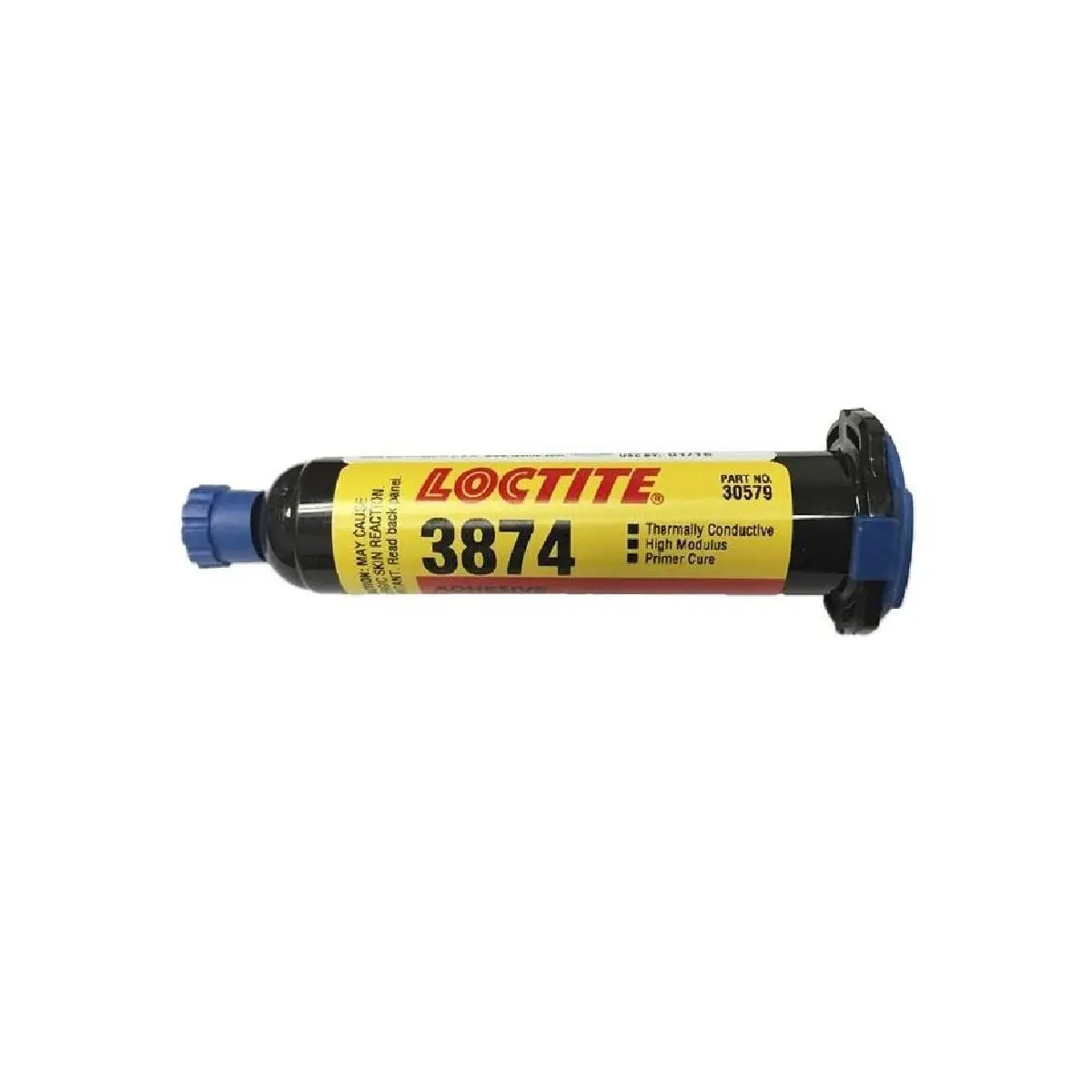
LOCTITE
Product code: 3874
Thixotropic acrylic thermal adhesive for bonding heat sinks to BGAs and other hot electronic parts. It stays where it is applied and cures fast with Activator 7387.
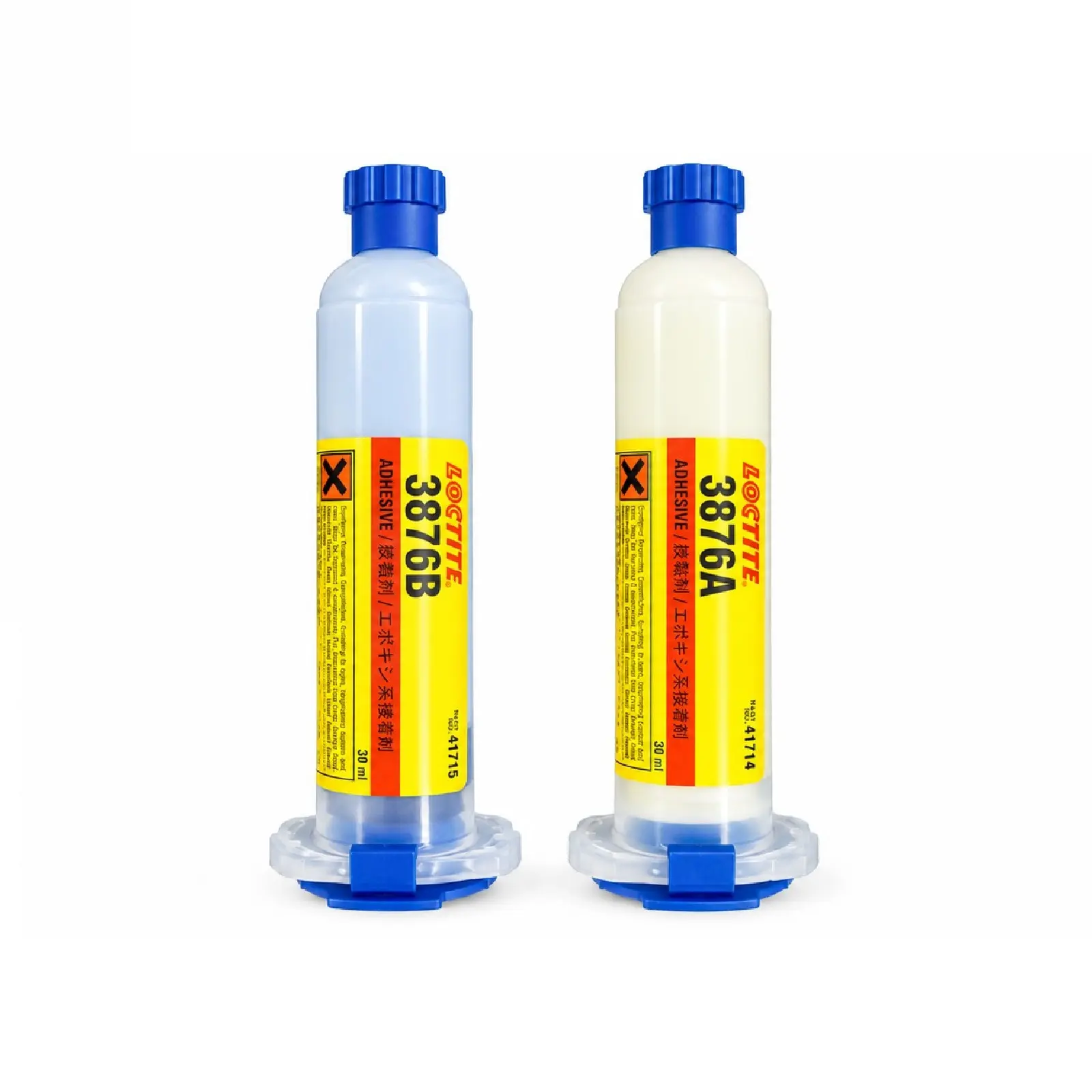
LOCTITE
Product code: 3876
Two-part, bead-on-bead acrylic adhesive that bonds heat sinks to power devices and chips. It cures at room temperature when the two parts meet, with no mixing, primer or heat.
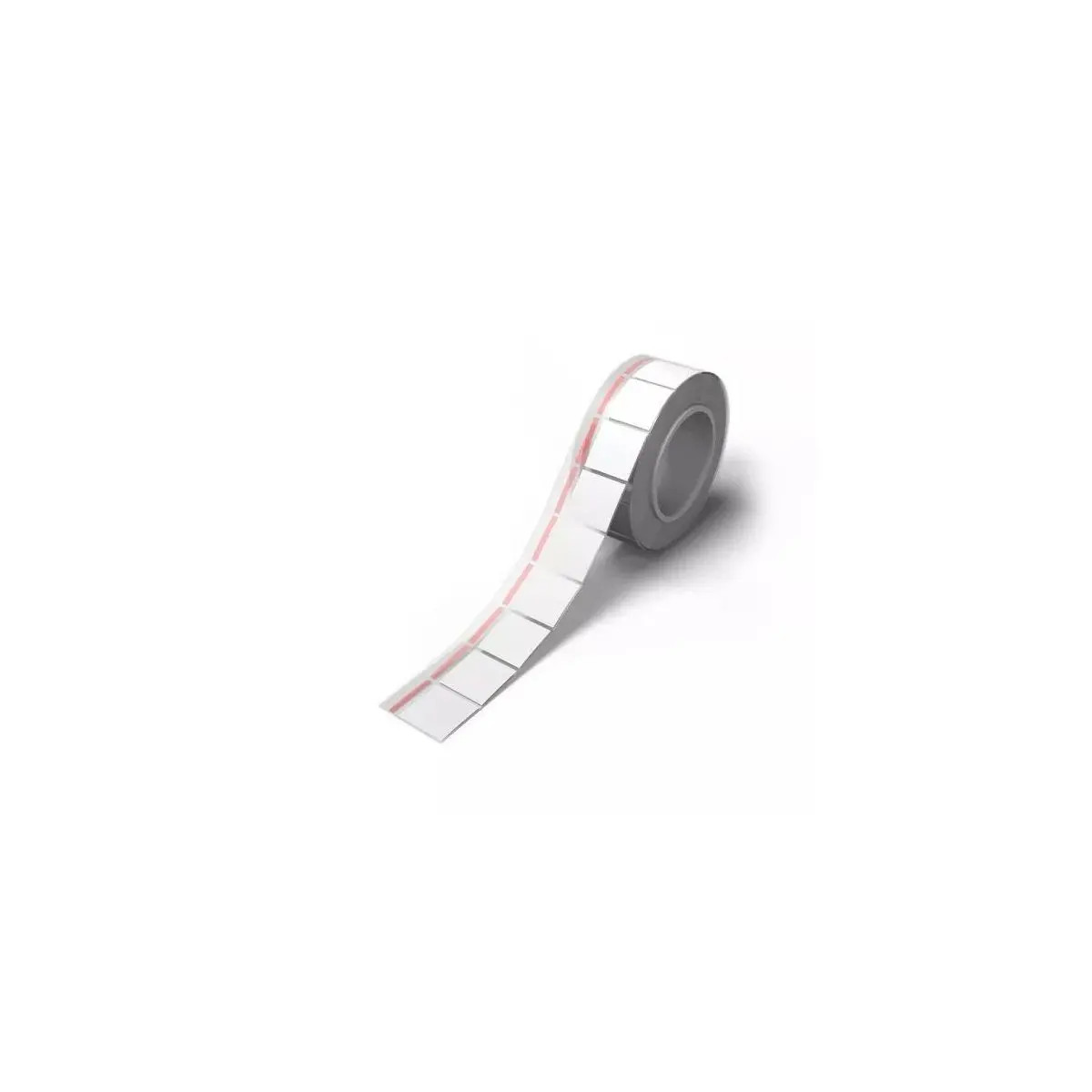
BERGQUIST
Product code: BOND PLY TBP 400
Unreinforced acrylic pressure-sensitive tape that bonds heat sinks and heat spreaders to processors and PCBs without screws or clips, 0.87 °C·in²/W at 50 psi.
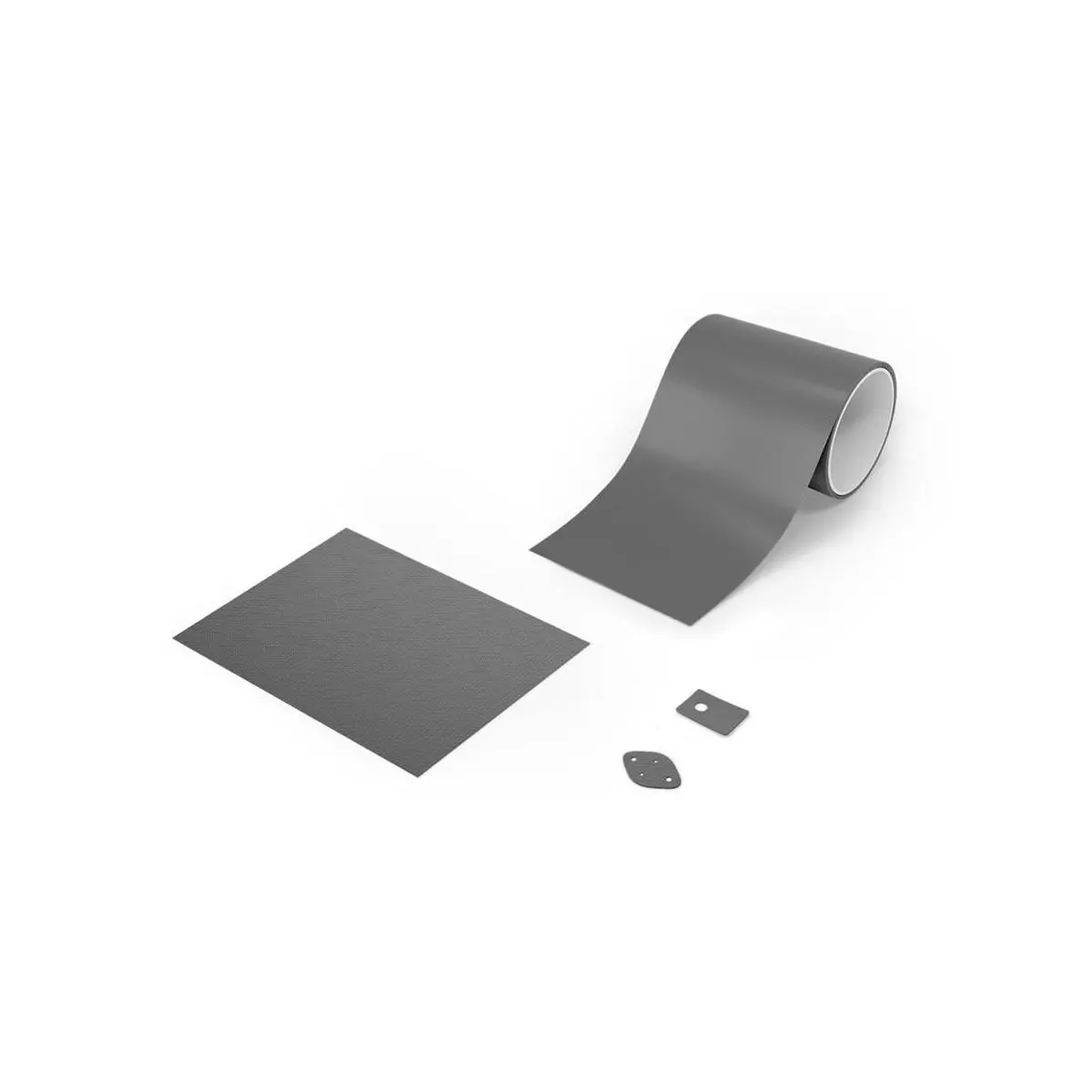
BERGQUIST
Product code: BOND PLY TBP 800
Fiberglass reinforced acrylic pressure-sensitive tape for mounting LED assemblies and heat sinks with electrical isolation, 0.6 °C·in²/W at 50 psi.
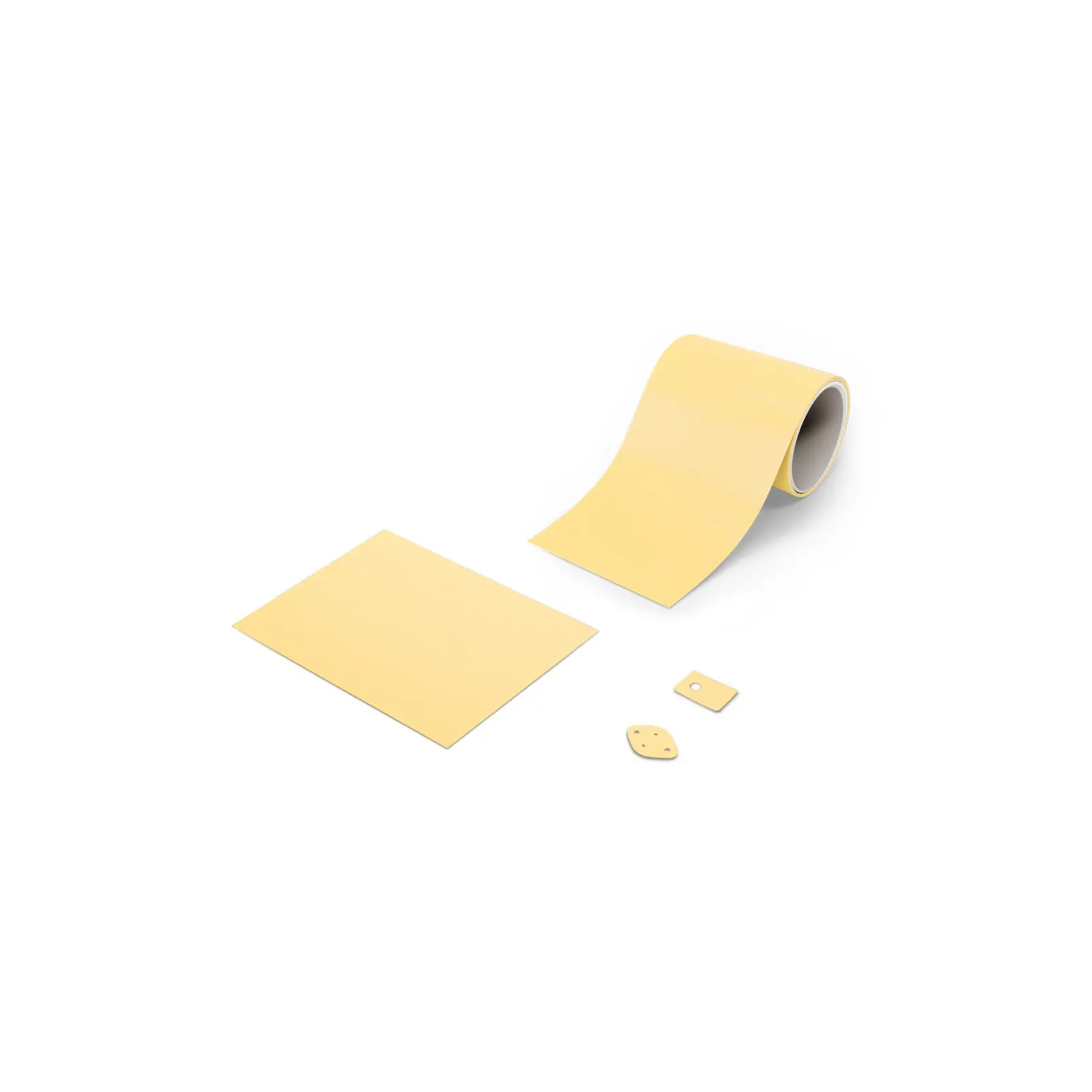
BERGQUIST
Product code: BOND PLY TBP 1400LMS HD
Heat-cured silicone laminate on a fiberglass core for structurally bonding power components and PCBs to a heat sink, with 1.4 W/(m·K) thermal conductivity.
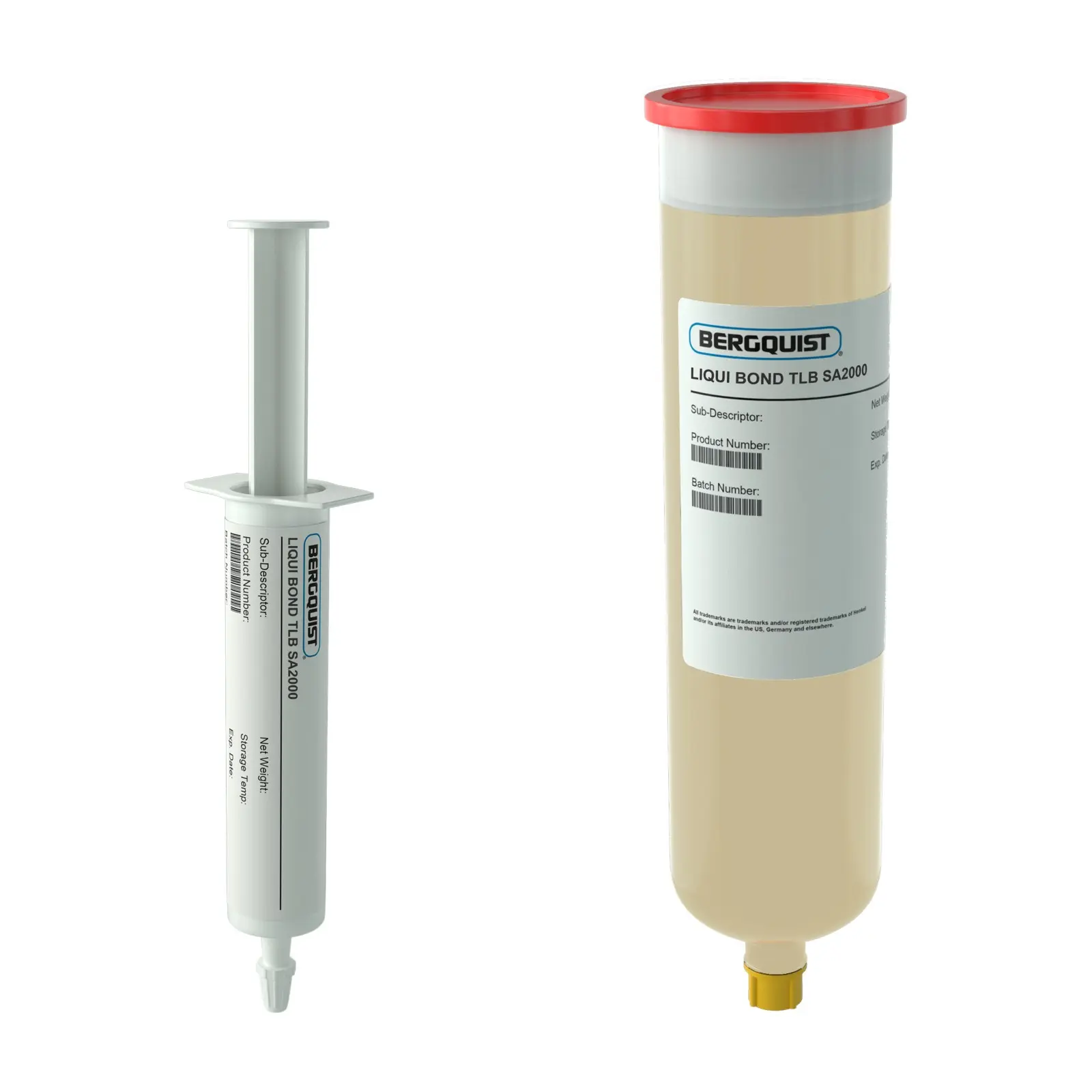
BERGQUIST
Product code: LIQUI BOND TLB SA2000
One-part, heat-cure liquid silicone adhesive, 2.0 W/(m·K), for easy dispensing. Bonds PCB assemblies to housings and parts to heat spreaders without fasteners.
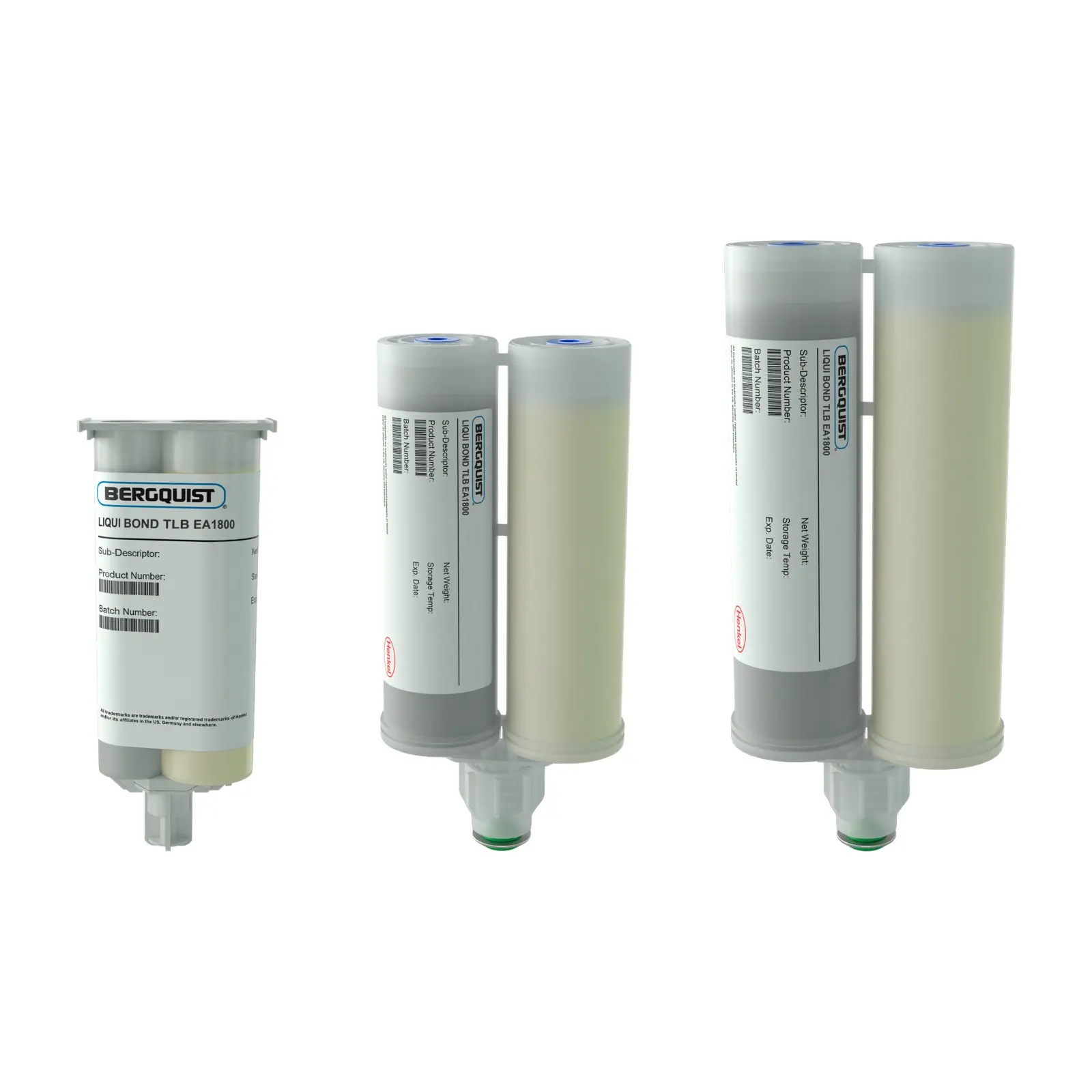
BERGQUIST
Product code: LIQUI BOND TLB EA1800
Two-part epoxy adhesive with 1.8 W/(m·K) thermal conductivity that bonds heat sources to heat spreaders without mechanical fasteners and cures at room temperature.
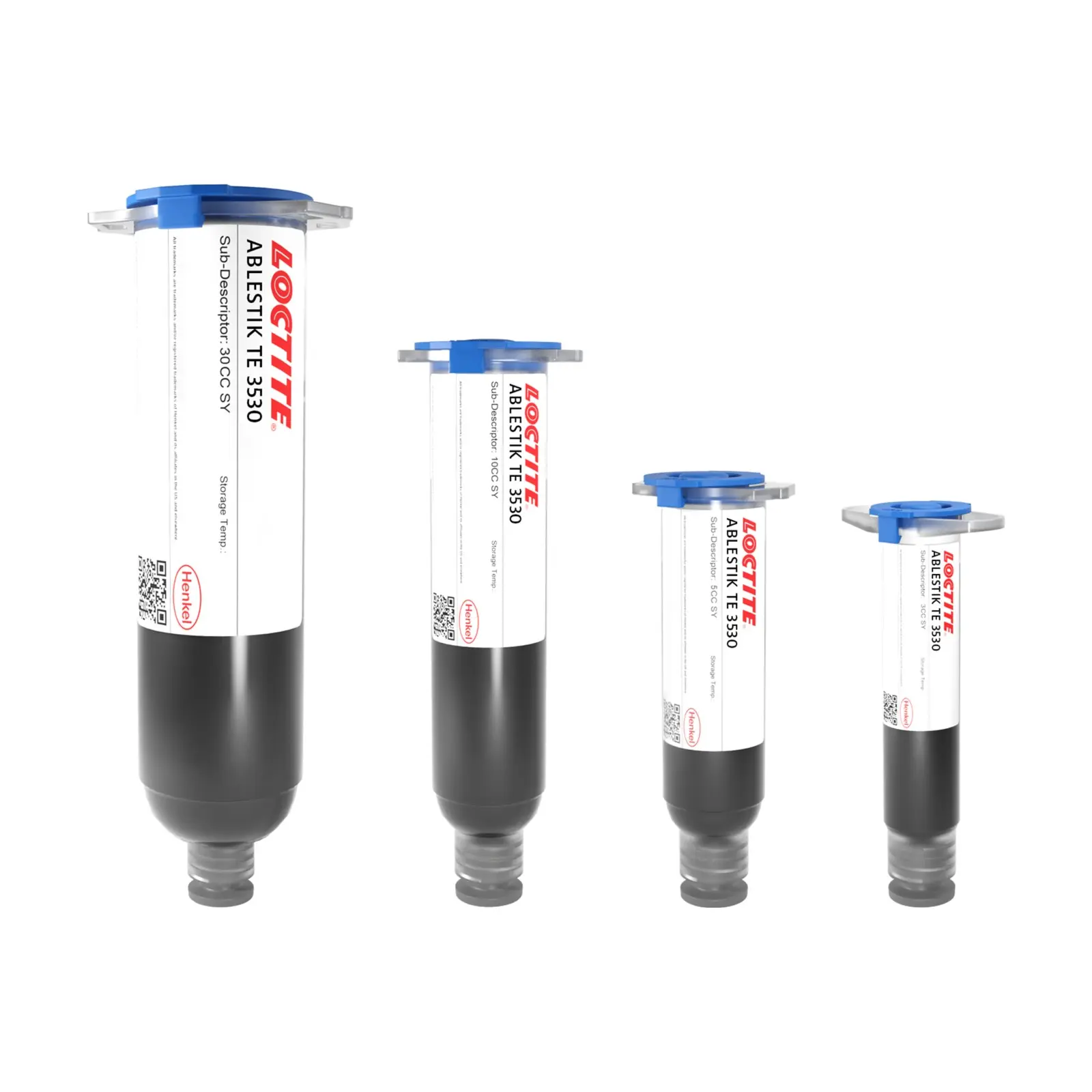
LOCTITE
Product code: ABLESTIK TE 3530
One-part thermally conductive epoxy for bonding heat dissipation components, sensors and die. It cures at low temperature, 30 minutes at 100 °C.
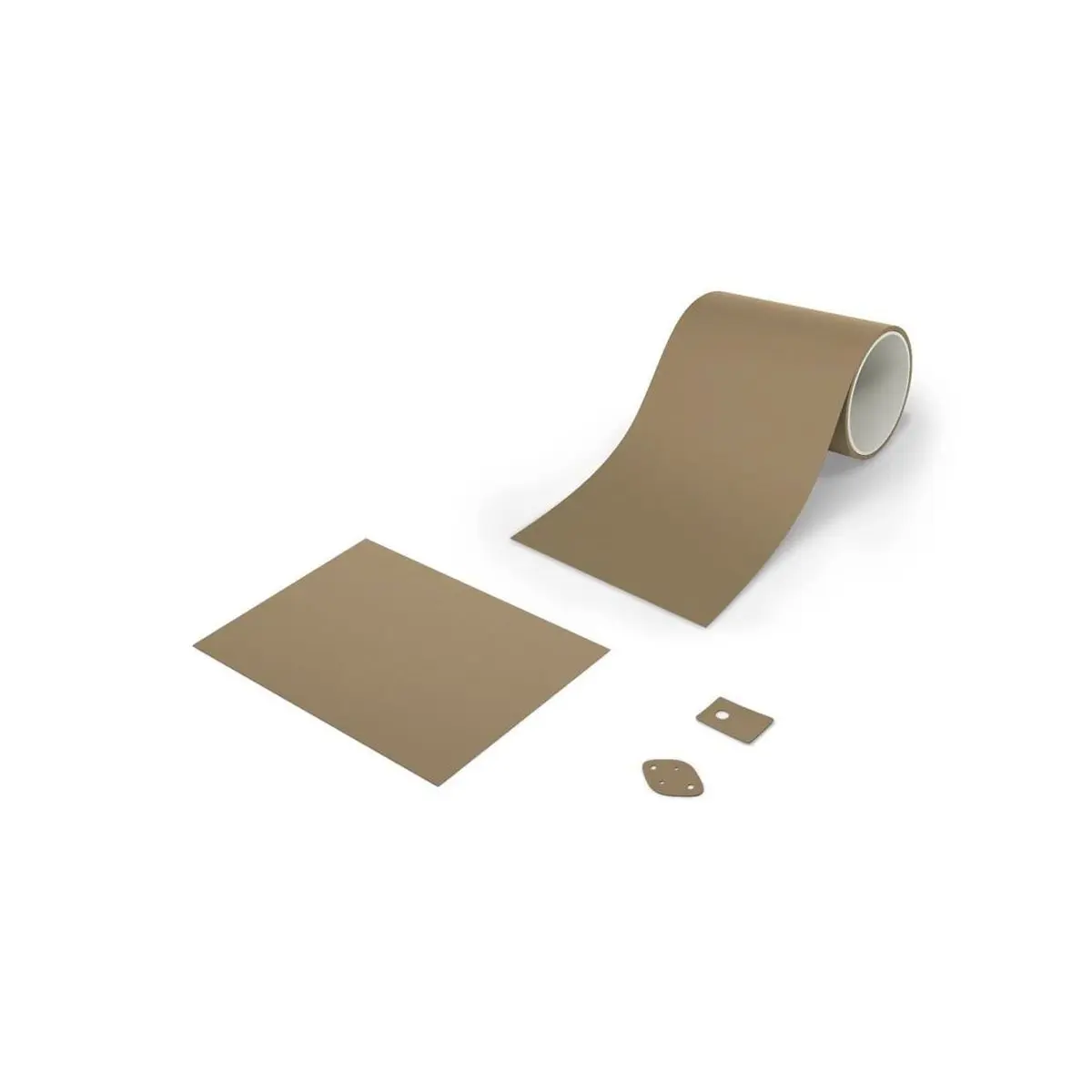
BERGQUIST
Product code: BOND PLY TBP 400P
Polyimide film reinforced acrylic pressure-sensitive tape that bonds heat sinks and heat spreaders without fasteners, with 6000 VAC dielectric breakdown voltage.
Soft, die-cut interface pads that bridge the gap between hot components and a heatsink or housing.
Dispensed thermal interface that fills uneven gaps between hot components and the heat sink
Thin thermal interface that fills the micro-gaps between a hot package and its heatsink so heat can actually cross.
Fully encases a PCB or module in cured resin to block moisture, damp vibration and spread heat.
Send us the substrates, the power to be dissipated, the bond area and your cure window. We will propose a shortlist with TDS and SDS, and arrange samples for a trial on your own parts. Request an RFQ or a sample through the contact form.
Not sure which product fits? Ask our assistant
Type the job, the material or a spec. It searches our published products and TDS values — no external AI.