
LOCTITE
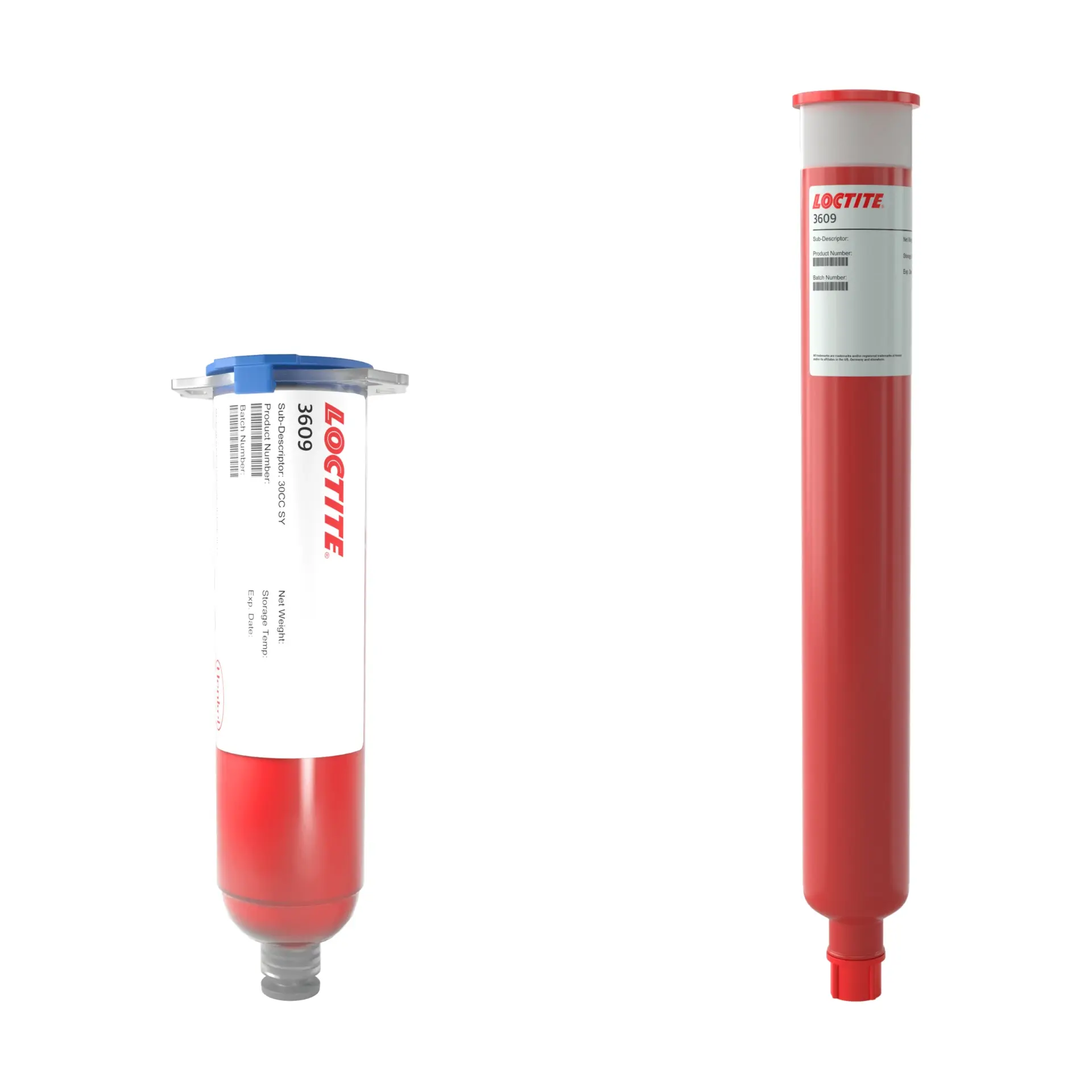
LOCTITE 3609
Product code: 3609
LOCTITE 3609 is a red, 1-part epoxy surface mount adhesive that holds SMD components on printed circuit boards before wave soldering, at medium to high dispense speeds.
Electronics solutions
Automotive electronics combine control modules, sensors, power electronics and connected systems in environments that may involve heat, vibration, moisture and chemicals. This guide explains material functions to consider when designing and assembling automotive electronic components.
Automotive electronics include the electronic assemblies that monitor, control or support vehicle functions. Adhesives and protective materials may secure components, seal enclosures, insulate connections, manage heat or protect circuit boards from environmental exposure. The required function depends on the location of the assembly and the vehicle system it supports.
Material requirements vary with the installation location, system architecture and expected service conditions. An engine-compartment module, a cabin control and a battery-related electronic assembly may have very different thermal, vibration and chemical exposure profiles.
The right material can help reduce risks associated with component movement, moisture ingress, corrosion, poor thermal contact or damage to sensitive circuitry. Material selection does not replace enclosure design, electrical design or qualification testing; it must work as part of the complete vehicle assembly.
There is no single adhesive or coating suitable for every automotive electronic assembly. The material family should be selected according to the required function, substrate, installation location and qualification requirements. The examples below describe possible functions, not a claim that every grade is approved for automotive use.
Define the vehicle installation location and its operating profile before comparing products. Confirm every grade-specific value, test method and limitation using the current TDS and the vehicle manufacturer's qualification requirements.
The process depends on the material function. Adhesives may be dispensed or printed before component assembly; coatings are applied to prepared PCB surfaces; encapsulants are dispensed around selected components; and sealants are placed along enclosure joints. Follow the exact product instructions for storage, surface preparation, dispensing, cure and inspection.
Automotive applications often have defined qualification plans and traceability requirements. Confirm the customer's specifications before selecting a material, and assess the impact of any material or process change on the complete module. Do not infer compliance from a chemistry name or a general product description.
Failures may originate from material incompatibility, poor surface preparation, incorrect application or an incomplete qualification plan. Investigate the assembly and process history before changing the material.
Begin with the vehicle location, the function required from the material and the customer's qualification conditions. ADVANCE can help identify relevant material families and review the information needed for a controlled evaluation.
LOCTITE
Product code: 3609
LOCTITE 3609 is a red, 1-part epoxy surface mount adhesive that holds SMD components on printed circuit boards before wave soldering, at medium to high dispense speeds.
LOCTITE
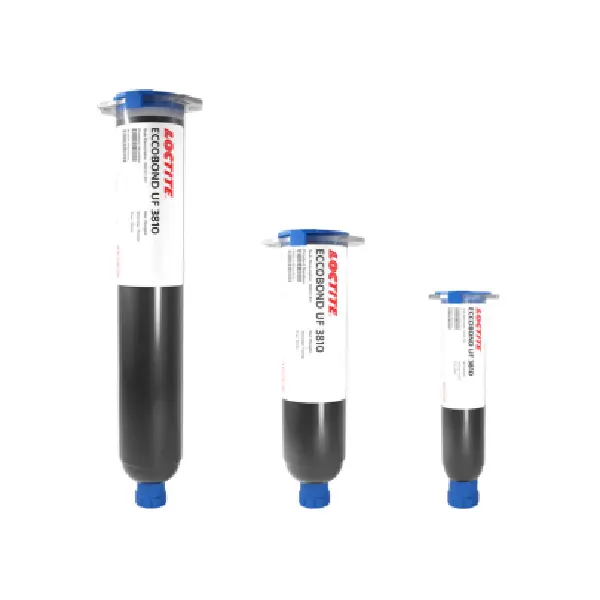
Product code: ECCOBOND UF 3810
Reworkable one-part epoxy underfill for CSP and BGA. Flows at room temperature and cures in 8 minutes at 130 °C to protect solder joints.
LOCTITE
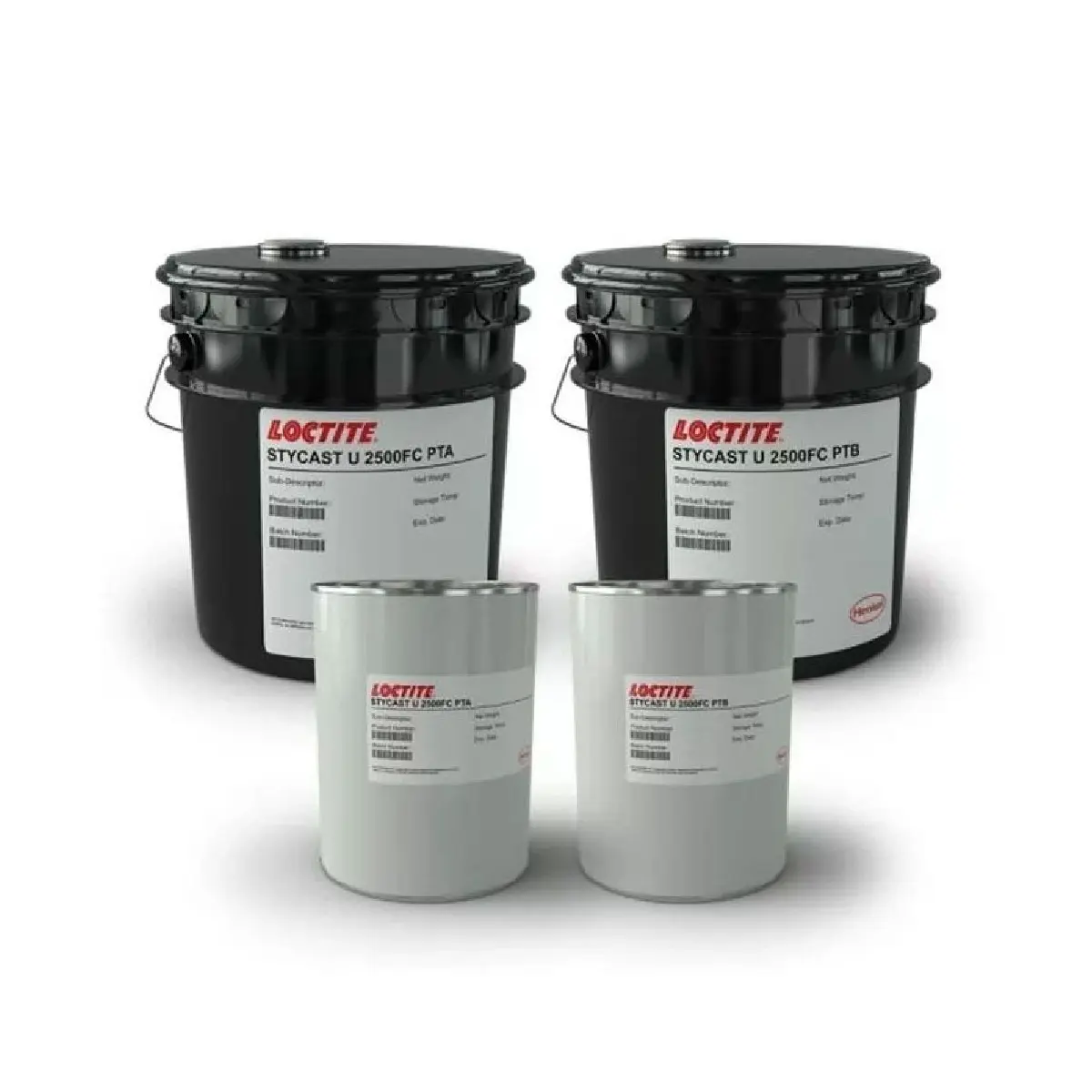
Product code: STYCAST U 2500FC
Faster-reacting two-part polyurethane potting compound for in-cabin automotive electronics such as air bag sensors and instrument panel switches.
LOCTITE
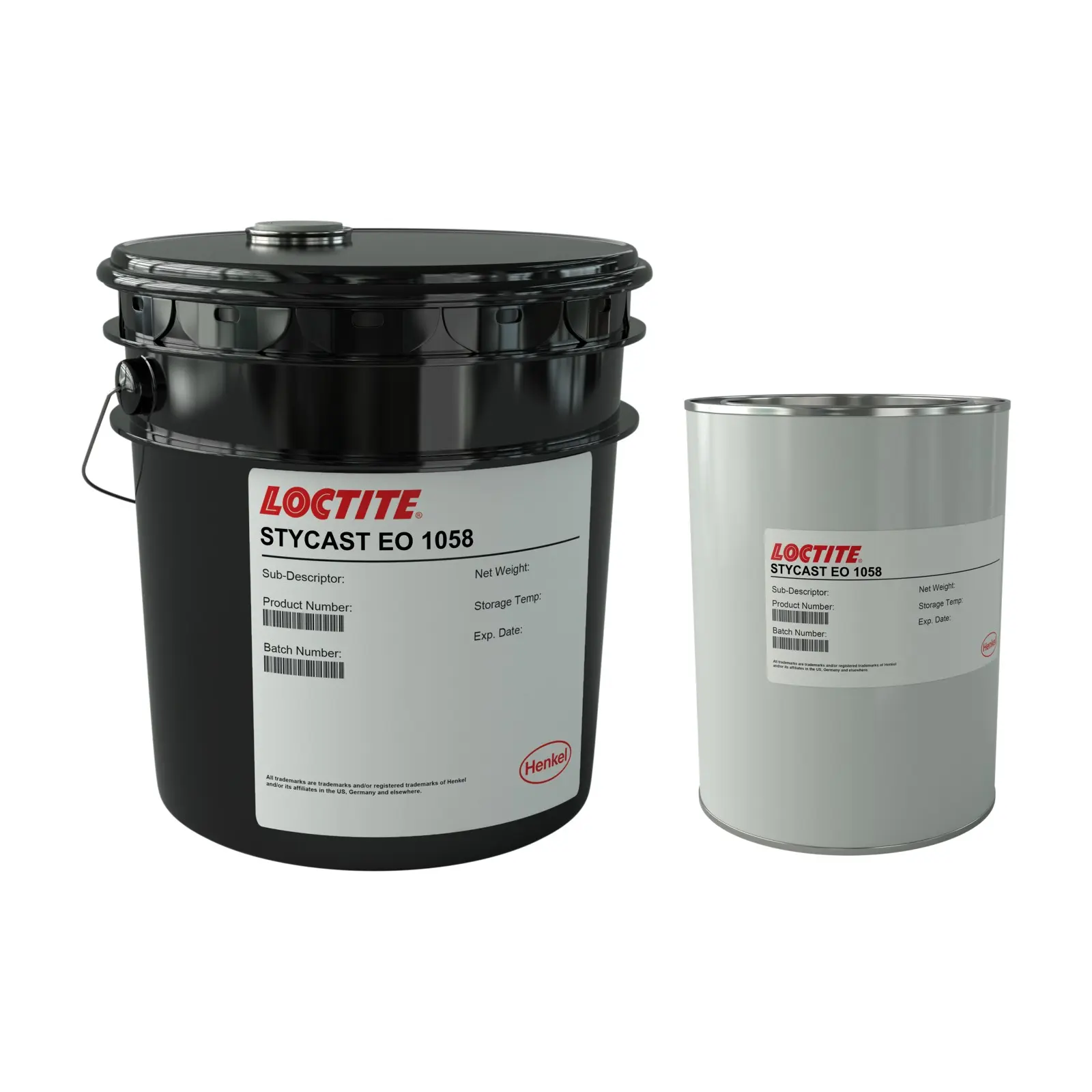
Product code: STYCAST EO 1058
One-part black epoxy for potting and encapsulating sensors in harsh environments such as automotive applications. Cures in 3 hours at 125 °C.
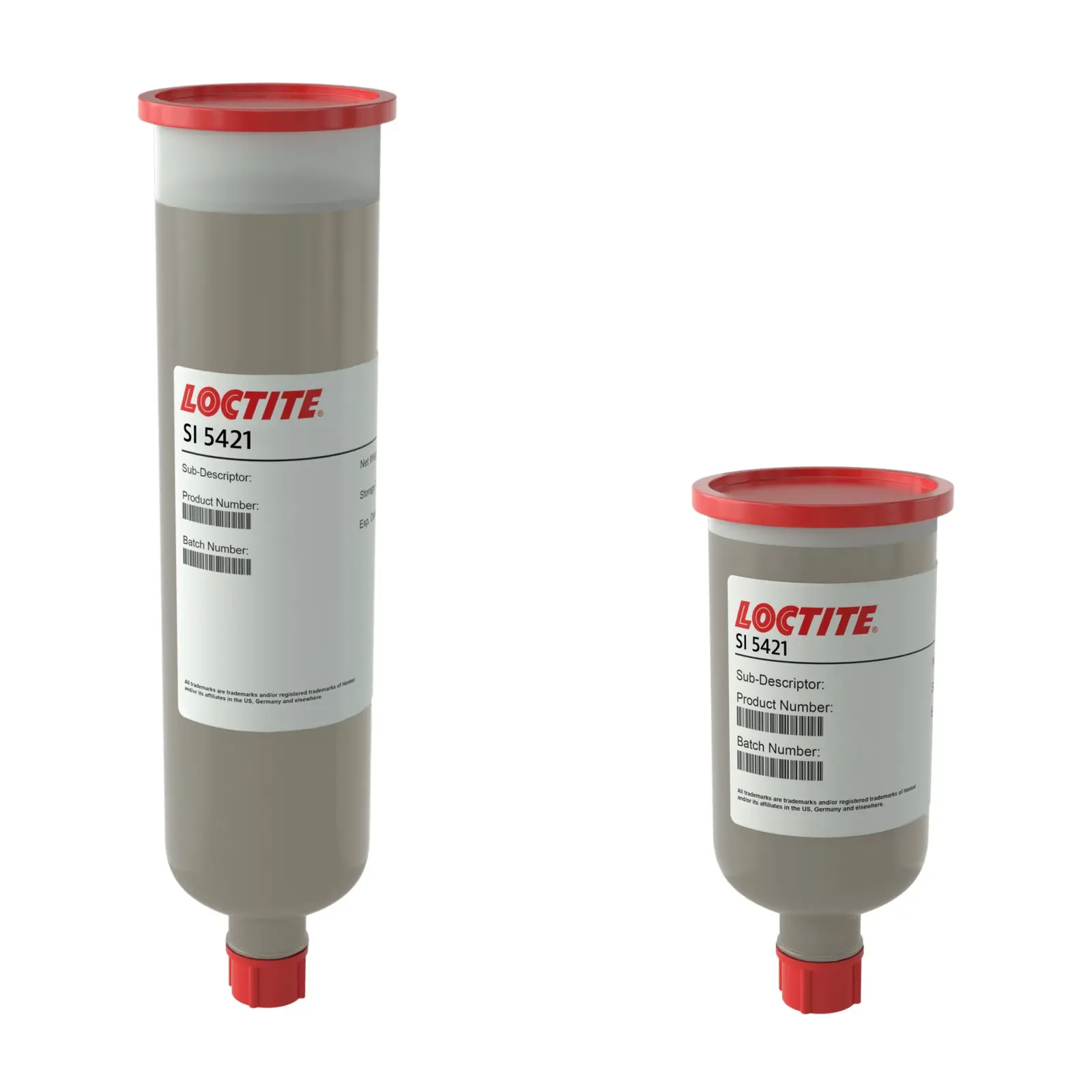
LOCTITE
Product code: SI 5421
One-part, moisture-curing conductive silicone for automotive sensor bonding and formed-in-place gaskets on EMI/RF shielded enclosures.
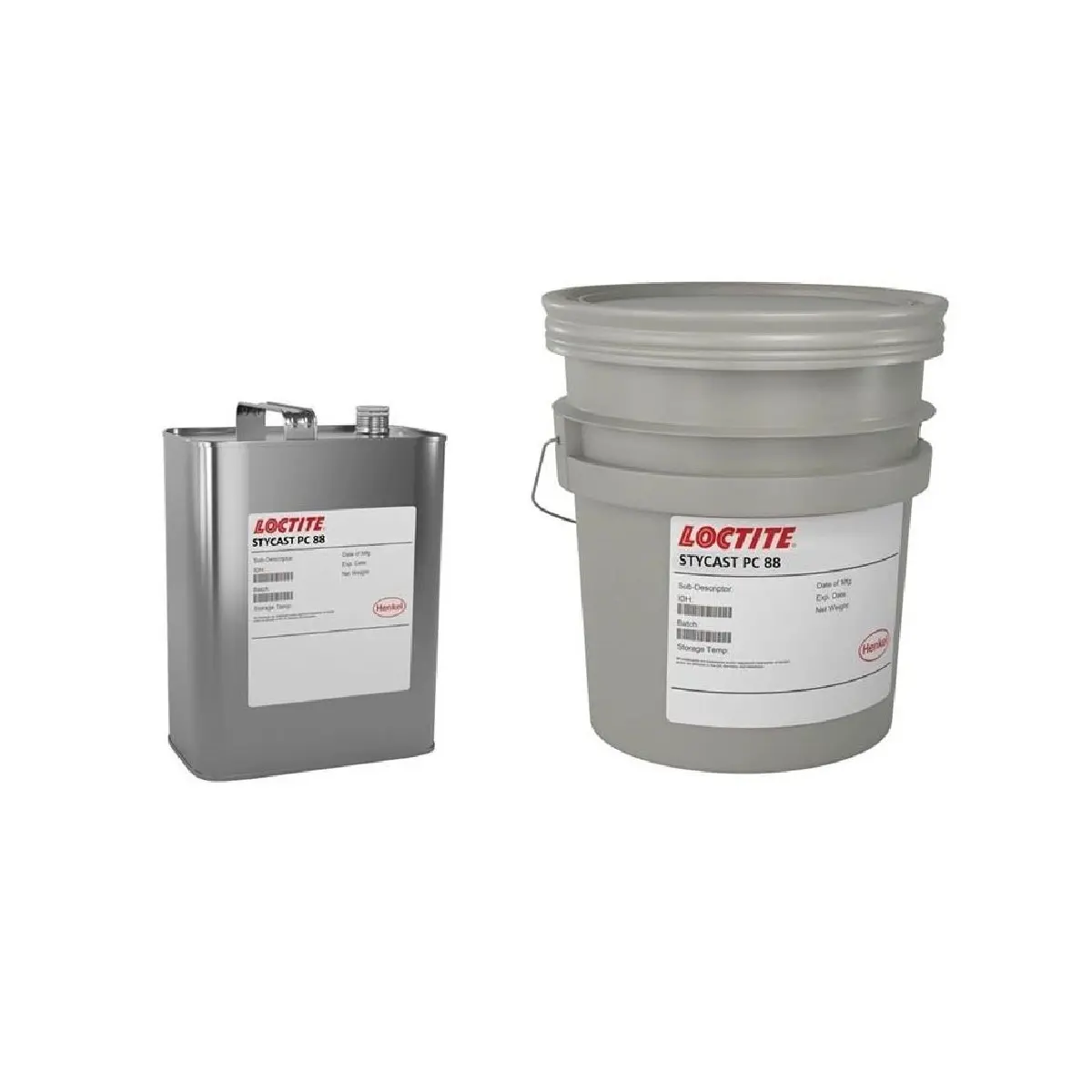
LOCTITE
Product code: STYCAST PC 88
Clear acrylic conformal coating for circuit boards in automotive and other electronics. It dries with hot air and fluoresces under UV light.
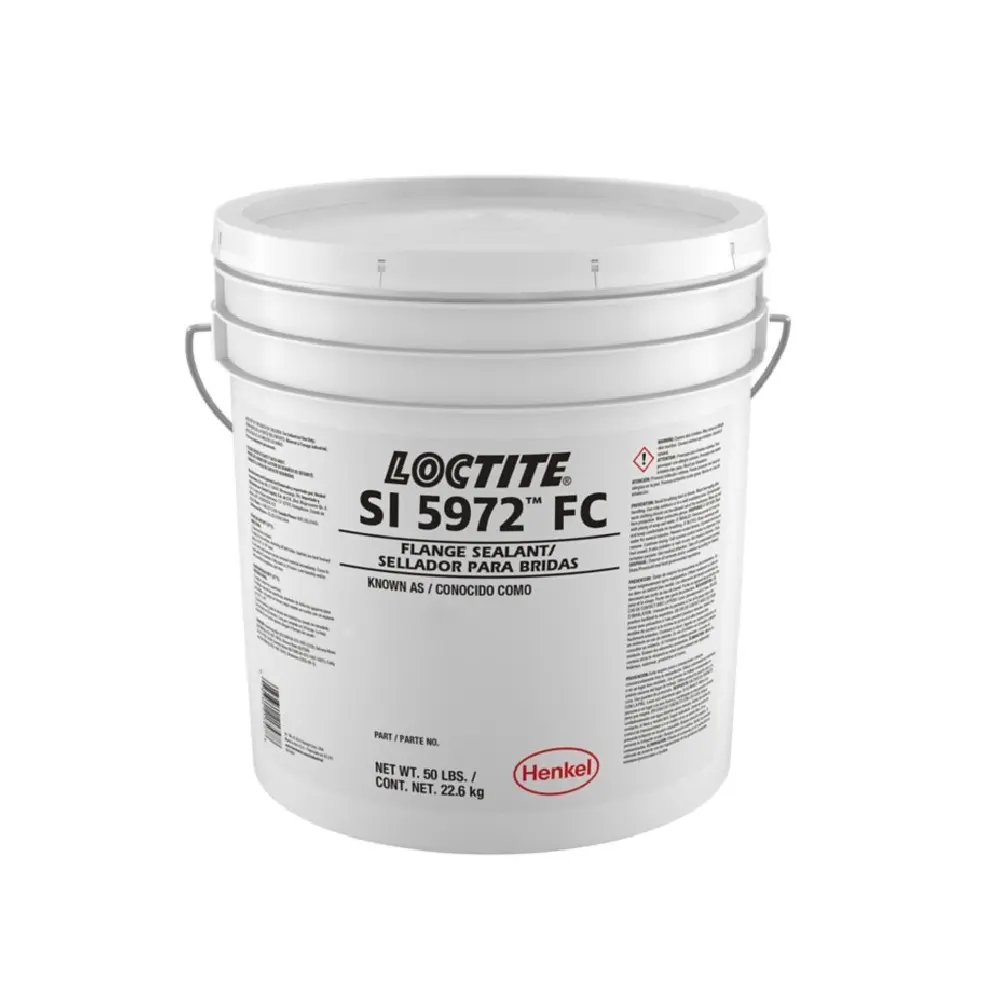
LOCTITE
Product code: SI 5972 FC
White fast-curing silicone gasket for automotive electronics, such as lids around connectors and cases. Tin-free, and passes inline pressure tests up to 5 psi.
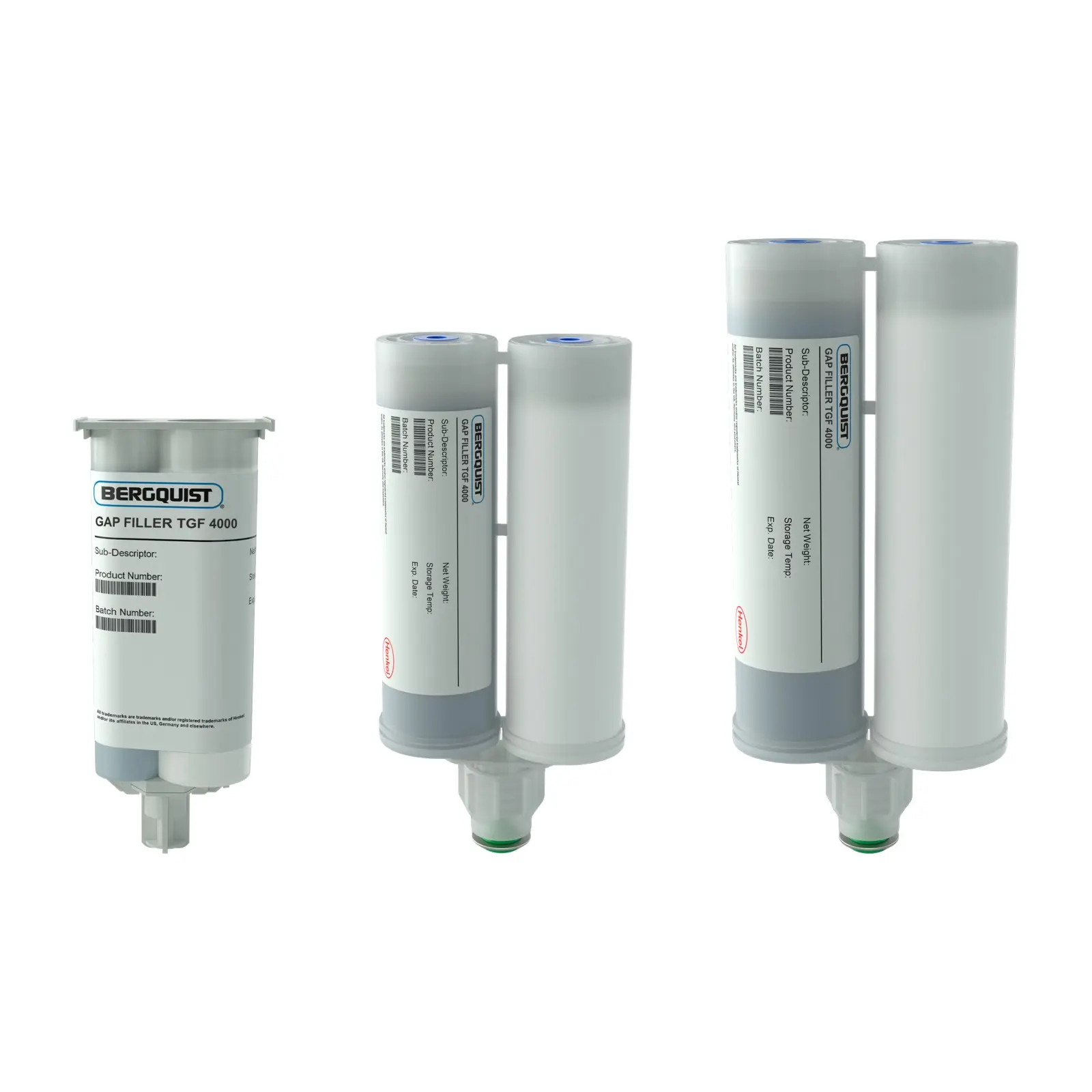
BERGQUIST
Product code: GAP FILLER TGF 4000
Two-part silicone liquid gap filler with 4.0 W/(m·K) thermal conductivity and a 240 minute working time, for semiconductors to heat sinks in automotive, telecom and computer electronics.
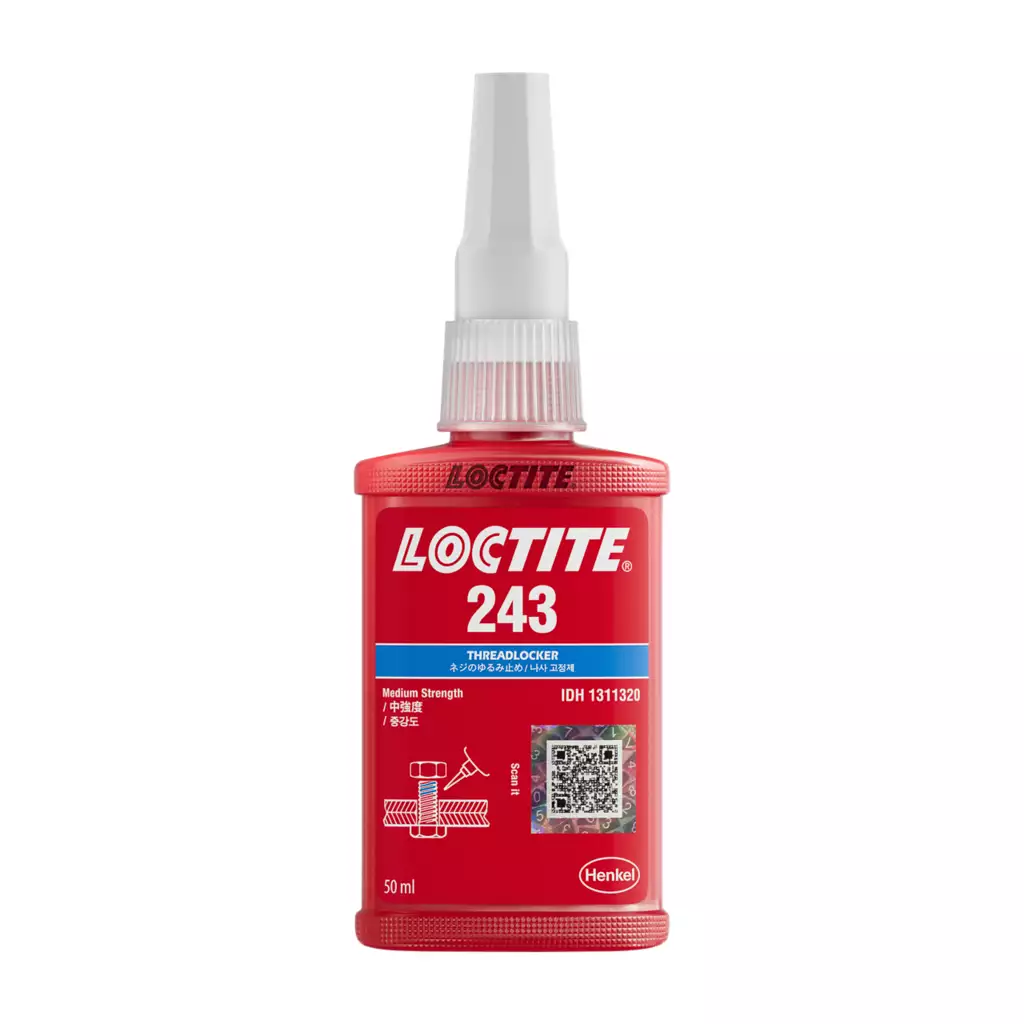
LOCTITE
Product code: 243
Blue medium-strength threadlocker for pumps, gearboxes and motors that works on passive metals and tolerates minor oil contamination.
LOCTITE
Product code: AA 5885
Clear UV-curing polyacrylate that forms a compression gasket on electronic housings, battery packs and inverters. Compress it right after cure, for service up to 150 °C.
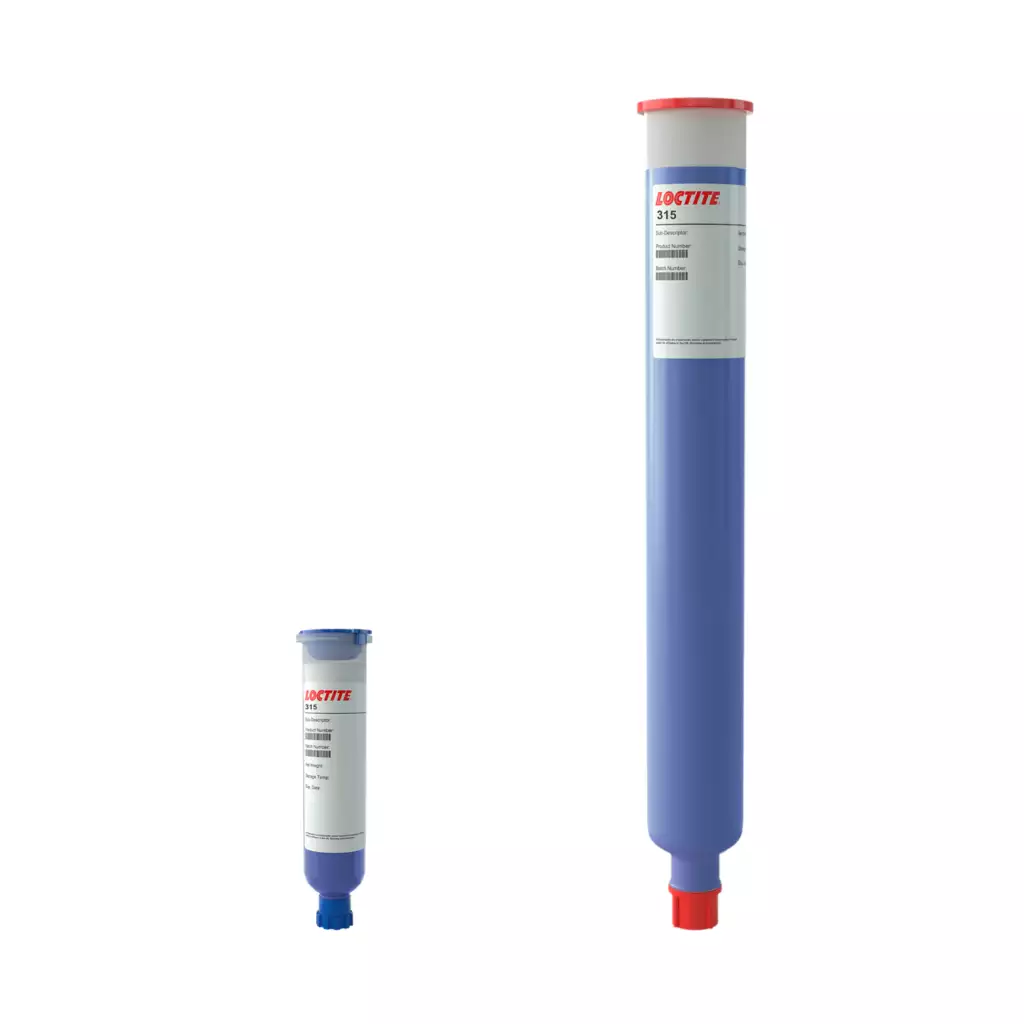
LOCTITE
Product code: 315
LOCTITE 315 is a self-shimming, thermally conductive acrylic paste for bonding electrical components to heat sinks with a consistent insulating gap.
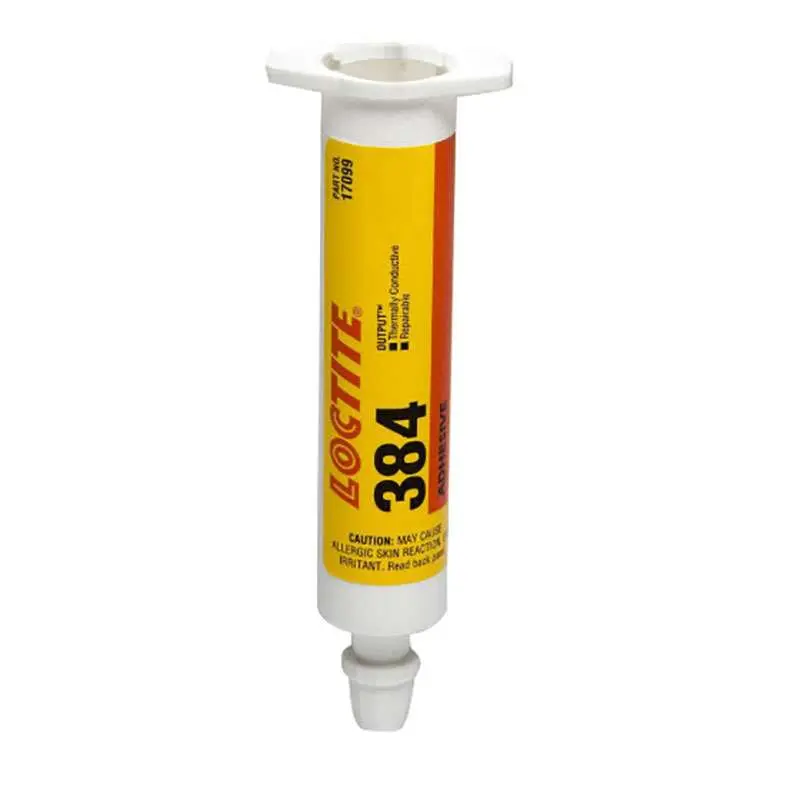
LOCTITE
Product code: 384
LOCTITE 384 is a white to off-white, thermally conductive acrylic paste for bonding heat-generating components to heat sinks, with medium strength so parts can be removed hot for repair.
Protect and assemble control electronics used in demanding industrial environments.
Protect assembled PCBs from moisture and environmental exposure with suitable coating systems.
Improve heat transfer between electronic components, thermal spreaders and heatsinks.
Share the vehicle system, installation location, substrate materials and required material function. ADVANCE can help review relevant material families and the technical checks needed before a product trial.
Not sure which product fits? Ask our assistant
Type the job, the material or a spec. It searches our published products and TDS values — no external AI.