
LOCTITE
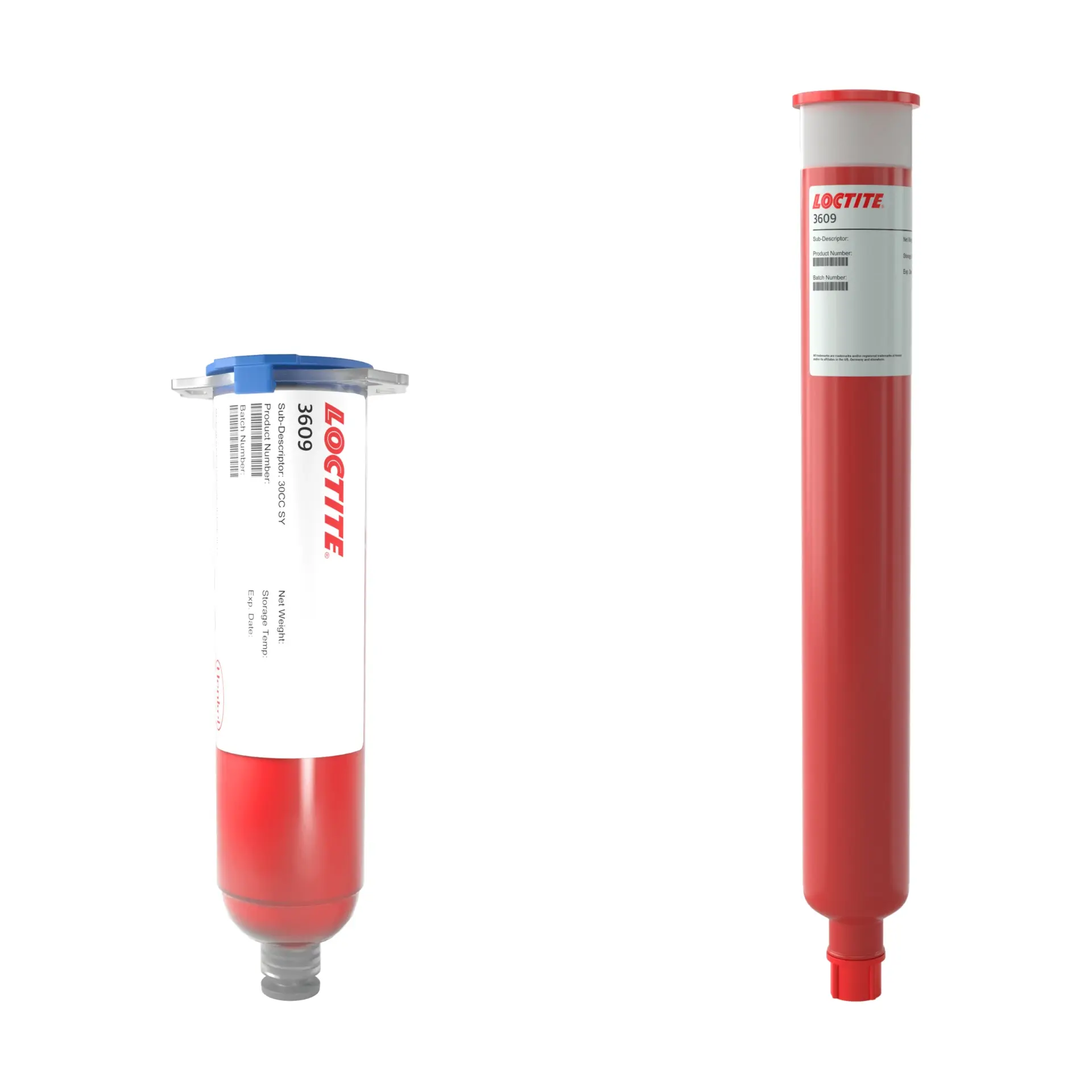
LOCTITE 3609
Product code: 3609
LOCTITE 3609 is a red, 1-part epoxy surface mount adhesive that holds SMD components on printed circuit boards before wave soldering, at medium to high dispense speeds.
Electronics solutions
Industrial electronic systems rely on control boards, PLCs, power supplies, drives and sensors that must operate consistently in factory environments. This guide covers material functions that can support bonding, insulation, thermal management and protection of industrial electronic assemblies.
Industrial electronic components are used to monitor, control and convert electrical signals or power in machines and production systems. Adhesives and protective materials can secure components, insulate selected areas, seal enclosures and manage heat. The material must match the operating environment and the reliability expectations of the complete control system.
Industrial applications vary from clean control cabinets to equipment installed near heat, vibration, dust, oil or process chemicals. The material specification should reflect the real installation location rather than the general label of industrial use.
Industrial electronics may face long operating hours, temperature changes and mechanical vibration. Suitable materials can help maintain component position, protect circuits and improve thermal contact. These materials must be selected as part of the system design and verified under the conditions expected at the installation site.
Industrial assemblies may combine bonding, encapsulation, coating, sealing and thermal materials. Select each material according to its function and the actual substrate. Do not assume that a product suitable for a control cabinet is also suitable for a field sensor or a power module exposed to different conditions.
Begin with the installation environment, service life and required maintenance strategy. The applicable material properties should be confirmed using the exact grade's TDS and the equipment manufacturer's requirements.
Application methods depend on whether the material is used for bonding, coating, sealing or thermal contact. Typical processes may include dispensing, brushing, selective coating, filling a cavity or applying a preformed thermal interface. The process should be validated on the actual equipment assembly before production release.
Industrial equipment may be difficult to access after installation, so maintainability and inspection access should be considered at the design stage. Account for enclosure geometry, cable routing, connectors, ventilation and replacement of service components. Material selection should not obstruct heat dissipation or future repairs.
Typical issues include coating gaps, seal discontinuities, component movement and poor thermal contact. Use failure location and operating history to determine whether the cause is material selection, design or process control.
Describe the equipment, installation location and environmental conditions before selecting a material. ADVANCE can help review bonding, protection, sealing and thermal-material options based on the actual application.
LOCTITE
Product code: 3609
LOCTITE 3609 is a red, 1-part epoxy surface mount adhesive that holds SMD components on printed circuit boards before wave soldering, at medium to high dispense speeds.
LOCTITE
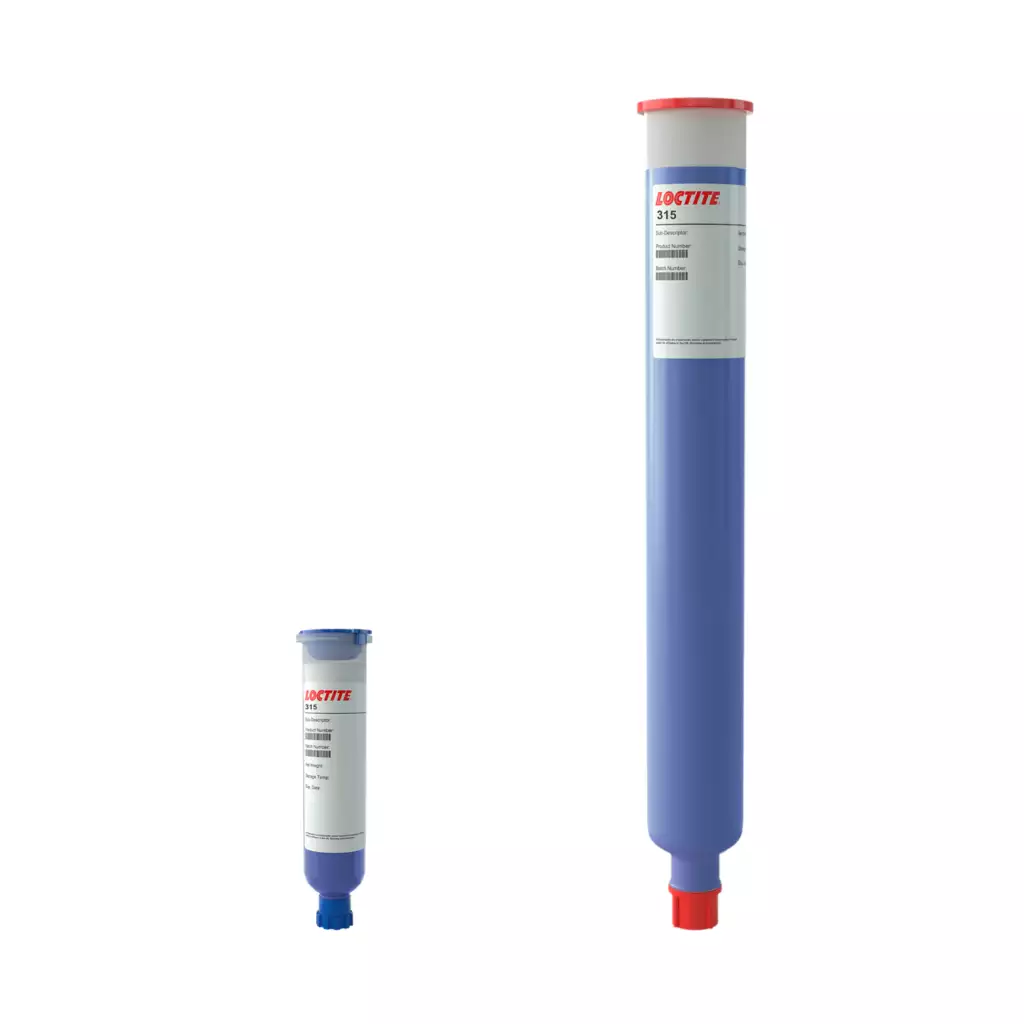
Product code: 315
LOCTITE 315 is a self-shimming, thermally conductive acrylic paste for bonding electrical components to heat sinks with a consistent insulating gap.
LOCTITE
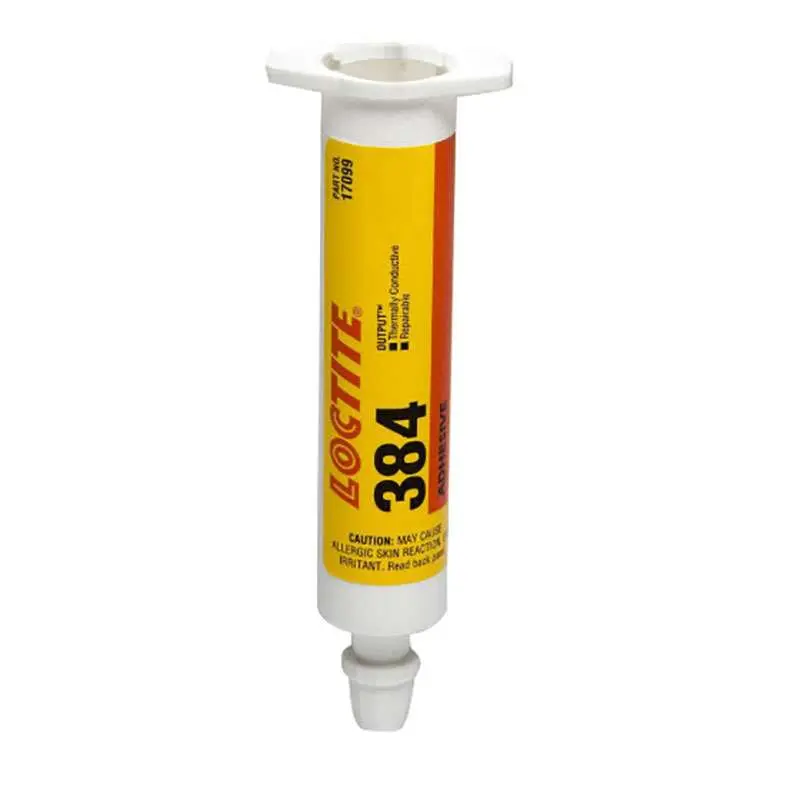
Product code: 384
LOCTITE 384 is a white to off-white, thermally conductive acrylic paste for bonding heat-generating components to heat sinks, with medium strength so parts can be removed hot for repair.
LOCTITE
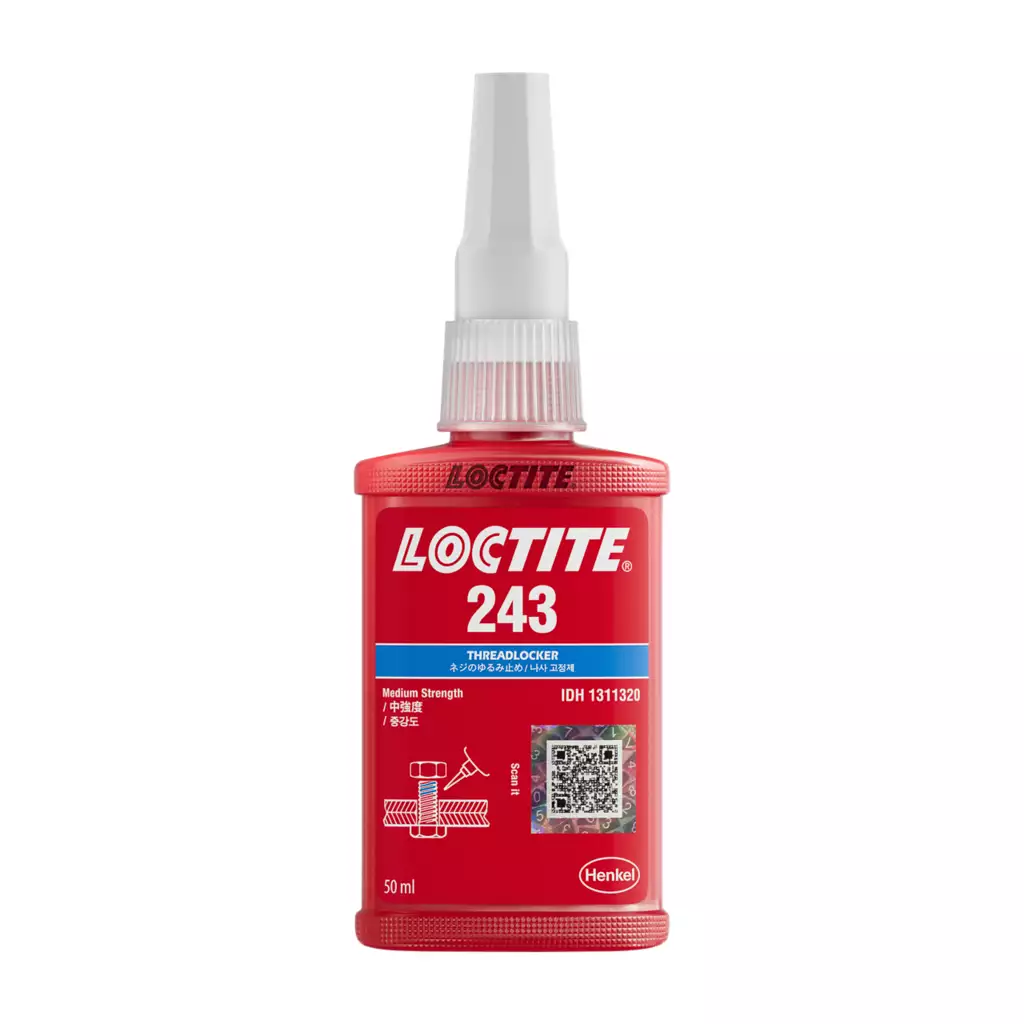
Product code: 243
Blue medium-strength threadlocker for pumps, gearboxes and motors that works on passive metals and tolerates minor oil contamination.
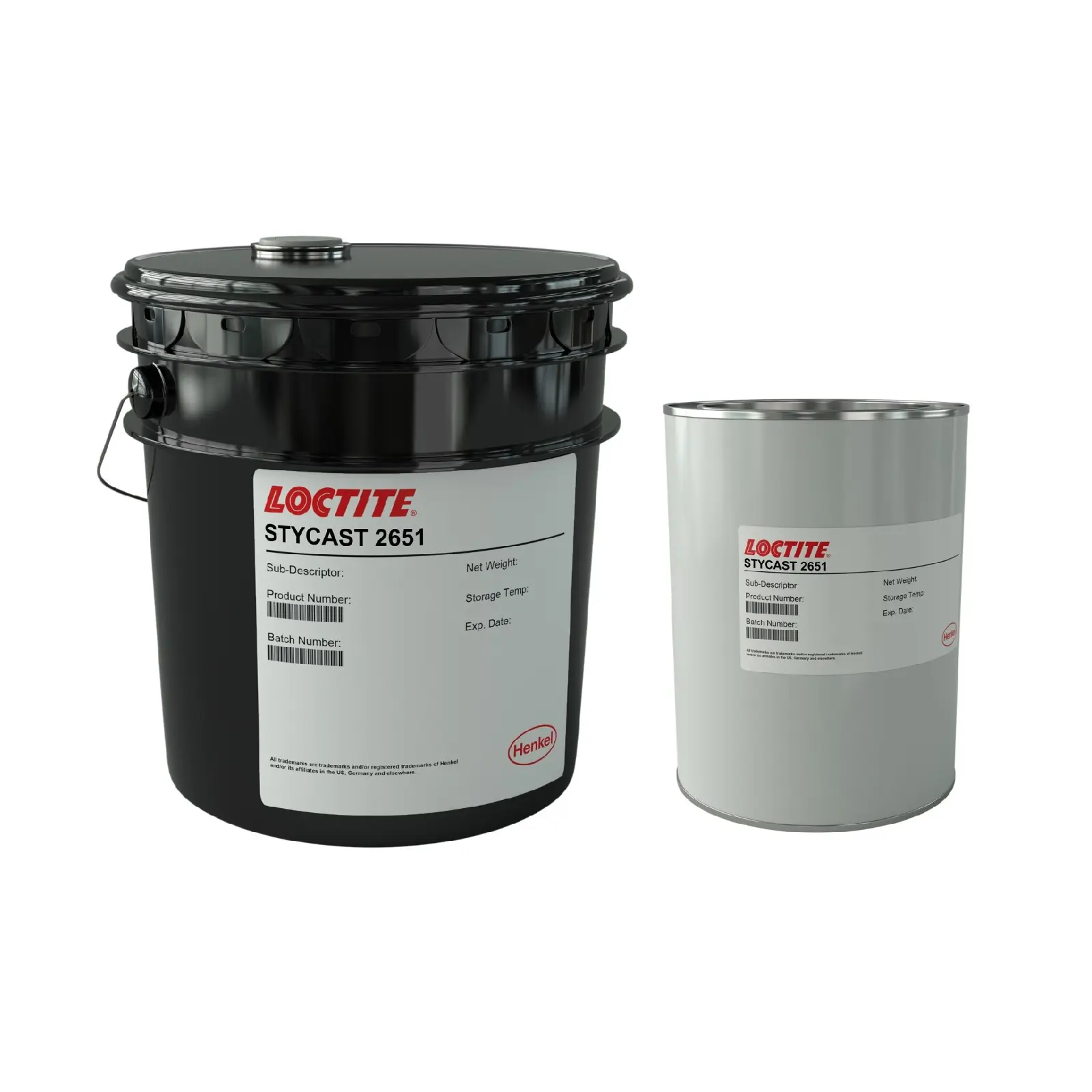
LOCTITE
Product code: STYCAST 2651
Black, general purpose dielectric epoxy encapsulant for electrical and electronic parts. Used with Catalyst 9 at 100:7, cures at room temperature.
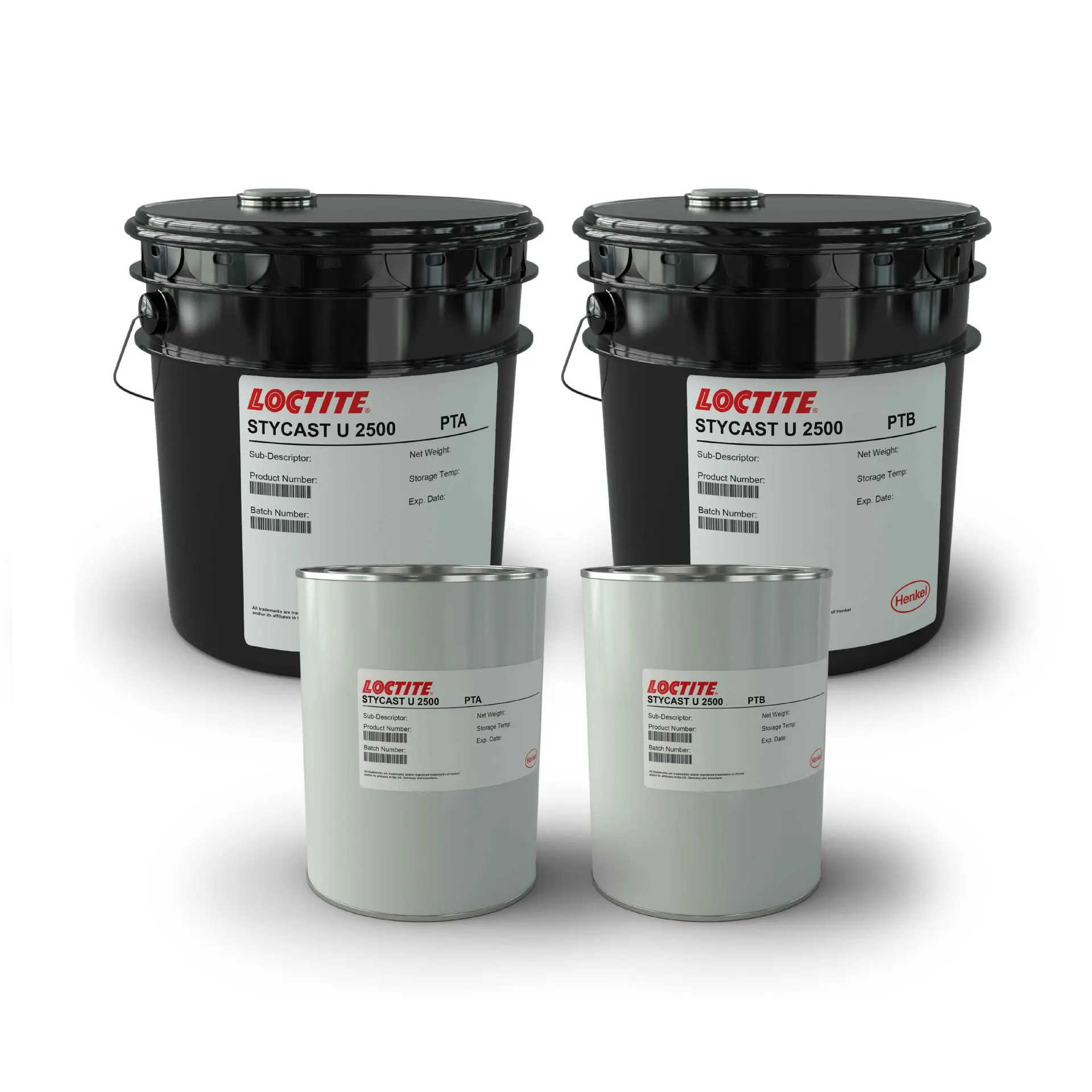
LOCTITE
Product code: STYCAST U 2500
Two-part flexible polyurethane encapsulant for transformers and PCBs. Its low viscosity fully impregnates wound coils, and it cures at room temperature.
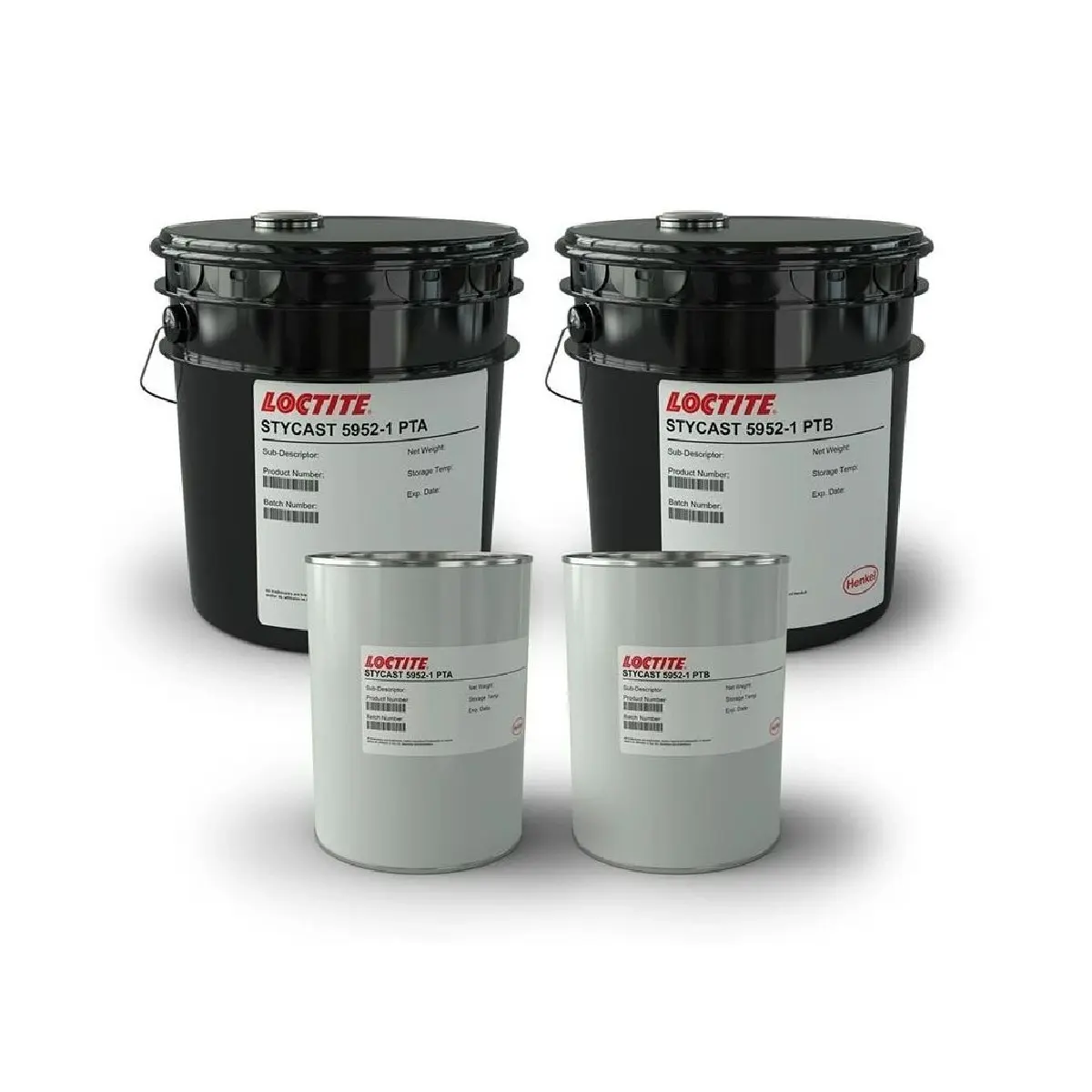
LOCTITE
Product code: STYCAST 5952 1
Two-part thermally conductive silicone for encapsulating heat-generating devices such as transformers, rectifiers and power supplies. Mixes 1:1 and cures with heat.
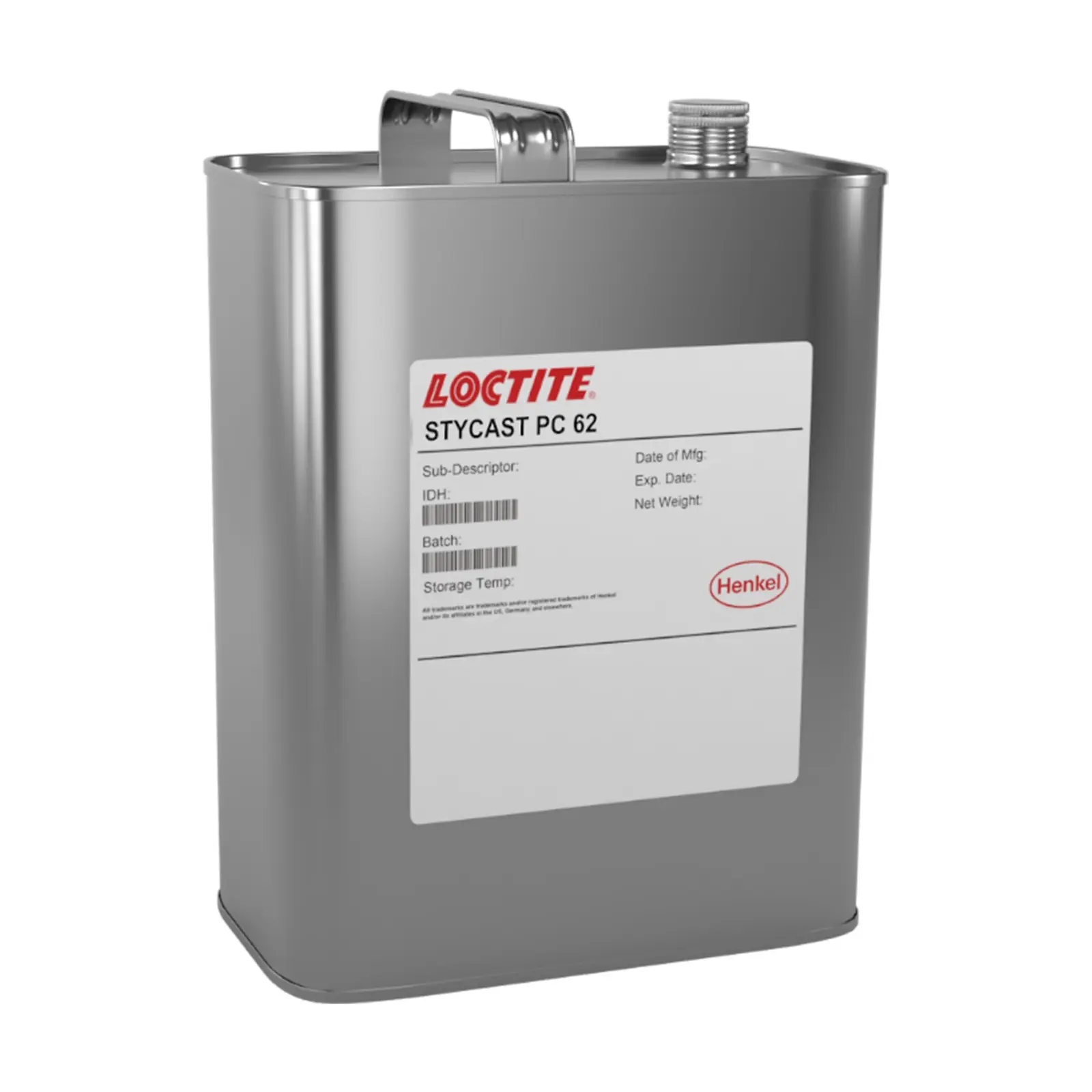
LOCTITE
Product code: STYCAST PC 62
Rapid-drying, colourless acrylic conformal coating for circuit boards. It air dries, fluoresces under UV light and can be removed for repair.
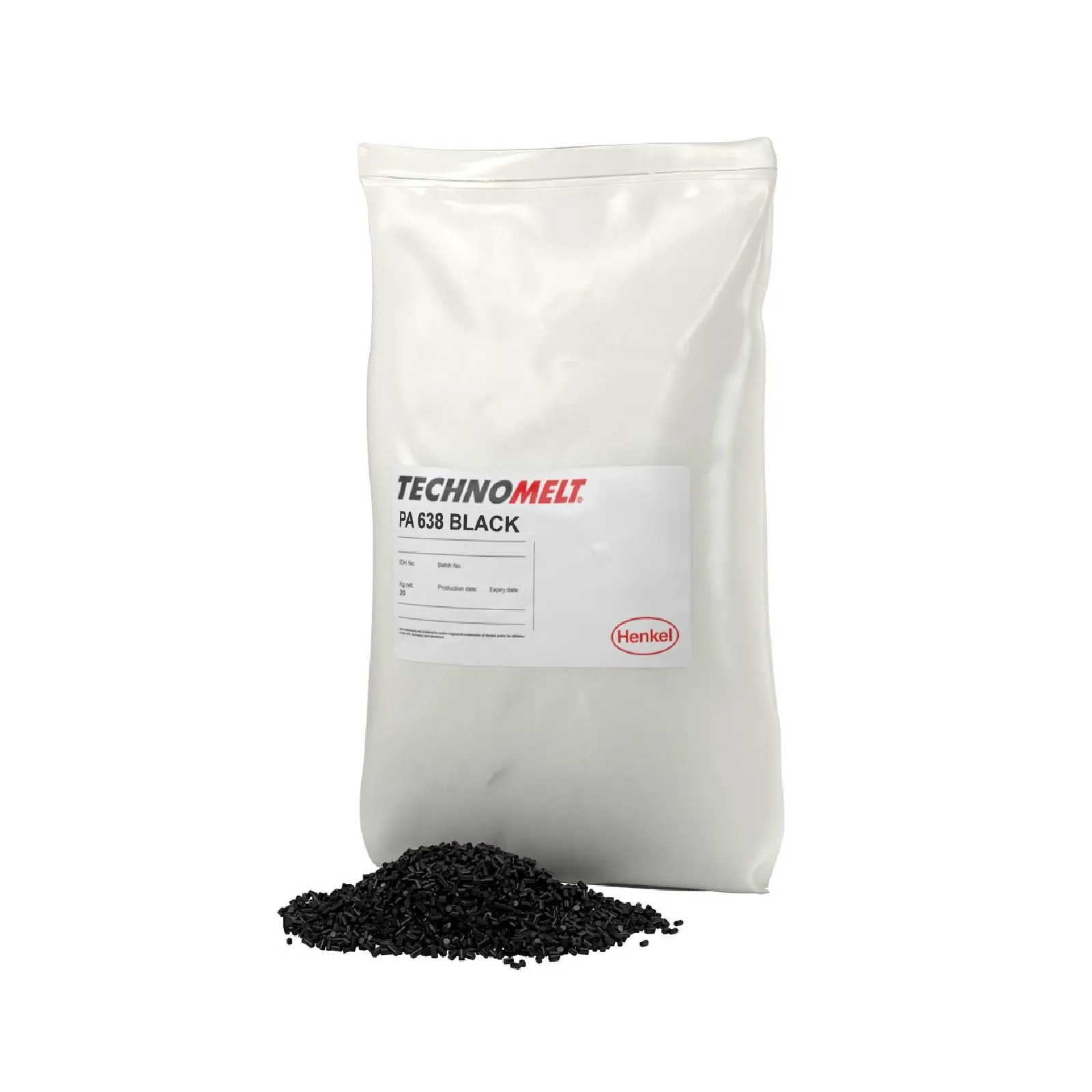
TECHNOMELT
Product code: PA 638
Black polyamide hot melt for low pressure molding around electronic parts. It is applied at 200 to 240 °C and sets as it cools.
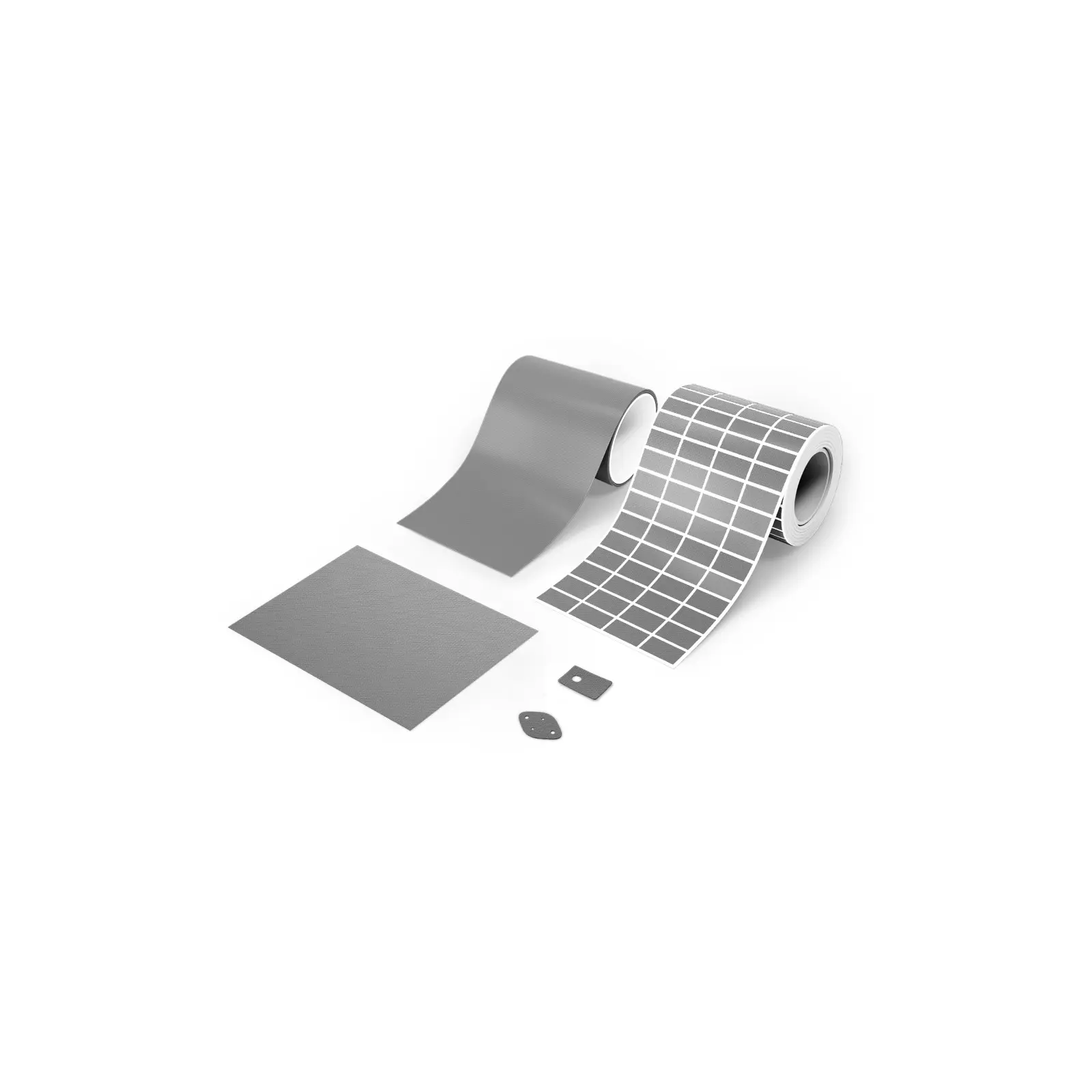
BERGQUIST
Product code: SIL PAD TSP 900
Gray silicone rubber and fiberglass insulating pad, the original Sil-Pad material, that isolates power devices from heat sinks. 0.9 W/(m·K), 0.178 or 0.229 mm thick.
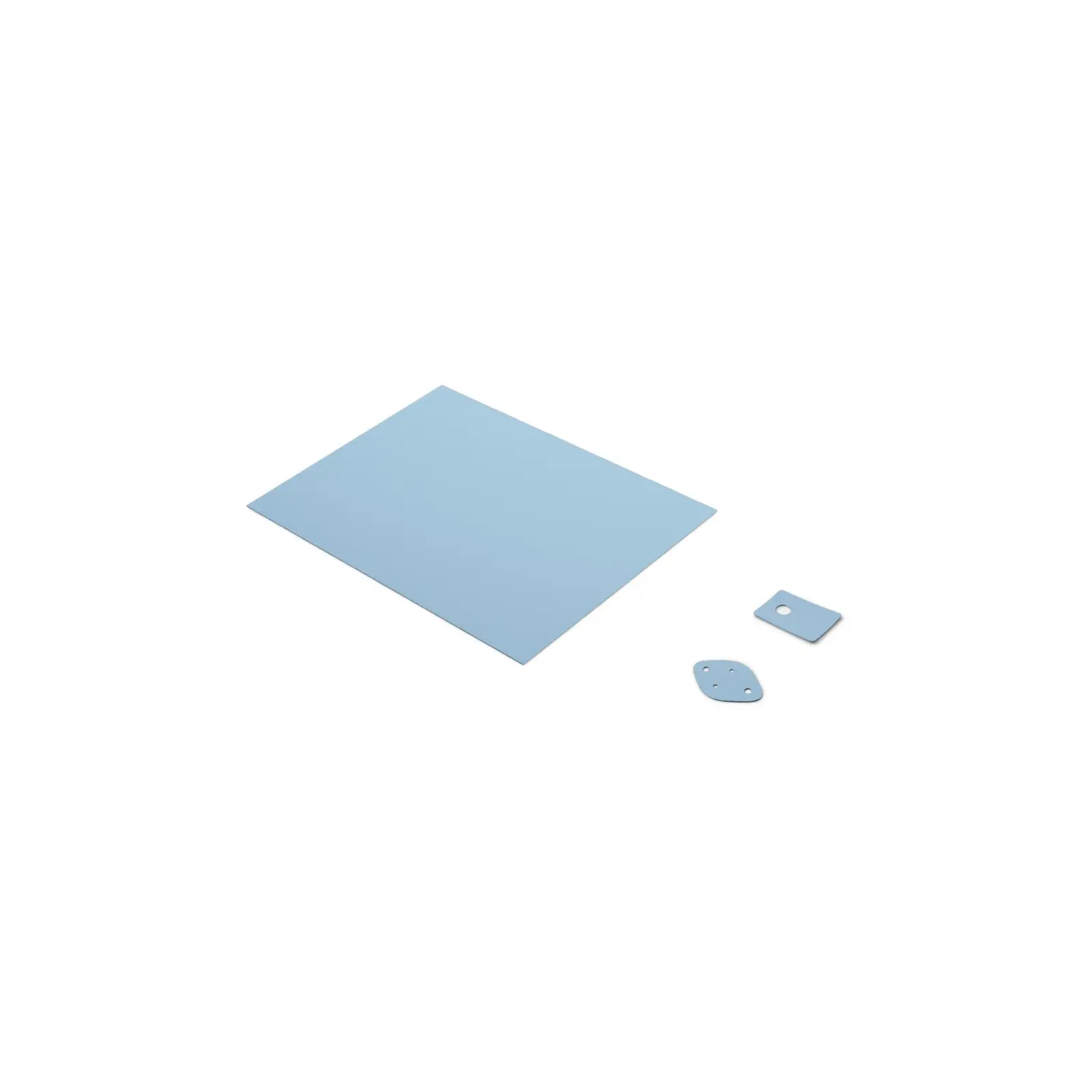
BERGQUIST
Product code: GAP PAD TGP 3000
Soft fiberglass-reinforced silicone thermal pad, 3.0 W/(m·K) and 30 Shore 00, for low-stress gaps on processors, BGA packages and storage drives.
Protect assembled PCBs from moisture and environmental exposure with suitable coating systems.
Improve heat transfer between electronic components, thermal spreaders and heatsinks.
Seal enclosure joints and component interfaces with materials matched to the design.
Share the equipment type, installation environment, component materials and failure or performance requirements. ADVANCE can help review suitable material families and the application checks needed for evaluation.
Not sure which product fits? Ask our assistant
Type the job, the material or a spec. It searches our published products and TDS values — no external AI.