
LOCTITE
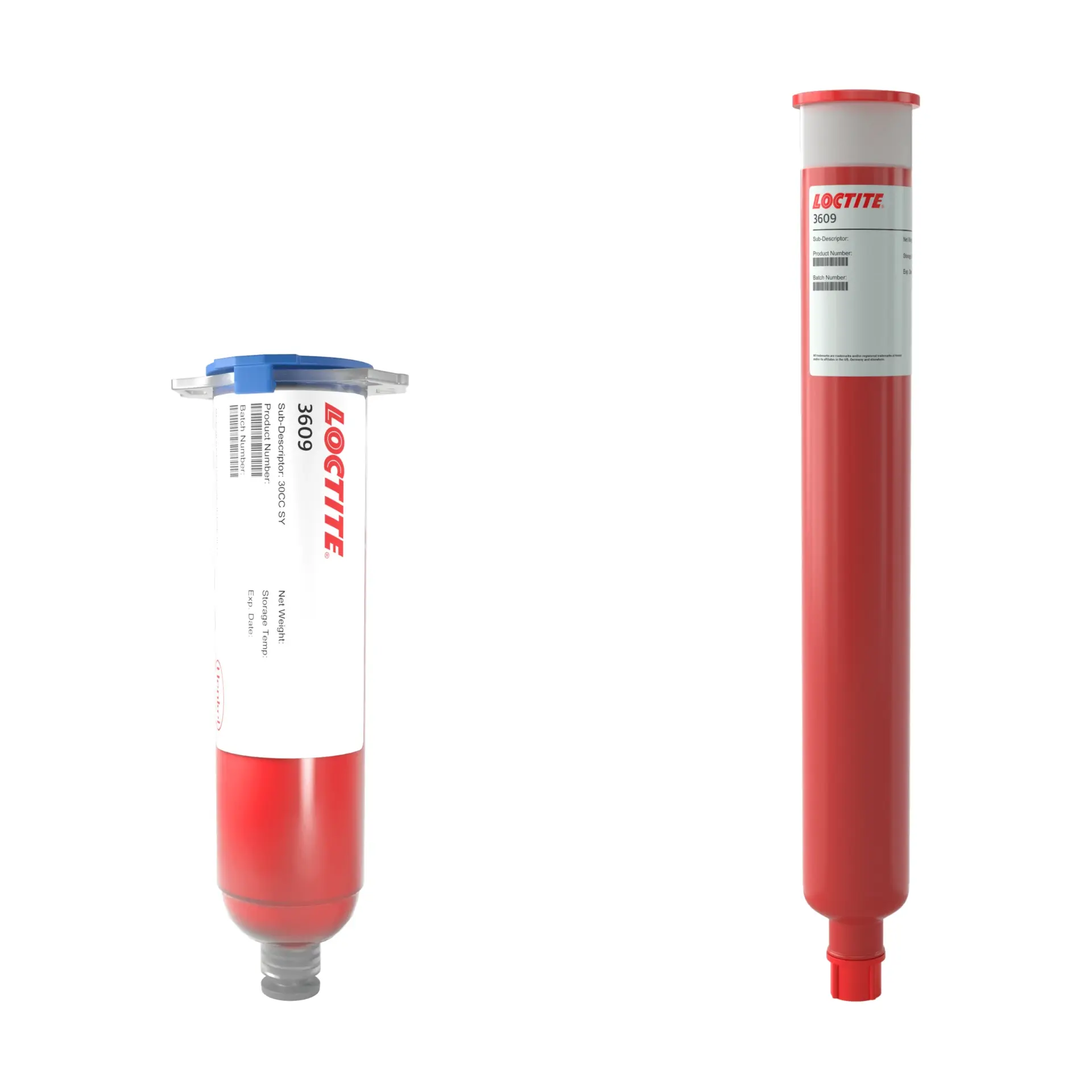
LOCTITE 3609
Product code: 3609
LOCTITE 3609 is a red, 1-part epoxy surface mount adhesive that holds SMD components on printed circuit boards before wave soldering, at medium to high dispense speeds.
Electronics solutions
Consumer electronics combine compact circuit boards, displays, batteries, sensors and enclosure components in products used every day. This guide outlines material functions that may support component bonding, thermal control, sealing and PCB protection in consumer devices.
Consumer electronics include personal devices, connected products and household electronics designed for frequent use and compact packaging. Adhesives and specialty materials may secure displays, batteries, speakers, cameras, connectors and internal modules, while other materials help manage heat or protect circuitry. The correct material depends on the product architecture and the assembly process.
The required material properties vary by product type, size, assembly method and expected service life. A wearable device, laptop, home appliance and audio product may have different limits for temperature, flexibility, repair and exposure to cleaning agents.
Compact products leave limited room for mechanical fasteners and thermal management hardware. Suitable materials can help retain components, fill selected gaps, reduce unwanted movement and protect circuitry. The product must still be designed for its intended drop, vibration, temperature and service conditions.
Consumer products may use several material families within a single device. The intended function should be defined for each interface, and compatibility with plastics, metals, glass, coatings and electronic components should be verified. A material suitable for one product category is not automatically suitable for all consumer devices.
Define the materials that the adhesive will contact and the product's expected service conditions. Consider assembly speed, cosmetic requirements, repair strategy and the impact of the material on the finished device.
Application may involve precision dispensing, printing, lamination, coating or assembly of preformed interface materials. The sequence should protect displays, connectors, vents and cosmetic surfaces from unintended contamination. Confirm material storage, open time, cure conditions and inspection methods before introducing the material into production.
Small clearances and mixed substrate materials make consumer-device assemblies sensitive to adhesive flow and cure shrinkage. Design the bondline and keep-out areas early, and consider how the product will be opened, repaired or recycled. Avoid allowing adhesive to obstruct acoustic paths, connectors, sensors or ventilation features.
Typical issues include adhesive overflow, poor adhesion, component movement, cosmetic contamination and thermal contact problems. Record where the defect occurs and review the material, surface and process together.
Start with the device construction and the material function required at each location. ADVANCE can help narrow options when the substrate materials, assembly method and service requirements are known.
LOCTITE
Product code: 3609
LOCTITE 3609 is a red, 1-part epoxy surface mount adhesive that holds SMD components on printed circuit boards before wave soldering, at medium to high dispense speeds.
LOCTITE
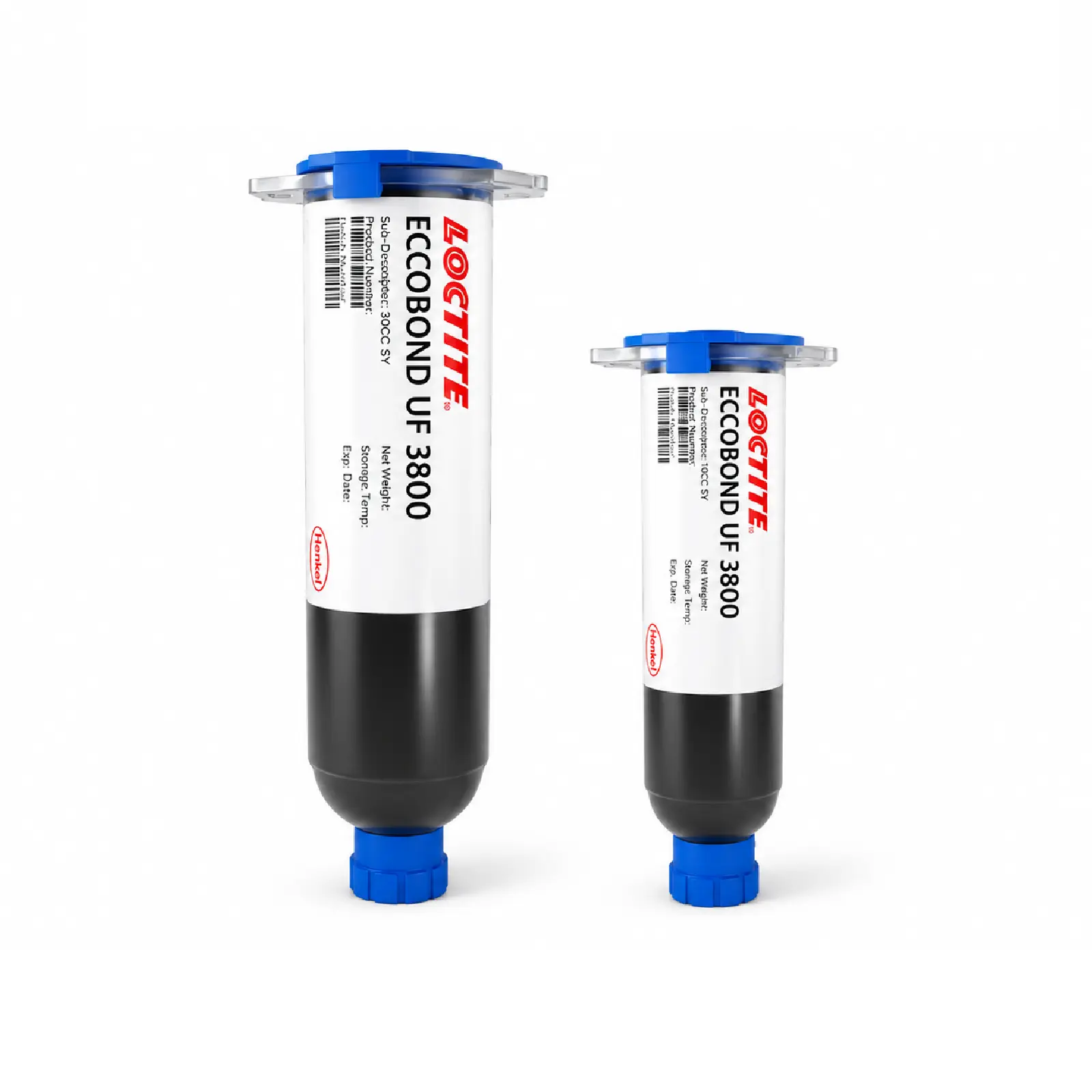
Product code: ECCOBOND UF 3800
Reworkable one-part epoxy underfill for CSP and BGA. Flows at room temperature and cures in 8 minutes at 130 °C to protect solder joints.
LOCTITE
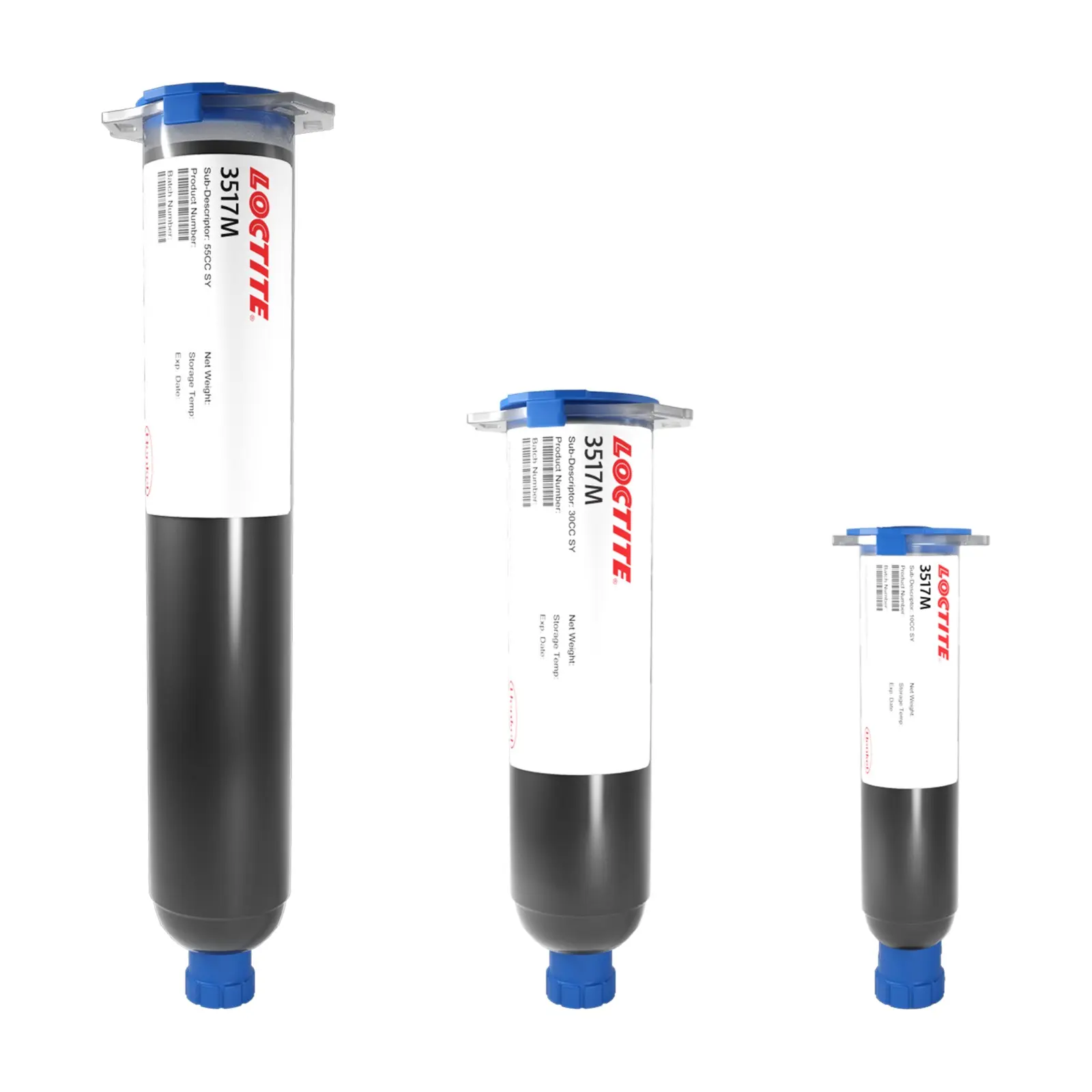
Product code: 3517M
One-part black epoxy underfill for CSP, flip chip BGA and BGA in handheld devices. It protects solder joints from mechanical stress and is reworkable.
LOCTITE
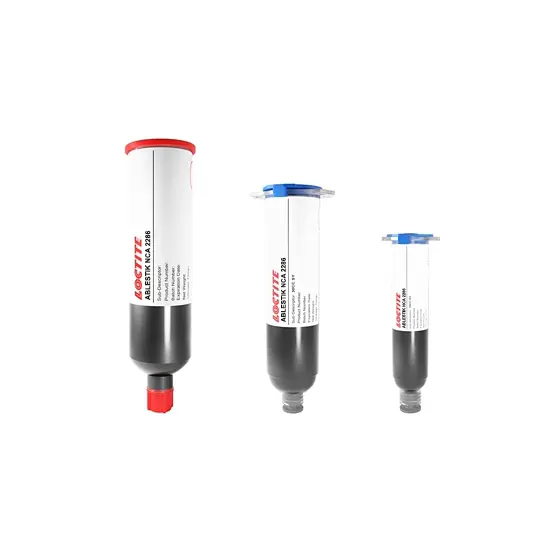
Product code: ABLESTIK NCA 2286
Black, high-viscosity UV + heat dual-cure adhesive for active alignment lens holder attach in camera modules, with heat cure for shadowed areas.
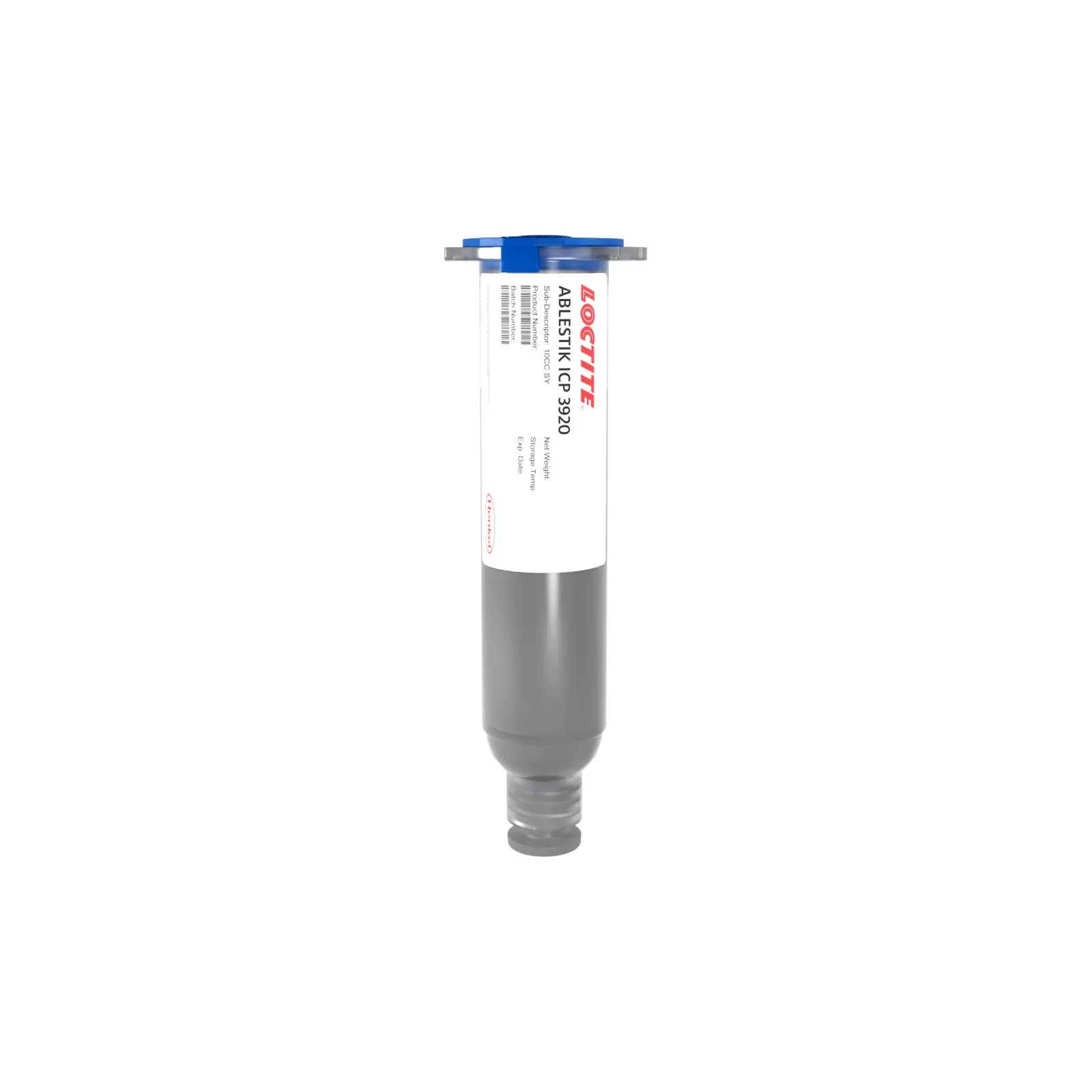
LOCTITE
Product code: ABLESTIK ICP 3920
Silver-filled conductive epoxy for fine dispensing and printing in SMT assembly, as a lead-free alternative to solder. Cures in 5 minutes at 150 °C.
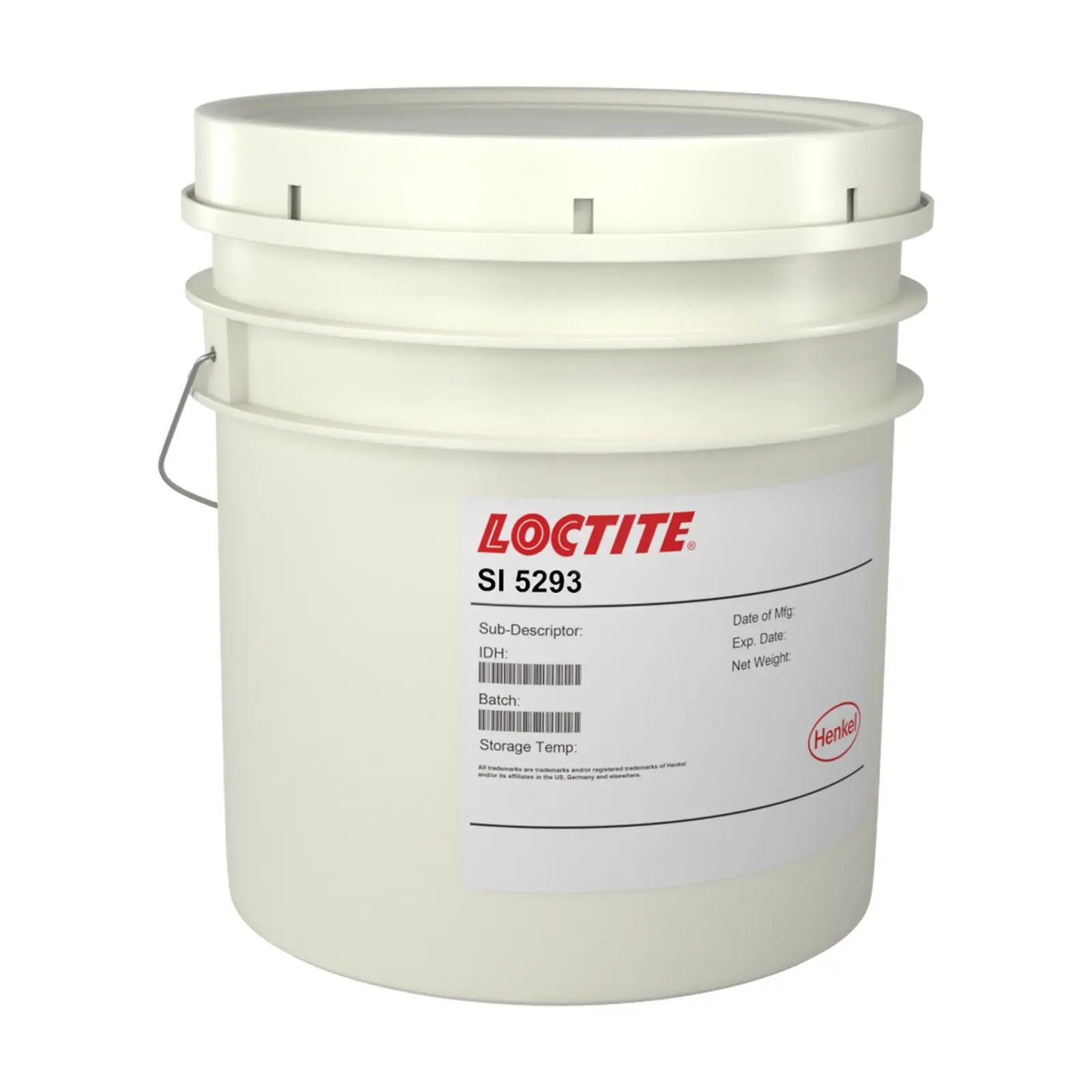
LOCTITE
Product code: SI 5293
One-part silicone conformal coating for circuit boards. It cures with UV light in seconds and with moisture in shadowed areas.
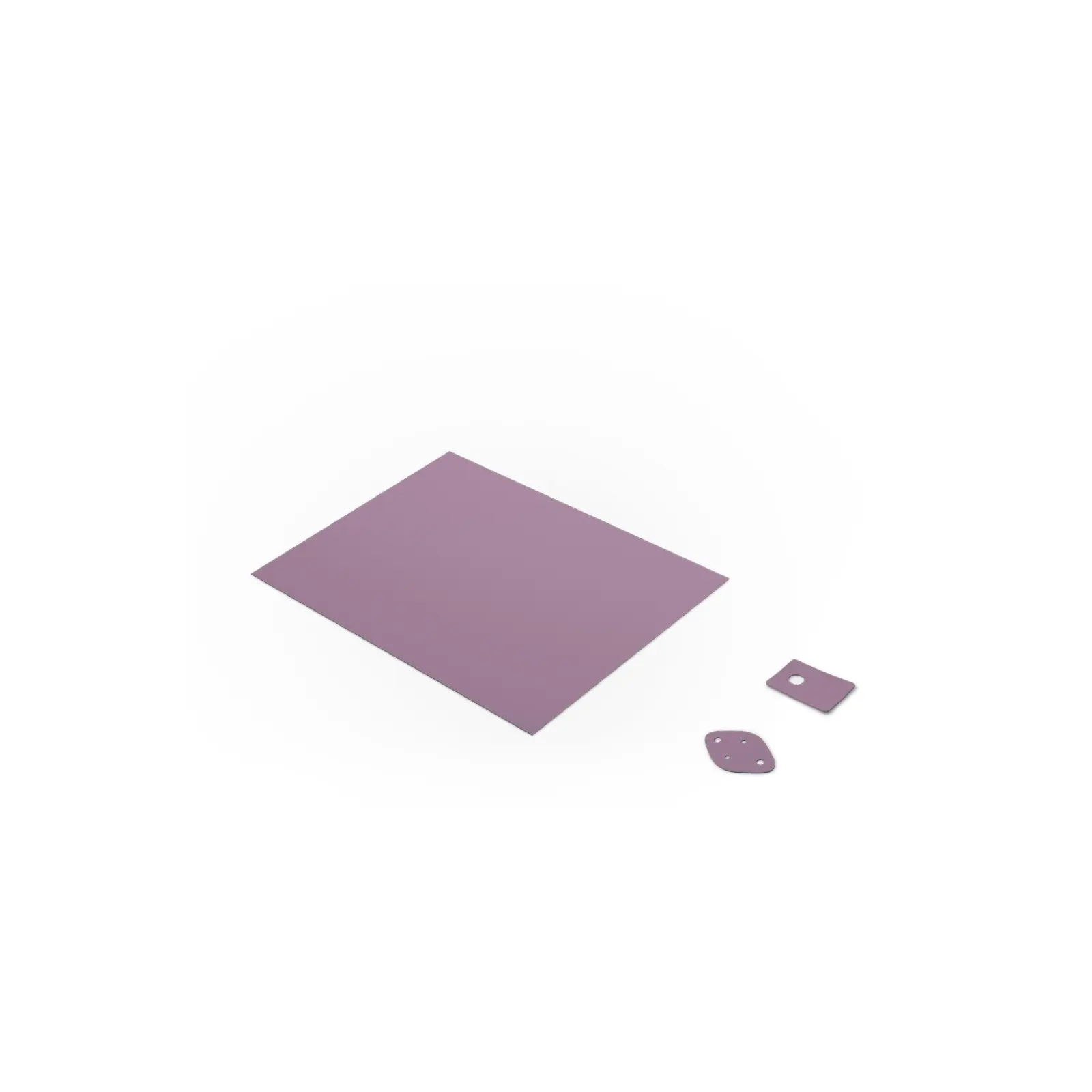
BERGQUIST
Product code: GAP PAD TGP 1000VOUS
Ultra-soft silicone gap pad, 1.0 W/(m·K), Shore 00 hardness 5, with a fiberglass carrier, for parts that need minimal pressure and electrical isolation from the heat sink.
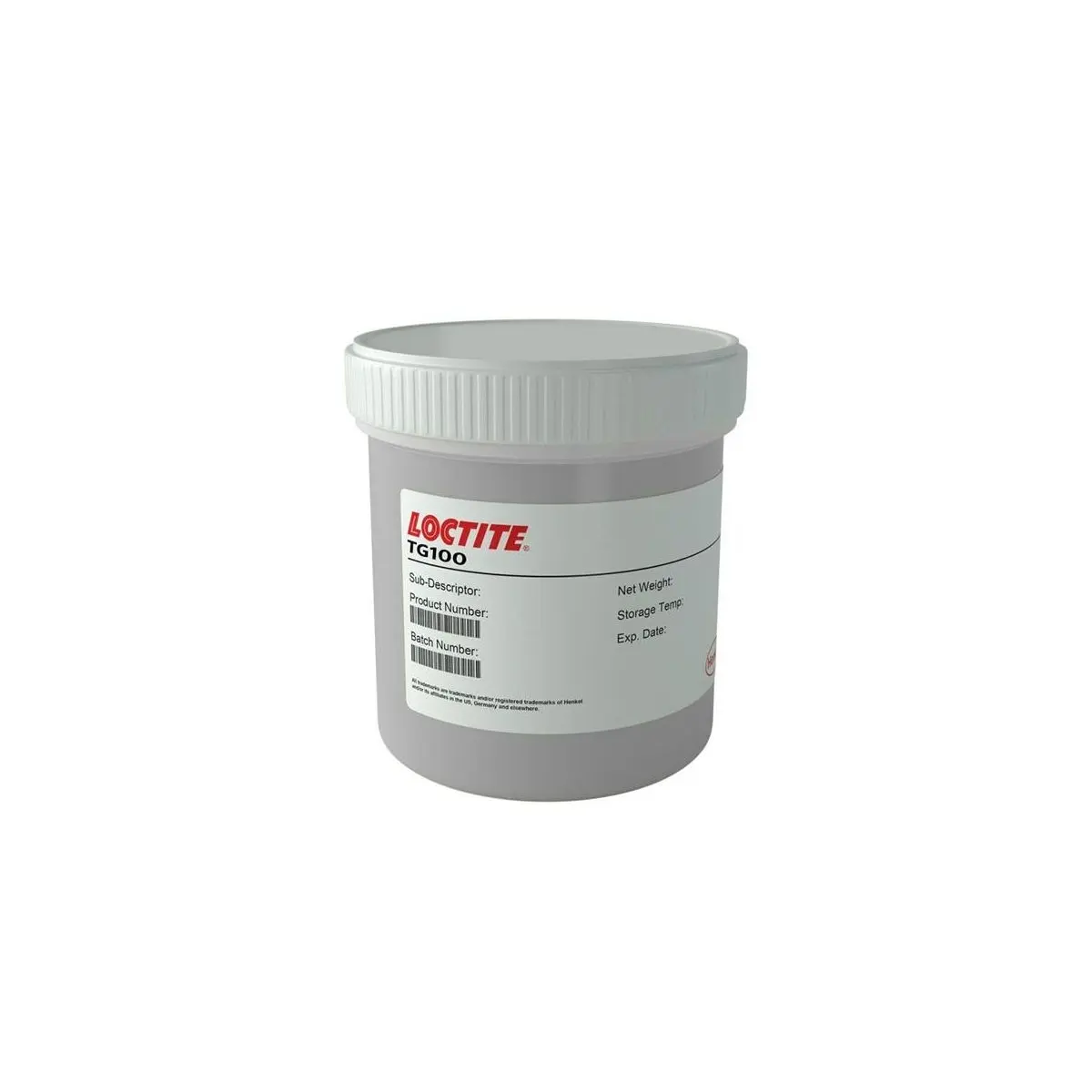
LOCTITE
Product code: TG 100
Gray silicone thermal grease for CPUs, GPUs and power components, with 3.4 W/(m·K) thermal conductivity and an operating range of -40 to 150 °C.
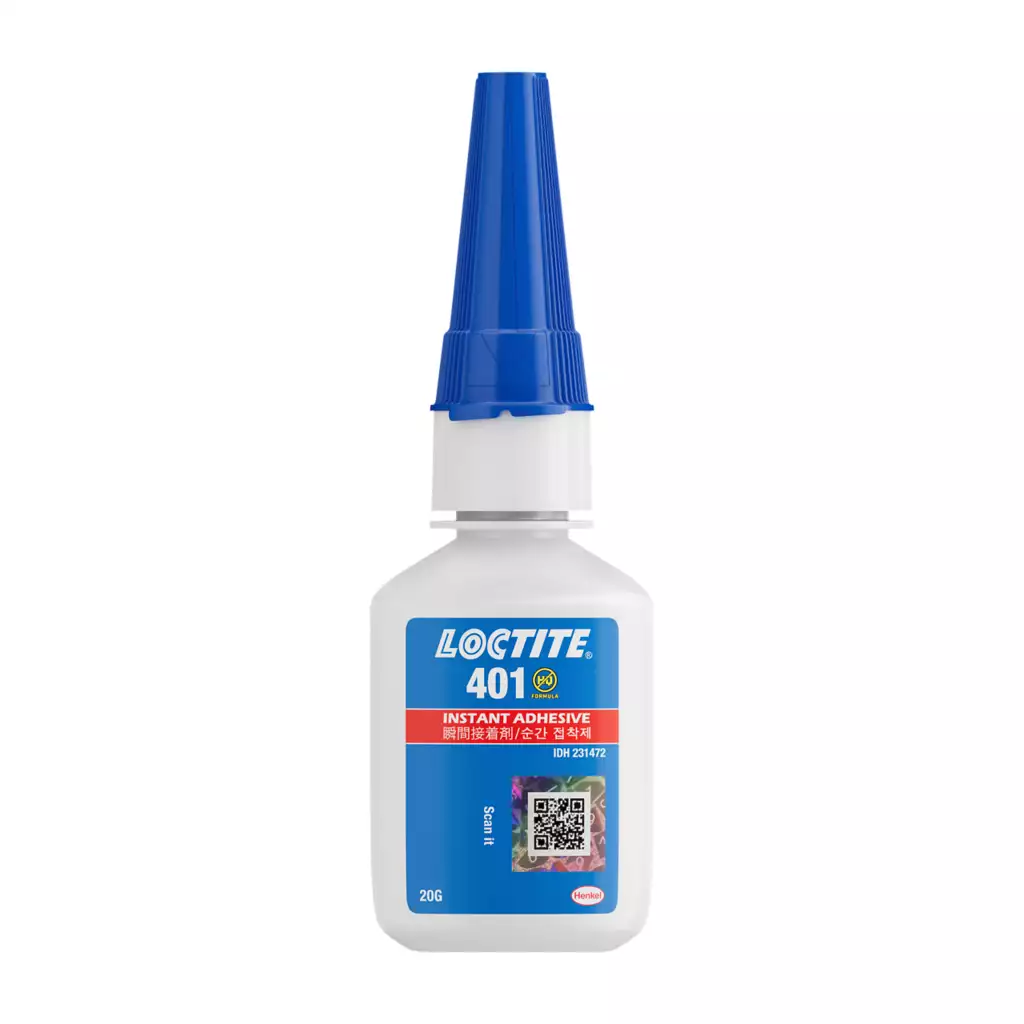
LOCTITE
Product code: 401
LOCTITE 401 is a general-purpose instant adhesive for fast assembly of close-fitting parts and repairs on metals, plastics, rubber and porous materials.
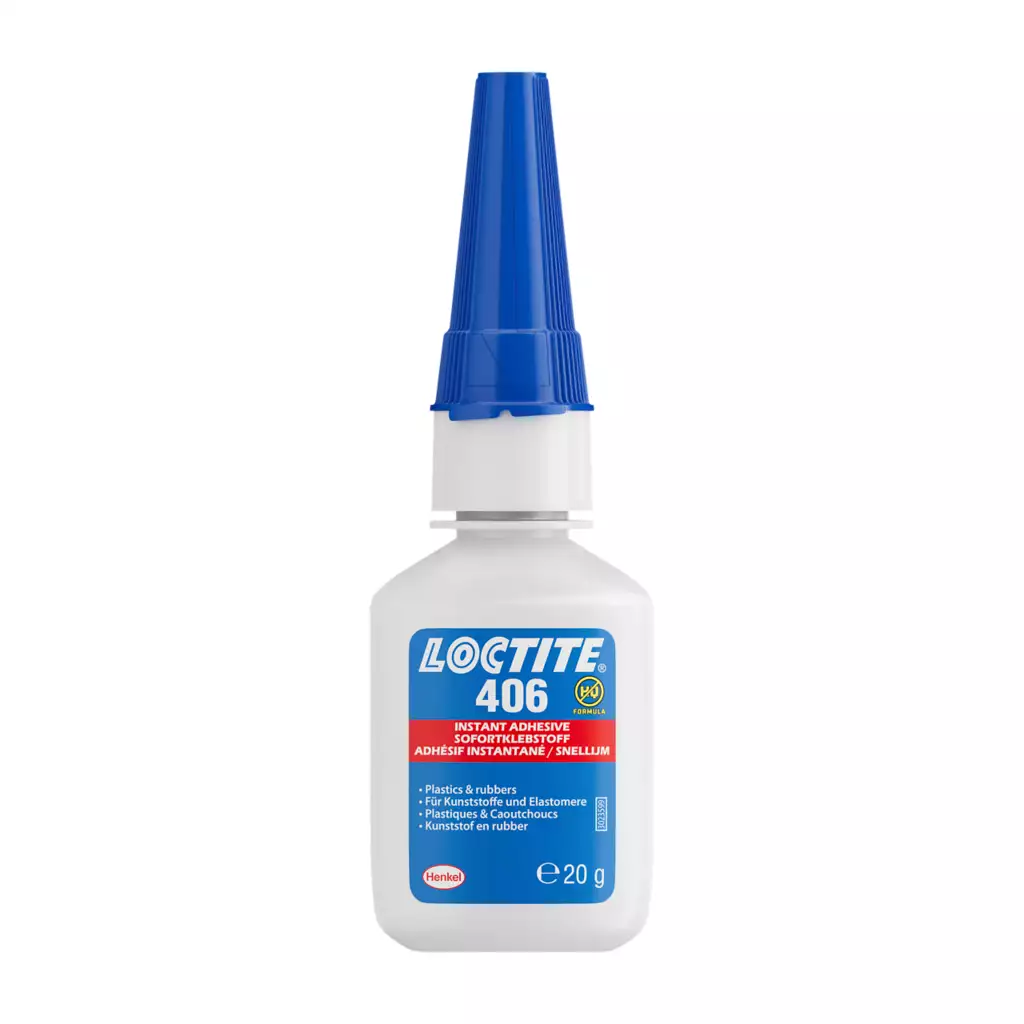
LOCTITE
Product code: 406
LOCTITE 406 is a very low-viscosity instant adhesive for fast bonding of plastics and rubbers, including EPDM, forming an ultra-thin film in tight joints.
Select conductive, insulating or thermally conductive pastes for electronic assemblies.
Retain surface-mount components during mixed-technology and double-sided PCB assembly.
Improve heat transfer between electronic components, thermal spreaders and heatsinks.
Share the device construction, materials to be joined, application process and expected service conditions. ADVANCE can help review suitable material families for bonding, sealing or thermal management.
Not sure which product fits? Ask our assistant
Type the job, the material or a spec. It searches our published products and TDS values — no external AI.