
LOCTITE
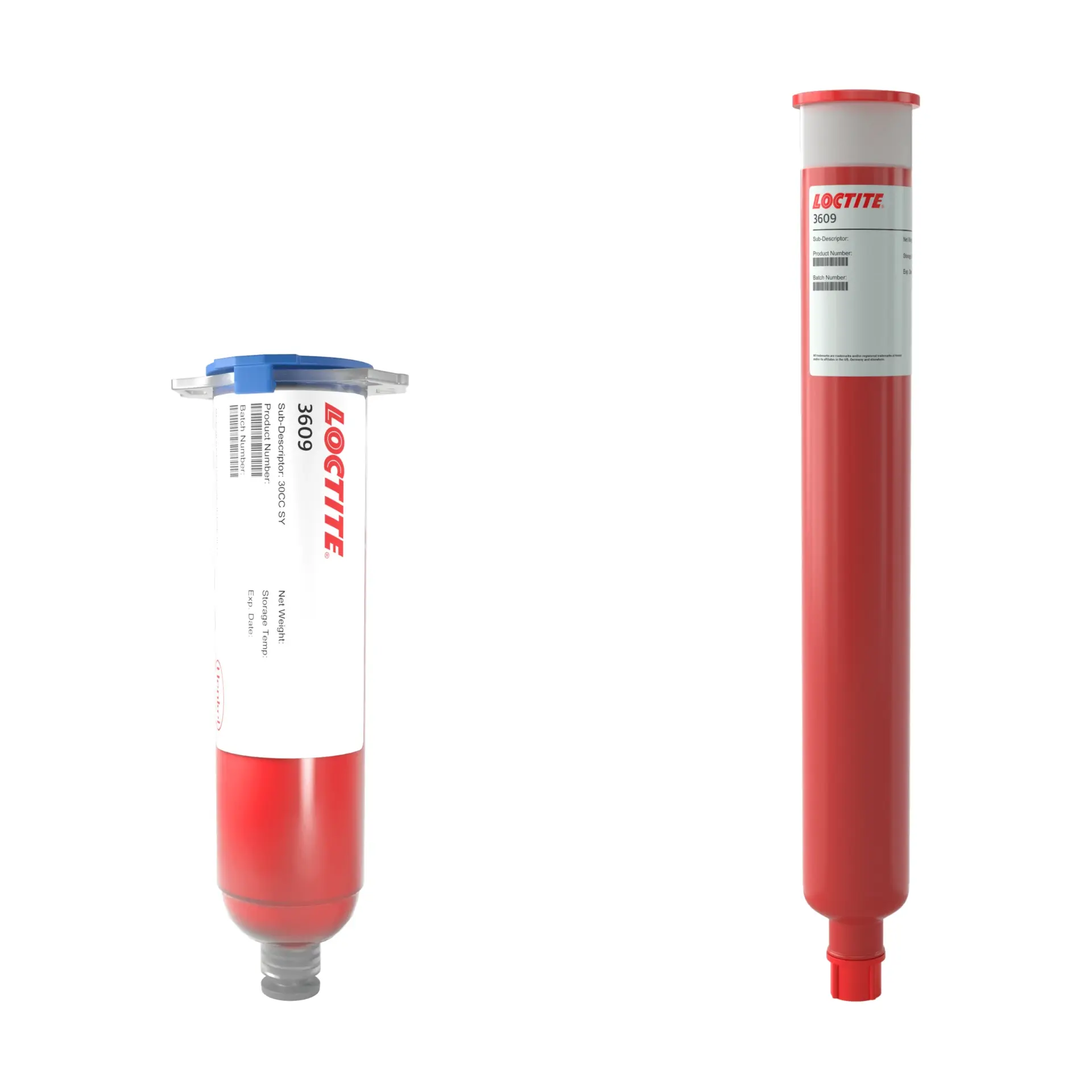
LOCTITE 3609
Product code: 3609
LOCTITE 3609 is a red, 1-part epoxy surface mount adhesive that holds SMD components on printed circuit boards before wave soldering, at medium to high dispense speeds.
Electronics solutions
Medical electronic equipment combines circuit boards, displays, sensors, power systems and precision interfaces. This guide describes material functions that may support assembly, sealing, thermal control and protection, while emphasizing product-specific validation and applicable regulatory requirements.
Medical electronics include the electronic assemblies used in monitoring, diagnostics, imaging, laboratory equipment and related systems. Adhesives and protective materials may secure internal components, protect circuit boards, seal housings or support thermal management. Material requirements depend on the equipment design and whether the material is isolated from or comes into contact with the patient or sample.
Medical equipment ranges from portable monitors to diagnostic and laboratory systems. The materials used in each device must suit its enclosure, cleaning procedure, operating conditions and any applicable patient-contact or sample-contact requirements.
Medical devices may require consistent electronic performance, reliable enclosure sealing and compatibility with repeated cleaning. Suitable materials can support these functions, but they do not establish medical safety or regulatory compliance by themselves. The device manufacturer must validate the complete design and material system for its intended use.
The appropriate material depends on the equipment's function and the location of the bonded or protected area. Materials used inside an enclosure must be assessed differently from materials that may contact a patient, operator, fluid path or sample. Never infer biocompatibility or medical approval from a general adhesive description.
Define whether the material is used only inside the device or may contact a patient, operator, fluid or sample. Establish the relevant regulatory, cleaning and reliability requirements before selecting a product. Verify all claims using current product documentation and the device manufacturer's quality system.
The process may include precision dispensing, coating, sealing or assembly of preformed materials. The equipment manufacturer should define the cleaning, disinfection and inspection procedures that the material must withstand. Follow the product's handling and cure instructions and validate the finished assembly under representative conditions.
Medical equipment design must account for access, cleaning, service and any patient-contact boundaries. The material should not obstruct connectors, vents, sensors or serviceable components. Any claim involving patient contact, biocompatibility or medical-device compliance must be supported by the exact material documentation and the device manufacturer's regulatory assessment.
Problems may include bond separation after cleaning, seal degradation, coating defects or thermal instability. Evaluate the actual cleaning agent, substrate and process history rather than assuming that a material is generally suitable for medical equipment.
Explain the device function, the location of the material and whether patient or sample contact is possible. ADVANCE can help review industrial adhesive and protection options, while the device manufacturer remains responsible for regulatory assessment and final design validation.
LOCTITE
Product code: 3609
LOCTITE 3609 is a red, 1-part epoxy surface mount adhesive that holds SMD components on printed circuit boards before wave soldering, at medium to high dispense speeds.
LOCTITE
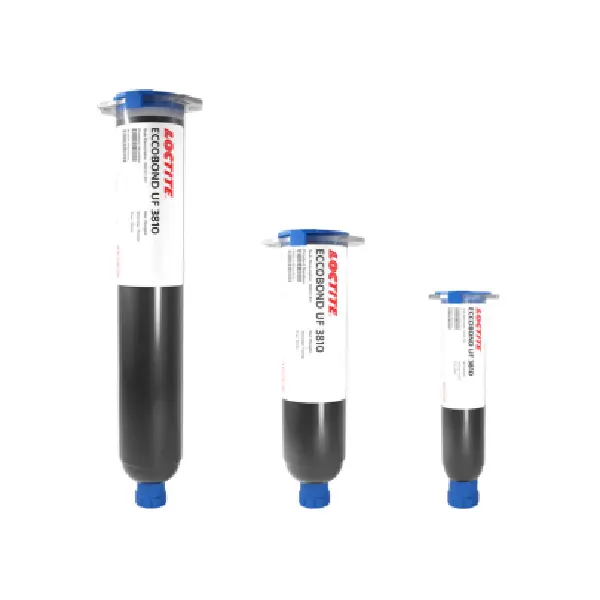
Product code: ECCOBOND UF 3810
Reworkable one-part epoxy underfill for CSP and BGA. Flows at room temperature and cures in 8 minutes at 130 °C to protect solder joints.
LOCTITE
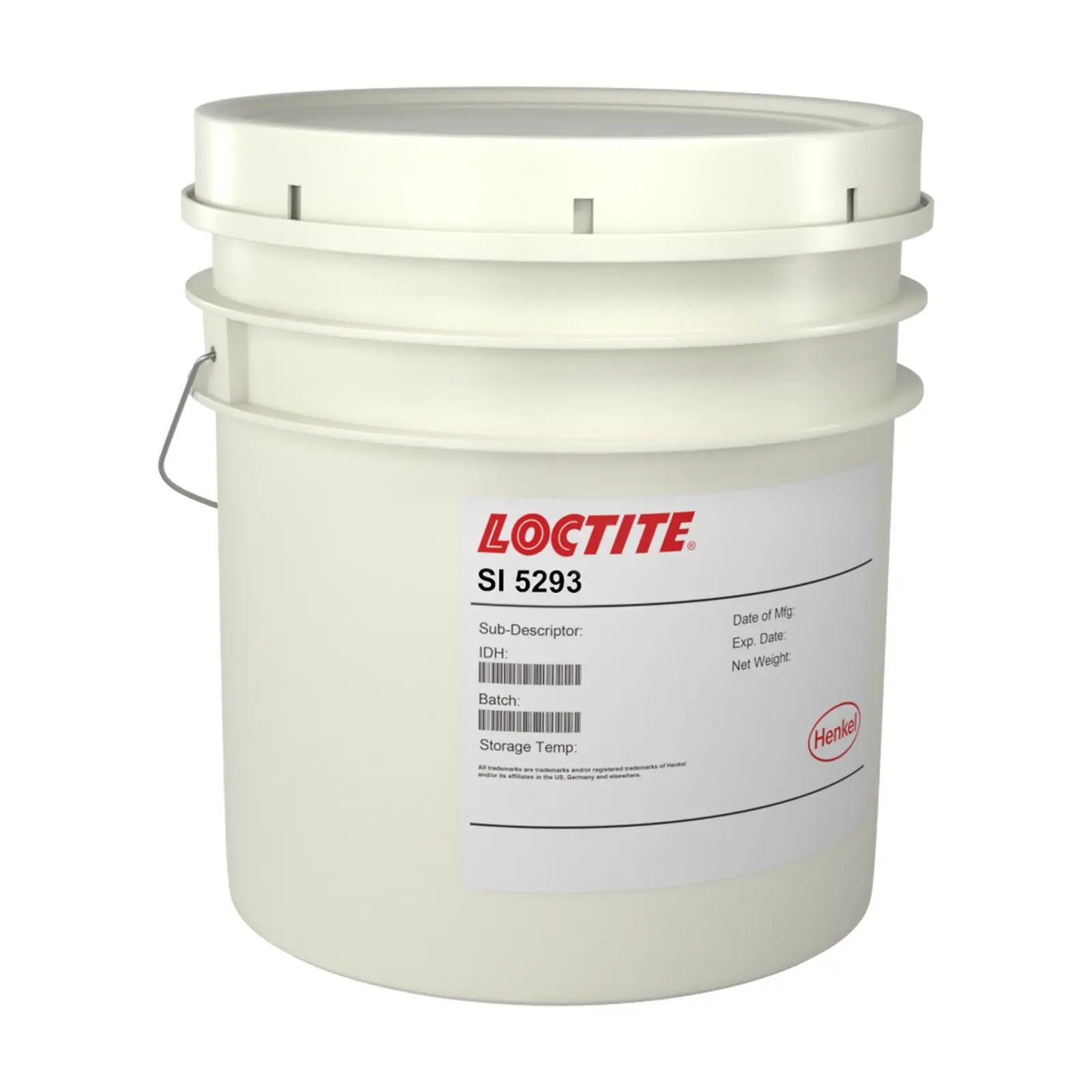
Product code: SI 5293
One-part silicone conformal coating for circuit boards. It cures with UV light in seconds and with moisture in shadowed areas.
LOCTITE
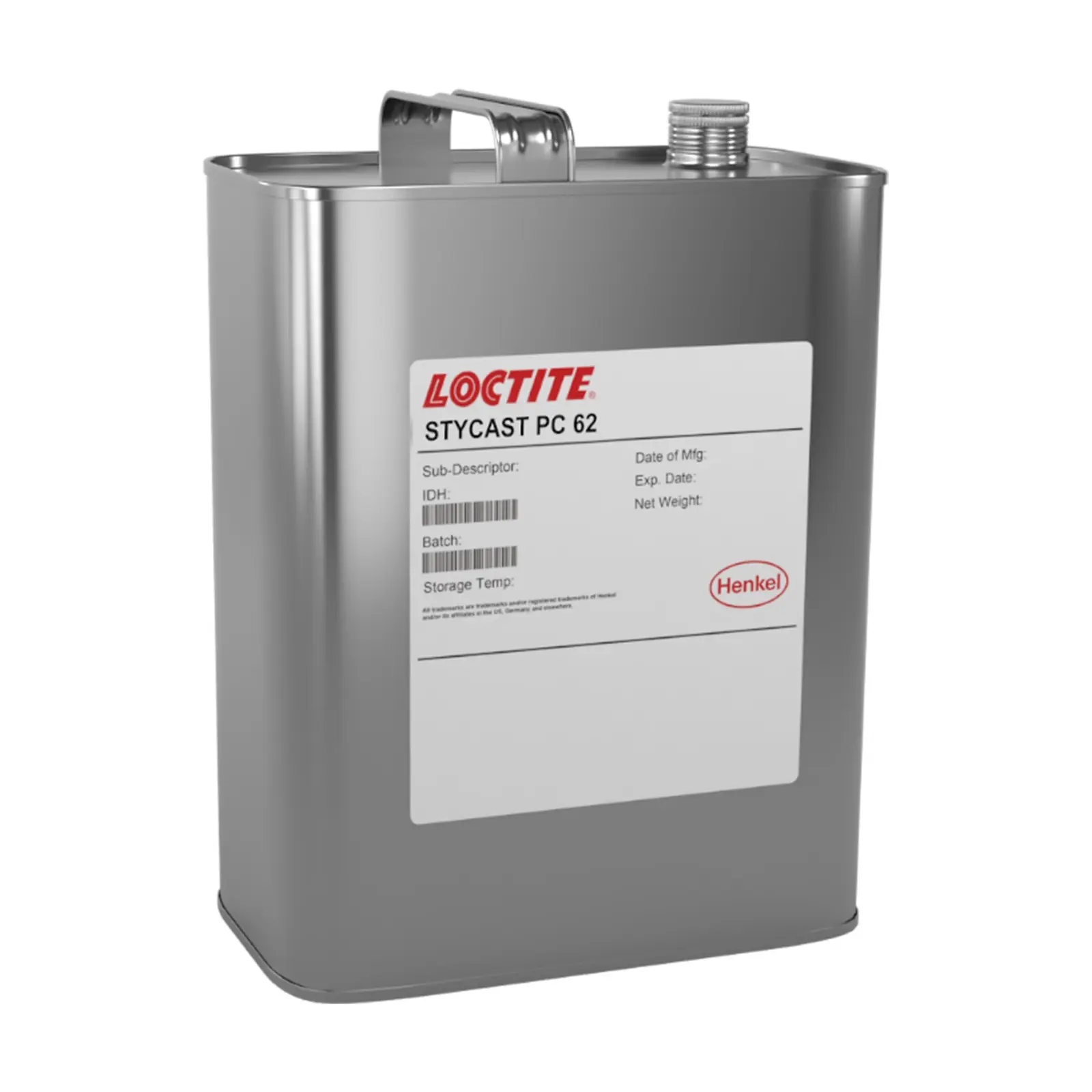
Product code: STYCAST PC 62
Rapid-drying, colourless acrylic conformal coating for circuit boards. It air dries, fluoresces under UV light and can be removed for repair.
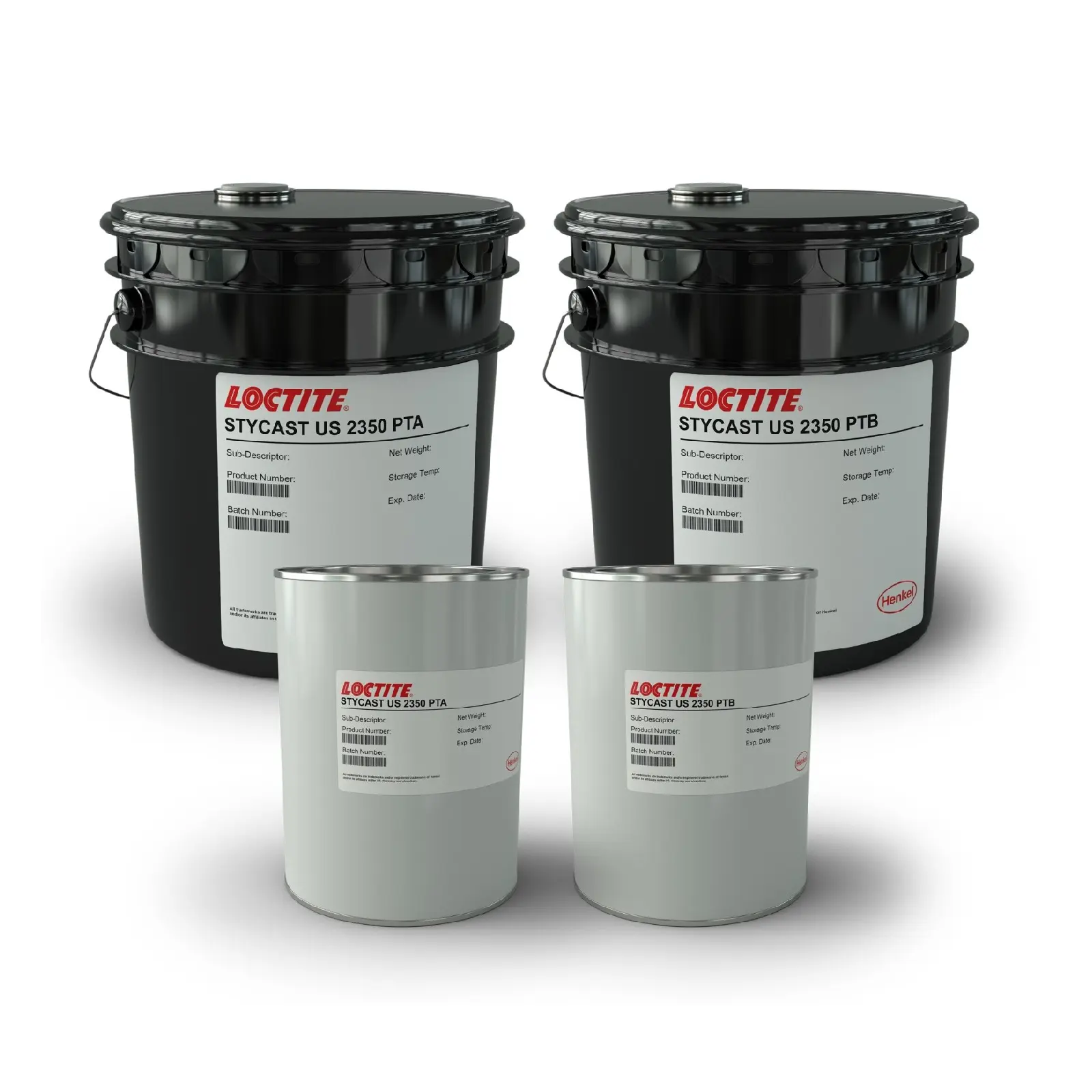
LOCTITE
Product code: STYCAST US 2350
Two-part flexible, mineral-filled urethane for potting and encapsulating electronics. Low viscosity, long work life and room-temperature cure.
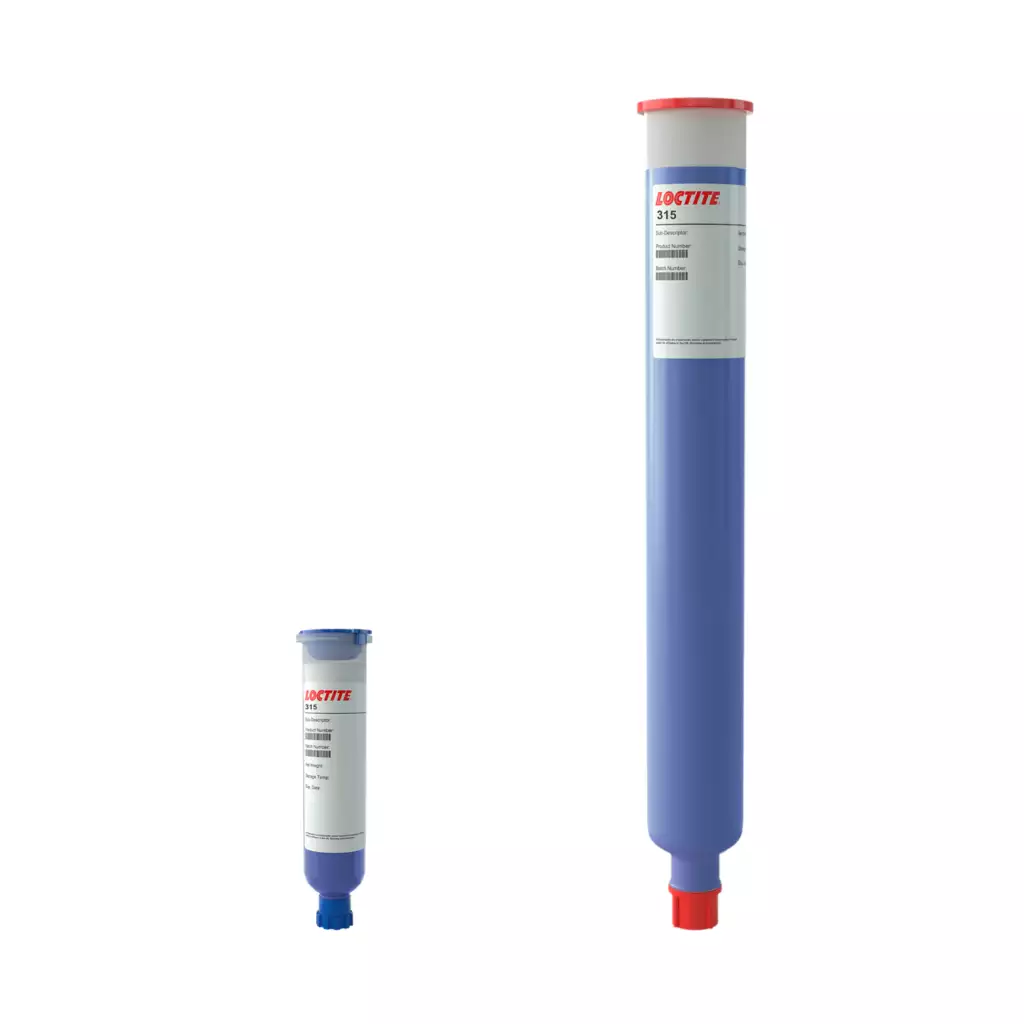
LOCTITE
Product code: 315
LOCTITE 315 is a self-shimming, thermally conductive acrylic paste for bonding electrical components to heat sinks with a consistent insulating gap.
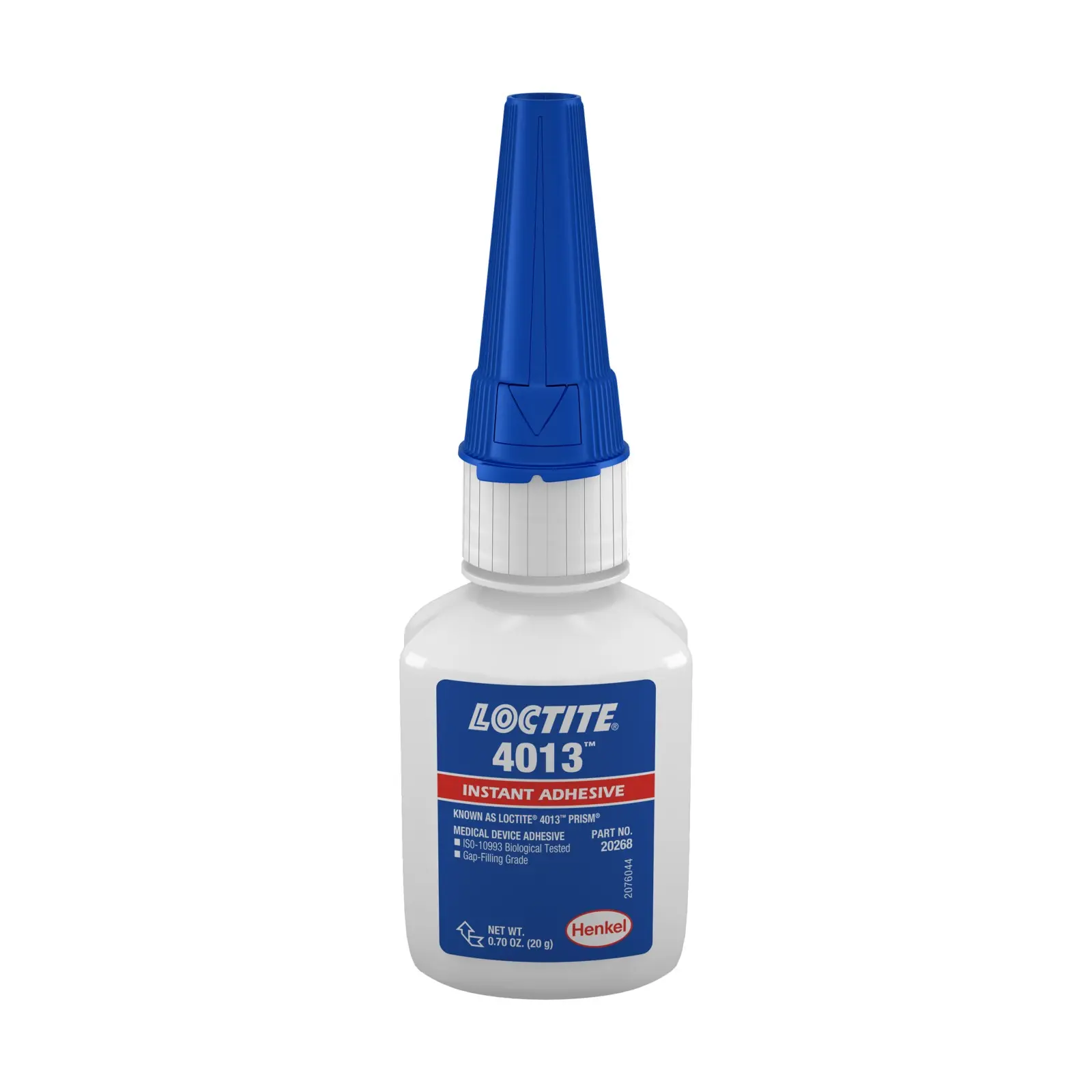
LOCTITE
Product code: 4013
Medium-viscosity instant adhesive for the assembly of disposable medical devices. It fixtures quickly at room temperature on plastics and metals.
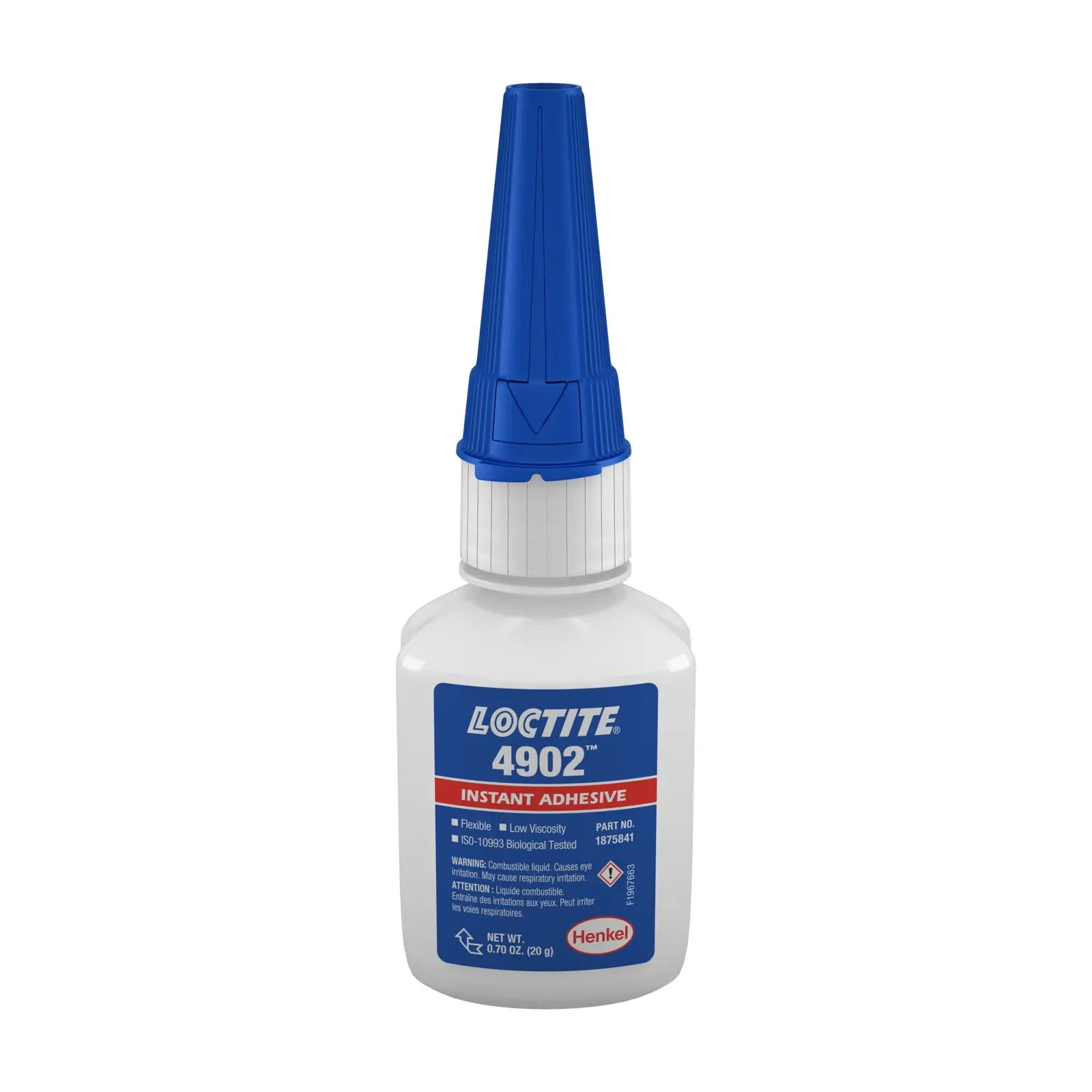
LOCTITE
Product code: 4902
Highly flexible, low-viscosity instant adhesive for the assembly of flexible medical devices. It keeps strength in flexing bondlines and resists leaks.
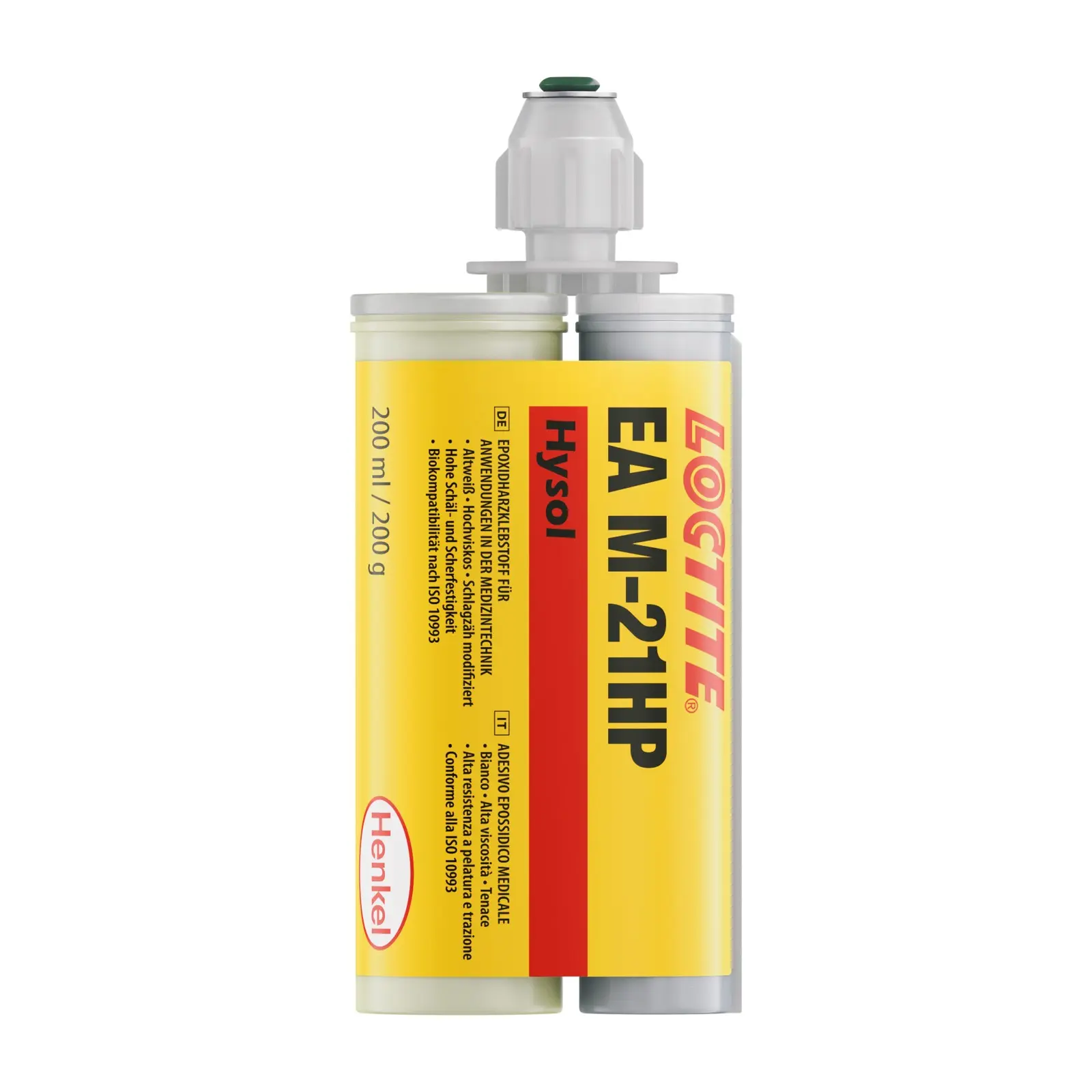
LOCTITE
Product code: EA M 21HP
Tough off-white 2-part epoxy with high peel and shear strength, for disposable medical devices and bonds on glass, plastics and metals.
LOCTITE
Product code: EA M 121HP
Non-sagging 2-part epoxy for disposable medical device assembly and low-stress joints that need high impact and peel strength.
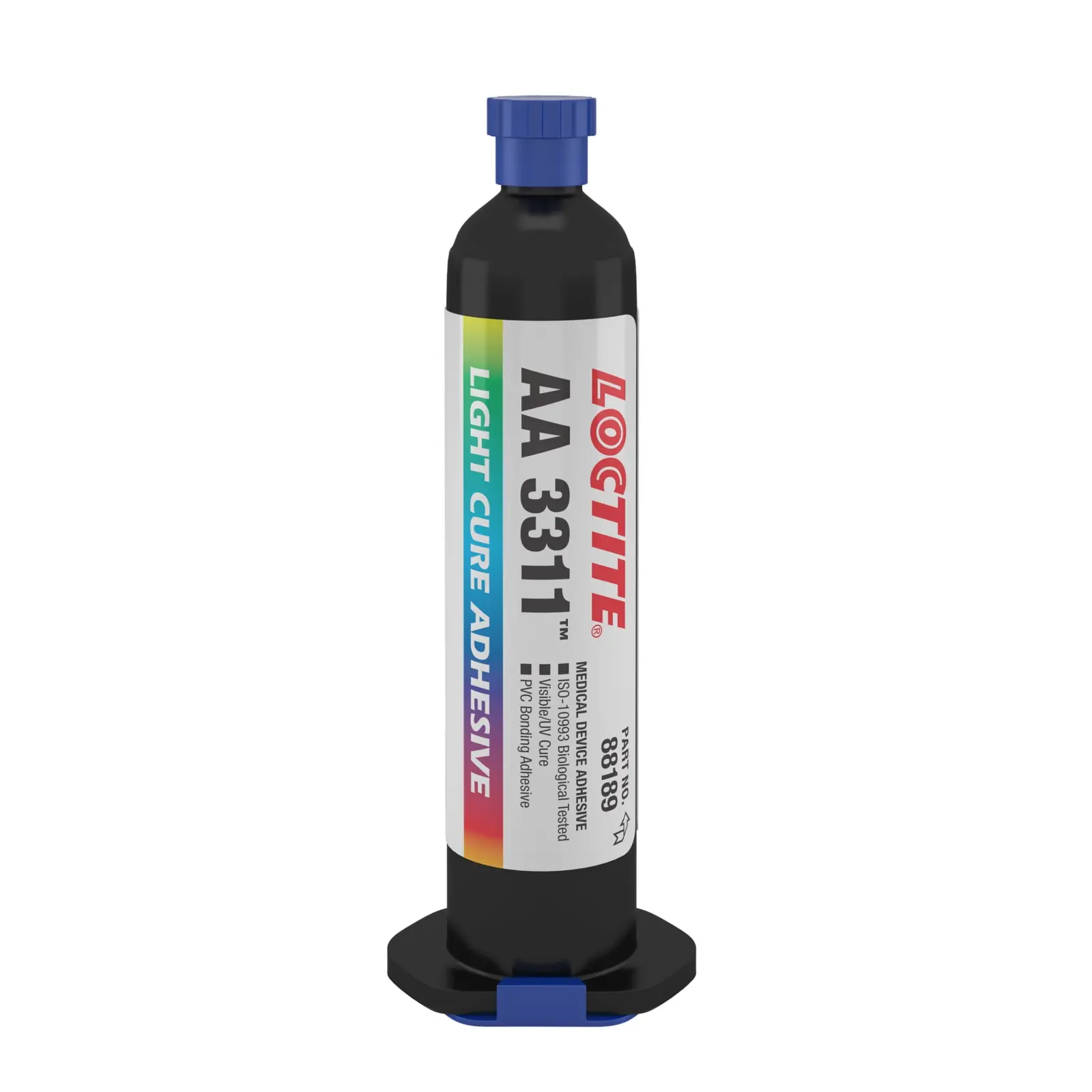
LOCTITE
Product code: AA 3311
One-part light-cure acrylic for small-gap PVC to polycarbonate joints, suitable for the assembly of disposable medical devices, without stress cracking at typical molded stress levels.
Protect and assemble control electronics used in demanding industrial environments.
Protect assembled PCBs from moisture and environmental exposure with suitable coating systems.
Seal enclosure joints and component interfaces with materials matched to the design.
Share the device type, material location, substrate materials and cleaning or operating conditions. ADVANCE can help review relevant material options and documentation, while the device manufacturer confirms regulatory suitability.
Not sure which product fits? Ask our assistant
Type the job, the material or a spec. It searches our published products and TDS values — no external AI.