
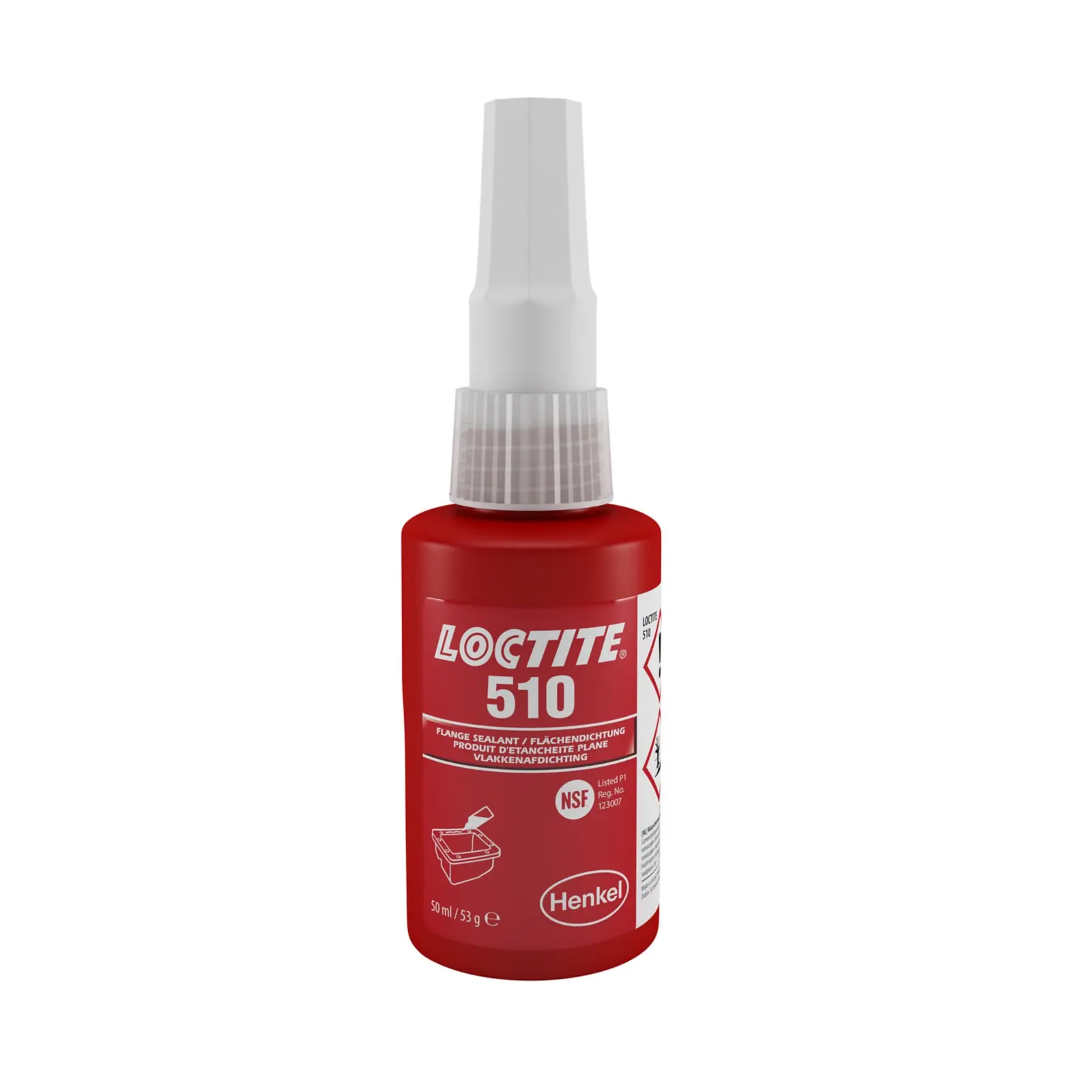
LOCTITE
LOCTITE 510
Product code: 510
High-temperature anaerobic flange sealant for rigid, close-fitting metal flanges such as transmissions and motor casings. Chemical-resistant, up to 200 °C.
A seal between two faces depends on the joint design, surface condition and clamping arrangement. Before changing a gasket or considering a liquid sealing method, identify the joint, the service conditions and the requirements of the original design.
Gasketing addresses leakage between two faces clamped together, such as a pipe flange, gearbox cover or pump housing. Thread sealing addresses leakage along a threaded connection. Fasteners on a flange joint may also need locking, but threadlocking and face sealing solve different problems.
A change from the specified gasket or sealing method should be reviewed as an engineering change. The gap, face condition, joint stiffness, the fluid or gas in contact and maintenance requirements all need to be considered.
The sealing method must match the geometry the designer intended. Scratched or warped faces, uneven surfaces or a joint that cannot maintain clamping force may leave a leak path. Inspect the actual components and compare them with the drawing before selecting a sealing material.
State the fluid or gas, pressure and temperature for the actual duty. Oil, coolant, water and process chemicals can present different compatibility requirements. Thermal cycling, vibration and repeated maintenance can also affect the joint over time.
A pre-formed gasket is a separate part placed between two faces. A formed-in-place or liquid gasket is applied to the joint and takes its shape as the components are assembled. The correct approach depends on the original design, gap, surface condition, clamping and service requirements.
Keep the specified gasket in place unless an engineering review supports a change, and do not treat an unrelated adhesive as a direct replacement.
Cleanliness, surface condition and assembly sequence all affect the seal. Remove old residue only with a method that is suitable for the component and the specified procedure. Keep the faces aligned and follow the required tightening sequence and clamping instructions for the joint.
Flange sealants and formed-in-place gasket products are not yet listed on this website. Send the joint details and service conditions and we will suggest grades we can supply.
LOCTITE
Product code: 510
High-temperature anaerobic flange sealant for rigid, close-fitting metal flanges such as transmissions and motor casings. Chemical-resistant, up to 200 °C.
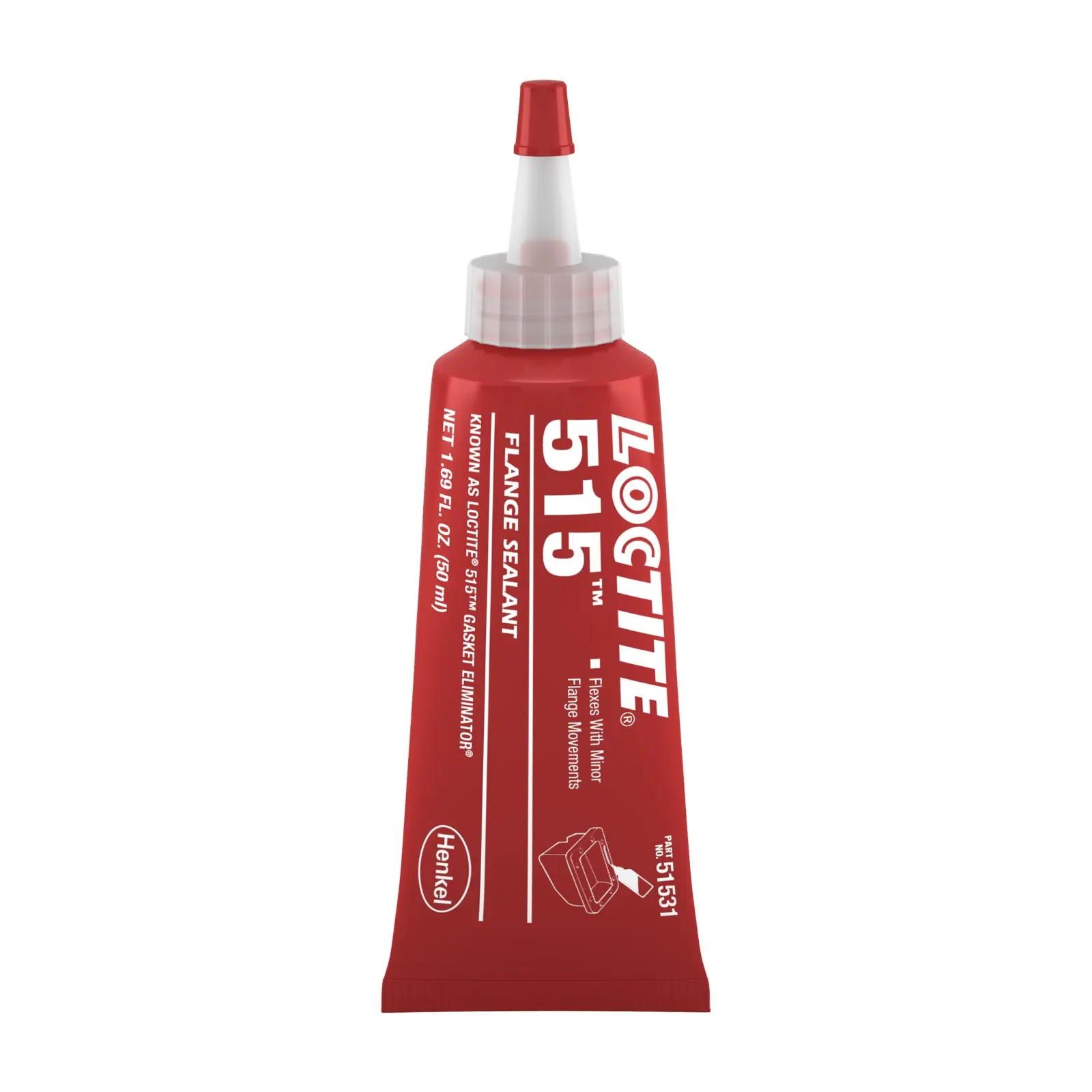
LOCTITE
Product code: 515
Dark purple anaerobic flange sealant used as a gasket formed in place on pumps, compressors and transmission housings. It flexes with minor flange movement.
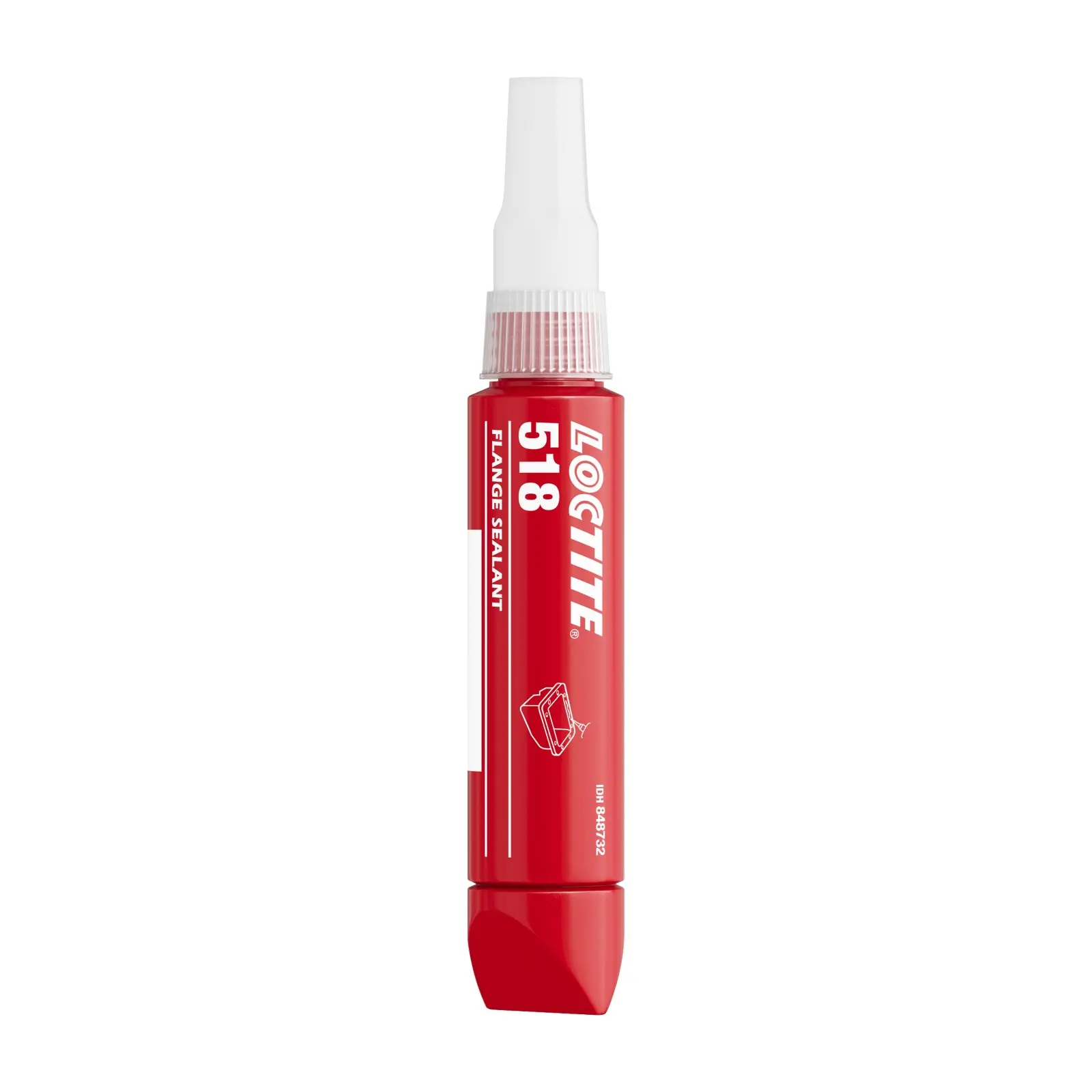
LOCTITE
Product code: 518
Red gel flange sealant for gearbox and engine casings. Works on steel and low-copper aluminum, tolerates minor oil contamination and fills gaps to 0.25 mm.
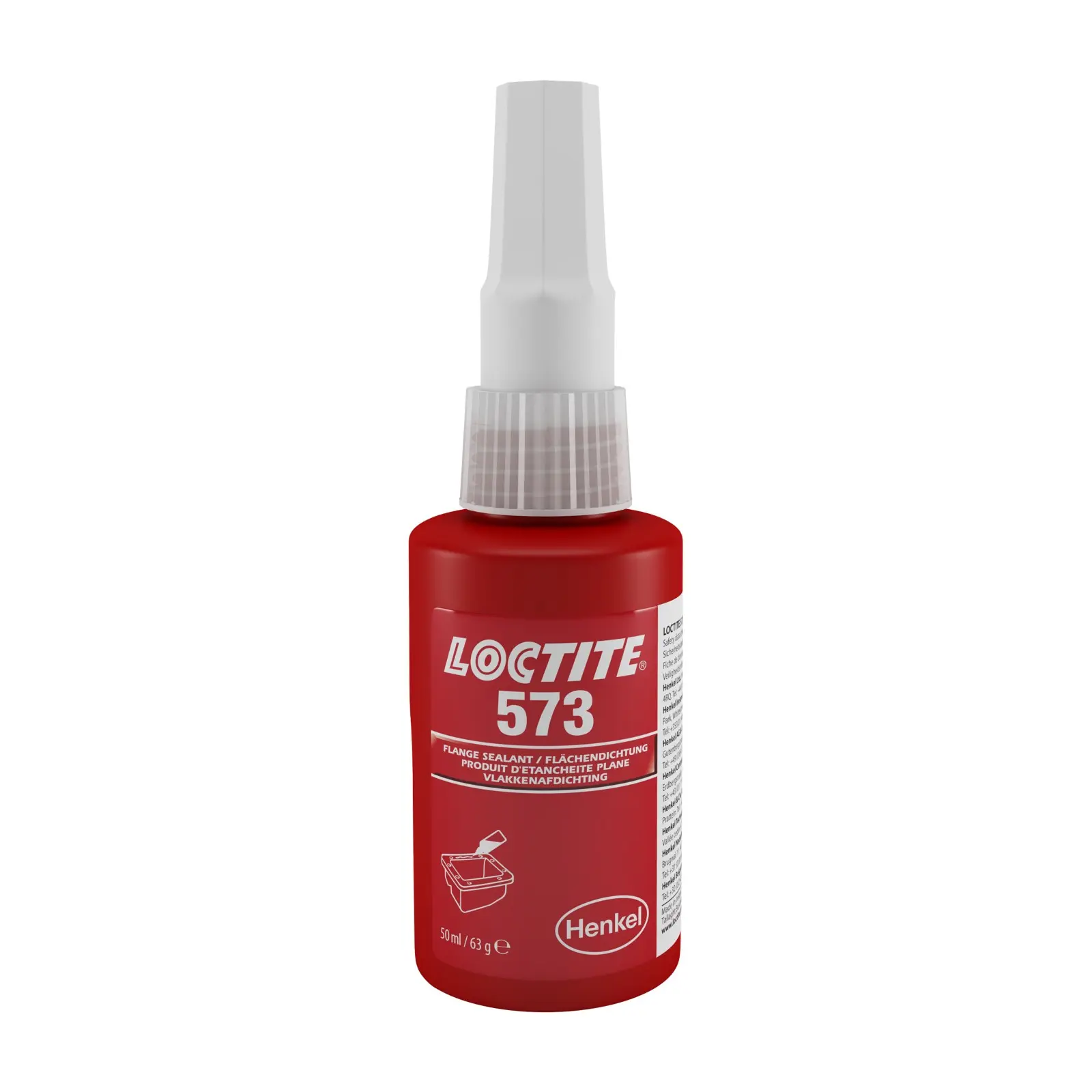
LOCTITE
Product code: 573
Slow-curing green flange sealant for large rigid metal flanges, gearbox and engine casings, where assembly can take several hours.
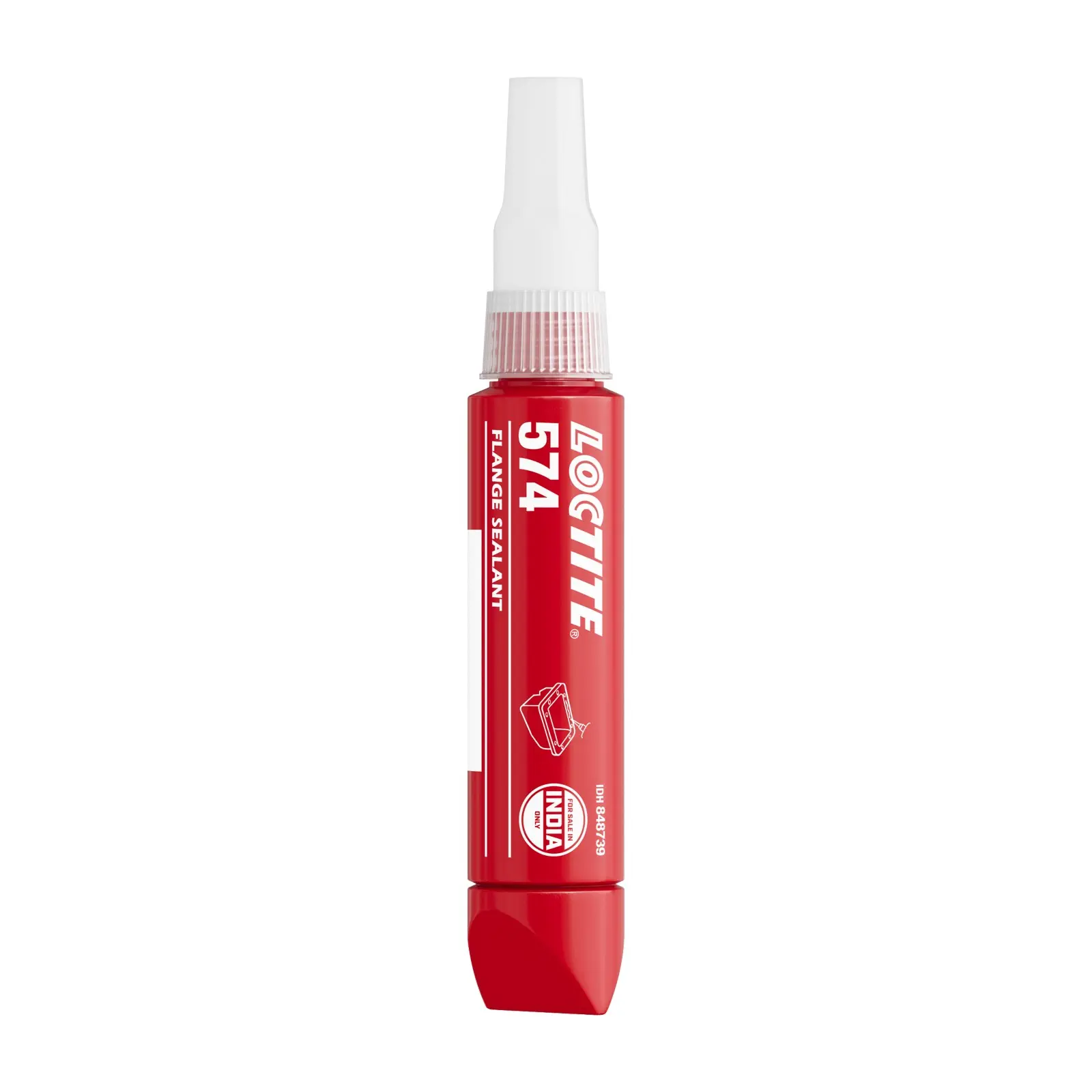
LOCTITE
Product code: 574
Orange general-purpose flange sealant for gearbox and engine casings, cast iron parts and pump housings. Seals low pressure at once and resists oil, water and glycol.
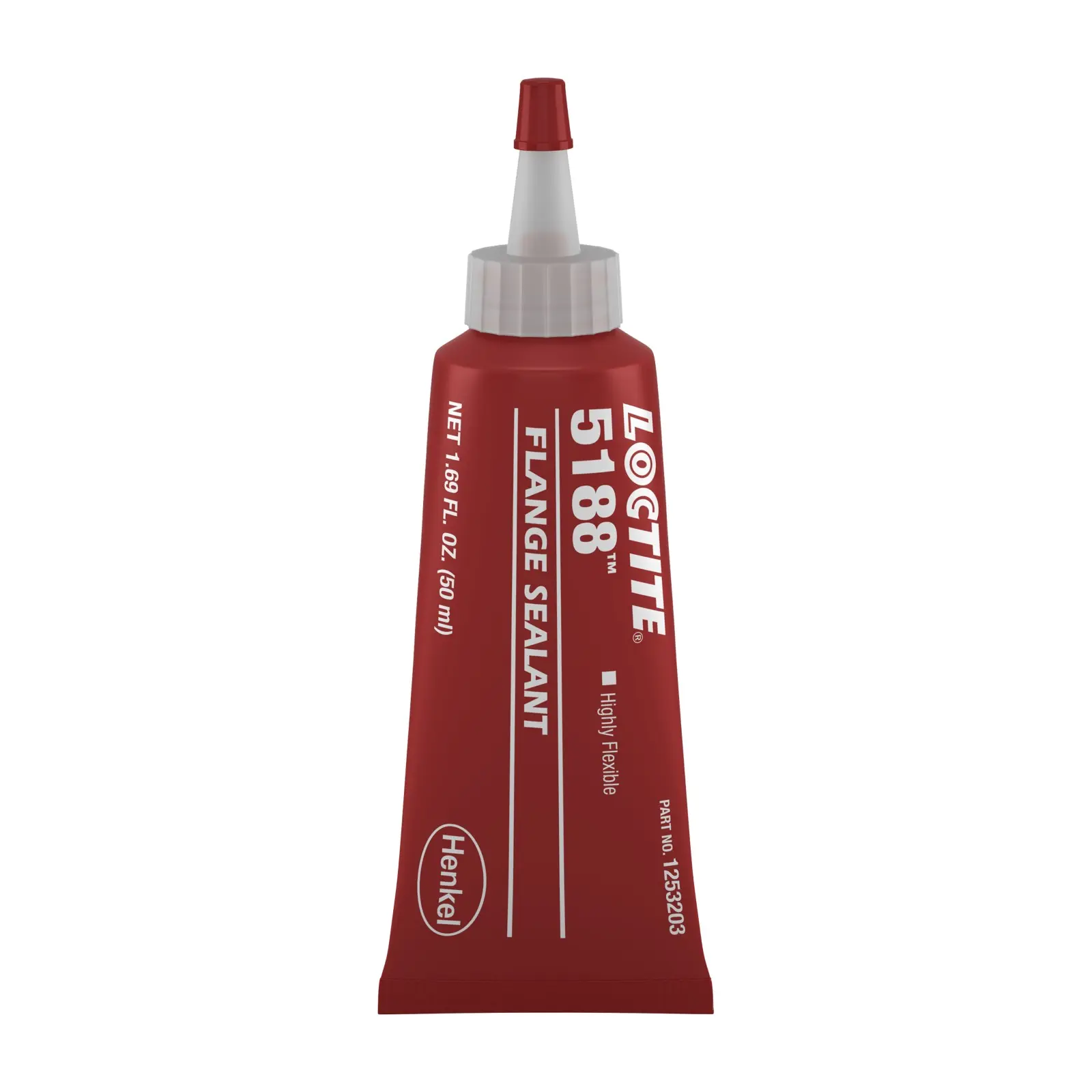
LOCTITE
Product code: 5188
Highly flexible red gasket sealant for gearboxes and engine casings, especially aluminum flanges and flanges with minor oil contamination. Seals low pressure at once.
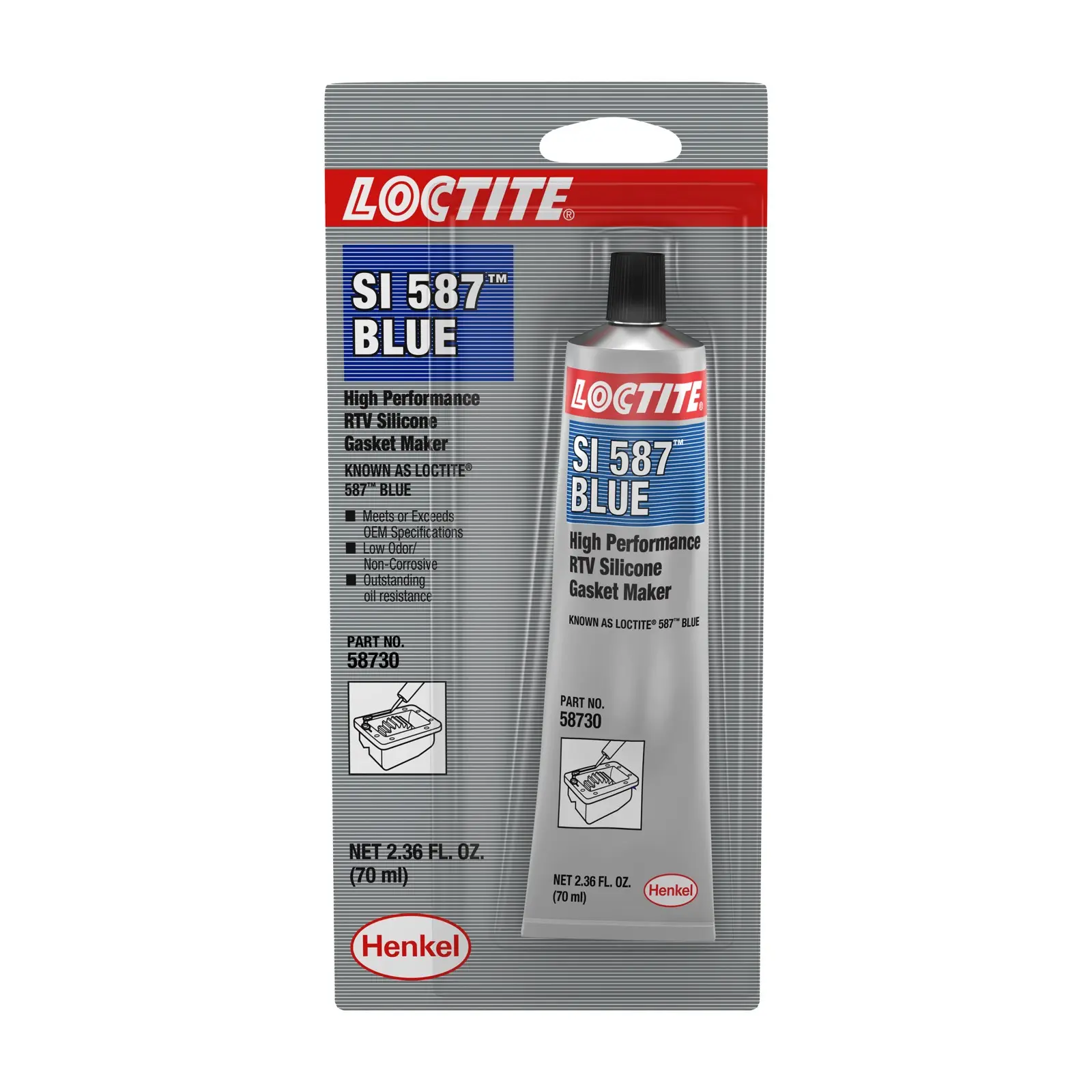
LOCTITE
Product code: SI 587
Metallic blue RTV silicone that replaces or dresses gaskets on valve covers, oil pans and water pumps. Resists engine oil and is typically used up to 260 °C.
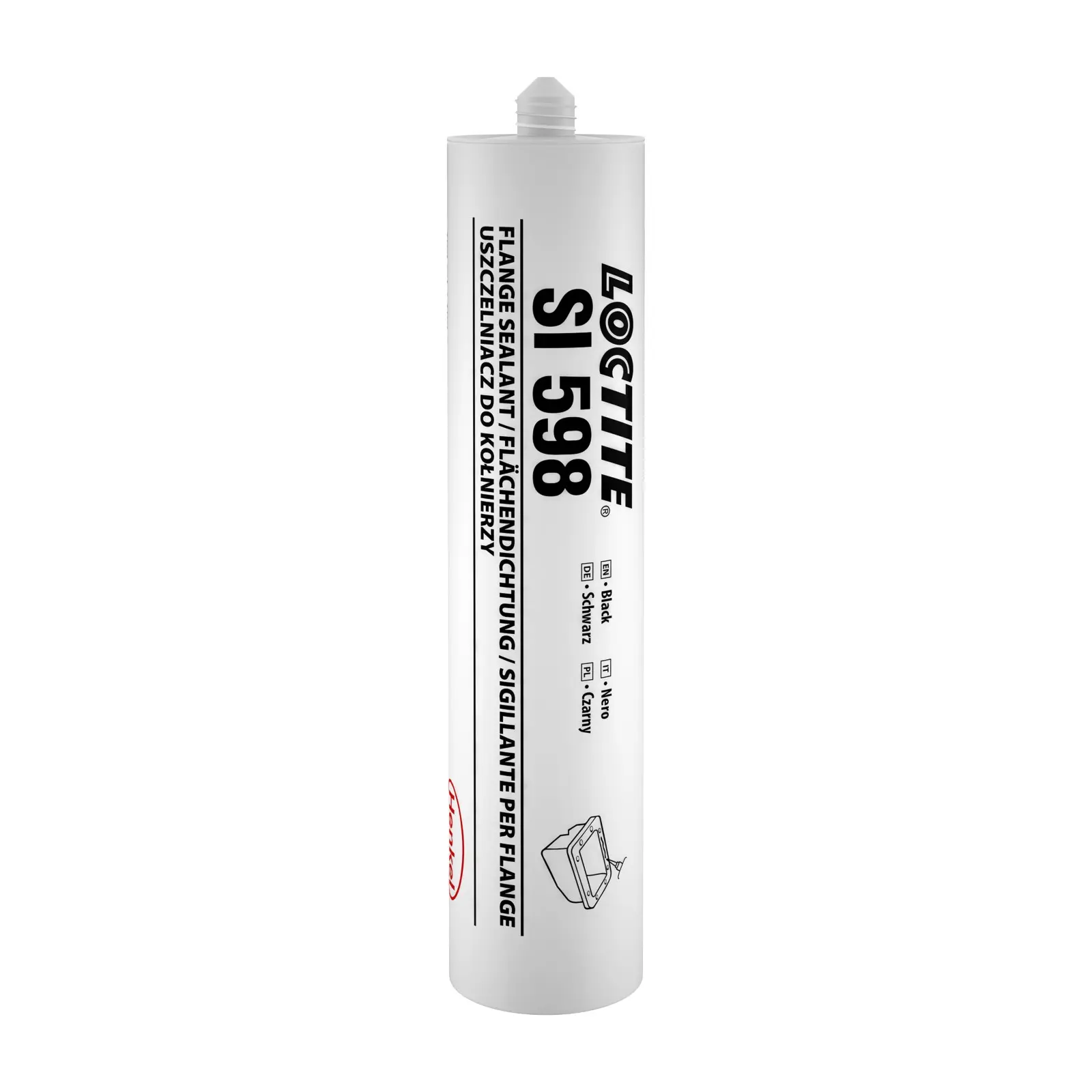
LOCTITE
Product code: SI 598
Metallic black RTV silicone that replaces or dresses gaskets on oil pans, valve covers and differential covers. Resists motor oil, from -54 °C to 260 °C.
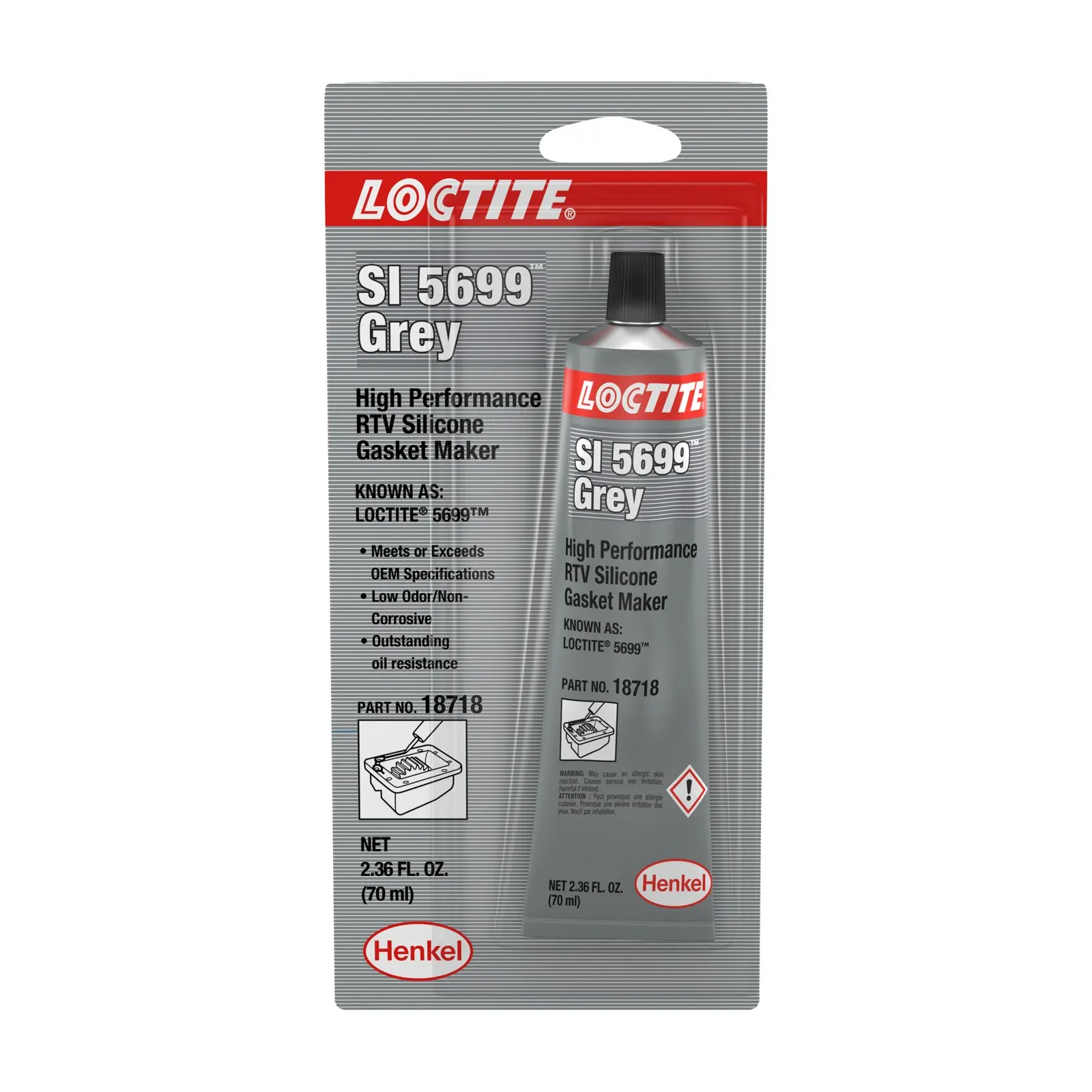
LOCTITE
Product code: SI 5699
Grey moisture-curing silicone for flange sealing with strong oil resistance, such as transmissions and cast metal housings. Also resists water and glycol.
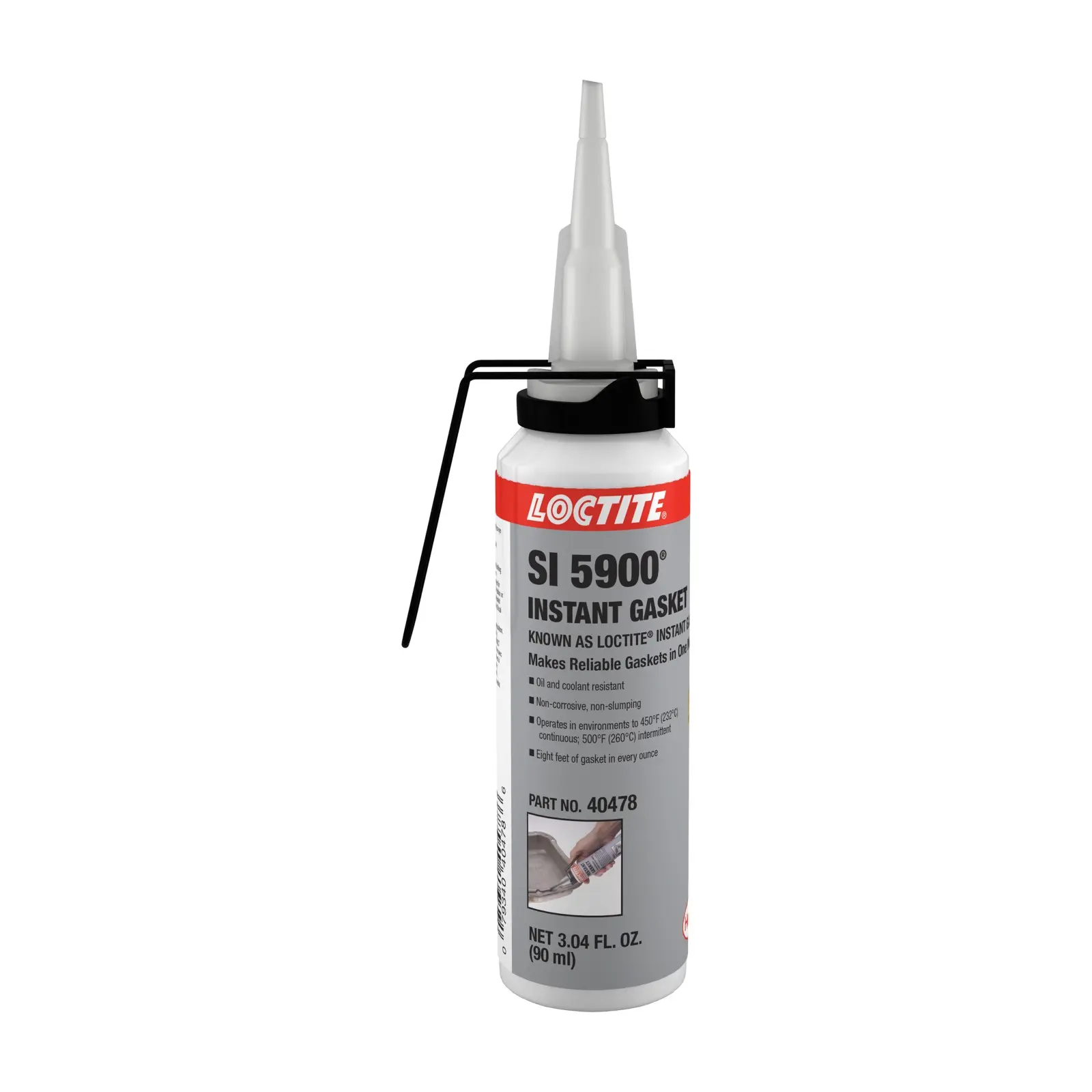
LOCTITE
Product code: SI 5900
Black heavy-bodied silicone for stamped covers such as timing covers and oil sumps. Withstands low-pressure line tests before cure and resists oil and joint movement.
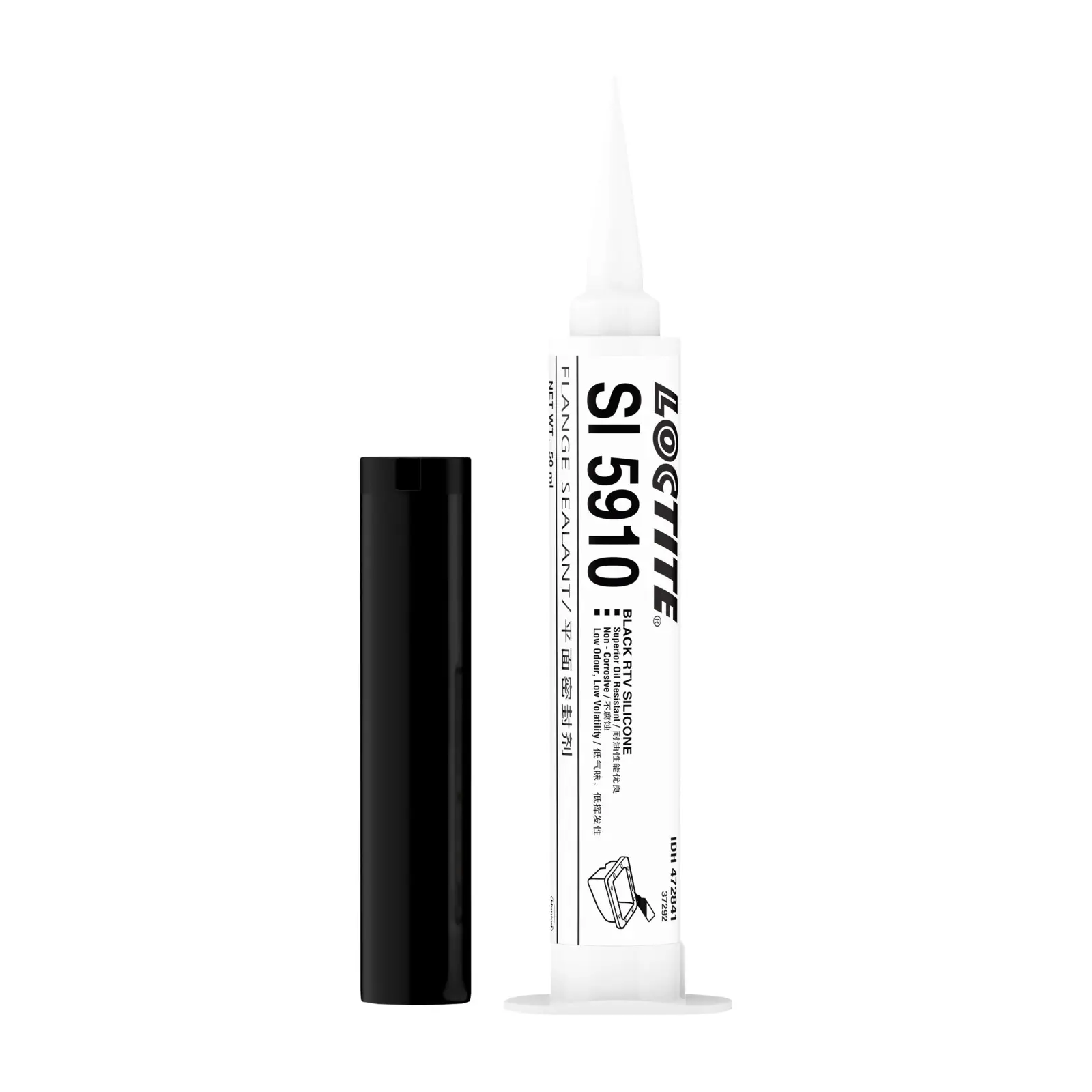
LOCTITE
Product code: SI 5910
Black fast-setting silicone for flexible flanges on stamped timing covers and oil sumps. Resists engine oil and high joint movement, with gap fill to 2.75 mm.
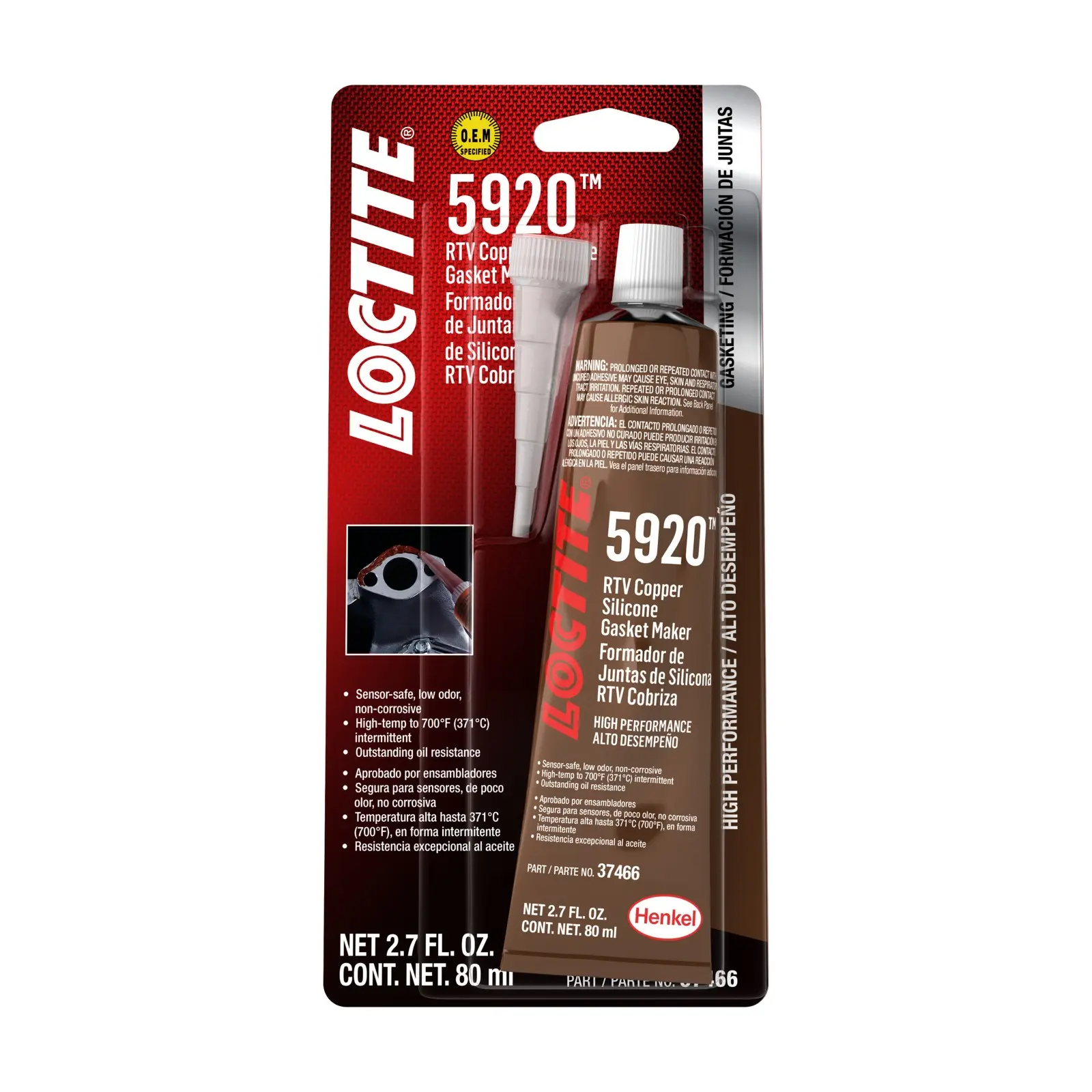
LOCTITE
Product code: SI 5920
Copper-colored silicone for gasketing and sealing up to 350 °C, including flexible flanges. Cures with moisture, is non-corrosive and insulates electrically.
Review factors that influence adhesive bonding in production assemblies.
Understand products used to help resist fastener loosening.
Learn how sealing a threaded connection differs from sealing a flange face.
Adhesives for SMD assembly, wire tacking and heat-sink bonding.
Include the joint type, surface condition, gap, fluid or gas, pressure, temperature and clamping arrangement. We will check which grades could be considered as an alternative to the existing gasket.
Not sure which product fits? Ask our assistant
Type the job, the material or a spec. It searches our published products and TDS values — no external AI.