
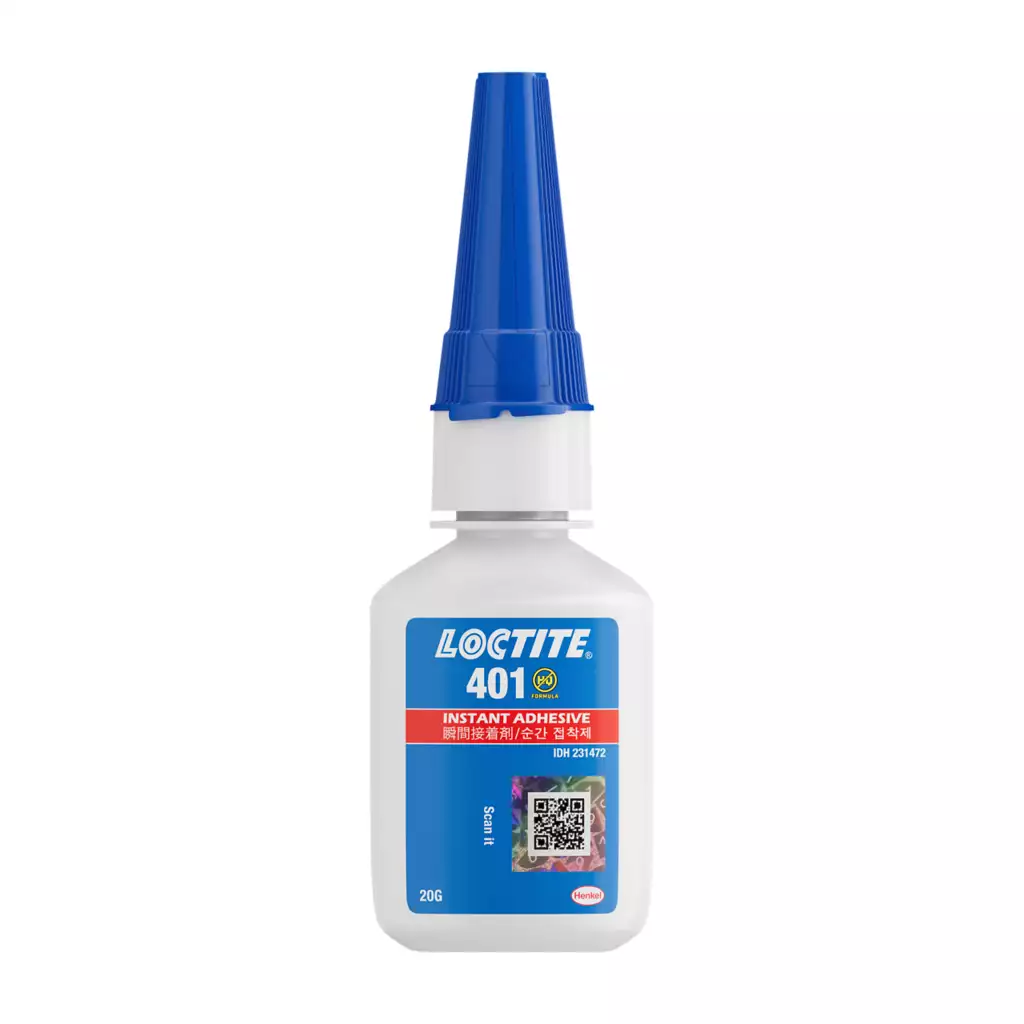
LOCTITE
LOCTITE 401
Product code: 401
LOCTITE 401 is a general-purpose instant adhesive for fast assembly of close-fitting parts and repairs on metals, plastics, rubber and porous materials.
A reliable bond starts with understanding the joint, not choosing a bottle first. Material compatibility, surface preparation, bond-line geometry and production conditions all affect the result. Use this guide to prepare the information needed to shortlist an adhesive.
When a bonded joint fails, start by identifying how it failed and where the separation occurred. The cause may be the material, the surface, the joint design or the production process—not necessarily the adhesive strength alone.
Materials such as metals, plastics, elastomers and coated parts behave differently. Oil, dust, release agents or an unsuitable cleaning method can also prevent the adhesive from bonding to the intended surface. A process that works on a clean prototype may give different results on production parts with different finishes or contamination.
Record the failure mode, both materials, the surface condition and the process step where the problem first appears. Those details are a better starting point than simply asking for a stronger adhesive.
Compare the real joint and production process with the instructions for each candidate product. These checks help build a useful shortlist.
Identify both materials, including grade, coating, filler and surface treatment. “Metal” or “plastic” alone may not be specific enough.
Note oil, dust, moisture, release agents and existing coatings. Use a preparation method that is allowed by the product instructions and safe for the substrate.
Record the overlap, gap and expected bond-line thickness. A close-fitting joint and a gap-filling joint may call for different products.
Identify whether the joint sees shear, tension, peel, cleavage, compression, impact or repeated loading. The joint design should distribute these forces appropriately.
These are different stages: how long the adhesive remains workable, when the parts can be handled, and when the product reaches the cure condition specified in its documentation. Check the times for the selected product and process.
Products cure through different mechanisms, such as moisture, confinement without air, two-part mixing, an activator, heat or light. The mechanism decides the equipment and process conditions the line must provide.
Consider manual application or automated dispensing, cycle time, fixturing and how parts move between stations. The process must be able to provide the conditions the product requires.
Record temperature, moisture, vibration and any oils, cleaners or process fluids that may contact the joint.
Decide whether the joint is permanent or must be opened during service. Include the available tools and access for maintenance.
Check the product's storage, shelf-life and handling instructions in its current documentation, and identify any customer or regulatory requirements that apply.
Often considered for close-fitting parts where a thin bond line and quick handling are important. The materials, gap and surface condition still determine which product is suitable.
Structural acrylics such as LOCTITE AA 331 are used for metal bonding in DC motors, magnets and pre-coated sheet metal. AA 331 is a one-part paste that needs no mixing, but it cures only with Activator SF 7387 applied to one surface. Check the joint design and the TDS before selecting it.
LOCTITE 3609 is a heat-cure epoxy that holds SMD components on circuit boards before wave soldering. See the Electronics and Precision Assembly page for this and other electronics adhesives.
Use the same set of facts across engineering, production and supplier discussions. For a new joint or a changed material or process, plan a trial on representative parts before releasing the method.
If some details are not yet known, mark them as unknown. This helps identify what needs to be confirmed before a product is selected.
LOCTITE
Product code: 401
LOCTITE 401 is a general-purpose instant adhesive for fast assembly of close-fitting parts and repairs on metals, plastics, rubber and porous materials.
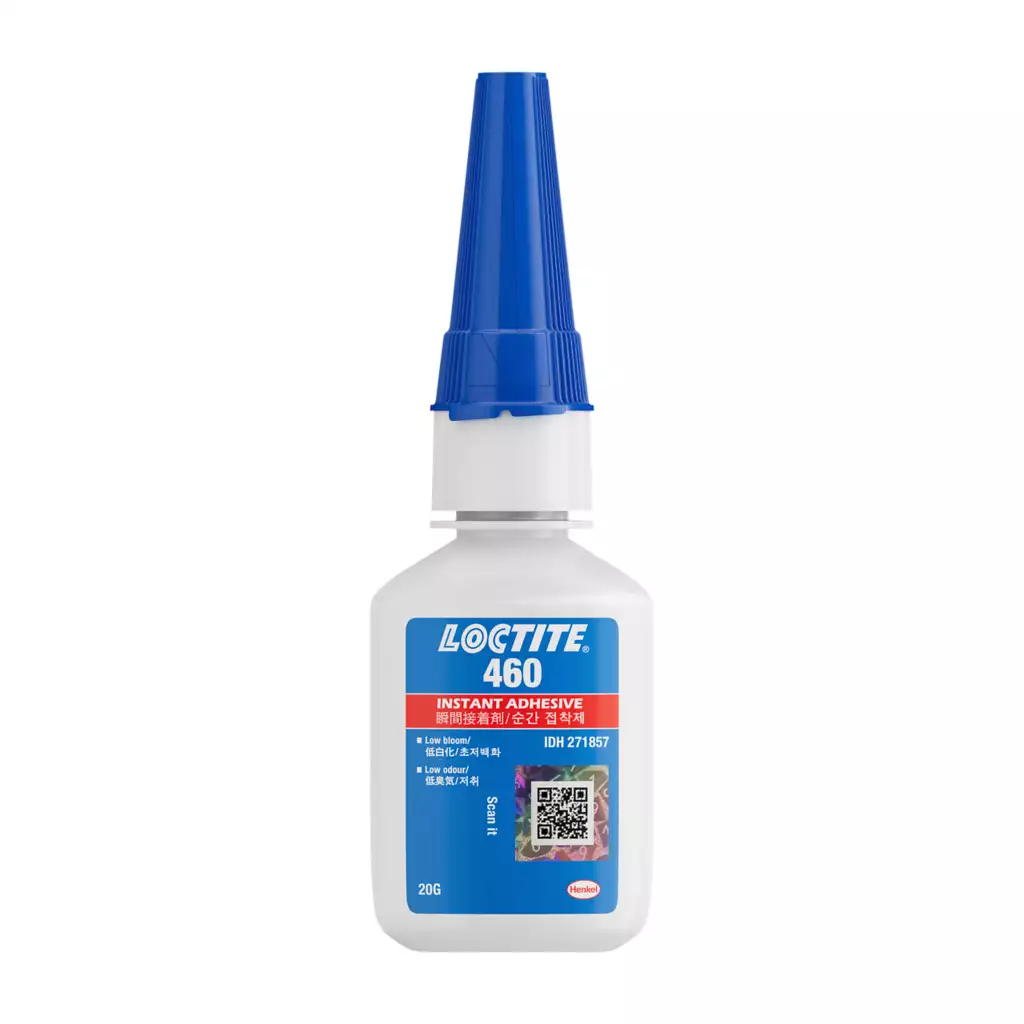
LOCTITE
Product code: 460
LOCTITE 460 is a low-odor, low-bloom, low-viscosity instant adhesive for close-fitting parts where fumes or surface haze are a concern and vapor control is difficult.
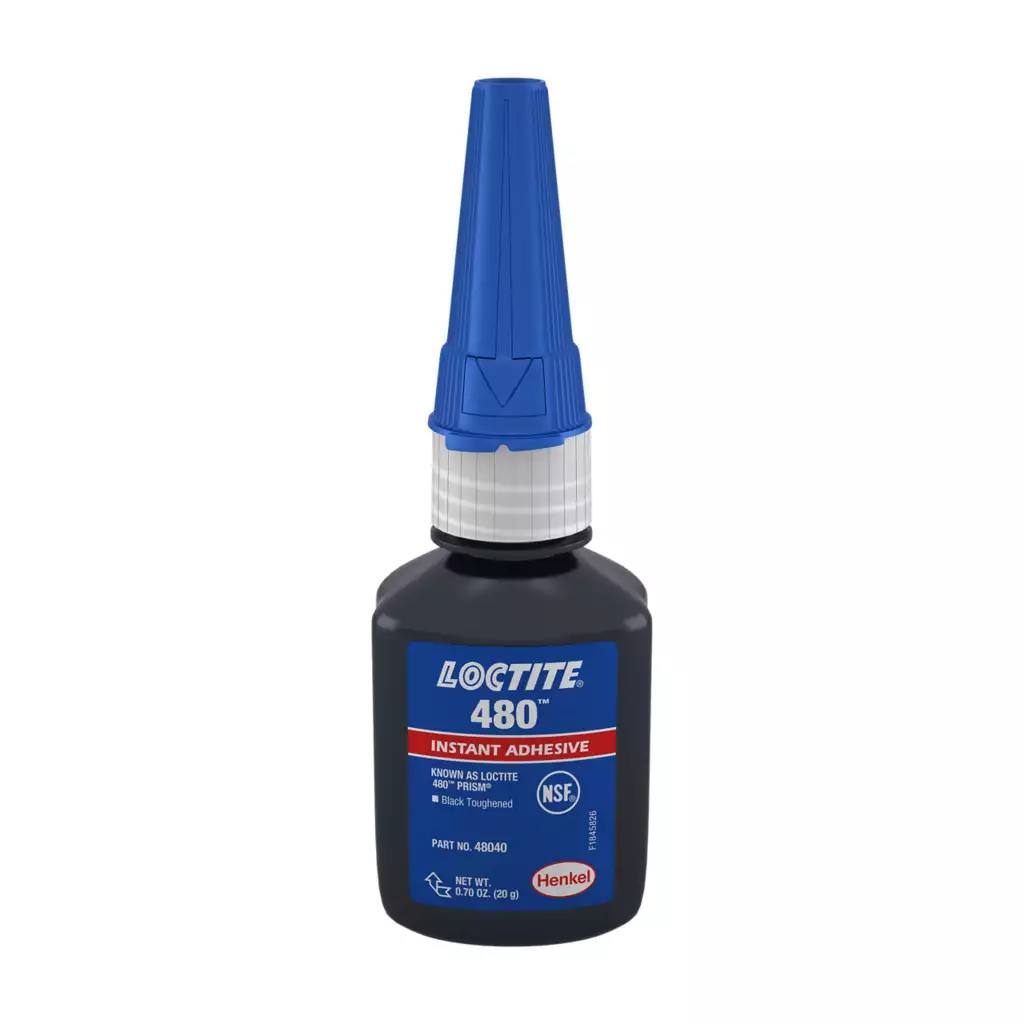
LOCTITE
Product code: 480
LOCTITE 480 is a black, rubber-toughened instant adhesive for close-fitting parts that face shock or peel loads, with added flexibility on metals, plastics and rubbers.
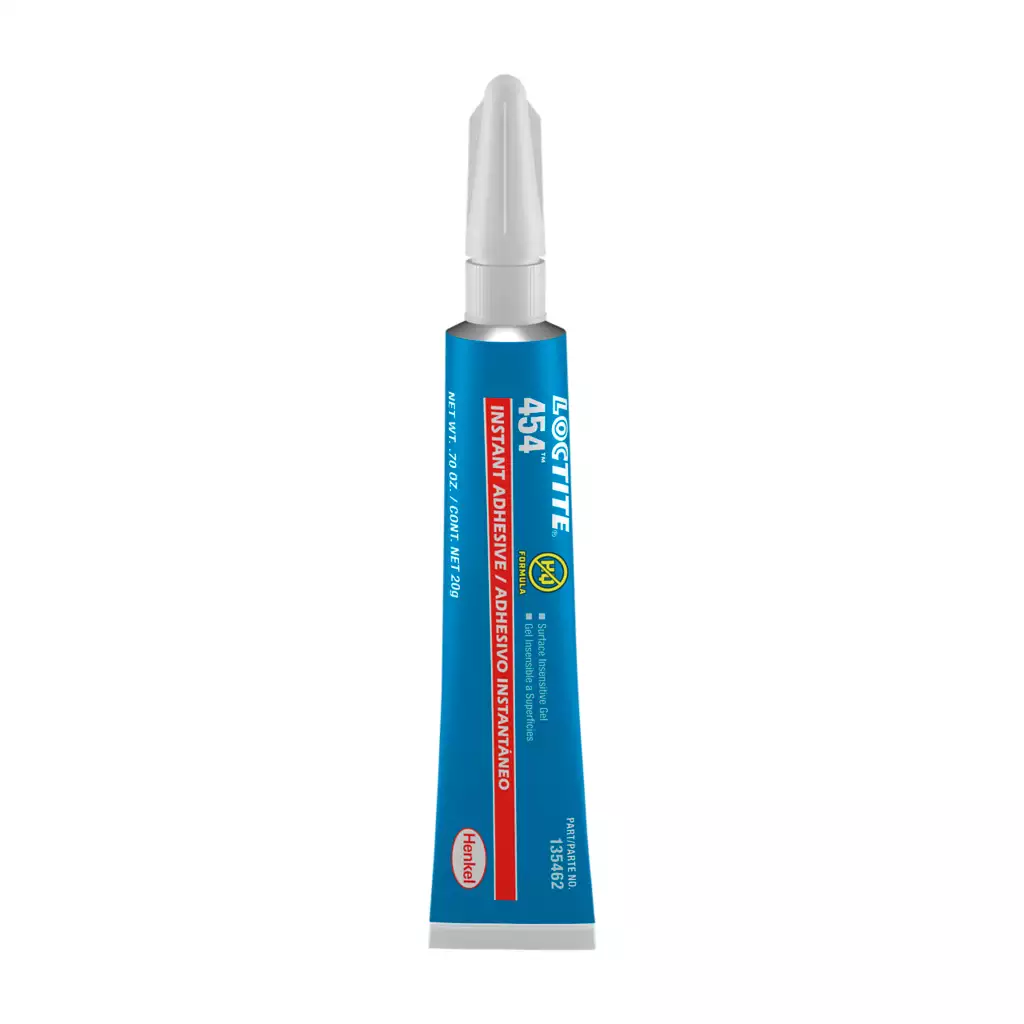
LOCTITE
Product code: 454
LOCTITE 454 is a cyanoacrylate gel for vertical and overhead bonding, large gaps and quick repairs on metals, plastics, elastomers and porous materials.
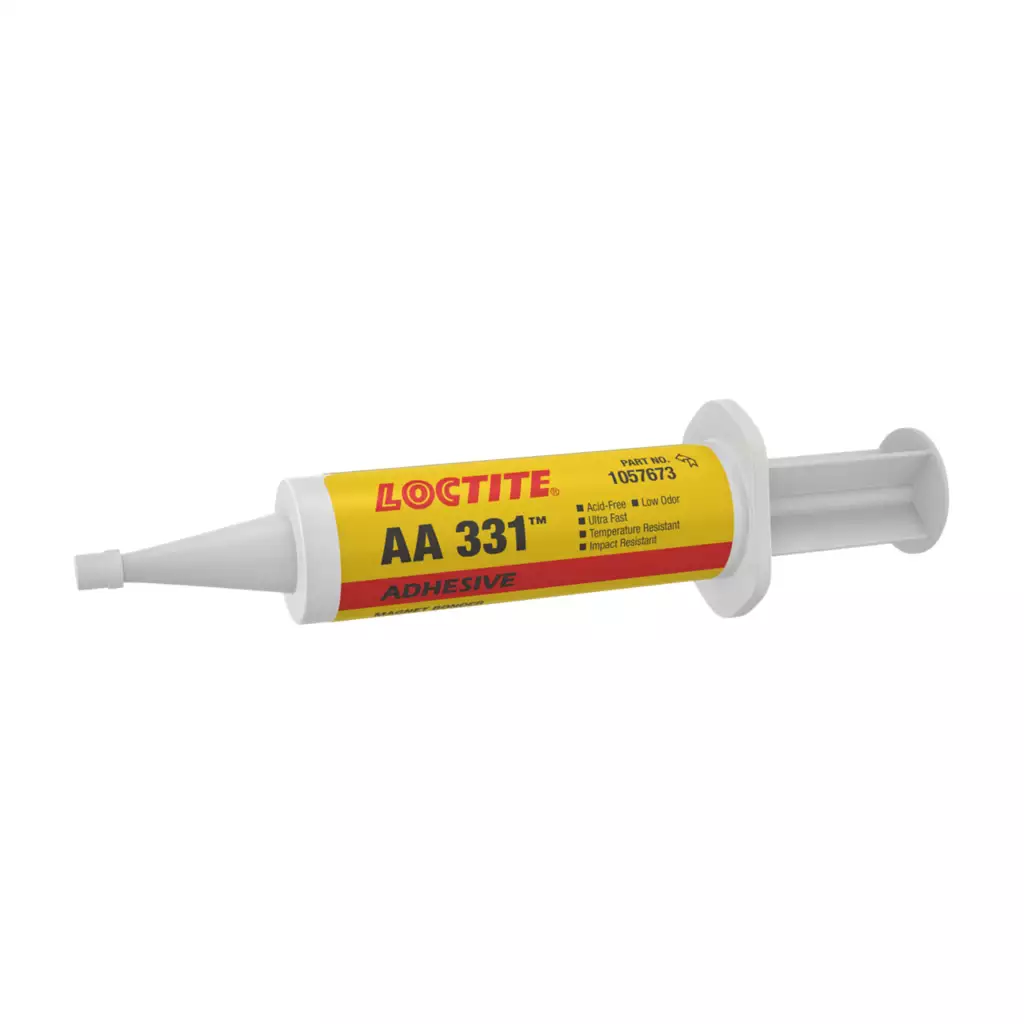
LOCTITE
Product code: AA 331
LOCTITE AA 331 is a toughened, medium-viscosity acrylic paste used with LOCTITE SF 7387 activator for metal bonding in DC motors, magnets and pre-coated sheet metal.
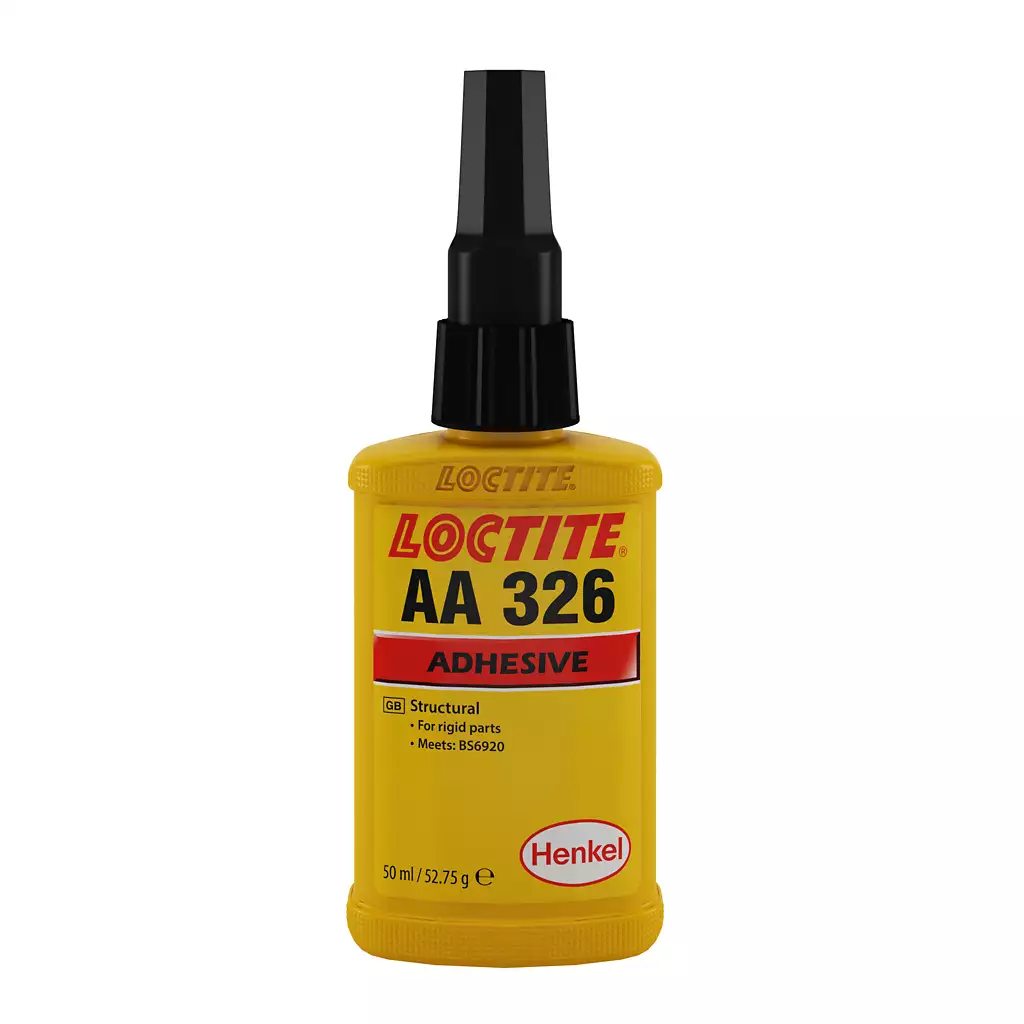
LOCTITE
Product code: AA 326
LOCTITE AA 326 is a high-viscosity structural acrylic used with LOCTITE SF 7649 activator for fast metal bonding, such as ferrites on plated parts in electric motors.
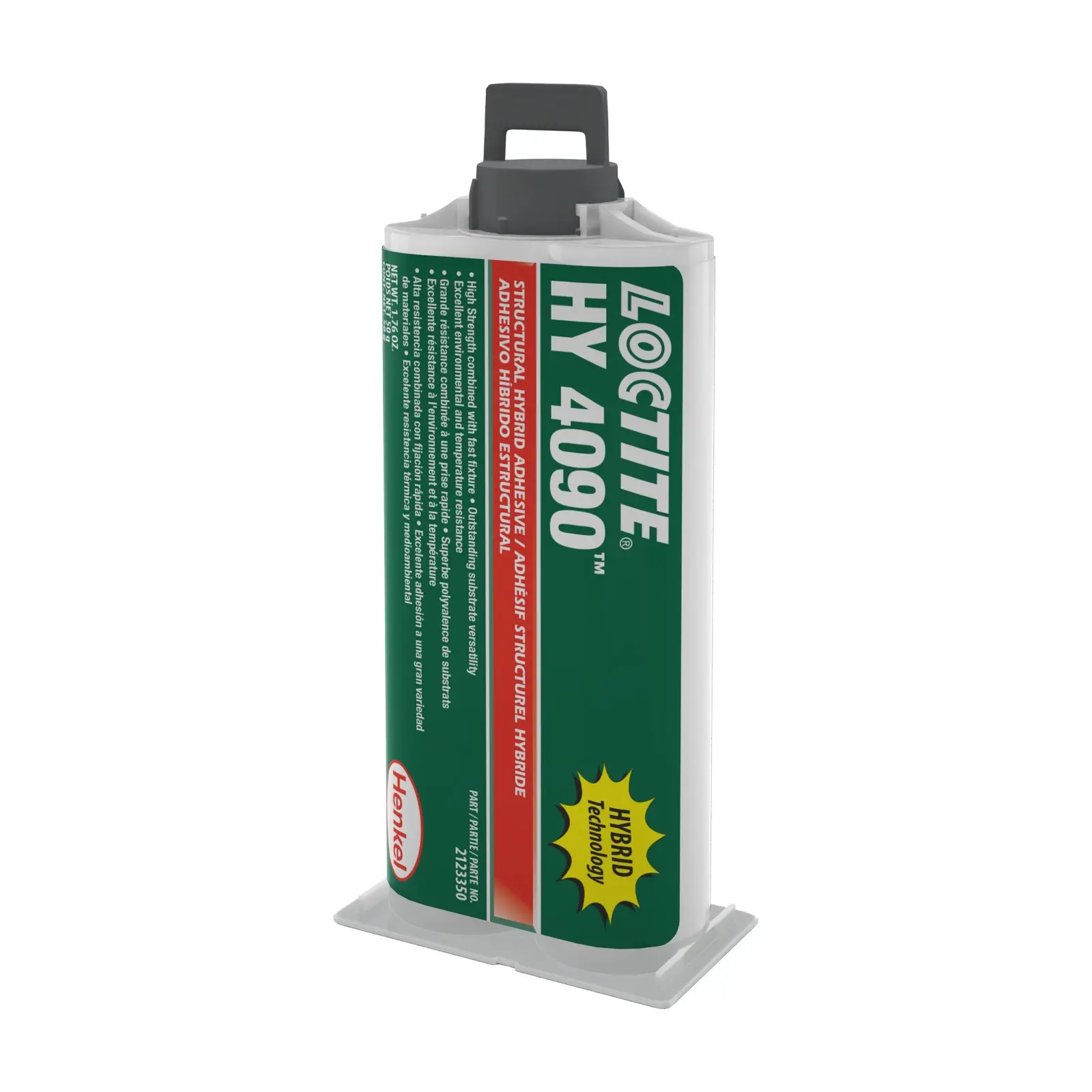
LOCTITE
Product code: HY 4090
Two-part cyanoacrylate and epoxy hybrid gel with very fast fixture, for metals, most plastics and rubbers in hot, humid environments.
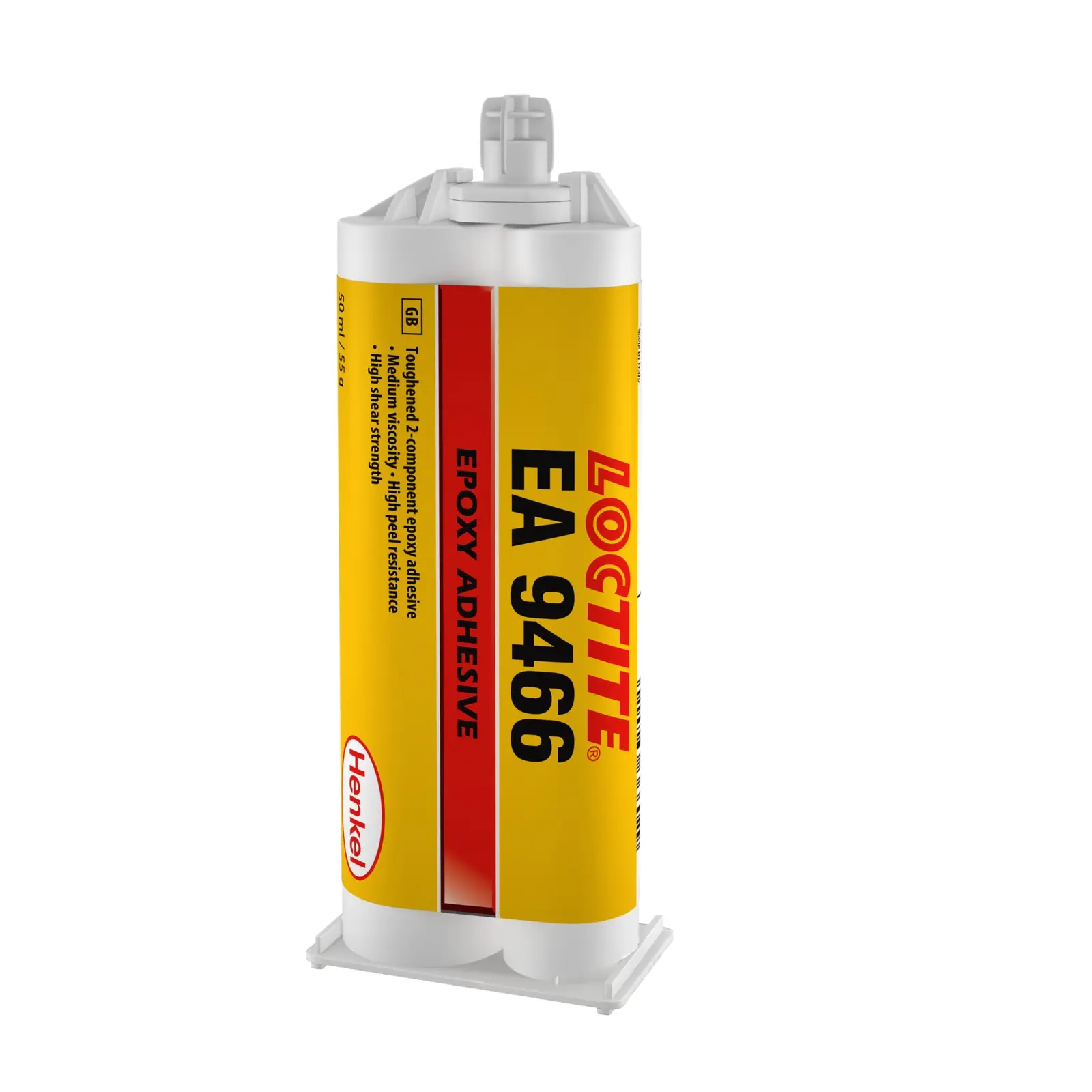
LOCTITE
Product code: EA 9466
Two-part toughened epoxy with extended work life for assemblies where parts need adjusting. Off-white bond with 37 N/mm² on grit blasted steel.
LOCTITE
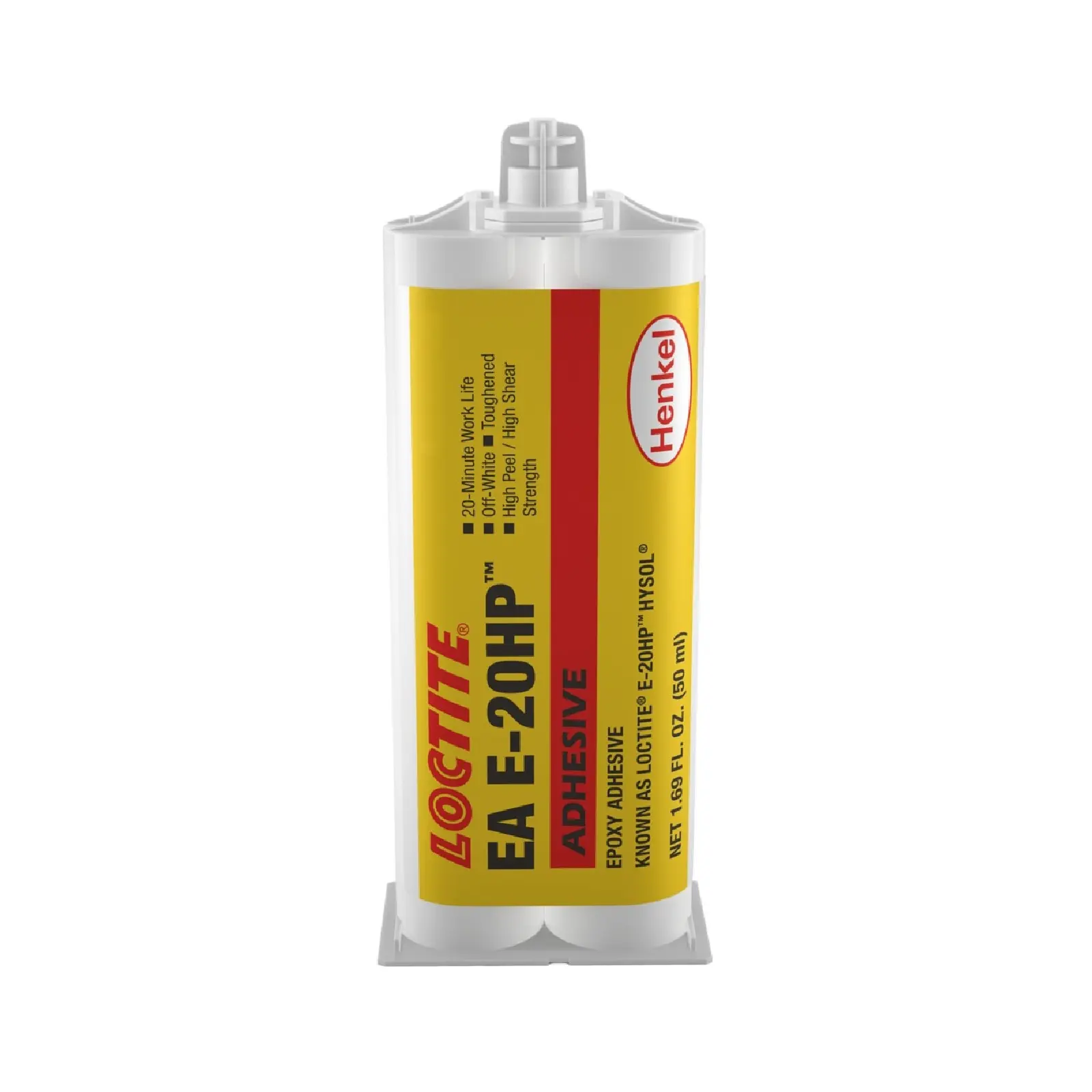
Product code: EA E-20HP
Toughened 2-part epoxy for industrial bonding of metals, plastics, magnets and dry concrete, with high peel strength and 22.6 N/mm² on grit-blasted mild steel.
LOCTITE
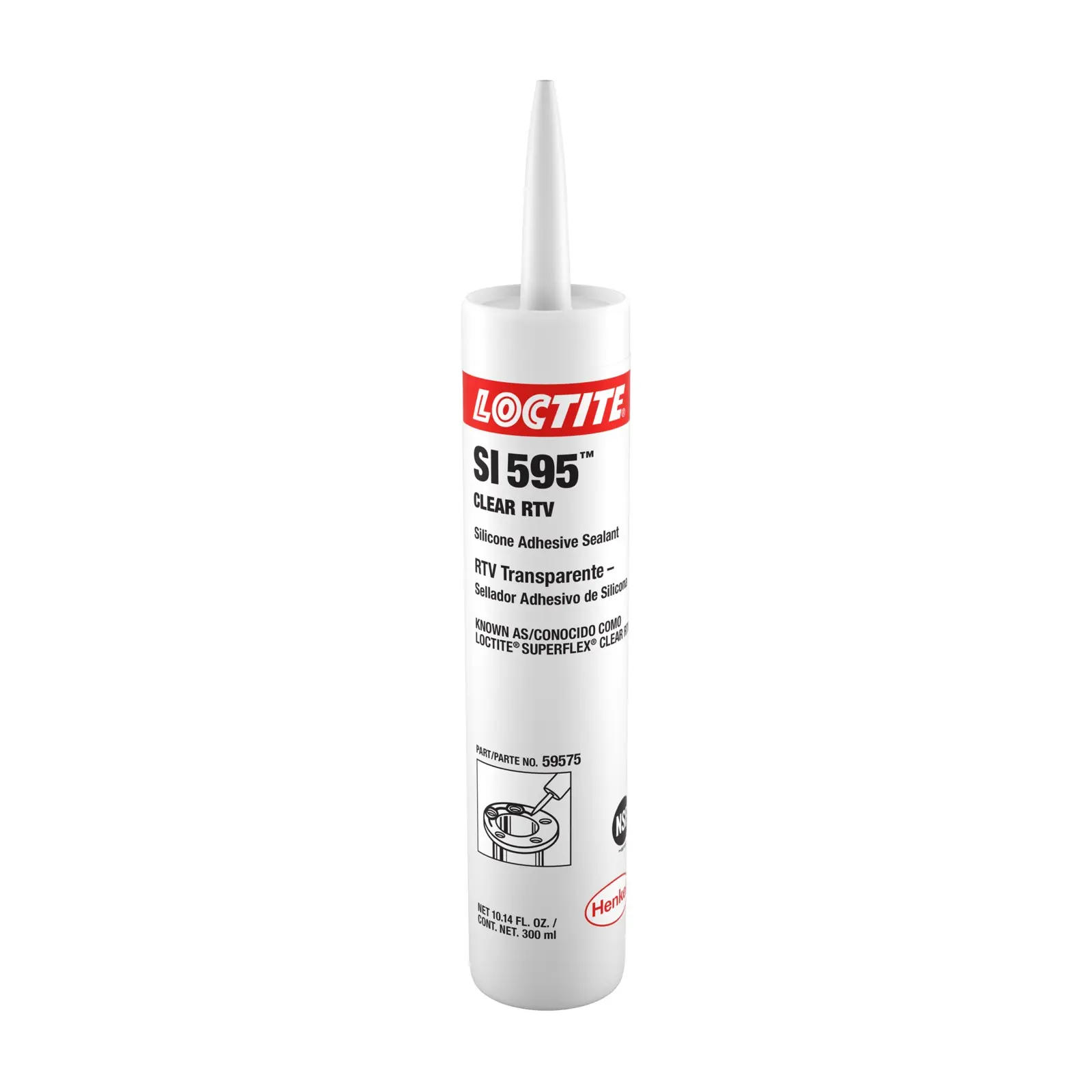
Product code: SI 595
Clear one-part RTV silicone for sealing and flexible bonding on mechanical assemblies. Thixotropic Paste that will not slump, for use up to 204 °C.
Choose by job, materials, gap, removability and process.
How to clean, degrease, abrade and prime common substrates before bonding.
Turn a bench result into a repeatable line method.
Tell adhesive, cohesive and substrate failure apart, and what to change.
Reduce the risk of threaded fasteners loosening in service.
Understand threaded connections and the information needed to assess leakage.
Learn what to consider when sealing flanges and mating surfaces.
Adhesives for SMD assembly, wire tacking and heat-sink bonding.
Include the materials, surface condition, joint dimensions, loads, service environment and production process. You can review the listed adhesives first or send these details with a request for quotation.
Not sure which product fits? Ask our assistant
Type the job, the material or a spec. It searches our published products and TDS values — no external AI.