
LOCTITE
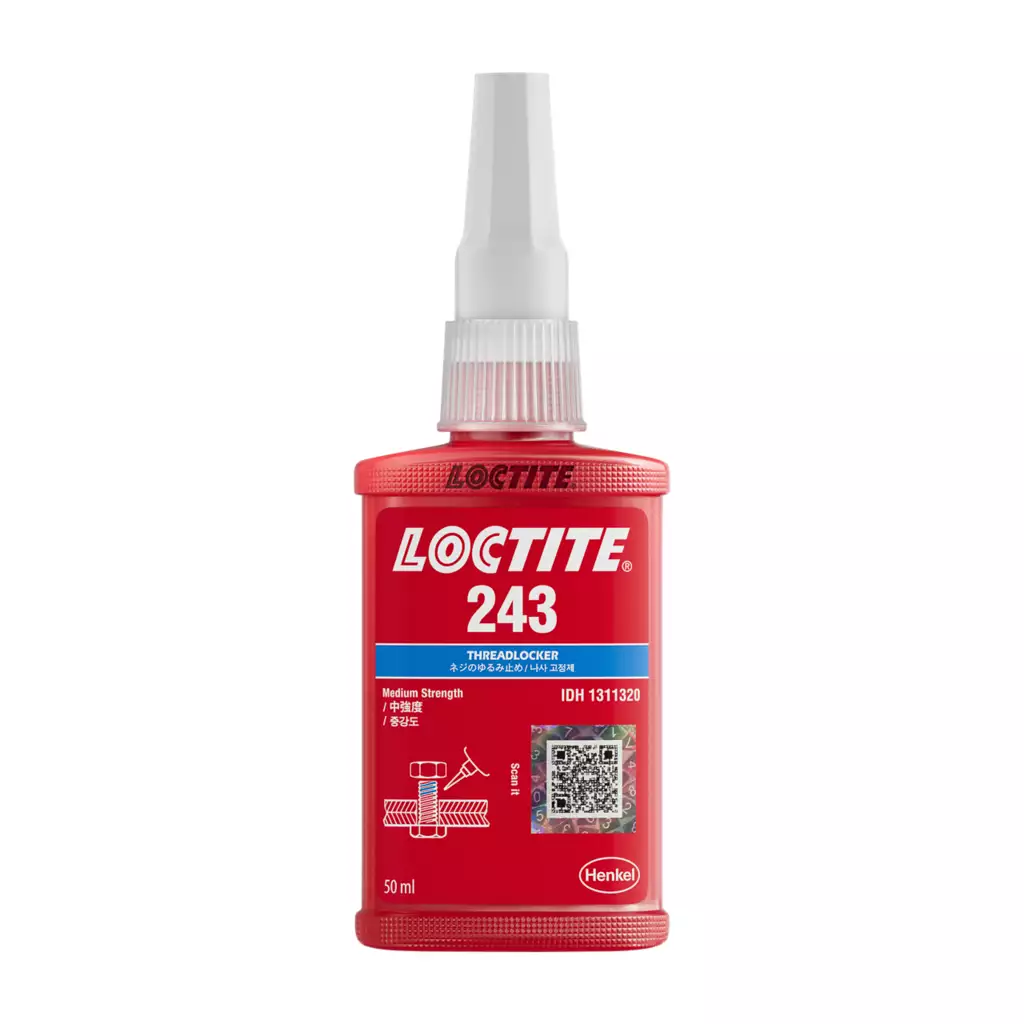
LOCTITE 243
Product code: 243
Blue medium-strength threadlocker for pumps, gearboxes and motors that works on passive metals and tolerates minor oil contamination.
Technical guide
An adhesive is chosen by the job, the materials, the joint and the process, in that order. This guide walks through the five questions ADVANCE asks before recommending a product, and maps each answer to the adhesive families in the LOCTITE catalog we stock.
Most wrong adhesive choices begin with a product that is already on the shelf. It then gets asked to do a job it was never designed for: a threadlocker used to fill a gap, an instant adhesive on an unprimed polyolefin, a silicone where a structural load is expected. Selection works the other way round: define the job, the materials, the joint and the process first, and the product falls out of those answers.
The five questions below are the ones ADVANCE asks before recommending anything. Work through them in order; each one narrows the field left by the one before it.
Every LOCTITE family in the catalog is built around one primary function, so name the function before you look at materials or viscosity. The table maps each function to its family, example products and the points to confirm in the TDS.
| Job | Adhesive family | Example products | Confirm in the TDS |
|---|---|---|---|
| Threadlocking | Anaerobic threadlockers (221 to 277) | LOCTITE 222, 243, 263, 277 | Thread size range, strength grade, removal method, activator rule |
| Thread sealing and porosity | Wicking anaerobic | LOCTITE 290 | Applied after assembly, heat needed for removal |
| Fast bonding of plastics, rubber, metal | Cyanoacrylate instant adhesives | LOCTITE 401, 406, 454, 480 | Substrate list, gap, viscosity, primer or activator need |
| Metal and magnet structural bonding | Acrylic structural adhesives | LOCTITE AA 326, AA 331 | Activator, bond gap, fixture and full-cure time |
| Flexible bonding and sealing | RTV silicone | LOCTITE SI 595 | Substrate list, tack-free and full-cure time, service temperature |
| Electronic component to heat sink | Thermally conductive acrylic paste | LOCTITE 315, 384 | Activator, gap, electrical limits, removal for repair |
| SMT retention before wave solder | Heat-cure epoxy SMT adhesive | LOCTITE 3609 | Cure profile, dispense conditions, solder compatibility |
| Curing and surface help | Activator and cleaner | LOCTITE SF 712, SF 768 | Compatible adhesives, on-part life, plastic compatibility |
An adhesive bonds to the surface it actually meets, so list the real material on both sides, including plating, coating or release agent. Anaerobic threadlockers need metal on both sides to cure, and passive surfaces such as stainless steel or zinc plating can slow them. LOCTITE 243, 248 and 263 are described as primerless on passive metals; other grades may need the activator named in their TDS.
Plastics divide into two groups. Engineering plastics such as ABS and polycarbonate bond readily with cyanoacrylates. Low-surface-energy polyolefins, PP, PE and PTFE, do not let the adhesive wet out and need LOCTITE SF 770 primer, as used with 495, 496 and 498. Rubber and EPDM take a low-viscosity cyanoacrylate: LOCTITE 406 is described for EPDM, LOCTITE 404 for O-rings. Glass and ceramic suit the LOCTITE 454 gel, or SI 595 silicone when the joint must flex.
Viscosity is not a quality rating; it is a match to the gap. Close-fitting parts want a very low viscosity product that wicks into the joint: LOCTITE 406 or 496, or LOCTITE 290 if the parts are already threaded together. Visible gaps, porous faces and vertical or overhead surfaces want a gel or paste that stays put: the LOCTITE 454 gel, the stick threadlockers 248 and 268, or the non-slumping SI 595.
Structural acrylics sit in between: LOCTITE AA 326 is described for bond gaps up to 0.5 mm, and the thermally conductive LOCTITE 315 is self-shimming, holding an insulating gap between a component and its heat sink. Measure the gap you really have before deciding; that figure sets the viscosity class.
Decide this now, not at the first service visit. Threadlockers are color-coded for exactly this reason: purple LOCTITE 221 and 222 and blue 242, 243 and 248 come apart with hand tools, while red 262, 263, 268, 272 and 277 are permanent and need localized heat. For bonded parts, LOCTITE 384 is described as a controlled medium-strength bond so that components can be removed while hot for repair, whereas a toughened cyanoacrylate such as LOCTITE 480 is meant to stay put.
If a cyanoacrylate joint must ever be taken apart, plan for LOCTITE SF 768, the solvent cleaner described for debonding parts and removing cured instant adhesive, and confirm its compatibility with the plastics involved first.
The last question covers the line and the life of the part. Cycle time sets how fast the joint must hold: cyanoacrylates fixture in seconds, anaerobics and activator-cured acrylics within minutes, RTV silicone over hours, and LOCTITE 3609 only after a heat cure. Fixture, open and full-cure times come from the TDS and become line parameters.
Then list what the joint will see in service: temperature, oils and solvents, humidity, vibration, peel or impact. Rubber-toughened cyanoacrylates (LOCTITE 380, 435, 480) are described for shock and peel loads; LOCTITE 498 and 499 for heat resistance and thermal cycling; LOCTITE 243 and 263 as oil tolerant; SI 595 for weathering, UV and ozone. Your list of service conditions is what you check those claims against.
Run the questions as a checklist for every new joint and keep the answers with the drawing.
A recommendation is only as good as the information behind it. Send the items below with your RFQ or inquiry and we can usually name the right family and the TDS to read in one reply.
These are the selection errors ADVANCE sees most often. Each is caught by one of the five questions.
LOCTITE
Product code: 243
Blue medium-strength threadlocker for pumps, gearboxes and motors that works on passive metals and tolerates minor oil contamination.
LOCTITE
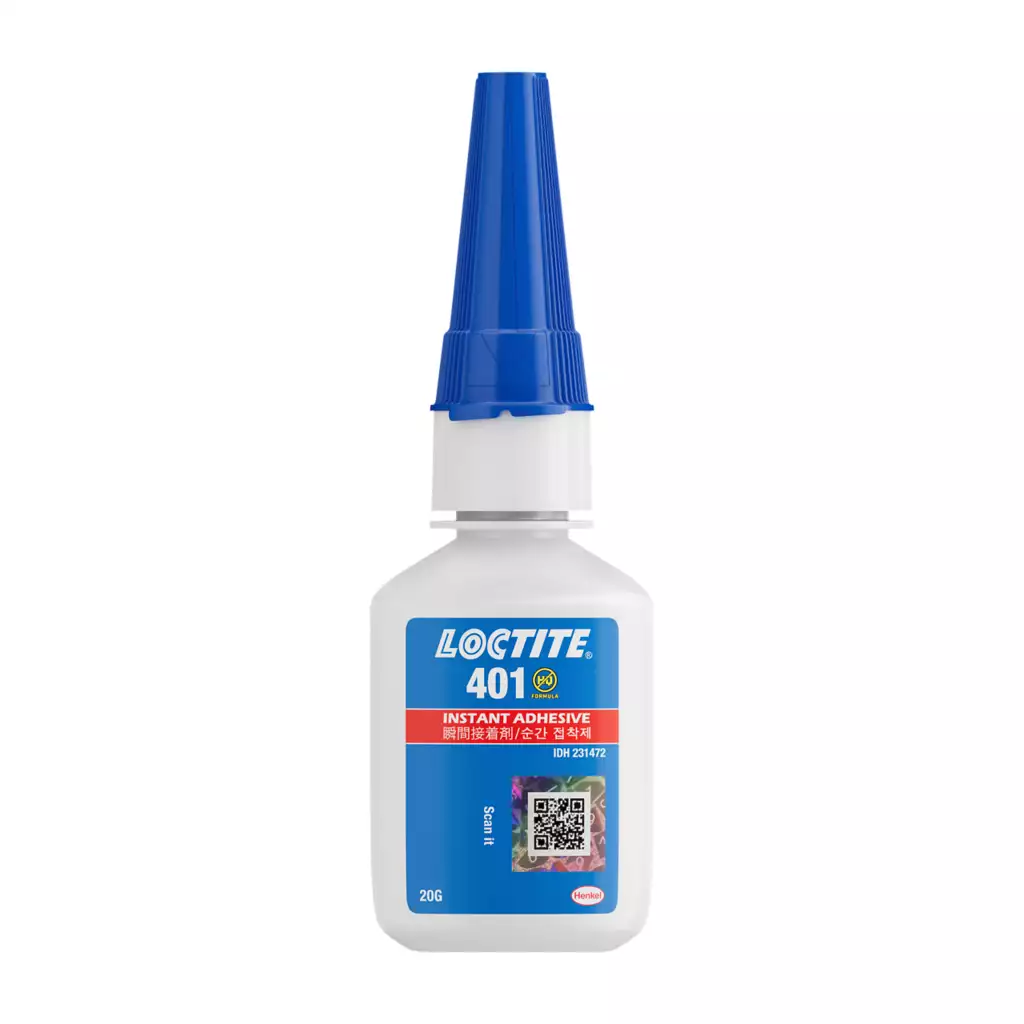
Product code: 401
LOCTITE 401 is a general-purpose instant adhesive for fast assembly of close-fitting parts and repairs on metals, plastics, rubber and porous materials.
LOCTITE
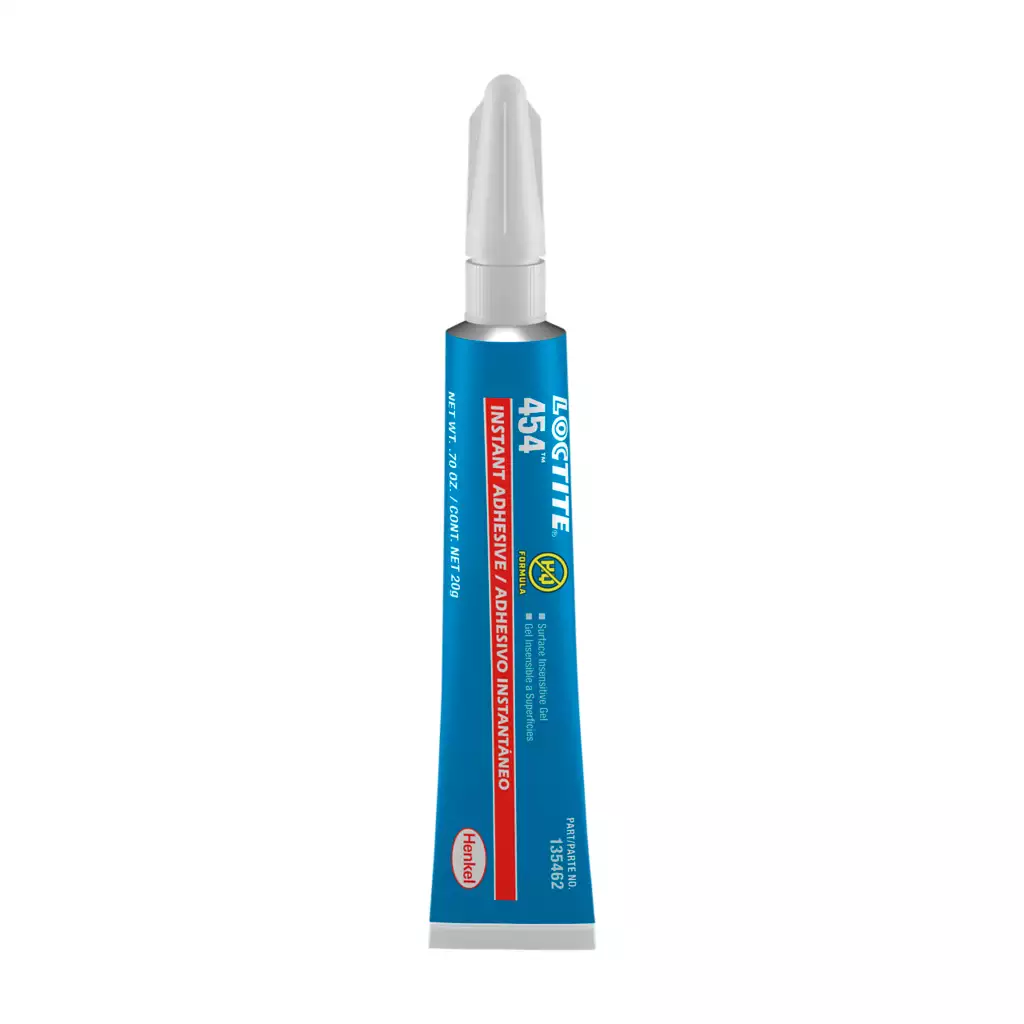
Product code: 454
LOCTITE 454 is a cyanoacrylate gel for vertical and overhead bonding, large gaps and quick repairs on metals, plastics, elastomers and porous materials.
LOCTITE
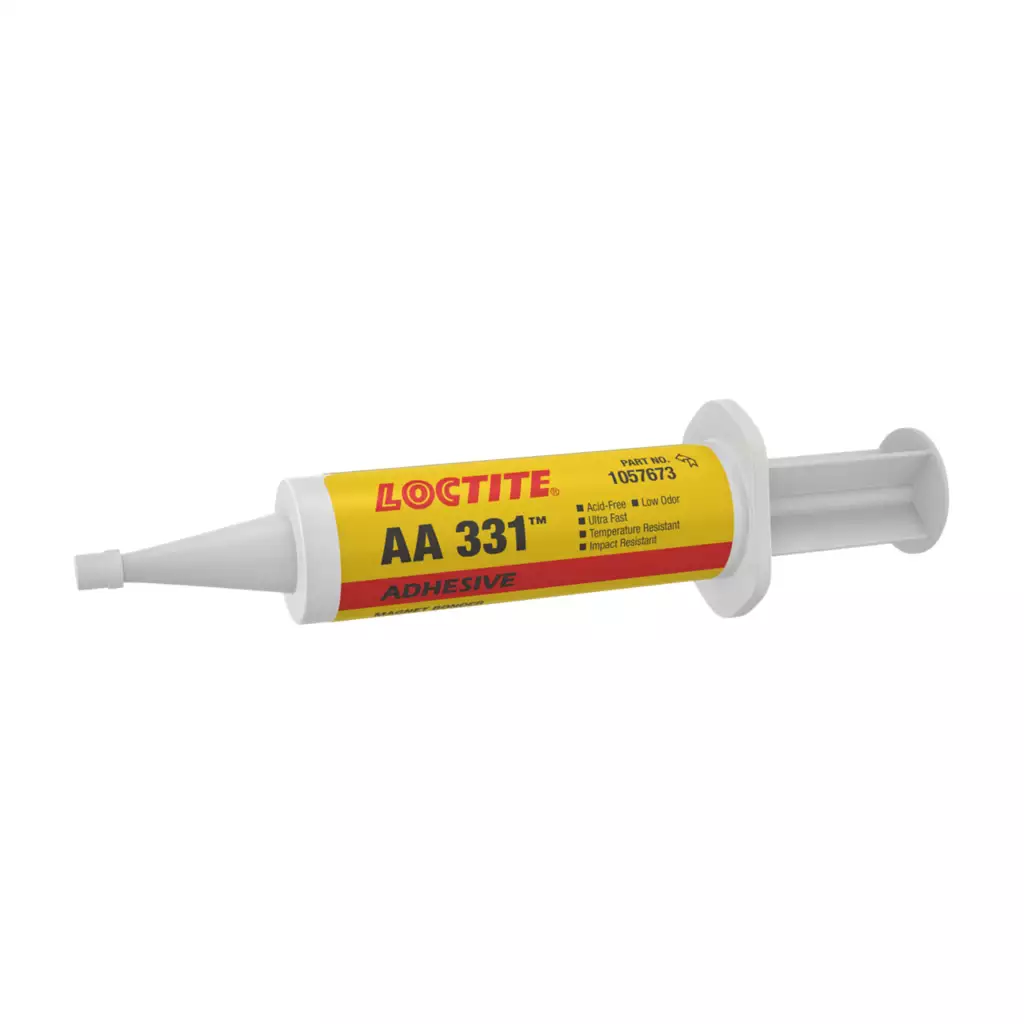
Product code: AA 331
LOCTITE AA 331 is a toughened, medium-viscosity acrylic paste used with LOCTITE SF 7387 activator for metal bonding in DC motors, magnets and pre-coated sheet metal.
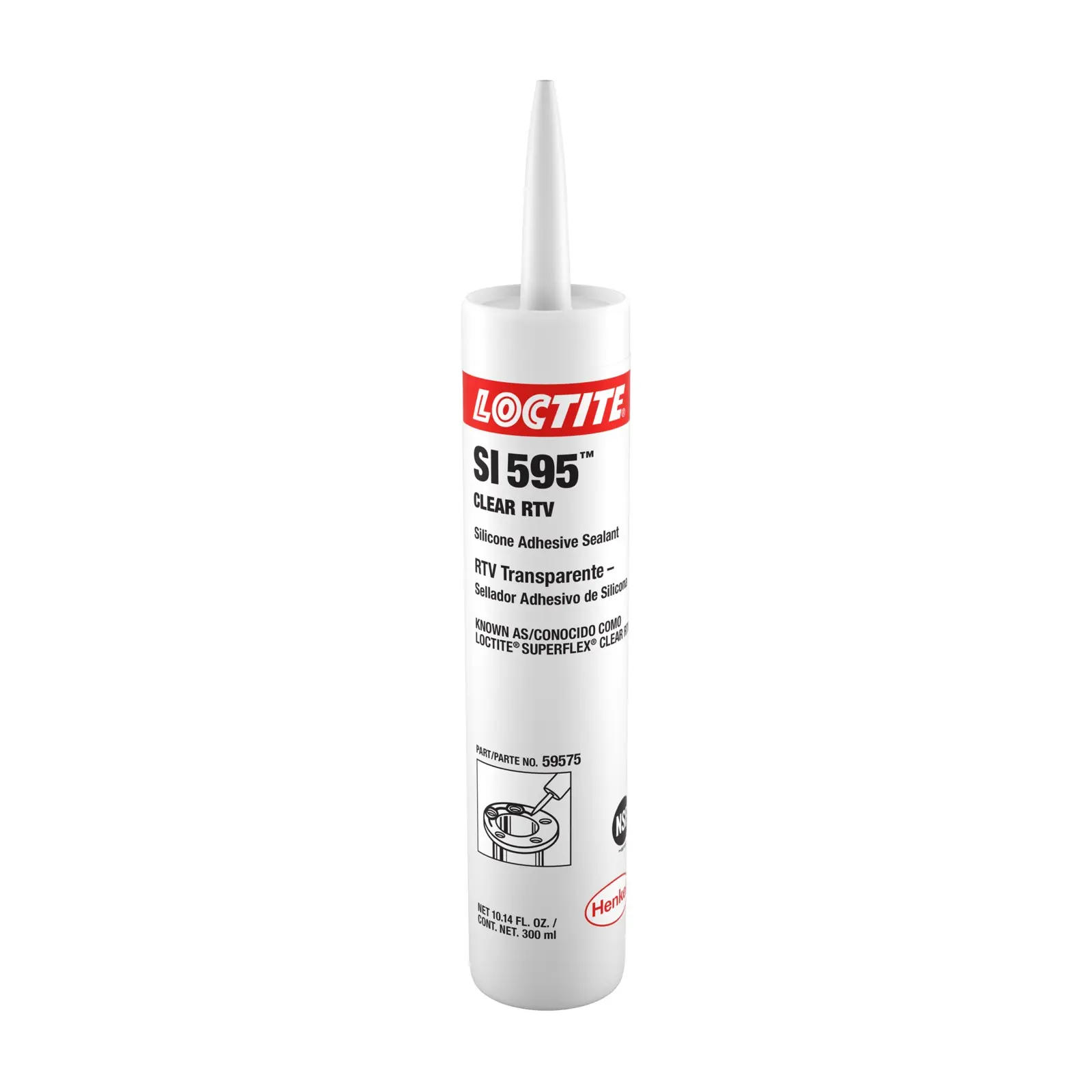
LOCTITE
Product code: SI 595
Clear one-part RTV silicone for sealing and flexible bonding on mechanical assemblies. Thixotropic Paste that will not slump, for use up to 204 °C.
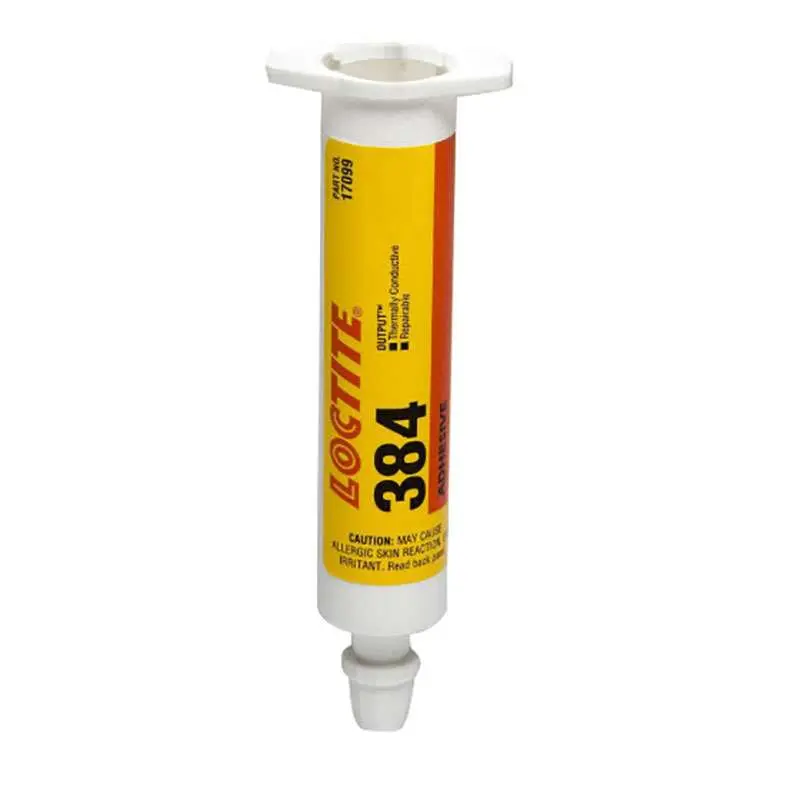
LOCTITE
Product code: 384
LOCTITE 384 is a white to off-white, thermally conductive acrylic paste for bonding heat-generating components to heat sinks, with medium strength so parts can be removed hot for repair.
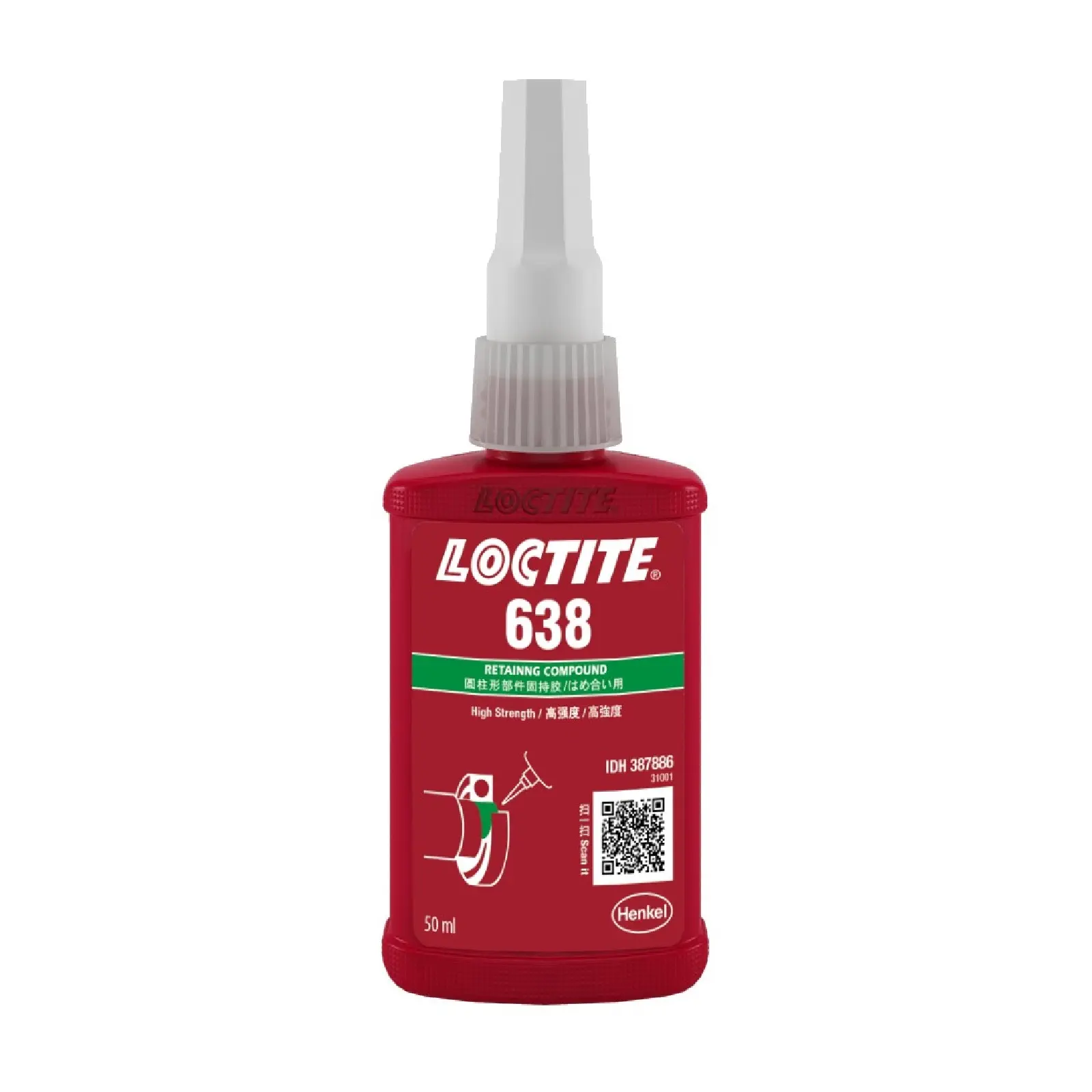
LOCTITE
Product code: 638
A high-viscosity, high-strength anaerobic retaining compound for cylindrical metal parts with bond gaps up to 0.25 mm.
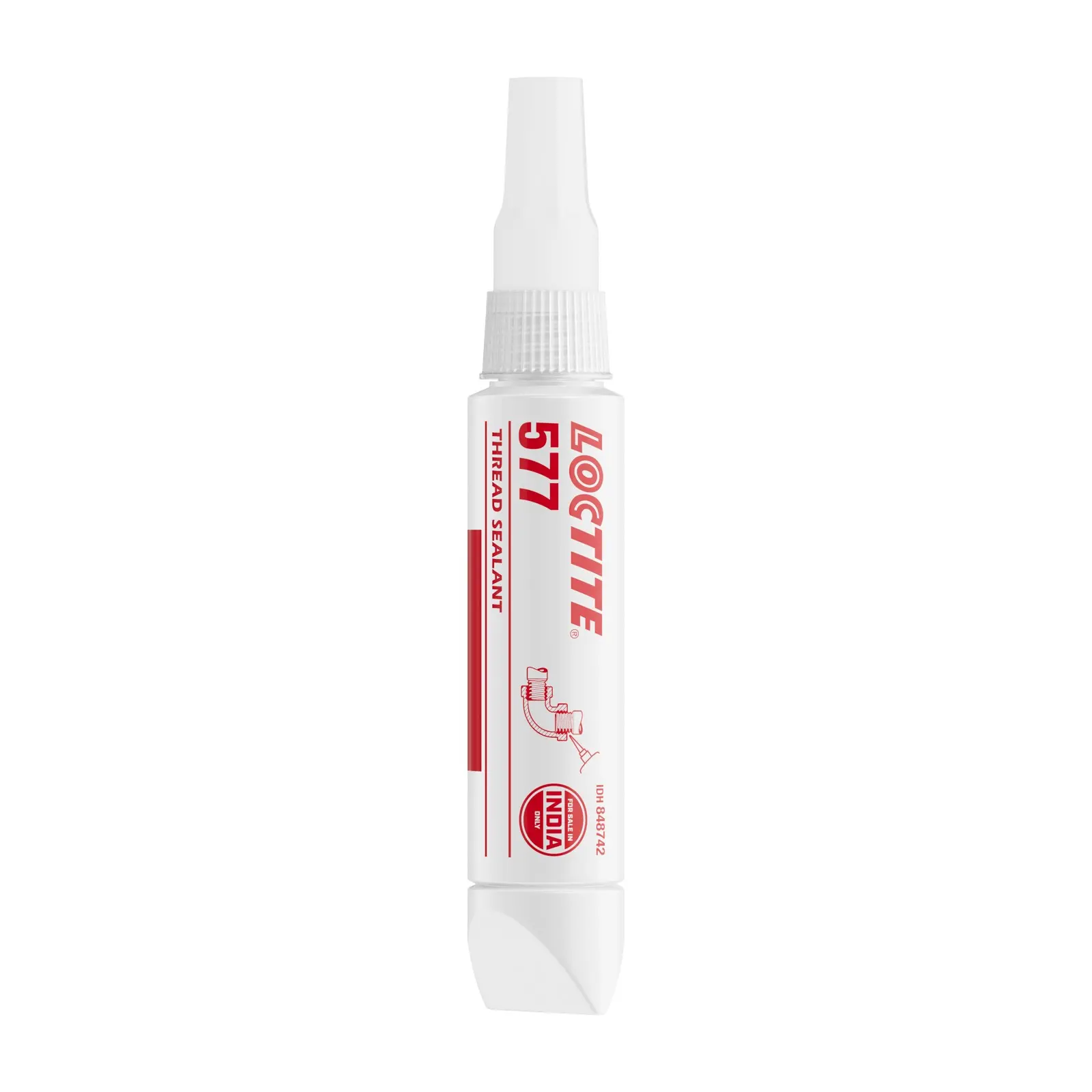
LOCTITE
Product code: 577
Medium-strength yellow paste for metal threaded pipes and fittings. Cures on stainless steel without activator, with gap performance to 0.25 mm.
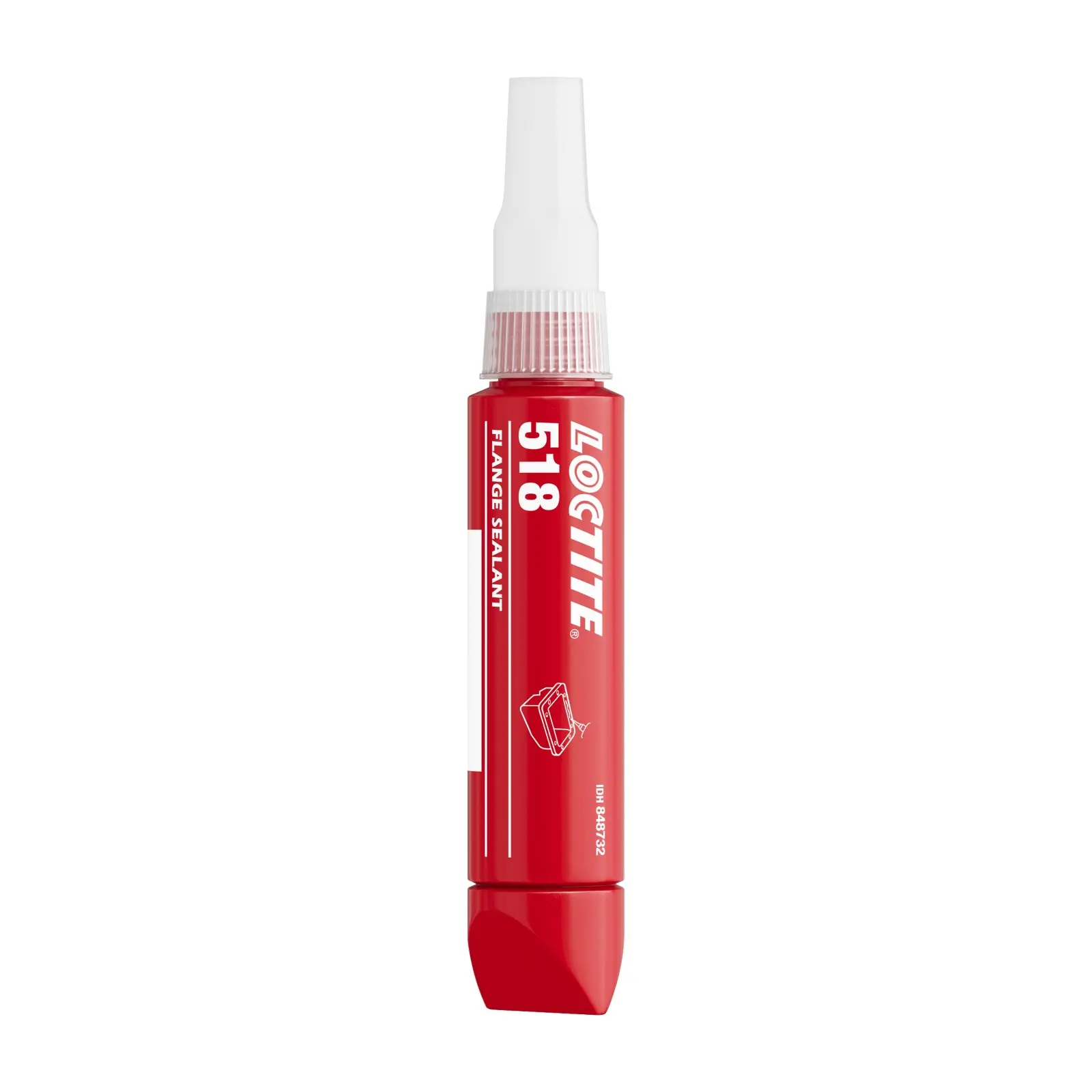
LOCTITE
Product code: 518
Red gel flange sealant for gearbox and engine casings. Works on steel and low-copper aluminum, tolerates minor oil contamination and fills gaps to 0.25 mm.
What each color means, how fastener size and removal drive the choice, and where each form fits.
How cyanoacrylates cure, and how to pick among the 19 LOCTITE grades by viscosity, substrate and special need.
How to prepare steel, aluminum, plated metal, plastics, rubber and glass, and which LOCTITE helpers to use.
What fixture, handling strength, full cure, open time and pot life mean, and what triggers cure in each LOCTITE family.
Send us the checklist above with your drawing or photos. We will shortlist the matching LOCTITE products and go through their TDS with you.
Not sure which product fits? Ask our assistant
Type the job, the material or a spec. It searches our published products and TDS values — no external AI.