
LOCTITE
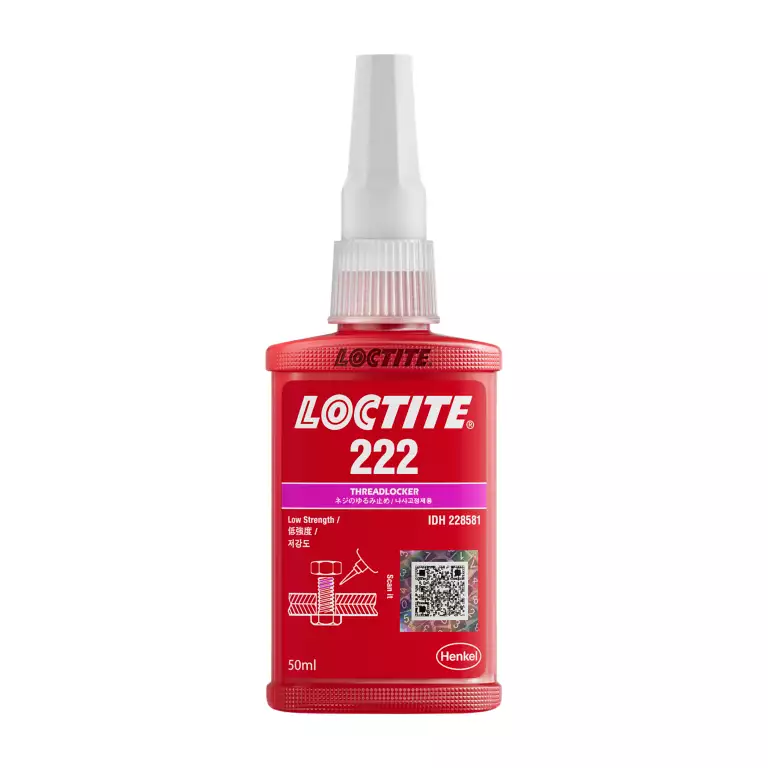
LOCTITE 222
Product code: 222
Thixotropic low-strength threadlocker for adjustment, countersunk and set screws up to 6.35 mm in aluminium, brass and other metals.
Technical guide
Threadlockers are color-coded by strength so that a maintenance team can tell at a glance whether a fastener was meant to come apart again. This guide explains what each color means in the LOCTITE range, how fastener size and removal method drive the choice, and where the liquid, stick and wicking forms fit.
A threadlocker is a single-component anaerobic adhesive: it stays liquid in the bottle and cures only when confined between close-fitting metal threads where air is excluded. The color tells you the cured strength, which in practice means how much effort it takes to break the fastener loose later.
Strength grade and fastener size go together. A high-strength product on an M4 adjustment screw turns a routine adjustment into a repair, while a low-strength product on a large stud under vibration may not hold. Start from the two questions below, then confirm the thread range and removal method in the current TDS of the product you pick.
| Product | Colour | Strength | Fastener (catalogue description) | Form | Removal |
|---|---|---|---|---|---|
| LOCTITE 221 | Purple | Low | Set screws and small-diameter threads | Liquid, low viscosity | Hand tools |
| LOCTITE 222 | Purple | Low | Up to 6.35 mm (1/4 in) | Liquid | Easy, hand tools |
| LOCTITE 242 | Blue | Medium | Metal threads up to M36 | Liquid, medium viscosity | Hand tools |
| LOCTITE 243 | Blue | Medium | General threaded fasteners; oil tolerant | Liquid | Hand tools |
| LOCTITE 248 | Blue | Medium | General threaded metal fasteners | Semi-solid stick | Hand tools |
| LOCTITE 262 | Red | High | Metal threaded fasteners, permanent | Liquid | Heat and hand tools |
| LOCTITE 263 | Red | High | Metal threaded fasteners, permanent | Liquid | Heat and hand tools |
| LOCTITE 268 | Red | High | Threaded metal fasteners, permanent | Semi-solid stick | Heat and hand tools |
| LOCTITE 272 | Red | High | Permanent, high-temperature resistance | Liquid, medium viscosity | Heat and hand tools |
| LOCTITE 277 | Red | High | Large bolts and studs over 25 mm (1 in) | Liquid, high viscosity | Heat and hand tools |
| LOCTITE 290 | Green | Medium to high | Pre-assembled fasteners; wicks into engaged threads | Liquid, very low viscosity | Heat may be needed |
All three forms are the same anaerobic chemistry; the difference is how the product reaches the threads and how it travels in a toolbox. Pick the form from the position of the fastener and the moment it is applied.
A threadlocker resists movement at the threads. It does not add clamp load, repair a damaged thread or fill a loose fit. Rule these out before changing the product.
The steps below are the same for every grade. The quantities, fixture time and any activator are taken from the TDS of the product you use.
Most complaints about threadlockers trace back to one of five handling errors rather than to the product.
LOCTITE
Product code: 222
Thixotropic low-strength threadlocker for adjustment, countersunk and set screws up to 6.35 mm in aluminium, brass and other metals.
LOCTITE
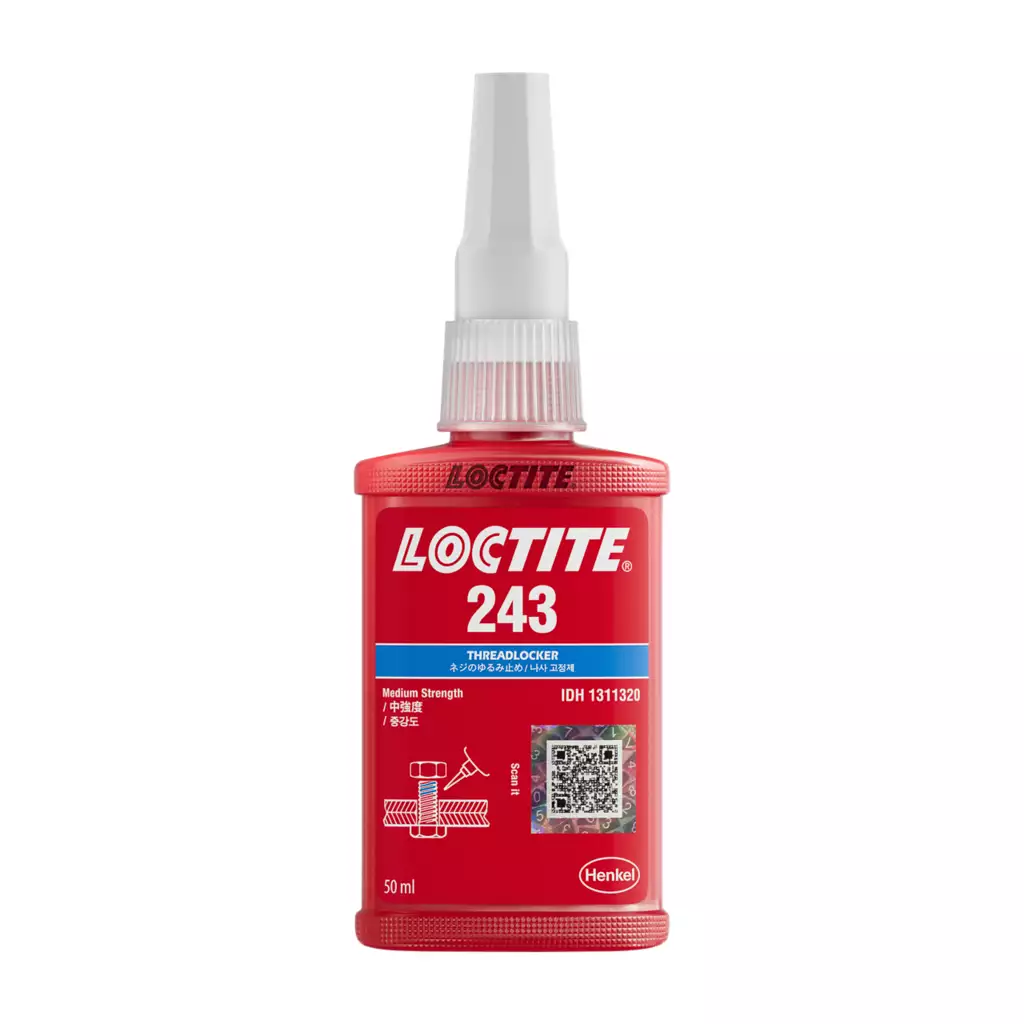
Product code: 243
Blue medium-strength threadlocker for pumps, gearboxes and motors that works on passive metals and tolerates minor oil contamination.
LOCTITE
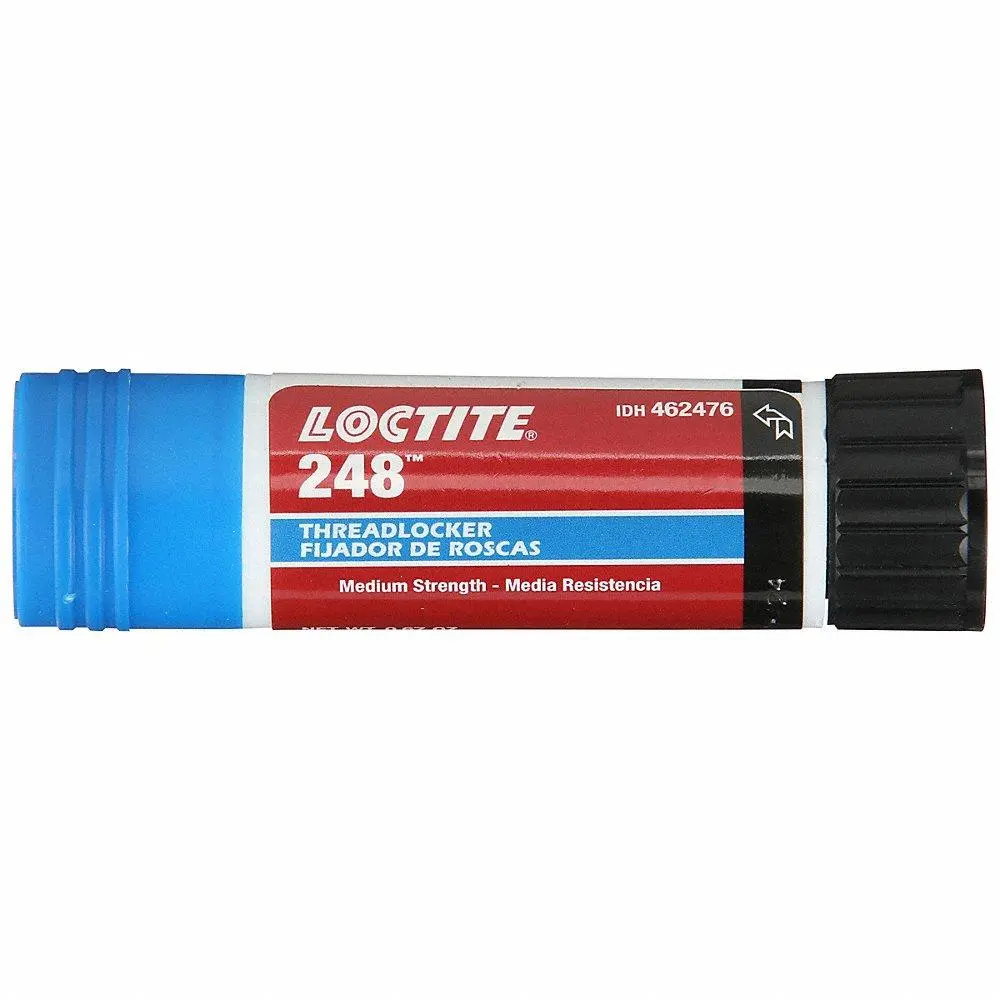
Product code: 248
Blue medium-strength threadlocker in a wax-like stick for vertical and overhead threads where a liquid would run off.
LOCTITE
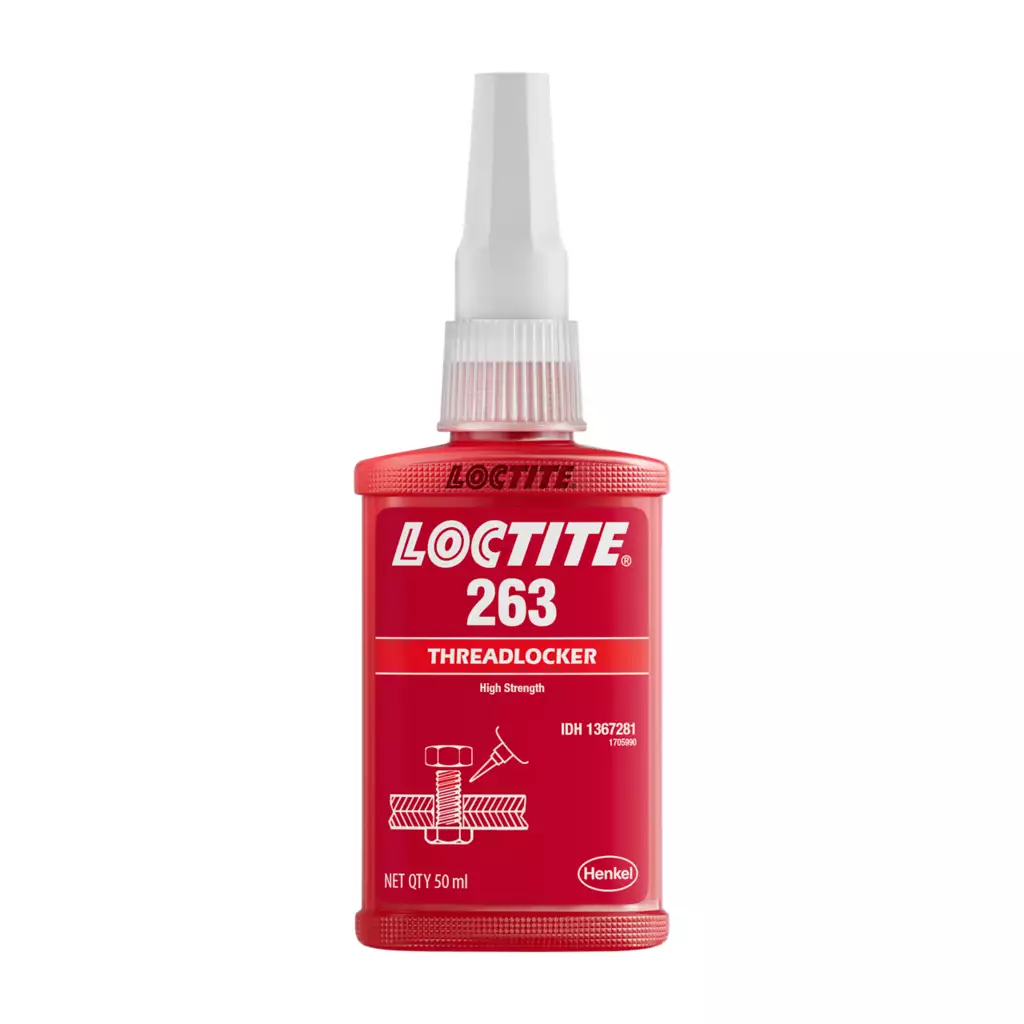
Product code: 263
Red high-strength, low-viscosity threadlocker for heavy-duty studs and nuts in motor and pump housings, up to 180 °C.
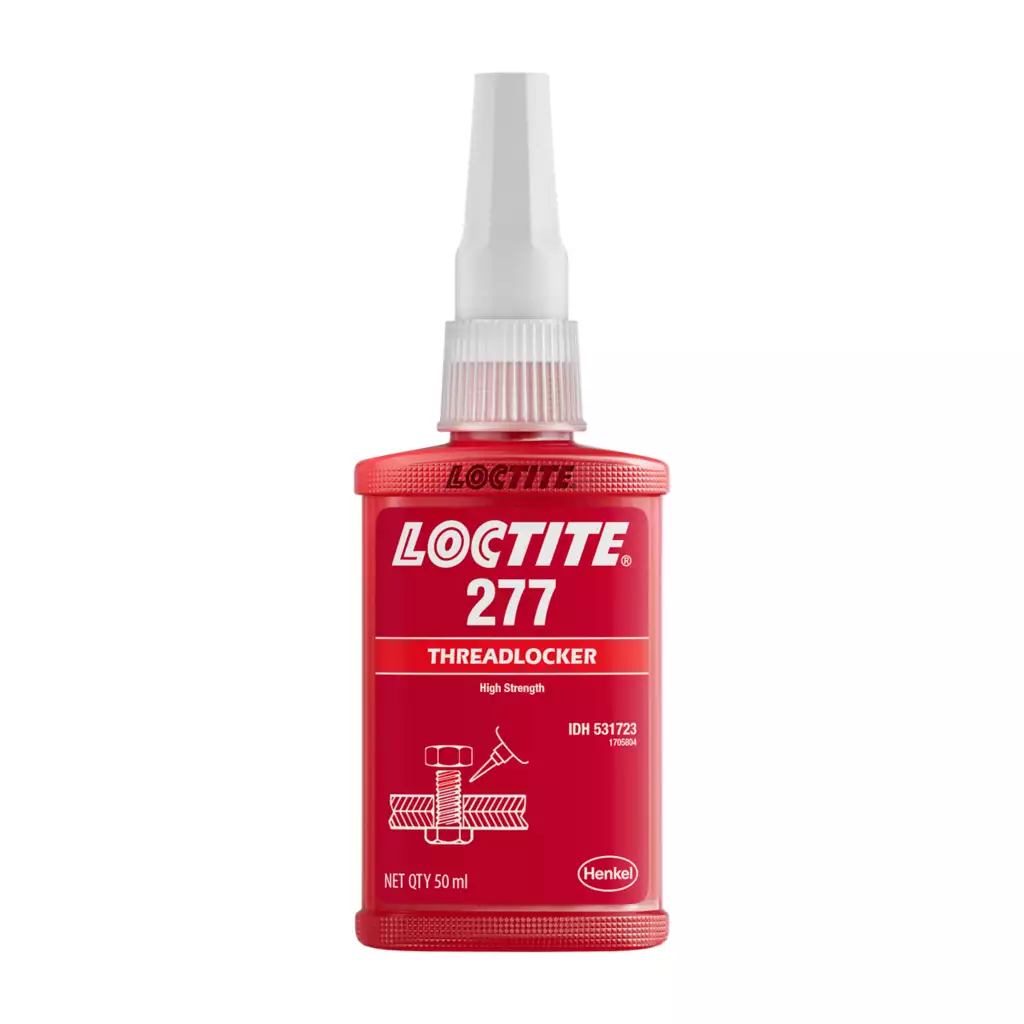
LOCTITE
Product code: 277
Red high-strength, medium-viscosity threadlocker for large bolts and studs M25 and larger. Fluorescent, removed with heat.
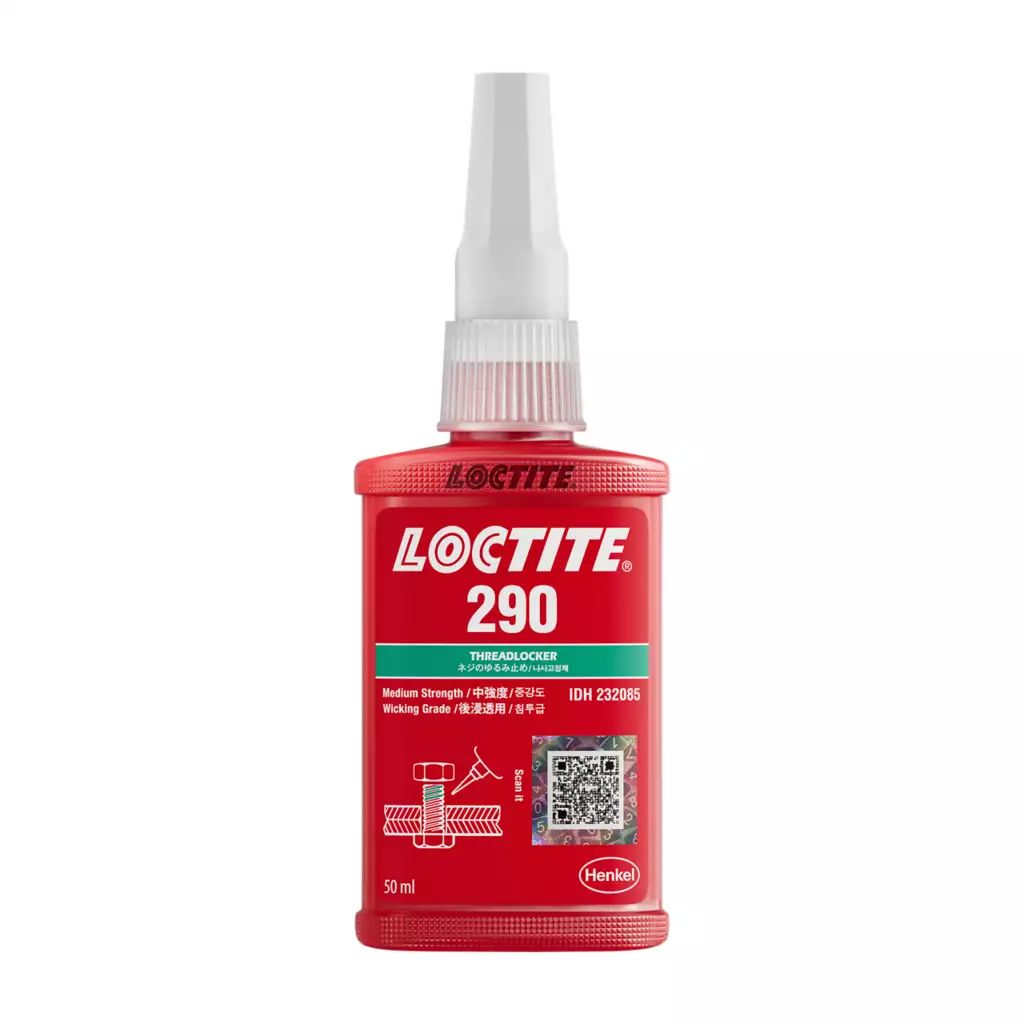
LOCTITE
Product code: 290
Green wicking threadlocker that flows into already assembled fasteners by capillary action and also seals porosity in metal parts.
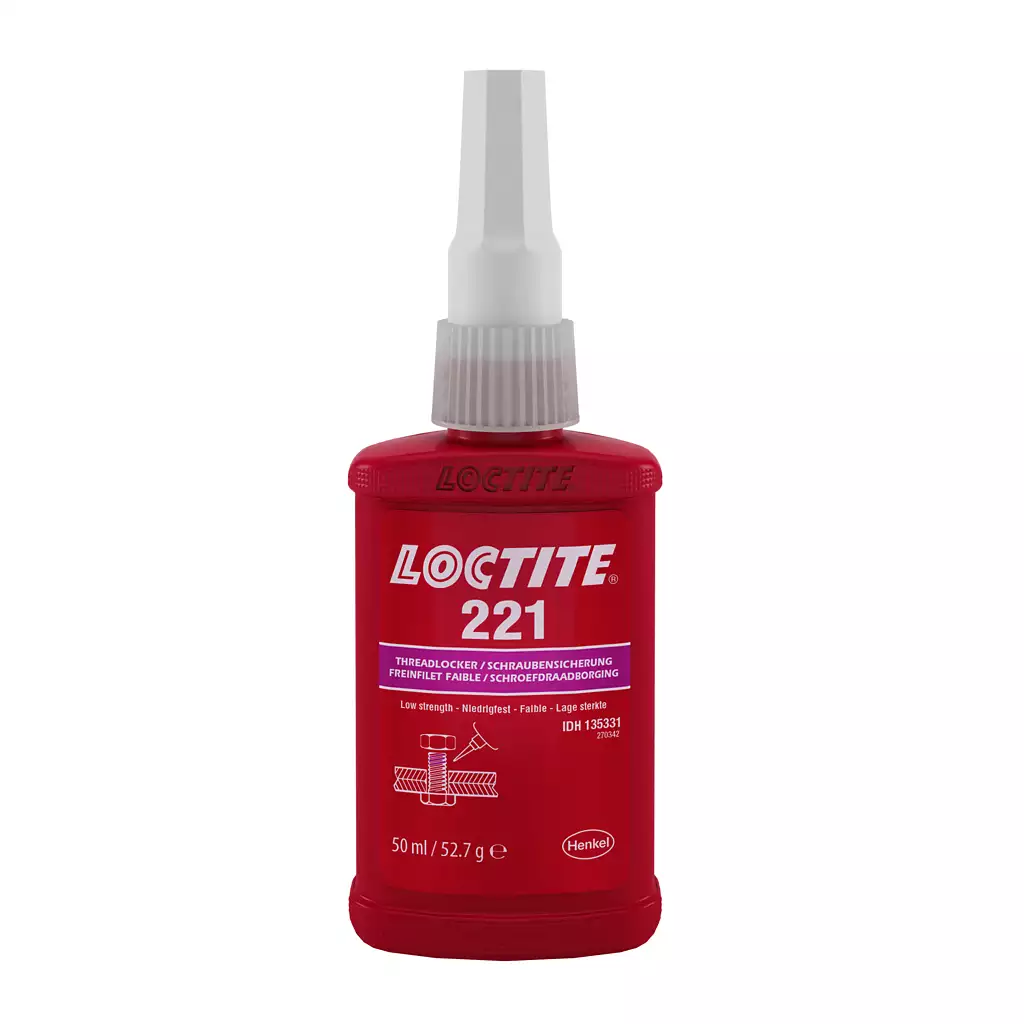
LOCTITE
Product code: 221
Low-strength purple threadlocker for small screws and long-engagement fasteners up to M12, removable with hand tools.
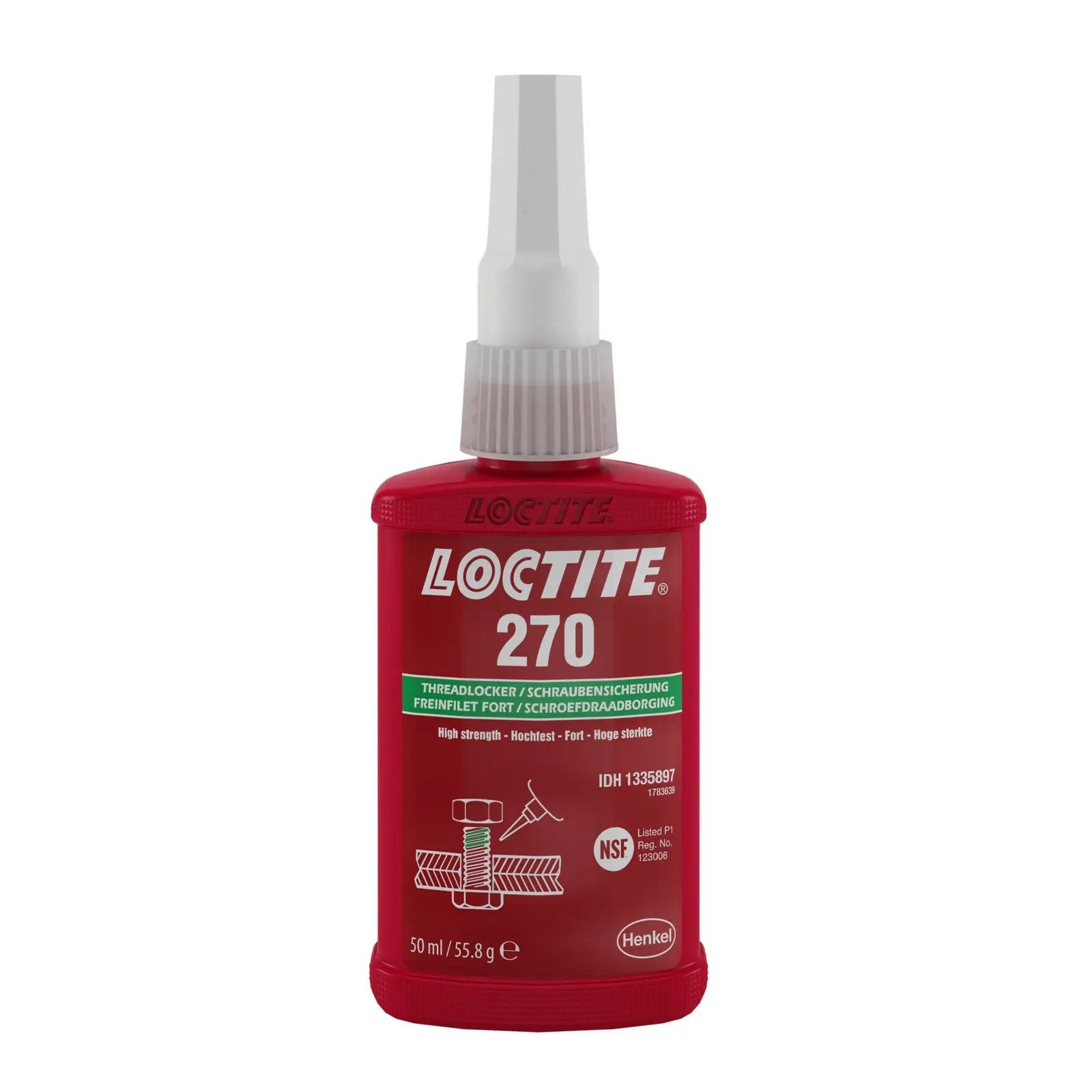
LOCTITE
Product code: 270
Green, high-strength threadlocker for permanent locking, such as studs in motor and pump housings. Works on all metals and tolerates minor oil contamination.
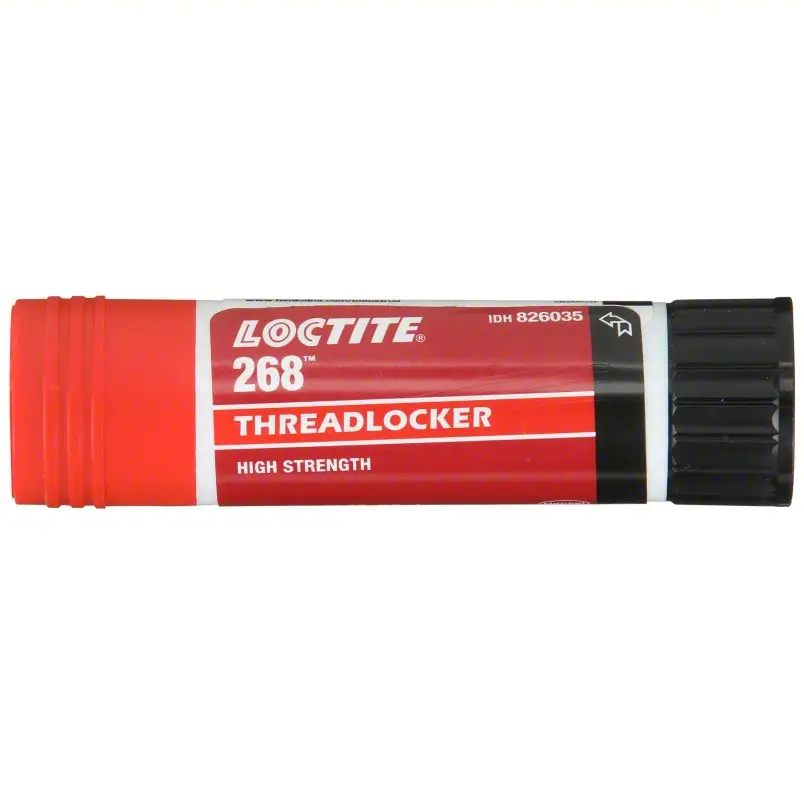
LOCTITE
Product code: 268
Red high-strength threadlocker in a wax-like stick for permanent locking of vertical and overhead threads on most metals.
Purple, blue, red and green side by side: strength, fastener size, removal and when each grade fits.
Same strength classes, two forms: drips, portability, metering, line vs field use and removal compared.
Liquid threads, bolts that back off under vibration, product that stays soft: find the cause and the fix.
How to prepare steel, aluminum, plated metal, plastics, rubber and glass, and which LOCTITE helpers to use.
Tell us the fastener size, materials, service conditions and whether it must be removed again. We will review the TDS of the matching grades with you.
Not sure which product fits? Ask our assistant
Type the job, the material or a spec. It searches our published products and TDS values — no external AI.