
LOCTITE
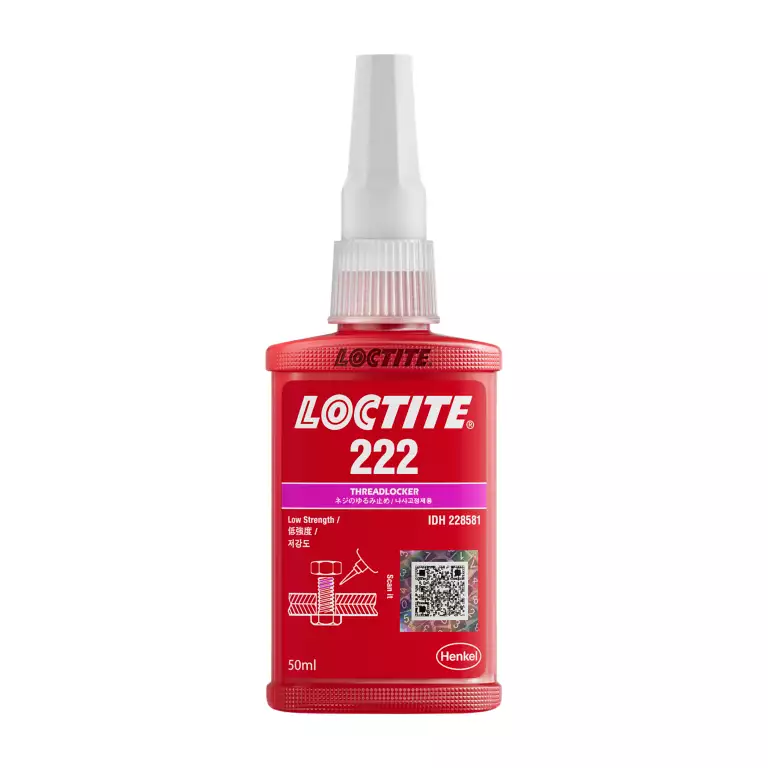
LOCTITE 222
Product code: 222
Thixotropic low-strength threadlocker for adjustment, countersunk and set screws up to 6.35 mm in aluminium, brass and other metals.
Vibration, joint movement and changes in service conditions can contribute to fastener loosening. A suitable threadlocker can help resist that movement when used as directed, alongside a correctly designed joint and tightening process.
A bolted joint stays secure when it maintains the intended clamp load. Vibration, shock, movement between parts, thermal changes, surface condition and the tightening method can all affect that load. A threadlocker addresses movement at the threads; it does not correct a joint that was designed or tightened incorrectly.
Threadlockers are anaerobic adhesives. They stay liquid in air and cure when confined between close-fitting metal threads, away from air.
The metal, thread condition, surface treatment and application method can affect the result. Some applications may require a primer or a different preparation method. Check the instructions for the exact product and fastener before use.
Choose a threadlocker by balancing resistance to loosening with the need to remove the fastener later. Fastener size, thread engagement, joint design and available maintenance tools all matter. Strength labels are a starting point; the product's own instructions determine the appropriate use and removal method.
A common starting point: LOCTITE 222 (purple, low strength) for small adjustment and set screws that must come out with hand tools; LOCTITE 243 (blue, medium strength) for general fasteners removed with hand tools, tolerant of light oil; LOCTITE 263 (red, high strength) for studs and bolts you do not plan to remove, which need heat to take apart; LOCTITE 290 (green, wicking) for fasteners that are already assembled. Confirm the thread size and removal method in each TDS.
A consistent result depends on more than the product code. Include the application method and assembly process in the work instruction.
Follow the application and cure instructions for the selected product. Do not use a generic drop count, torque value or cure time in place of the manufacturer's instructions.
Compare the four main grades below: purple 222, blue 243, red 263 and green 290. Check the current TDS against your fastener, joint and service conditions.
LOCTITE
Product code: 222
Thixotropic low-strength threadlocker for adjustment, countersunk and set screws up to 6.35 mm in aluminium, brass and other metals.
LOCTITE
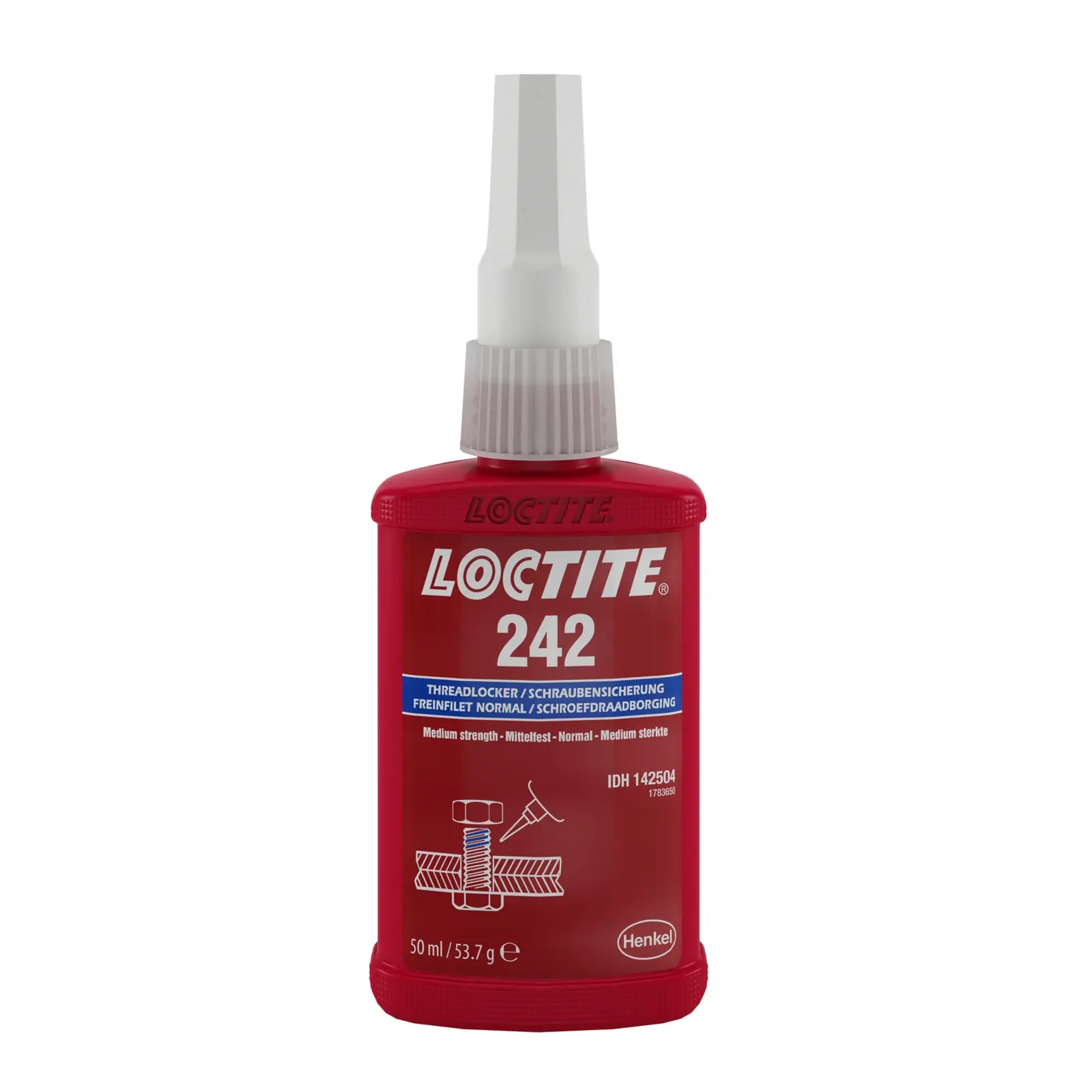
Product code: 242
Blue medium-strength thixotropic threadlocker for metal threads up to M36, including plated surfaces, removable with hand tools.
LOCTITE
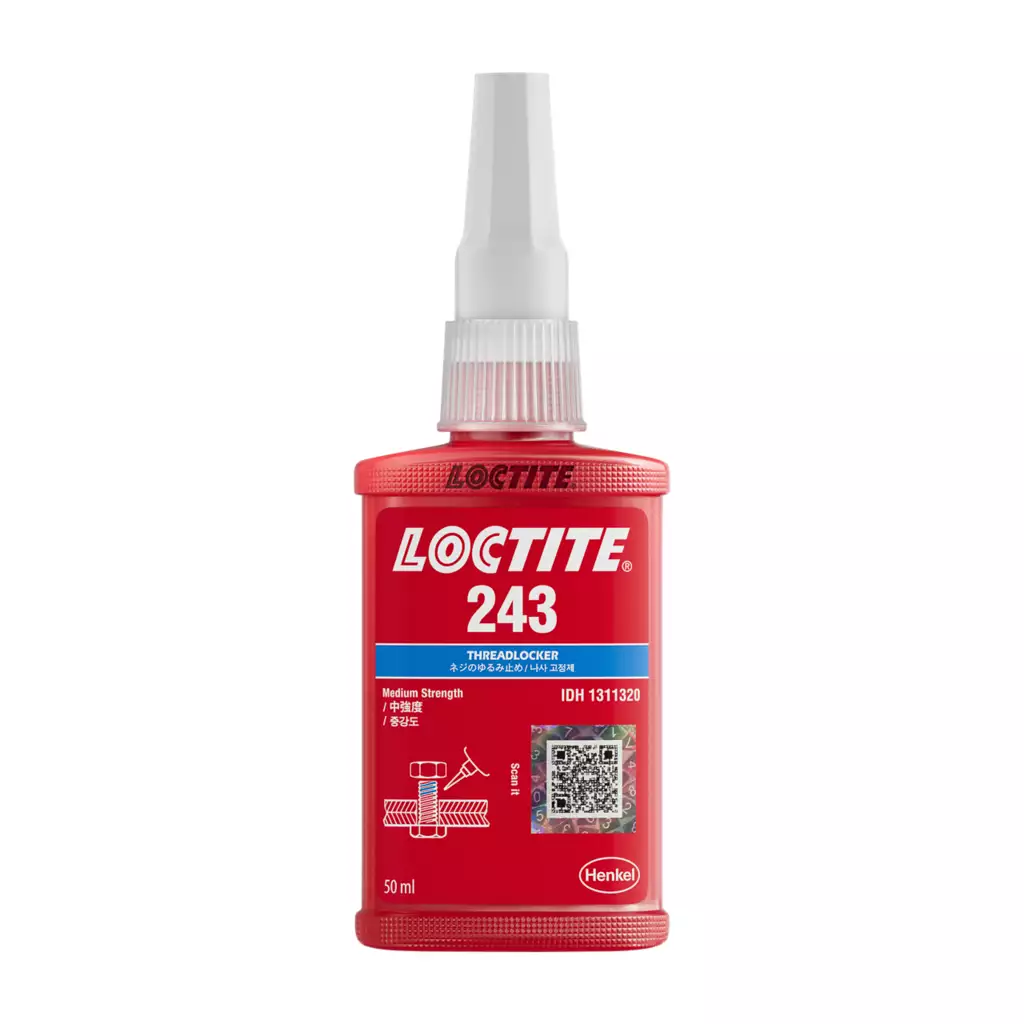
Product code: 243
Blue medium-strength threadlocker for pumps, gearboxes and motors that works on passive metals and tolerates minor oil contamination.
LOCTITE
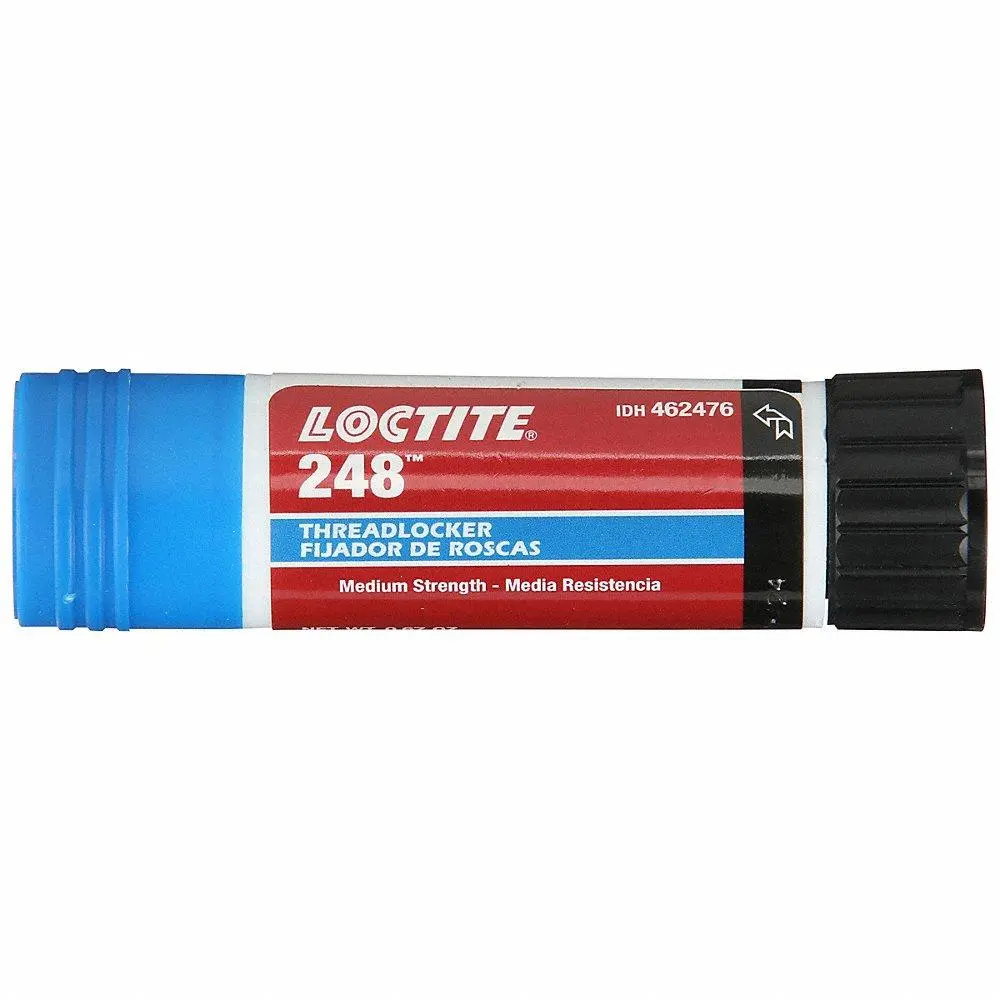
Product code: 248
Blue medium-strength threadlocker in a wax-like stick for vertical and overhead threads where a liquid would run off.
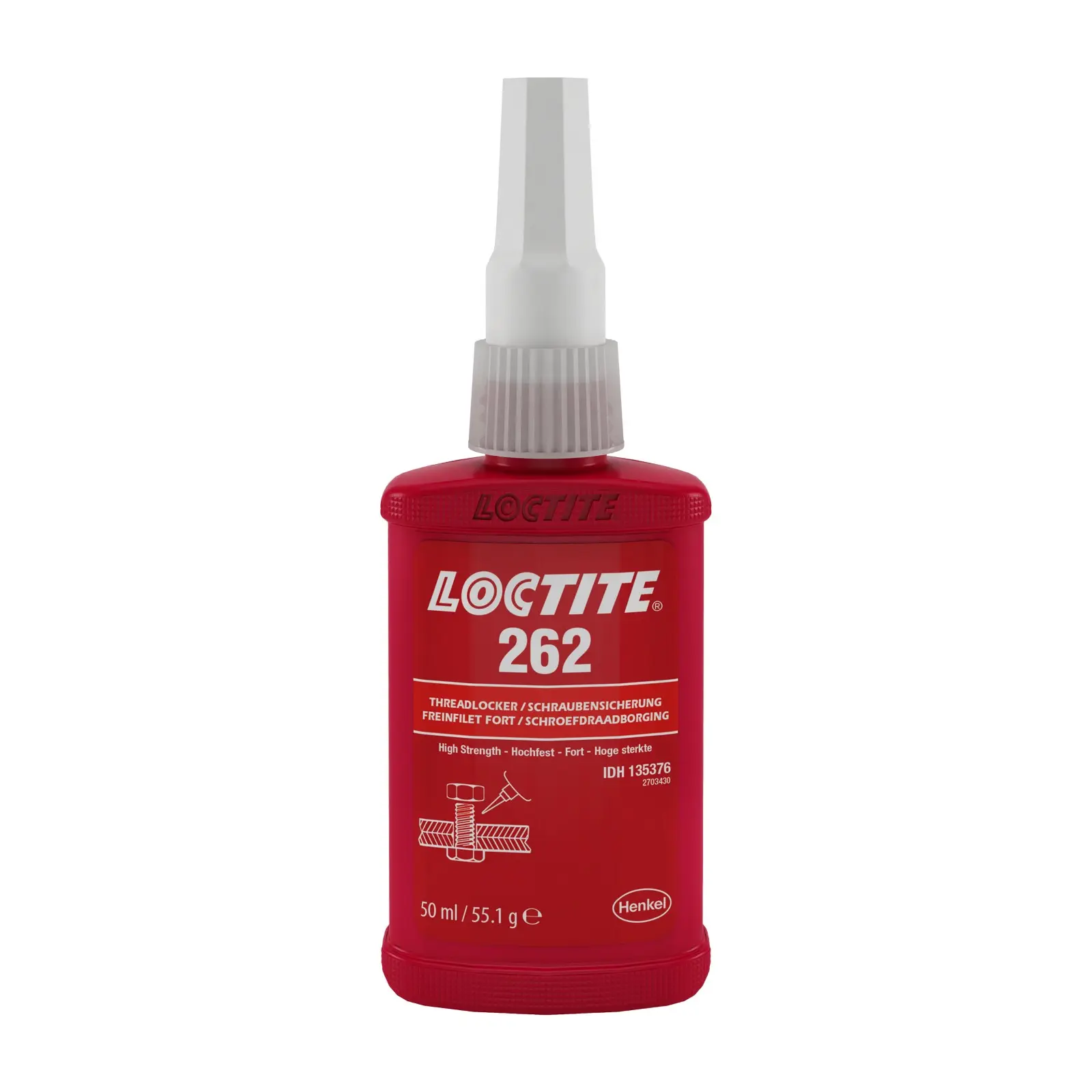
LOCTITE
Product code: 262
Red thixotropic threadlocker, medium to high strength, for permanent locking of large bolts and studs up to M25. Removal needs heat.
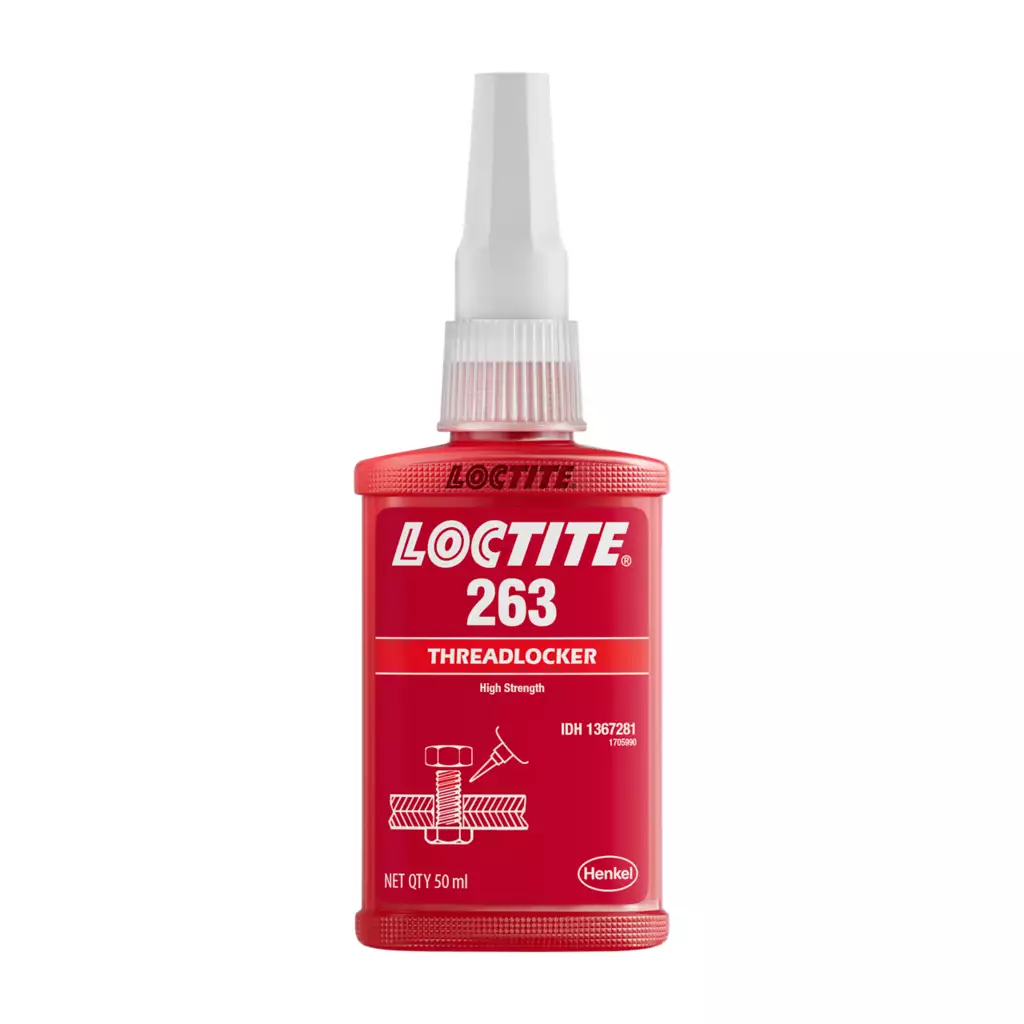
LOCTITE
Product code: 263
Red high-strength, low-viscosity threadlocker for heavy-duty studs and nuts in motor and pump housings, up to 180 °C.
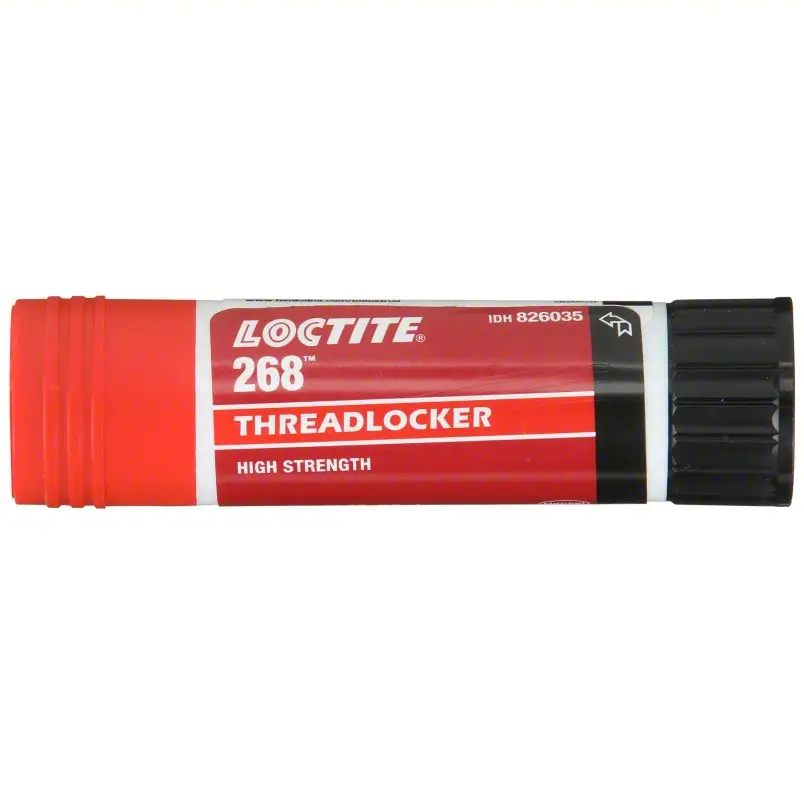
LOCTITE
Product code: 268
Red high-strength threadlocker in a wax-like stick for permanent locking of vertical and overhead threads on most metals.
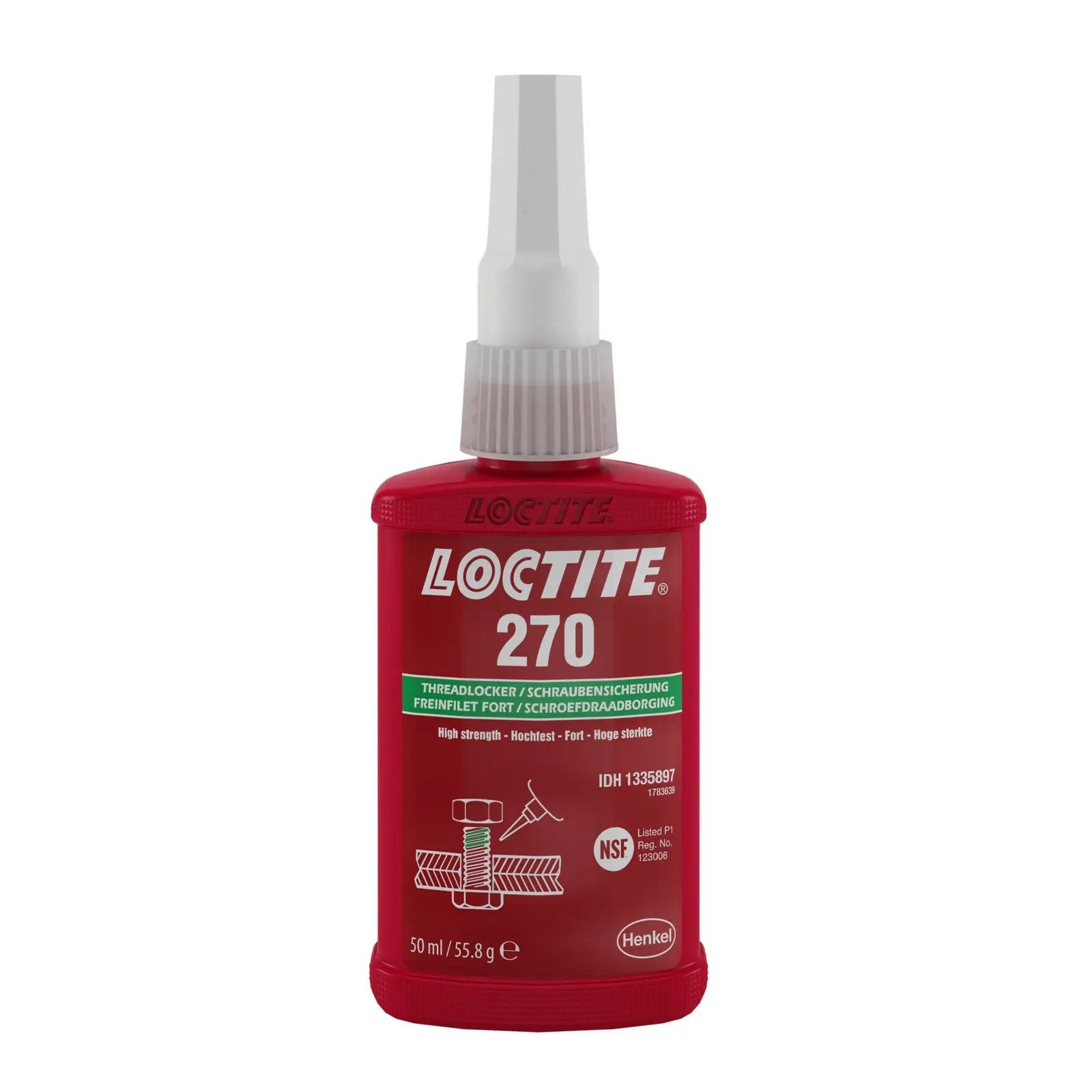
LOCTITE
Product code: 270
Green, high-strength threadlocker for permanent locking, such as studs in motor and pump housings. Works on all metals and tolerates minor oil contamination.
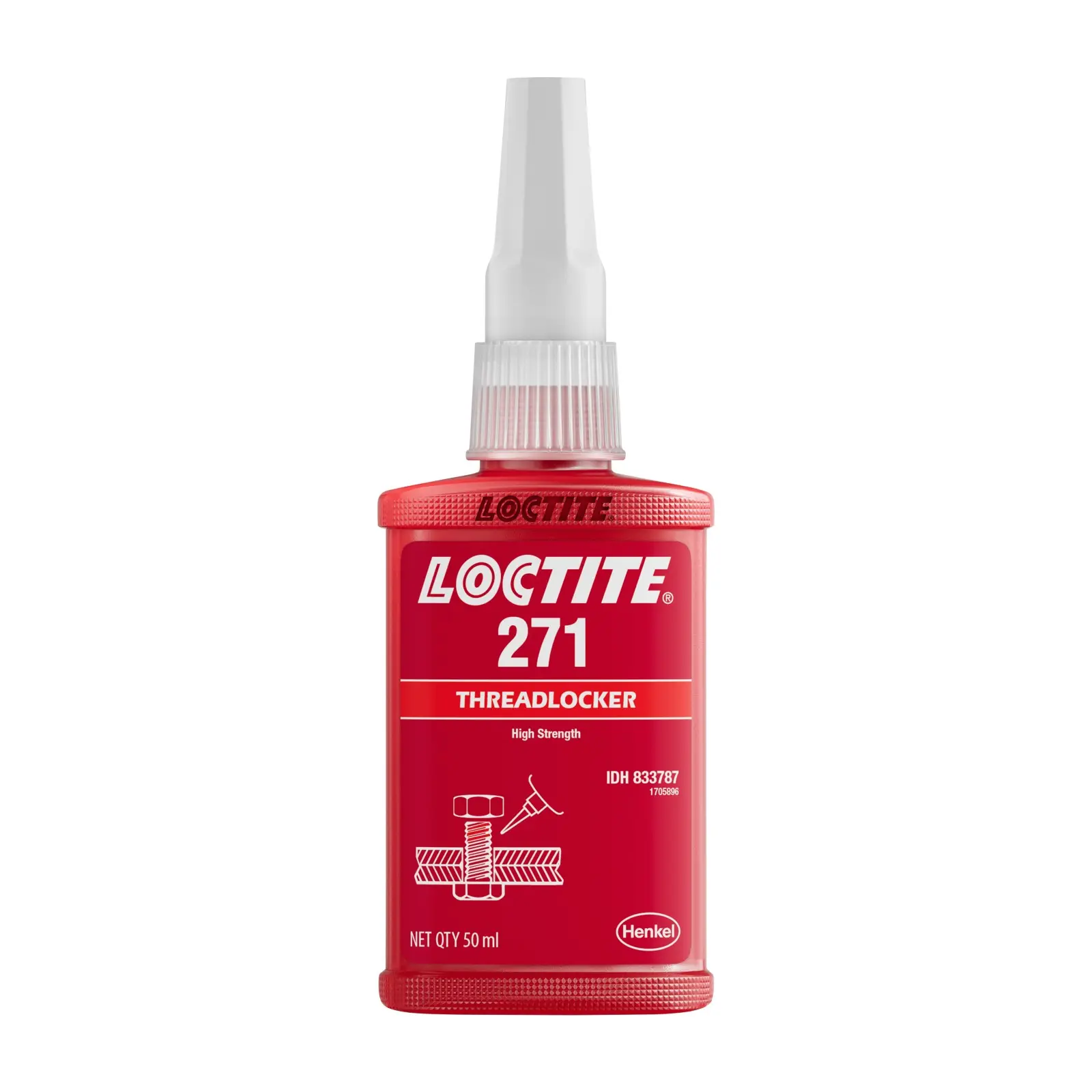
LOCTITE
Product code: 271
Red, high-strength, low-viscosity threadlocker for permanent locking and sealing of large bolts and studs up to M25, under heavy shock and vibration.
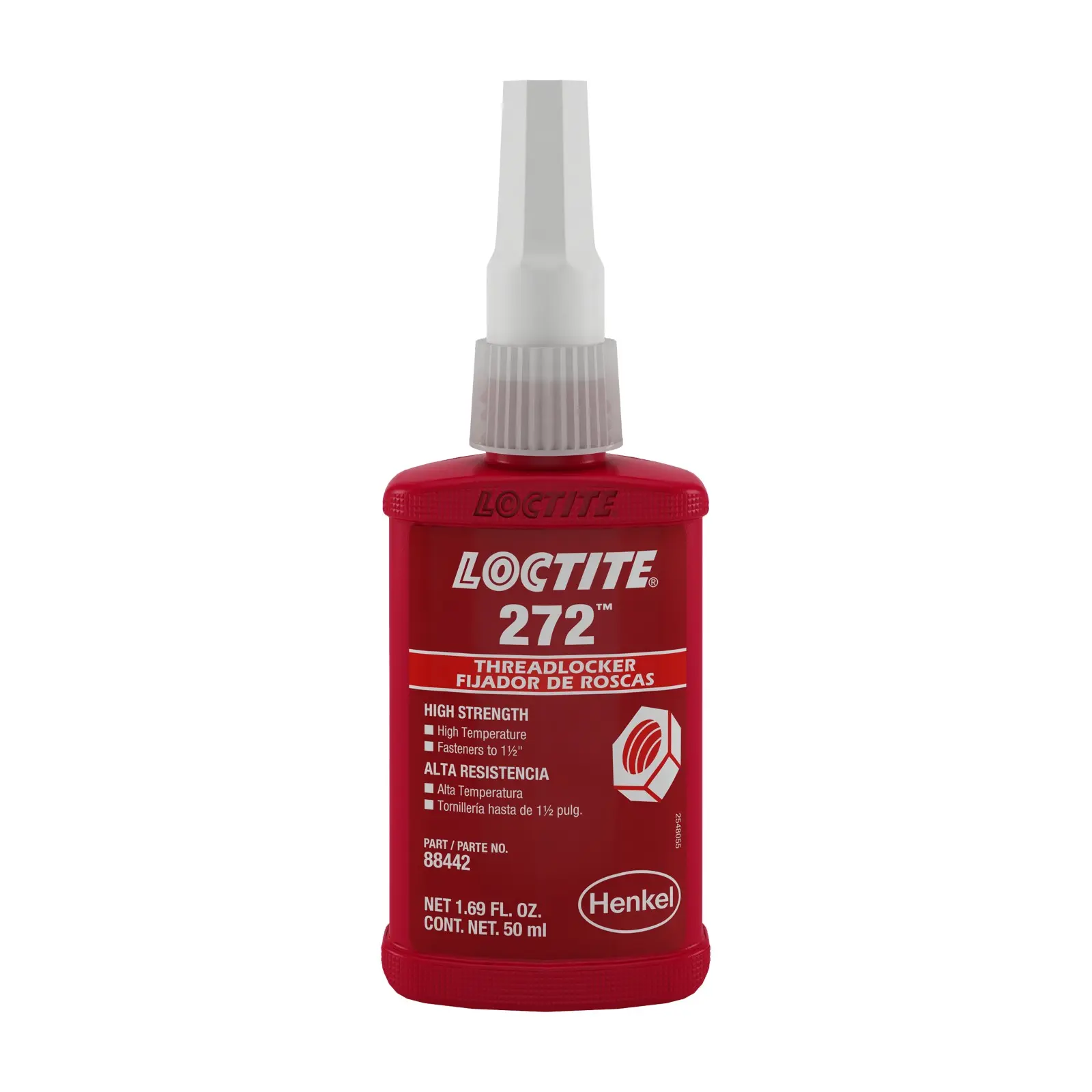
LOCTITE
Product code: 272
Red-orange high-strength threadlocker for large bolts and studs from M25, rated for service up to 232 °C.
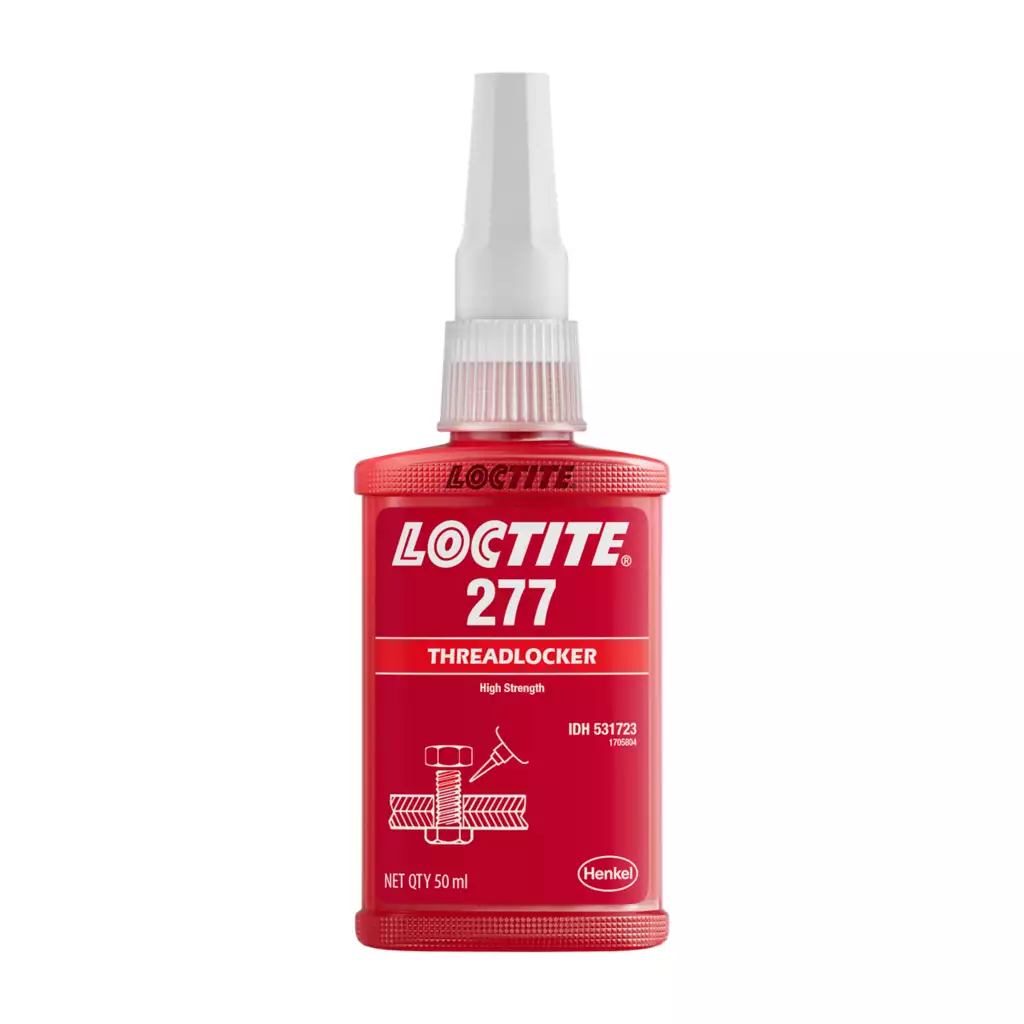
LOCTITE
Product code: 277
Red high-strength, medium-viscosity threadlocker for large bolts and studs M25 and larger. Fluorescent, removed with heat.
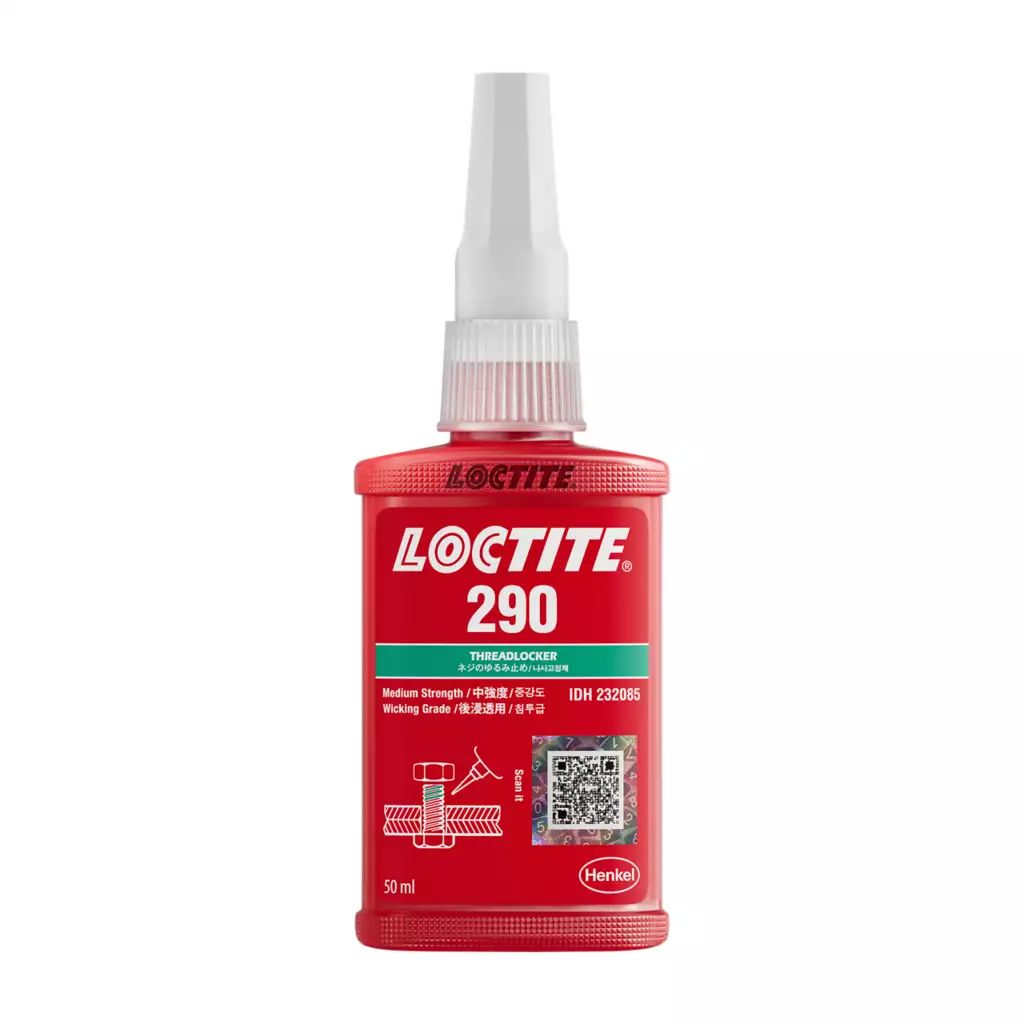
LOCTITE
Product code: 290
Green wicking threadlocker that flows into already assembled fasteners by capillary action and also seals porosity in metal parts.
What purple, blue, red and green mean, and how to choose by fastener size and removal.
Strength, fastener size, removal and oil tolerance side by side.
Choose an adhesive based on the materials, joint and production process.
Understand how pipe-thread sealing differs from locking a fastener.
Consider the joint and operating conditions when sealing faces.
Review product uses described for selected electronics assembly tasks.
Include the fastener size, materials, service conditions, desired locking strength and whether the joint must be opened during maintenance. We can use these details to review the relevant product information with you.
Not sure which product fits? Ask our assistant
Type the job, the material or a spec. It searches our published products and TDS values — no external AI.