
LOCTITE
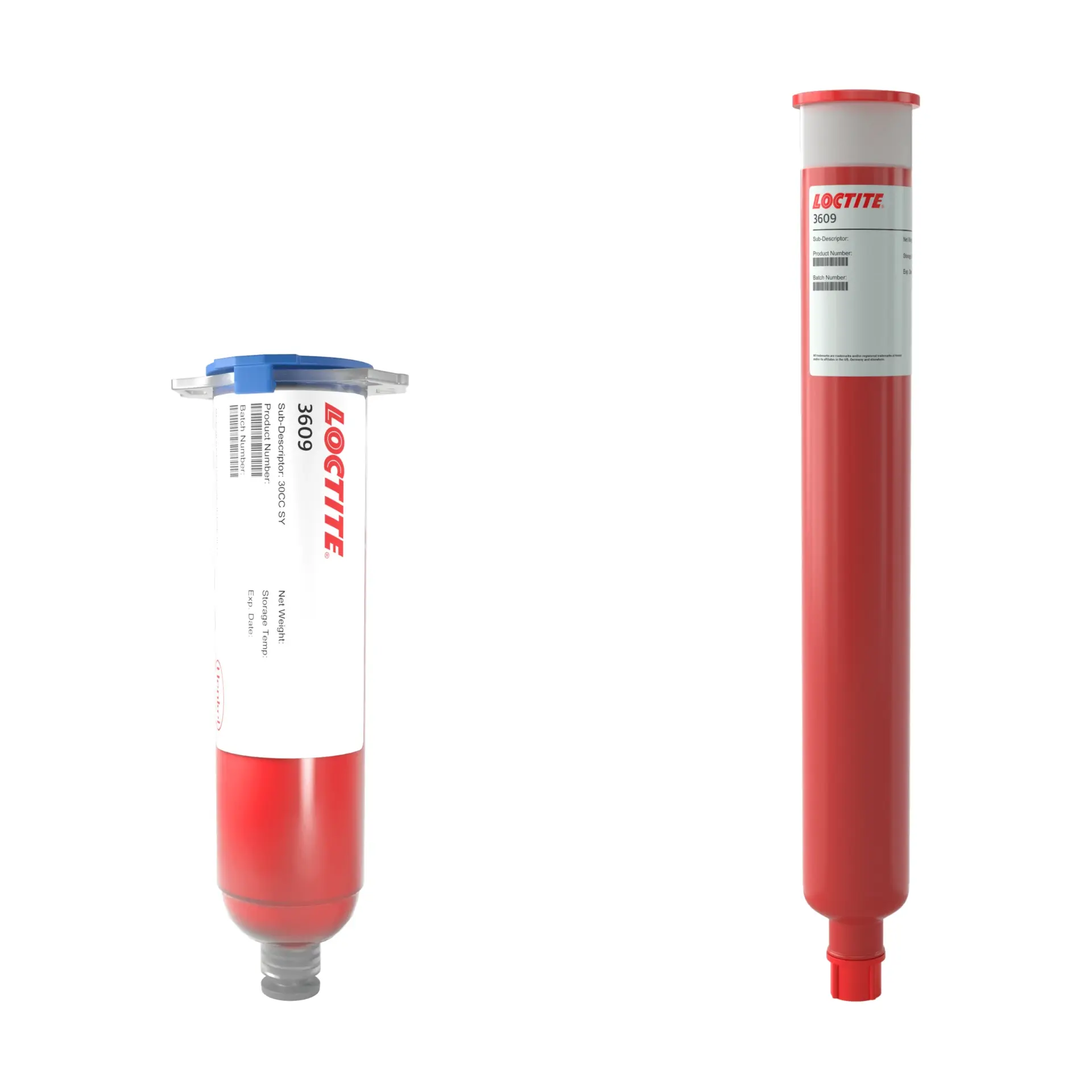
LOCTITE 3609
Product code: 3609
LOCTITE 3609 is a red, 1-part epoxy surface mount adhesive that holds SMD components on printed circuit boards before wave soldering, at medium to high dispense speeds.
Small, precise assemblies depend on material compatibility and process consistency. The amount applied, where it is placed, the available working time and the next manufacturing step can all affect the result. Start by defining the assembly and the performance it needs.
In small assemblies, variation in material quantity, placement or timing can affect the result. Define how the material will be dispensed, how the parts will be held, and what happens before and after application. The process should be repeatable at the actual production rate.
Identify every surface the product will contact. Solder mask, conformal coating, a plastic cover and a bare copper pad are different surfaces, adhesion differs between them, and one assembly may include several. Check the current product information against the actual material stack and any exposure during manufacturing or service.
If the material stack, coating or process exposure is not covered in the available documentation, include that uncertainty in the application enquiry instead of assuming compatibility.
The dispensing method should suit the material and the assembly. Document the target location and quantity, equipment, cycle time and handling sequence. Needle size, dispensing pressure and viscosity are product- and equipment-specific settings; confirm them from the relevant product and equipment information.
Some assemblies require electrical insulation, thermal transfer, a defined cure schedule or resistance to particular environmental conditions. Treat each as a specific requirement and verify it against the current data for the chosen product.
For hot components, LOCTITE 315 and 384 bond transformers and transistors to heat sinks. Both are acrylic pastes that cure with Activator SF 7387, and both are limited to 500 V in high-pot applications. 315 keeps a consistent insulating gap; 384 has medium strength so parts can be removed hot for repair. For SMDs held before wave soldering, LOCTITE 3609 is a heat-cure epoxy.
Quick guide: LOCTITE 3609 holds SMDs on the board before wave soldering. LOCTITE 382 and 444 are instant adhesives for tacking wires and mounting standoffs and stiffeners on the board. LOCTITE 315 and 384 bond hot components to heat sinks and cure with Activator SF 7387.
LOCTITE
Product code: 3609
LOCTITE 3609 is a red, 1-part epoxy surface mount adhesive that holds SMD components on printed circuit boards before wave soldering, at medium to high dispense speeds.
LOCTITE
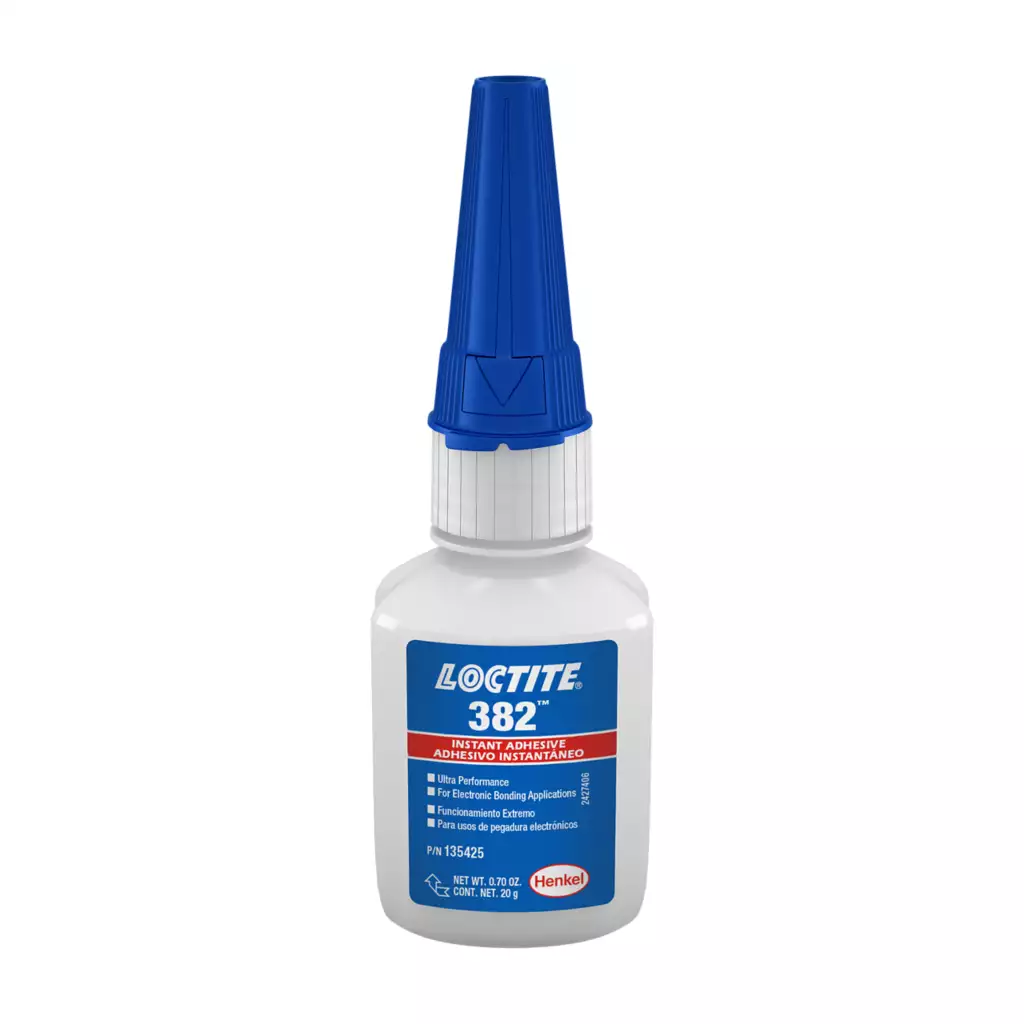
Product code: 382
LOCTITE 382 is a high-viscosity instant adhesive gel for electronics work such as wire tacking and mounting standoffs and stiffeners on circuit boards.
LOCTITE
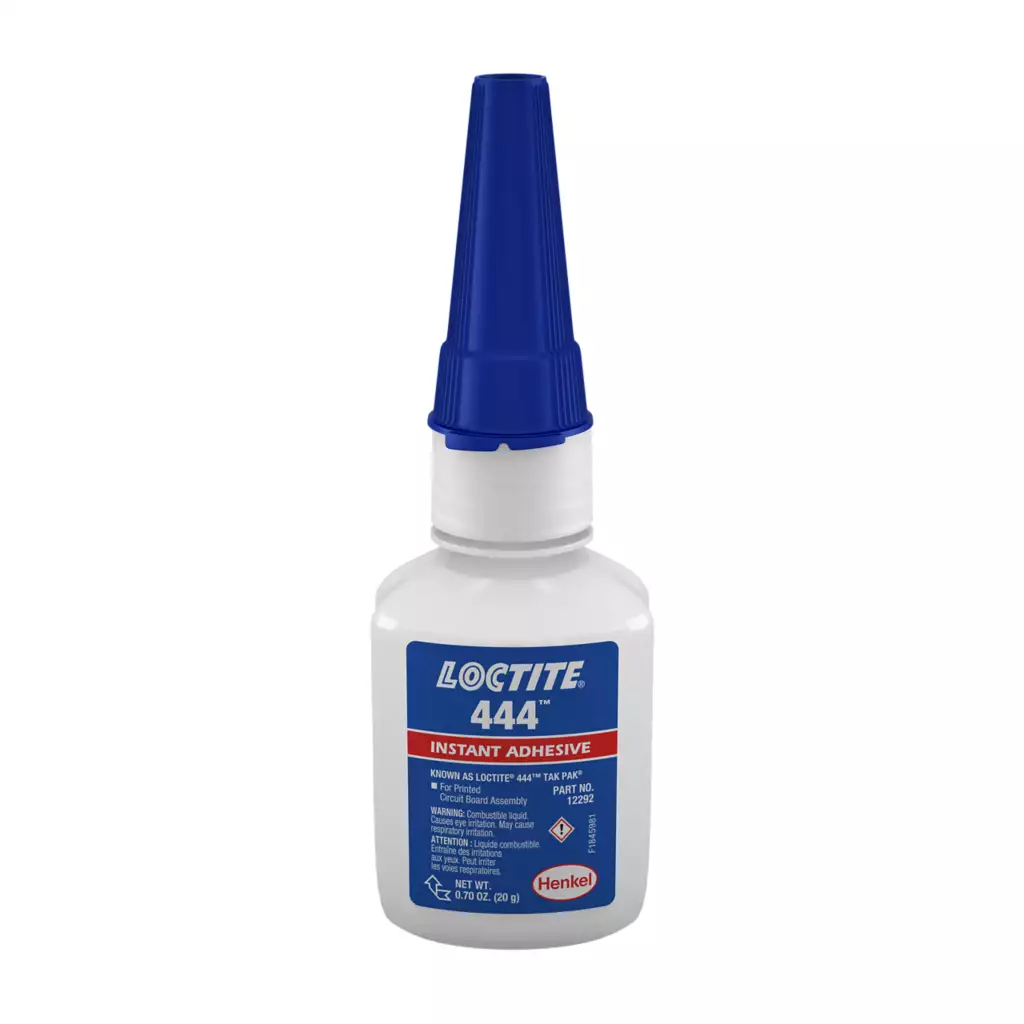
Product code: 444
LOCTITE 444 is a medium-viscosity cyanoacrylate for electronics, used with TAK PAK accelerator to tack wires, components and circuit board hardware in place.
LOCTITE
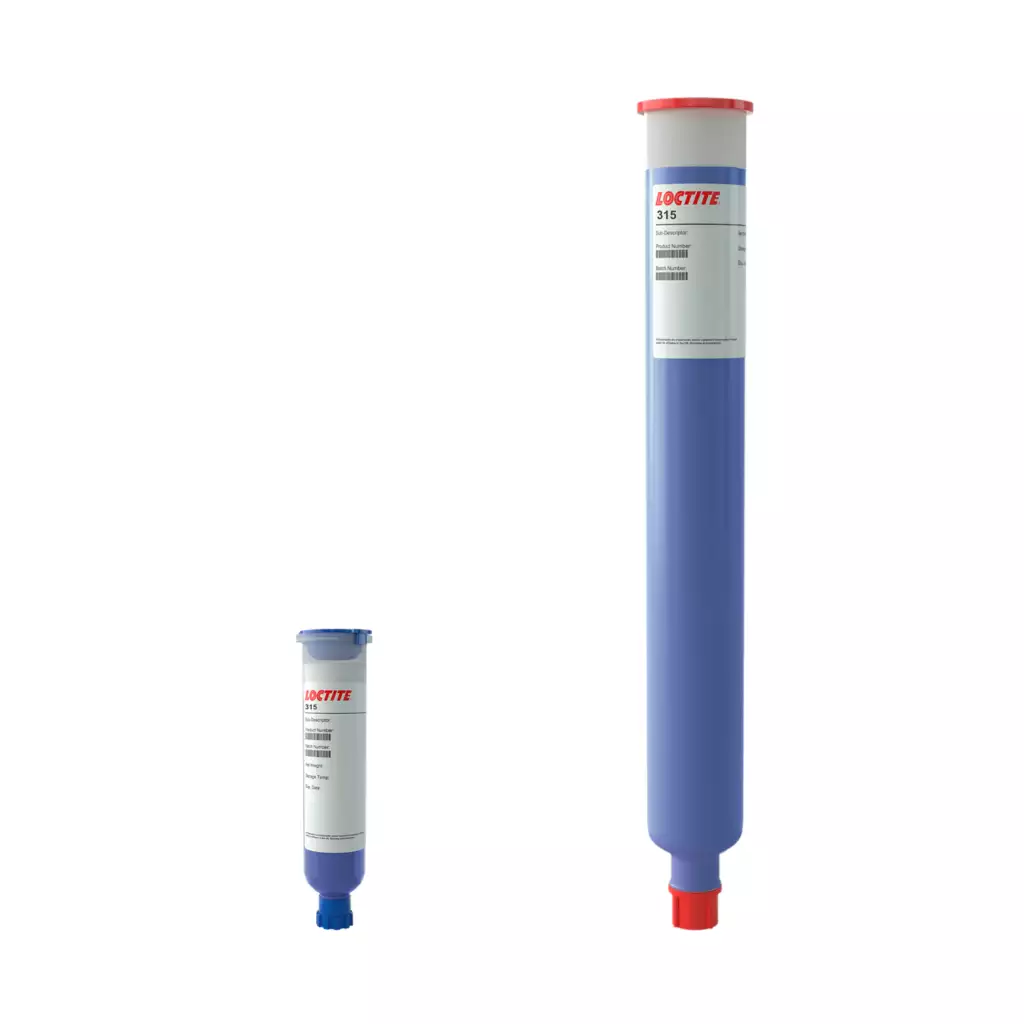
Product code: 315
LOCTITE 315 is a self-shimming, thermally conductive acrylic paste for bonding electrical components to heat sinks with a consistent insulating gap.
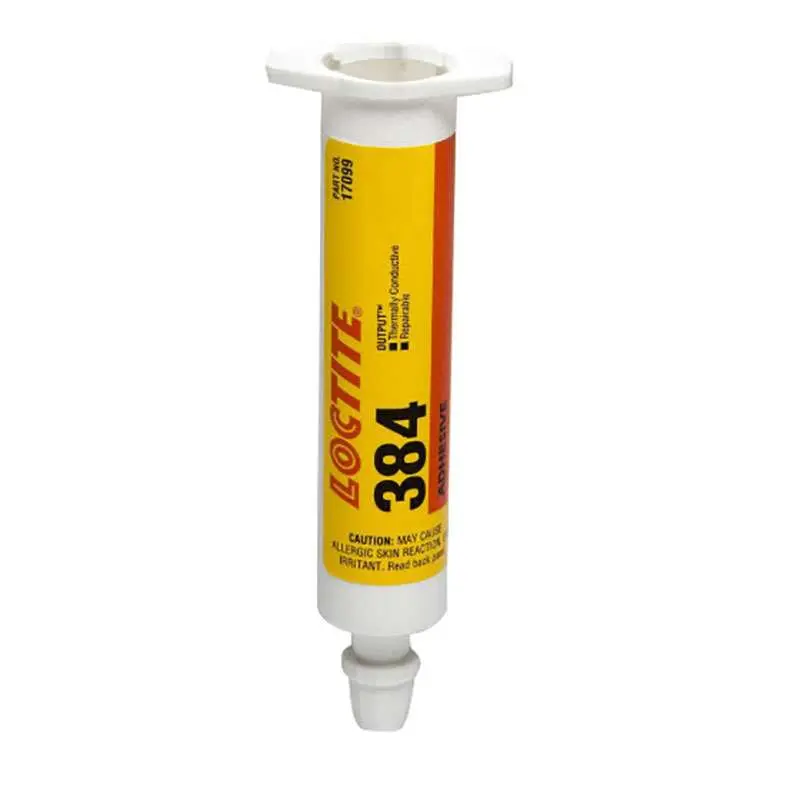
LOCTITE
Product code: 384
LOCTITE 384 is a white to off-white, thermally conductive acrylic paste for bonding heat-generating components to heat sinks, with medium strength so parts can be removed hot for repair.
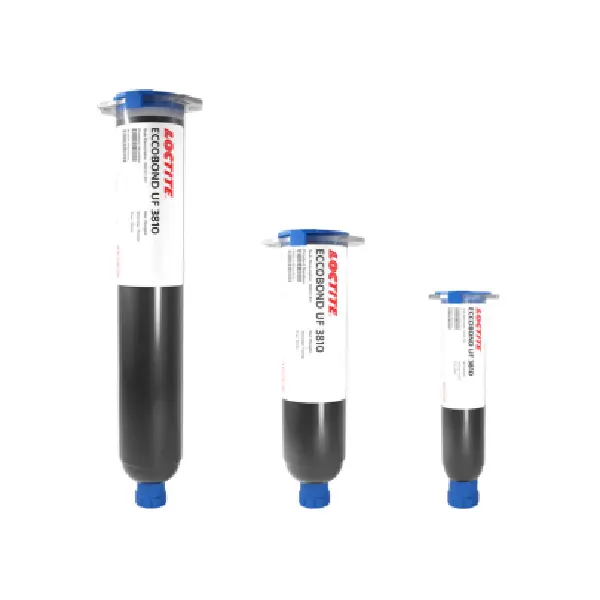
LOCTITE
Product code: ECCOBOND UF 3810
Reworkable one-part epoxy underfill for CSP and BGA. Flows at room temperature and cures in 8 minutes at 130 °C to protect solder joints.
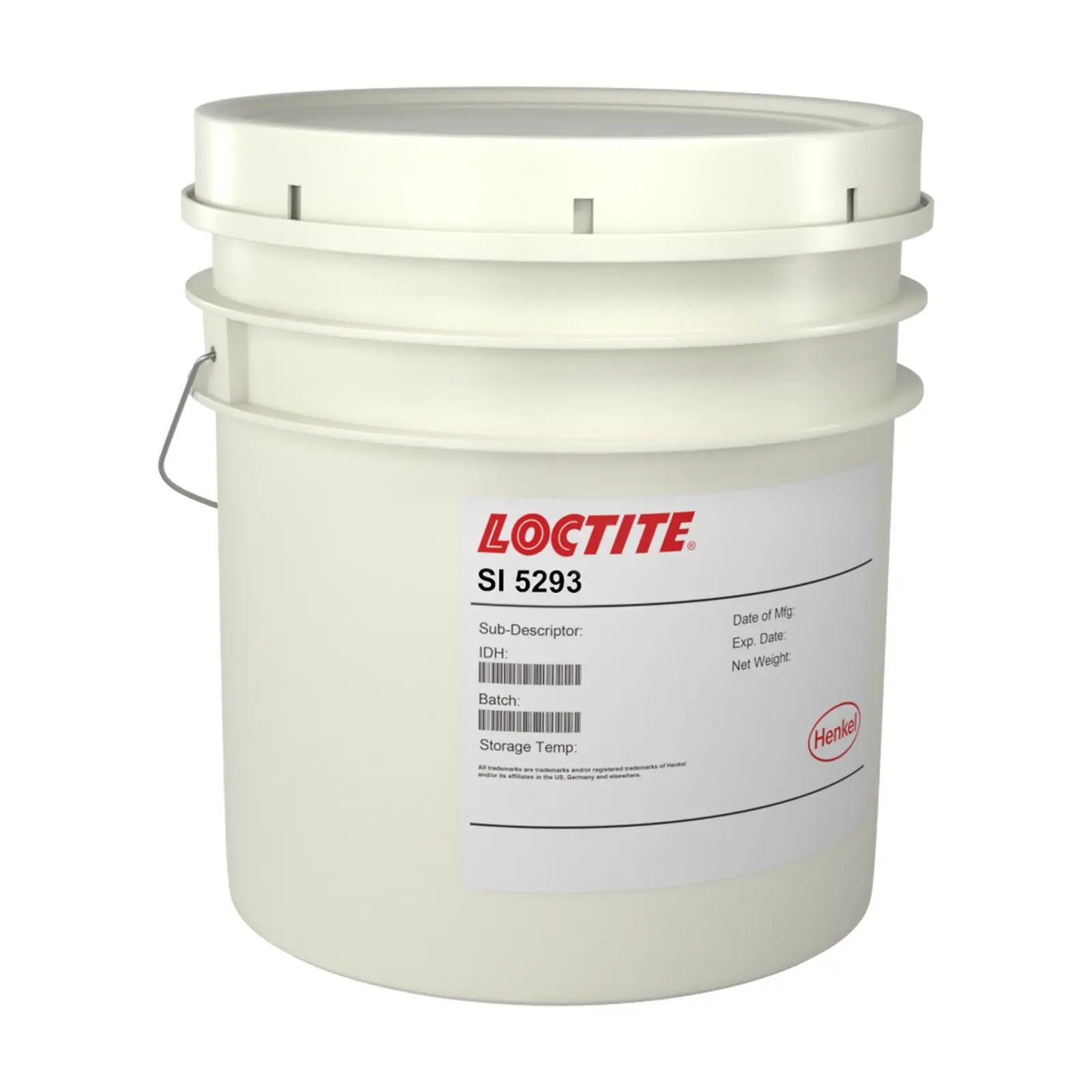
LOCTITE
Product code: SI 5293
One-part silicone conformal coating for circuit boards. It cures with UV light in seconds and with moisture in shadowed areas.
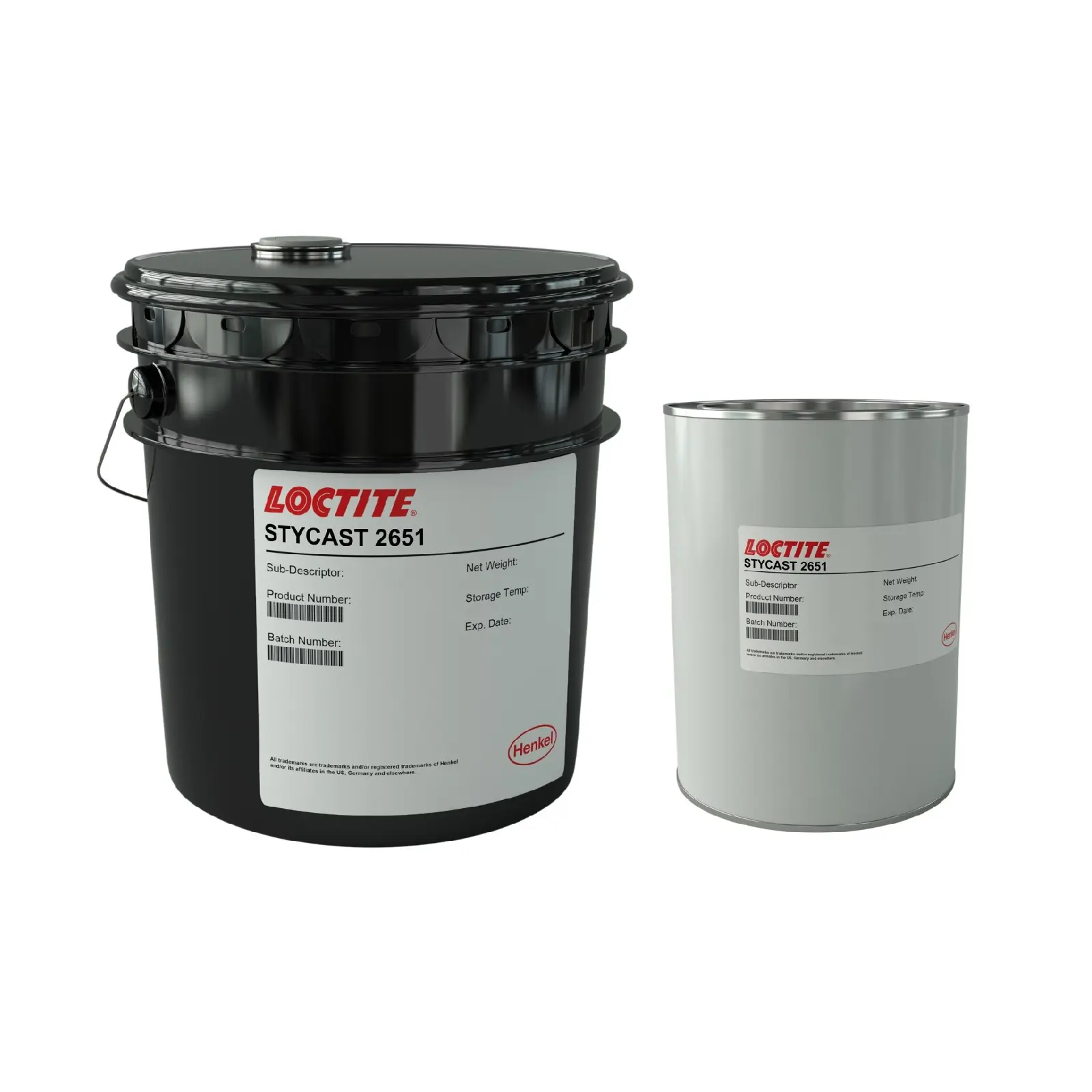
LOCTITE
Product code: STYCAST 2651
Black, general purpose dielectric epoxy encapsulant for electrical and electronic parts. Used with Catalyst 9 at 100:7, cures at room temperature.
BERGQUIST
Product code: GAP PAD TGP 3000
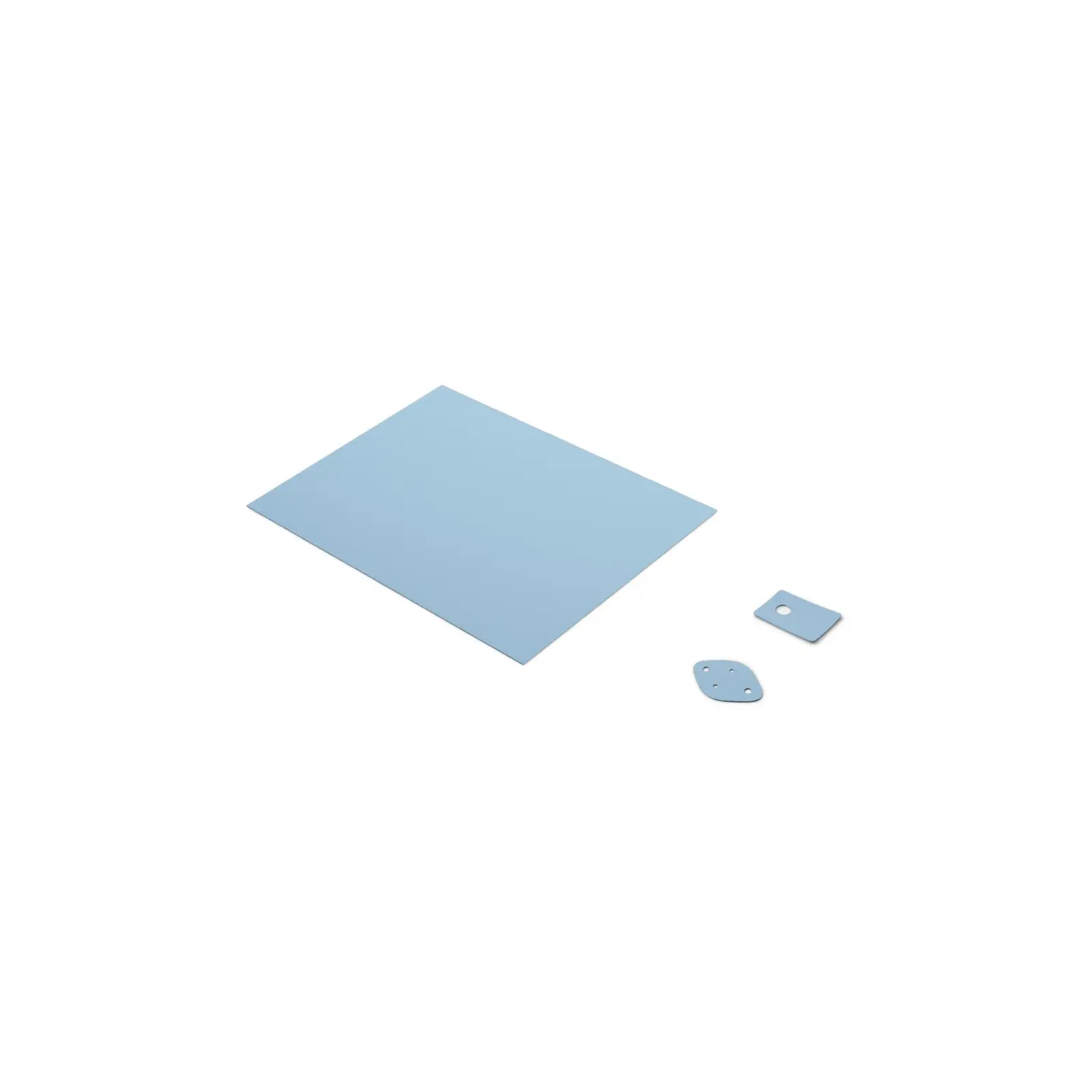
Soft fiberglass-reinforced silicone thermal pad, 3.0 W/(m·K) and 30 Shore 00, for low-stress gaps on processors, BGA packages and storage drives.
Turn a bench result into a repeatable line method.
Insulating gap, strength, cure and rework compared.
Choose adhesives around the materials, joint design and production process.
Review products that help resist loosening of threaded fasteners.
Identify the connection and service conditions before assessing leakage.
Review the factors that affect sealing between mating faces.
Share the materials, application location, dispensing method, cycle time, service environment and any electrical or thermal requirements. Include the product code and technical documents already under review so the application can be assessed against the available information.
Not sure which product fits? Ask our assistant
Type the job, the material or a spec. It searches our published products and TDS values — no external AI.