
LOCTITE
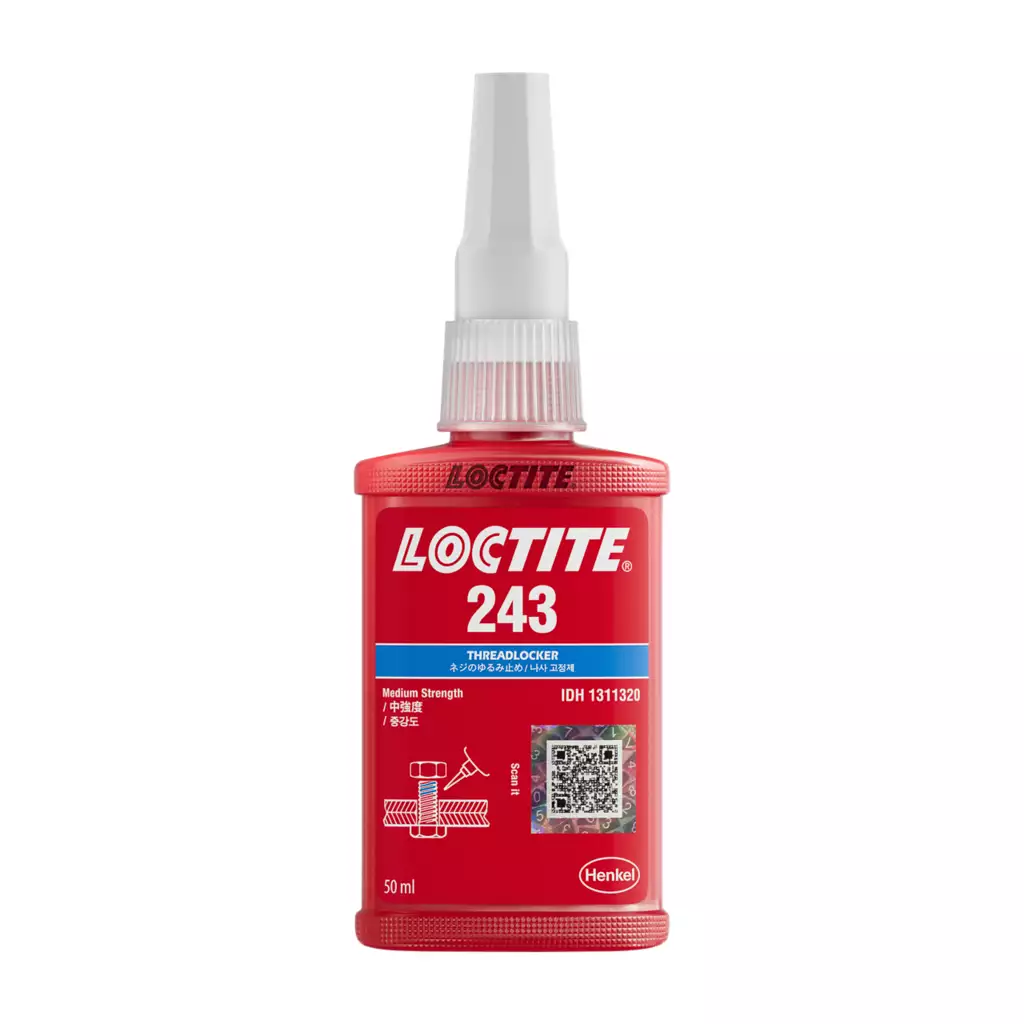
LOCTITE 243
Product code: 243
Blue medium-strength threadlocker for pumps, gearboxes and motors that works on passive metals and tolerates minor oil contamination.
Technical guide
A bond that passed on the bench passed under one operator, one bottle and one afternoon. The line runs three shifts with bottles of different ages and parts at whatever temperature the shop is. This guide covers the parameters that make all of those give the same result, and how to write them into a work instruction.
A production method is what makes different operators, bottles, shifts and part batches give the same joint. It consists of a defined application method, a controlled quantity, time limits, a fixturing arrangement, a check, and a work instruction that holds them together. Leave any one of them undefined and that is where the line will drift.
The sections below take each element in turn; the table further down lists, family by family, what to control at the station and how to verify it.
Match the method to the quantity, precision and volume. Most LOCTITE instant adhesives, threadlockers and pastes suit manual or dispense-system application, and LOCTITE 3609 suits medium to high dispense speeds in surface-mount assembly.
Too much adhesive is the most common line fault. Excess cyanoacrylate cures slowly and blooms, excess threadlocker squeezes out and fouls the next operation, excess silicone slumps and smears. Pick one measurable quantity per station and give it a tolerance.
Two times govern every bonding station. Open time is how long the applied adhesive can wait before the parts are joined; fixture time is how long the joined parts must stay still before they can be handled. Both come from the TDS, and both move with temperature, humidity, gap and substrate.
Cyanoacrylates have an open time of seconds and fixture in seconds; LOCTITE 406 is described for assemblies needing rapid fixture and minimal adjustment time. Anaerobic threadlockers stay liquid until assembled, so open time is generous, but torque must be applied before cure starts. LOCTITE AA 326 has an open time set by its activator. LOCTITE SI 595 must be joined before it skins over. LOCTITE 3609 holds the component only after its heat cure, so the oven profile is the fixture.
Write open time into the work instruction as a maximum and fixture time as a minimum. A station that runs faster than the fixture time is loading wet joints.
Between application and fixture the parts must not move. For close-fitting cyanoacrylate joints, hand pressure for the fixture time is often enough; larger or spring-loaded parts need a jig that holds alignment without squeezing the adhesive out.
Where cycle time is shorter than the natural fixture time, two accelerators are available. LOCTITE SF 712 is the solvent-based activator that accelerates the cure of LOCTITE cyanoacrylates and supports rapid fixturing in electronics and industrial assembly. LOCTITE AA 326 is activated with LOCTITE SF 7649 as a two-step, no-mix system, so for that adhesive the activator is not an option but the process. Either way the activator has an on-part life in its TDS, and that becomes a line timer.
Each family has a different critical variable. The table lists what to control and how to verify it.
| Adhesive family | Control at the station | How to verify |
|---|---|---|
| Anaerobic threadlockers (LOCTITE 243, 263) | Quantity on the engaged threads, both parts metal, torque applied before cure | UV lamp shows coverage on fluorescent grades; breakloose torque audit on sample fasteners |
| Cyanoacrylates (LOCTITE 401, 454) | Drop count or shot weight, join within seconds, station humidity, SF 712 use | Fixture check at the TDS time; pull test on sample joints; inspect for bloom |
| Activator-cured acrylic (LOCTITE AA 326 with SF 7649) | Activator on the specified face, dry before joining, bond gap, time from activation to assembly | Fixture at the TDS time; shear test on samples; activator timer logged |
| RTV silicone (LOCTITE SI 595) | Bead size, joined before skin-over, ventilation for the acetic odor | Bead gauge; tack-free check; no slump on vertical joints |
| Heat-cure SMT adhesive (LOCTITE 3609) | Dot size and position, dispense conditions per TDS, oven profile | Dot inspection before placement; component shear after wave solder |
| Thermally conductive paste (LOCTITE 315, 384) | Activator per TDS, gap, air entrapment on dispensing | Fixture at the TDS time; removal-while-hot check on 384 for repairability |
Inspection on a bonding line is about the process, because the bond itself cannot be seen. A few cheap checks catch nearly everything.
A work instruction is what turns the trial into a method that survives a change of operator. It records the parameters below; anything not written down will drift.
Most line failures trace to a parameter that was never written down. These are the ones ADVANCE sees most often.
LOCTITE
Product code: 243
Blue medium-strength threadlocker for pumps, gearboxes and motors that works on passive metals and tolerates minor oil contamination.
LOCTITE
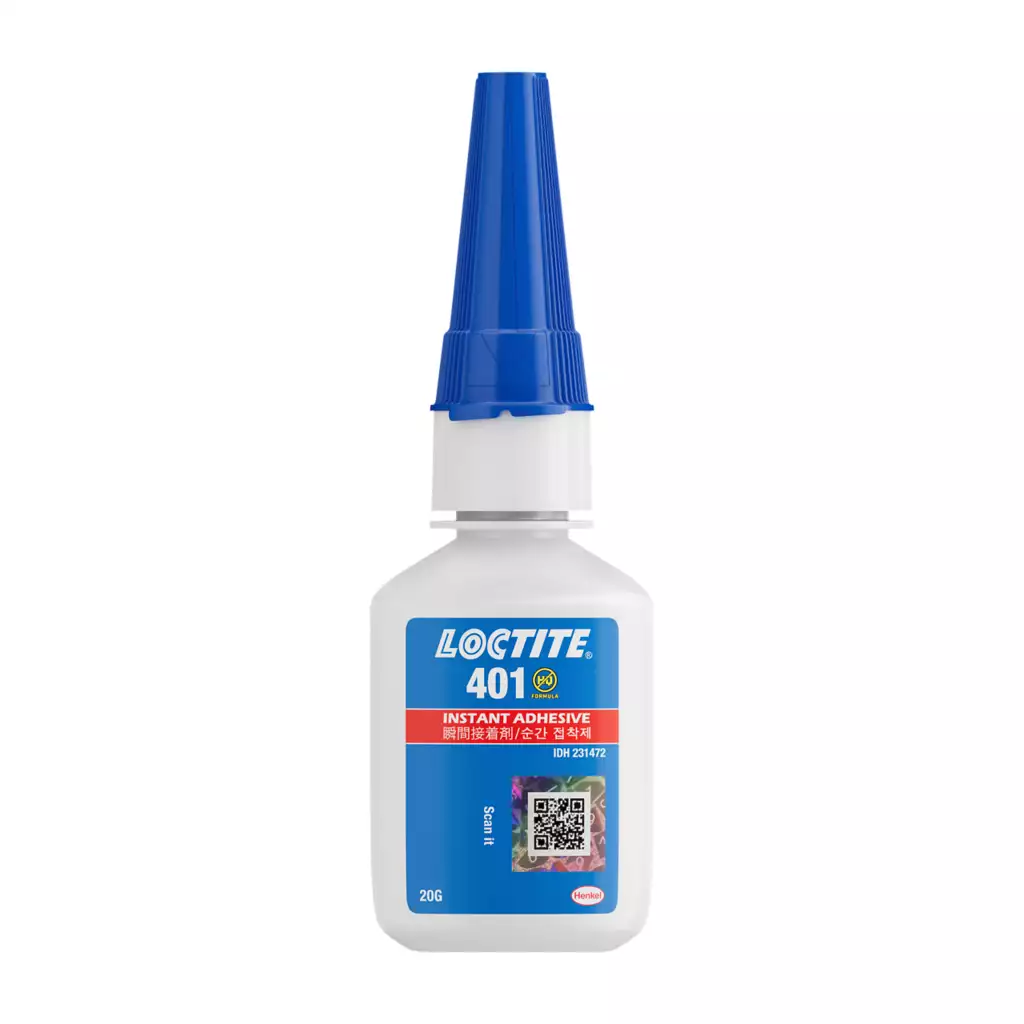
Product code: 401
LOCTITE 401 is a general-purpose instant adhesive for fast assembly of close-fitting parts and repairs on metals, plastics, rubber and porous materials.
LOCTITE
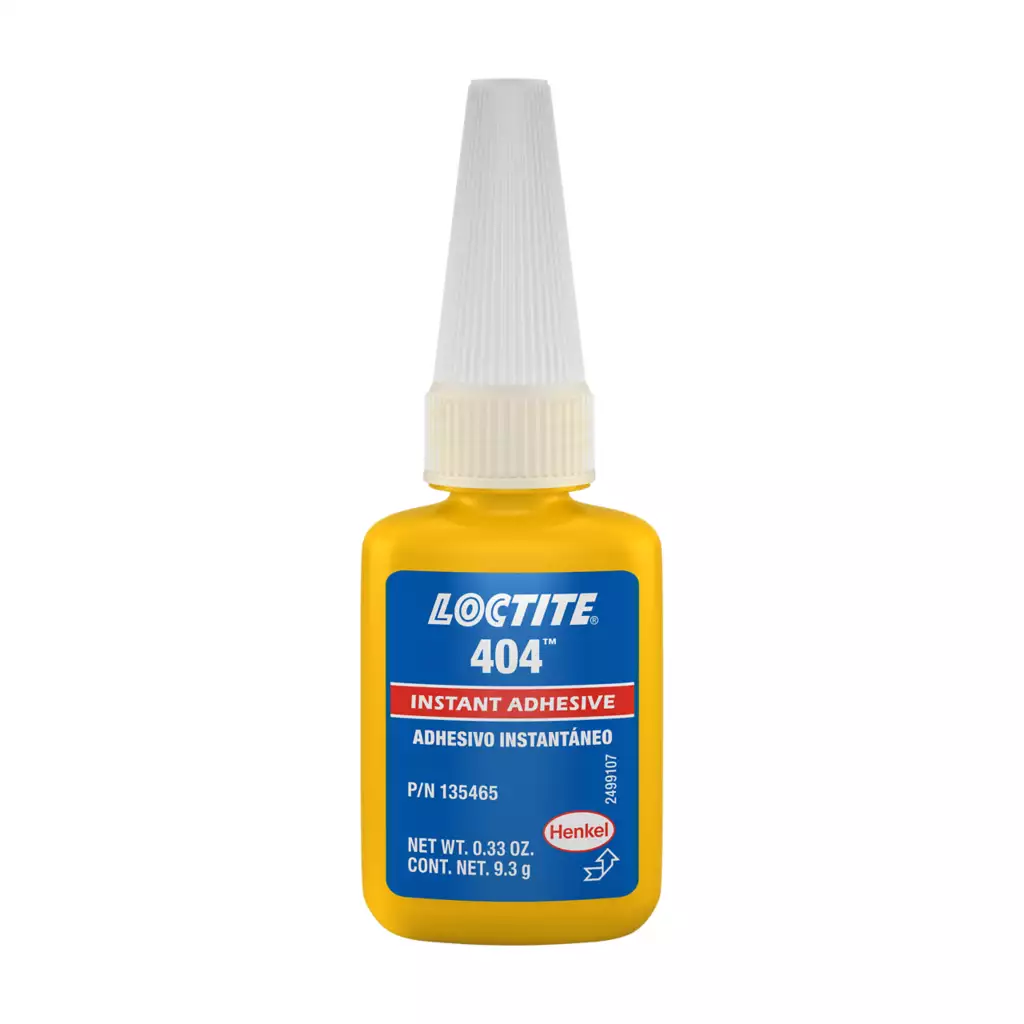
Product code: 404
LOCTITE 404 is a low-viscosity instant adhesive for rubber and plastics, used for O-ring assembly and quick repairs where very fast fixturing is needed.
LOCTITE
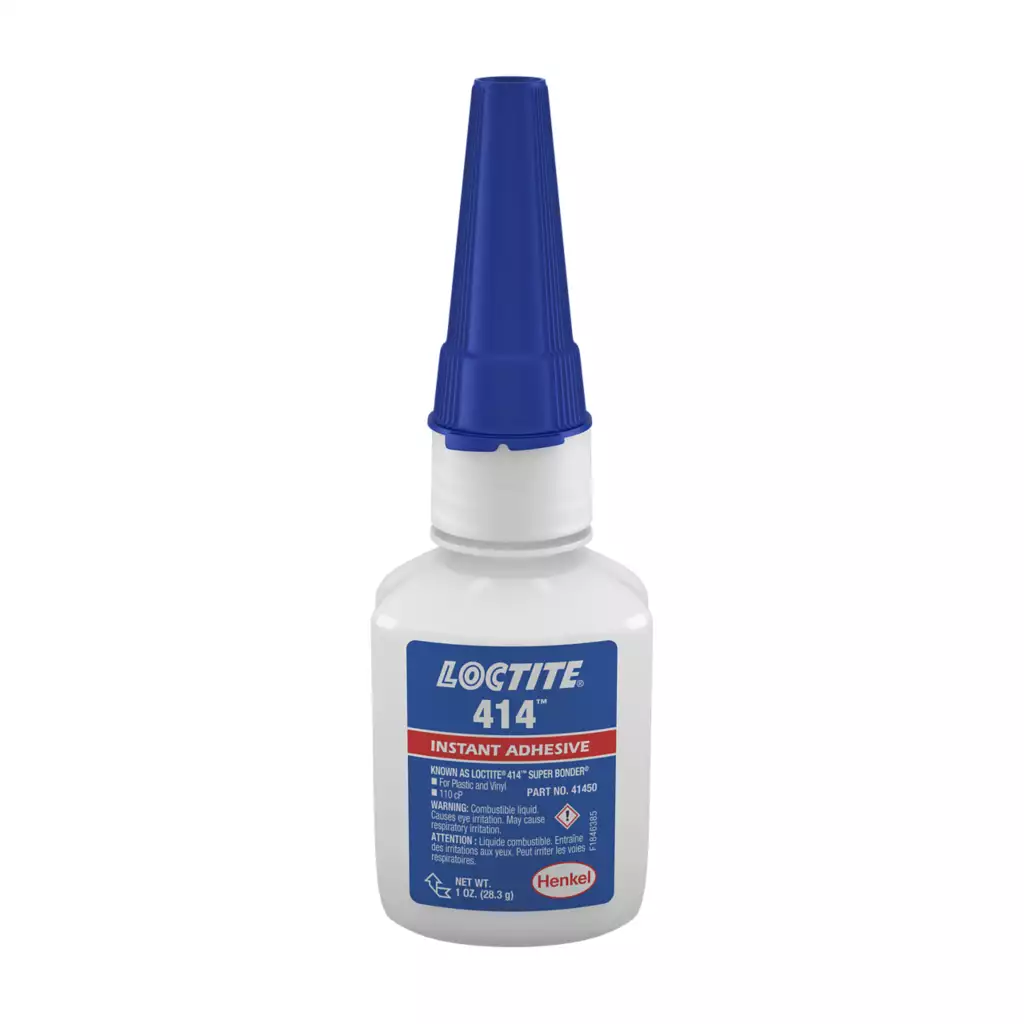
Product code: 414
LOCTITE 414 is a general-purpose, low-viscosity instant adhesive used mainly for bonding plastics, and it also works on rubbers and metals.
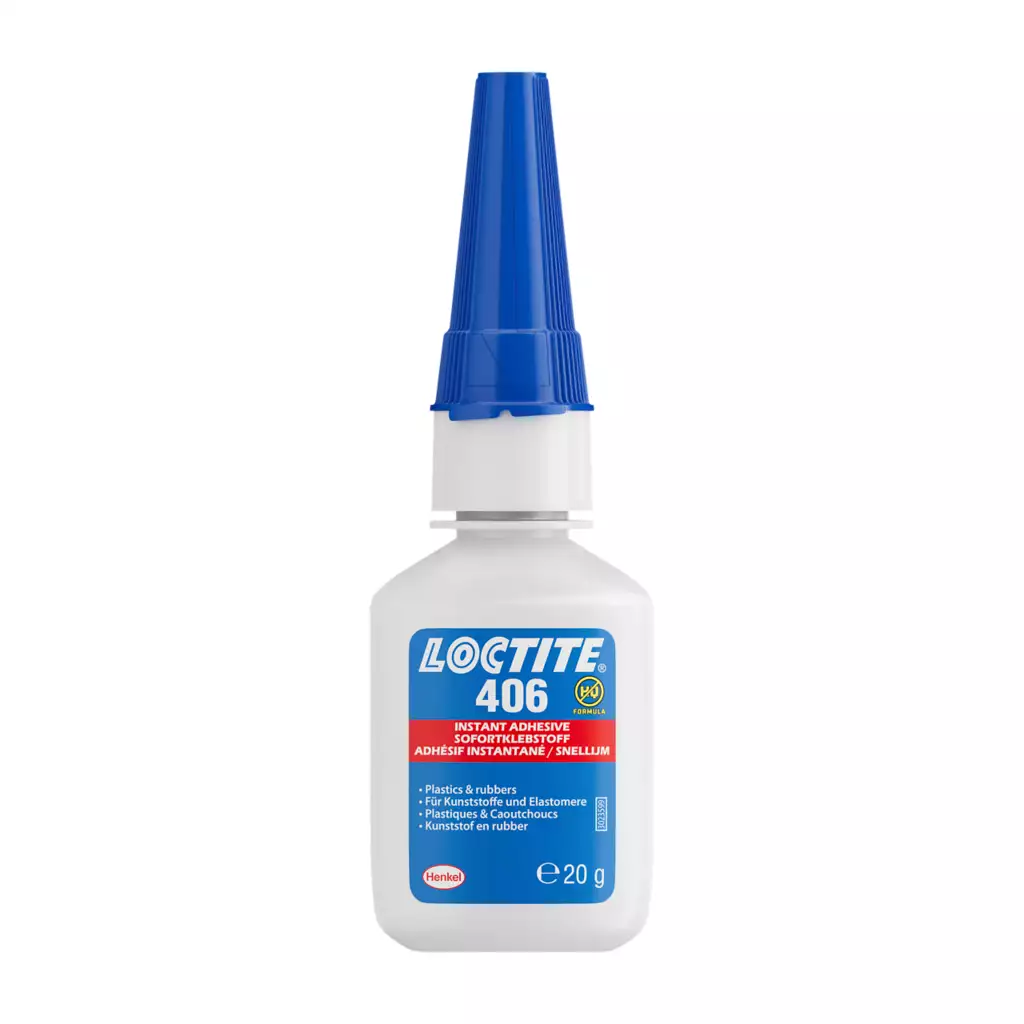
LOCTITE
Product code: 406
LOCTITE 406 is a very low-viscosity instant adhesive for fast bonding of plastics and rubbers, including EPDM, forming an ultra-thin film in tight joints.
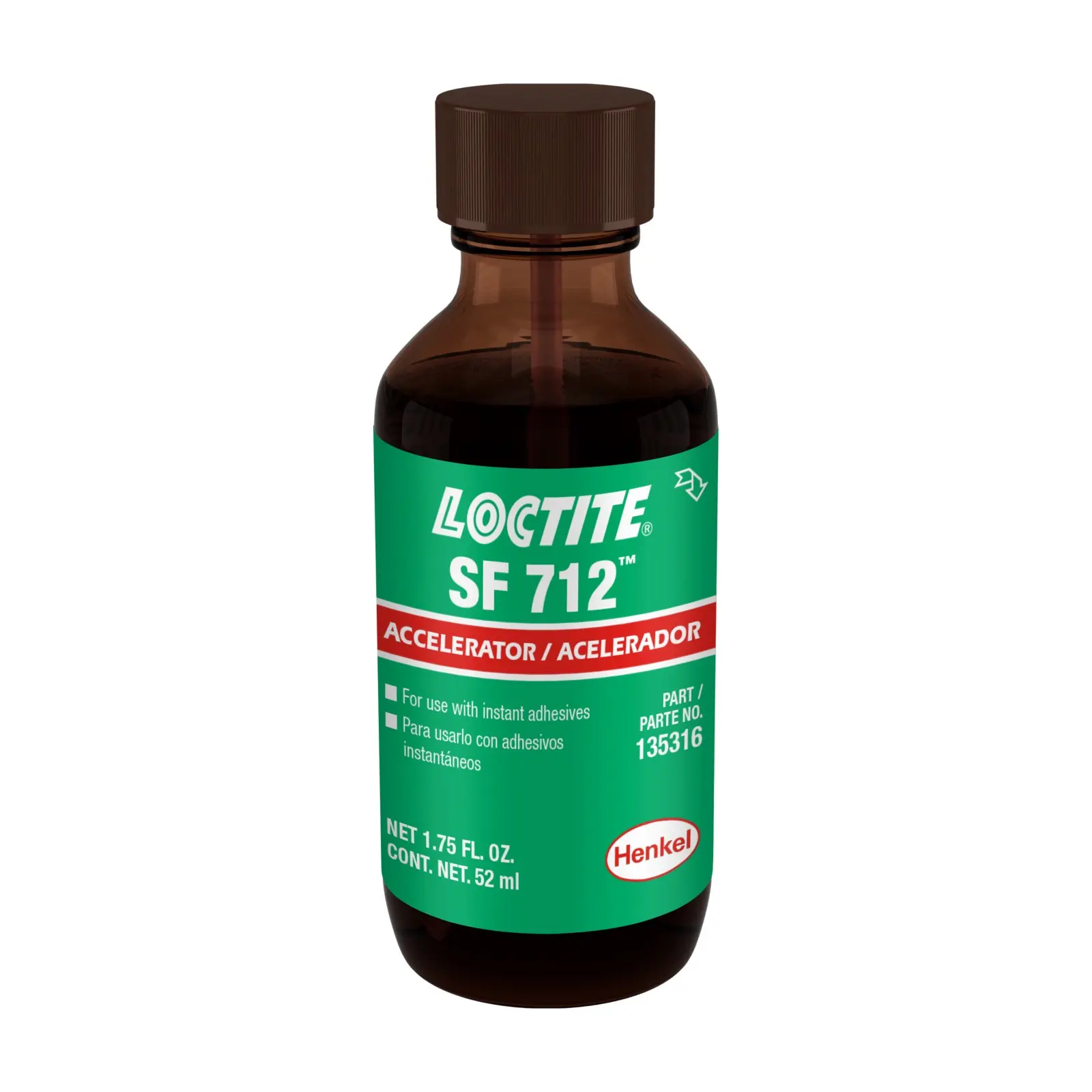
LOCTITE
Product code: SF 712
Solvent-based Activator that speeds the cure of LOCTITE cyanoacrylate adhesives, applied before or after bonding. Used for securing wires or coils to PCBs.
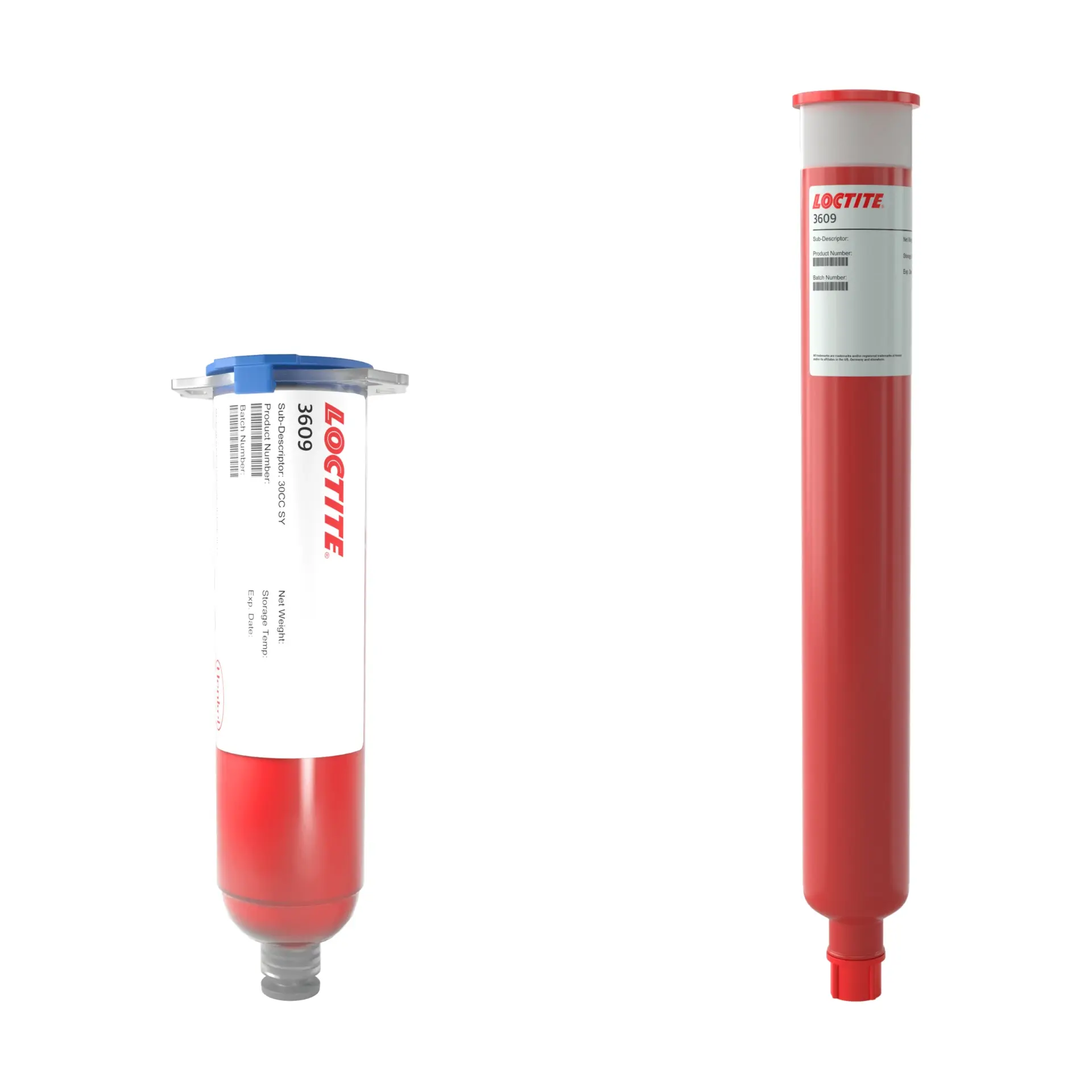
LOCTITE
Product code: 3609
LOCTITE 3609 is a red, 1-part epoxy surface mount adhesive that holds SMD components on printed circuit boards before wave soldering, at medium to high dispense speeds.
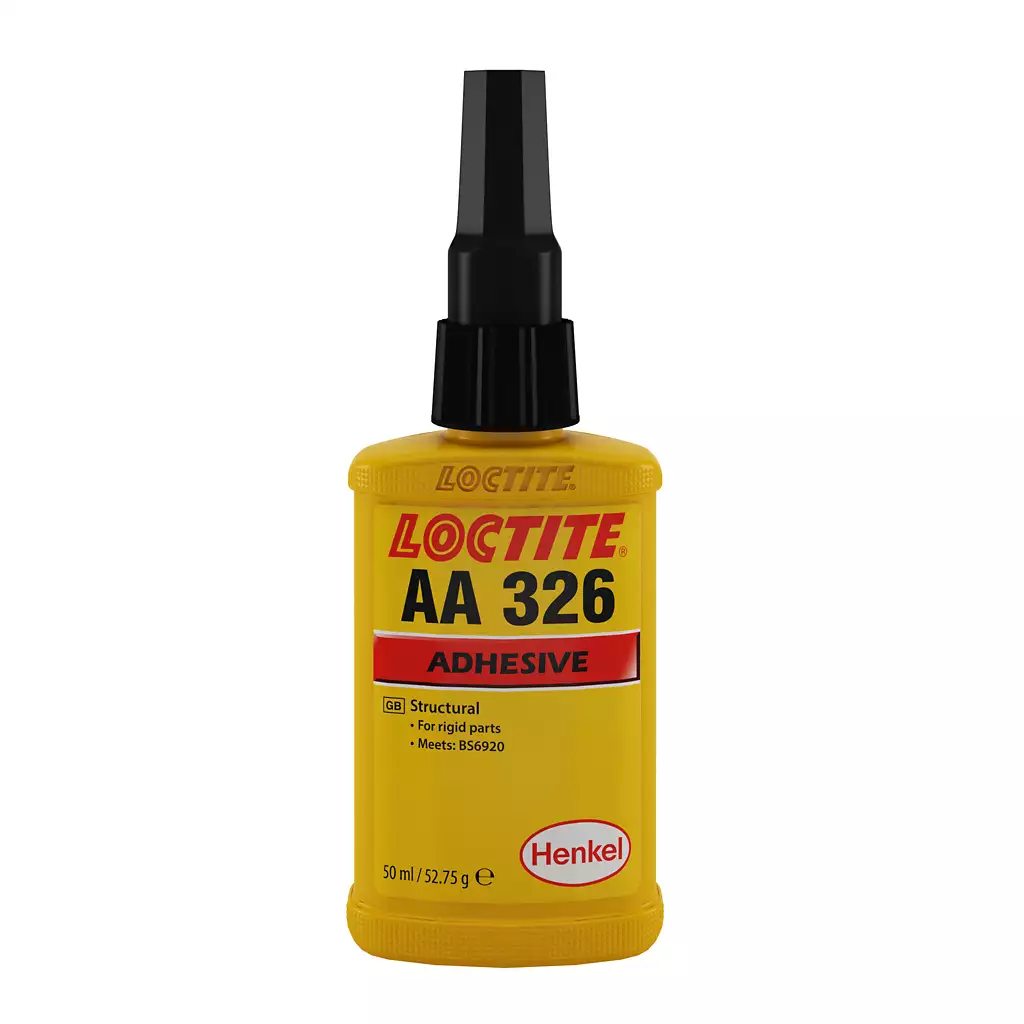
LOCTITE
Product code: AA 326
LOCTITE AA 326 is a high-viscosity structural acrylic used with LOCTITE SF 7649 activator for fast metal bonding, such as ferrites on plated parts in electric motors.
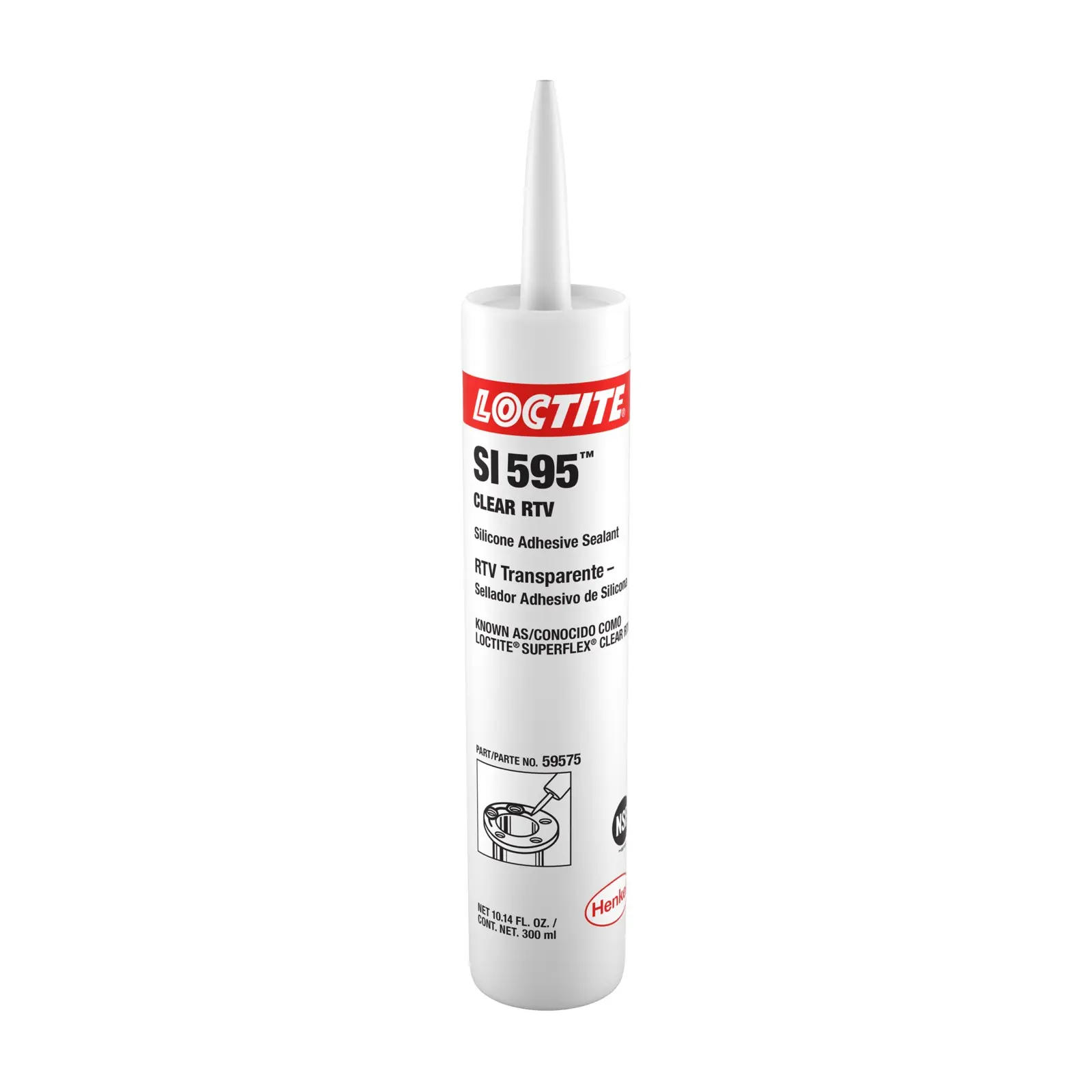
LOCTITE
Product code: SI 595
Clear one-part RTV silicone for sealing and flexible bonding on mechanical assemblies. Thixotropic Paste that will not slump, for use up to 204 °C.
Ten things that change between bench and line, how each hurts the joint, and how to trial for real.
What fixture, handling strength, full cure, open time and pot life mean, and what triggers cure in each LOCTITE family.
Storage ranges, upright bottles, refrigerated instant adhesives, SMT syringes, sealed cartridges, solvents, FIFO and expired stock.
Five questions, from job and materials to gap, removal and process, that lead to the right LOCTITE family.
Tell us the product, the parts and the cycle time. We will go through the TDS parameters with you and help draft the work instruction.
Not sure which product fits? Ask our assistant
Type the job, the material or a spec. It searches our published products and TDS values — no external AI.