
LOCTITE
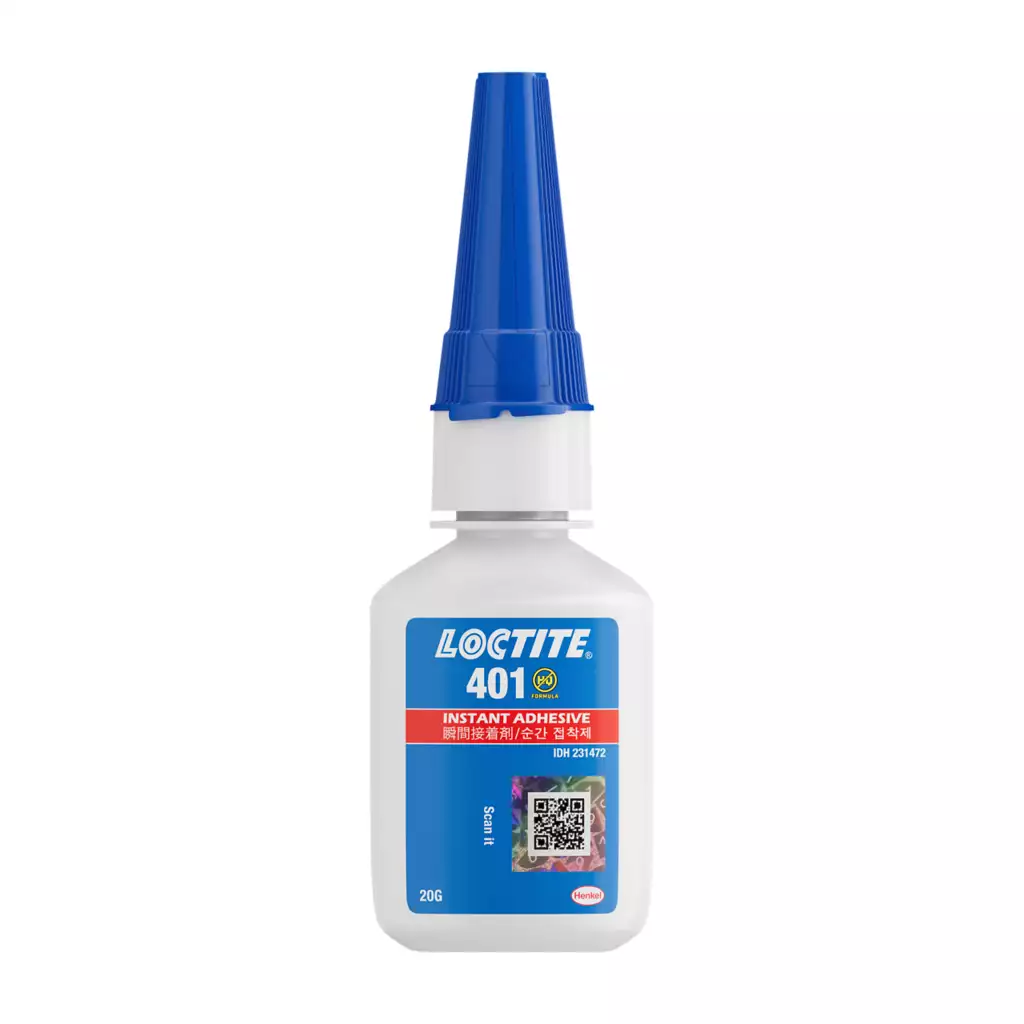
LOCTITE 401
Product code: 401
LOCTITE 401 is a general-purpose instant adhesive for fast assembly of close-fitting parts and repairs on metals, plastics, rubber and porous materials.
Troubleshooting
The bench trial passed, the first production batch failed, and the adhesive is the same. It is almost never the adhesive. Between a careful engineer with clean samples and a line running at takt time, ten things change, and each one can take the joint from pass to fail.
The pattern is always the same: trial samples pass every test, the first production batch fails some or all, and the obvious variables, product, batch, materials, look identical on paper. Before anyone orders a different adhesive, list what actually changed.
Surface condition and cleaning. The engineer wiped the samples with solvent and gloves; the line gets parts straight from a tote, handled bare-handed, sometimes with mold release or preservative oil still on them. Quantity and position. A bench drop placed by eye on the center of the joint becomes a dispensed dot that lands wherever the nozzle points, often smaller, off-center or dragged across the part.
Open time. On the bench the parts were joined within seconds of applying; on the line a tray of parts may wait for the next operator while a cyanoacrylate skins over or an anaerobic starts to cure on an active metal. Fixture time. The engineer let samples sit overnight; the line moves the part to the next station in seconds, and a joint handled before the fixture time in the TDS is damaged for good. Operator and tool. A different hand, a different bottle tip, a dispensing needle of another size, a pneumatic dispenser with a different pressure setting: each changes the dose and placement.
Temperature and humidity. Cyanoacrylate cure depends on surface moisture, so an air-conditioned lab and a hot, humid or very dry shop floor are different processes; cold parts and cold adhesive dispense and cure differently too. Material batch and age. The trial used a fresh bottle; the line may be on a bottle opened months ago, stored warm, or on a part lot molded with a different release agent.
Supplier and plating. A second-source fastener with zinc plating instead of plain steel, or a part with a different anodizing, turns an active surface passive and slows an anaerobic. Fixturing and support. Bench samples were held by hand until fixture; line parts sit in a nest that may hold the gap open or let one part slide. Inspection method. The bench test was a destructive pull; the line checks by eye or a tap, which passes an under-cured joint.
Each row is a control to write into the process before the line trial, not after the failure.
| Difference | Effect on the joint | How to control it |
|---|---|---|
| Cleaning step dropped or changed | Adhesive failure on the contaminated side | Specify cleaner, method and gloves in the work instruction |
| Quantity and position | Starved or off-center bond, squeeze-out, bloom | Fixed needle size and pressure; a dot-size go/no-go gauge |
| Open time stretched by line layout | Skinned or part-cured adhesive, weak bond | Apply and assemble at one station; time limit on the sheet |
| Handled before fixture time | Joint broken while half cured | Buffer or cure rack sized to the TDS time; activator if the line cannot wait |
| Operator and dispensing tool | Dose varies shift to shift | Same tool for everyone; training and first-piece check |
| Temperature and humidity | Cyanoacrylate cure speed and bloom change | Log station conditions; activator for dry or cold conditions |
| Bottle age and storage | Slow or incomplete cure, viscosity drift | Opening date on every container; storage per TDS; first in, first out |
| Second-source parts or plating | Passive surface or release agent; slow cure, clean peel | Re-trial every supplier change; primer or activator per TDS |
| Fixturing and part support | Gap held open, parts move during cure | Nest that closes the gap and holds until fixture |
| Inspection method | Under-cured joints pass to the next station | Destructive sample at start of shift; UV check for fluorescent grades |
A line trial is a bench trial with the bench removed: production parts, production operators, production timing. The order below keeps it honest.
Most bench-to-line failures come from a trial that was never representative, or from a line that was never told what the trial assumed.
Change the product when the line cannot be made to match the trial, not when the trial was simply not representative. If the line genuinely cannot wait the fixture time, cannot clean, or must take passive-plated parts, choose the product for that reality and trial it again on the line.
LOCTITE
Product code: 401
LOCTITE 401 is a general-purpose instant adhesive for fast assembly of close-fitting parts and repairs on metals, plastics, rubber and porous materials.
LOCTITE
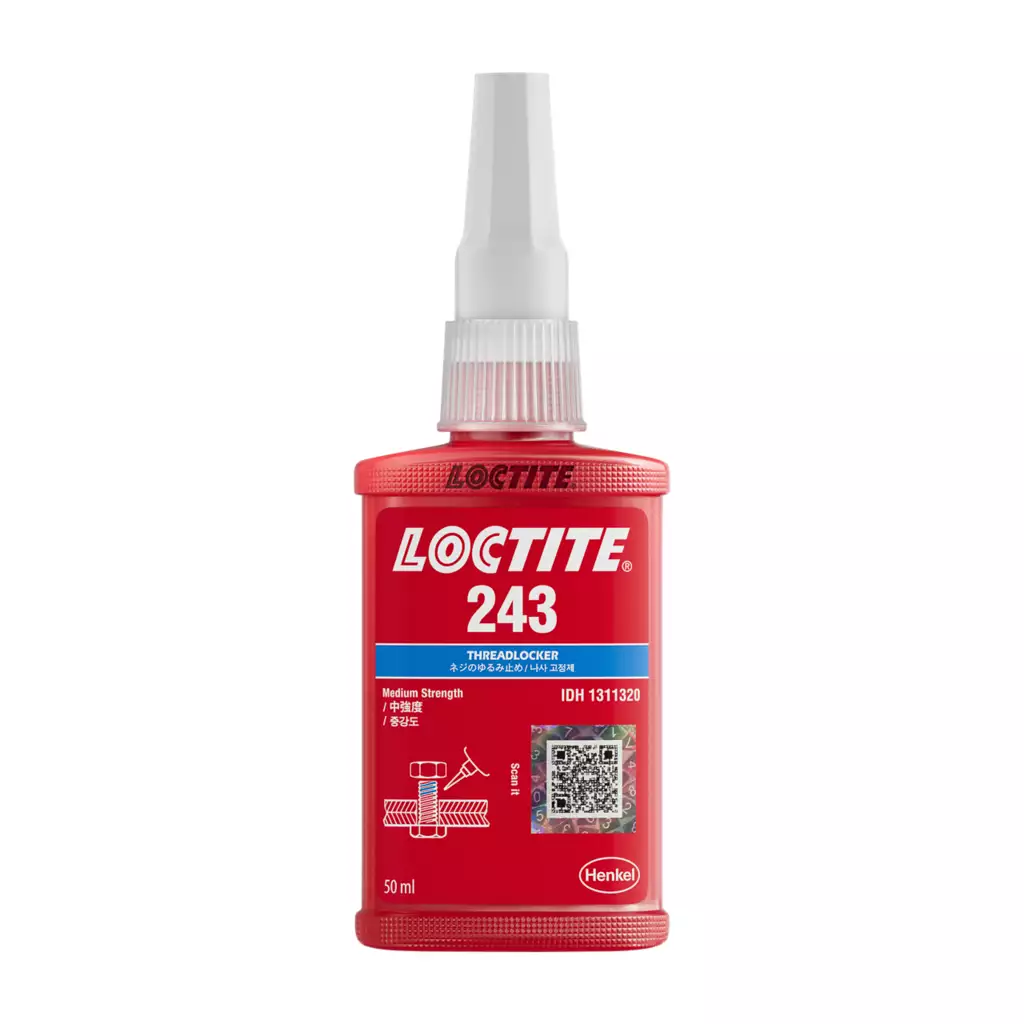
Product code: 243
Blue medium-strength threadlocker for pumps, gearboxes and motors that works on passive metals and tolerates minor oil contamination.
LOCTITE
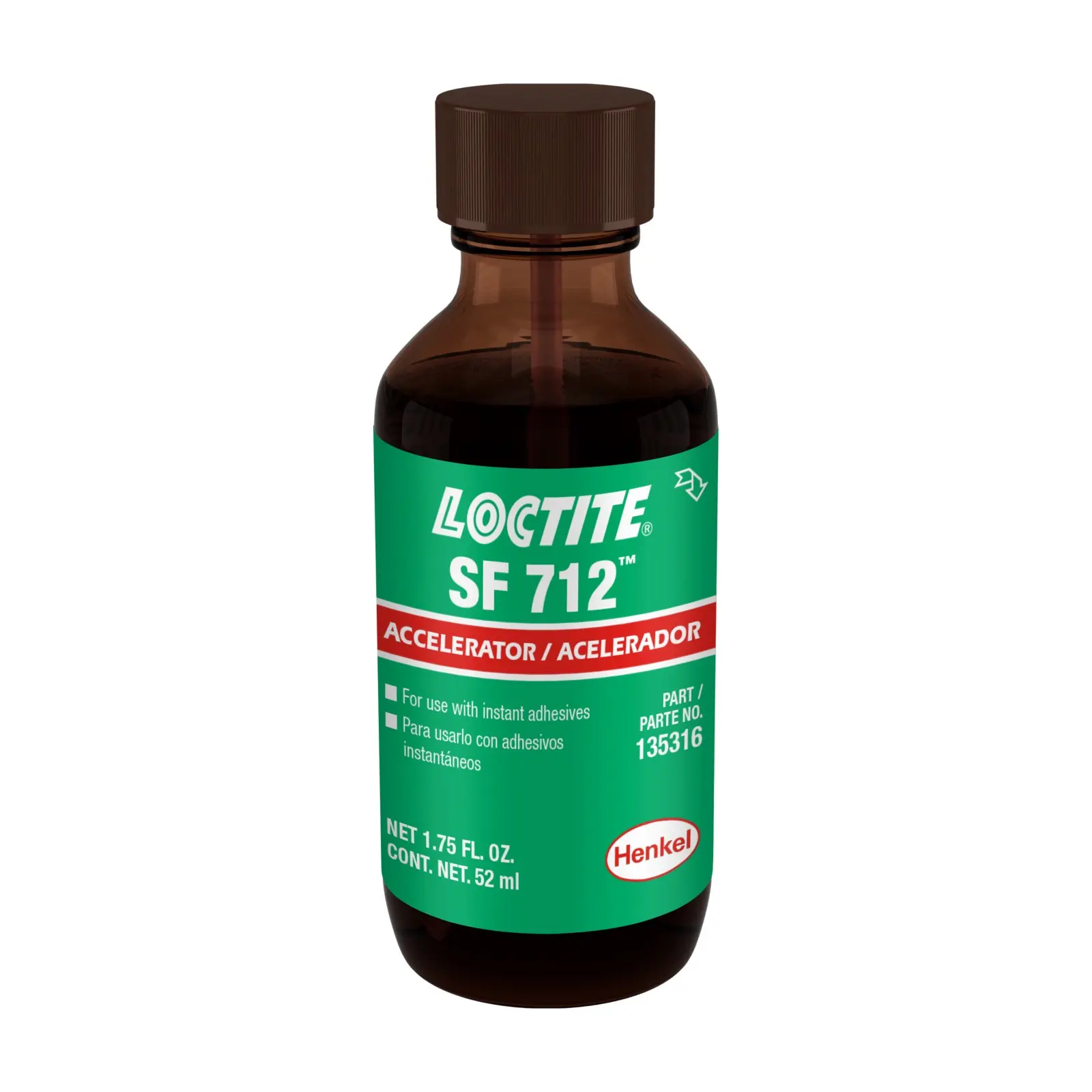
Product code: SF 712
Solvent-based Activator that speeds the cure of LOCTITE cyanoacrylate adhesives, applied before or after bonding. Used for securing wires or coils to PCBs.
LOCTITE
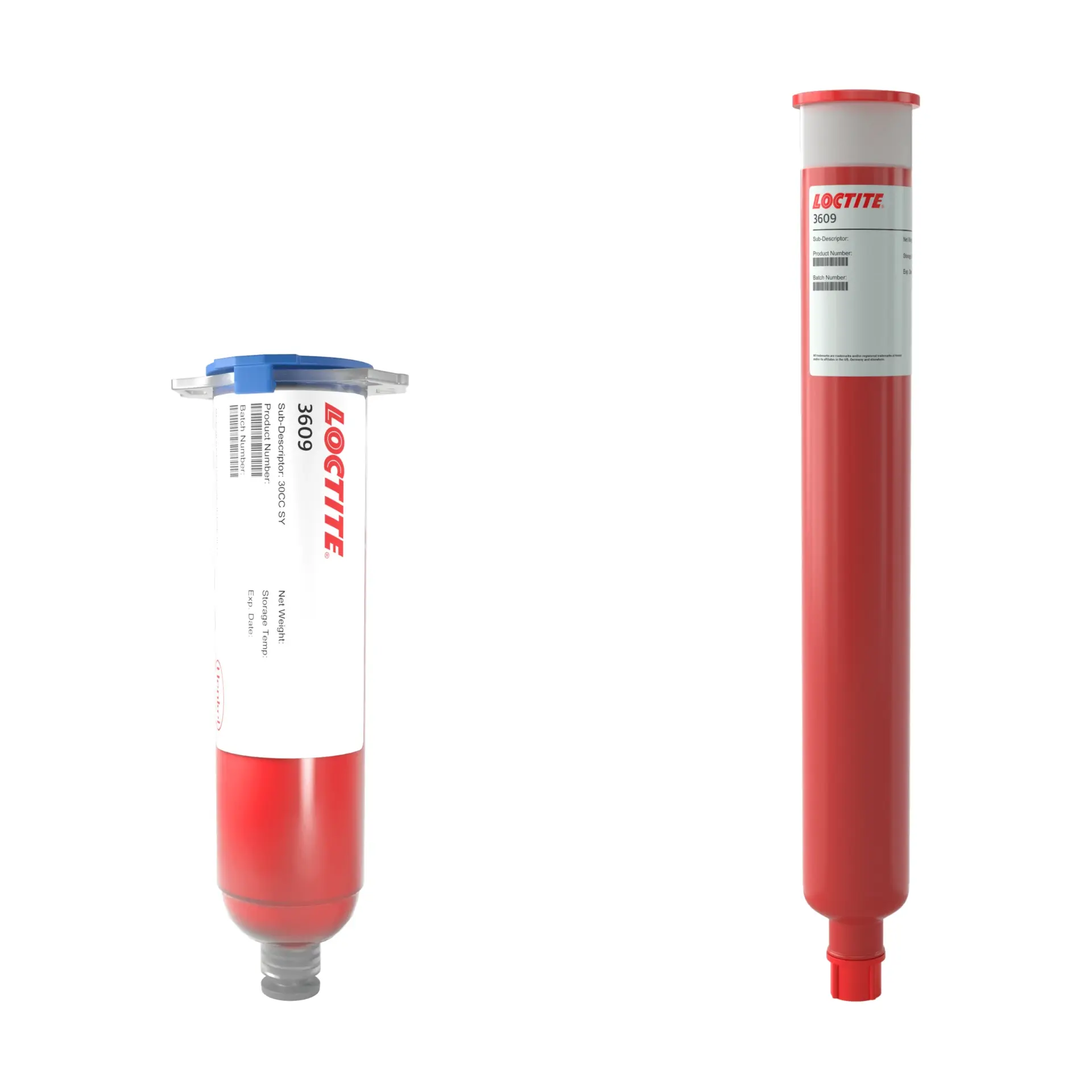
Product code: 3609
LOCTITE 3609 is a red, 1-part epoxy surface mount adhesive that holds SMD components on printed circuit boards before wave soldering, at medium to high dispense speeds.
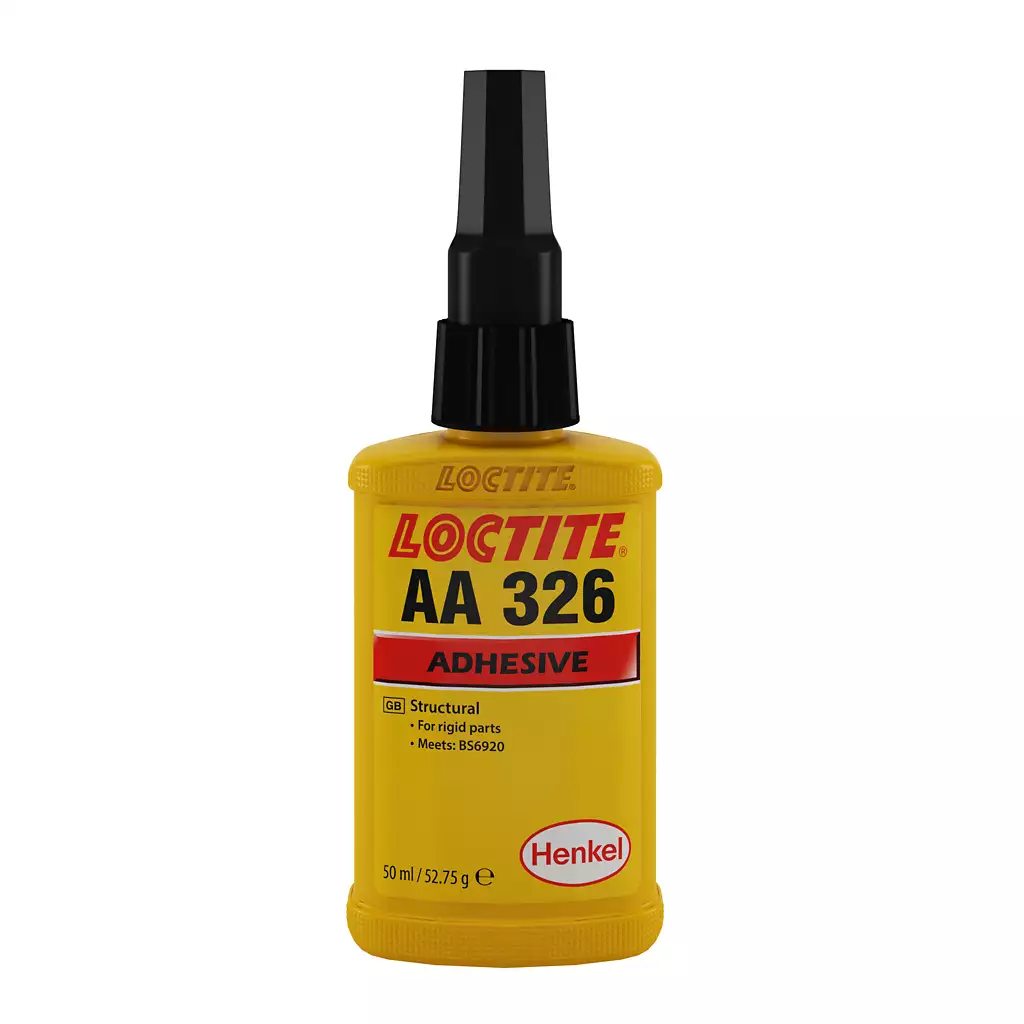
LOCTITE
Product code: AA 326
LOCTITE AA 326 is a high-viscosity structural acrylic used with LOCTITE SF 7649 activator for fast metal bonding, such as ferrites on plated parts in electric motors.
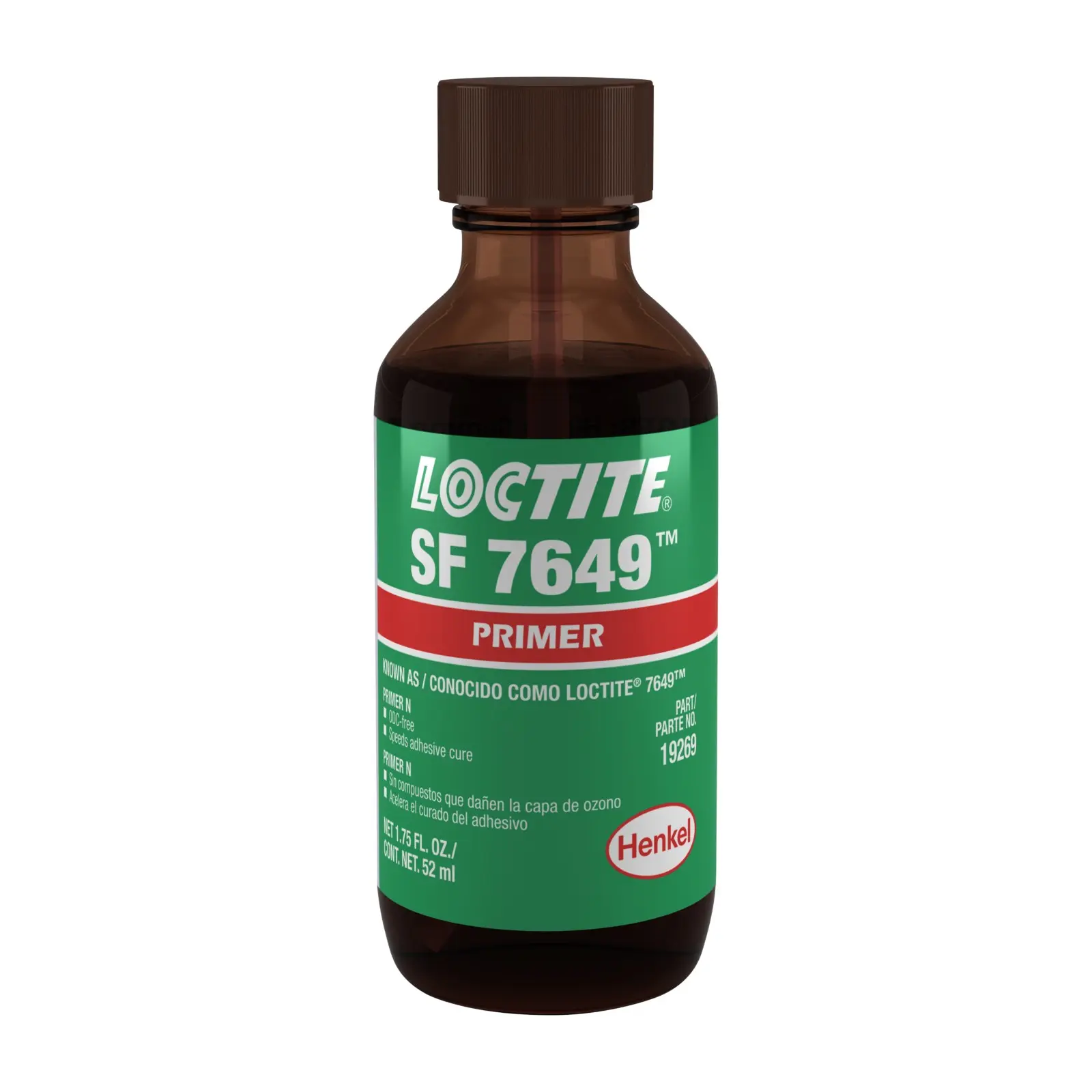
LOCTITE
Product code: SF 7649
Green activator for anaerobic adhesives and sealants, for passive metals, large bond gaps and temperatures below 15 °C. Stays active on the part for 30 days.
Turn a bench result into a repeatable line method: application, quantity, fixture time, activators and checks.
What fixture, handling strength, full cure, open time and pot life mean, and what triggers cure in each LOCTITE family.
The broken faces say whether to fix the surface, the adhesive, the cure or the design. Learn to read them.
Storage ranges, upright bottles, refrigerated instant adhesives, SMT syringes, sealed cartridges, solvents, FIFO and expired stock.
Send us the parts, the takt time and the station conditions. We will help set the pass criteria, pick the TDS values to control and choose the grade that fits the line you actually run.
Not sure which product fits? Ask our assistant
Type the job, the material or a spec. It searches our published products and TDS values — no external AI.