
LOCTITE
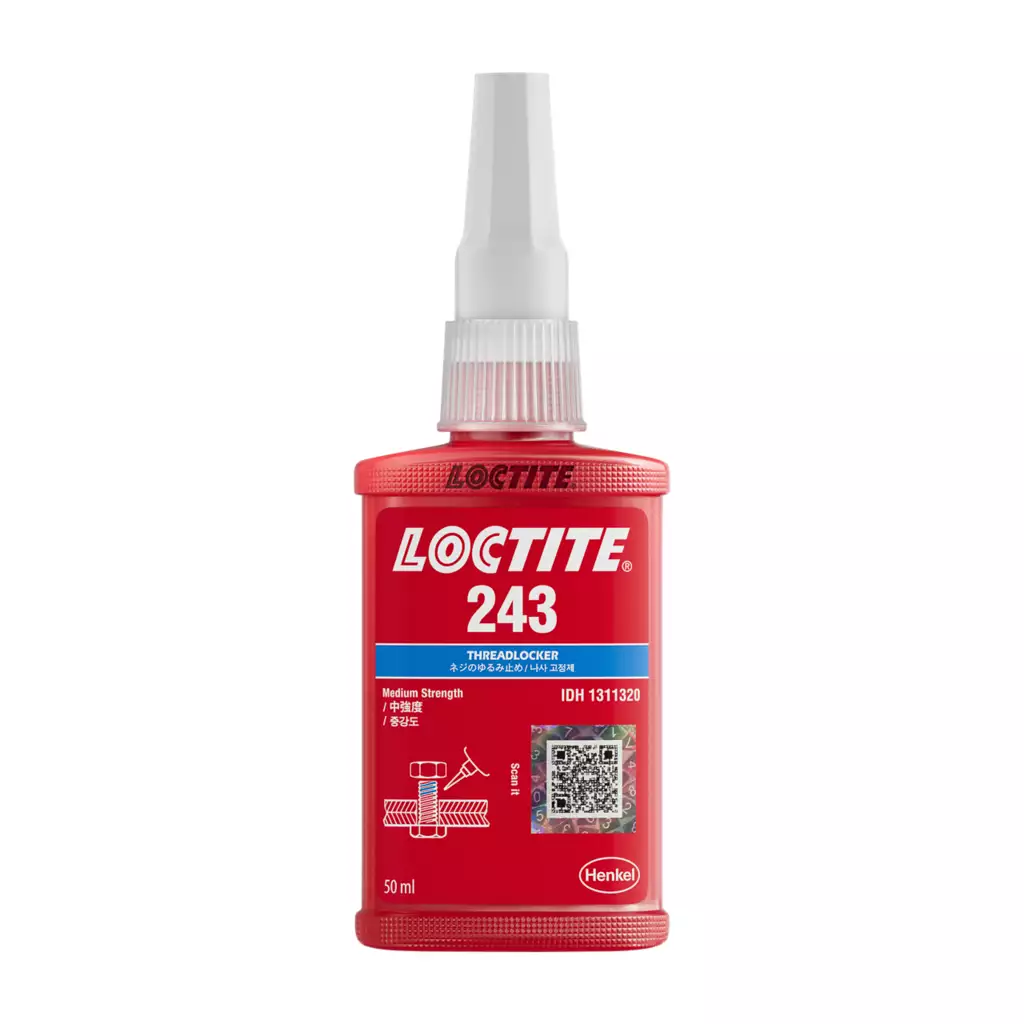
LOCTITE 243
Product code: 243
Blue medium-strength threadlocker for pumps, gearboxes and motors that works on passive metals and tolerates minor oil contamination.
Technical guide
Every TDS lists times: fixture, handling, full cure. A line that takes those words loosely either waits too long or loads the joint too early. This guide defines each term, explains what starts and what slows cure in each LOCTITE family, and shows how to plan cure into a work instruction.
Adhesives do not switch from liquid to solid at one moment; strength builds along a curve, and the TDS marks points on it. Each point is measured under stated conditions, usually a given substrate, gap, temperature and humidity, so the number is a comparison, not a promise for your part.
The threadlockers from LOCTITE 221 to LOCTITE 290 are single-component anaerobic adhesives. They stay liquid while oxygen reaches them and cure once confined between close-fitting metal threads, where the metal supplies the ions that start the reaction. Fixture time therefore depends on the metal: active steel and brass cure quickly, while stainless steel, plated and anodized parts are passive and cure slowly. LOCTITE 243, LOCTITE 248 and LOCTITE 263 are primerless on passive metals; other grades, or slow surfaces, use the activator named in the TDS.
For the line this means a torque audit, a start-up or a vibration test inside the fixture window destroys the bond. Keep the air in the bottle; it is what keeps the product liquid.
Instant adhesives such as LOCTITE 401 cure by reacting with the trace of moisture on the surfaces. Fixture is seconds on a thin bond line between close-fitting parts, which is why LOCTITE 401 fixtures fast. Cure slows with a thick bond line, because the moisture is at the surfaces and not in the middle, and with very dry air, dry or acidic parts and low humidity. Full strength and chemical resistance come later, over hours.
Where the line cannot wait, LOCTITE SF 712 is a solvent-based activator that accelerates the cure of LOCTITE cyanoacrylates and supports rapid fixturing. It goes on one surface and flashes off, and it has its own on-part life, so the adhesive must follow within the window the TDS states. Activators can reduce ultimate strength on some substrates; confirm on production parts.
LOCTITE AA 326 is a one-component, high-viscosity acrylic structural adhesive activated with LOCTITE SF 7649: the activator goes on one part, the adhesive on the other, and cure starts when they meet. It is a two-step, no-mix system with fast room-temperature cure and high shear strength for metal-to-metal, ferrite and magnet bonding. The TDS states how long the activated surface stays usable, and the bond gap must stay within the stated maximum or the middle does not cure.
Two relatives follow the same logic. LOCTITE AA 331 is a one-part toughened acrylic paste with rapid room-temperature cure, used for DC motor assembly, magnet bonding and pre-coated sheet metal. LOCTITE 315 is an activator-cured, thermally conductive, self-shimming acrylic paste for bonding electrical components to heat sinks with an insulating gap. The activator step is part of the cure and belongs in the work instruction.
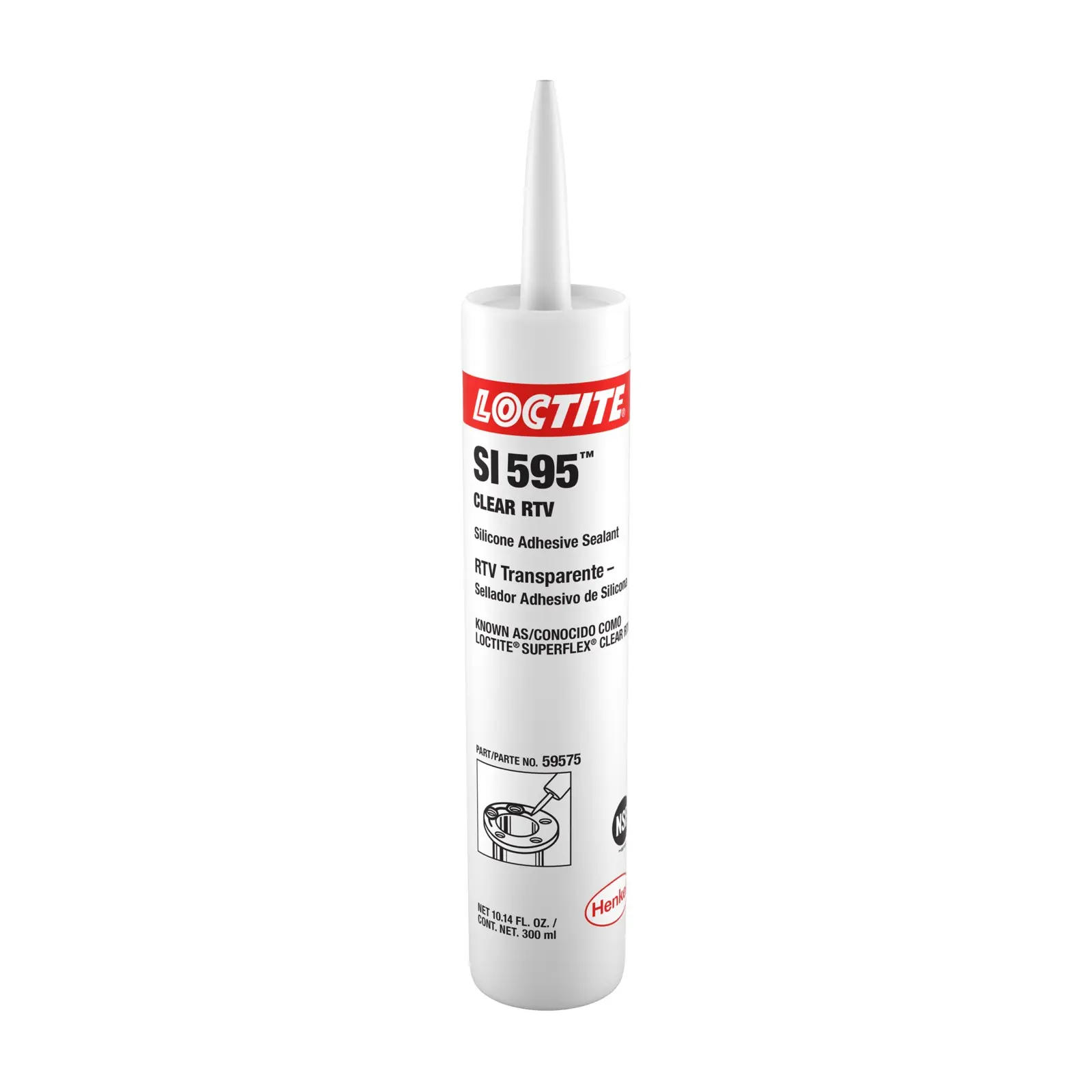
LOCTITE SI 595 is a one-part RTV acetoxy silicone that cures with moisture from the air, from the surface inward, with a vinegar smell as it does. It skins first and then cures through, so a thick bead takes far longer than a thin one and a joint sealed off from air cures slowest. It is thixotropic and non-slumping for vertical and overhead work, forming a tough, flexible seal; handling strength arrives when the bead has cured through, not when it is tack-free.
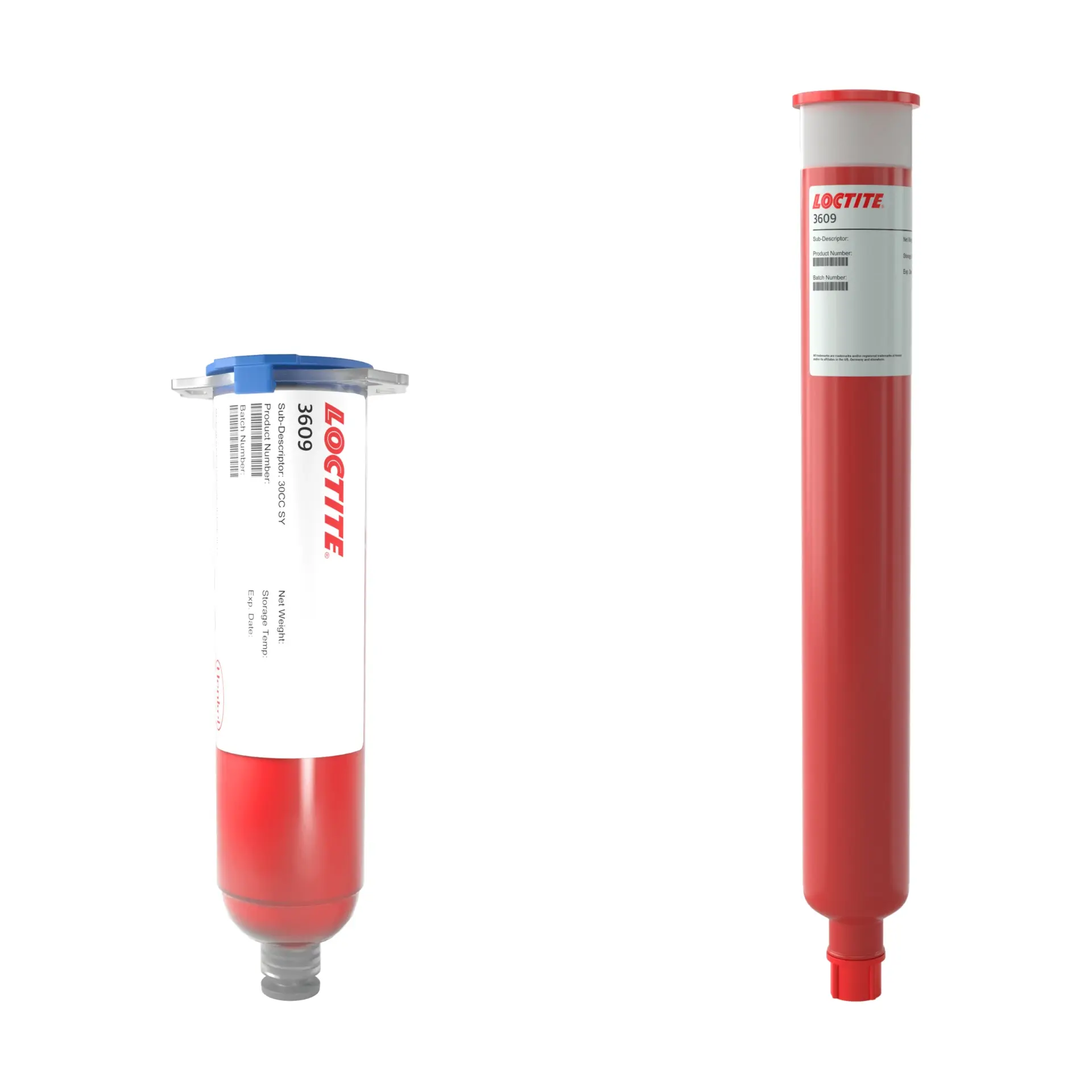
LOCTITE 3609 is a one-part epoxy surface-mount adhesive cured by heat: it holds surface-mounted devices on the board, is cured in an oven, and only then goes through wave soldering. The oven profile in the TDS is the cure. LOCTITE 384 is a one-part thermally conductive acrylic paste for bonding heat-generating components to heat sinks; it cures at room temperature with its activator and keeps a controlled medium strength so components can be removed while hot for repair.
One row per cure mechanism. Use it to decide which variables the work instruction must control.
| Family | What triggers cure | What slows it | Fixture on the line means |
|---|---|---|---|
| Anaerobic threadlockers (221 to 290) | No air plus metal ions between close threads | Passive metals, oil, large gap, cold parts | No torque check, start-up or vibration until the TDS time |
| Cyanoacrylates (401 and family) | Surface moisture on a thin bond line | Thick line, dry air, acidic or very dry parts | Seconds to hold; SF 712 where the line cannot wait |
| Activator-cured acrylic (AA 326, AA 331, 315) | Activator on one part meets adhesive on the other | Missed or dried-out activator, gap over the maximum | Assemble inside the activator’s on-part life, then leave clamped |
| RTV acetoxy silicone (SI 595) | Moisture from the air, surface inward | Thick bead, dry air, joint closed off from air | Tack-free is not cured through; wait before loading or sealing in |
| Heat-cure SMT epoxy (3609) | Oven profile before wave soldering | Oven below profile, cold board, drifted conveyor | Wet strength holds the device until the oven; cure is the oven |
| Thermally conductive acrylic paste (384) | Activator, room temperature | Missed activator, gap over the maximum | Hold the component until fixture; full cure over hours |
The TDS gives the curve; the work instruction has to say where on the curve each station sits. Six decisions cover it.
The same five errors account for most cure complaints, and none of them is in the bottle.
LOCTITE
Product code: 243
Blue medium-strength threadlocker for pumps, gearboxes and motors that works on passive metals and tolerates minor oil contamination.
LOCTITE
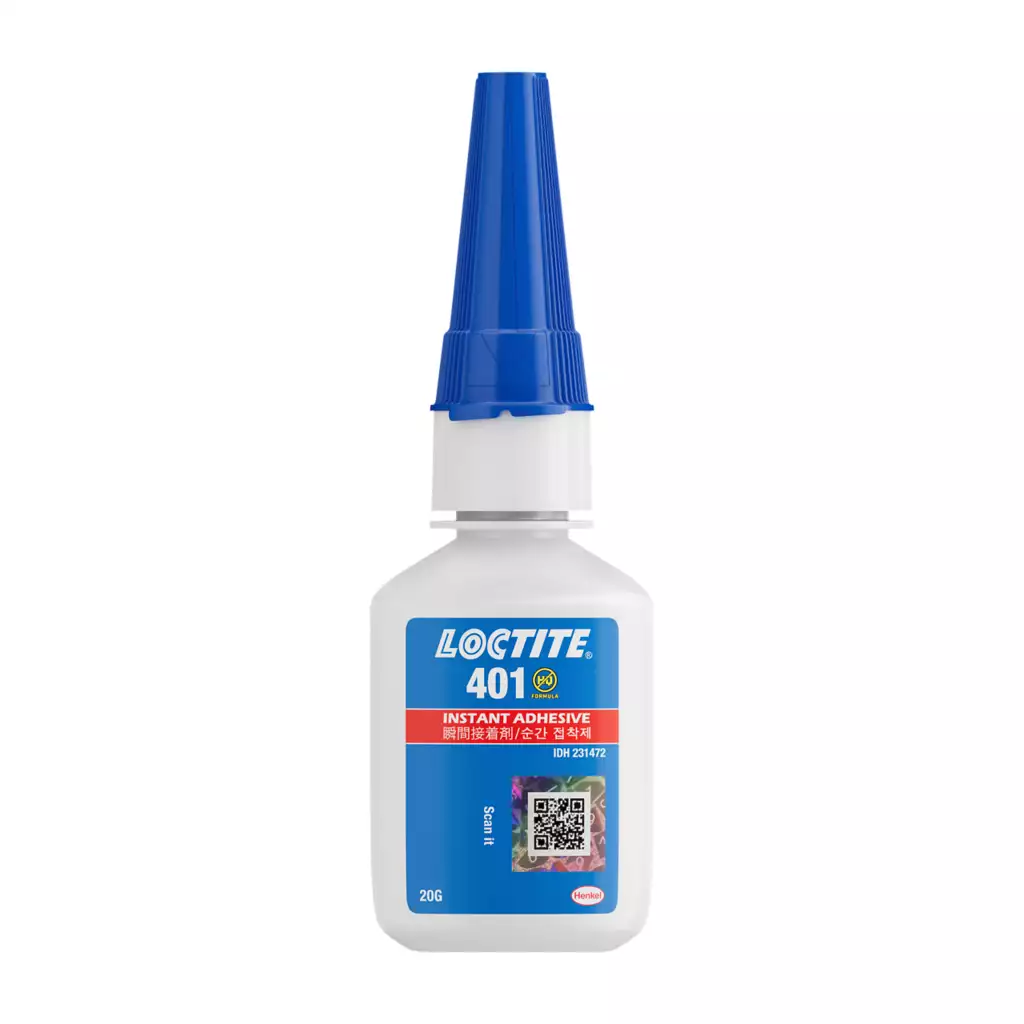
Product code: 401
LOCTITE 401 is a general-purpose instant adhesive for fast assembly of close-fitting parts and repairs on metals, plastics, rubber and porous materials.
LOCTITE
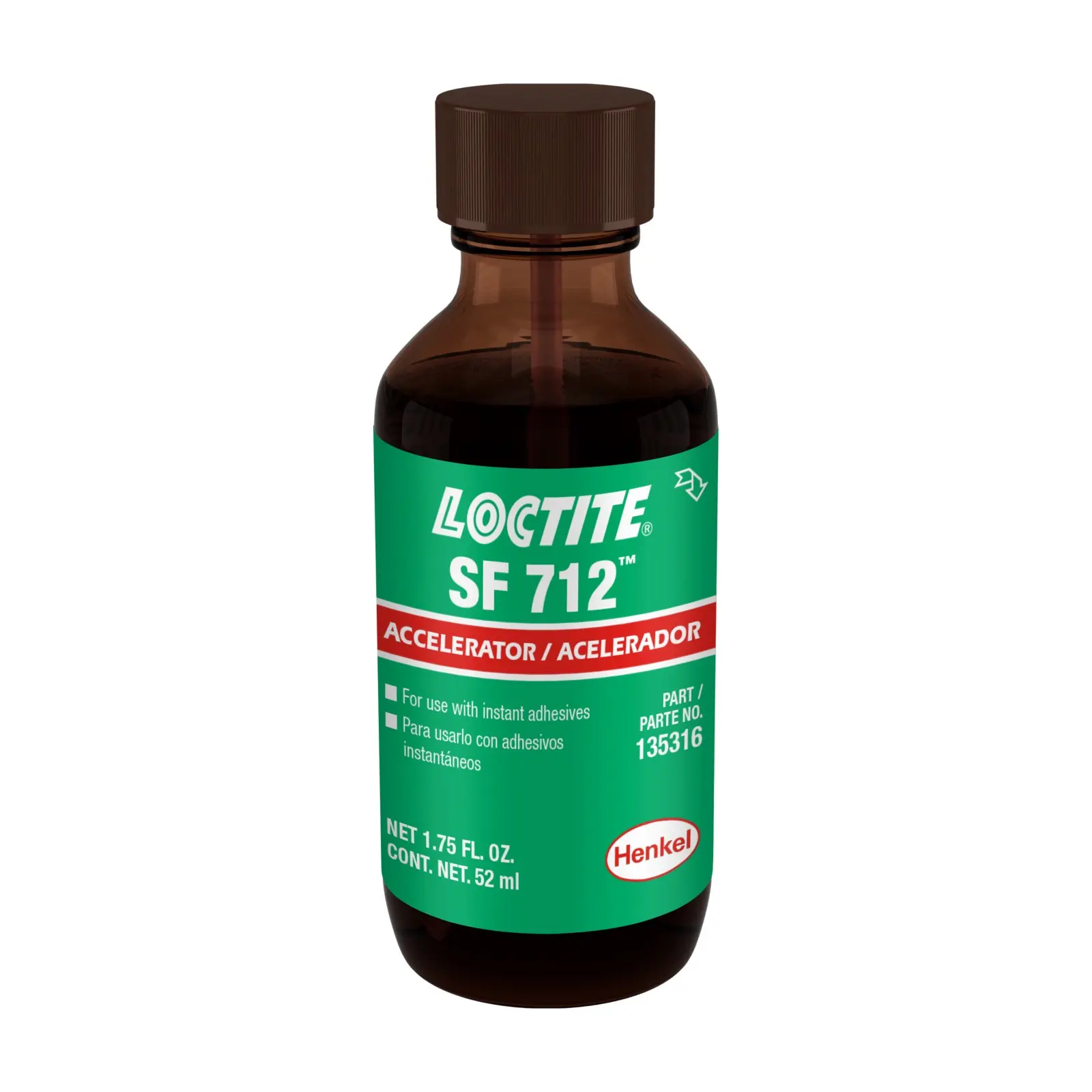
Product code: SF 712
Solvent-based Activator that speeds the cure of LOCTITE cyanoacrylate adhesives, applied before or after bonding. Used for securing wires or coils to PCBs.
LOCTITE
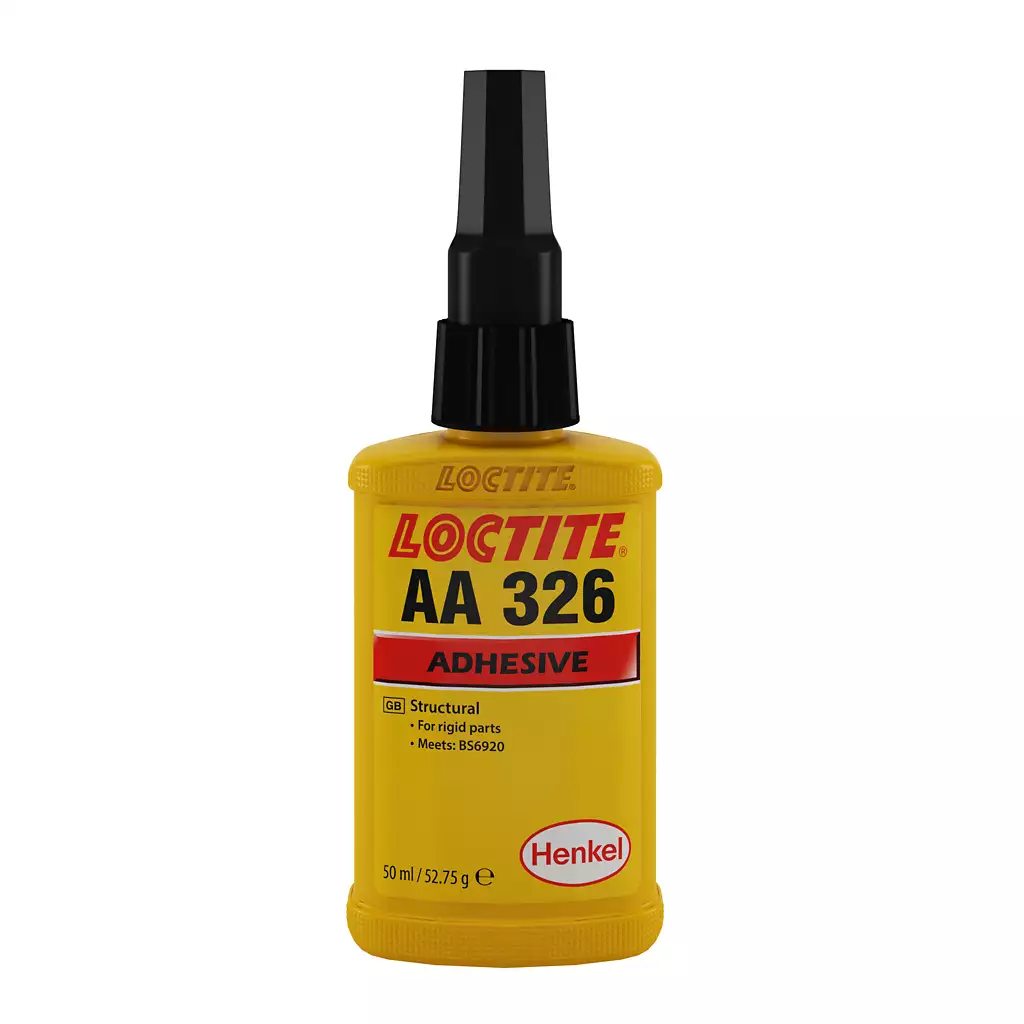
Product code: AA 326
LOCTITE AA 326 is a high-viscosity structural acrylic used with LOCTITE SF 7649 activator for fast metal bonding, such as ferrites on plated parts in electric motors.
LOCTITE
Product code: SI 595
Clear one-part RTV silicone for sealing and flexible bonding on mechanical assemblies. Thixotropic Paste that will not slump, for use up to 204 °C.
LOCTITE
Product code: 3609
LOCTITE 3609 is a red, 1-part epoxy surface mount adhesive that holds SMD components on printed circuit boards before wave soldering, at medium to high dispense speeds.
Turn a bench result into a repeatable line method: application, quantity, fixture time, activators and checks.
Ten things that change between bench and line, how each hurts the joint, and how to trial for real.
Five questions, from job and materials to gap, removal and process, that lead to the right LOCTITE family.
Liquid threads, bolts that back off under vibration, product that stays soft: find the cause and the fix.
Tell us the product, the materials, the gap and the takt time. We will read the TDS conditions against your station and propose where fixture, handling and full cure fall in your process.
Not sure which product fits? Ask our assistant
Type the job, the material or a spec. It searches our published products and TDS values — no external AI.