
LOCTITE
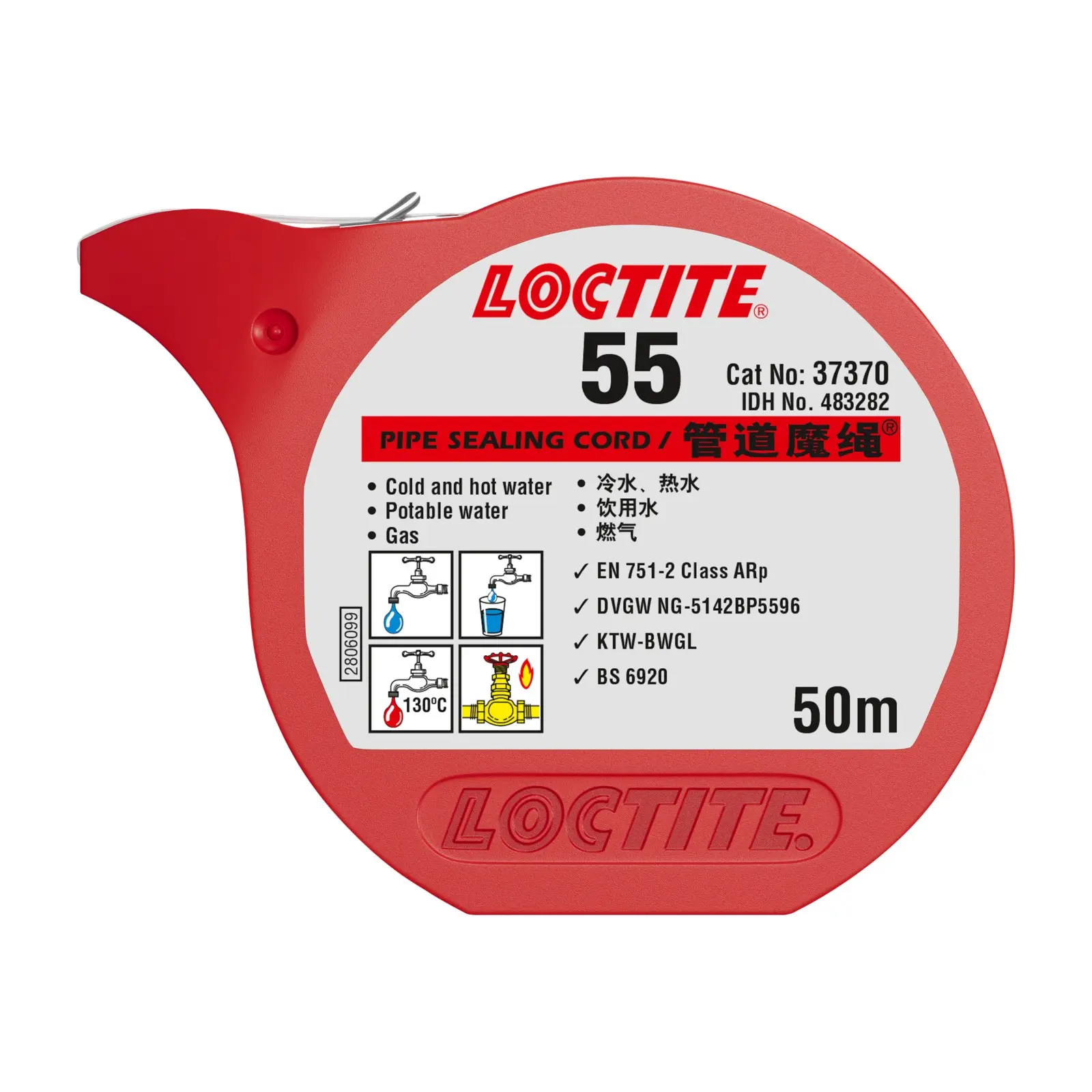
LOCTITE 55
Product code: 55
Coated thread-sealing cord wound onto tapered metal and plastic pipe threads. No cure time, ready for immediate use, adjustable up to 45° after tightening.
A leaking threaded connection needs more than a product name. The thread design, fitting condition, medium and operating conditions all matter. Start by identifying the connection and the route the fluid may be taking.
Leaks may come from damaged or mismatched threads, insufficient engagement, a fitting that is out of shape, or a sealing method that does not match the connection. The first step is to inspect the actual parts and confirm how the joint is designed to seal.
Thread forms are not interchangeable. Some connections are designed to seal at the thread; others seal against a face, cone or gasket while the thread provides clamping force. Use the fitting drawing, part markings or the fitting manufacturer's documentation to identify the connection instead of relying on memory.
If the leak is at a flange or a designed gasket face, review the Gasketing & Sealing page instead.
Water, oil, refrigerant, compressed air, steam and process chemicals present different requirements. Identify the exact medium or mixture, operating and test pressure, temperature range, and whether exposure is continuous or intermittent. Also note vibration, thermal cycles and how often the connection will be opened.
For gas systems, potable water, oxidizing media, hazardous fluids or other safety-critical duties, confirm that the specific product documentation covers the exact medium and conditions before use.
A threadlocker helps a threaded fastener resist loosening. A thread sealant seals a threaded connection against leakage. Some threadlockers also seal the threads of a screw, but that does not make them suitable for pipe threads or process lines. Select a product for the actual connection and documented service.
Follow the fitting manufacturer's assembly requirements and the instructions for the specific sealing product. Do not substitute a generic torque, cure time or pressure limit for the values specified for the approved connection.
Pipe-thread and fitting sealants are not yet listed on this website. Send the connection details and service conditions, and we will propose grades we can supply.
LOCTITE
Product code: 55
Coated thread-sealing cord wound onto tapered metal and plastic pipe threads. No cure time, ready for immediate use, adjustable up to 45° after tightening.
LOCTITE
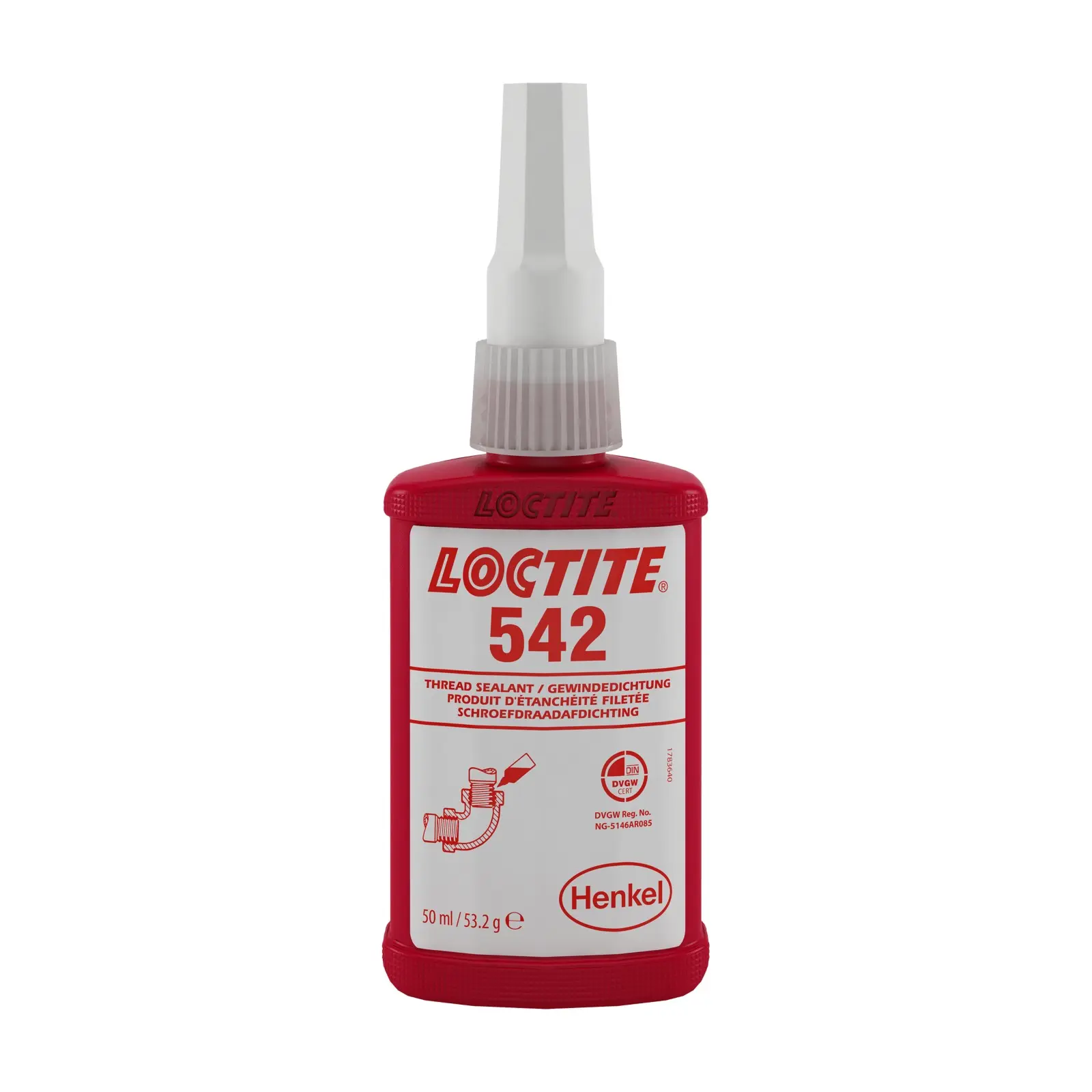
Product code: 542
Medium-strength brown liquid for locking and sealing fine metal threads in hydraulic and pneumatic fittings, with no fillers to clog filtration systems.
LOCTITE
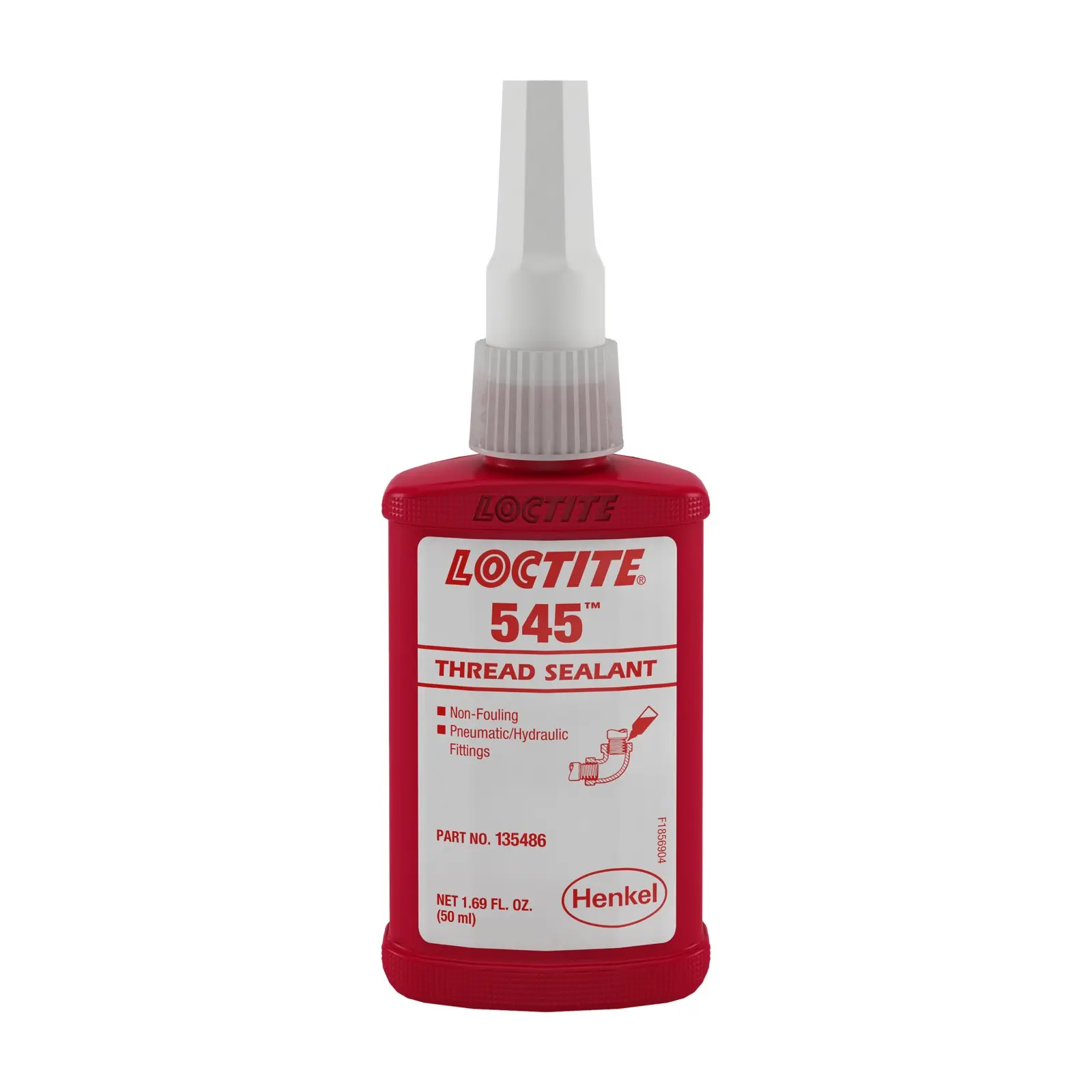
Product code: 545
Purple Anaerobic thread sealant for fine-threaded metal fittings in hydraulic and pneumatic systems, with no fillers or particles that could clog filters.
LOCTITE
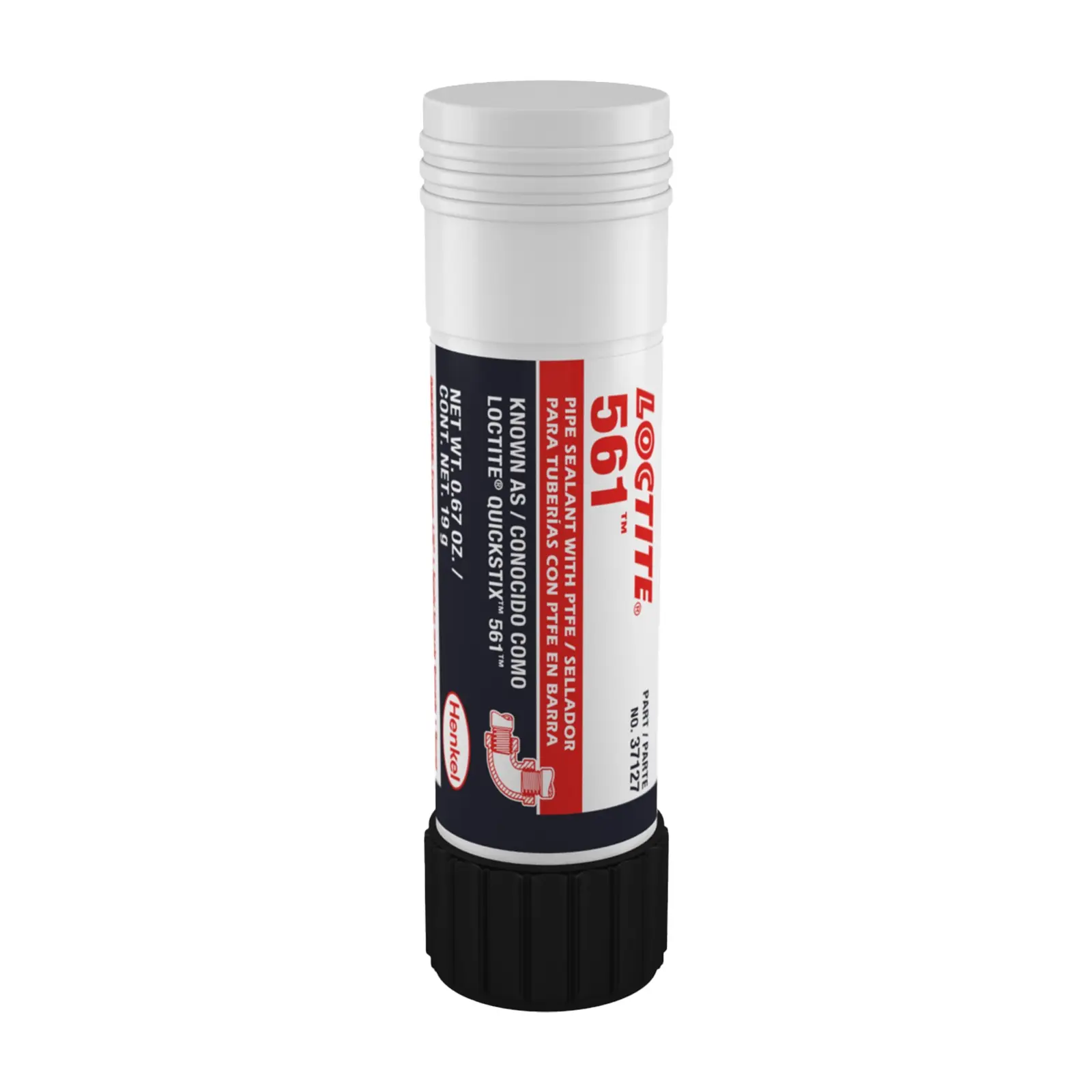
Product code: 561
Low-strength anaerobic thread sealant in a self-feeding stick for pre-torqued metal pipes and fittings, where a liquid or paste would be hard to apply.
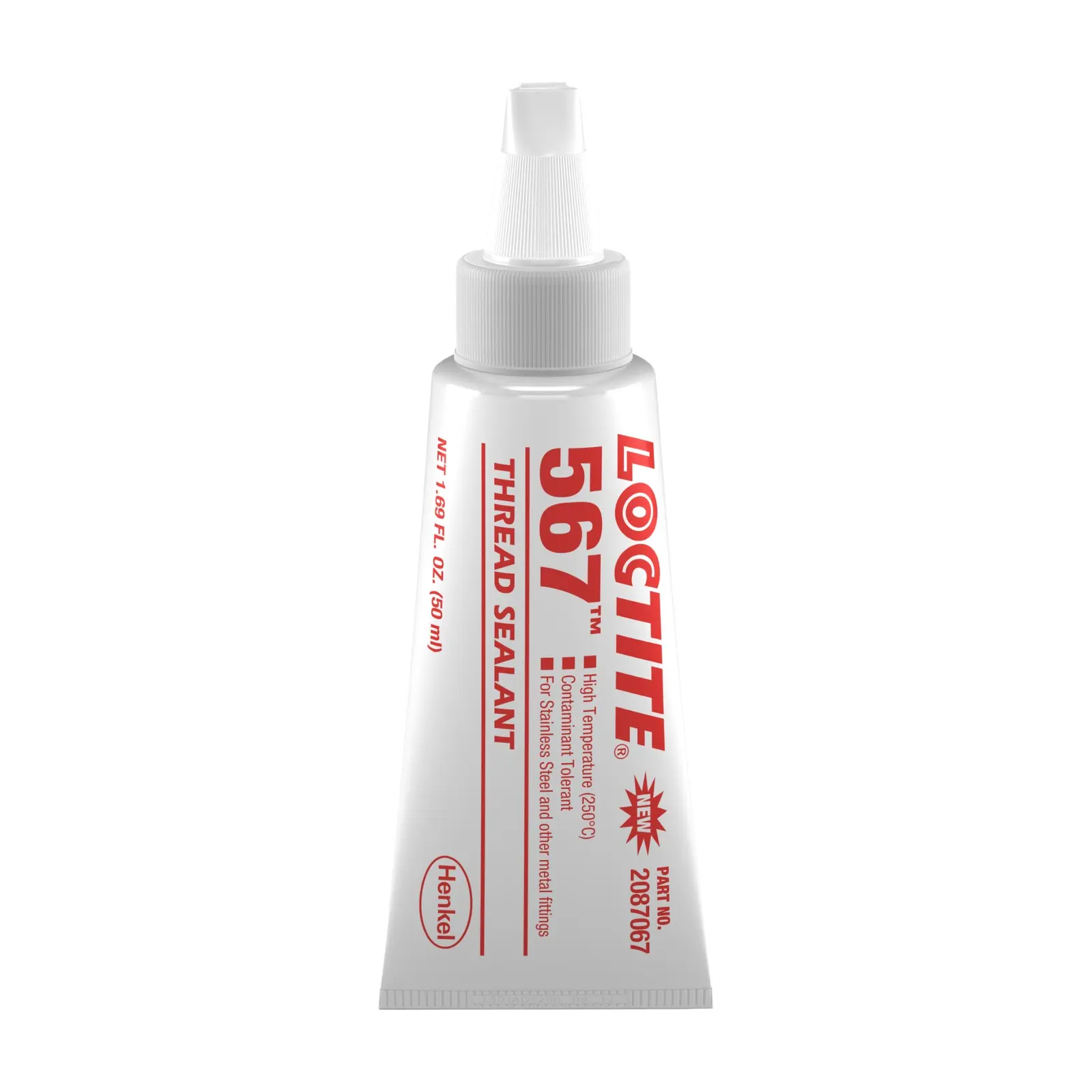
LOCTITE
Product code: 567
High-lubricity anaerobic paste for metal tapered threads and fittings. Prevents galling on stainless steel and aluminum and tolerates minor oil contamination.
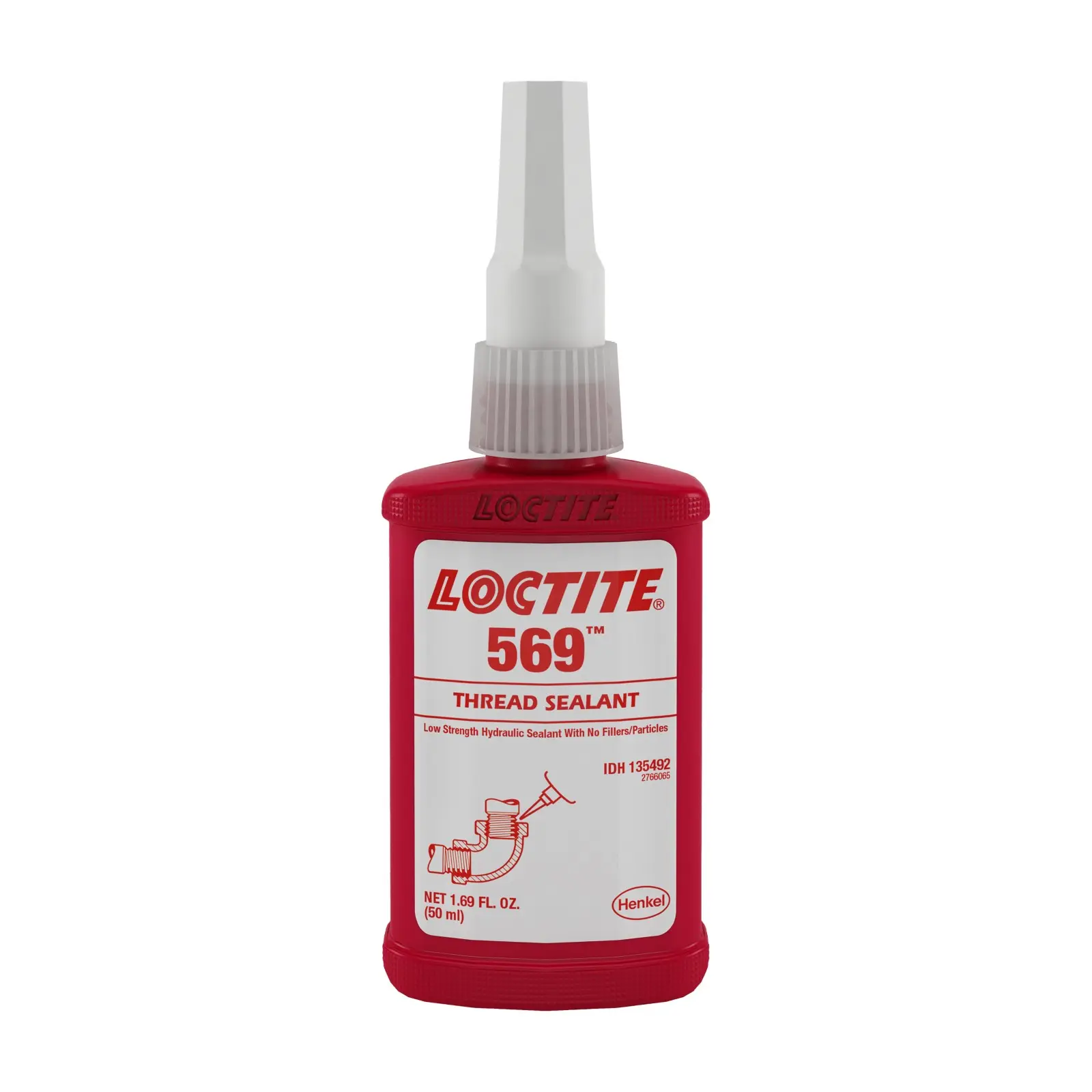
LOCTITE
Product code: 569
Low-strength, low-viscosity anaerobic liquid for fine metal threads and hydraulic fittings, with no fillers or particles to clog fluid systems.
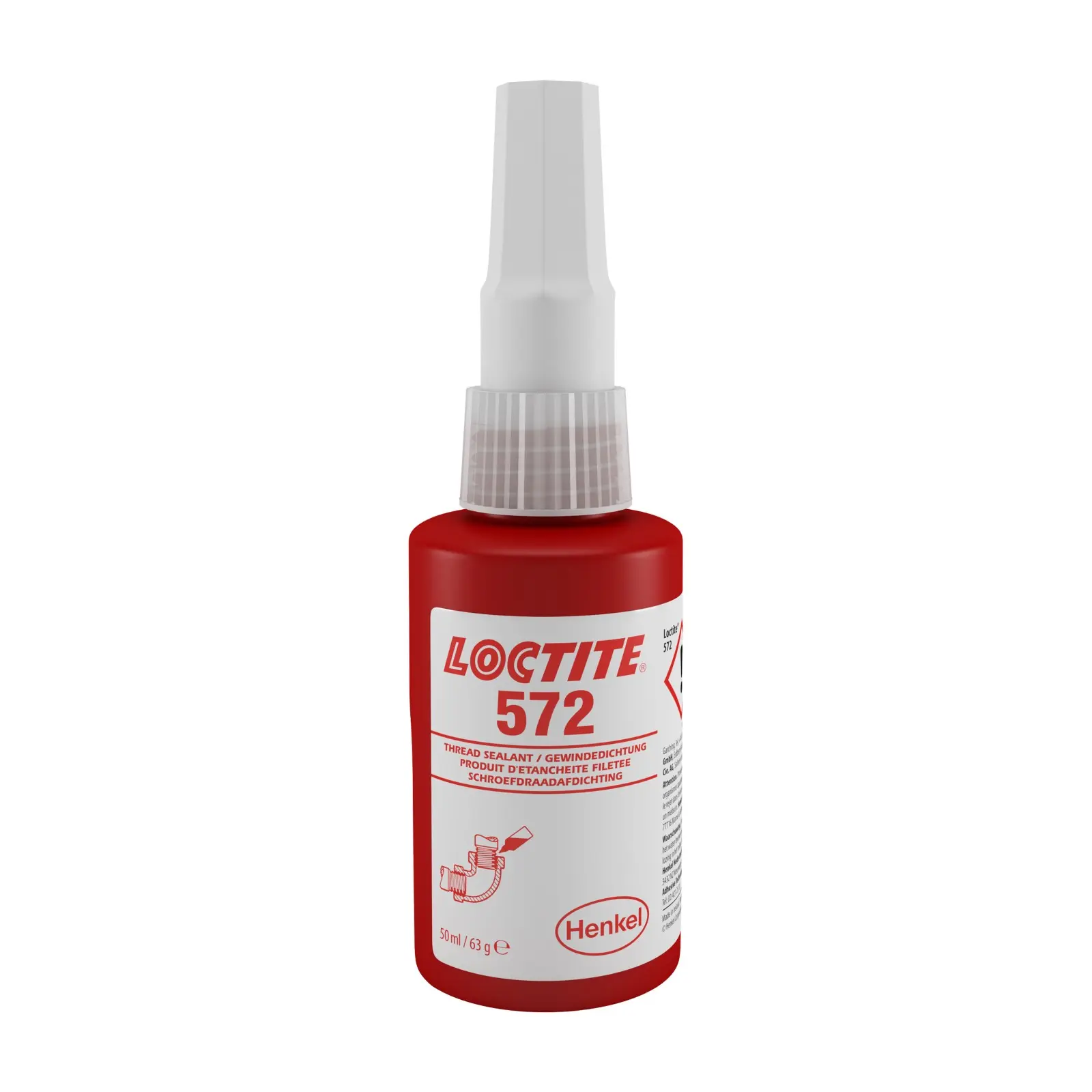
LOCTITE
Product code: 572
Medium-strength, slow-curing thixotropic paste for locking and sealing coarse metal threads up to M80, with time for minor adjustment.
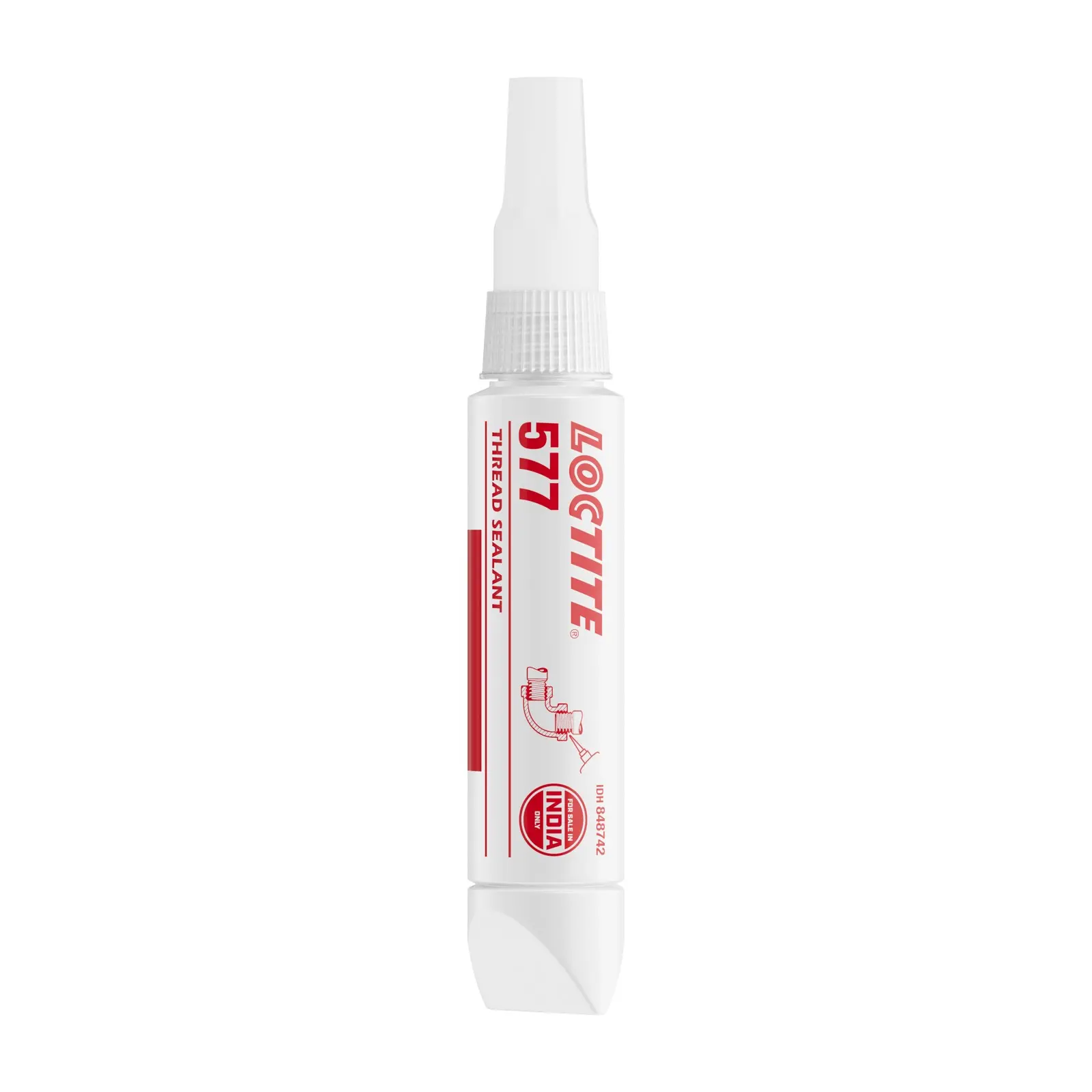
LOCTITE
Product code: 577
Medium-strength yellow paste for metal threaded pipes and fittings. Cures on stainless steel without activator, with gap performance to 0.25 mm.
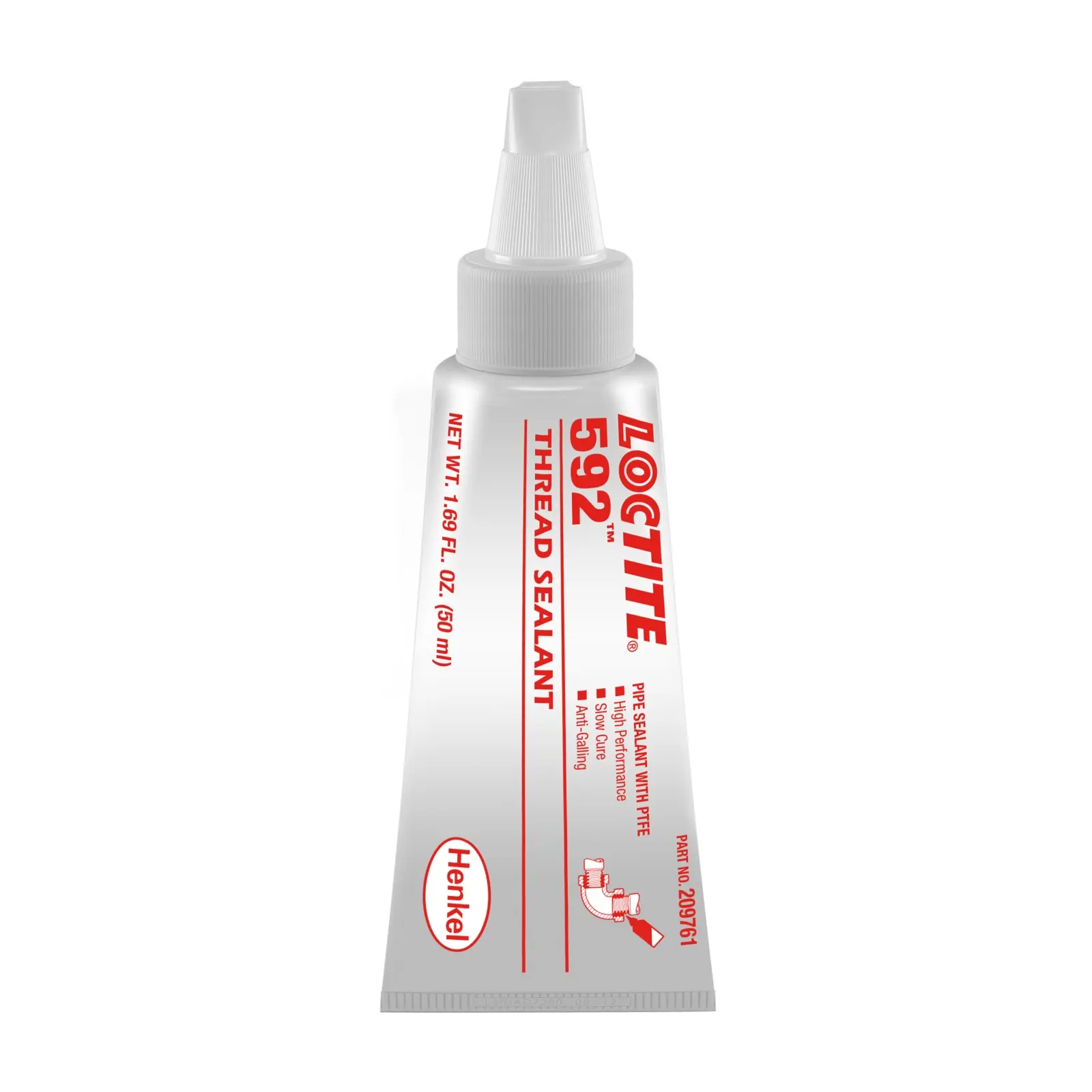
LOCTITE
Product code: 592
High-temperature paste for metal pipe threads, used up to 204 °C. High lubricity prevents galling and fittings can be readjusted shortly after assembly.
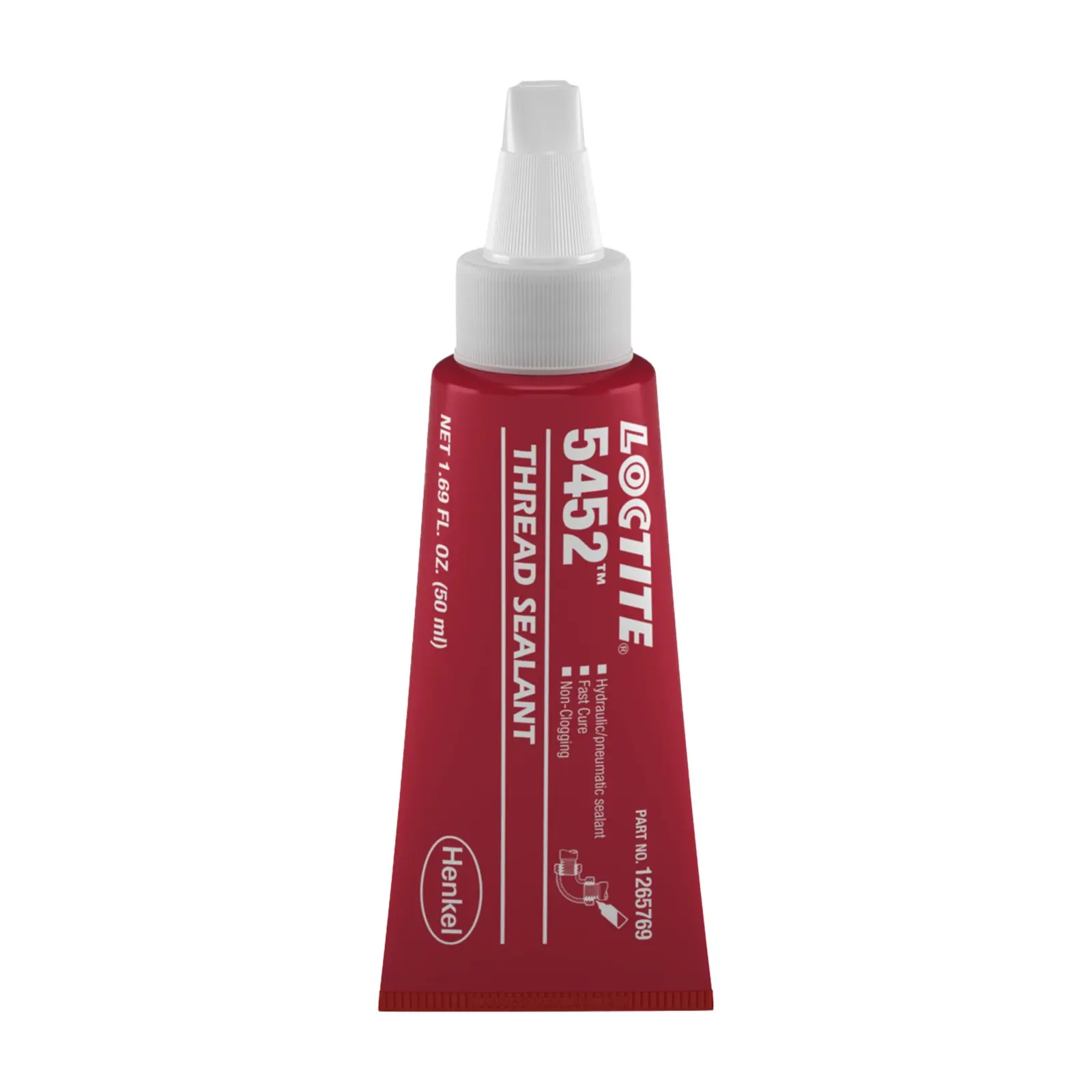
LOCTITE
Product code: 5452
Purple thixotropic anaerobic sealant for threaded fittings in hydraulic and pneumatic systems, including large pipes and O-ring boss connectors.
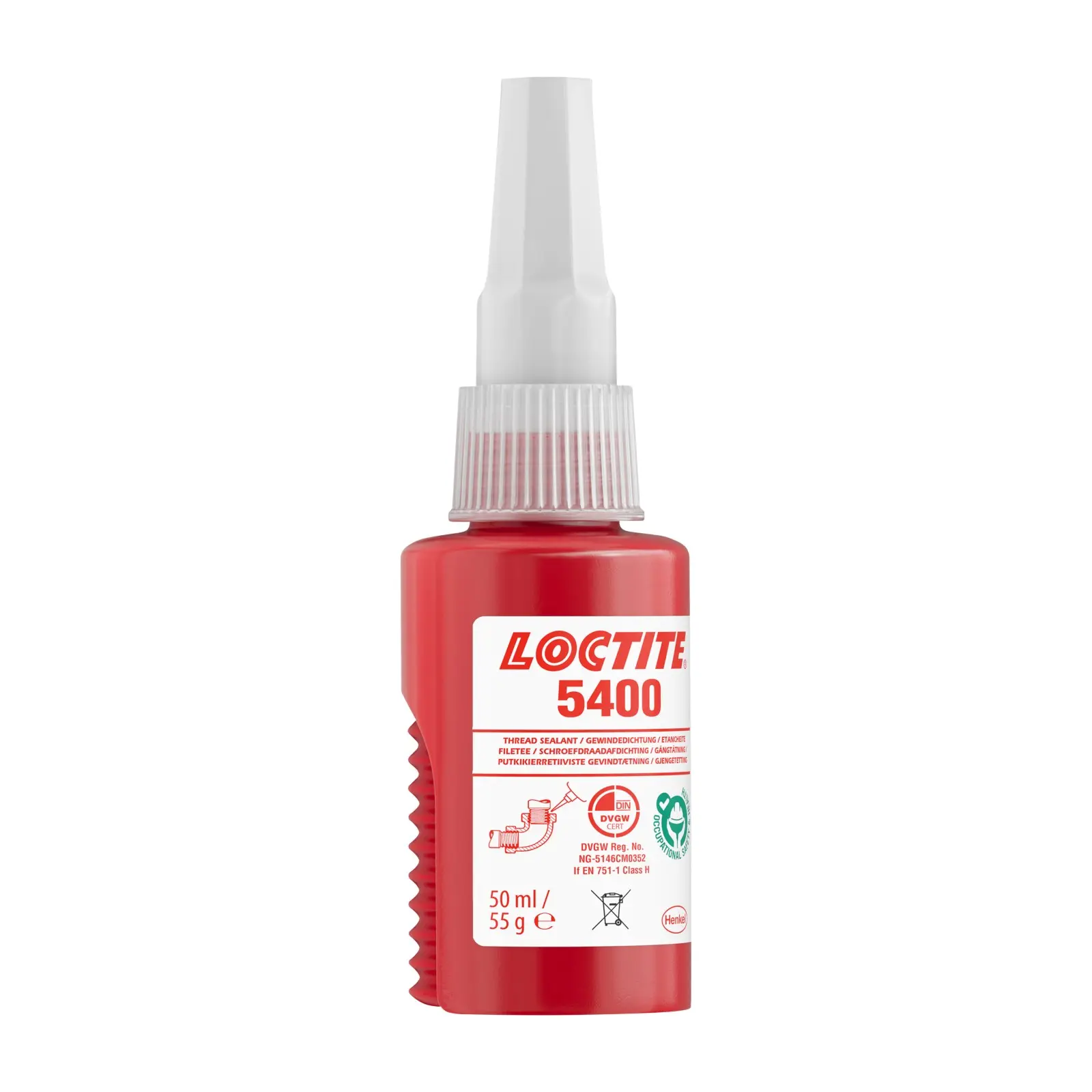
LOCTITE
Product code: 5400
Medium-strength yellow to dark orange paste for metal threaded pipes and fittings up to M80. Thixotropic, with UV fluorescence for quality control.
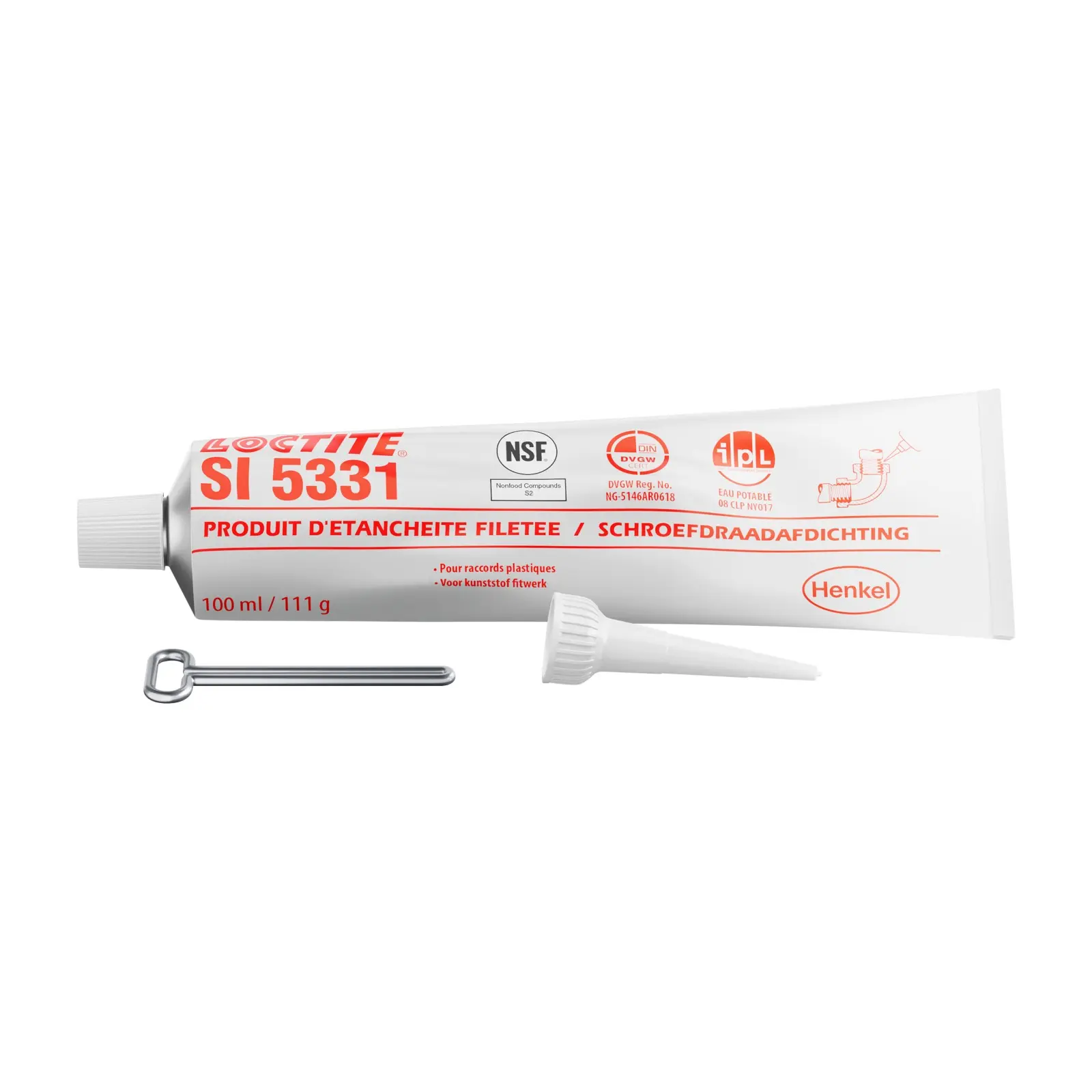
LOCTITE
Product code: SI 5331
White silicone paste for threaded plastic pipe fittings carrying hot or cold water. Cures with moisture in the air to a low-strength, flexible seal.
Compare adhesive options for bonded parts and production assemblies.
Learn about products used to help resist fastener loosening.
Review sealing between flanges and mating surfaces.
Review adhesive applications described for selected electronics assembly tasks.
Tell us the thread form, fitting materials, fluid, pressure, temperature and installation method. These details help the team assess the application and identify what product documentation is available.
Not sure which product fits? Ask our assistant
Type the job, the material or a spec. It searches our published products and TDS values — no external AI.