
LOCTITE
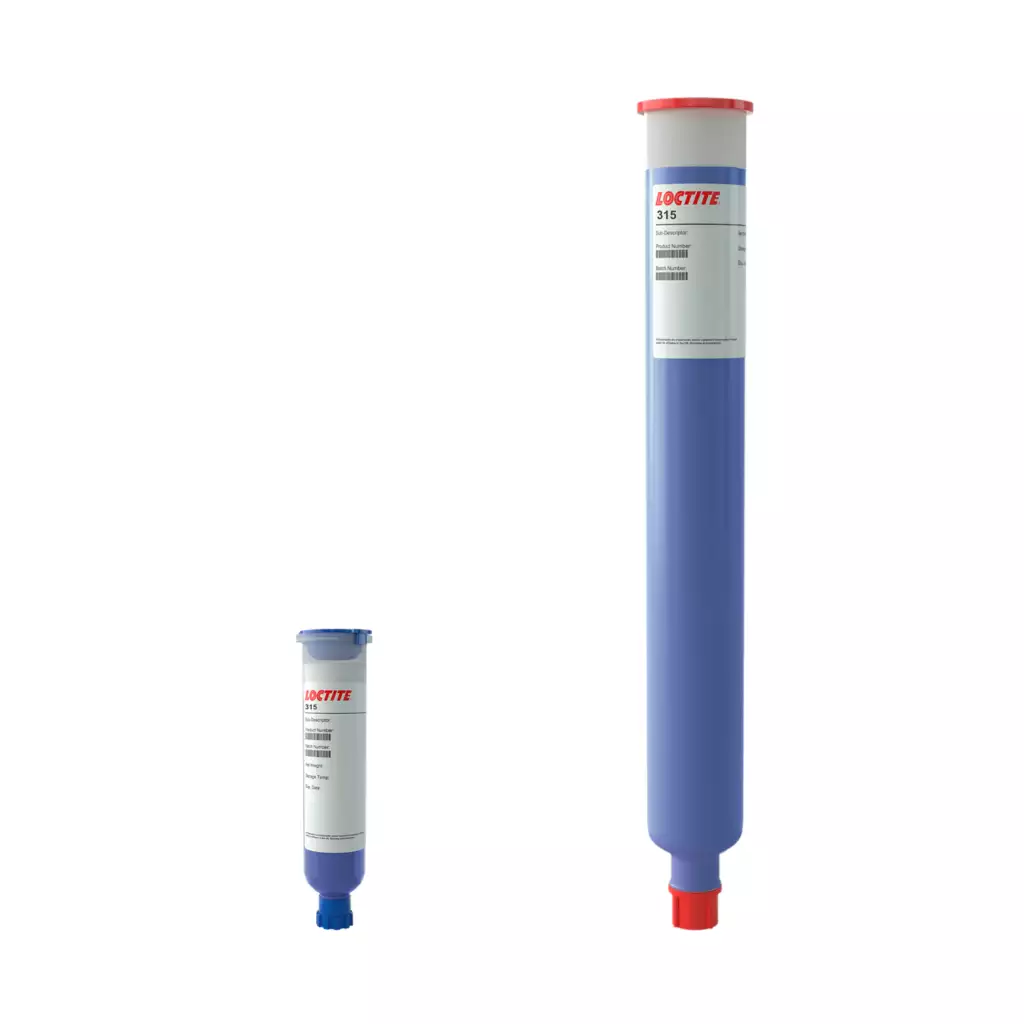
LOCTITE 315
Product code: 315
LOCTITE 315 is a self-shimming, thermally conductive acrylic paste for bonding electrical components to heat sinks with a consistent insulating gap.
Comparison
LOCTITE 315 and 384 both bond heat-generating components to heat sinks or printed circuit board assemblies and carry heat across the bond line. They differ in how they hold the gap, how they are activated and how they are reworked.
LOCTITE 315 is a self-shimming, thermally conductive, electrically insulating, controlled-strength, activator-cured acrylic paste for bonding electrical components to heat sinks with an insulating gap. LOCTITE 384 is a one-part, thermally conductive modified acrylic paste for bonding heat-generating components such as transformers and transistors to heat sinks or printed circuit board assemblies, with a controlled medium-strength bond and components removable while hot for repair. Both are high-viscosity pastes applied without mixing; the PCB materials section carries a full page on thermally conductive adhesives.
| Criterion | LOCTITE 315 | LOCTITE 384 |
|---|---|---|
| Chemistry and form | Acrylic paste, high viscosity | Modified acrylic paste, high viscosity |
| Cure path | Activator-cured; one part, no mixing | Room-temperature cure with Activator 7387; one part |
| Activation | See the TDS | One surface; both surfaces for larger gaps or faster cure |
| Gap control | Self-shimming; keeps an insulating gap | Set by the assembly; gap limit per TDS |
| Electrical | Electrically insulating | Isolation limit stated in the TDS |
| Strength | Controlled strength for field and service repair | Controlled medium strength; removable while hot |
| Typical components | Transformers, transistors, other hot components | Transformers, transistors, other hot components |
| Choose when | The gap must stay insulating by itself | Rework while hot and air-free dispensing matter |
The defining feature of 315 is self-shimming: the paste holds the component off the heat sink at a controlled distance so that the bond line stays an insulating gap without a separate pad or washer.
Key process points for 384: room-temperature cure with Activator 7387, activation on one surface with both surfaces specified for larger gaps or faster cure, components removable while hot, and a high-viscosity paste suited to dispensing with minimized air entrapment.
Both are acrylic pastes for the same job: transformers, transistors and other heat-generating components bonded to heat sinks or printed circuit board assemblies. Both are one-part products that need no mixing, both are described with controlled strength so that components can be serviced, and both carry heat across the bond line as their reason for existing. Surface preparation is the same for both: clean, dry, free of flux residue and release agents, with LOCTITE SF 768 available for cleaning surfaces and dispensing equipment.
A thermal adhesive is specified on numbers that are not shown on this page. Take these from the current TDS before the design review.
LOCTITE
Product code: 315
LOCTITE 315 is a self-shimming, thermally conductive acrylic paste for bonding electrical components to heat sinks with a consistent insulating gap.
LOCTITE
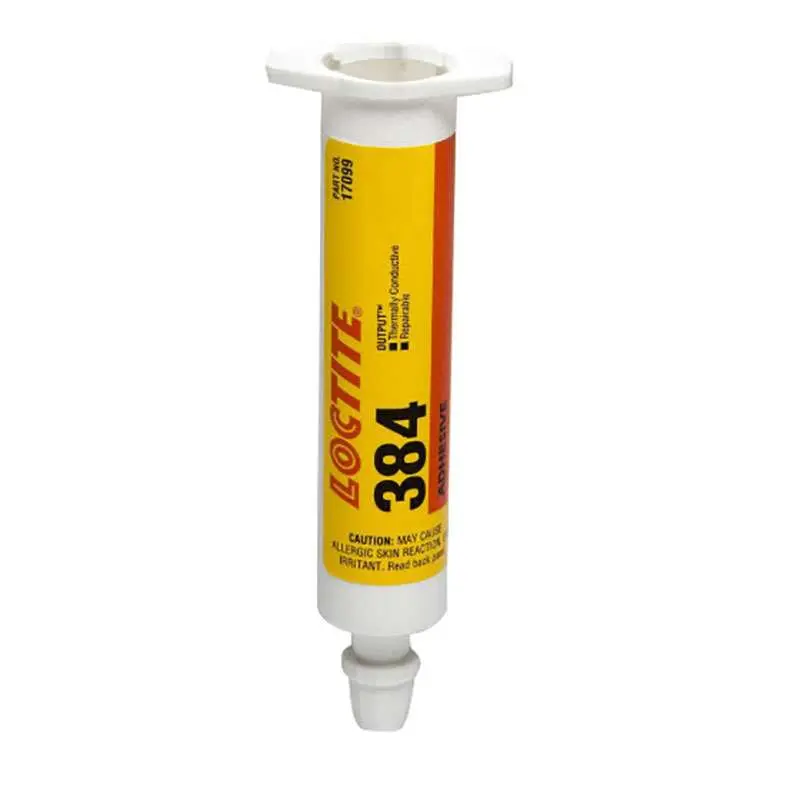
Product code: 384
LOCTITE 384 is a white to off-white, thermally conductive acrylic paste for bonding heat-generating components to heat sinks, with medium strength so parts can be removed hot for repair.
LOCTITE
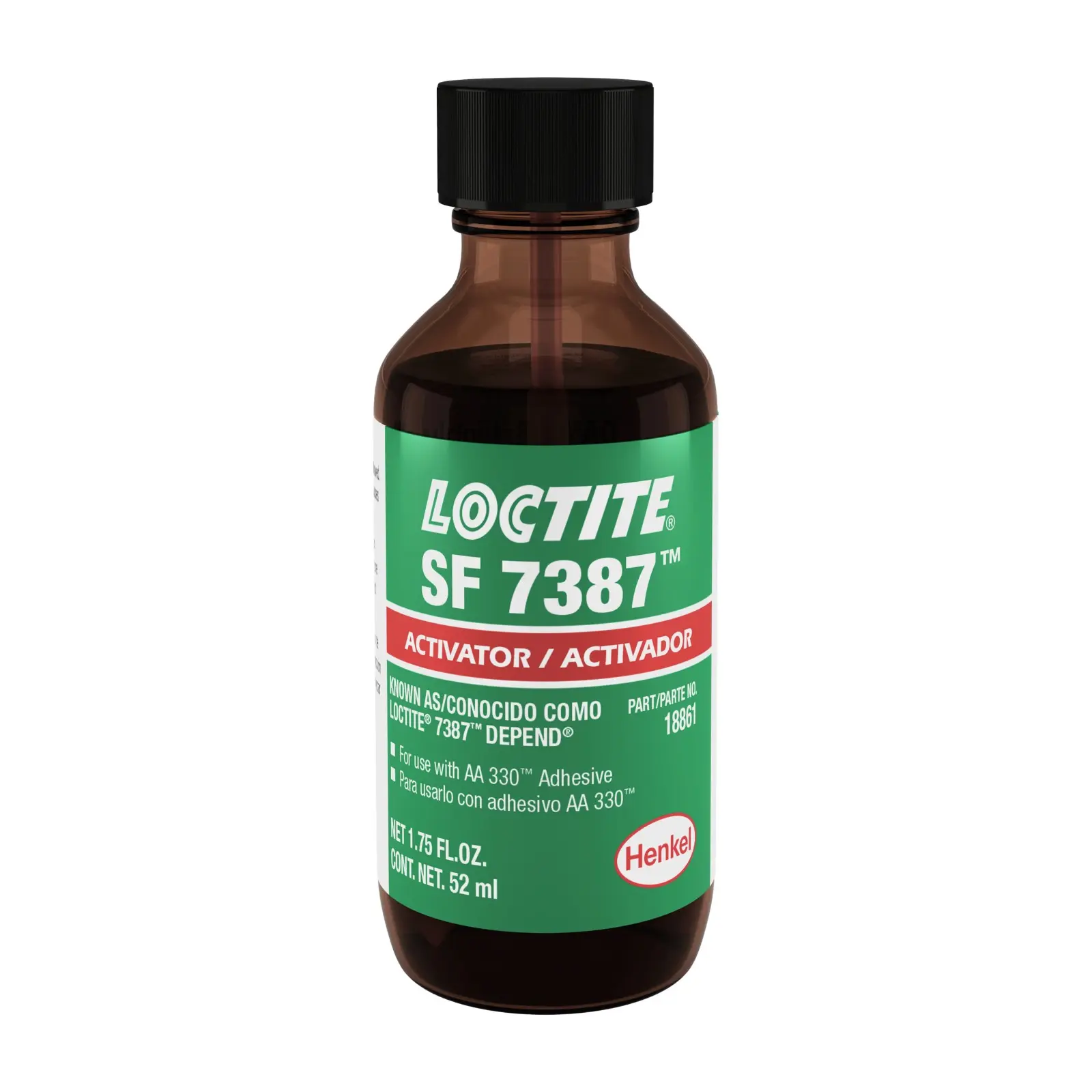
Product code: SF 7387
Activator that starts the cure of toughened acrylic adhesives. A yellow to amber liquid with very low viscosity, fixturing in 4 minutes in the test on grit-blasted steel.
LOCTITE
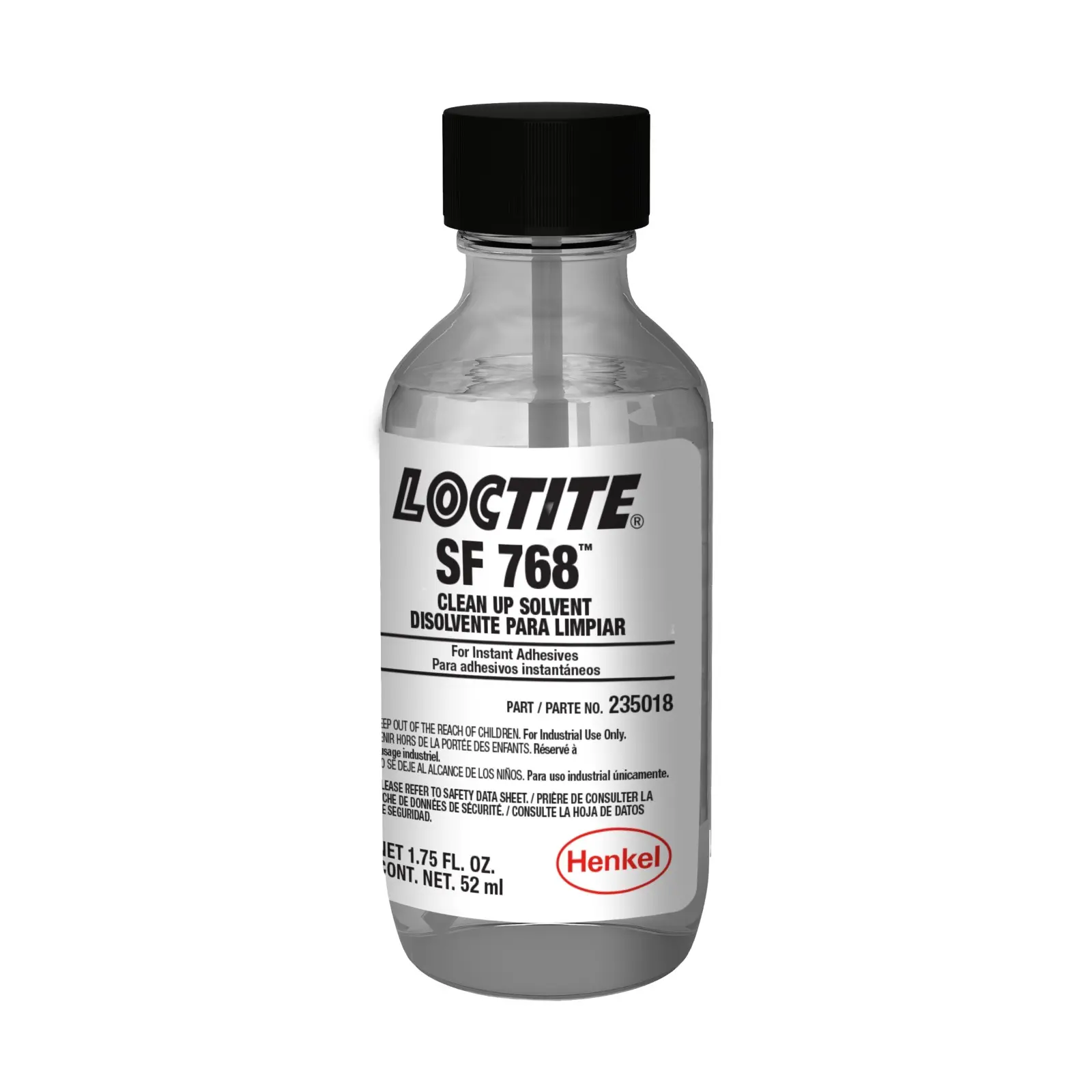
Product code: SF 768
Solvent blend for removing cured cyanoacrylate adhesive from surfaces and for debonding parts assembled with it, by wiping or soaking.
Five questions, from job and materials to gap, removal and process, that lead to the right LOCTITE family.
What fixture, handling strength, full cure, open time and pot life mean, and what triggers cure in each LOCTITE family.
Turn a bench result into a repeatable line method: application, quantity, fixture time, activators and checks.
Tell us the component, the heat sink material, the voltage on the tab and whether rework is required. We will review the 315 and 384 TDS with you.
Not sure which product fits? Ask our assistant
Type the job, the material or a spec. It searches our published products and TDS values — no external AI.