
ADVANCE
Back to Solutions

Thermal management — moving heat out of electronics and battery assemblies

A thermal interface material fills the air gap between a hot component and its heat sink or housing, so heat has a path out. Choose the material by gap size, mounting pressure, whether the joint must be electrically insulated, and whether the parts must also be bonded.

Thermal pad placed between a circuit board and a heat sink

Why heat gets stuck at the interface

Power supplies, inverters, motor drives, EV battery packs, LED lighting and telecom or data equipment all have parts that run hot: MOSFETs, IGBTs, processors, memory, LED boards and battery cells. The heat has to reach a heat sink, a cold plate or the metal housing. Two surfaces that look flat still touch only at high points, and the air trapped between them is a poor heat conductor. If nothing fills that gap, the component runs hotter than designed.

  • Power semiconductors on a heat sink in power supplies, inverters and motor controls
  • Battery cells and modules sitting on a cooling plate in EV and hybrid packs
  • LED boards mounted on a heat sink or lamp housing
  • Processors, memory and BGA packages under a heat sink or against the case in telecom and computing hardware

How thermal interface materials move the heat

Every material on this page does the same basic job: it replaces air in the gap with something that conducts heat far better. What differs is the form. Some come as soft pads cut to shape, some are dispensed as a liquid or paste, some soften when the device warms up, and some also hold the parts together.

  • Gap Pad (TGP) — soft, conformable pads for gaps between boards and housings or heat sinks. Example: GAP PAD TGP 3000 is a fiberglass-reinforced, soft pad for low-stress assemblies.
  • Gap Filler (TGF) — liquid materials dispensed into the gap that cure into a soft elastomer. They fit gaps of any shape without cutting pads, and several grades list EV and hybrid battery use.
  • Sil Pad (TSP) — thin insulating pads that carry heat from a power device to its heat sink while keeping the two electrically isolated (most grades; see Section 3).
  • Hi Flow (THF) and LOCTITE phase change materials — solid at room temperature, they soften at the phase change temperature, flow into the surface texture and push the air out.
  • Thermal greases and pastes (LOCTITE TG 100, BERGQUIST TGR 4000) — for very thin bond lines under clamped or screwed parts.
  • Bonding materials — Bond Ply (TBP) double-sided tapes, Liqui Bond (TLB) liquid adhesives and LOCTITE thermally conductive adhesives (3873, 3874, 3876) conduct heat and also hold the part, so screws or clips may not be needed.
  • Liqui Form (TLF) — one-part dispensable materials that need no mixing. TLF LF2000 needs no cure at all; TLF 3500CGEL is a curable gel.

How to choose the right material

Start with four questions: how wide is the gap and does it vary, how much pressure can the part take, does the joint need electrical isolation, and does the material have to hold the parts together.

  • Wide or uneven gap, fragile parts — a soft Gap Pad, or a Gap Filler or Liqui Form material that is dispensed and puts little stress on components.
  • High volumes or many different gap heights — liquid Gap Filler avoids stocking many pad thicknesses and die-cut shapes.
  • Power device on a heat sink that needs insulation — Sil Pad insulators, or an electrically insulating Hi Flow such as THF 1600P. Not every grade in these families insulates: SIL PAD TSP Q2000 and Q2500 are grease-replacement grades and HI FLOW THF 900 is phase change coated aluminum, so check the TDS when isolation matters.
  • Very thin bond line under a clamped or screwed part — phase change material or thermal grease. Do not rely on grease for insulation: BERGQUIST TGR 4000 contains an electrically conductive filler.
  • Part must stay on without screws or clips — Bond Ply tape, Liqui Bond adhesive or LOCTITE 3873 / 3874 / 3876.
  • Silicone not allowed near optics, contacts or painted parts — silicone-free grades such as GAP FILLER TGF 1100SF, the Gap Pad "SF" grades, and the non-silicone LOCTITE TCP 7000 and TCF 4000 PXF.

What affects the result in production

Thermal values on a datasheet are measured on flat test fixtures at set pressures. On a real product, surface roughness, flatness and clamping pressure change the result. The same pad can perform quite differently on a machined heat sink and on a cast housing.

  • Pads: how much the pad is compressed. A pad that is too thick stresses the board; one that is too thin leaves air.
  • Two-part Gap Filler: mix ratio, working time and cure. TGF 2000 and TGF 4000 mix 1:1 and cure at room temperature, faster with heat; TGF 4000 has the longer working time.
  • Heat-cure adhesives: the cure time counts from when the bond line reaches temperature, not from when the part enters the oven (for example LIQUI BOND TLB SA2000).
  • Phase change pastes: LOCTITE TCP 7000 and TCP 4000 PM must dry to a solid before assembly; drying time depends on layer thickness and temperature.
  • Storage: several liquids need cool or refrigerated storage (LOCTITE TCP 7000 at 2–8 °C, TLB SA2000 at 10 °C). Bring them to room temperature before opening.
  • Operating temperature differs by product. Check the current TDS for the range of the exact grade.

Application and checks on the line

Clean both surfaces before you apply anything. Dust, oil or old grease left on the heat sink will sit in the gap and block the heat path.

  • Pads and tapes: remove the liners, place the pad without trapping air, then apply the specified pressure. BOND PLY TBP 800 bonds under pressure at room temperature, with no heat cure.
  • Greases: apply the smallest amount that still wets both surfaces completely, then clamp with clips or fasteners that keep a constant pressure.
  • Phase change pads such as HI FLOW THF 1600P: spring clips that hold a constant pressure are recommended.
  • LOCTITE 3873 and 3874: apply Activator 7387 to one surface and the adhesive to the other, assemble, and hold until fixtured. Glass spheres in 3873 and spacer beads in 3876 keep the bond line even.
  • Check: after assembly, measure the component or case temperature under load and compare with a known-good unit. On dispensed materials, cut open a test unit to see coverage and voids.

Information to confirm before you choose

  • The gap: nominal size, tolerance, and whether it changes across the part
  • How the part is held: screws, spring clips, or no fasteners at all
  • Whether the joint must be electrically insulated, and the working voltage
  • Heat load and the operating temperature range
  • Whether silicone is allowed in the product
  • Production method: manual placement, dispensing machine or stencil printing, and the volume per month
  • Whether the unit must be opened for repair later

Products to compare

The products below cover each type on this page: pads, liquid gap fillers, insulators, phase change materials, greases, tapes and adhesives. Check the current TDS for the exact grade before you design it in.

Thermal interface materials

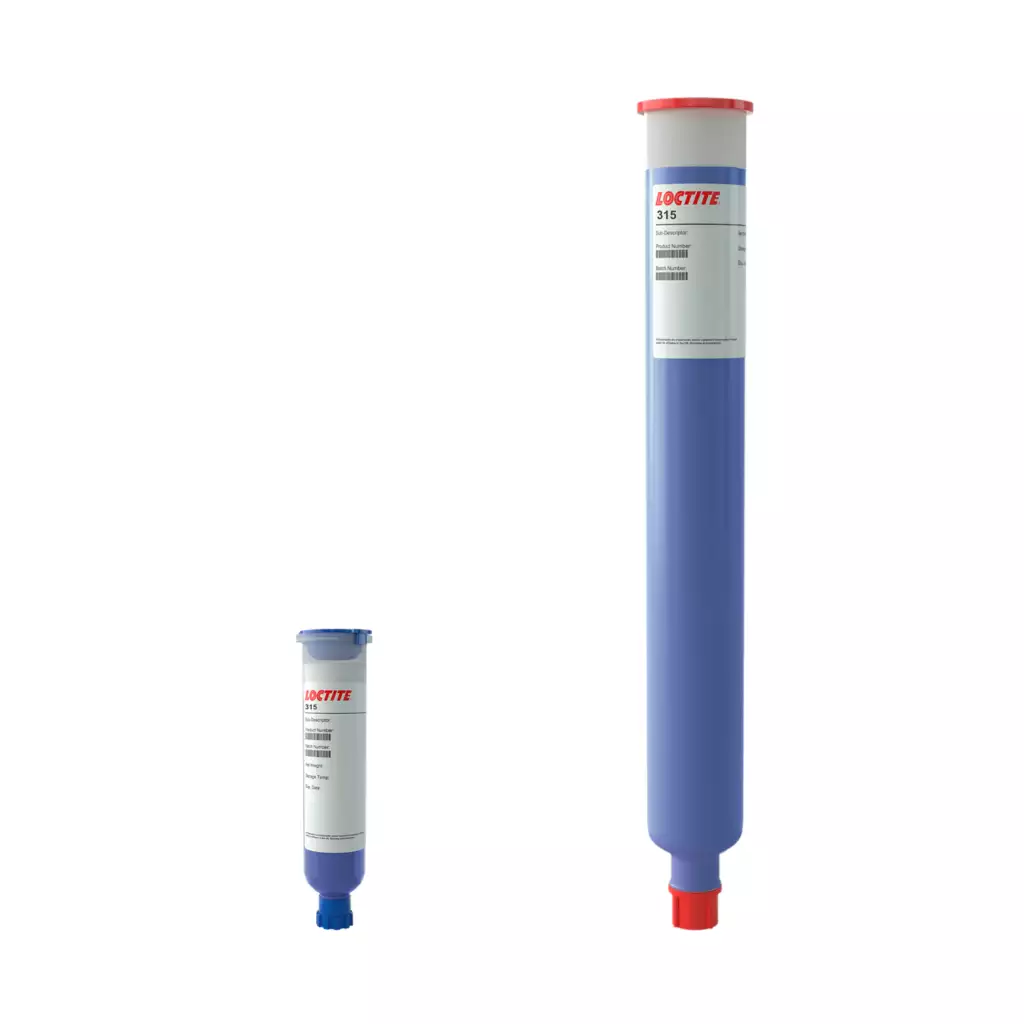
  • LOCTITE 315

    LOCTITE

    LOCTITE 315

    Product code: 315

    LOCTITE 315 is a self-shimming, thermally conductive acrylic paste for bonding electrical components to heat sinks with a consistent insulating gap.
  • LOCTITE 384

    LOCTITE

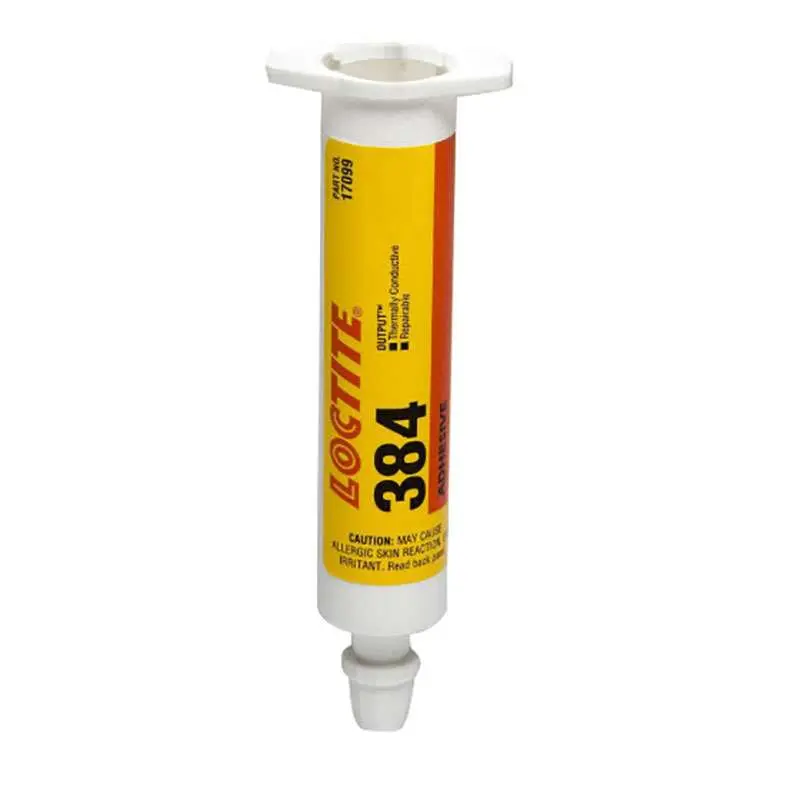
    LOCTITE 384

    Product code: 384

    LOCTITE 384 is a white to off-white, thermally conductive acrylic paste for bonding heat-generating components to heat sinks, with medium strength so parts can be removed hot for repair.
  • LOCTITE 3873

    LOCTITE

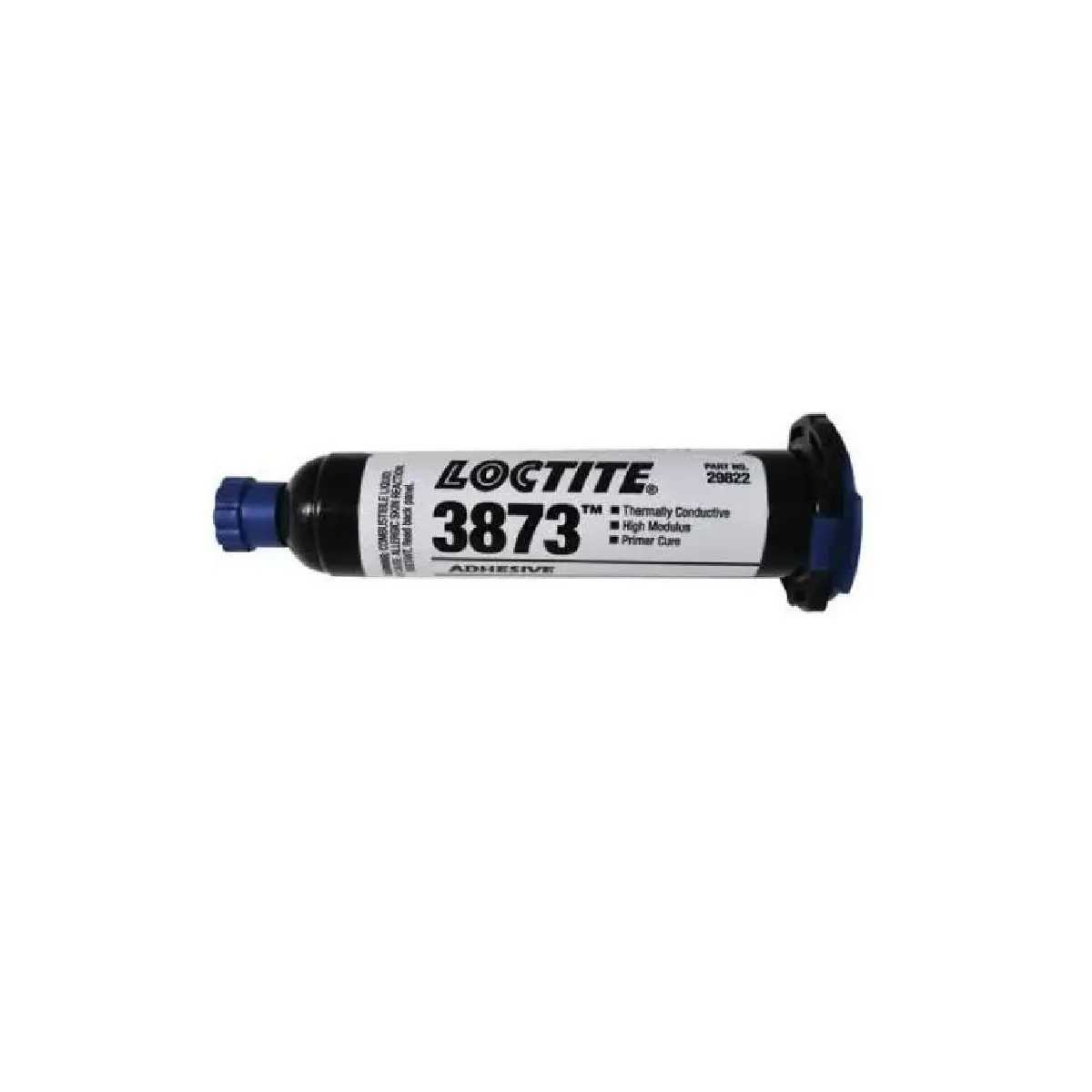
    LOCTITE 3873

    Product code: 3873

    Self-shimming acrylic adhesive that bonds power devices to heat spreaders. Glass spheres set a 0.127 mm bond line, and it cures fast with Activator 7387.
  • BERGQUIST GAP PAD TGP 3000

    BERGQUIST

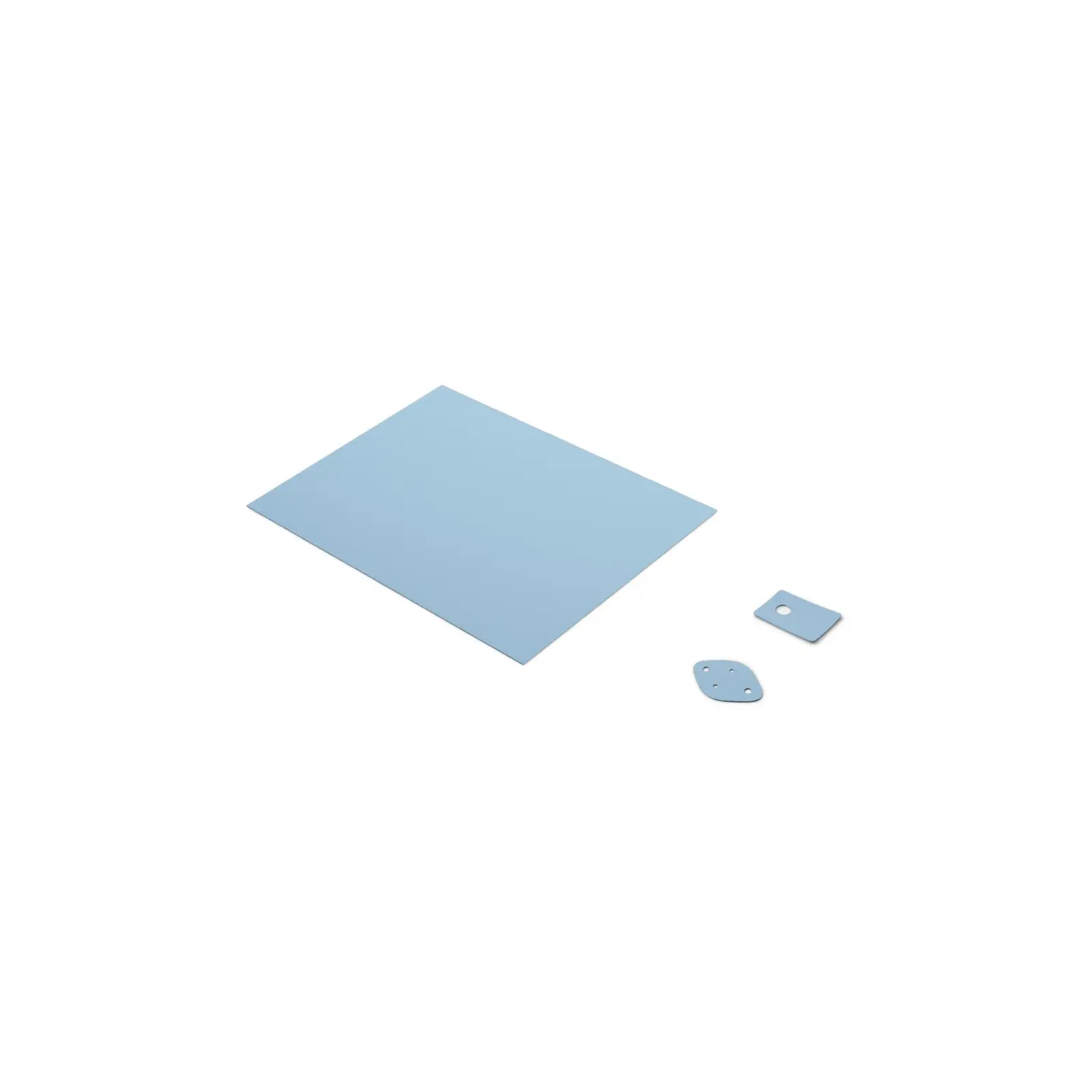
    BERGQUIST GAP PAD TGP 3000

    Product code: GAP PAD TGP 3000

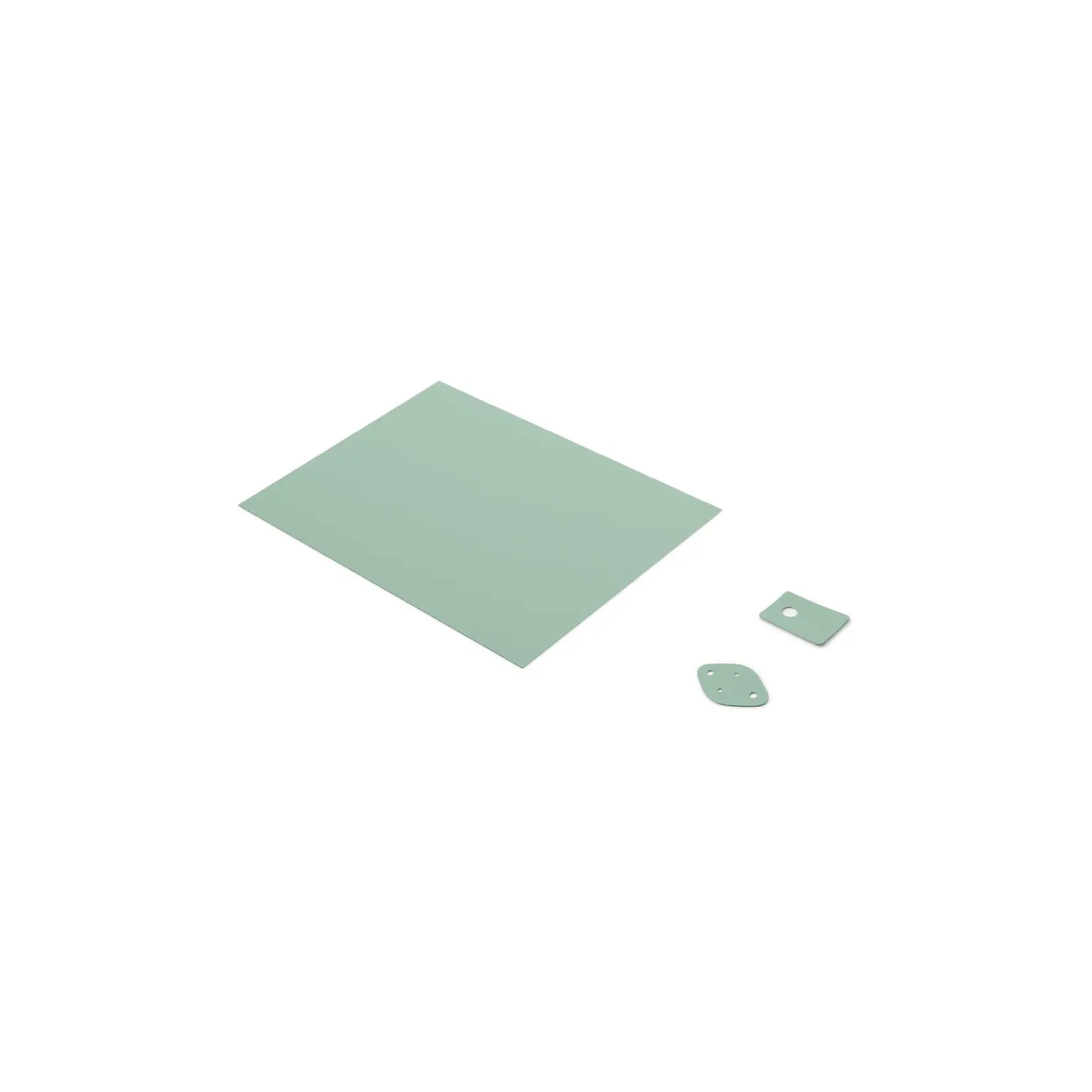
    Soft fiberglass-reinforced silicone thermal pad, 3.0 W/(m·K) and 30 Shore 00, for low-stress gaps on processors, BGA packages and storage drives.
  • BERGQUIST GAP PAD TGP 5000

    BERGQUIST

    BERGQUIST GAP PAD TGP 5000

    Product code: GAP PAD TGP 5000

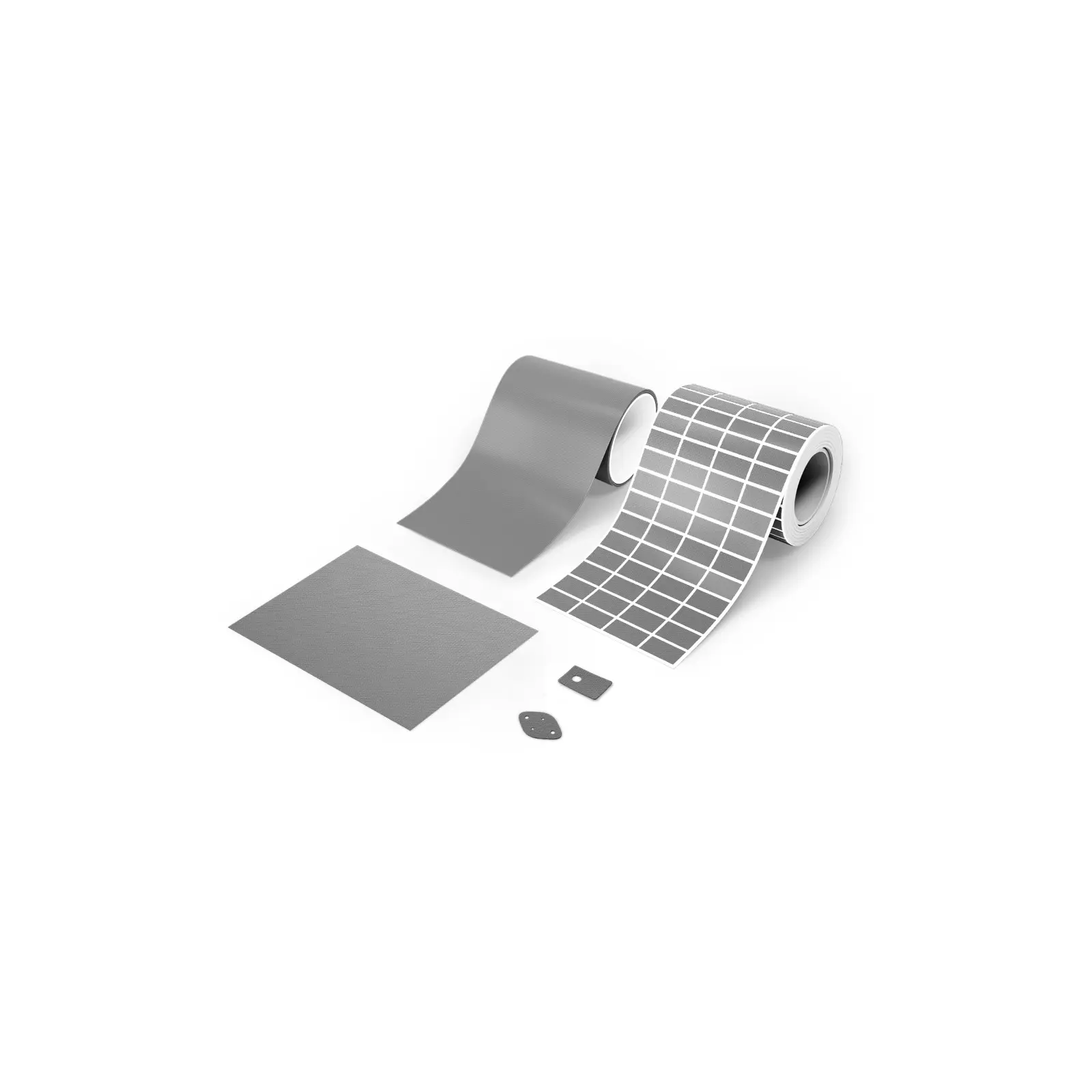
    Soft fiberglass-reinforced silicone thermal pad, 5.0 W/(m·K) and 35 Shore 00, for low mounting pressure on VRMs, ASICs, memory and BGAs.
  • BERGQUIST SIL PAD TSP 900

    BERGQUIST

    BERGQUIST SIL PAD TSP 900

    Product code: SIL PAD TSP 900

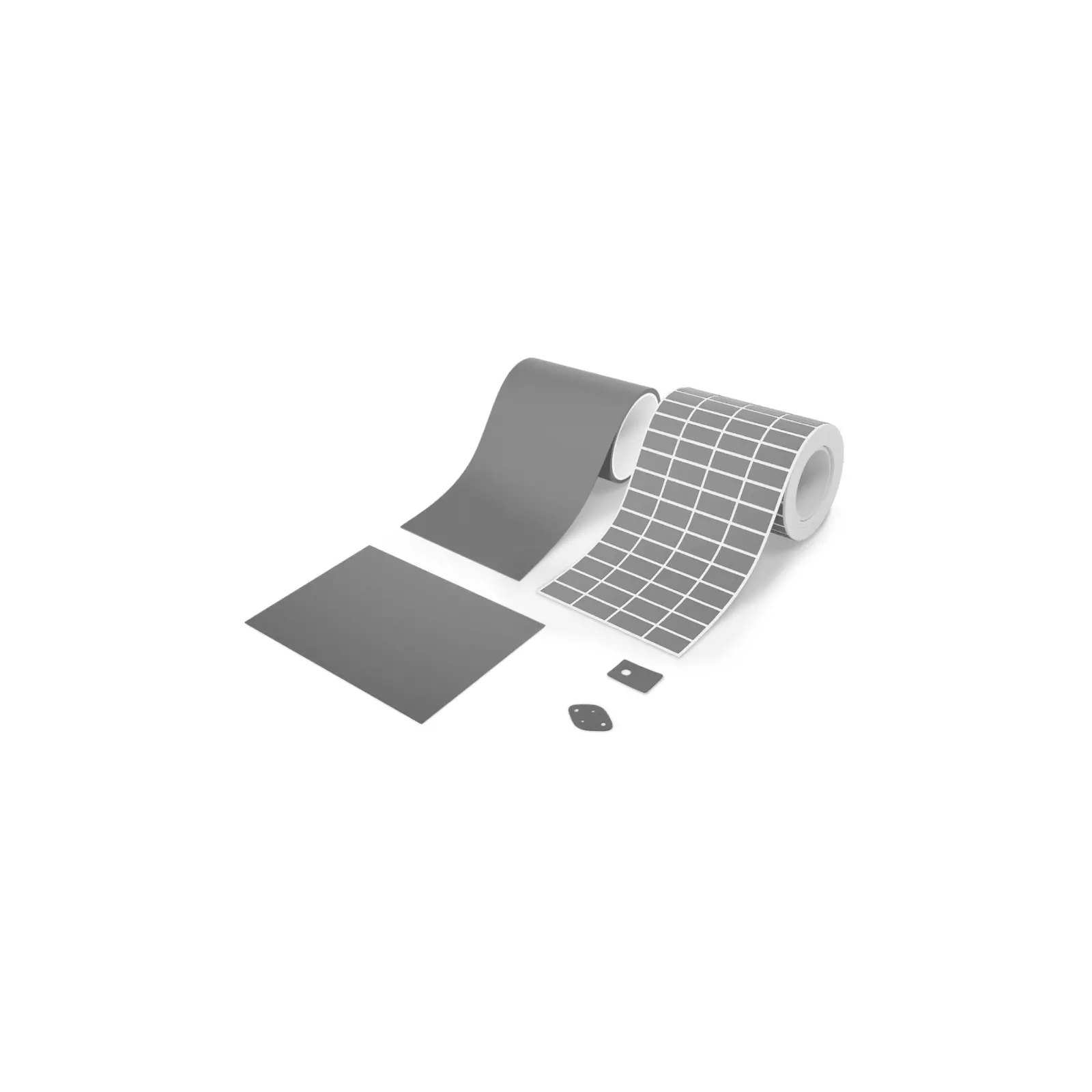
    Gray silicone rubber and fiberglass insulating pad, the original Sil-Pad material, that isolates power devices from heat sinks. 0.9 W/(m·K), 0.178 or 0.229 mm thick.
  • BERGQUIST SIL PAD TSP K900

    BERGQUIST

    BERGQUIST SIL PAD TSP K900

    Product code: SIL PAD TSP K900

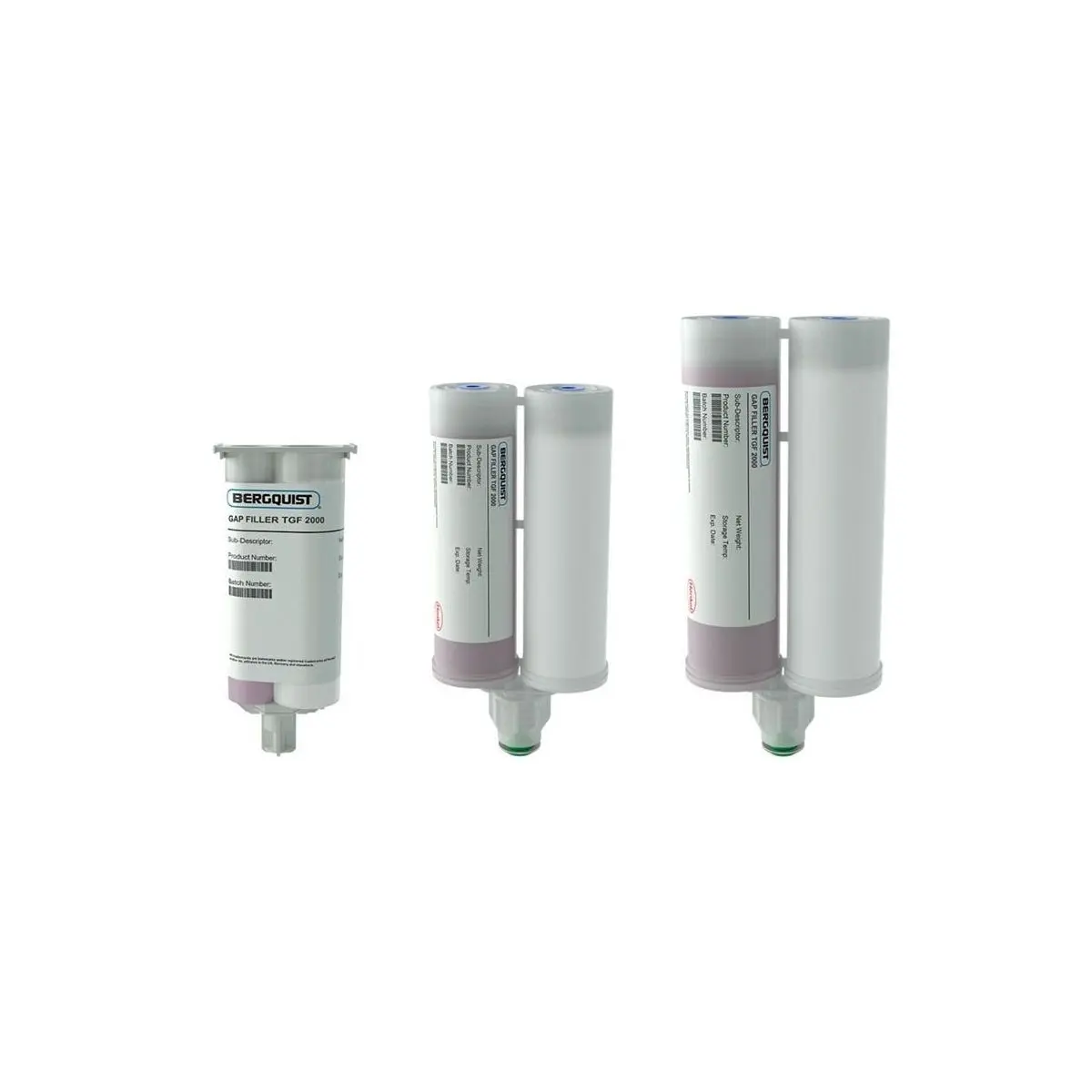
    Gray Kapton MT based thermally conductive insulator, 0.9 W/(m·K), 0.15 mm thick. A durable pad that withstands high voltages and needs no thermal grease.
  • BERGQUIST GAP FILLER TGF 2000

    BERGQUIST

    BERGQUIST GAP FILLER TGF 2000

    Product code: GAP FILLER TGF 2000

    Two-part silicone liquid gap filler, 2.0 W/(m·K), that flows like a grease before cure and becomes a soft, dry-to-touch elastomer that does not pump out under thermal cycling.
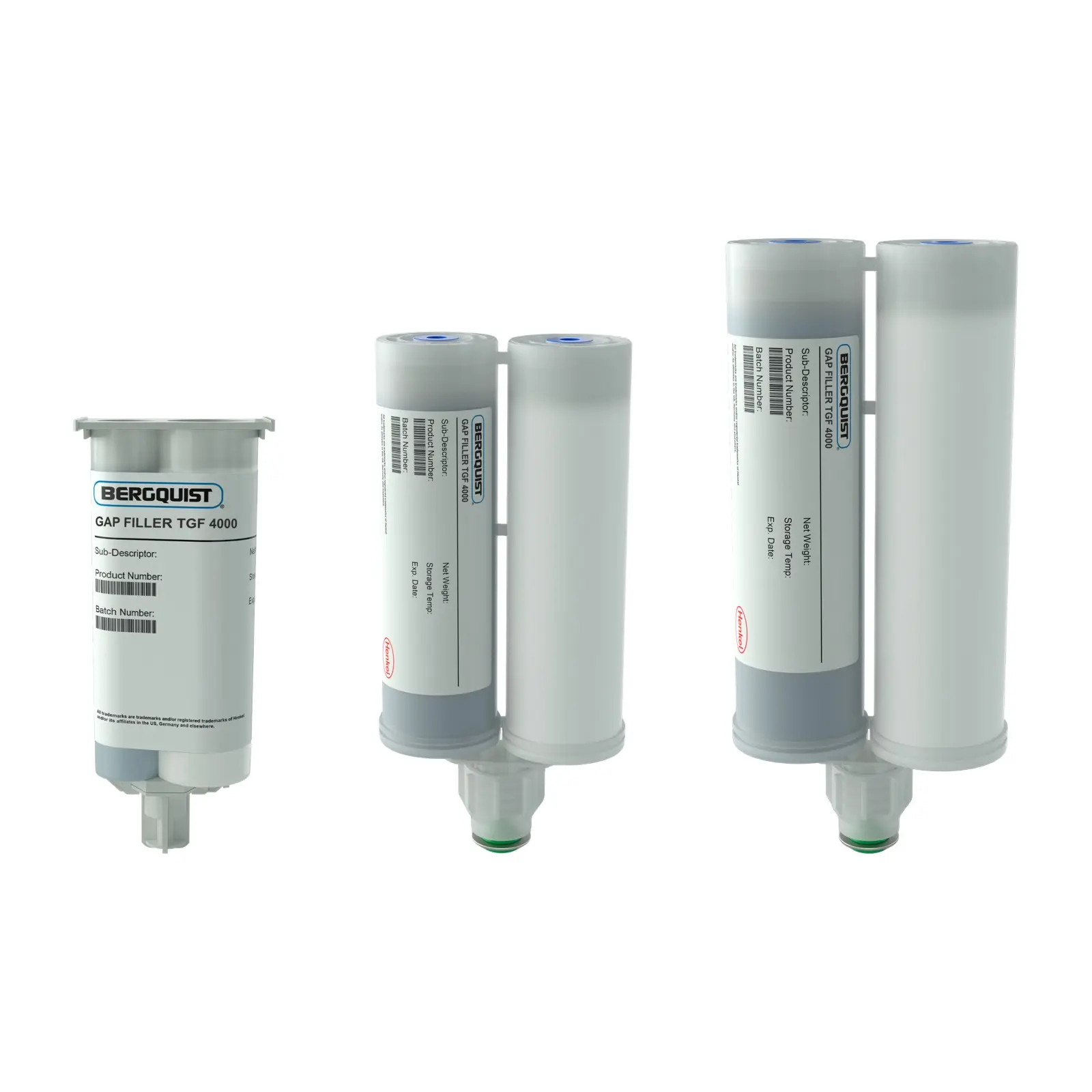
  • BERGQUIST GAP FILLER TGF 4000

    BERGQUIST

    BERGQUIST GAP FILLER TGF 4000

    Product code: GAP FILLER TGF 4000

    Two-part silicone liquid gap filler with 4.0 W/(m·K) thermal conductivity and a 240 minute working time, for semiconductors to heat sinks in automotive, telecom and computer electronics.
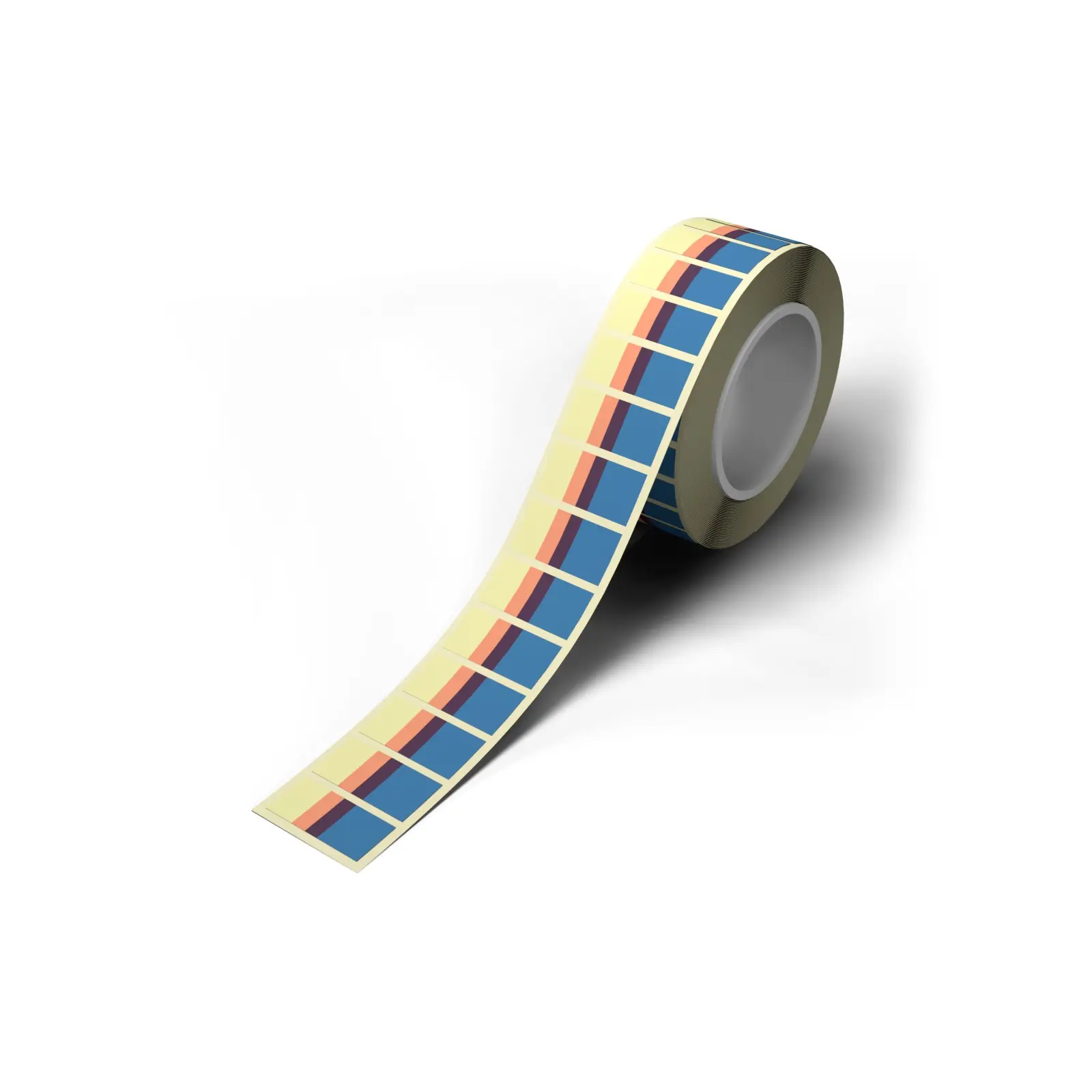
  • BERGQUIST HI FLOW THF 3000UT

    BERGQUIST

    BERGQUIST HI FLOW THF 3000UT

    Product code: HI FLOW THF 3000UT

    Tacky, unreinforced blue phase change pad for processor lids, dies and memory modules, with 3.0 W/(m·K) thermal conductivity.
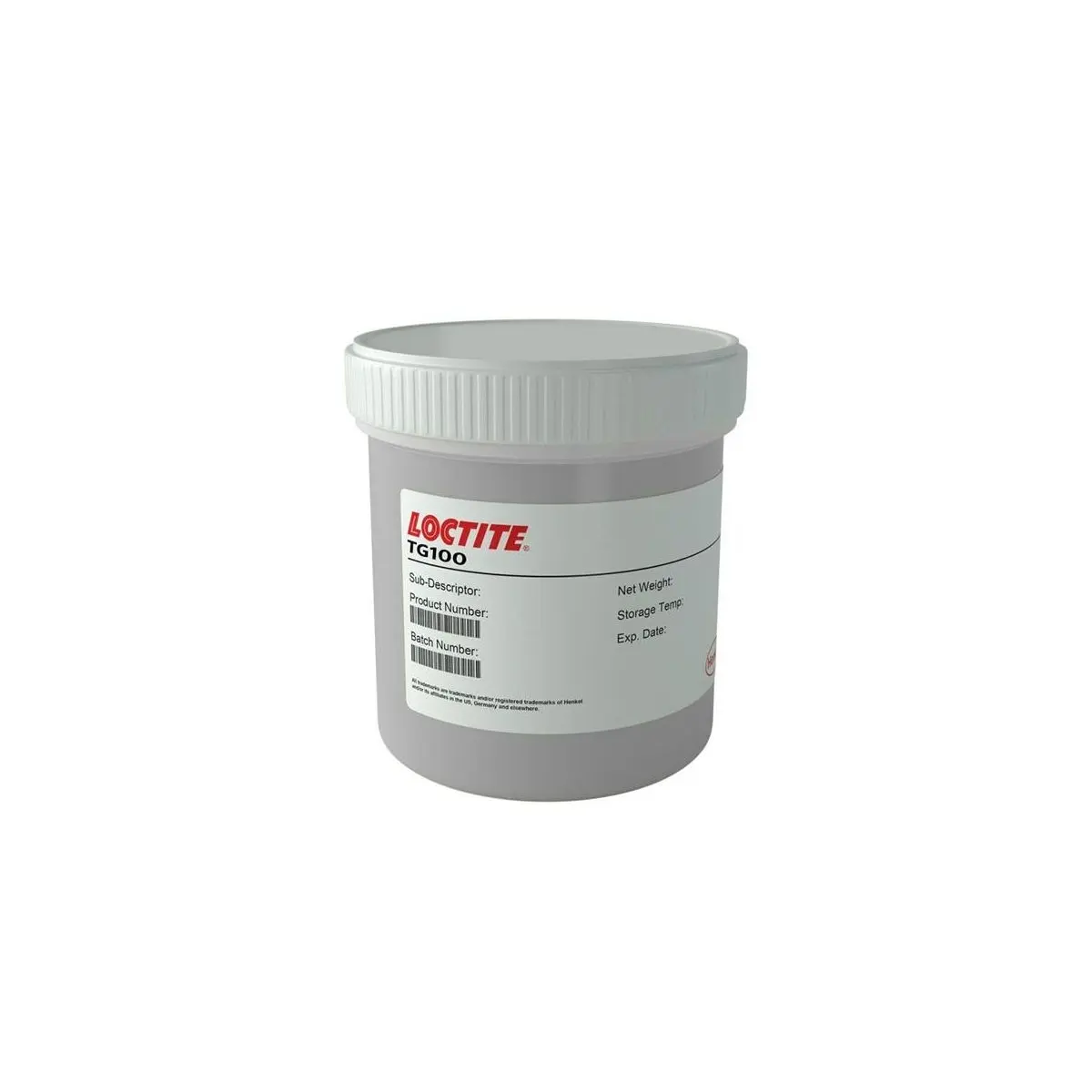
  • LOCTITE TG 100

    LOCTITE

    LOCTITE TG 100

    Product code: TG 100

    Gray silicone thermal grease for CPUs, GPUs and power components, with 3.4 W/(m·K) thermal conductivity and an operating range of -40 to 150 °C.
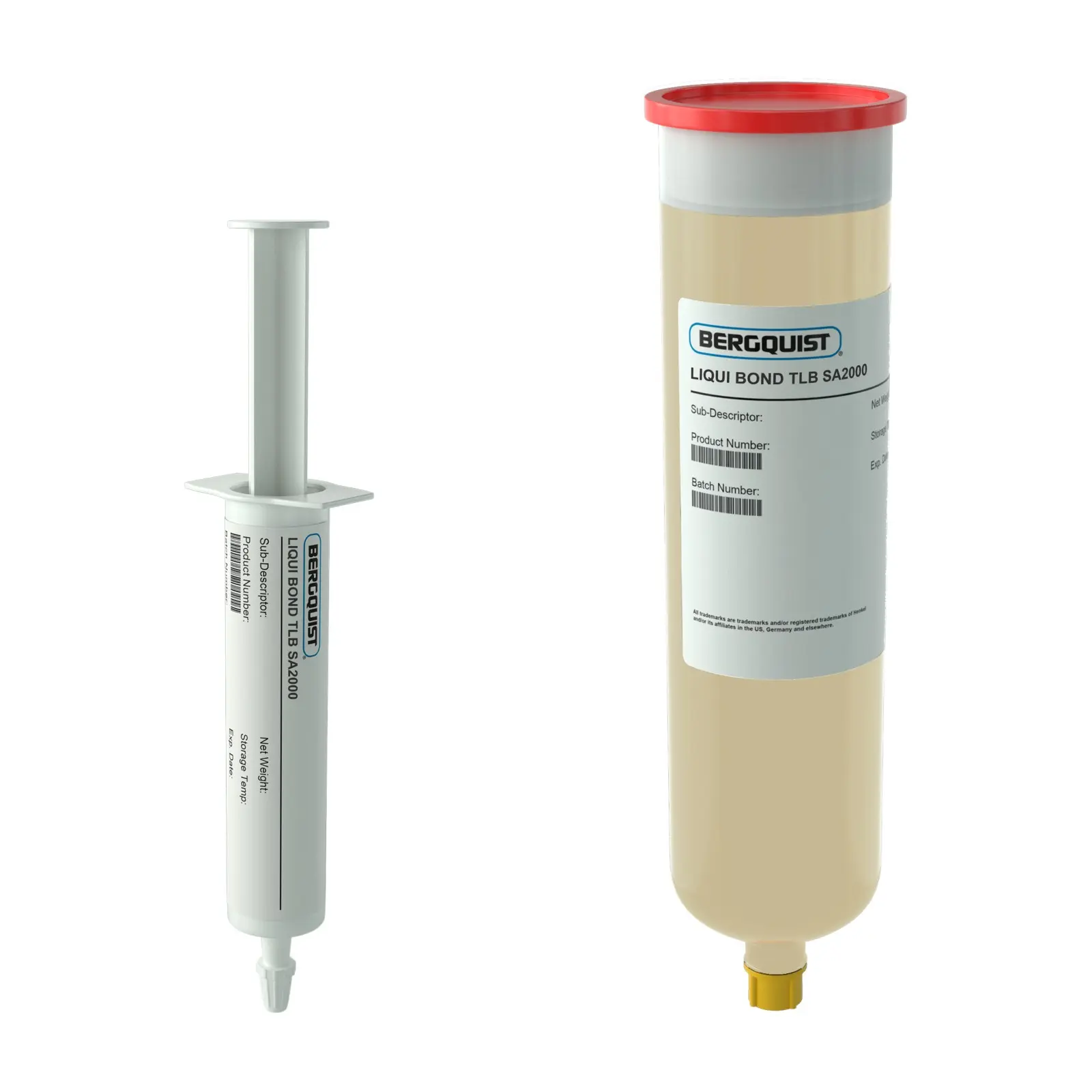
  • BERGQUIST LIQUI BOND TLB SA2000

    BERGQUIST

    BERGQUIST LIQUI BOND TLB SA2000

    Product code: LIQUI BOND TLB SA2000

    One-part, heat-cure liquid silicone adhesive, 2.0 W/(m·K), for easy dispensing. Bonds PCB assemblies to housings and parts to heat spreaders without fasteners.

View all 78 Thermal Management →

Frequently asked questions

Should we use a Gap Pad or a liquid Gap Filler?
Pads are simple to place by hand and need no mixing or cure. Liquid Gap Filler suits automated lines, gaps of many heights in one unit, and fragile parts, because it puts little stress on components and removes the need to stock many pad sizes. Send us the gap range and your monthly volume.
Our power transistor sits on a grounded heat sink. What keeps it insulated?
Use an insulating pad such as SIL PAD TSP 900, or an electrically insulating phase change pad such as HI FLOW THF 1600P. Avoid thermal grease for this job, and check the TDS, because a few Sil Pad and Hi Flow grades are not insulators. Tell us the working voltage.
Can we get rid of the screws that hold the LED board or heat sink?
Often, yes. BOND PLY TBP 800 is a double-sided thermal tape used to mount LED assemblies to heat sinks and housings. For dispensed bonding, LIQUI BOND TLB SA2000 or LOCTITE 3873 hold the part and conduct heat. Send us the part size, weight and the two materials being joined.
Our product cannot contain silicone. Are there options?
Yes. GAP FILLER TGF 1100SF is silicone-free and is listed for silicone-sensitive optical parts, and there are silicone-free Gap Pad grades with "SF" in the code. LOCTITE TCP 7000 and TCF 4000 PXF are non-silicone phase change materials.
We will need to open the unit for repair. Which materials can be reworked?
Pads, greases and phase change materials are the easiest to remove. LIQUI FORM TLF LF2000 needs no cure and is made for easy rework, and LOCTITE TCP 7000 and TCF 4000 PXF are reworkable. Bonding materials such as Liqui Bond and LOCTITE 3873 form a structural bond and are not made for easy removal.

Not sure which thermal material fits your design?

Send ADVANCE a drawing or photo of the assembly, the gap size and tolerance, how the part is held, the working voltage, the operating temperature and your monthly volume.

Not sure which product fits? Ask our assistant

Type the job, the material or a spec. It searches our published products and TDS values — no external AI.