
LOCTITE
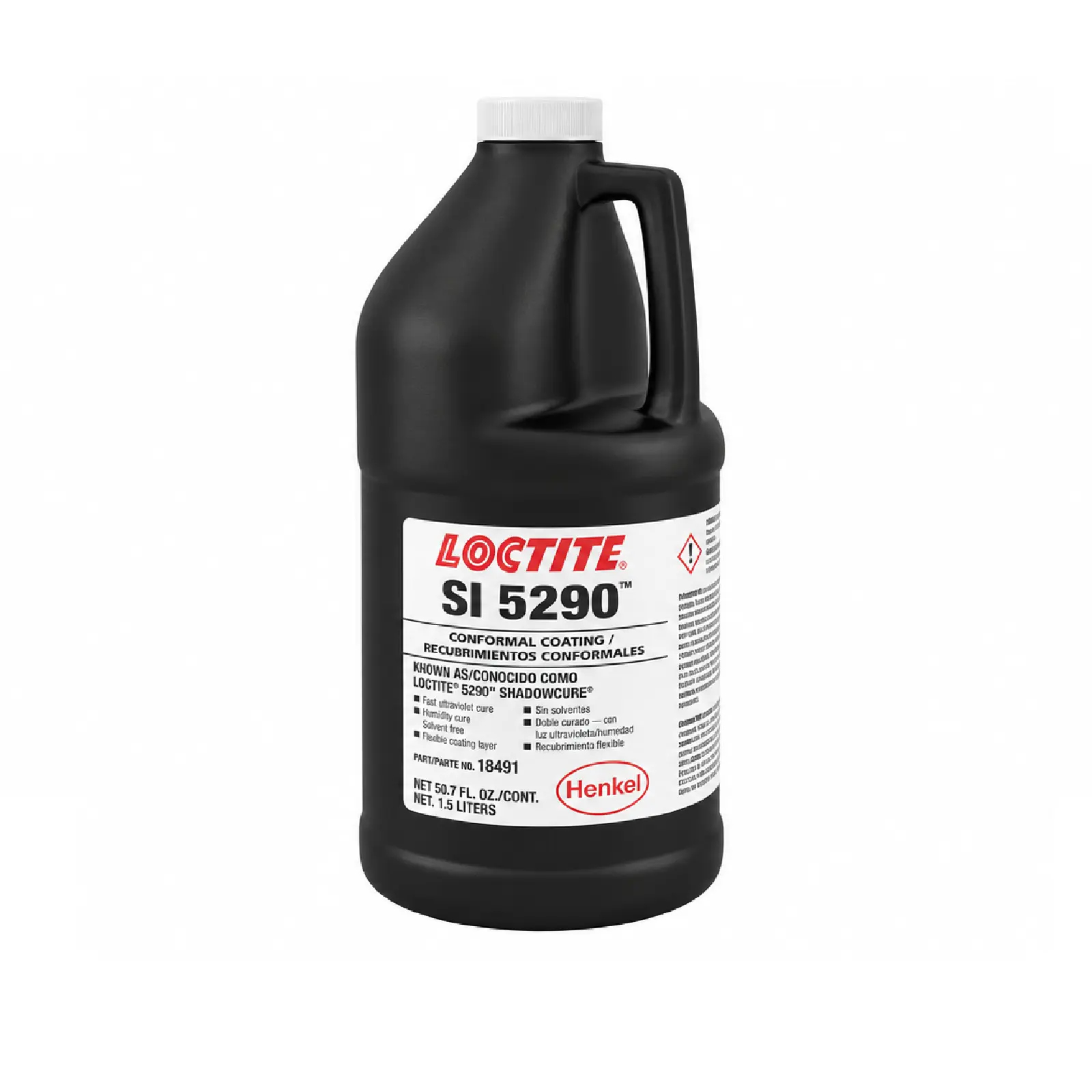
LOCTITE SI 5290
Product code: SI 5290
One-part silicone conformal coating for printed circuit boards that cures with UV light, with a moisture cure for shadowed areas. Flexible after cure.
PCB materials
Conformal coating is the last line of defense for a populated PCB that has to survive humidity, condensation, salt mist or contamination in the field. This page covers the chemistries, what to specify, how to apply and cure it, and the defects to watch for.
A conformal coating is a thin, electrically insulating polymer film applied over a finished PCB assembly so that it conforms to the components, leads and traces. It is applied after soldering and cleaning and before final assembly into the housing, and its job is to keep moisture, dust, salts and mild chemicals away from the conductors while leaving the board light, inspectable and in most cases repairable.
It differs from potting in thickness and intent: a coating is typically tens of micrometers thick and protects against surface contamination and condensation, whereas potting fills the whole enclosure and adds mechanical and thermal functions. Many products use coating for the board and potting or gasketing for the enclosure.
Coating is applied to the whole board or to defined zones, with connectors, test points, heatsink interfaces and switches masked out. The decision to coat is driven by the environment the product sees rather than by the component types on the board.
The main failure modes on an unprotected board are leakage current across contaminated surfaces, electrochemical migration and dendrite growth between closely spaced conductors, and corrosion of exposed copper and solder joints. All three need moisture plus ionic contamination, and a continuous coating breaks that combination by keeping the water film away from the metal.
A coating also adds dielectric margin, holds light components against vibration, and resists dust, fungus and mild solvents. For the plant, a well-controlled coating process raises first-pass results in humidity and thermal-shock testing and cuts warranty returns from field moisture.
IPC-CC-830 groups coatings into acrylic, urethane, silicone, epoxy and parylene classes, and in practice UV-curable hybrids form a sixth group. Each class trades protection, flexibility, temperature capability and reworkability differently, and the choice depends on the production line as much as on the end environment.
Dry film thickness is the most important process parameter because it controls both protection and the risk of cracking at component edges. IPC-A-610 gives typical thickness ranges per chemistry; most acrylic, urethane and silicone coatings are applied at a few tens of micrometers while parylene is thinner. Beyond thickness, specify the properties below against the test plan the product must pass.
Selective coating machines with film or atomizing nozzles are the standard for volume production because they place material only where it is wanted and reduce masking. Spray, dip and brush remain in use for lower volumes, prototypes and repair; dip gives full coverage including under components but needs the most masking. Parylene is a separate vacuum deposition process, usually outsourced.
Solvent-based acrylics and urethanes become tack-free in minutes and reach full properties over hours to days, faster with heat; UV grades pass a lamp in seconds and rely on a secondary cure under components. Inspection combines a UV lamp or automated vision for coverage, film thickness on test coupons, and a visual check against IPC-A-610 for bubbles, pinholes and masking boundaries.
Cleanliness before coating determines whether the film adheres and whether contamination is sealed in. No-clean flux residues are usually acceptable with compatible coatings, but trapped ionic contamination can still migrate, so a cleanliness check during qualification is good practice. A short bake before coating removes absorbed moisture that would otherwise cause bubbles.
Define keep-out zones on the drawing: connectors, test points, heatsink faces, switches, and sensors or microphones that must stay open. Thick coating at the base of tall components can crack on thermal cycling, so flexible grades or thinner application are preferred there. Confirm compatibility with plastics such as polycarbonate, which some solvents attack.
Coating defects are visible under UV light and most of them come from cleanliness, thickness or drying conditions.
The right coating is the one your line can apply consistently and your product can pass its tests with. Share the points below and we will propose a shortlist, send the TDS and SDS, and arrange a sample for trials on your own boards and coating equipment.
LOCTITE
Product code: SI 5290
One-part silicone conformal coating for printed circuit boards that cures with UV light, with a moisture cure for shadowed areas. Flexible after cure.
LOCTITE
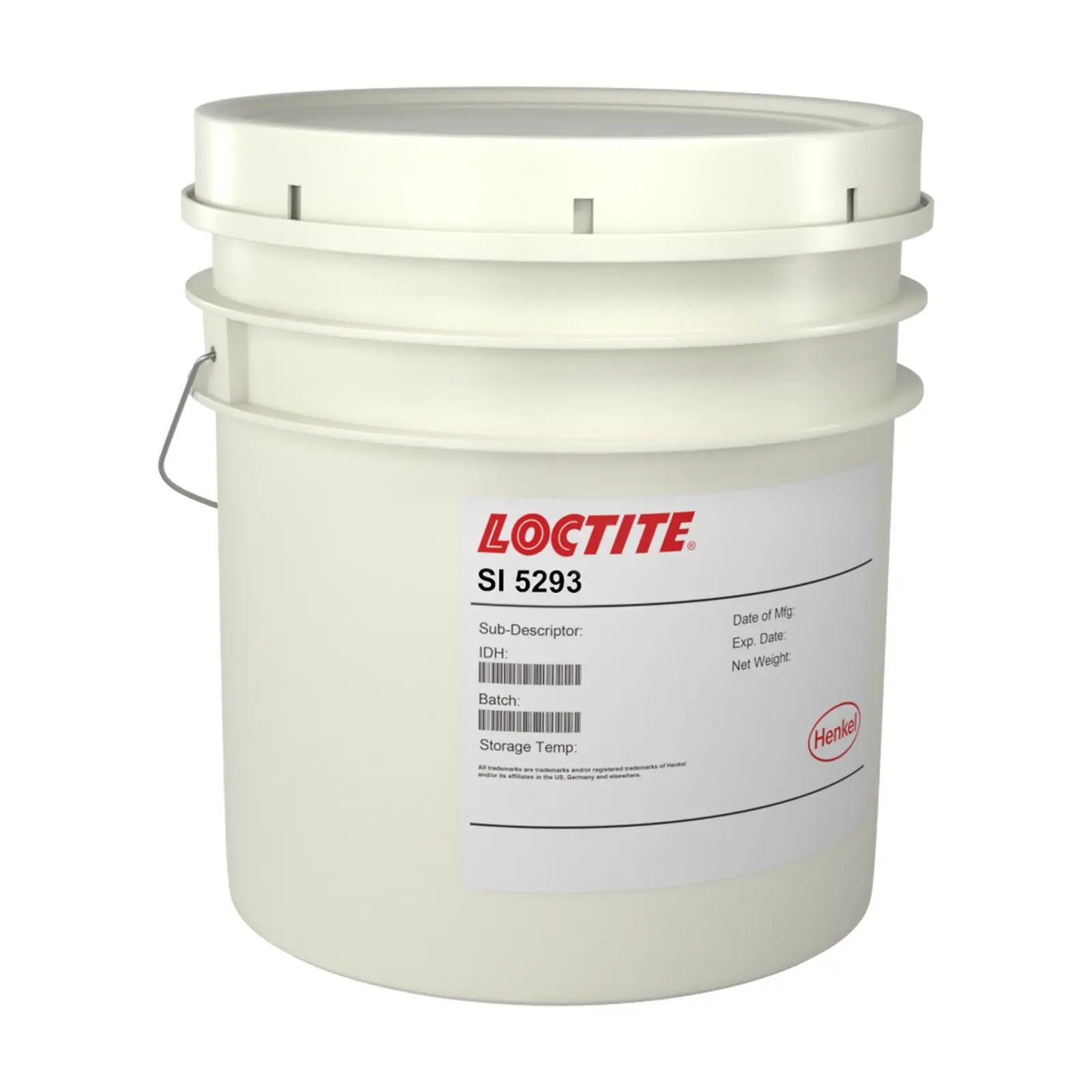
Product code: SI 5293
One-part silicone conformal coating for circuit boards. It cures with UV light in seconds and with moisture in shadowed areas.
LOCTITE
Product code: SI 5296
One-part heat-cure silicone conformal coating for printed circuit boards. Applied by selective robotic dispensing, brush, dip or spray, and fluoresces under UV light.
LOCTITE
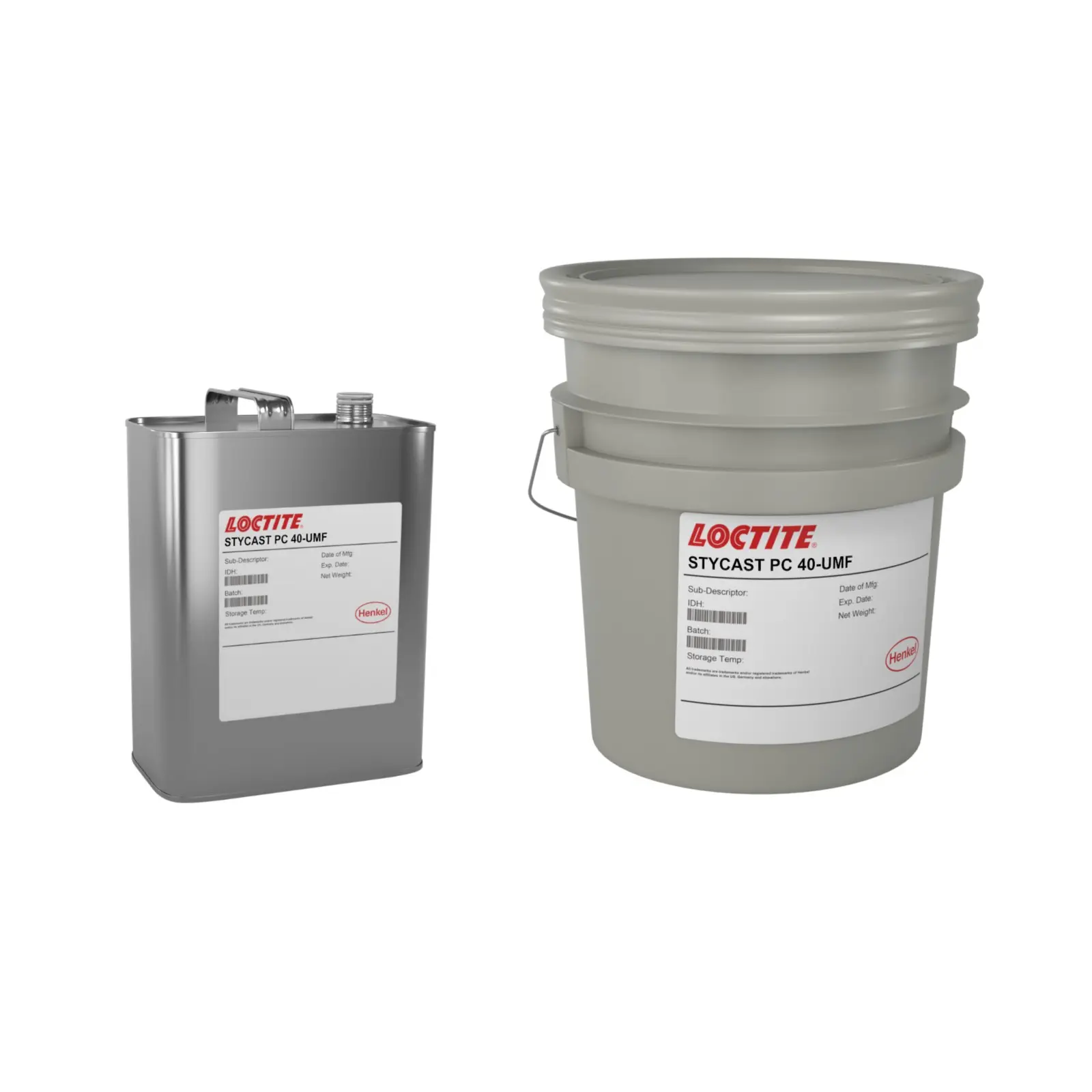
Product code: STYCAST PC 40 UMF
Clear one-part urethane acrylate conformal coating that gels under UV light and fully cures with air moisture in shadowed areas.
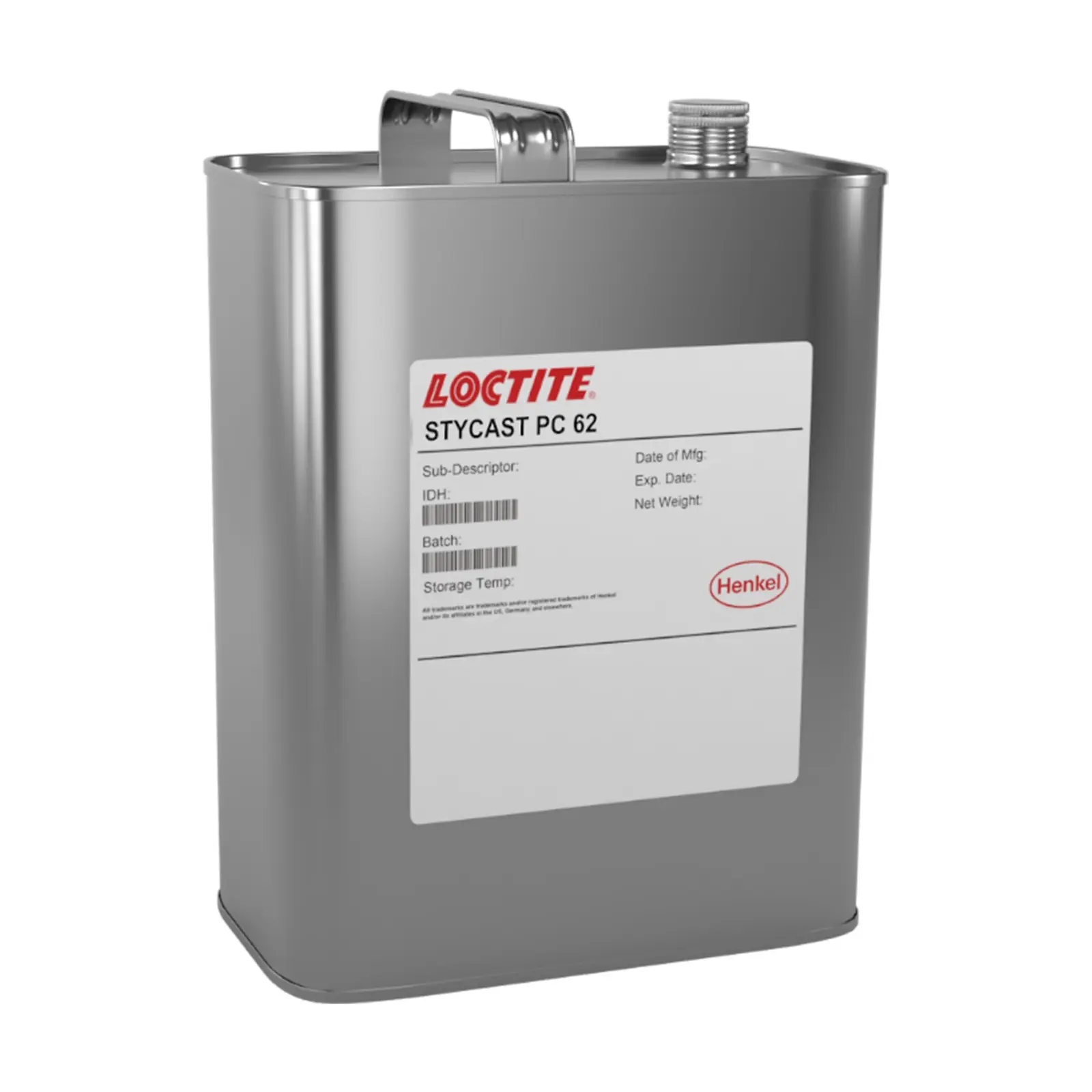
LOCTITE
Product code: STYCAST PC 62
Rapid-drying, colourless acrylic conformal coating for circuit boards. It air dries, fluoresces under UV light and can be removed for repair.
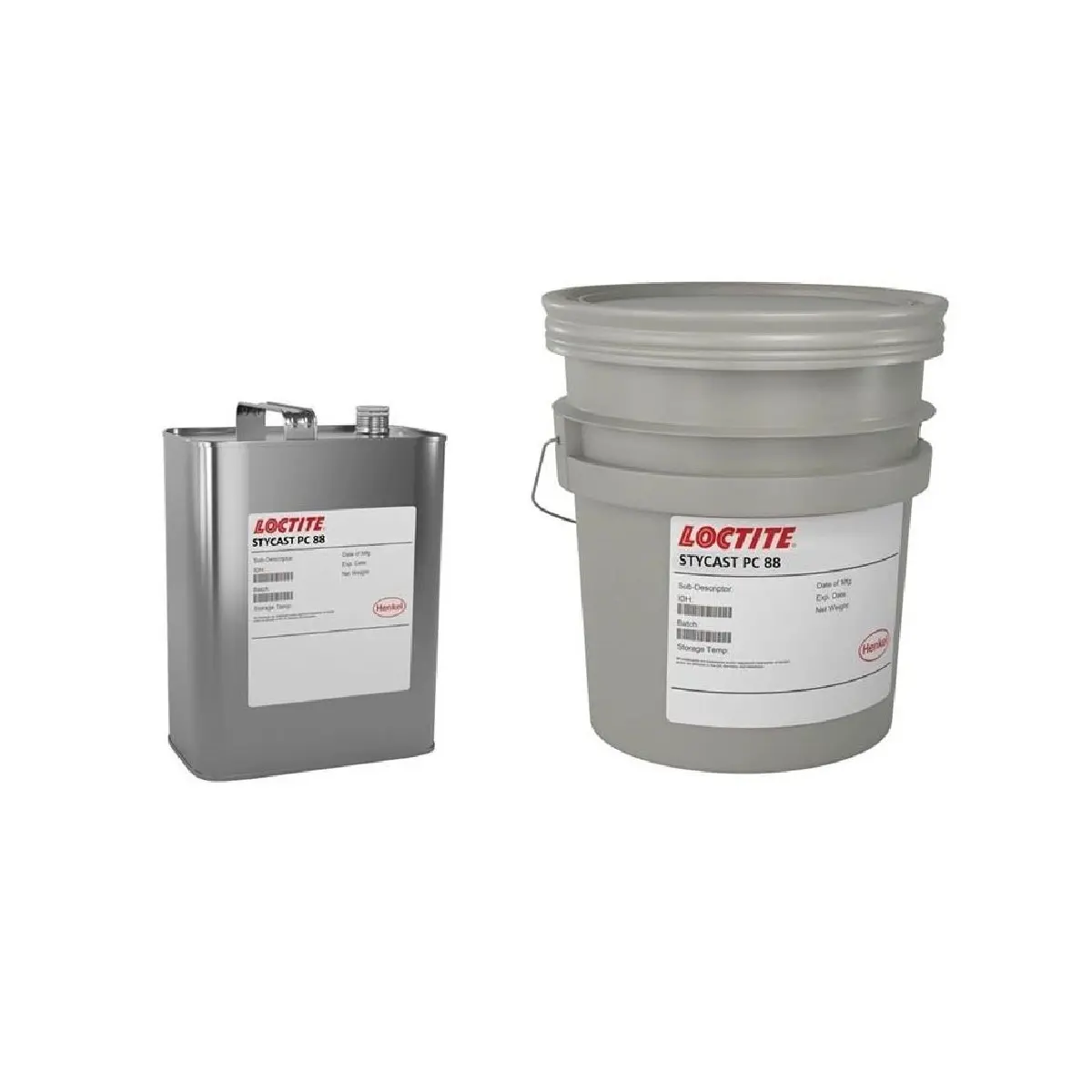
LOCTITE
Product code: STYCAST PC 88
Clear acrylic conformal coating for circuit boards in automotive and other electronics. It dries with hot air and fluoresces under UV light.
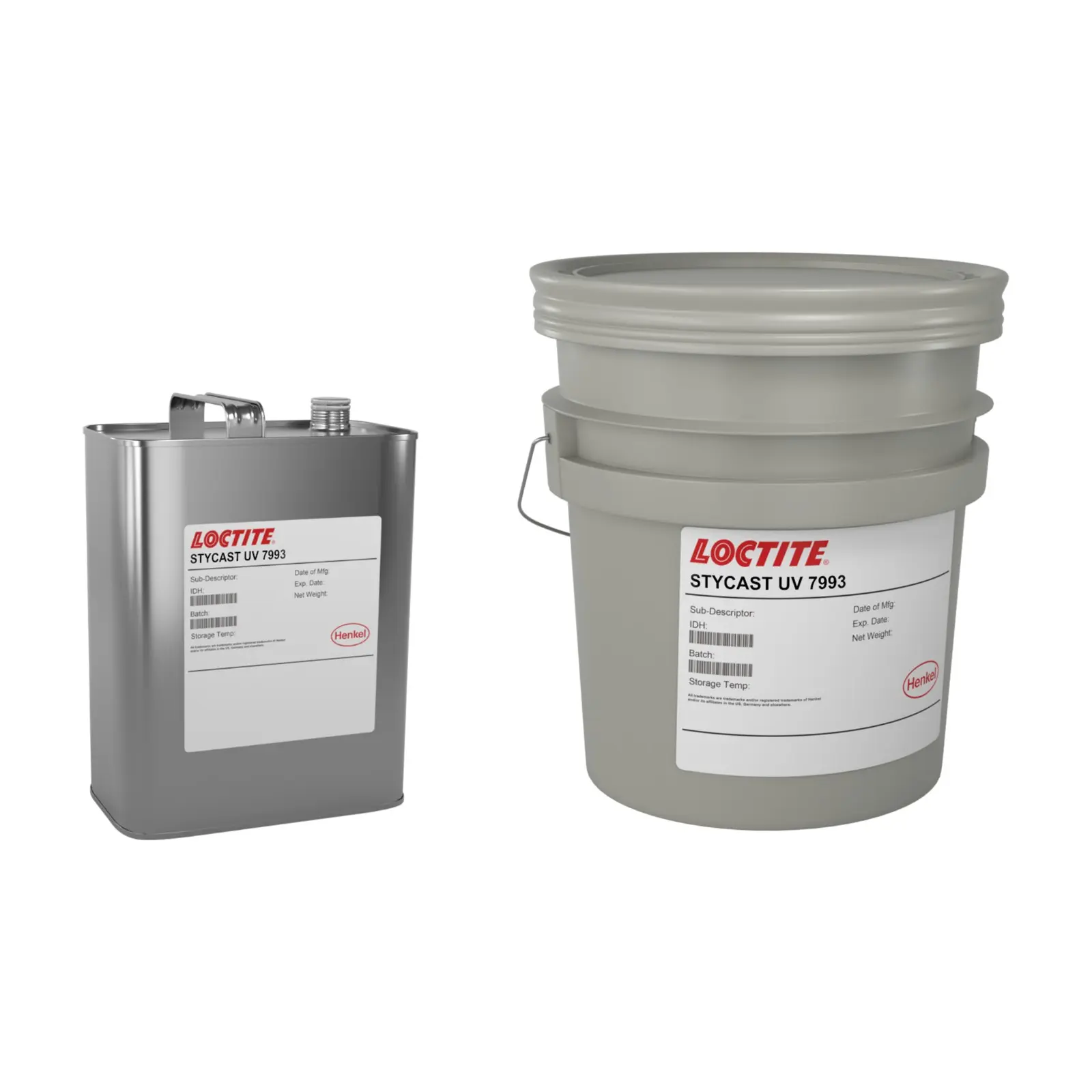
LOCTITE
Product code: STYCAST UV 7993
Solvent-free urethane conformal coating for circuit boards. It cures with UV light and with moisture at room temperature in shadowed areas.
Fully encases a PCB or module in cured resin to block moisture, damp vibration and spread heat.
Form-in-place and cured-in-place seals that keep water, dust and EMI out of the enclosure around the board.
Protects bare die and wire bonds from moisture, contamination and mechanical damage
Encapsulates a PCB or connector in hot-melt polyamide in seconds, with no housing and no cure oven.
Tell us the environment, the board build and the coating equipment on your line. We will propose a shortlist with TDS and SDS, and arrange samples for a trial on your own boards. Request an RFQ or a sample through the contact form.
Not sure which product fits? Ask our assistant
Type the job, the material or a spec. It searches our published products and TDS values — no external AI.