
TECHNOMELT
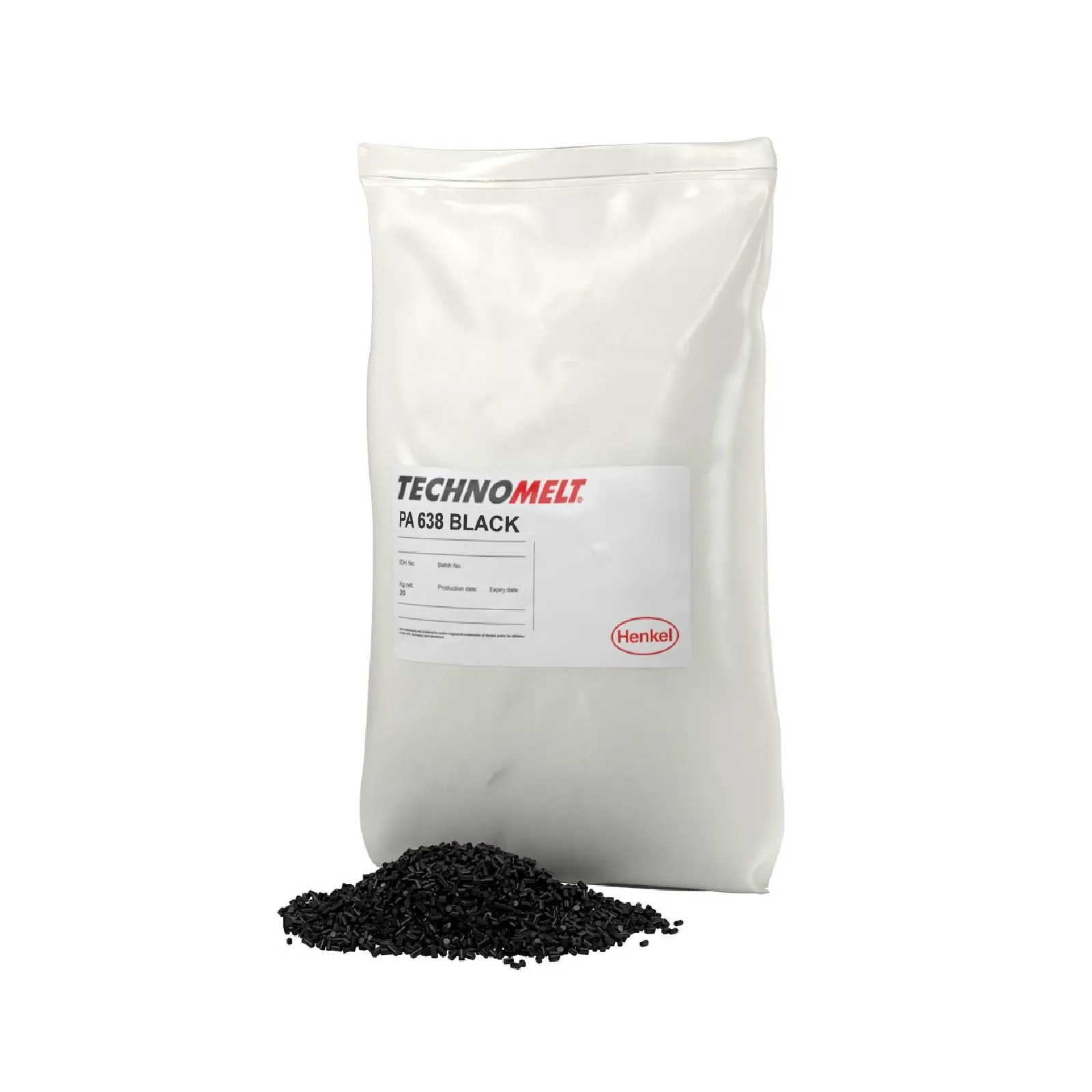
TECHNOMELT PA 638
Product code: PA 638
Black polyamide hot melt for low pressure molding around electronic parts. It is applied at 200 to 240 °C and sets as it cools.
PCB materials
Low pressure molding injects a molten thermoplastic polyamide or polyolefin around an electronic assembly at a pressure low enough not to damage components. The part leaves the tool seconds later as a sealed, finished block, replacing a housing, potting resin and cure time in one step.
Low pressure molding is an encapsulation process in which a thermoplastic hot-melt material is melted, injected into an aluminum tool that holds the assembly, and solidified by cooling. Injection pressures are a small fraction of those in conventional injection molding, so bare PCBs, fine-pitch components, wires and connectors can be overmolded directly. The material itself becomes the housing, the seal and the strain relief, and because it is thermoplastic there is no mixing, pot life or chemical reaction to control.
The process is strongest on small to medium assemblies produced in volume, where a dedicated housing would add cost, weight and assembly steps. It is also the standard way to seal the transition from a cable to a board or connector, because the material bonds to wire insulation and forms a one-piece strain relief.
A conventional protected assembly needs a housing, a lid, a gasket or potting resin, fasteners and labor, and every interface is a potential leak path. Low pressure molding replaces that stack with one material that adheres directly to the PCB, the components and the cable jacket, so there is no joint to fail, and the product typically meets IP67 or higher with a smaller outline.
Low pressure molding materials are thermoplastic hot melts supplied as pellets or slugs, mainly polyamides based on dimer acids derived from vegetable oils. Polyolefin grades are available where lower moisture absorption or compatibility with polyolefin cable jackets is needed. Grades differ in hardness, melt viscosity, temperature range and color; there are no two-part or UV systems to consider.
Because the material is applied molten, first check its melt processing temperature against the heat tolerance of the components and wire insulation, and its softening point against the product operating temperature. Adhesion to the actual solder mask and cable jacket decides whether the part seals. The ranges below are typical across the market and must be verified against the TDS of the chosen grade.
The assembly is placed in a two-part aluminum tool with cavities shaped to the final part and channels that hold the cable and connector. The machine melts the material in a heated tank, pumps it through a heated hose to the nozzle and injects at low pressure until the cavity is filled, then holds briefly while the material solidifies against the cooler tool, typically within 15 to 60 seconds. Two-shot molding is common for sensitive assemblies: a very low pressure first shot protects the components, and a second shot gives the final form. Inspection is visual for fill, voids, flash and position, backed by sample leak testing.
The tool is the heart of the process and should be designed together with the PCB: gate location, flow path and vents determine whether the melt reaches every corner without pushing on tall components. Heat-sensitive parts such as some electrolytic capacitors, crystals or plastic connectors must be checked against the melt temperature, and surfaces must be free of oil and excess flux. Wall thickness should be uniform and kept to a few millimeters so the part solidifies without sink marks, and areas that must stay exposed are sealed off by the tool rather than by masking.
Most molding defects are visible at the tool and respond to the three main levers of temperature, pressure and tool design. A structured trial on the actual assembly, varying one parameter at a time, usually establishes a stable window within a shift.
Choosing a low pressure molding grade is mostly a matching exercise between the operating temperature, the substrates to be bonded and the equipment on hand. Share the points below and ADVANCE can propose suitable grades, provide TDS and SDS, and supply sample material for a trial on your tool or a demonstration machine.
TECHNOMELT
Product code: PA 638
Black polyamide hot melt for low pressure molding around electronic parts. It is applied at 200 to 240 °C and sets as it cools.
TECHNOMELT
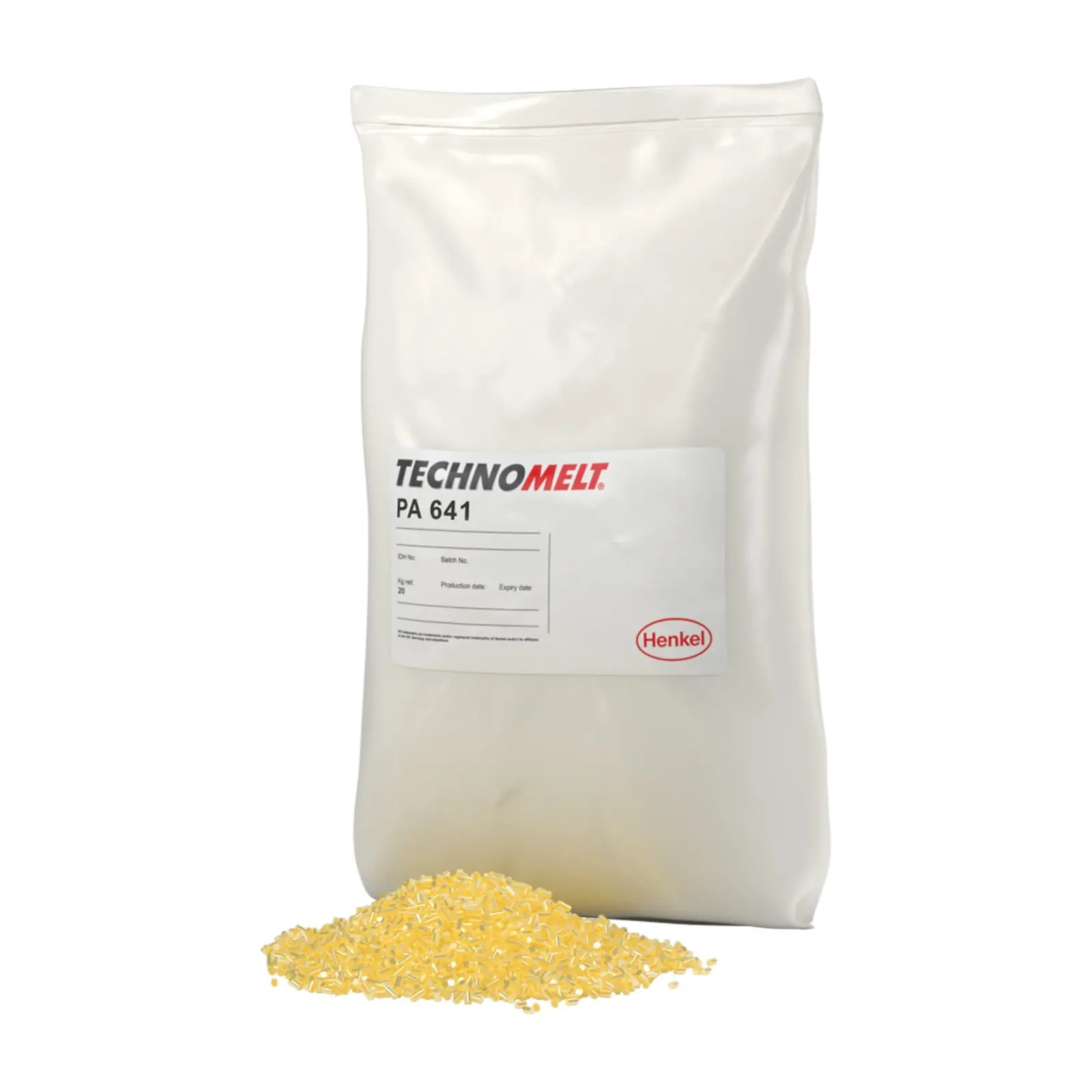
Product code: PA 641
Amber polyamide for low pressure molding around fragile electronic parts. Hard grade, Shore A 92, works from -40 to 130 °C and sets as it cools.
TECHNOMELT
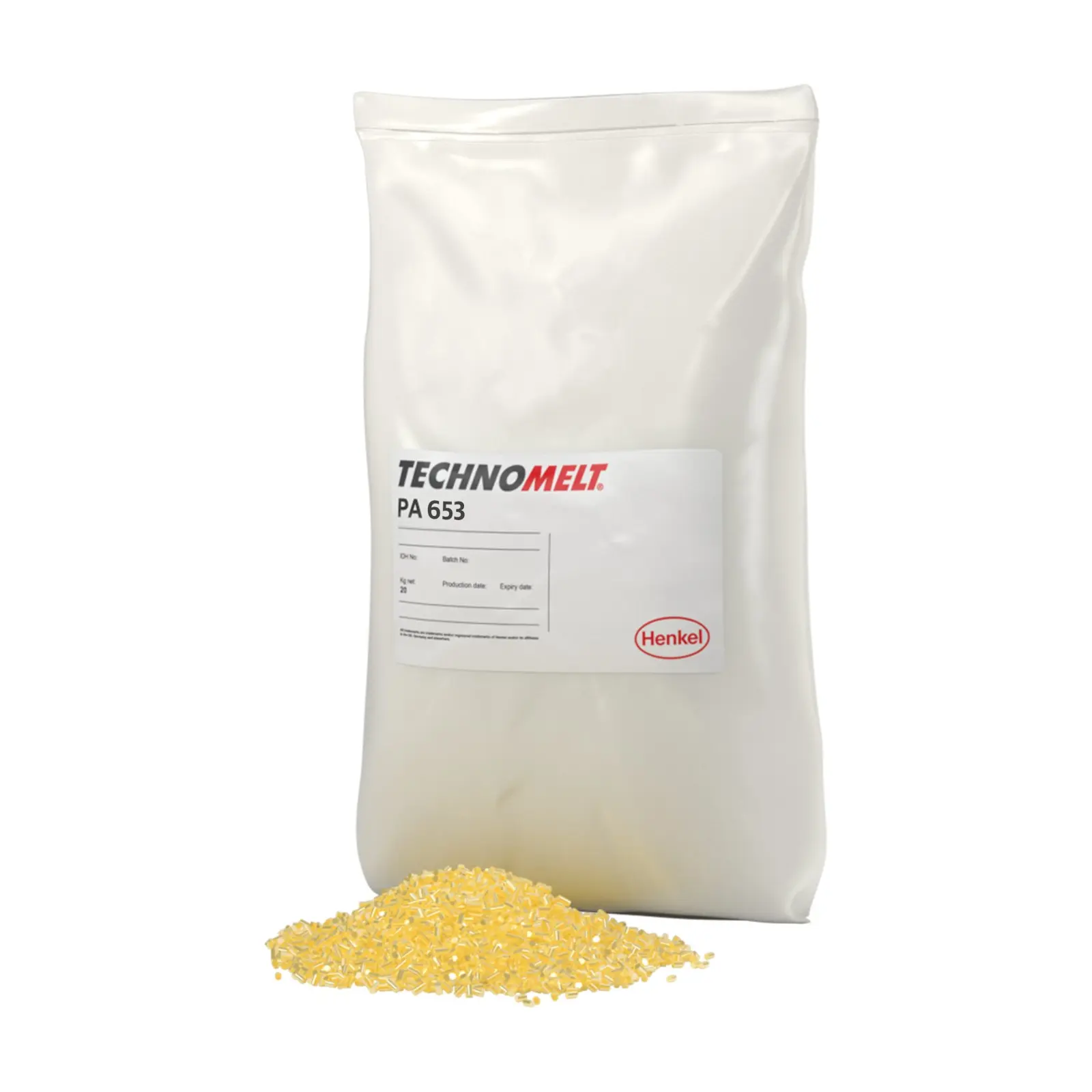
Product code: PA 653
Amber polyamide for low pressure molding around fragile parts, formerly Macromelt OM 653. Stays flexible to -50 °C and works from -40 to 100 °C.
Fully encases a PCB or module in cured resin to block moisture, damp vibration and spread heat.
Protects bare die and wire bonds from moisture, contamination and mechanical damage
Form-in-place and cured-in-place seals that keep water, dust and EMI out of the enclosure around the board.
A thin polymer film that follows the board contour and shields circuits from moisture, dust and chemicals.
Send us a drawing or photo of the assembly, the cable and PCB materials, the temperature range and the sealing target. ADVANCE will recommend suitable hot-melt grades, provide TDS and SDS, and arrange sample material for a trial. Request an RFQ or samples today.
Not sure which product fits? Ask our assistant
Type the job, the material or a spec. It searches our published products and TDS values — no external AI.