
LOCTITE
LOCTITE AA 5885
Product code: AA 5885
Clear UV-curing polyacrylate that forms a compression gasket on electronic housings, battery packs and inverters. Compress it right after cure, for service up to 150 °C.
PCB materials
Gasketing seals the joint between housing halves, covers, lenses and connectors so that the electronics inside stay dry and clean. Dispensed liquid gaskets replace die-cut foam and rubber parts with a bead that is applied by robot and cured in place.
A gasket is the compliant element between two rigid parts that closes the gap left by machining tolerance, surface roughness and thermal movement. In electronics it sits between housing halves, under covers and lenses, and around cable glands and connectors, keeping water, dust, salt and sometimes electromagnetic interference out while allowing assembly with reasonable clamping force.
Liquid gasketing materials are dispensed as a bead directly onto one part. A form-in-place gasket, or FIPG, is assembled while still wet and cures between the two parts as an adhesive seal; a cured-in-place gasket, or CIPG, is cured on the part first and then works as a compressible, re-openable seal. Both replace die-cut gaskets and let one dispensing cell serve many housing designs.
Gasketing is applied to the housing rather than to the board itself, but the board is what it protects, and the gasket design is part of the electronics enclosure specification.
Moisture ingress is the most common field failure mode for outdoor and automotive electronics, and most leaks occur at the housing joint rather than through the wall. A correctly designed and dispensed gasket keeps the enclosure at its intended IP rating over temperature cycles, vibration and aging, which a thin die-cut foam often cannot do once it takes a compression set.
For the plant, dispensed gaskets remove the handling and alignment problems of pre-cut parts, follow complex 3D contours, and can be inspected by vision in-line. One material and one robot program per housing variant simplifies purchasing and reduces scrap from torn or misplaced gaskets.
The choice starts with whether the joint must be opened again. FIPG materials are adhesive sealants that bond both faces and suit permanent housings; CIPG materials are soft foams or elastomers that cure on one part and seal by compression, so the cover can be removed for service. Within each group the polymer base sets the temperature range, chemical resistance and cure method.
A gasket specification is a mechanical specification first: the bead geometry, the compression and the closing force determine the seal, and the material properties have to support that geometry over the product life. Define the groove or land, the design compression and the tolerance stack before choosing hardness and cure.
Gaskets are dispensed by a robot or gantry with a volumetric, gear or progressive-cavity pump, often with a two-component mixing head for foams and addition-cure silicones. Bead width and height are set by nozzle diameter, flow rate and path speed, and the start and end of the loop are overlapped slightly so there is no gap at the seam.
FIPG parts are mated within the open time of the sealant and held while it cures; moisture-cure silicones take hours to days through thickness, which must be allowed before leak testing. CIPG beads are cured on the part by UV in seconds, by heat in minutes or by moisture over hours, and the cover is fitted later. Inspection is normally a vision check of bead presence, width and continuity, plus a leak or pressure-decay test on the assembled unit.
Design the sealing land as a flat or grooved track with constant width, generous corner radii and no interruptions by screw bosses or ribs. The bead should be compressed by a defined fraction of its height, commonly around a quarter to a third, and the groove must have room for the displaced material.
Surface preparation is material-specific: moisture-cure silicones adhere to most clean metals and plastics, often with a primer on polyolefins, while addition-cure silicones are inhibited by sulfur, amine and tin residues from molding or other sealants. Plan cleaning or plasma for die-cast parts with release agent, and for CIPG make sure the mating face will not bond to the gasket over time.
A gasket that leaks usually failed at one point rather than along its length, and most of those points come from bead geometry, cure or surface contamination.
Gasketing projects go faster when the housing drawing and the service conditions arrive together. Share the information below and we will propose FIPG or CIPG candidates, send the TDS and SDS, and arrange material for dispensing trials on your own housings.
LOCTITE
Product code: AA 5885
Clear UV-curing polyacrylate that forms a compression gasket on electronic housings, battery packs and inverters. Compress it right after cure, for service up to 150 °C.
LOCTITE
Product code: SI 5972 FC
White fast-curing silicone gasket for automotive electronics, such as lids around connectors and cases. Tin-free, and passes inline pressure tests up to 5 psi.
LOCTITE
Product code: SI 5470
Dual-cure silicone mixed with nitrogen to form a soft closed-cell foam gasket on plastics and metals. Cures with UV, and with moisture in shadowed areas.
LOCTITE
Product code: SI 5084
Translucent UV-curing silicone paste for gasketing and sealing at production speed. Moisture cures shadowed areas, and it resists weathering, moisture and ozone.
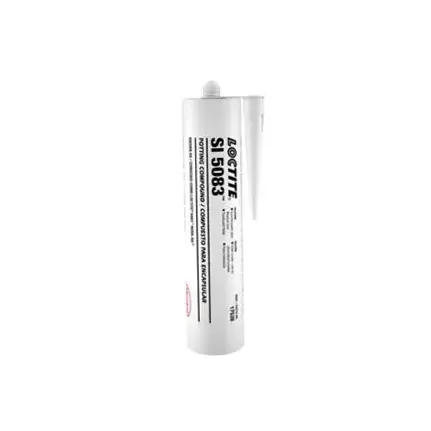
LOCTITE
Product code: SI 5083
1-part UV-cure acetoxy silicone paste with moisture cure in shadowed areas, for potting, coating and sealing components.
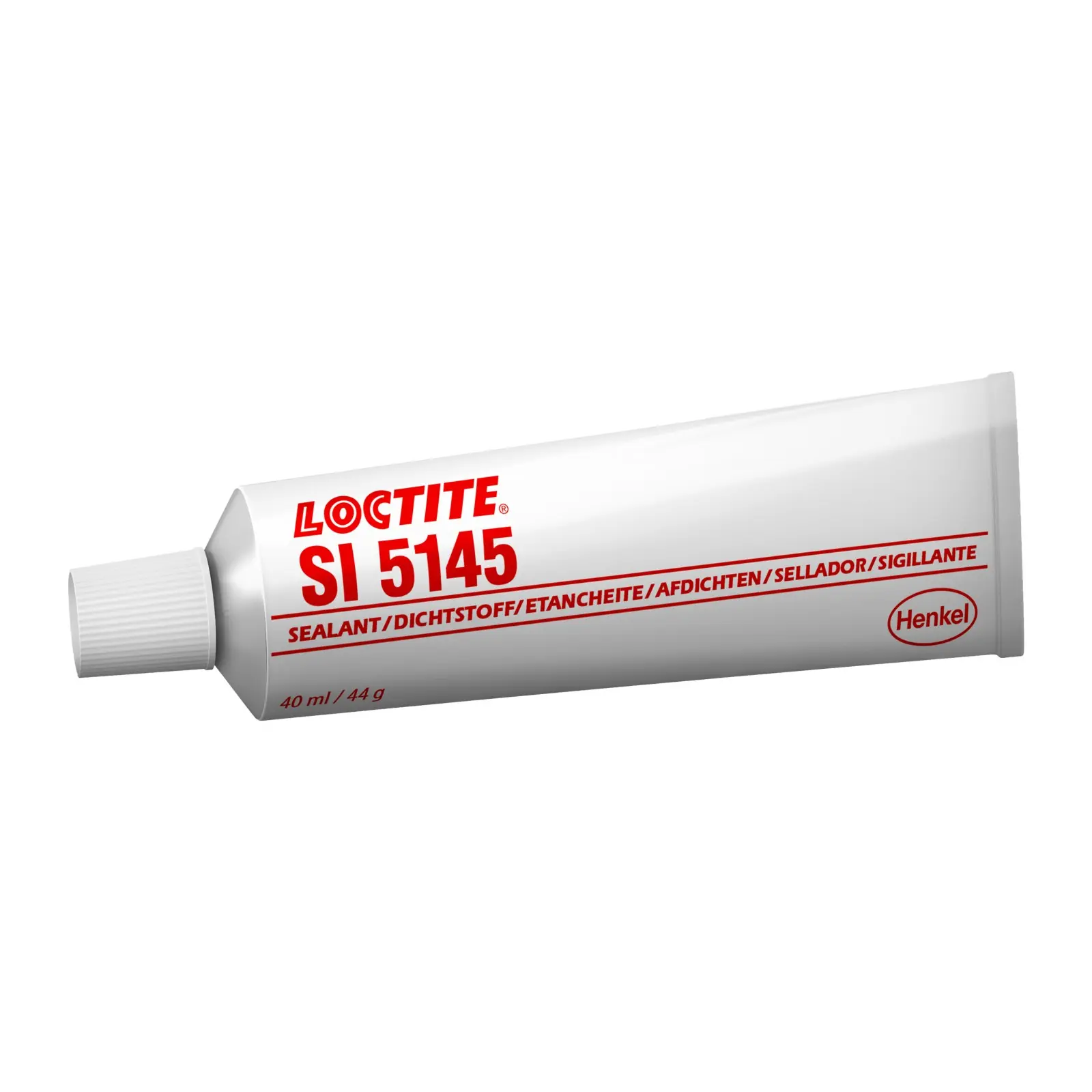
LOCTITE
Product code: SI 5145
One-part alkoxy silicone for bonding, sealing and coating electronic devices; non-corrosive, non-slumping and for continuous service from -50 °C to 200 °C.
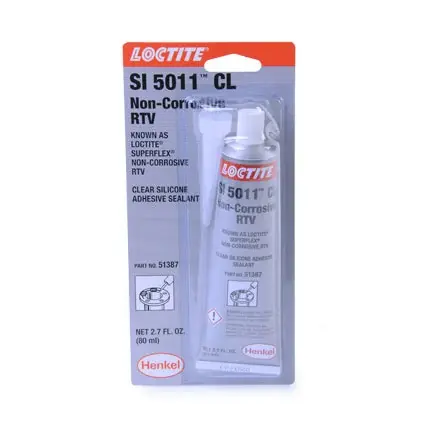
LOCTITE
Product code: SI 5011CL
Clear one-part non-corrosive oxime silicone for sealing and bonding electrical and electronic components. Resists water, steam, chemicals and UV ozone.
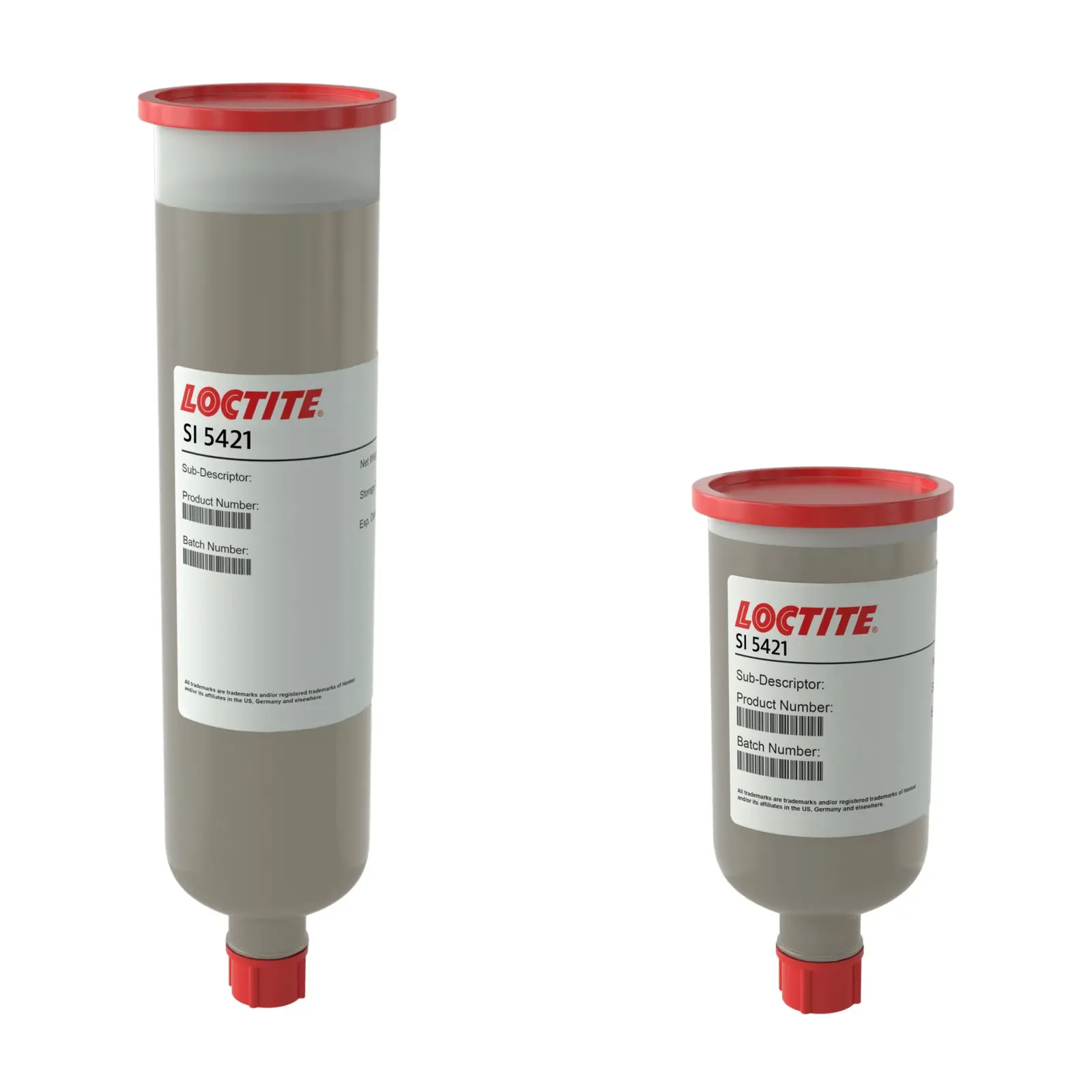
LOCTITE
Product code: SI 5421
One-part, moisture-curing conductive silicone for automotive sensor bonding and formed-in-place gaskets on EMI/RF shielded enclosures.
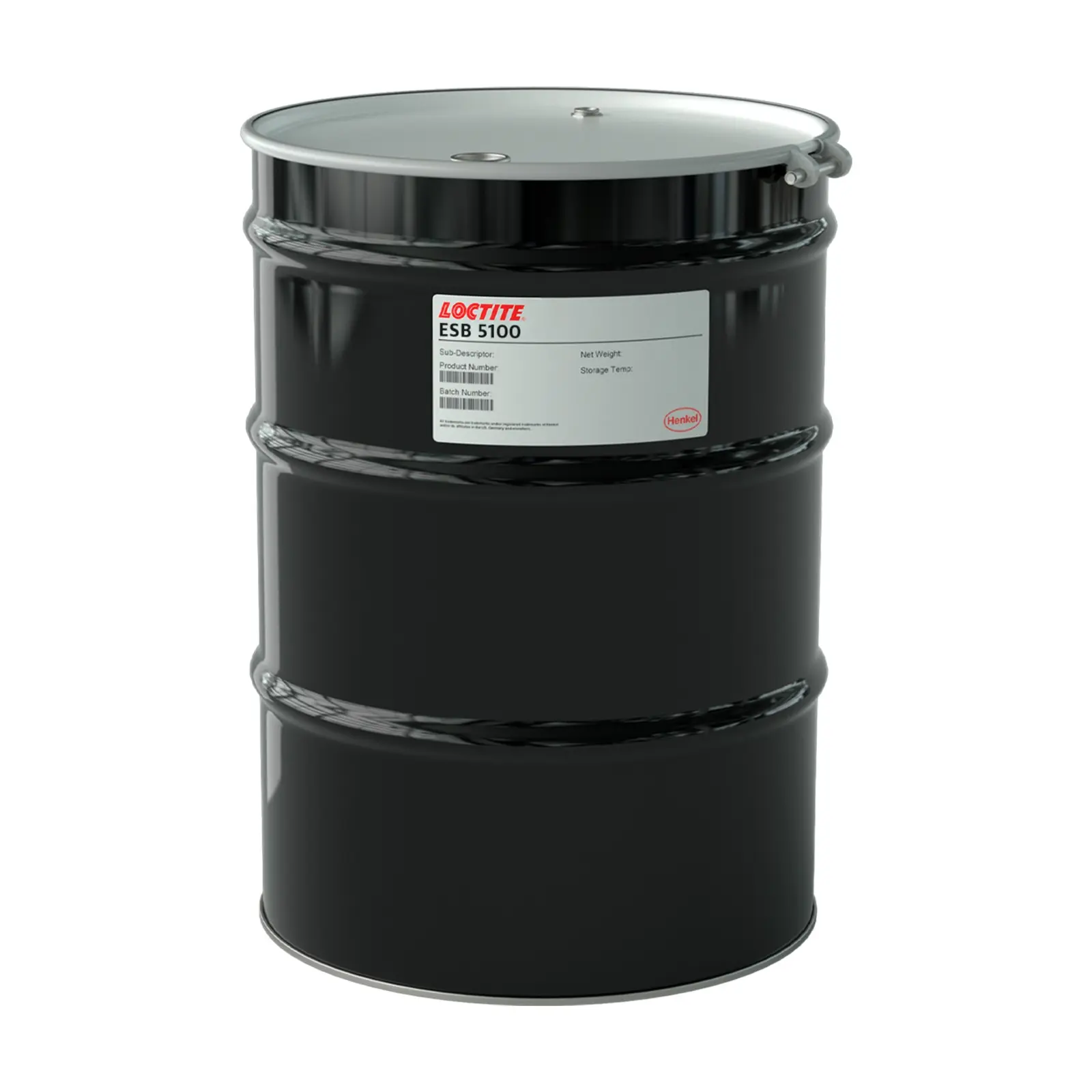
LOCTITE
Product code: ESB 5100
Black, hot-applied butyl sealant for aluminum cases on battery and power conversion systems. Seals water and gas, self-heals, and lets the joint be reopened.
A thin polymer film that follows the board contour and shields circuits from moisture, dust and chemicals.
Fully encases a PCB or module in cured resin to block moisture, damp vibration and spread heat.
Encapsulates a PCB or connector in hot-melt polyamide in seconds, with no housing and no cure oven.
Dispensed thermal interface that fills uneven gaps between hot components and the heat sink
Send us the housing drawing, the materials, the required ingress protection and your dispensing setup. We will propose FIPG or CIPG candidates with TDS and SDS, and arrange material for trials on your own parts. Request an RFQ or a sample through the contact form.
Not sure which product fits? Ask our assistant
Type the job, the material or a spec. It searches our published products and TDS values — no external AI.