
ADVANCE
Back to Solutions

Maintenance and Repair

Most maintenance jobs come down to four tasks: getting a seized part apart, putting it back so it comes apart next time, rebuilding what has worn, and cleaning the surface so the repair holds. LOCTITE has a product for each step.

Maintenance technician applying LOCTITE Anti-Seize to a bolt thread

Where maintenance time goes

A shutdown rarely runs long because of the main job. It runs long because of what happens around it:

  • Nuts and bolts rusted in place, so they have to be cut off and the thread is lost.
  • Stainless steel threads that gall and lock up during assembly or the next time they are opened.
  • Worn shafts, keyways and bearing housings that leave only two options: wait for a new part or machine a replacement.
  • Chutes, elbows and pump casings worn through by abrasive material.
  • Repairs that fail early because oil, grease or old gasket was left on the surface.

The products on this page cover each of these points, so the team spends less time cutting, waiting and redoing.

Freeing, lubricating and protecting threads and moving parts

Freeing seized parts

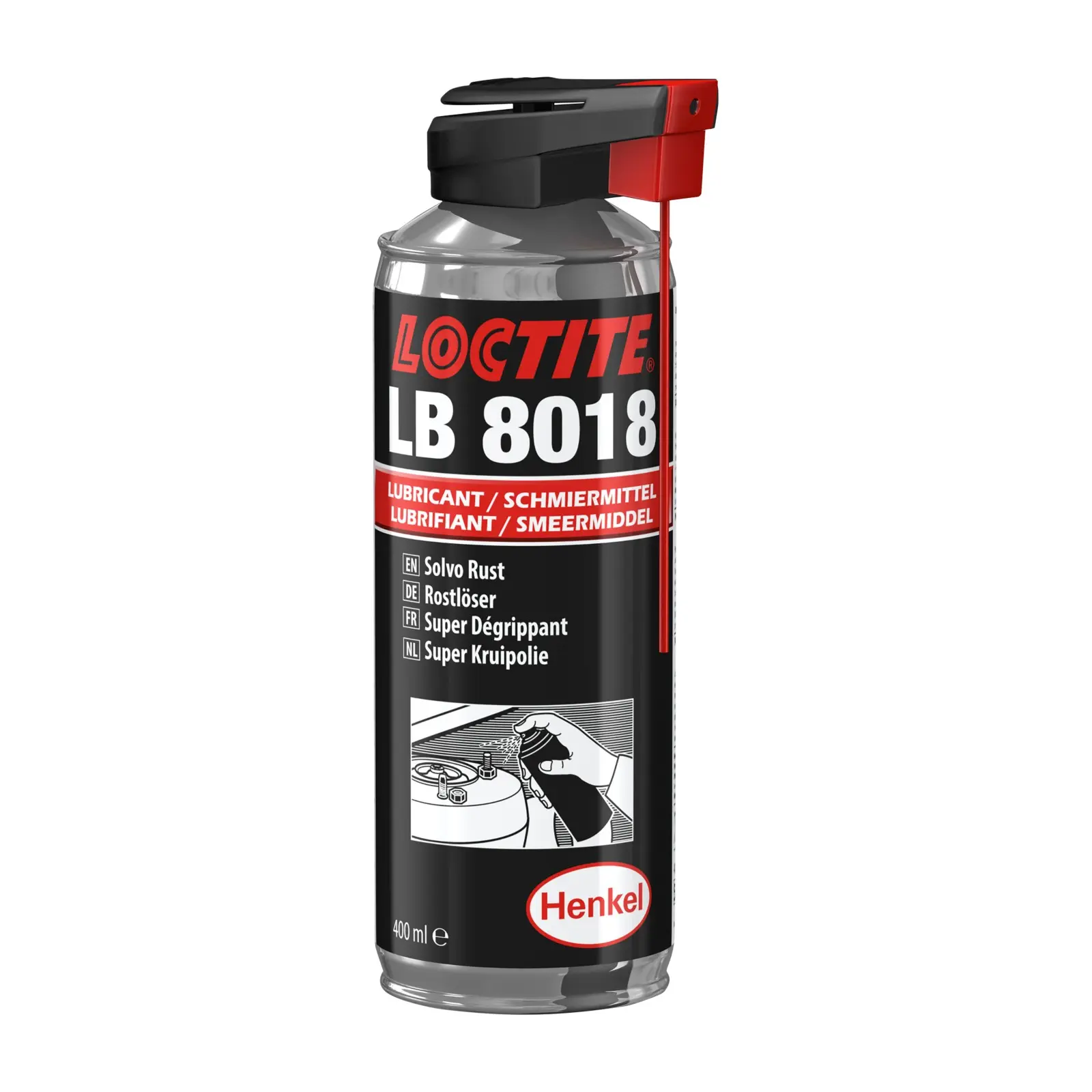
Penetrating oil such as LOCTITE LB 8018 has low surface tension, so it flows into the gap between rusted parts and breaks the bond of the oxidized metal. Spray an even coat, wait about 5 minutes, and tap lightly with a hammer to help it work in. Stubborn parts may need a second coat and a longer soak. It leaves a thin film that lubricates and slows new rust.

Anti-Seize on bolts that must come apart

Anti-Seize is a non-curing paste. It stays between the threads and stops rust, corrosion, seizing and galling, so the bolt comes out cleanly at the next shutdown. Choose by metal, temperature and plant type:

  • General maintenance, exhaust bolts, flanges and studs: LOCTITE LB 8008 C5 A, copper and graphite, -29 °C to 982 °C. Used on copper, brass, cast iron, steel, stainless alloys, plastics and non-metallic gaskets.
  • Stainless steel in food, beverage and general plants: LOCTITE LB 8014, a white metal-free paste that lubricates, seals and prevents galling on stainless joints, -29 °C to 400 °C.
  • Stainless fasteners in power, chemical and pharmaceutical plants: LOCTITE LB N 5000, nickel and graphite with the lowest practical levels of halogens, sulfur and heavy metals, to prevent stress corrosion in service. -29 °C to 1315 °C.

Grease for bearings and slideways

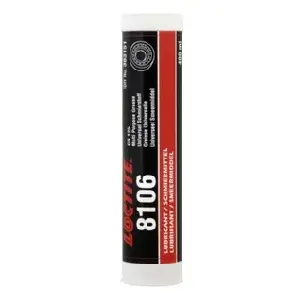
For rolling bearings, plain bearings and slideways in general industry, LOCTITE LB 8106 is a lithium EP grease at NLGI grade 2 that also protects against corrosion, -30 °C to 160 °C. Apply it to clean parts and do not over-grease.

Rebuilding worn or damaged parts

LOCTITE repair epoxies are two-part materials filled with steel, ferro-silicon or ceramic. They cure at room temperature without heating or welding, so a worn part can be rebuilt on site instead of waiting for a replacement. Once cured, the metal-filled grades can be machined back to size.

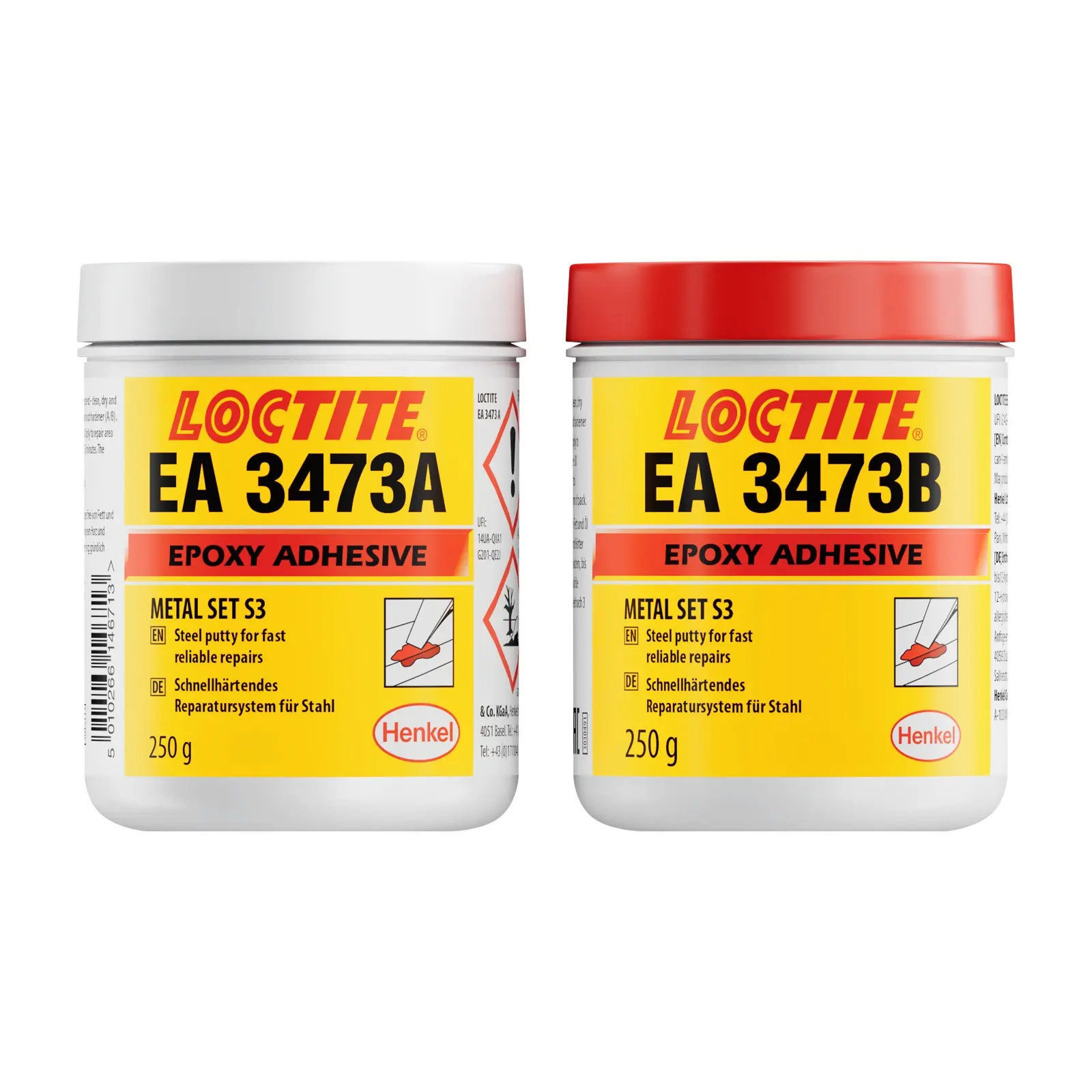
  • Emergency repairs (stripped threads, leaks on pipes and elbows, worn shafts): LOCTITE EA 3473 hardens in 10 minutes and bonds to steel, cast iron, stainless steel, concrete, copper and aluminum. Gel time at 21 °C is only 3.5 to 4 minutes, so mix only what you can apply at once.
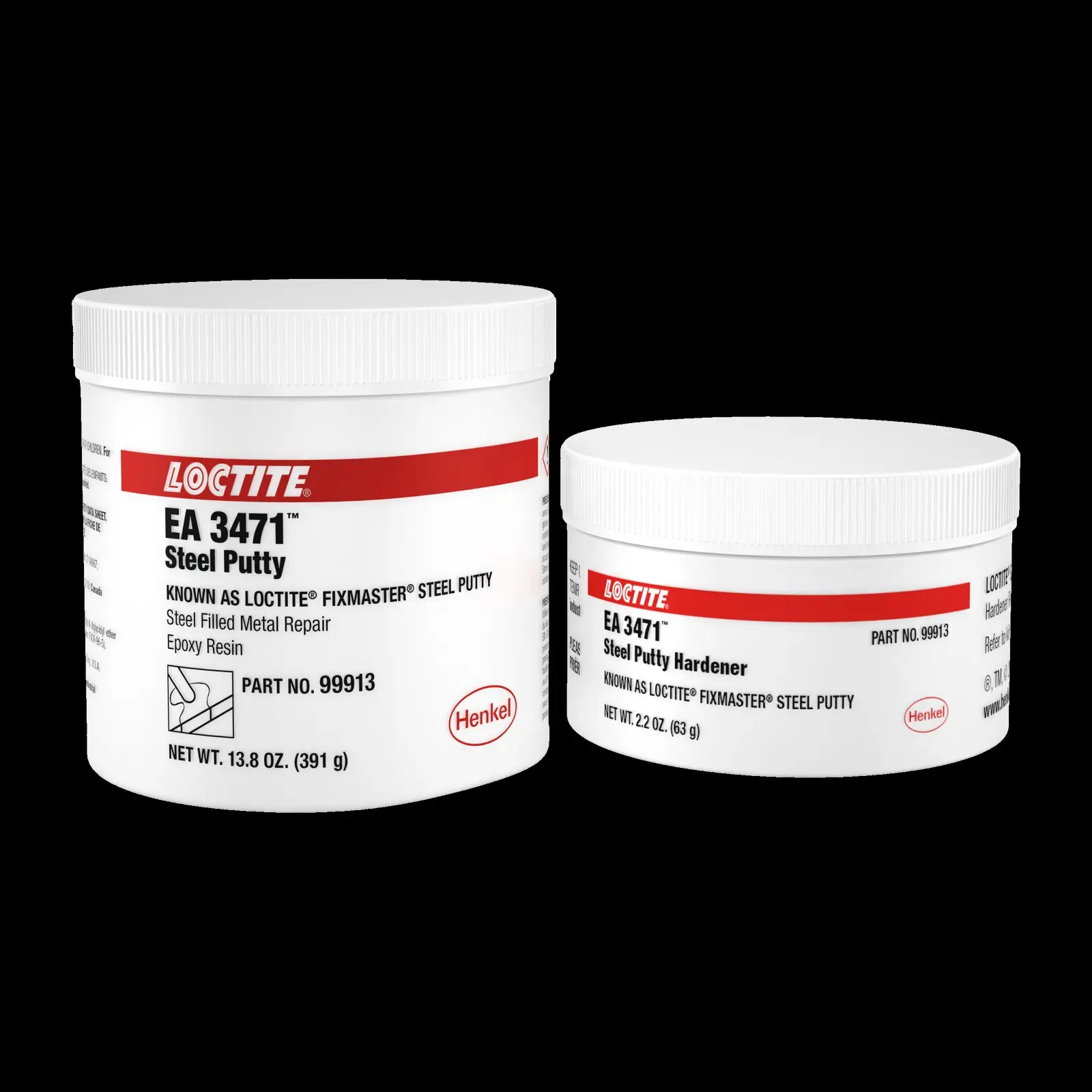
  • Casting defects, tanks and valves, cavitated areas: LOCTITE EA 3471 is a non-sag steel putty that does not shrink and can be machined, drilled, tapped or filed after cure. Working life is 30 minutes, which gives time for larger repairs.
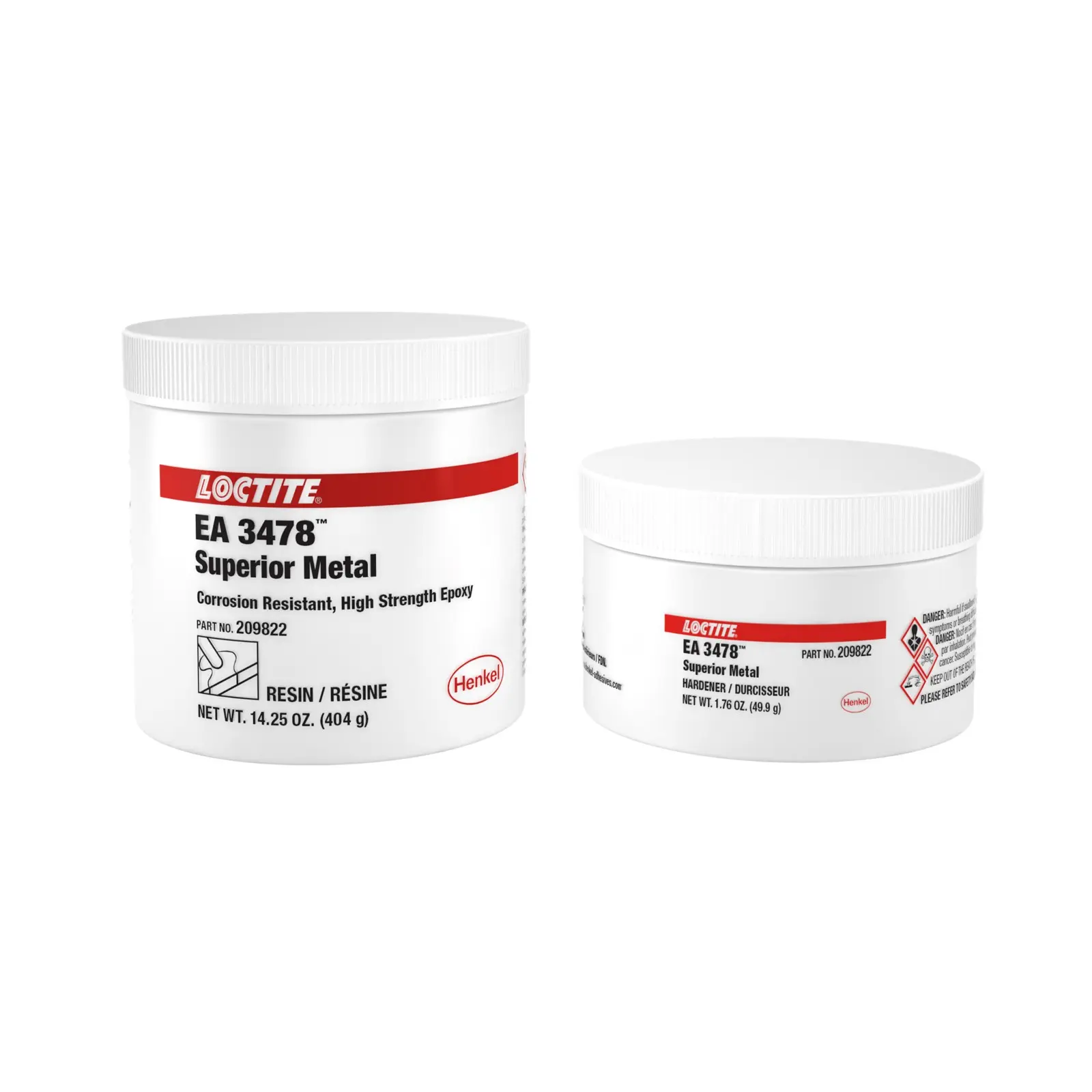
  • Worn shafts, keyways and bearing housings where the fit matters: LOCTITE EA 3478 is filled with ferro-silicon, machines well and resists corrosion, abrasion and chemicals.
  • Chutes, elbows, pumps and cyclones worn by hard sliding abrasion: LOCTITE PC 9599 is a ceramic bead-filled paste that cures in 3 hours at 25 °C, so equipment returns to service quickly. It does not sag on vertical or overhead surfaces.

Cleaning and degreasing before repair

Anti-Seize, repair epoxy and adhesives all need a clean surface. Oil, grease and old gasket left on the part are the most common reason a repair lets go early.

  • Final degreasing before bonding or repair: LOCTITE SF 7063. Spray or wipe, wipe again while wet with a clean cloth, and let it evaporate fully. It dries in 60 seconds. Check compatibility on plastics and coated parts first.
  • Old gaskets on flanges: LOCTITE SF 790 removes baked-on chemical gaskets, including RTV silicone and anaerobic types, and works on aluminum without scraping damage. Spray from 25 to 30 cm, wait 5 to 10 minutes, then lift off with a scraper.
  • Heavy dirt on engines, machinery, tanks and floors: LOCTITE SF 7840 is a concentrate you dilute with water. For heavy soil, dilute 1:1 to 1:4, start strong and move to weaker solutions.

What affects the result, and how to apply and check

Anti-Seize and lubricants

  • Start from clean, grease-free threads. Coat the threads and the nut and bolt flats thinly, then assemble. Use the paste at full strength and do not thin it.
  • A lubricated thread changes the torque-to-clamp relation. Use the nut factor or torque coefficient for the Anti-Seize you apply when you set tightening torque (for example 0.16 for LB 8008 C5 A on 1/2 in grade 8 steel bolts). Check the current TDS for the value that matches your bolt.
  • Wire brushing or grinding threads coated with metal-filled Anti-Seize can raise dust that contains metal compounds. Wear a dust mask.

Repair epoxies

  • Surface preparation decides most of the result. Grit blast to a sharp profile where possible (75 to 100 micron for EA 3471 and EA 3478), clean, then press a thin first layer hard into the surface before building up.
  • Mix at the stated ratio until the color is even. Working time is short on the fast grades, so plan the job before you mix.
  • Temperature and humidity matter. For EA 3471, apply above 15 °C, below 85% relative humidity, and with the part at least 3 °C above dew point.
  • Shaft rebuilds with EA 3473 or EA 3478: machine the worn area down 3 mm with a square shoulder, cut a spiral for keying, apply a little extra, and machine to size before full cure.
  • Wear linings with PC 9599: on vertical or overhead areas, tack expanded metal mesh first. Build to at least 6 mm. Smooth with acetone or isopropyl alcohol, not water, which leaves a white film.

For every product on this page

Store between 8 °C and 21 °C. Do not use in pure oxygen or oxygen-rich systems, or with chlorine or other strong oxidizers.

Information to confirm before choosing

Send us these details and we can narrow the choice quickly:

  • The job: freeing, lubricating, protecting threads, rebuilding, lining against wear, or cleaning.
  • The metals involved, especially stainless steel, aluminum or nickel alloys.
  • Operating temperature, and whether the part sits in water, chemicals or abrasive flow.
  • Plant type and any site rules on materials, for example food, pharmaceutical or power plants.
  • For repairs: size and depth of the damage, whether the part must be machined back to size, and how long the equipment can stay down.
  • Photos of the part and the conditions at the repair site.

Products to compare

A starting set for a maintenance store: products to free and protect threads, rebuild worn parts and clean before repair. Compare temperature range, cure time and surface needs on each product page.

Maintenance products

  • LOCTITE LB 8018

    LOCTITE

    LOCTITE LB 8018

    Product code: LB 8018

    Aerosol penetrating oil that soaks into rusted nuts, bolts and fittings in about 5 minutes to free them, and leaves a thin film that prevents rust.
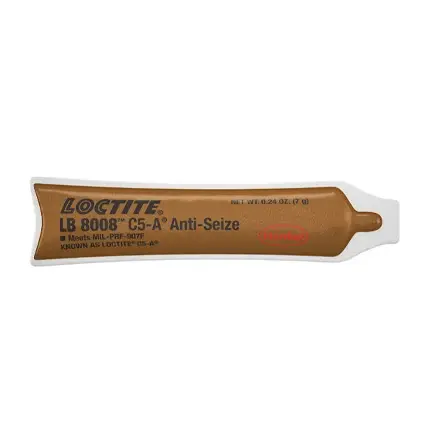
  • LOCTITE LB 8008 C5 A

    LOCTITE

    LOCTITE LB 8008 C5 A

    Product code: LB 8008 C5 A

    General-purpose copper and graphite anti-seize paste for screws, exhaust bolts, studs and flanges, applied directly to threads, -29 °C to 982 °C.
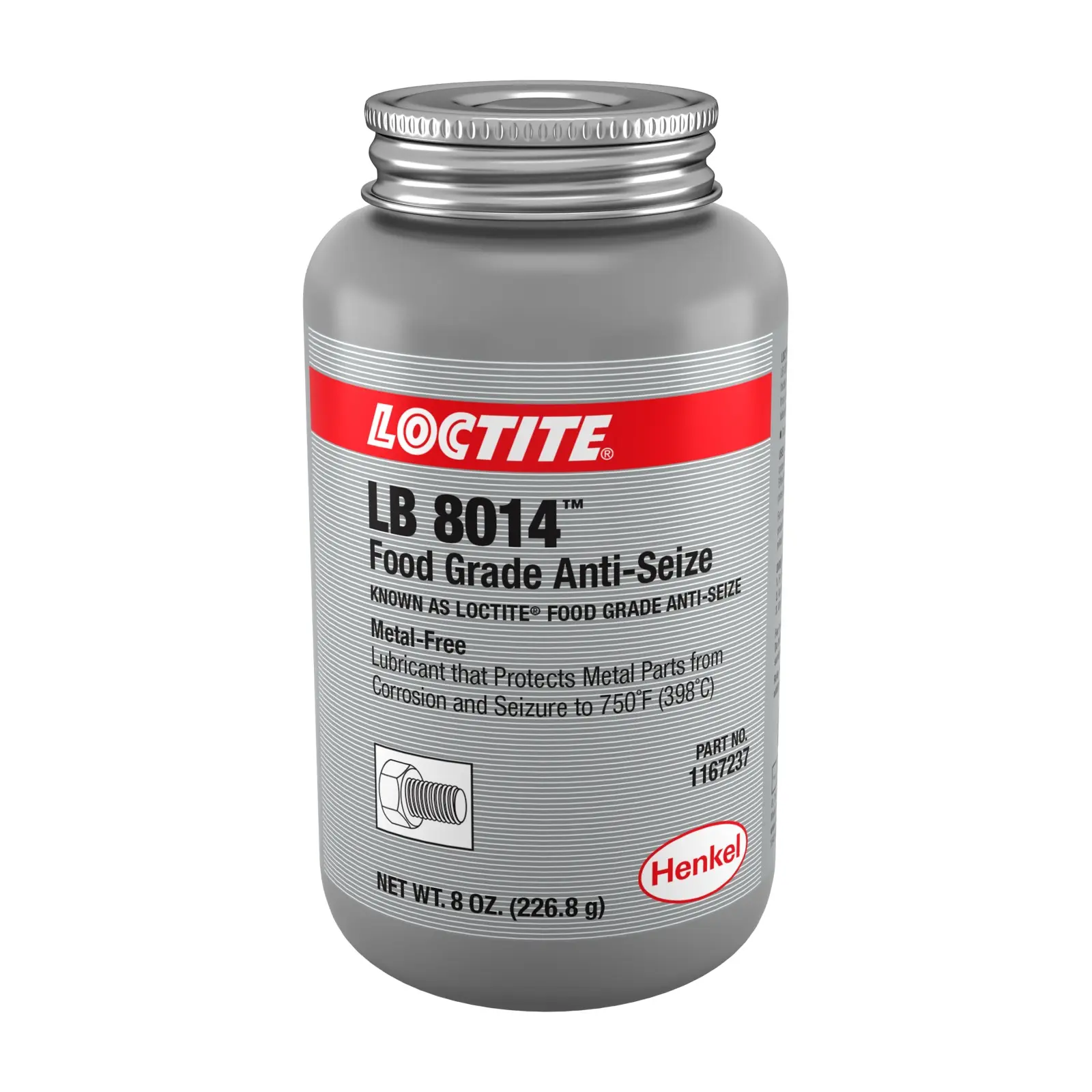
  • LOCTITE LB 8014

    LOCTITE

    LOCTITE LB 8014

    Product code: LB 8014

    White metal-free anti-seize paste for threads, flanges and stainless steel joints in food plants and general plant maintenance, from -29 °C to 400 °C.
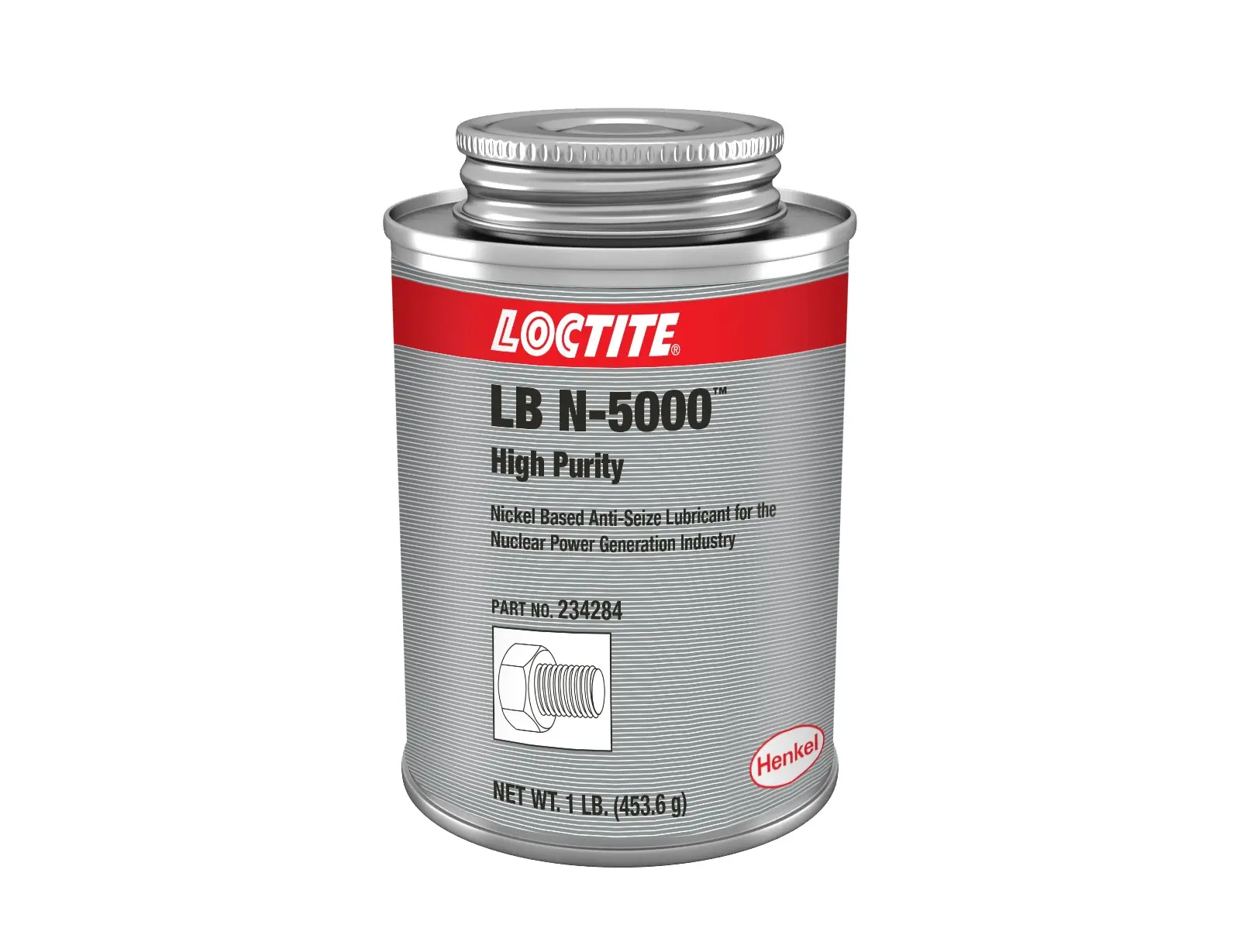
  • LOCTITE LB N 5000

    LOCTITE

    LOCTITE LB N 5000

    Product code: LB N 5000

    Nickel and graphite Anti-Seize paste for stainless steel fasteners and fitted joints in power, chemical and pharmaceutical plants, from -29 °C to 1315 °C.
  • LOCTITE LB 8106

    LOCTITE

    LOCTITE LB 8106

    Product code: LB 8106

    Lithium EP multipurpose grease, NLGI 2, for rolling bearings, plain bearings and slideways in general industry, from -30 °C to 160 °C.
  • LOCTITE EA 3473

    LOCTITE

    LOCTITE EA 3473

    Product code: EA 3473

    Fast-setting, steel-filled epoxy paste for emergency repairs of stripped threads, leaking pipes and elbows and worn shafts; hardens in 10 minutes.
  • LOCTITE EA 3471

    LOCTITE

    LOCTITE EA 3471

    Product code: EA 3471

    Steel-reinforced, non-sag epoxy putty for repairing casting defects, sealing tanks and valves and resurfacing worn parts; machinable after cure.
  • LOCTITE EA 3478

    LOCTITE

    LOCTITE EA 3478

    Product code: EA 3478

    Ferro-silicon filled epoxy for restoring tolerances on worn shafts, bearing housings and keyways; machines well and resists corrosion and abrasion.
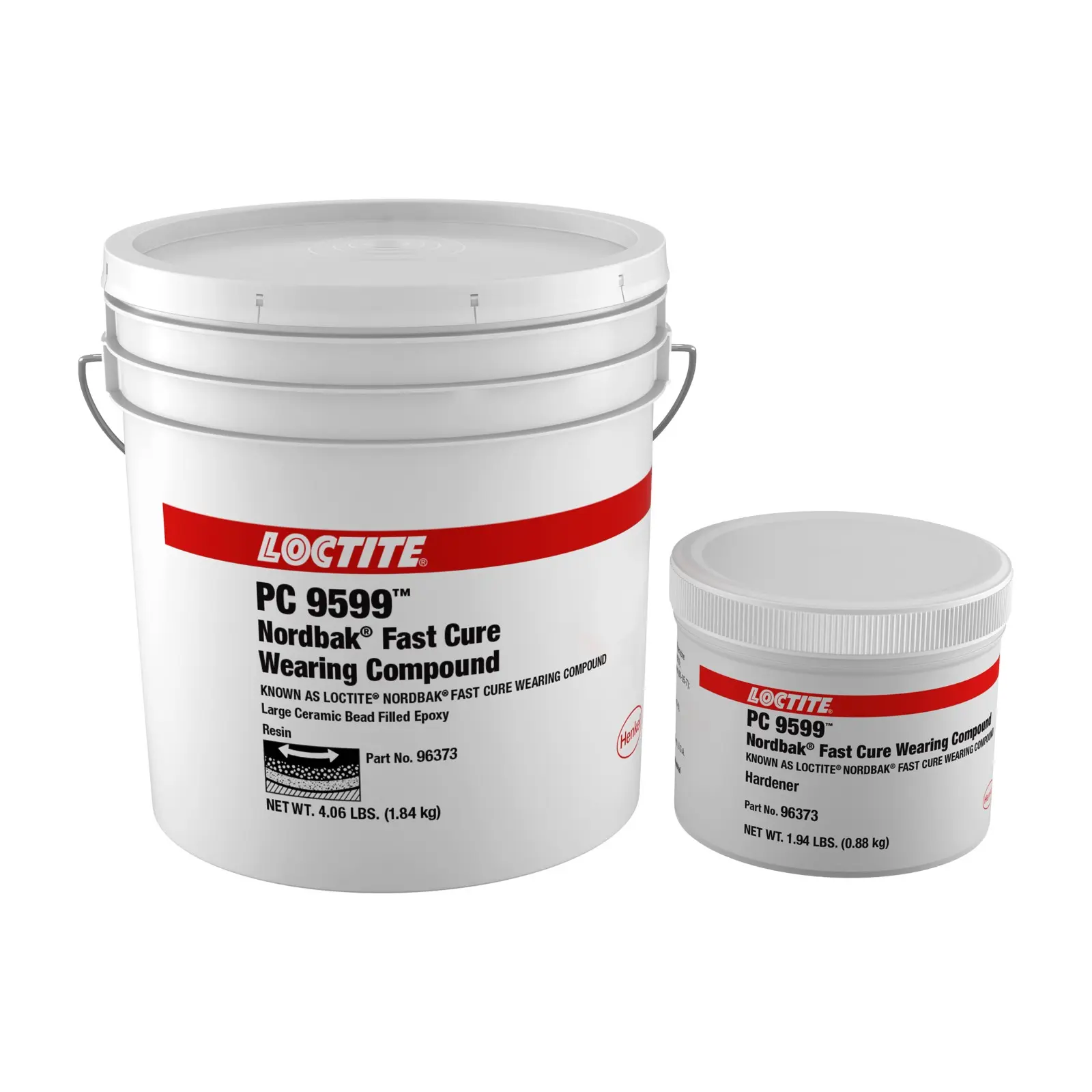
  • LOCTITE PC 9599

    LOCTITE

    LOCTITE PC 9599

    Product code: PC 9599

    Fast-cure, ceramic bead-filled epoxy paste for rebuilding chutes, pumps, elbows and cyclones against hard sliding abrasion; cures in 3 hours at 25 °C.
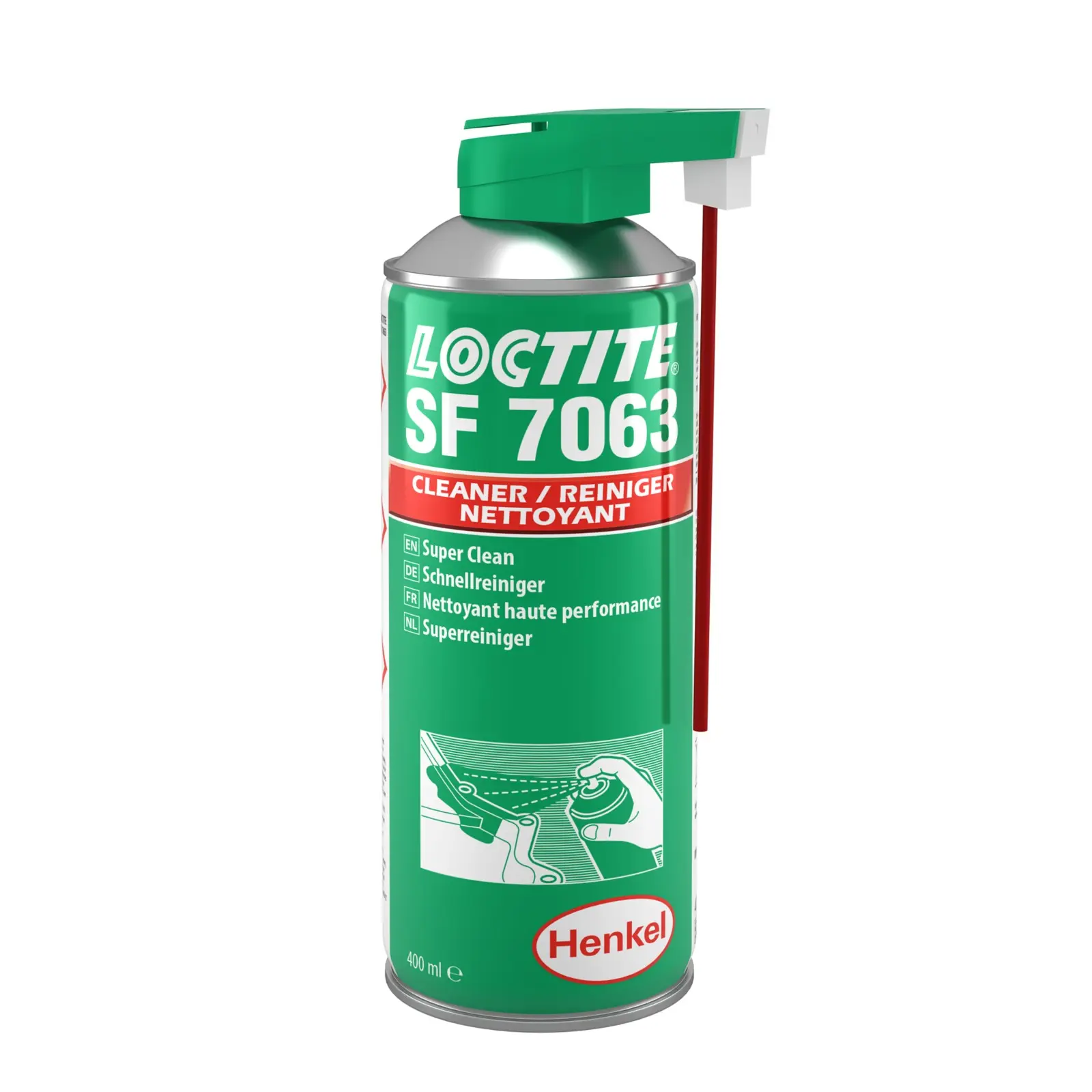
  • LOCTITE SF 7063

    LOCTITE

    LOCTITE SF 7063

    Product code: SF 7063

    Solvent cleaner for degreasing surfaces before bonding with LOCTITE adhesives. It also cleans machine parts during maintenance.
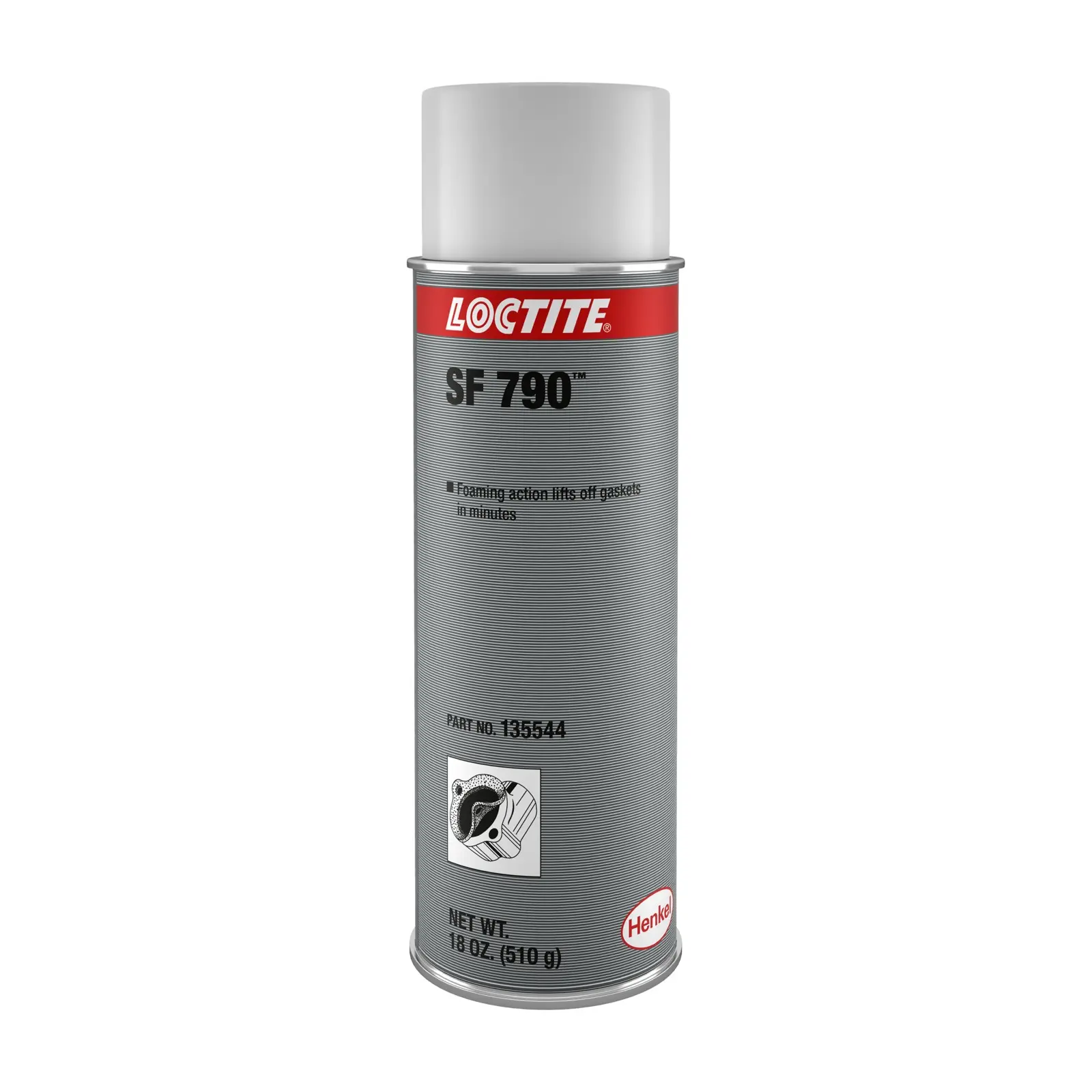
  • LOCTITE SF 790

    LOCTITE

    LOCTITE SF 790

    Product code: SF 790

    Aerosol solvent that removes baked-on chemical gaskets, gasket cements and conventional gasket materials from metal surfaces, including RTV silicone and anaerobic gaskets.
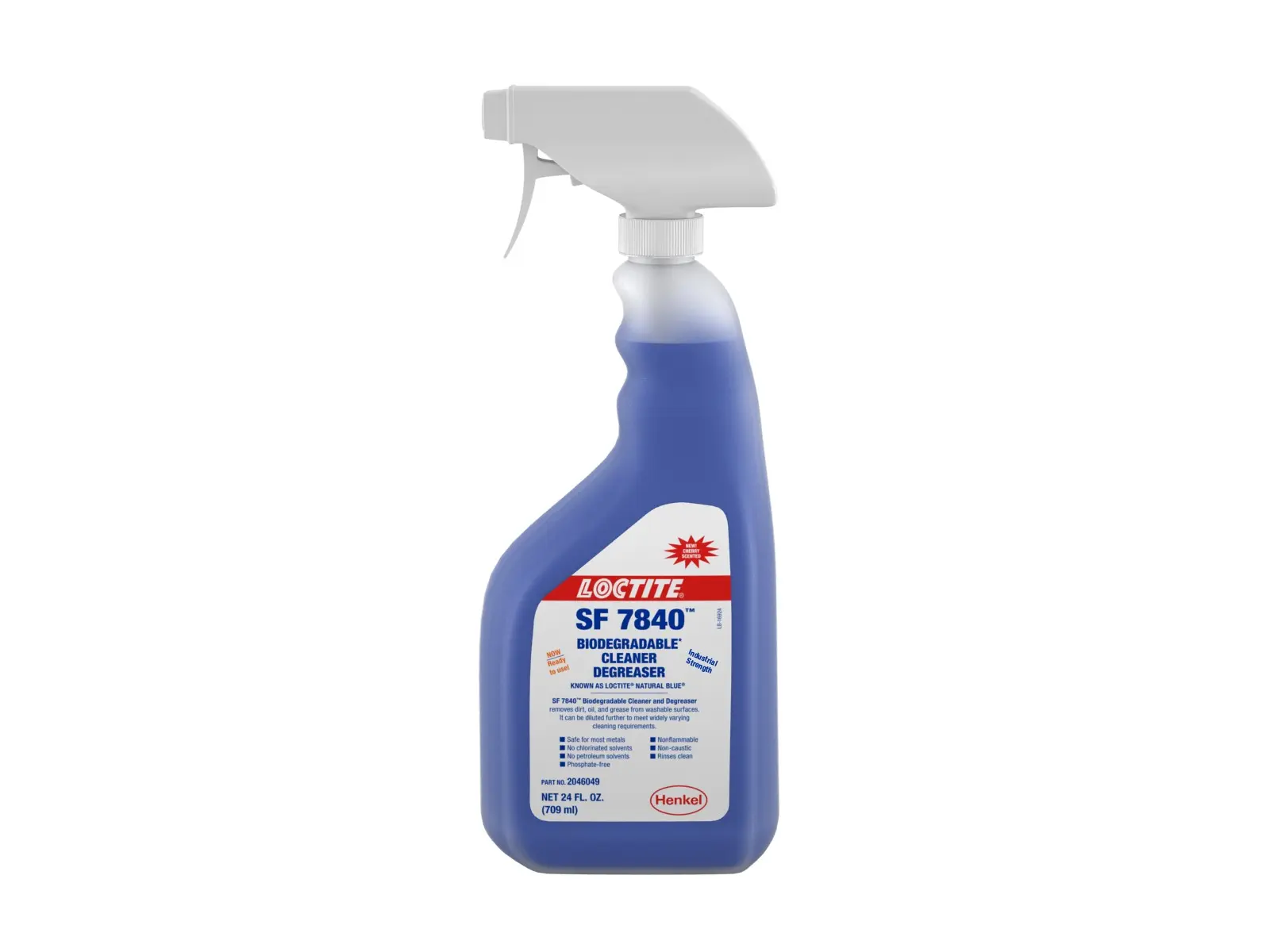
  • LOCTITE SF 7840

    LOCTITE

    LOCTITE SF 7840

    Product code: SF 7840

    Concentrated, water-dilutable cleaner and degreaser for a wide range of industrial cleaning, from engines and machinery to concrete floors and vehicles.

Frequently asked questions

When should I use Anti-Seize and when a threadlocker?
Use Anti-Seize when the bolt must come apart easily at the next shutdown, especially in hot service or on stainless steel. Use a threadlocker when the bolt must not loosen from vibration.
Which Anti-Seize is right for stainless steel?
In food and general plants, LB 8014 is metal-free and prevents galling on stainless joints. Where low halogen, sulfur and heavy metal content matters, for example in power, chemical and pharmaceutical plants, use LB N 5000.
Can a repaired shaft be machined back to size?
Yes, with the metal-filled grades such as EA 3478 and EA 3473. Machine to size before full cure, because the cured repair is very hard to cut.
The bolt is still stuck after spraying penetrating oil. What next?
Give it time and a little shock. Wait about 5 minutes, tap lightly with a hammer, then try again. For stubborn parts, apply a second coat and let it soak longer.
Do I have to clean the part before applying a repair epoxy?
Yes. Remove oil and grease, roughen the surface (grit blasting where possible), clean again, and apply straight away. Most early failures start with a dirty or smooth surface.

Tell us about the repair

Send a photo of the part, the metal, the operating temperature and how long the machine can stay down, and we will suggest the products to use.

Not sure which product fits? Ask our assistant

Type the job, the material or a spec. It searches our published products and TDS values — no external AI.