
LOCTITE
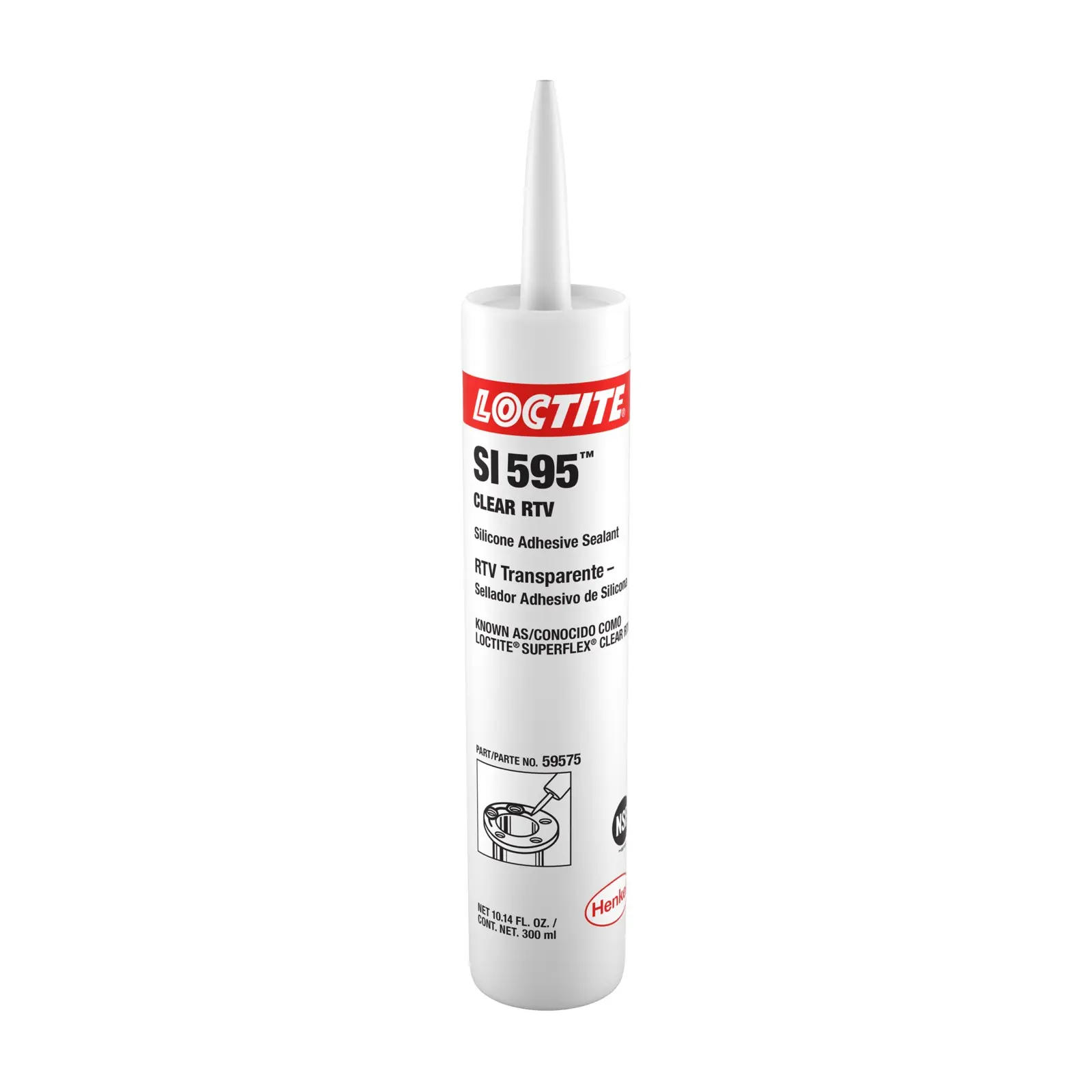
LOCTITE SI 595
Product code: SI 595
Clear one-part RTV silicone for sealing and flexible bonding on mechanical assemblies. Thixotropic Paste that will not slump, for use up to 204 °C.
Technical guide
Housings that heat and cool, covers that vibrate, and panels of two different materials all need a joint that can move. LOCTITE SI 595 is a one-part RTV acetoxy silicone adhesive sealant for exactly that work: this guide covers how it cures, where it fits, bead design and application, and what goes wrong on the shop floor.
RTV stands for room-temperature vulcanizing. A one-part RTV silicone such as LOCTITE SI 595 comes ready to use from the cartridge and cures by reacting with moisture in the air. A skin forms on the exposed surface first, and the cure then works inward from every surface air can reach. How deep it cures per day depends on humidity, temperature and bead thickness, so a thick bead in a dry, cold room takes far longer than the surface suggests.
SI 595 is an acetoxy type. Acetoxy silicones release acetic acid as they cure, which is the vinegar smell around a fresh bead. That is normal, but it is why compatibility with sensitive metals and electronic assemblies must be checked in the TDS before the sealant is specified near them. The cured material is a tough, flexible silicone rubber that seals out moisture and contaminants and resists aging, weathering and thermal cycling without hardening, shrinking or cracking.
A rigid adhesive locks two parts together and asks the joint to resist movement. A flexible sealant lets the parts move and keeps the seal.
The main applications for SI 595 fall into three families: sealing seams and openings, bonding trim and panels, and sealing mechanical assemblies. Its thixotropic, non-slumping paste holds its shape on vertical and overhead joints, so it works on an assembled machine, not only on a bench.
A silicone joint works by stretching, so the bead needs enough cross-section to stretch without tearing. Design width and depth together: a wide, shallow bead takes movement better than a deep, narrow one, because the strain is spread across the width. Where the gap is deep, add a backing such as a foam rod so that the sealant bonds to the two sides and not to the bottom; a bead bonded on three sides cannot stretch freely.
Tool the bead after application. Pressing it into the joint with a spatula or a gloved finger wets both surfaces, pushes out trapped air and gives a concave profile that sheds water; an untooled bead often bridges the joint and touches only the edges.
The sequence is the same whether the job is a seam on a duct or a cover on a gearbox.
A moisture cure needs humidity in the air and a path for that air to reach the sealant. A bead between two large flat plates cures only from its edges inward, and the middle of a wide flange can stay soft for a long time. Keep beads narrow enough to cure through, leave a small vent, or let the bead skin before the cover goes on. A box sealed on all sides traps both moisture and acetic vapor, which slows the cure and holds the acid against the parts inside.
Fixturing is about the first hours, not the first seconds. Support bonded panels until the skin has formed, clamp lightly and use spacers where the joint must keep a set gap; over-clamping squeezes the bead to a film that cannot stretch.
| Criterion | Rigid adhesive | RTV silicone (SI 595) |
|---|---|---|
| Joint movement | Resists it; cracks if movement is large | Stretches with it; seal stays intact |
| Load carrying | Structural: shear, tension, impact per grade | Light; creeps under sustained load |
| Gap and bead | Thin film or controlled gap | Thick bead; fills large cracks and seams |
| Fixture | Seconds to minutes per TDS | Hours; skin first, then depth |
| Dissimilar materials | Stress builds at the interface | Movement absorbed by the bead |
| Position | Bench or fixtured; liquids run | Vertical and overhead; non-slumping paste |
| Sealing | Only where the film is continuous | Primary purpose; seals out moisture and contaminants |
| Choose it when | Parts must not move and load matters | Parts will move and the seal matters |
Silicone is forgiving to apply and unforgiving of shortcuts. These faults cause most leaking seams and lifted beads.
LOCTITE
Product code: SI 595
Clear one-part RTV silicone for sealing and flexible bonding on mechanical assemblies. Thixotropic Paste that will not slump, for use up to 204 °C.
LOCTITE
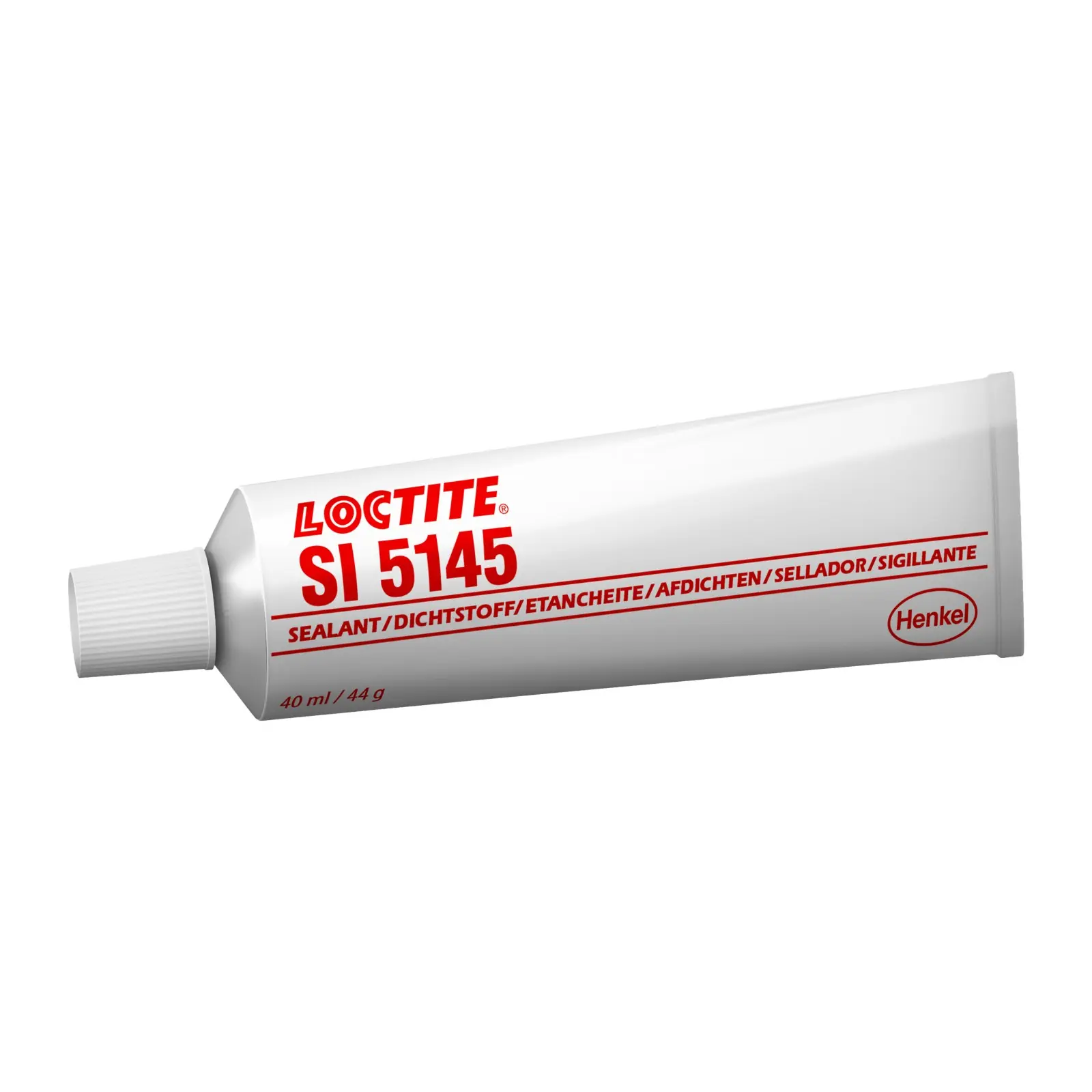
Product code: SI 5145
One-part alkoxy silicone for bonding, sealing and coating electronic devices; non-corrosive, non-slumping and for continuous service from -50 °C to 200 °C.
LOCTITE
Product code: SI 5011CL
Clear one-part non-corrosive oxime silicone for sealing and bonding electrical and electronic components. Resists water, steam, chemicals and UV ozone.
LOCTITE
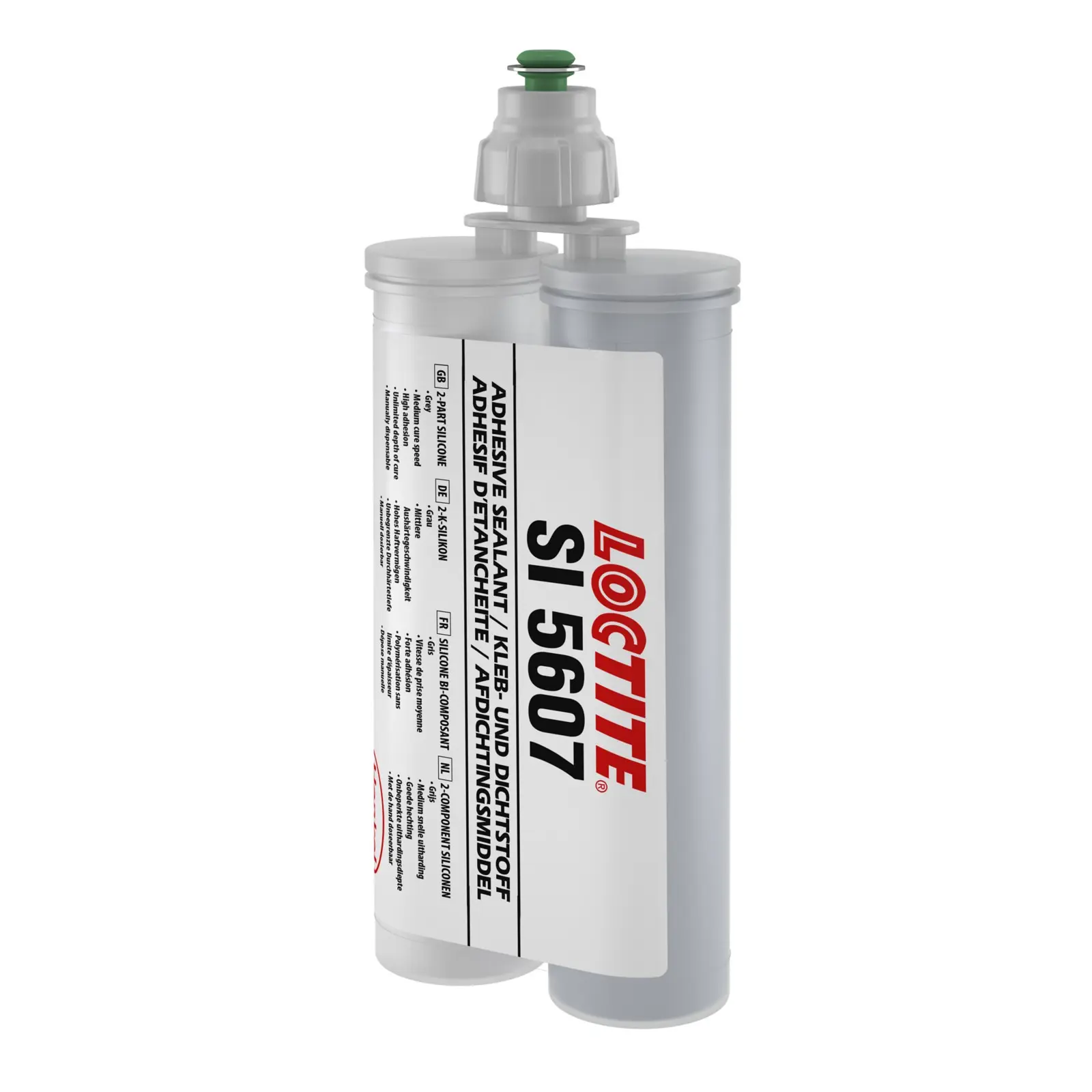
Product code: SI 5607
Gray 2-part neutral-curing silicone for bonding and sealing in appliances and other work that needs a long working life after dispensing.
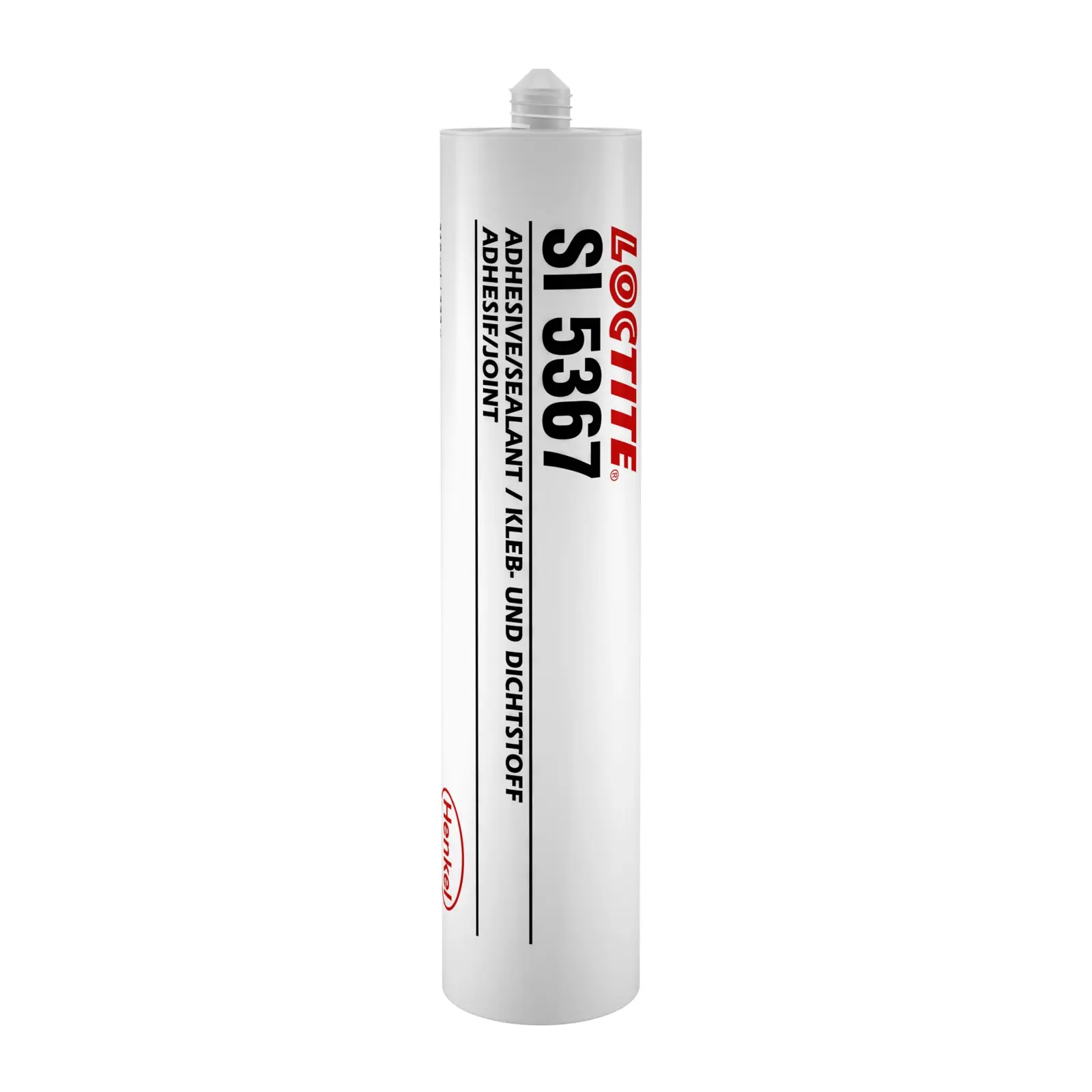
LOCTITE
Product code: SI 5367
White one-part acetoxy silicone for sealing and bonding around heat sources up to 250 °C, such as ovens, heat exchangers and steam circuits, and train windows.
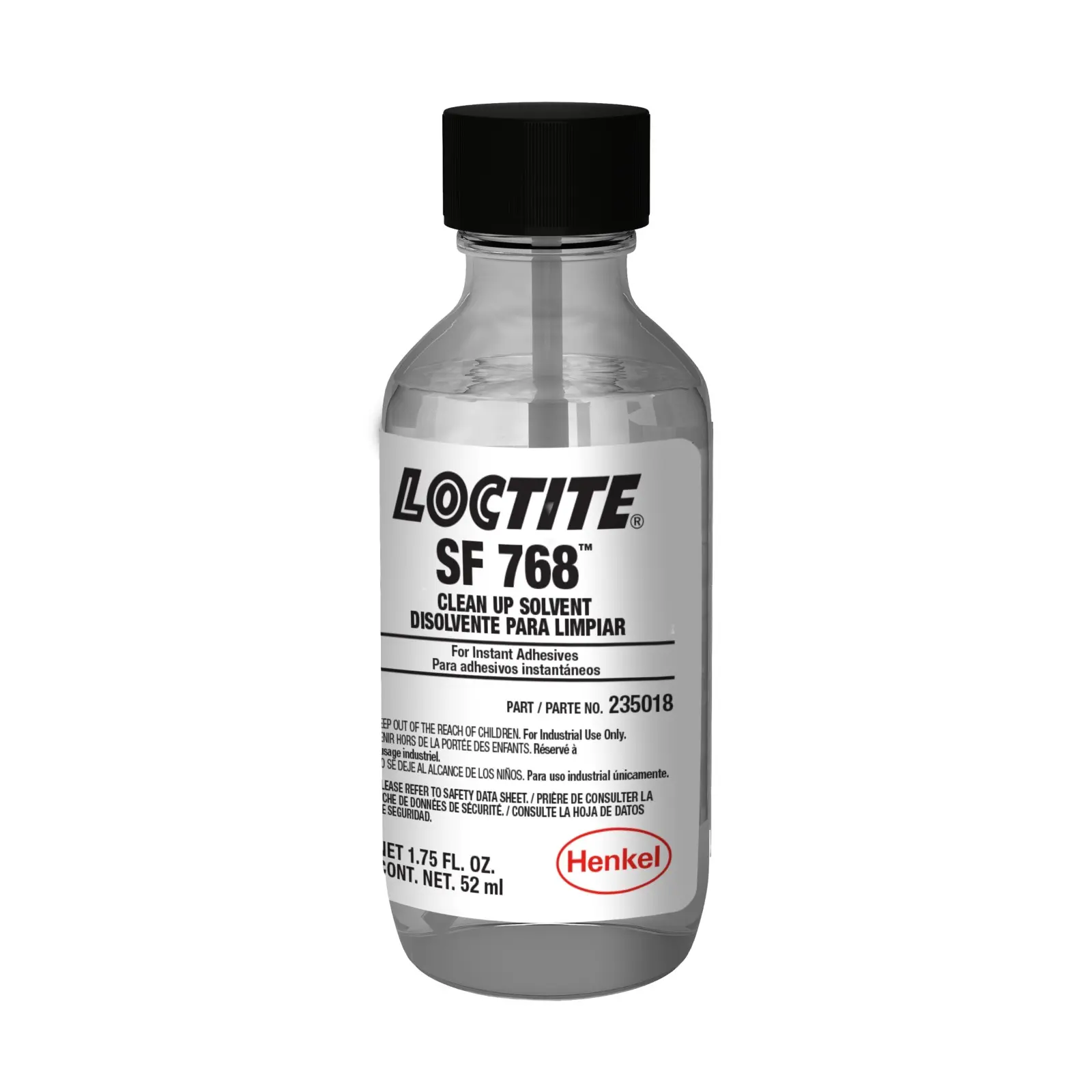
LOCTITE
Product code: SF 768
Solvent blend for removing cured cyanoacrylate adhesive from surfaces and for debonding parts assembled with it, by wiping or soaking.
Five questions, from job and materials to gap, removal and process, that lead to the right LOCTITE family.
What fixture, handling strength, full cure, open time and pot life mean, and what triggers cure in each LOCTITE family.
How to prepare steel, aluminum, plated metal, plastics, rubber and glass, and which LOCTITE helpers to use.
Storage ranges, upright bottles, refrigerated instant adhesives, SMT syringes, sealed cartridges, solvents, FIFO and expired stock.
Tell us the materials, the joint size, the temperature range and whether the enclosure is closed. We will review the SI 595 TDS with you and suggest a bead design.
Not sure which product fits? Ask our assistant
Type the job, the material or a spec. It searches our published products and TDS values — no external AI.