
LOCTITE
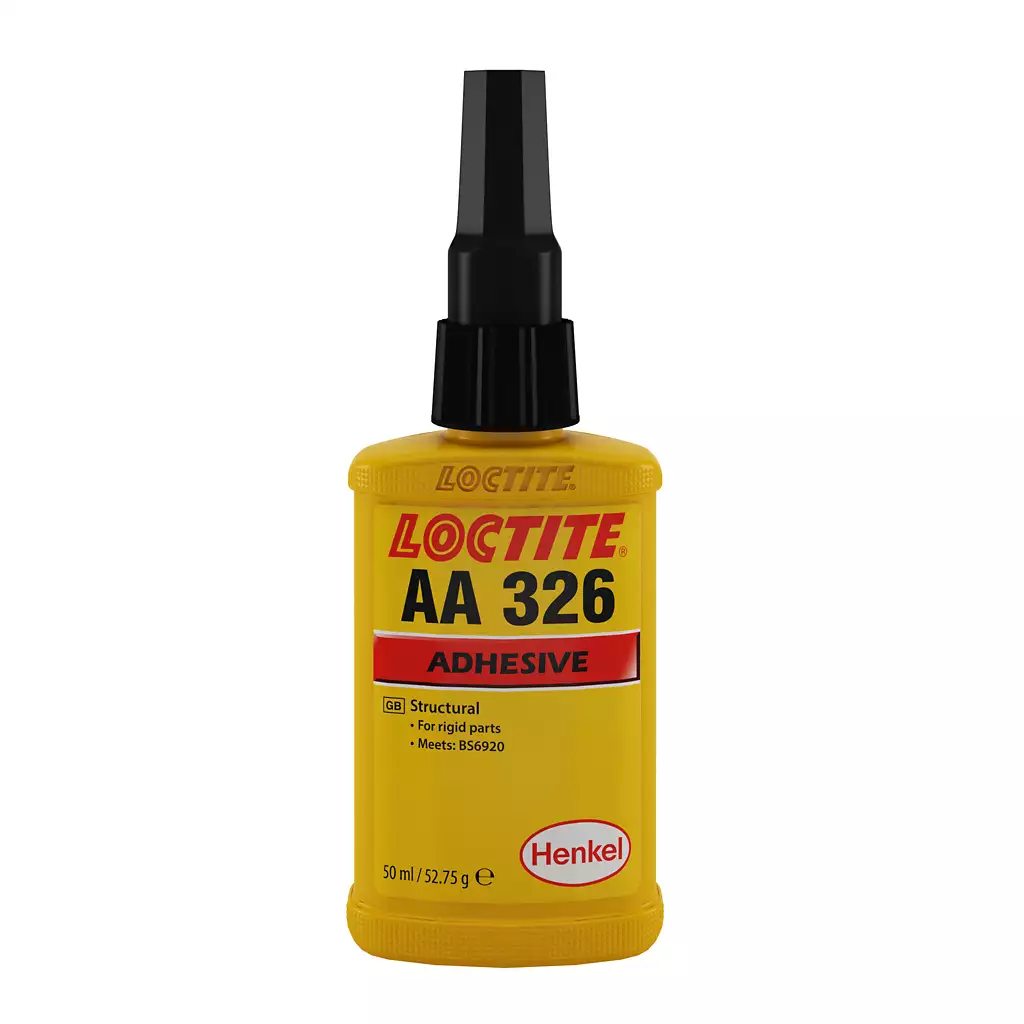
LOCTITE AA 326
Product code: AA 326
LOCTITE AA 326 is a high-viscosity structural acrylic used with LOCTITE SF 7649 activator for fast metal bonding, such as ferrites on plated parts in electric motors.
Technical guide
Magnets, ferrite cores and sheet-metal brackets in a motor need a joint that fills a real gap, takes shock and vibration, and cures fast enough for a production line. This guide explains what a structural acrylic does, how the activator process works, and how LOCTITE AA 326 and AA 331 differ in practice.
A structural acrylic is an adhesive designed to carry load as part of the assembly, not just to hold a part in place. The two reference grades are LOCTITE AA 326, a one-component, high-viscosity acrylic activated with LOCTITE SF 7649 for fast room-temperature cure and high shear strength, and AA 331, a one-part toughened acrylic structural paste of medium viscosity for metal bonding. Neither needs mixing.
Structural acrylics sit between cyanoacrylates and heavy structural systems. An instant adhesive such as LOCTITE 480 is fast and simple but wants close-fitting parts and a thin film; a two-part structural system fills large gaps but needs metering, mixing and often a long cure. A structural acrylic gives gap tolerance and toughness with a no-mix, room-temperature process.
The applications of the two grades map onto the parts of a small motor and its housing. AA 326 suits bonding ferrites to plated materials in electric motors and loudspeaker hardware, and for magnet bonding in electric motors used in elevator production. AA 331 suits DC motor assembly, magnet bonding and bonding of pre-coated sheet metal.
AA 326 is a two-step, no-mix system. The activator, LOCTITE SF 7649, goes on one surface and the adhesive on the other. Nothing happens until the parts meet; then the cure starts across the bond line. This suits a line: one operator primes a tray of housings while another dispenses adhesive onto the magnets.
Two timings matter: the open window of the activated surface before assembly, and the fixture time of the assembled joint before handling. Both are stated in the current TDS and both change with temperature and bond gap. AA 331 is one-part with a rapid room-temperature cure; whether an activator is required for your gap and substrate is answered in its TDS.
A magnet joint is a shear joint: torque tries to slide the magnet along the housing, and the adhesive resists best when loaded that way. Design so that the bond area carries the load in shear and the magnet is never pulled off in peel from an edge. Because the adhesive is thixotropic, it stays where it is dispensed.
The sequence below is written for AA 326 with its activator; for AA 331 drop the activator step unless its TDS calls for one. Quantities, open time and fixture time come from the TDS of the grade you run.
The two grades share chemistry and purpose; the differences are in viscosity, activation and the assemblies each grade suits. Use the table to pick a starting point for a bench trial on your own parts.
| Criterion | LOCTITE AA 326 | LOCTITE AA 331 |
|---|---|---|
| Viscosity and form | High-viscosity, thixotropic acrylic | Medium-viscosity toughened paste |
| Activation | Two-step, no-mix: LOCTITE SF 7649 on one surface | One-part, no-mix; cure path per the TDS |
| Cure | Fast room-temperature cure | Rapid room-temperature cure |
| Strength character | High shear strength | High shear and impact strength, toughened |
| Substrates named | Metal to metal, ferrites to plated materials, magnets | Metal to metal, magnets, pre-coated sheet metal |
| Typical assembly | Ferrites in electric motors and loudspeakers; elevator motor magnets | DC motor assembly, magnet bonding, coated brackets |
| Gap | Bond gaps up to 0.5 mm | Not stated; see the TDS |
| What to confirm | Activator open time, fixture time, temperature limit | Activator need, fixture time, adhesion to your coating |
Failures on magnet lines are usually process failures. The joints that fail in the field almost always show one of the patterns below at the bond face.
LOCTITE
Product code: AA 326
LOCTITE AA 326 is a high-viscosity structural acrylic used with LOCTITE SF 7649 activator for fast metal bonding, such as ferrites on plated parts in electric motors.
LOCTITE
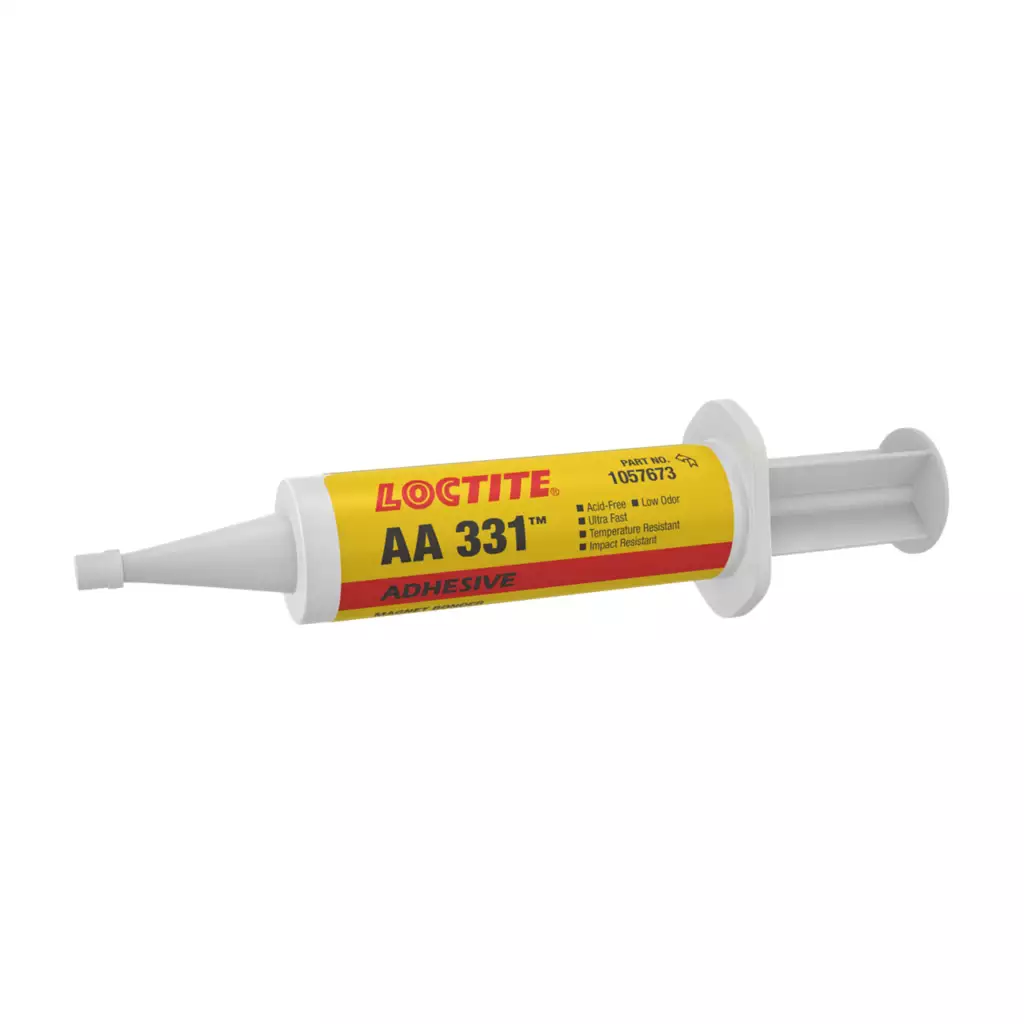
Product code: AA 331
LOCTITE AA 331 is a toughened, medium-viscosity acrylic paste used with LOCTITE SF 7387 activator for metal bonding in DC motors, magnets and pre-coated sheet metal.
LOCTITE
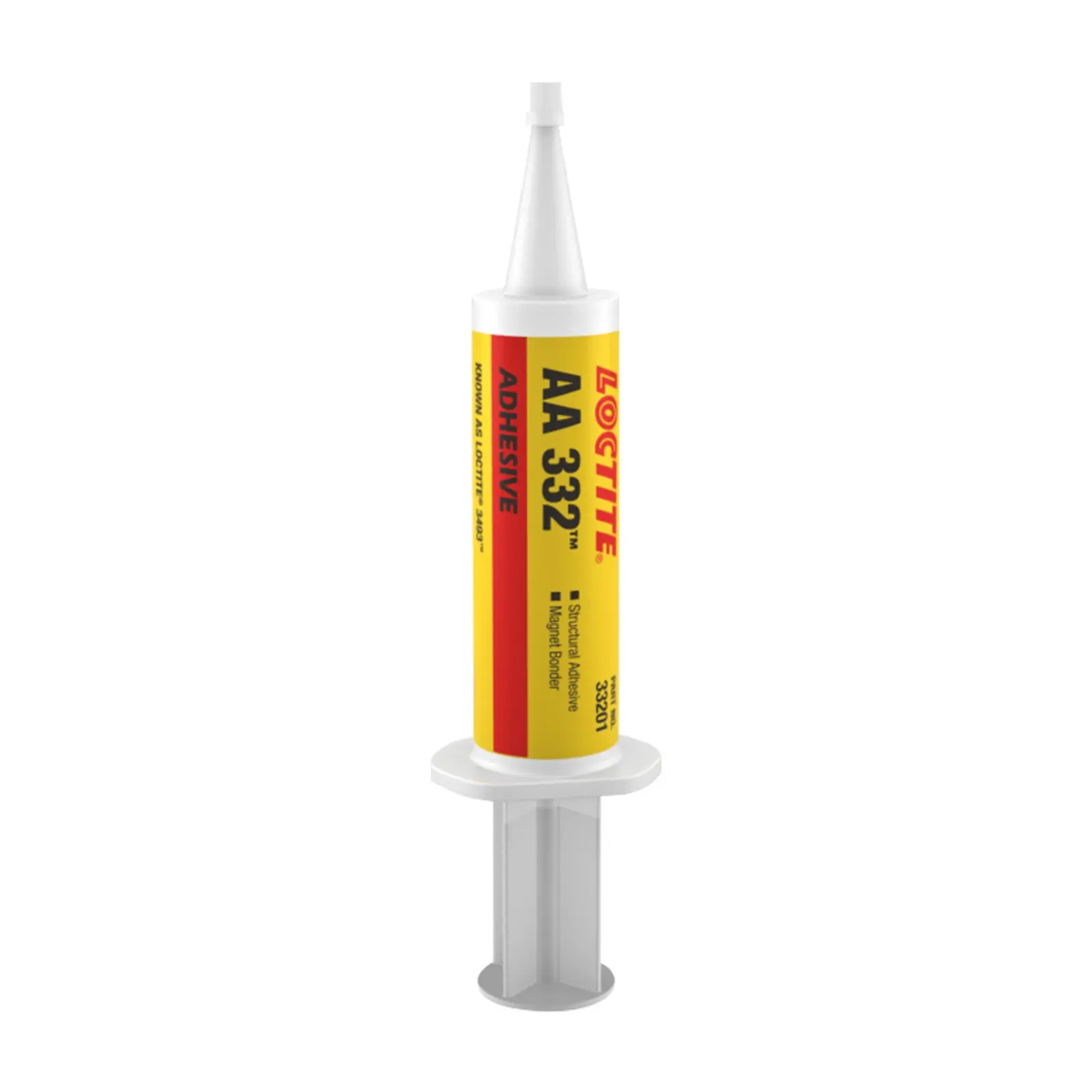
Product code: AA 332
High-viscosity acrylic adhesive for securing permanent magnets in motors, cured with Activator 7387 or heat and giving tough bonds that resist impact and peel.
LOCTITE
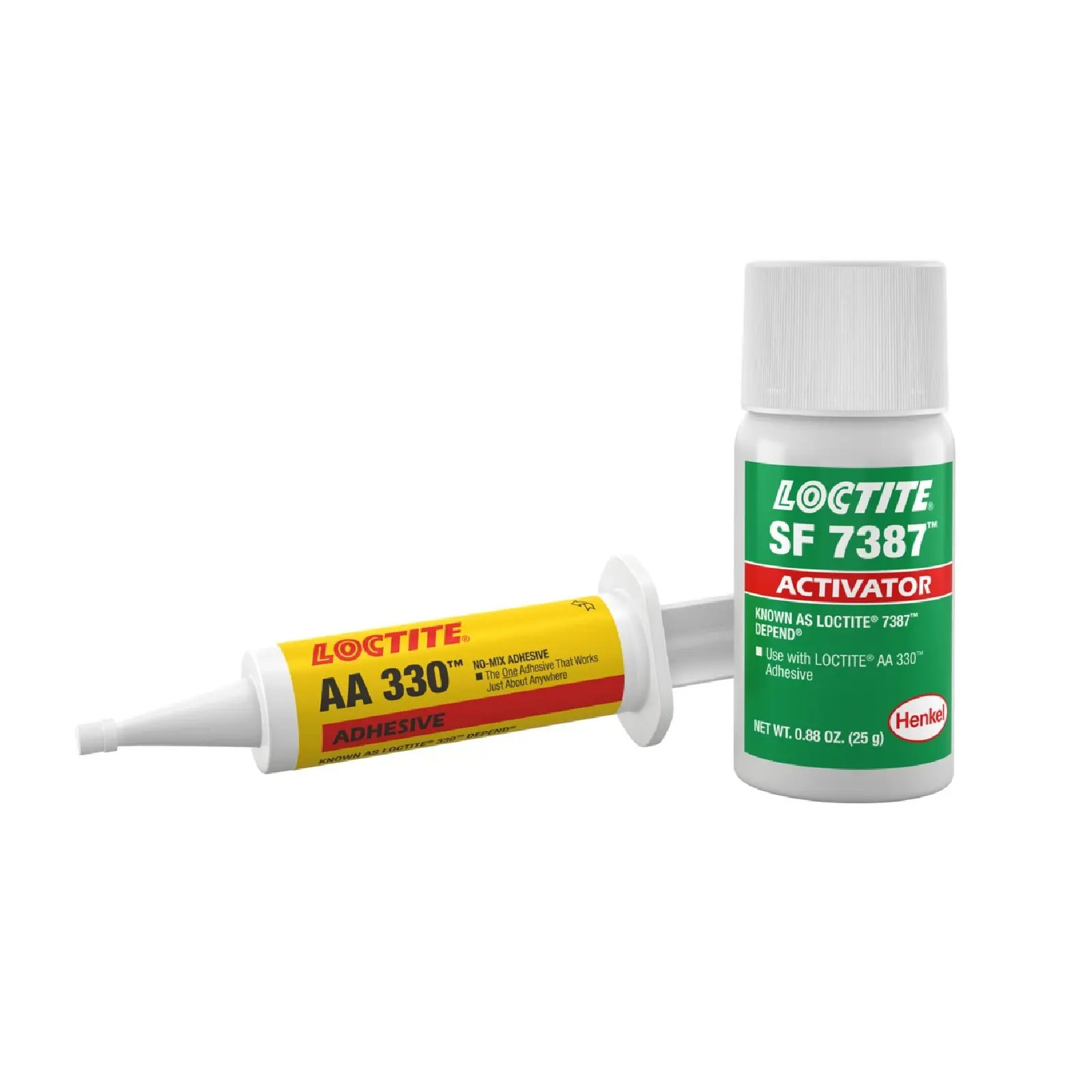
Product code: AA 330
General-purpose one-part acrylic used with an activator to bond metal, wood, ferrite, ceramic and plastic, in tool handles, appliances and decorative trim.
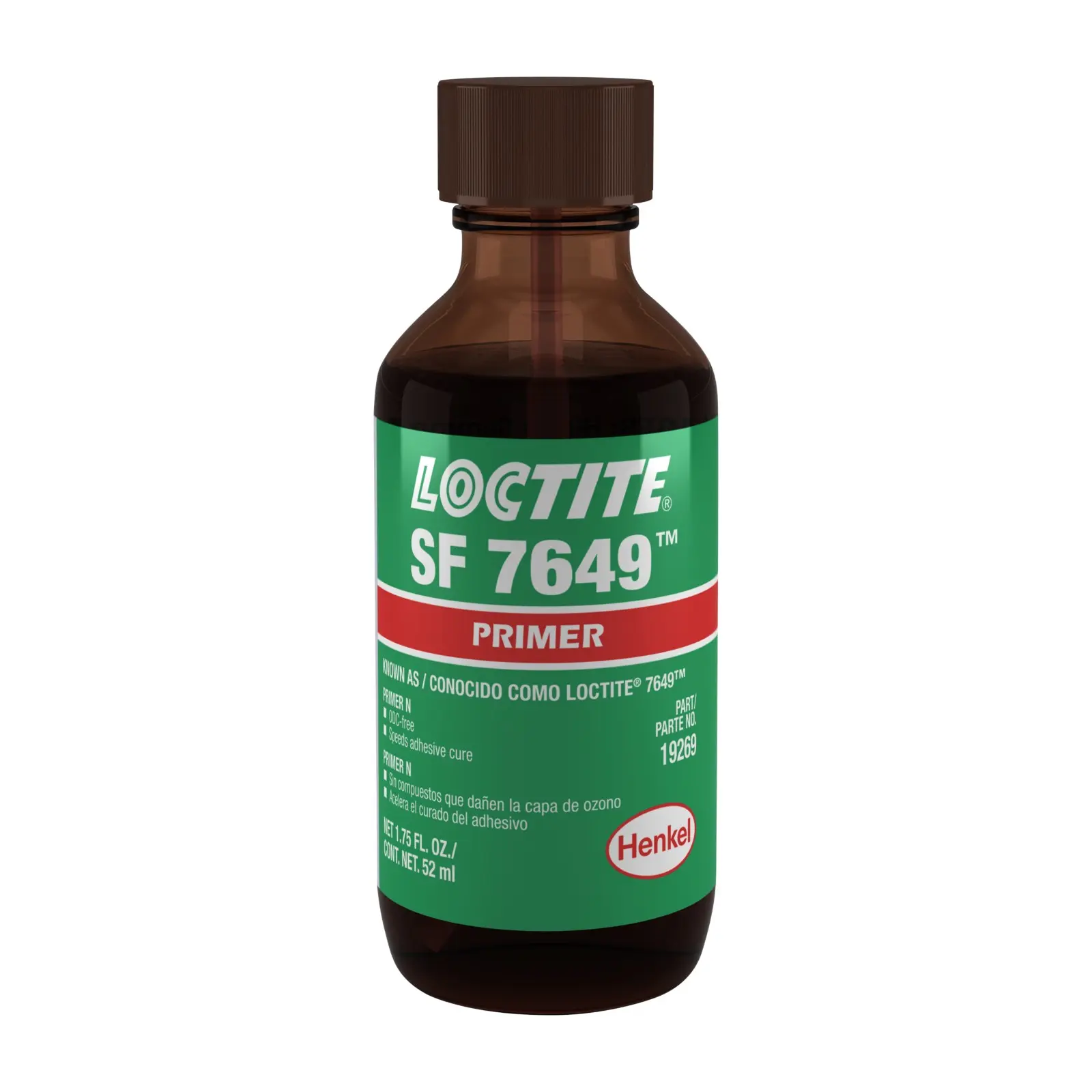
LOCTITE
Product code: SF 7649
Green activator for anaerobic adhesives and sealants, for passive metals, large bond gaps and temperatures below 15 °C. Stays active on the part for 30 days.
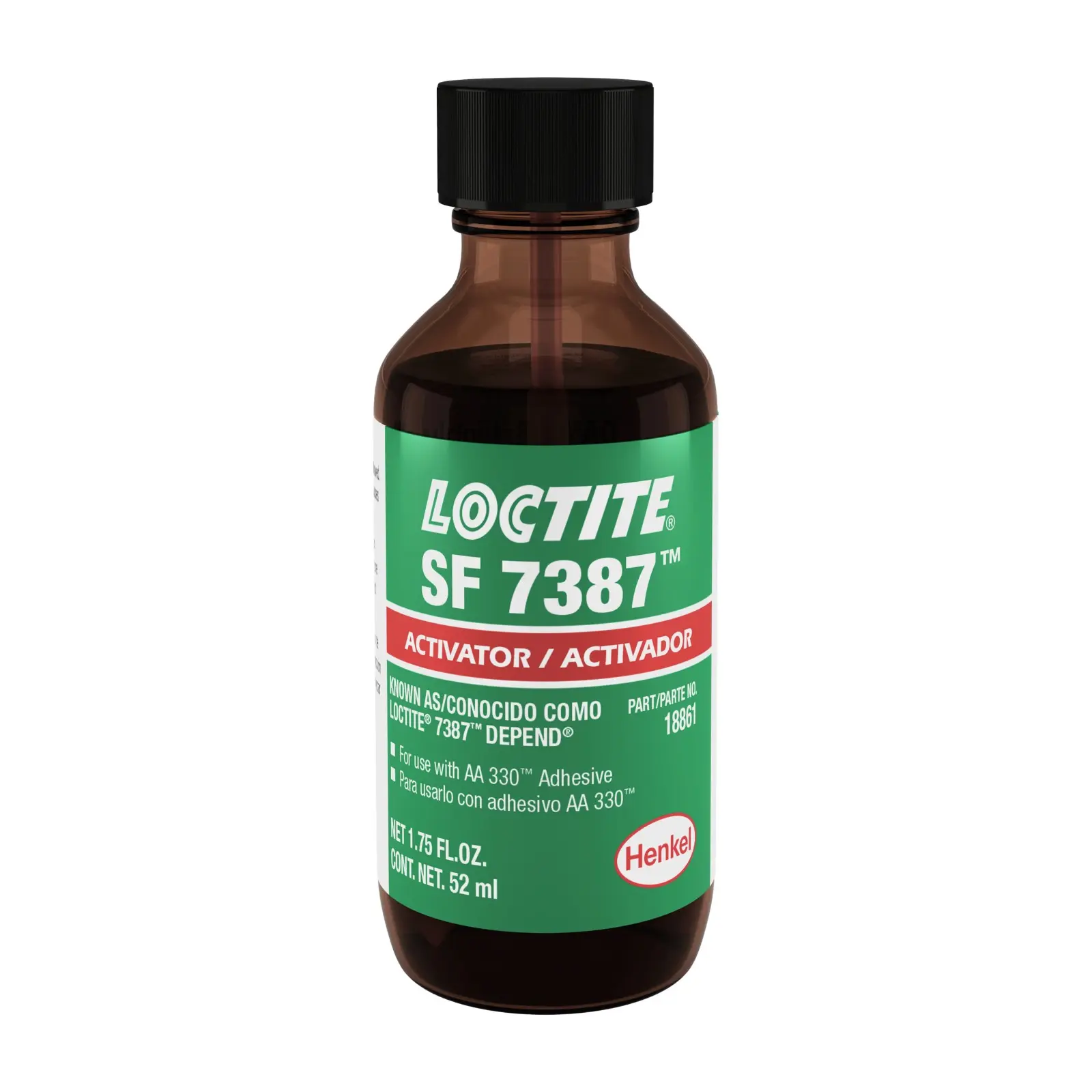
LOCTITE
Product code: SF 7387
Activator that starts the cure of toughened acrylic adhesives. A yellow to amber liquid with very low viscosity, fixturing in 4 minutes in the test on grit-blasted steel.
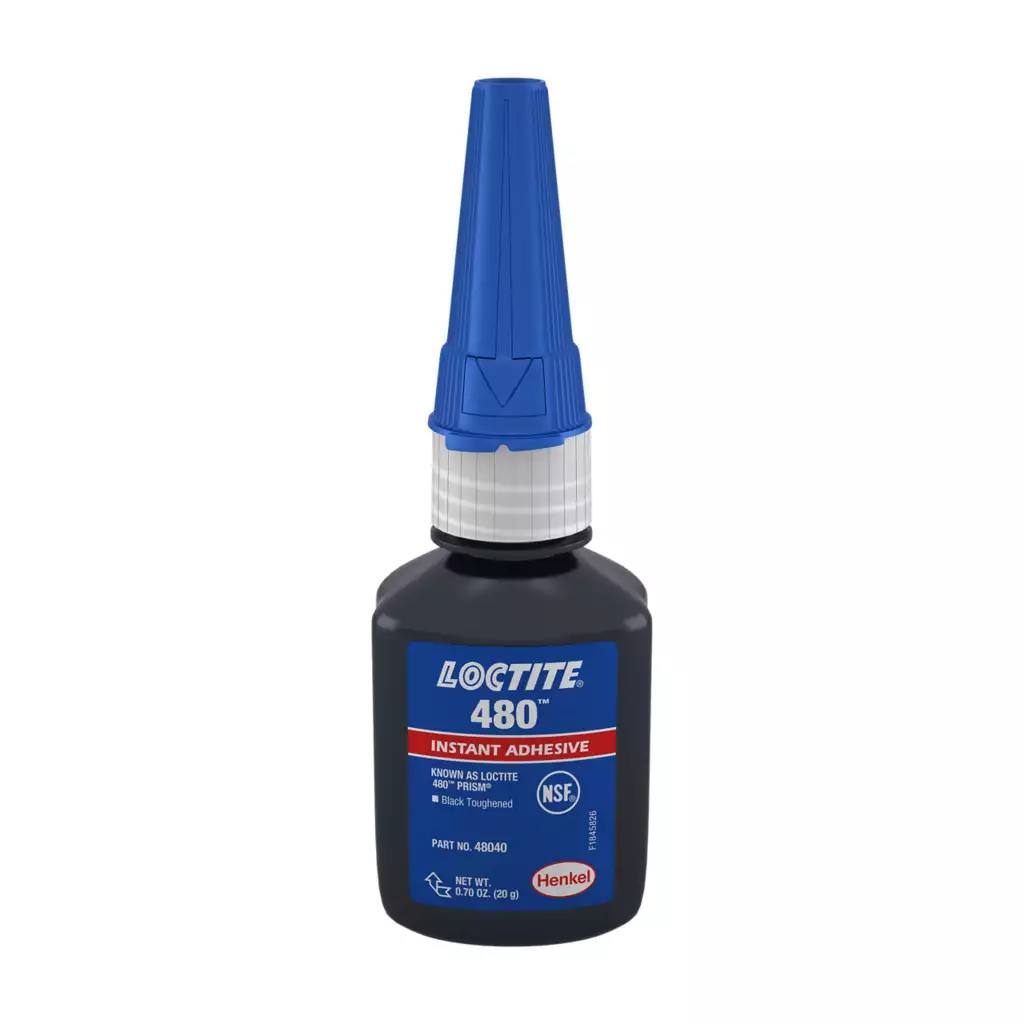
LOCTITE
Product code: 480
LOCTITE 480 is a black, rubber-toughened instant adhesive for close-fitting parts that face shock or peel loads, with added flexibility on metals, plastics and rubbers.
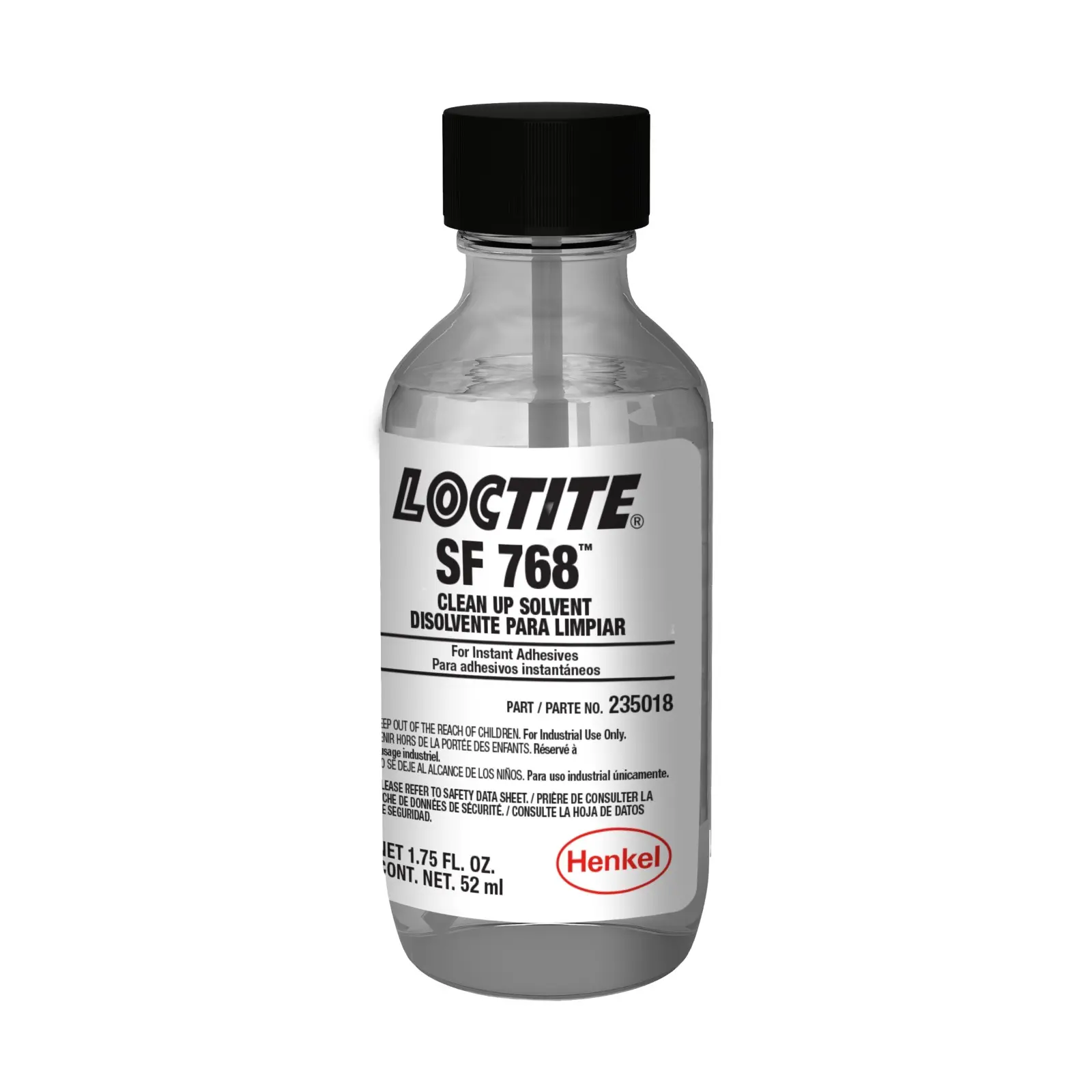
LOCTITE
Product code: SF 768
Solvent blend for removing cured cyanoacrylate adhesive from surfaces and for debonding parts assembled with it, by wiping or soaking.
Cyanoacrylates 480 and 496 versus structural acrylics AA 326 and AA 331: gap, load, cure path and process.
How to prepare steel, aluminum, plated metal, plastics, rubber and glass, and which LOCTITE helpers to use.
What fixture, handling strength, full cure, open time and pot life mean, and what triggers cure in each LOCTITE family.
Five questions, from job and materials to gap, removal and process, that lead to the right LOCTITE family.
Tell us the substrates, the gap, the load direction and the takt time. We will review the TDS of AA 326 and AA 331 with you and help set up the activator process.
Not sure which product fits? Ask our assistant
Type the job, the material or a spec. It searches our published products and TDS values — no external AI.