
ADVANCE
Back to Solutions

Retaining bearings, shafts and bushings

LOCTITE retaining compounds cure inside the joint between a shaft and its bore, so bearings, bushings, gears and rotors stay in place under shock and vibration. Choose the grade by fit clearance, strength, operating temperature and whether the part has to come apart for service.

LOCTITE retaining compound being applied to a bearing seat

Why bearings and gears come loose

Bearings in housings, gears and sprockets on gearbox shafts and rotors on motor shafts are usually held by a press fit or a slip fit alone. Once the machine runs, shock and vibration can work the parts loose. A bearing that spins in its seat wears the housing, and the fit gets worse every time the part is replaced.

  • Bearing spinning in the housing or on the shaft
  • Gears, sprockets or pulleys slipping on the shaft
  • Bushings and sleeves working out of the housing
  • Worn shafts, bearing seats and keyways after repeated repairs

How a retaining compound holds the joint

Retaining compounds are one-component liquids or pastes, so there is nothing to mix. They cure anaerobically: the product stays liquid in the bottle and cures once it is trapped between close-fitting metal surfaces with no air. The cured material locks the two parts together and helps prevent loosening and leakage caused by shock and vibration.

  • Augments press fits and interference fits (for example LOCTITE 603, 609, 635, 640).
  • Holds slip-fitted parts that would otherwise move (for example LOCTITE 603, 620, 638, 680).
  • Restores fits on worn shafts and spun bearings without re-machining (LOCTITE 660).
  • LOCTITE 661 also cures under UV light of sufficient intensity, which helps where the joint edge is exposed to light.

How to choose the right grade

Start with the clearance between the shaft and the bore. Then decide whether the part must come apart for service, how hot the assembly runs and what metal it is made of.

  • Close fits, small gaps — low-viscosity grades: LOCTITE 603 (gap fill up to 0.15 mm, tolerates oil), LOCTITE 648 (bond gaps up to 0.15 mm, up to 180 °C), LOCTITE 609 (gap fill 0.15 mm, motor rotors and press fits).
  • Larger gaps and slip fits — higher-viscosity grades: LOCTITE 638 (0.15–0.25 mm, up to 180 °C), LOCTITE 620 (gaps approaching 0.2 mm, up to 230 °C), LOCTITE 680 (optimum fit range 0.05–0.38 mm, loose and slip fits).
  • Worn parts — LOCTITE 660 paste fills bond gaps approaching 0.50 mm on worn shafts, bearing seats, keyways, splines and tapers.
  • Large parts that need time to position — LOCTITE 640 cures slowly (fixture time typically 2 hours on steel) and also suits active metals such as brass.
  • Parts removed during regular service — LOCTITE 641, medium strength, for bearings on shafts and in housings that need to come apart.
  • Fast handling with UV — LOCTITE 661 fixes in 14 seconds under UV light at 6 mW/cm², 365 nm, and still cures anaerobically inside the joint.

What affects the result on the line

The same product can give a different result on two lines. Most problems come back to the clearance, the surface and the metal.

  • Clearance: if the real gap is larger than the grade is meant for, the product may not fill it or cure fully. Measure actual parts, not only the drawing.
  • Surface: clean mating surfaces where practical. LOCTITE 603 tolerates oil, and LOCTITE 638, 648 and 680 tolerate minor contamination from cutting, lubricating, anti-corrosion and protective oils.
  • Metal: LOCTITE 638, 648 and 680 cure on active metals such as mild steel and on passive surfaces such as stainless steel and plated metals. LOCTITE 680 cures on inactive surfaces without a primer.
  • Cure speed: when cure is slow, the metal is inactive or the gap is larger, an appropriate activator can help. Check the current TDS for the activator to use with each grade.
  • Plastics: these grades are for metal assemblies. LOCTITE 603 is not normally recommended for plastics, particularly thermoplastics, because stress cracking may occur.
  • Operating temperature: check the service range of each grade. For example, LOCTITE 603 is rated −55 to +150 °C, while LOCTITE 620 goes up to 230 °C.

Applying and checking the joint

  • Clean the shaft and the bore where practical, and let any cleaner dry before applying.
  • Apply enough product to wet the full mating surface, then assemble.
  • Leave the part undisturbed until it reaches fixture strength. Fixture time differs a lot between grades, from a few minutes to around 2 hours for LOCTITE 640 on steel.
  • Use UV inspection where the grade fluoresces (for example LOCTITE 601, 603, 609, 635, 638, 648, 649, 680, 6300) to confirm the product is in the joint. LOCTITE 641 and 660 do not fluoresce.
  • Store unopened product at 8–21 °C.

What to confirm before you choose

  • Shaft and bore sizes with tolerance, or the measured clearance
  • Fit type: press fit, slip fit or worn part
  • Metals and surface finish (mild steel, stainless steel, brass, plated)
  • Operating temperature and whether the part must be removed for service
  • How long the line can wait before the part is handled

Products to compare

These retaining grades cover close fits, larger gaps, worn parts and parts that need to come apart. Compare the gap, strength and temperature range, then check the current TDS before production use.

Retaining compounds

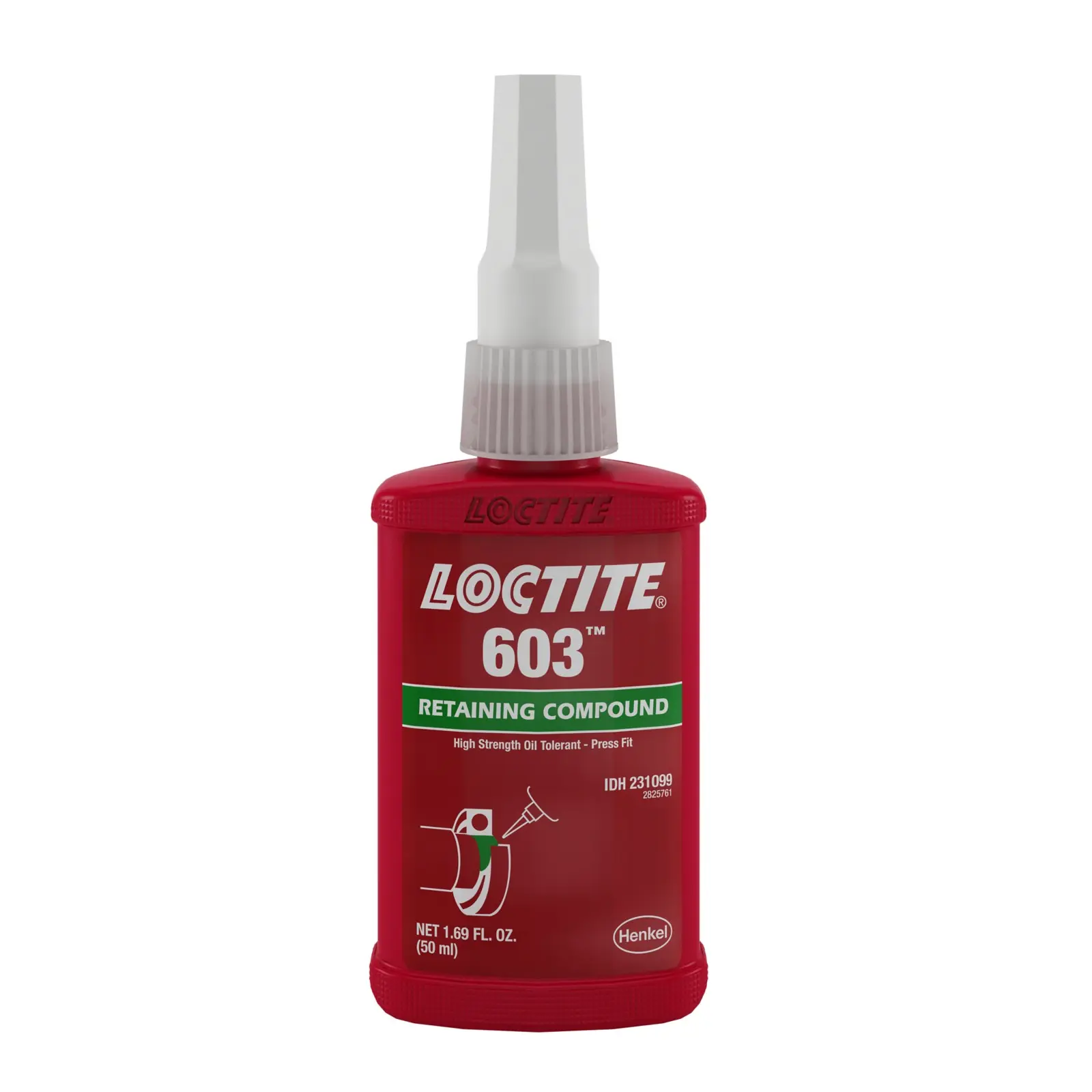
  • LOCTITE 603

    LOCTITE

    LOCTITE 603

    Product code: 603

    A low-viscosity, high-strength anaerobic retaining compound for cylindrical metal assemblies, including bearings, bushings and shafts.
  • LOCTITE 609

    LOCTITE

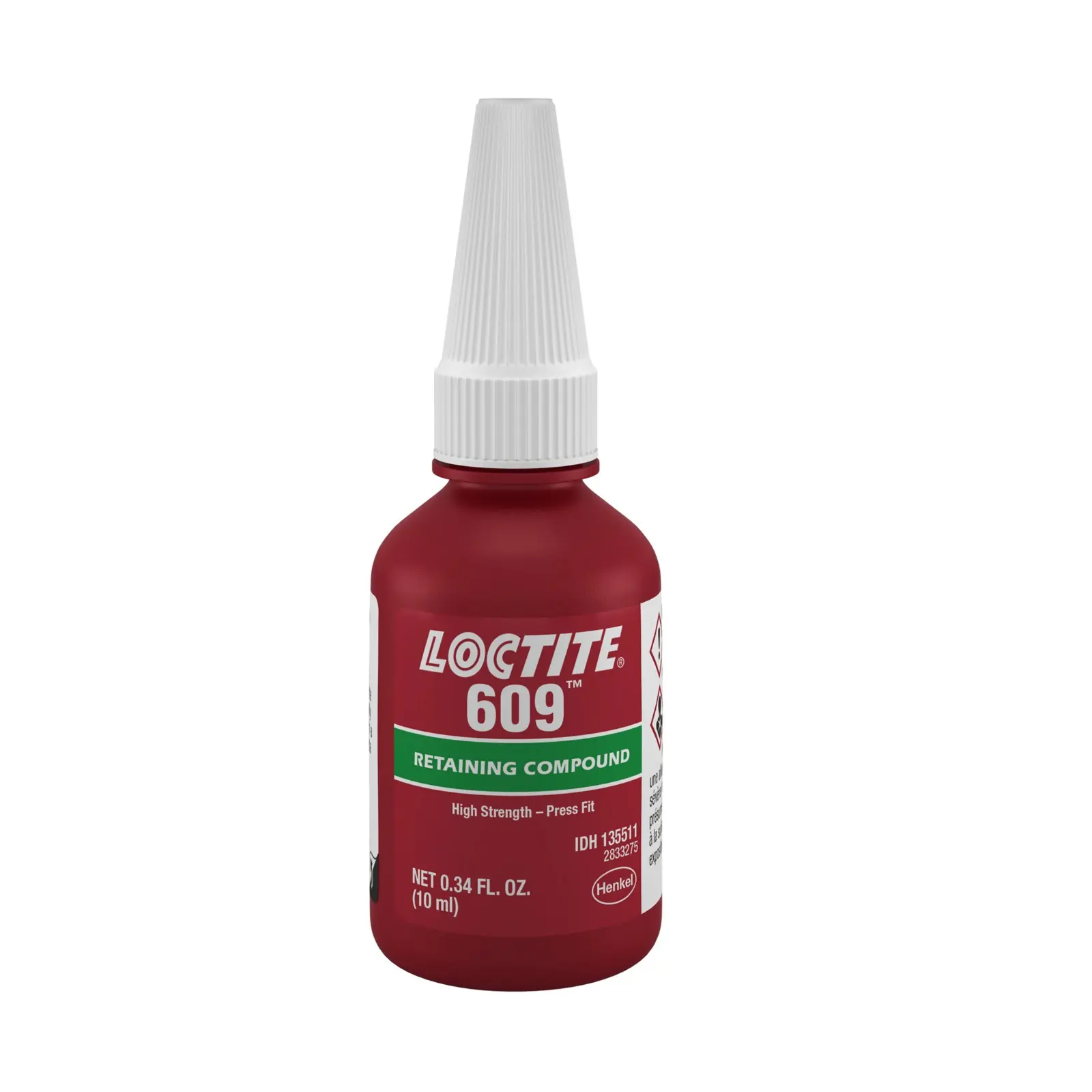
    LOCTITE 609

    Product code: 609

    LOCTITE 609 is a low-viscosity, high-strength anaerobic retaining compound for cylindrical metal fits, bushings, sleeves and motor rotors.
  • LOCTITE 620

    LOCTITE

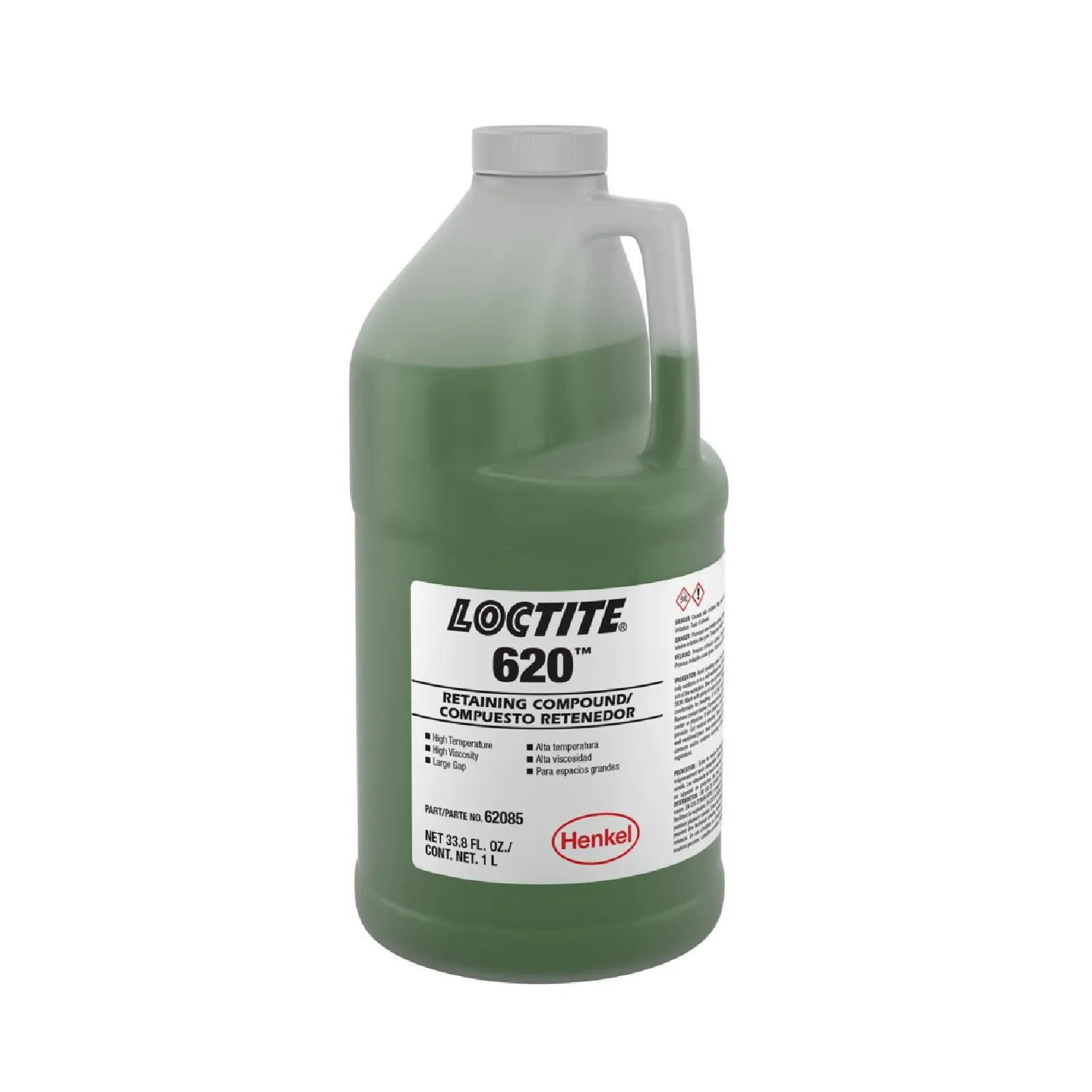
    LOCTITE 620

    Product code: 620

    LOCTITE 620 is a high-viscosity anaerobic retaining compound for cylindrical metal fits that need gap filling and elevated-temperature resistance.
  • LOCTITE 638

    LOCTITE

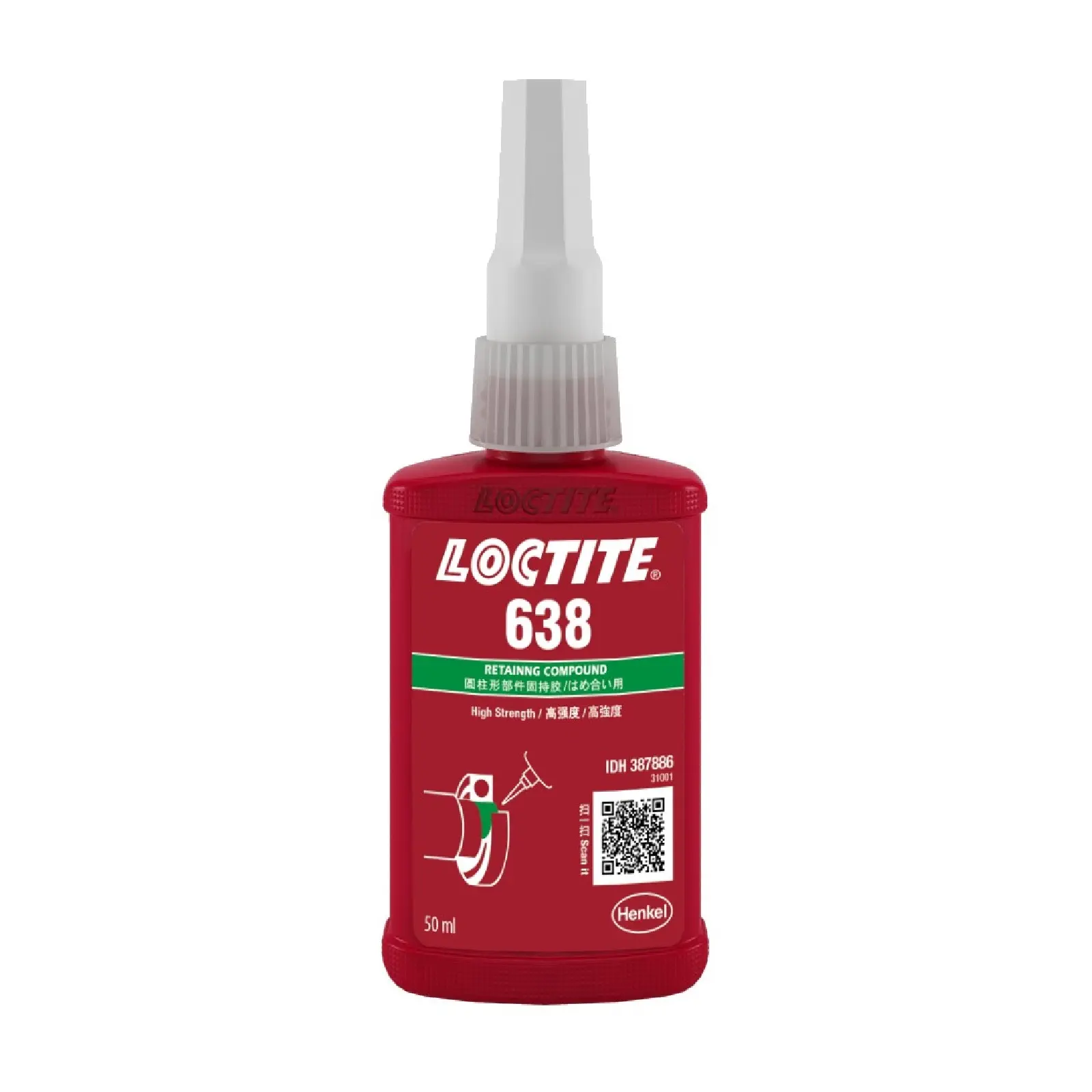
    LOCTITE 638

    Product code: 638

    A high-viscosity, high-strength anaerobic retaining compound for cylindrical metal parts with bond gaps up to 0.25 mm.
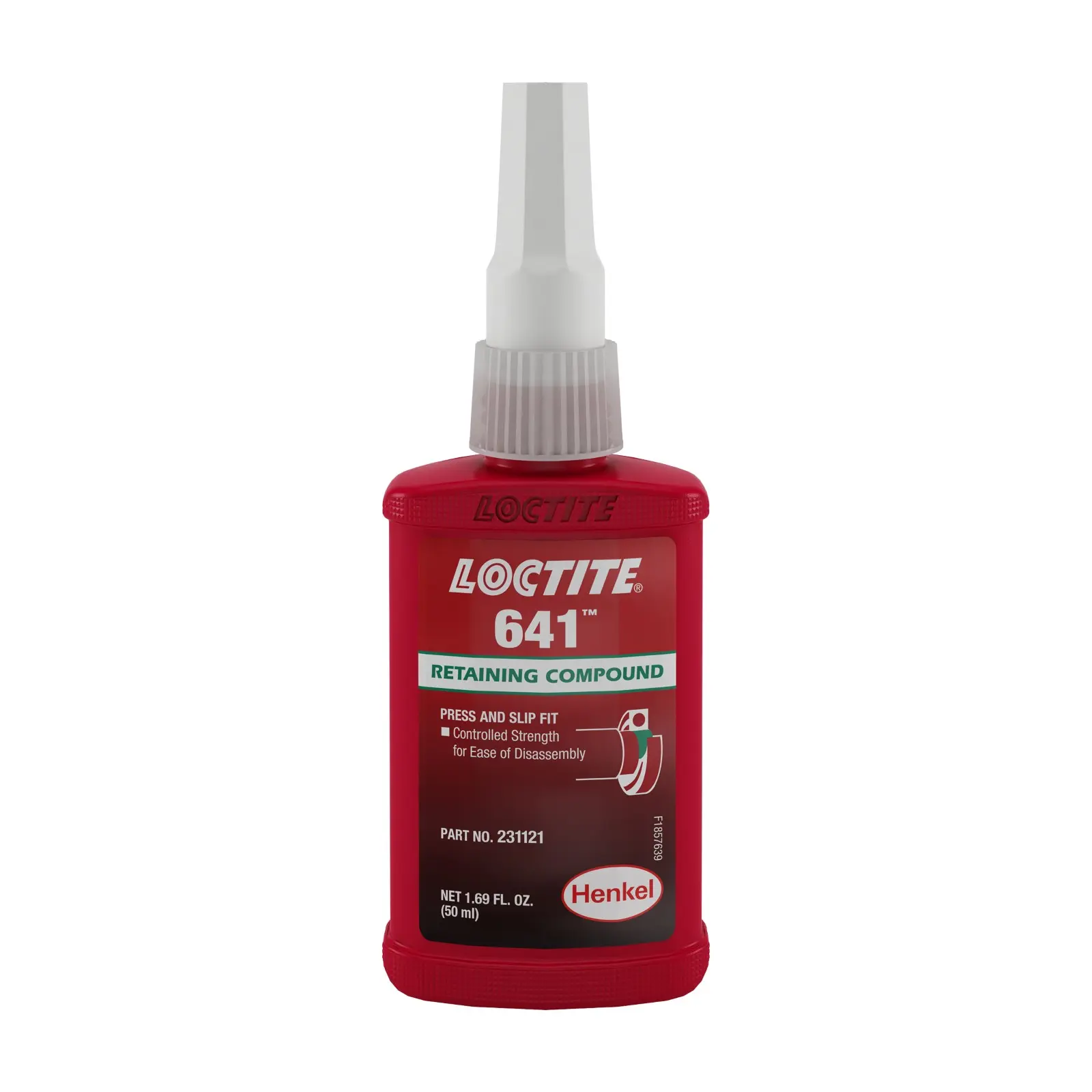
  • LOCTITE 641

    LOCTITE

    LOCTITE 641

    Product code: 641

    LOCTITE 641 is a medium-strength anaerobic retaining compound for bearings and cylindrical metal parts that may need regular disassembly.
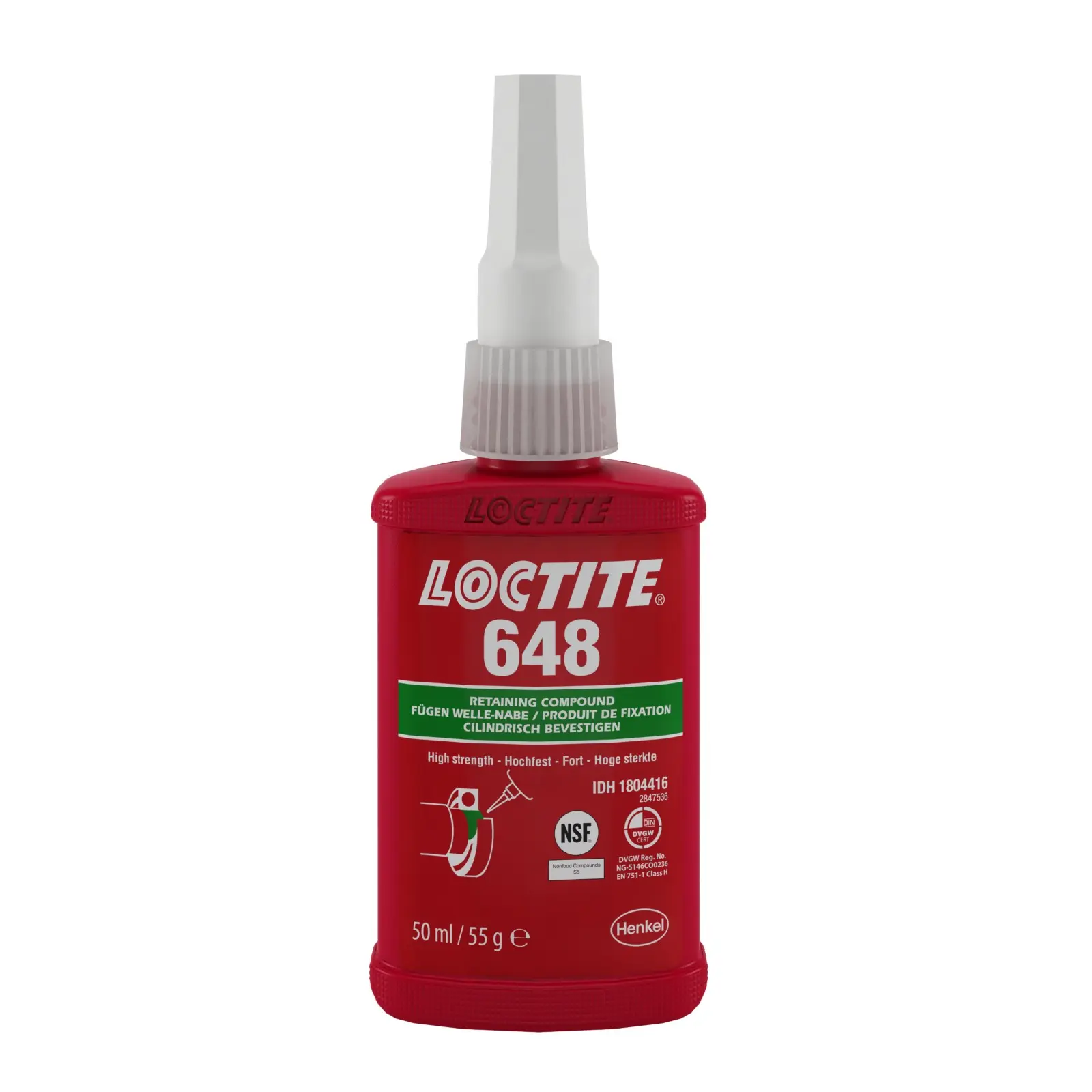
  • LOCTITE 648

    LOCTITE

    LOCTITE 648

    Product code: 648

    A low-viscosity, high-strength anaerobic retaining compound for cylindrical metal assemblies, including gearbox and electric motor shafts.
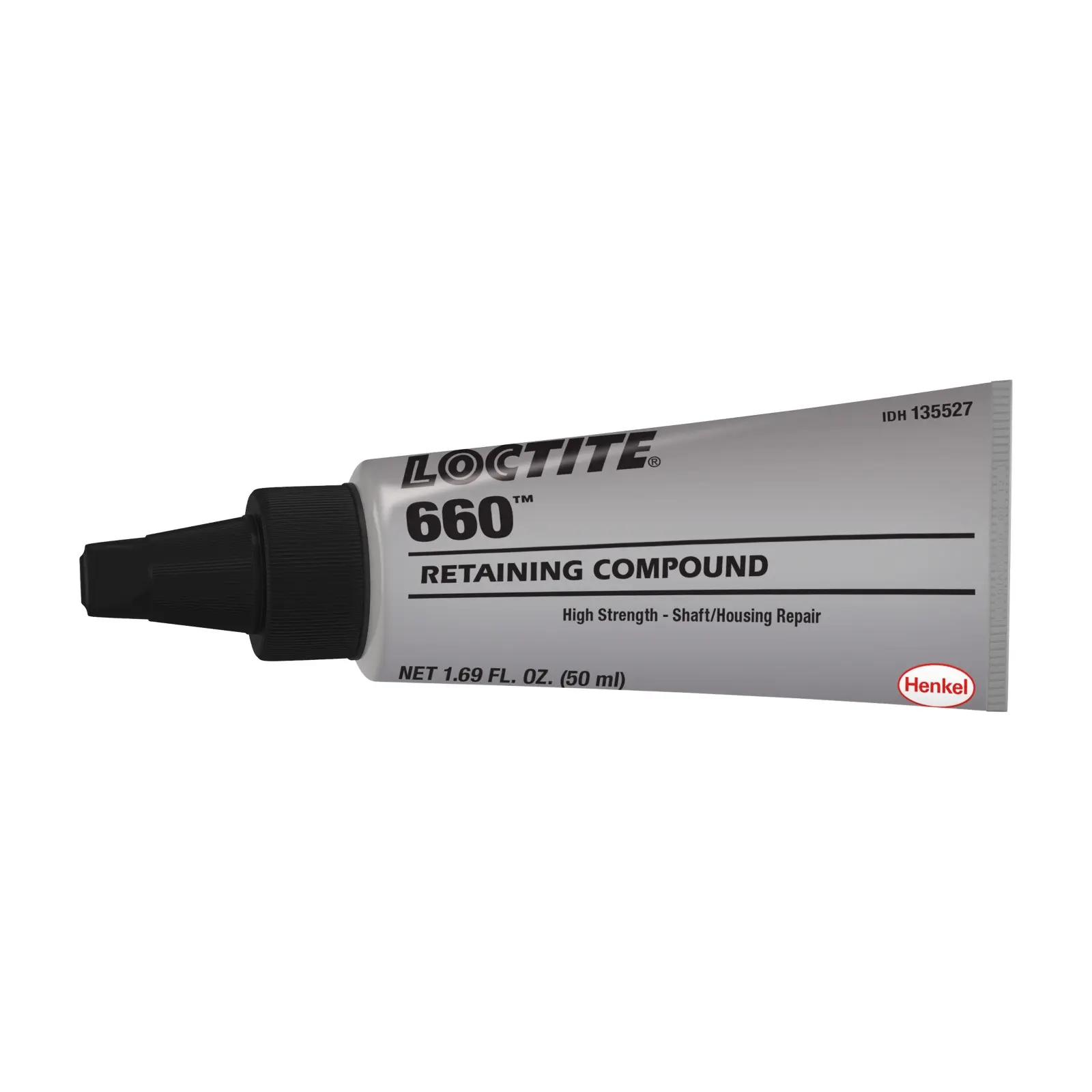
  • LOCTITE 660

    LOCTITE

    LOCTITE 660

    Product code: 660

    LOCTITE 660 is a high-viscosity anaerobic retaining paste for repairing worn cylindrical fits and filling gaps without re-machining.
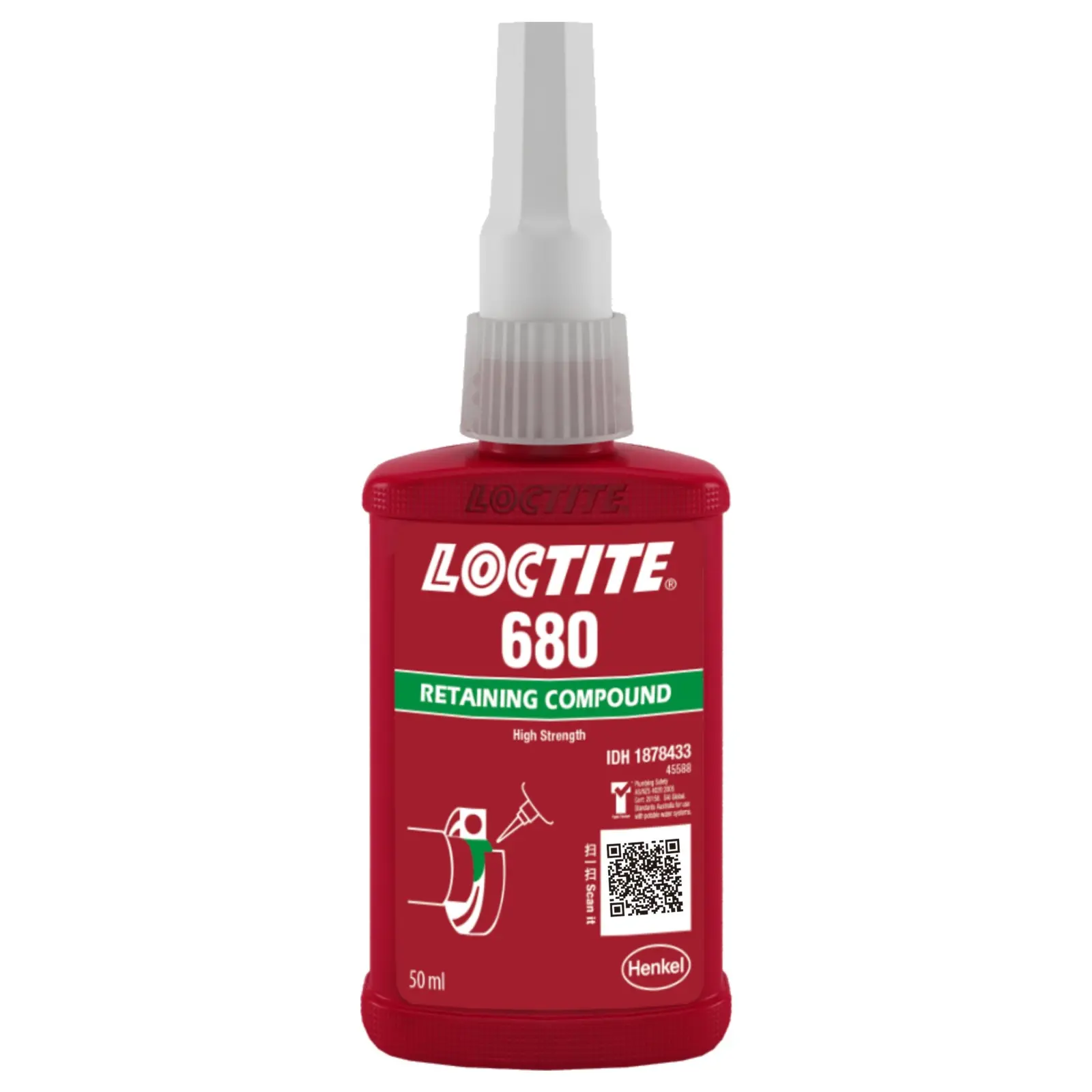
  • LOCTITE 680

    LOCTITE

    LOCTITE 680

    Product code: 680

    A high-strength anaerobic retaining compound for cylindrical metal assemblies and loose- or slip-fitted parts.
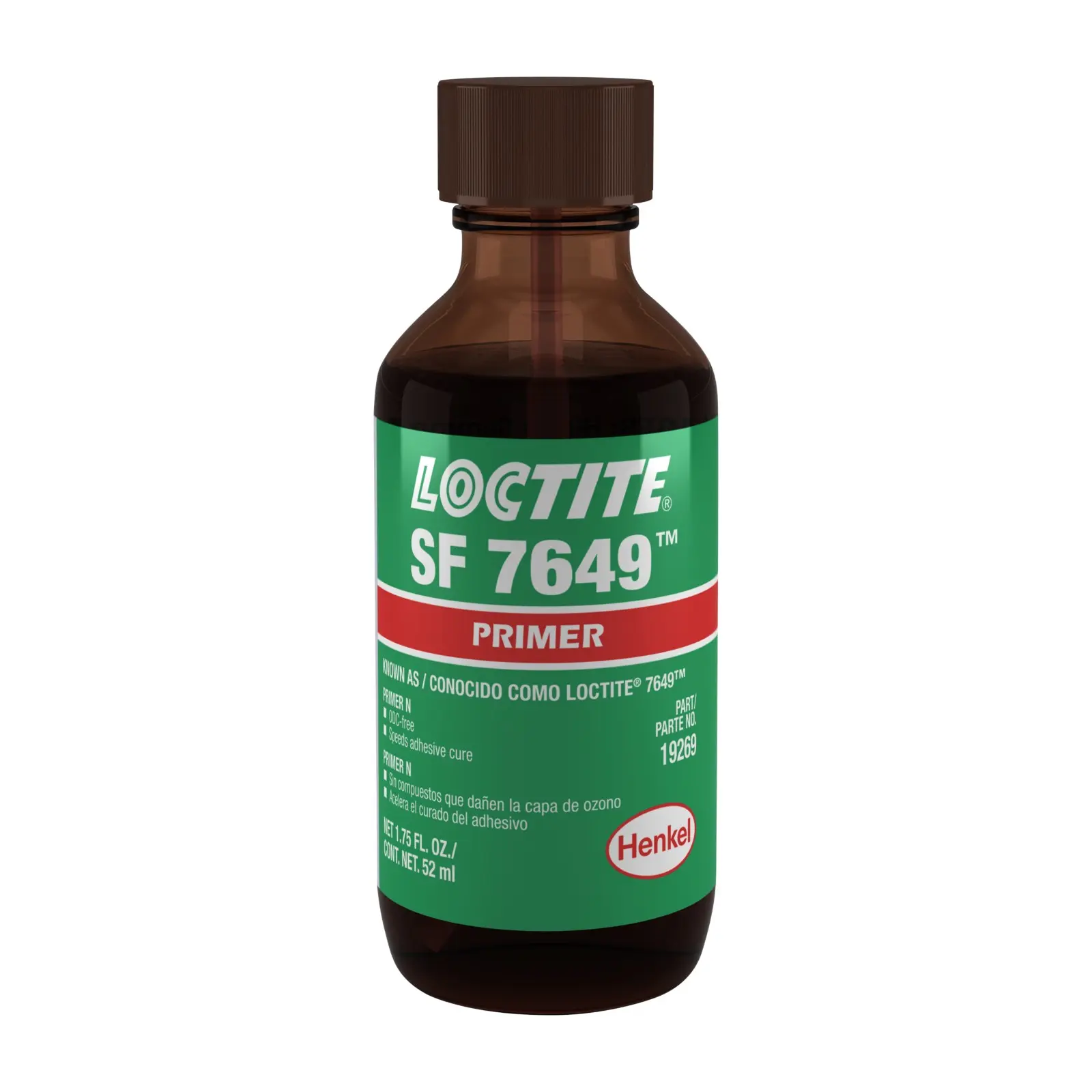
  • LOCTITE SF 7649

    LOCTITE

    LOCTITE SF 7649

    Product code: SF 7649

    Green activator for anaerobic adhesives and sealants, for passive metals, large bond gaps and temperatures below 15 °C. Stays active on the part for 30 days.
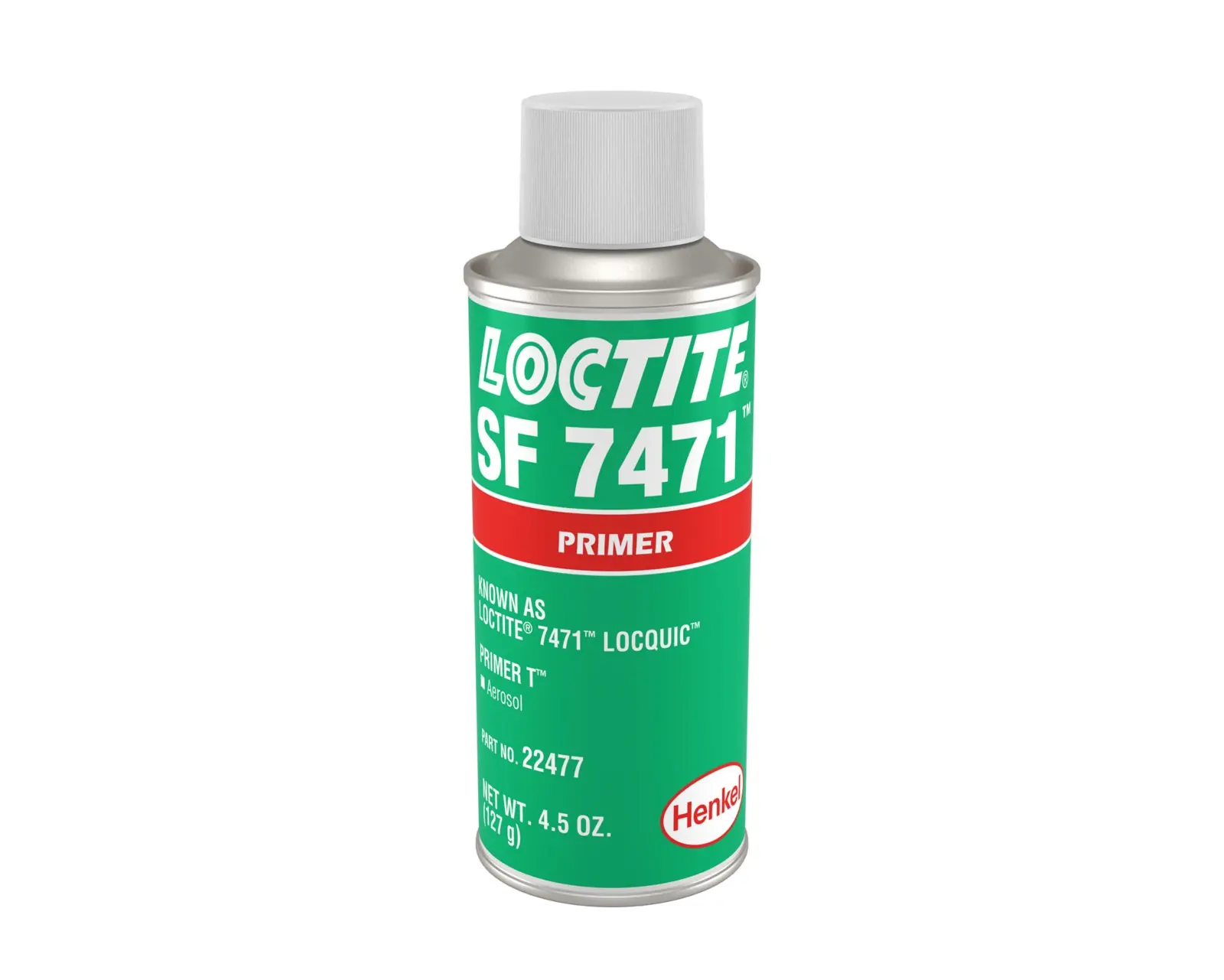
  • LOCTITE SF 7471

    LOCTITE

    LOCTITE SF 7471

    Product code: SF 7471

    Activator for anaerobic adhesives and sealants, for passive metals, large bond gaps and temperatures below 15 °C. Stays active on the part for 7 days.

View all 14 Retaining Compounds →

Frequently asked questions

The bearing has spun and the housing is worn. Do we have to re-machine it?
Not always. LOCTITE 660 is a paste that fills bond gaps approaching 0.50 mm and is used to restore fits on worn shafts, spun bearings and damaged keyways without re-machining. Measure the actual clearance first, and send us the figure.
We need to change the bearing at every overhaul. Will retaining compound stop us removing it?
Choose by strength. LOCTITE 641 is a medium-strength grade for bearings on shafts and in housings that must come apart during regular service. Most other grades on this page are high strength and suit assemblies that stay together; LOCTITE 601 is intended for permanent retention.
Our parts arrive with oil on them. Must they be completely clean?
Clean them where practical. LOCTITE 603 tolerates oil, and LOCTITE 638, 648 and 680 tolerate minor contamination from cutting, lubricating, anti-corrosion and protective oils. Test on your own parts before production.
The product cures slowly on our stainless steel parts. What can we do?
LOCTITE 638, 648 and 680 cure on passive surfaces such as stainless steel and plated metals. If cure is still slow, or the gap is large, an appropriate activator can help. Tell us the grade you use now and the gap.
Can we use these on plastic parts?
These grades are for metal assemblies. LOCTITE 603 is not normally recommended for plastics, especially thermoplastics, because stress cracking may occur. Send us the plastic type and we will check other options.

Not sure which retaining grade fits your part?

Send ADVANCE a photo or drawing of the part, the shaft and bore sizes or measured clearance, the metals, the operating temperature and whether the part must come apart for service.

Not sure which product fits? Ask our assistant

Type the job, the material or a spec. It searches our published products and TDS values — no external AI.